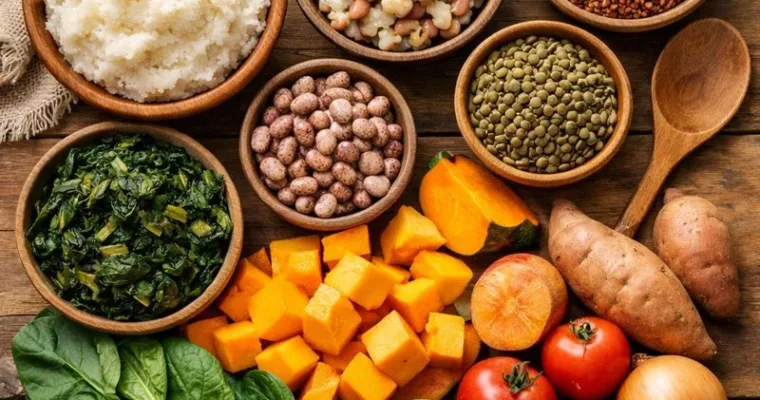
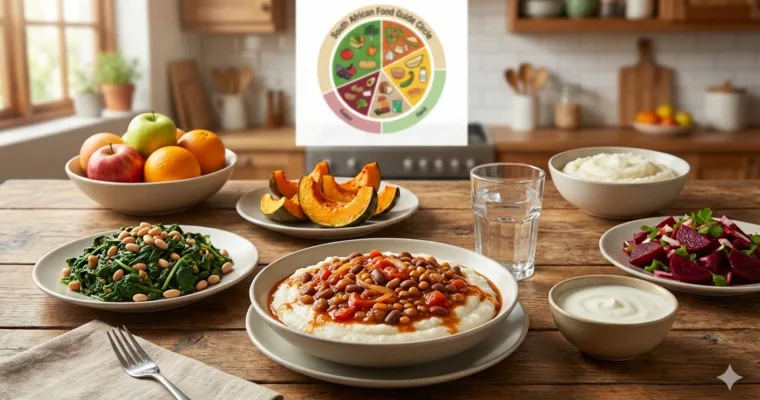
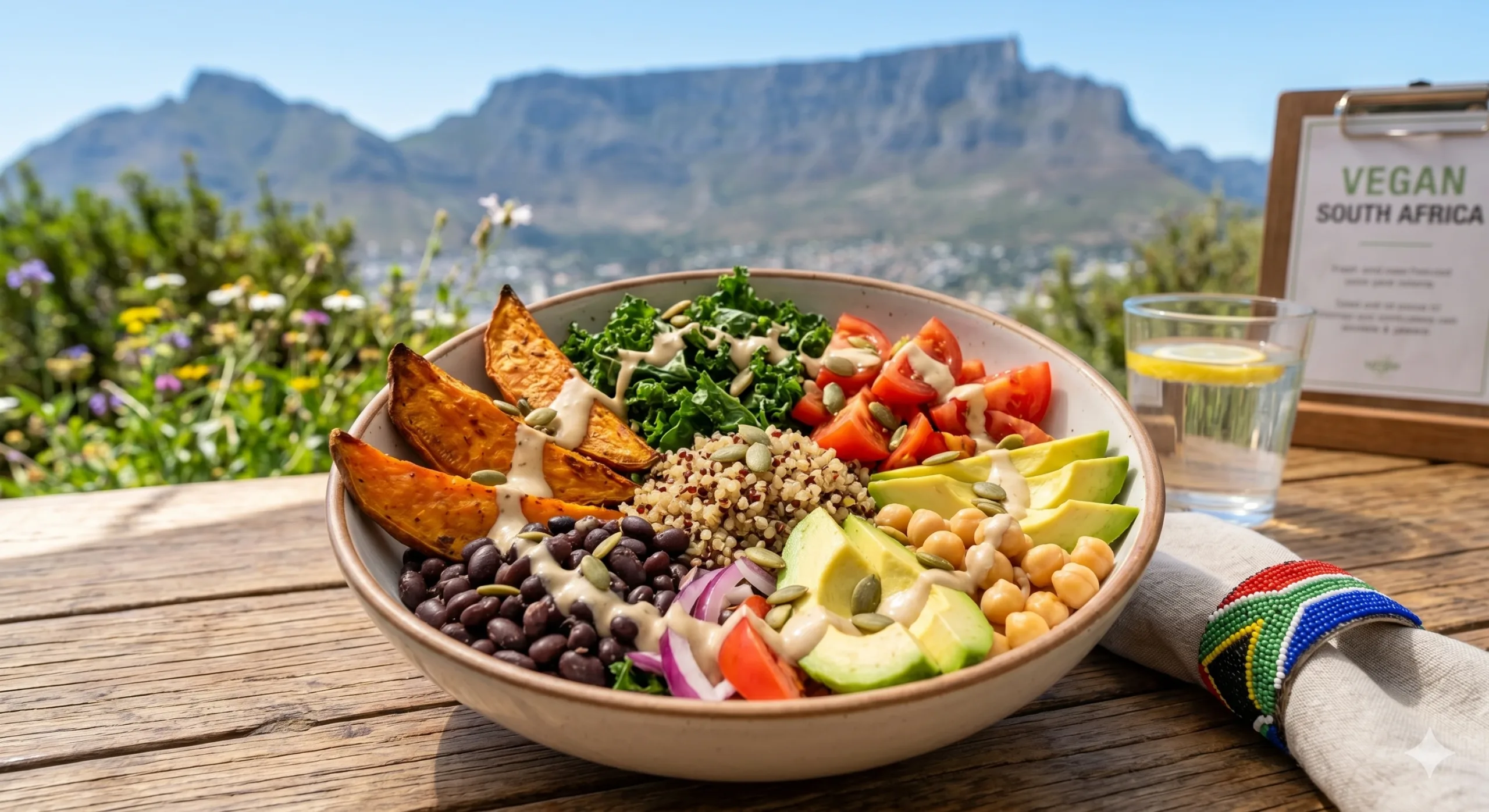
The question at hand, is why plant-based eating important. Have you ever looked at health trends online and felt like your wallet was crying? I know I have. “Healthy eating” often means buying expensive imported berries. It can also mean fancy seeds and costly fake …
Introduction: What are the South African Food-Based Dietary Guidelines (SAFBDG)? Learn about SAFBDG’s impact on plant-based eating. The South African Food-Based Dietary Guidelines, or SAFBDG for short, are a set of simple rules. These rules help people in South Africa choose the right foods to …
Whether you’re in Cape Town, the “Mother City,” or busy Joburg, you can find great places to eat. These meals are good for your tummy and the planet.
Let’s go on a food tour and find the best spots for WFPB meals in South Africa!
What is a “Whole Food” Meal Anyway?
Before we look at the restaurants, let’s make sure we know what we are looking for.
Not all vegan food is “whole food.” For example, a vegan doughnut is plant-based, but it’s not a whole food because it has white flour and sugar.
When we look for WFPB meals, we are looking for:
Whole Grains: Brown rice, quinoa, and oats.
Legumes: Lentils, chickpeas, and beans.
Fresh Produce: Lots of colourful veggies and fruits.
No Oil: This is the tricky part! WFPB meals usually avoid oil and use healthy fats like avocado or seeds.
Top Spots in Johannesburg (The City of Gold)
Johannesburg is huge, and it has some of the best hidden gems for healthy eating.
1. The Fussy Vegan (Greenside & Blairgowrie)
Don’t let the name fool you! They aren’t just for “fussy” people; they are for everyone. While they offer some “junk food”- style vegan options, they are famous for their Tofu Buddha Bowls. They pack fresh greens, grains, and protein. Just ask them to go easy on the dressing if you want to keep it strictly WFPB!
2. Fresh Earth Café (Emmarentia/Blairgowrie)
This place is like a giant hug for your body. They have a “Harvest Table” where you can pick exactly what you want. You can load your plate with fresh salads, roasted sweet potatoes, and lentil stews. It is one of the easiest places to eat WFPB because you can see everything before you buy it.
3. Leafy Greens Café (Muldersdrift)
If you want a little adventure, drive out to this farm café. It is located on a real farm! They grow a lot of their own food. Their buffet is famous for serving “real” food that chefs haven’t messed with. It’s fresh, green, and perfect for a Sunday lunch.
Healthy Bites in Cape Town (The Mother City)
Cape Town is probably the easiest place in South Africa to find plant-based food.
People there love the outdoors and staying healthy.
1. Schecter’s Raw (Sea Point)
This spot is great for “raw” food lovers. Raw food is the ultimate whole food because it hasn’t even been cooked at high temperatures. They have great smoothies and bowls. They use zucchini noodles (zoodles) and yummy nut-based sauces.
2. Prashad Café
If you love spices, this is your place. Indian food is great for WFPB eaters because it uses so many lentils (dahls) and chickpeas. At Prashad, they make traditional food that is naturally vegan. Just ask for your curry to be made with less oil!
3. Nourish’d Cafe & Juicery
This is a very “cool” spot with locations in Gardens and Observatory. They serve “Moon Bowls” and “Sun Bowls” filled with things like kale, kimchi, and quinoa. Their food looks like art, and it tastes even better.
Finding Food in Durban (The Surf City)
Durban is the king of spices.
You can find WFPB-friendly food almost everywhere, thanks to the large Indian community. Just know where to look.
1. Govinda’s (Chatsworth)
Located at the beautiful Temple of Understanding, this restaurant serves pure vegetarian food. Their bean curries and vegetable stews are hearty. They often use whole ingredients. It is also very affordable!
2. The Vegan Chef (Umhlanga)
While they do make some “fake meat” burgers, they also have amazing chickpea curries and salads. In 2026, they added more “whole” options to their menu. This change helps people who want to avoid processed foods.
National Favourites: Eating Healthy Anywhere
Sometimes you are on a road trip and can’t find a fancy café. Don’t worry!
Mugg & Bean: They have partnered with experts to create a “Plant-Based” menu. Look for their Sorghum Nourish Bowls. Sorghum is a local South African ancient grain that is super healthy!
Kauai: You can find a Kauai in almost every Virgin Active gym or shopping mall. Their “Plant-Based Princess” or “Harvest Bowls” are great. You can even swap out ingredients to make your meal 100% whole food.
Woolworths (Woollies): If you’re in a hurry, check out their “Plant-Based” section. They offer ready-made salads and lentil pots, ideal for a quick lunch.
Tips for Ordering WFPB in South Africa
If you go to a restaurant that doesn’t have a WFPB menu, don’t panic! Here is how to order:
Ask for “Dry” Roasted: Ask the chef to roast your veggies without oil.
The Salad Trick: Order a big side salad and ask for lemon juice or balsamic vinegar instead of a creamy dressing.
The Potato Power: A plain baked potato or a sweet potato is your best friend. Add some beans on top, and you have a perfect WFPB meal!
Check the Sides: Sometimes, the side dishes are better. Spinach, pumpkin, and steamed veggies can outshine the main meals.
Why Should You Eat This Way?
Eating whole foods in South Africa isn’t just about being “trendy.”
We have fantastic local plants! Check out Mopane worms (maybe not for vegans!), Amaranth (Morogo), and Baobab.
Eating whole plants helps local farmers and keeps us strong. This way, we can hike Table Mountain or enjoy a safari.
Summary Table: Quick Guide to WFPB Spots
City
Restaurant
Best WFPB Choice
Johannesburg
Fresh Earth Café
Harvest Table Buffet
Cape Town
Nourish’d
Quinoa & Veggie Bowls
Durban
Govinda’s
Lentil & Bean Curries
National
Mugg & Bean
Sorghum Nourish Bowl
Final Thoughts
South Africa’s food scene is changing fast.
In 2026, it is easier than ever to find a whole food plant-based meal that makes you feel good.
You don’t have to stay home and eat plain carrots! You can go out with your friends, enjoy the beautiful views, and still stay true to your healthy lifestyle.
Next time you are out, look for the colours of the rainbow on your plate. Your body will thank you!
Zama Zincume is an evidence-based plant-based wellness educator, author, founder of EatingPlantBasedZA, and researcher focused on disease prevention, affordable nutrition, and African food systems.
Hi there — I’m Zama Zincume from Eating Plant-Based South Africa, and today I’m taking you on a journey to discover how affordable, evidence-based plant-based eating isn’t just a dream for the privileged in South Africa. With food prices rising and health concerns growing, switching …
Do you want to know what doctors say about a plant-based diet? Have you ever questioned why your physician consistently advises you to consume vegetables? It is not just a polite suggestion. Today, doctors increasingly see a plant-based diet as a strong way to stay …
Here’s your comprehensive guide to the modern plant-based diet.
The term “plant-based” has gained prominence.
It began as a niche choice but has now evolved into a strong movement for health and the environment.
The amount of information can feel overwhelming. This often leads to advice that oversimplifies things. It highlights benefits but overlooks the strategies necessary for long-term success.
To thrive on a plant-based diet, we need to look past marketing slogans. Instead, we should focus on a balanced, thoughtful, and evidence-based approach.
This guide highlights the key differences and provides tips to help you maximise the benefits.
It also enables you to tackle everyday challenges with confidence.
The Crucial Distinction: WFPB vs. “Plant-Based Junk Food”
The largest error novices make is assuming that avoiding animal products guarantees good health.
Research indicates that the health benefits of a plant-based diet depend on the quality of the food.
Defining the Terms
The health community uses two distinct terms that are often confused:
Plant-Based (PBD): A broad term for a diet based on plants. This technically includes anything that doesn’t come from an animal. You can eat white bread, French fries, sugary cereals, and processed vegan meat substitutes. You’d still call your diet “plant-based.”
Whole-Foods, Plant-Based (WFPB): This is the gold standard for health. It is a dietary pattern that emphasises whole, unrefined, or minimally processed foods.
It centres around:
The Research Revelation: Quality Over Exclusion
A WFPB pattern clearly reduces the risk of chronic diseases, such as diabetes and heart disease. It’s not just about cutting out meat.
Research shows that:
You can gain health benefits by incorporating whole, nutritious plant foods into your diet. It’s not just about cutting back on meat or dairy. Replacing them with refined plant-based options won’t give you the same results.
A plant-based diet that’s high in refined grains and added sugars is less healthy than an omnivorous diet.
To stay on the healthy track, focus on what you add to your plate, not just what you remove.
The ChoiceWFPB (Focus On)”Plant-Based” (Limit)Protein
A WFPB diet does more than just prevent illness. It also enhances health through powerful biological processes.
A. Cardiovascular and Metabolic Health
The WFPB diet is one of the best diets for heart health.
Lower Cholesterol: Plant foods are cholesterol-free and rich in soluble fiber. This fiber works like a sponge in the digestive system. It attaches itself to cholesterol and aids in its elimination from the body. This action leads to much lower LDL (“bad”) cholesterol levels.
Lower Blood Pressure: Potassium and magnesium in leafy greens, beans, and bananas help control blood pressure. Plus, low saturated fat boosts blood vessel flexibility and function.
Improved Insulin Sensitivity: WFPB diets are highly effective in preventing and managing Type 2 Diabetes. They support healthy weight loss. Their high fiber and low-fat content help the body respond better to insulin. This leads to steadier blood sugar levels.
The Gut-Brain Axis: Your Second Brain
One exciting research area is the trillions of microorganisms in your gut. This is your gut microbiome.
Fiber as Fuel: Plant fiber is non-digestible by human cells, but it is the primary food source for beneficial gut bacteria.
Short-Chain Fatty Acids (SCFAs): Healthy bacteria eat fiber and create useful compounds. The most important are SCFAs, such as butyrate. SCFAs are important for lowering inflammation in the body. They help strengthen the gut barrier and also communicate with the brain. This communication affects mood and appetite.
A Healthier Microbiome Profile: Research shows that a plant-rich diet leads to a healthier microbiome compared to omnivores. This diversity is linked to improved long-term health and a decreased risk of chronic diseases.
Comprehensive Nutritional Strategy: The Non-Negotiables
A WFPB diet gives most macronutrients and many micronutrients.
However, some nutrients need careful planning, fortification, or supplements.
The “Big Four” for Planned Diets
Vitamin B12 (Cobalamin)
The Issue: B12 is produced by bacteria and is not reliably found in unfortified plant foods. Deficiency can cause irreversible nerve damage.
The Solution: Supplementation is REQUIRED. Do not rely on unwashed produce or unfortified foods.
Actionable Advice: Take a daily supplement of at least $25$ mcg or a weekly supplement of $2,000-2,500$ mcg of B12. Consume fortified foods (plant milks, nutritional yeast) as a backup.
Omega-3 Fatty Acids (DHA/EPA)
The Issue: Plant foods have Alpha-linolenic acid (ALA). The body turns ALA into important long-chain forms, such as EPA and DHA. However, this conversion happens at a low rate.
The Solution: Maximize ALA and consider supplementation.
Actionable Advice: Consume ground flaxseed, chia seeds, and walnuts daily. For the best results, take an algae-based DHA/EPA supplement. This is especially important for pregnant individuals, children, and those with heart conditions.
Iron & Zinc
The Issue:
Plant sources have non-heme iron. It’s not absorbed as easily as heme iron from meat. Legumes and whole grains include phytotates, which can also prevent absorption.
The Solution: Optimize Absorption.
Actionable Advice: Always pair iron-rich plant foods, like lentils, beans, tofu, and fortified cereals, with Vitamin C sources. Good options include citrus fruits, bell peppers, broccoli, and tomato juice. Don’t drink coffee or black tea with iron-rich meals. Tannins can block absorption. Soaking and sprouting legumes/grains will also reduce phytates and improve zinc absorption.
Calcium & Vitamin D
The Issue: While many vegetables contain calcium, bioavailability varies. Vitamin D is key for absorbing calcium. Many people don’t get enough, no matter what they eat.
The Solution: Fortified Foods and Supplementation.
Eat at least three servings a day of high-calcium plant foods. Good options are calcium-set tofu, fortified plant milks, and low-oxalate greens like kale and bok choy. Most adults need a Vitamin D supplement, usually $2,000$ IU daily. This is important unless they get enough direct sun exposure regularly.
Busting the Protein Myth
Concerns about protein intake are largely unfounded on a WFPB diet.
Every whole plant food has protein. Eat enough calories and include grains, legumes, and seeds in your diet. This way, you’ll easily meet your nutritional needs.
Protein combining at every meal is unnecessary.
Overcoming Real-World Barriers and Challenges
Understanding the nutritional science is only half the battle.
Successful adherence to a WFPB diet requires navigating logistical, financial, and social obstacles.
Financial Barriers: Making it Affordable
Many think plant-based eating is costly, but a WFPB diet focused on staples is actually one of the cheapest ways to eat.
Tip: Embrace the Staples. Focus your diet on budget-friendly sources of calories and protein. Include dried beans, lentils, rice, potatoes, and seasonal fruits and veggies.
Tip: Buy in Bulk. Purchase dried legumes, whole grains, and large bags of frozen vegetables and fruits in bulk. These items have a long shelf life and drastically reduce the cost per serving.
Tip: Minimise Expensive Alternatives. Limit specialty items, like pre-made vegan cheeses and gourmet meat substitutes. These can really raise your grocery bill. Also, avoid fancy prepared meals.
Convenience and Time Constraints
The perception that WFPB cooking is time-consuming is a major disincentive.
Tip: The Power of Batch Cooking. Set aside one day, like Sunday, to cook big batches of staples. Make a pot of beans, a batch of quinoa, and roast some vegetables. This preparation forms the base of quick meals throughout the week.
Tip: One-Pot Wonders. Master simple recipes like chili, lentil soups, stews, and sheet-pan vegetable dinners. These require minimal cleanup.
Tip: Utilise Canned/Frozen. Rinsed canned beans, frozen veggies (perfect for stir-fries and smoothies), and pre-chopped ingredients save you time and keep nutrients intact.
Navigating Social and Family Situations
Dietary changes can create tension with friends and family.
Tip: Be the Host. Offer to host dinners so you can control the menu and showcase how delicious WFPB food can be. Start with crowd-pleasing, familiar meals (like lentil chili or veggie burgers).
Tip: Communicate (But Don’t Preach). Share your motivations if you like, but keep the focus on the benefits to your health. For family members, introduce plant-based meals gradually rather than demanding an overnight switch.
Tip: Restaurant Preparedness. Check menus online ahead of time. If necessary, call the restaurant. Even simple requests like “Can I substitute the meat for beans/tofu and hold the butter/oil?” can often be accommodated.
A Note on Potential Risks (The EPIC-Oxford Caveat)
A key part of balanced information is talking about long-term risks from big studies, like the well-known EPIC-Oxford study.
This research tracked thousands of vegetarians and vegans over several years. It found many benefits, like a lower risk of IHD, diabetes, and some cancers.
Vegans and vegetarians are more likely to get a stroke, especially haemorrhagic strokes, and bone fractures than meat-eaters.
Mitigation Strategy: Researchers believe these risks may link to lower nutrient intakes in older diets. This is especially true for B12, Vitamin D, and calcium. The nutritional strategies mentioned, like mandatory B12 and proper calcium/D intake, aim to lower these risks. A well-planned, modern WFPB diet must be intentional about these key nutrients.
Your Practical Next Steps
The modern plant-based diet has great potential for better health and wellness. But its success depends on how you approach it. It’s a marathon, not a sprint.
Start with Addition: Focus on adding one plant-based meal each day. You could also choose one day a week for plant-based eating, like Meatless Monday.
Pantry Makeover: Stock up on the WFPB staples: beans, lentils, oats, brown rice, and frozen veggies.
Secure Your Supplements: Purchase a reliable Vitamin B12 supplement and an algae-based Omega-3 (DHA/EPA) supplement. This is your nutritional safety net.
Seek Personalized Guidance: Every body is unique. Speak with a Registered Dietitian (RD) for personalized guidance. This is key if you have health issues or are an athlete. They specialize in plant-based nutrition.
By following this balanced, evidence-based plan, you choose a sustainable way. It offers the best health benefits that a plant-based diet is known for.
WFPB Recipes
Soups, Stews, and Chili (Great for Batch Cooking)
These recipes are great for using cheap dried goods. They help stretch meals over several days.
Lentil Vegetable Soup/Stew: Lentils are one of the cheapest and most nutritious staples.
Combine brown or green lentils with:
Carrots
Celery
Onion
Potatoes
Diced tomatoes
Vegetable broth
Season with herbs like oregano, thyme, and bay leaves.
Tip: Red lentils cook fast. They make a thick, creamy soup base, great for recipes like Red Lentil Soup or Dhal/Dal.
Black Bean Chili: A classic, inexpensive, one-pot meal. Use dried or canned black beans. Add canned crushed tomatoes, onions, bell peppers, corn, and chili spices. Use chili powder, cumin, and smoked paprika. Serve with a squeeze of lime or a spoonful of mashed avocado.
Quick Mexican Bean Soup: Combine black beans, corn, diced tomatoes, and vegetable broth. Season with Mexican spices.
Hearty Vegan Minestrone Soup: Use budget-friendly ingredients like pasta or whole grains such as barley or quinoa. Add beans, such as cannellini or kidney, along with carrots, celery, zucchini, and a tomato broth.
Whole Grains and Legumes as a Base
Pairing cheap whole grains, like brown rice, oats, and quinoa, with beans or lentils is key to budget-friendly WFPB.
Easy Black Beans and Brown Rice Bowls:
The Base: Cook a large batch of brown rice.
The Beans: Sauté onion, garlic, and bell peppers (or other seasonal vegetables) with black beans and spices like cumin and chili powder.
Toppings (WFPB-friendly): Add fresh salsa, a little mashed avocado or guacamole, and chopped cilantro.
Lentil Tacos or Lettuce Wraps: Cook brown or green lentils with taco seasoning (chili powder, cumin, oregano) and diced onion/garlic. Use this mixture as a hearty filling for corn tortillas or large lettuce cups.
Mujadara (Lentils and Rice): This tasty Middle Eastern dish is easy to make. It mixes cooked lentils and rice with caramelized onions and spices.
Oatmeal (Not just for breakfast!): Oats are extremely cheap. Cook rolled oats in water or plant milk. Top with frozen berries, sliced banana, and a sprinkle of cinnamon. Enjoy a tasty and budget-friendly WFPB breakfast!
Affordable Vegetable Staples
Potatoes and winter squash are excellent WFPB bases that are usually very affordable.
“Nacho” Baked Potatoes: Bake a large potato (russet or sweet potato). After cooking, split it open. Then, top it generously with warmed black beans or chili, salsa, corn, and a light avocado dressing.
Stuffed Sweet Potatoes: Bake sweet potatoes. Then, fill them with black beans, corn, diced onion, and your favorite spices.
Cauliflower and Pea Curry: Cauliflower is a hearty vegetable. It shines in creamy curries, like those with coconut milk or blended cashews, and in simple tomato-based ones. Green peas add even more nutrition. Serve over brown rice.
Simple Pasta Dishes
Choose whole-wheat pasta and focus on simple, vegetable-heavy sauces to keep it WFPB.
Cherry Tomato and Basil Pasta: A super-quick meal. Sauté garlic in water or veggie broth. Then, add cherry tomatoes and a can of crushed tomatoes. Simmer until the tomatoes break down. Stir in fresh basil. Toss with whole-wheat pasta.
Lentil Bolognese: Swap ground meat for brown or green lentils. This makes a hearty and budget-friendly WFPB sauce. Serve over whole-wheat or whole-grain pasta.
Pasta with Tomato-Mushroom Sauce: This easy sauce is tasty and budget-friendly. It uses canned tomatoes and mushrooms.
Tips for Maximum Savings
Buy in Bulk: Get staples like dried beans, lentils, whole-grain rice (brown, wild), and oats in large amounts. This way, you’ll pay the lowest price per serving.
Batch Cook: Cook large amounts of rice, beans, or soup on one day and portion them for quick meals throughout the week.
Choose Seasonal Produce: Fruits and vegetables are cheapest when they are in season.
Use Frozen Vegetables: Frozen broccoli, peas, corn, and spinach are often cheaper than fresh. They’re great for stir-fries and soups.
Final Thought
The power of a plant-based diet lies not just in what you eliminate, but in what you prioritize. Choosing whole, unrefined foods like fruits, vegetables, whole grains, and legumes takes your diet from simply “vegan” to a health-boosting Whole-Food, Plant-Based lifestyle. Planning for key nutrients like B12 is the last, crucial step. It makes sure this journey is as sustainable and beneficial as the evidence suggests.
Introduction Are you aware of the science behind plant-based anti-inflammatory diets? Did you know that chronic inflammation contributes to more than 60 per cent of all deaths worldwide? When I first saw that stat in a nutrition journal, I paused mid-bite. I wondered if the …
Introduction Discover the power of plant-based healing foods through evidence-based studies. Did you know that more than 70% of chronic diseases can be improved with diet and lifestyle changes? When I first read a report from WHO on healthy diet and noncommunicable diseases, it changed …
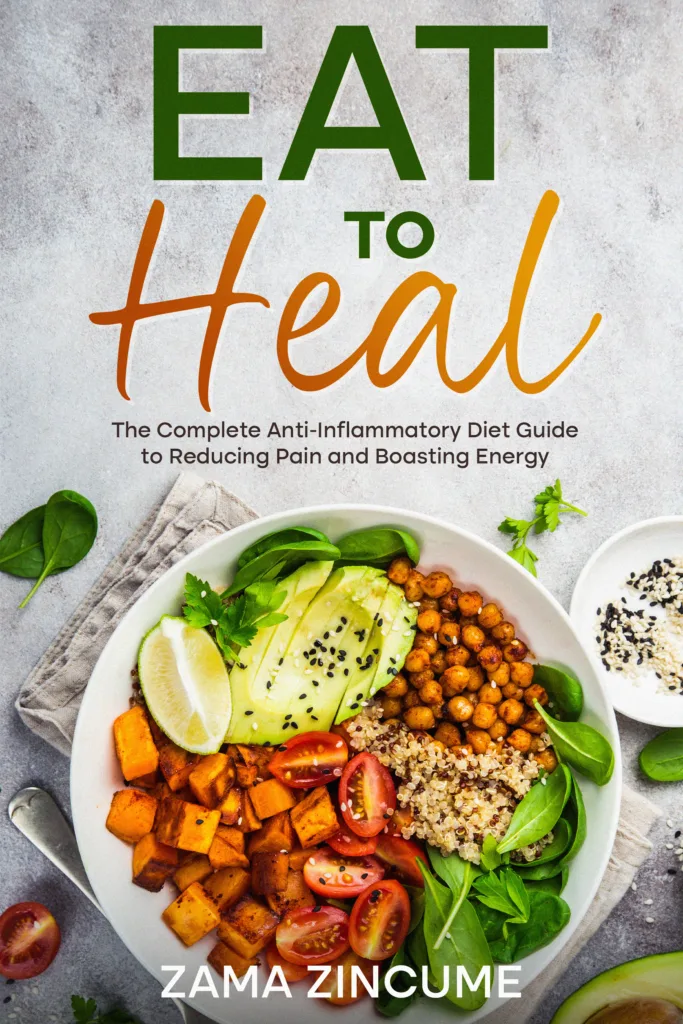
Here’s your guide to eating to heal and nourish your body to wellness.
Before we dig deeper, what on earth is to eat to heal?
What Does “Eating to Heal” Truly Mean?
So, you’ve heard the phrase “eat to heal” floating around, right? Maybe on social media or from a friend who swears by their new healthy habits.
But what does it mean to eat to heal, beyond just munching on some extra veggies?
First, let’s clarify something: eating to heal isn’t some magical, overnight cure-all. Think of it less as a quick fix and more as a profound partnership with your body.
Our bodies are amazing. They have a natural drive to repair, restore, and keep balance. Every second, your cells regenerate. Your immune system defends you, and your organs work hard.
Eating to heal means providing your body with the best building blocks and signals it needs to function optimally.
Imagine trying to build a beautiful house with shoddy materials—it just won’t hold up, will it? The same goes for your body. Eating foods rich in vital nutrients and antioxidants fuels our bodies, helping our systems run at their best.
Furthermore, it’s about reducing the obstacles that hinder healing. Think of chronic inflammation, for example. It’s like a persistent, low-grade fire in your body that can contribute to many issues. By choosing anti-inflammatory foods, we’re actively helping to extinguish that fire.
A healthy gut microbiome is a lively group of bacteria in your intestines. It connects to various aspects, including your immune system and mood. Eating to heal means nurturing that vital internal ecosystem.
Therefore, it’s not just about what you don’t eat but, critically, what you eat. It’s a proactive approach to wellness, acknowledging that food is powerful medicine. When you choose your diet wisely, you help your body heal, grow, and thrive.
The Core Principles of a Healing Diet
We’ve established that “eating to heal” gives your body the best tools. But what does that look like on your plate? What are the fundamental principles guiding this powerful approach to food? Let’s break it down into a few key areas that are the backbone of a healing diet.
Nutrient Density: Fueling Cellular Repair
First, a healing diet is all about nutrient density. What does that mean?
It’s about getting the most bang for your buck from every bite. We’re discussing foods rich in vitamins, minerals, antioxidants, and essential macronutrients. These include protein, healthy fats, and complex carbs. Your body needs these nutrients to repair, regenerate, and function well.
For example, consider a bell pepper’s vibrant colours or spinach’s deep green. These aren’t just pretty; they’re bursting with vital compounds.
Your cells are always busy with essential jobs. They require the right materials to function effectively. We choose foods that nourish your body. These foods provide the critical building blocks for repair, not just empty calories.
Anti-Inflammatory Foods: Quelling the Fire Within
Next, a key principle of eating to heal is focusing on anti-inflammatory foods.
You might wonder, “What’s the big deal with inflammation?”
Acute inflammation helps heal injuries, but chronic low-grade inflammation can cause problems. It’s a constant, smouldering fire in your body. This can lead to many chronic diseases and make healing difficult.
So, it’s essential to pick foods that help cool this internal fire. Consider the excellent benefits of omega-3 fatty acids in fish like salmon. Additionally, consider the potent compounds found in turmeric and ginger.
These foods help calm inflammation in your body. This creates a better environment for healing.
Gut Health: The Foundation of Immunity and Healing
Moving on, we cannot discuss healing without addressing gut health.
Your gut is the command centre for your body’s wellness, including your immune system.
Your gut microbiome has trillions of bacteria. A healthy and diverse mix of these microbes is crucial. They help with nutrient absorption and protect against pathogens.
Consequently, a healing diet strongly emphasises nurturing this vital ecosystem. Add probiotic-rich foods. These include fermented veggies like sauerkraut and kimchi. Yoghurt with live cultures is also a good choice.
This also means eating a lot of prebiotic fibre. Garlic, onions, and bananas all have these. They serve as food for the healthy bacteria in your gut. A happy gut often translates to a healthier, more resilient body.
Hydration: The Often-Overlooked Healer
Finally, let’s not forget about hydration.
While it might seem basic, water is fundamental to every healing process in your body. It’s the main way to deliver nutrients and remove waste products to your cells, and it’s key for cell function. It also helps keep your body temperature stable and allows your joints to move smoothly.
Surprisingly, people often overlook the importance of sufficient water intake. Without adequate hydration, your body can’t perform its healing efficiently. Drink water regularly throughout the day. This simple habit can significantly aid your healing journey.
Key Food Groups to Prioritise for Healing
We’ve discussed the main ideas: nutrient density, anti-inflammatory effects, gut health, and hydration.
Now, let’s get specific!
You’re probably wondering, “What should I put on my plate to make all this healing magic happen?” Don’t worry, it’s simpler than you might think.
The key food groups should take centre stage in your healing diet.
Vibrant Fruits and Vegetables: A Rainbow of Antioxidants
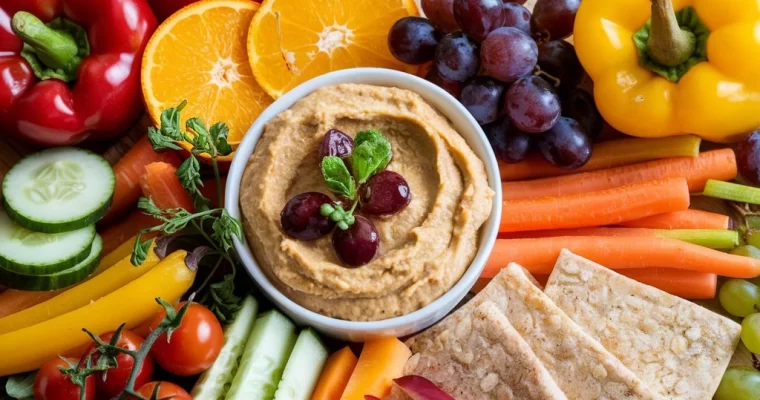
First up, and probably no surprise here, are fruits and vegetables. But we’re not just talking about any old apple; we’re talking about a vibrant rainbow of produce!
Each colour represents different antioxidants, vitamins, and minerals. These are key for fighting cell damage and helping your body repair itself.
Imagine the deep reds of berries, the bright oranges of sweet potatoes, the rich greens of kale, and the vibrant purples of blueberries.
These aren’t just visually appealing; they’re powerhouse ingredients. They offer fibre for gut health, many phytonutrients,
and natural anti-inflammatory compounds. So, load up your plate with as much variety as possible!
Quality Proteins: Building Blocks for Repair
Next, let’s discuss quality proteins. Your body needs protein, which helps build and repair tissues, including muscles, skin, enzymes, and hormones.
Getting enough protein is essential for healing, whether you’re recovering from an illness or helping your body repair cells daily.
Look for sources like lentils, beans, tofu, tempeh, and quinoa.
The key is “quality.”
Choosing natural, less processed protein provides your body with complete amino acids, allowing it to rebuild and strengthen itself effectively.
Healthy Fats: Essential for Cell Membranes and Hormone Production
Moving on, don’t shy away from healthy fats! Fats have had a bad rap for too long, but they are essential for healing.
They help create healthy cell membranes, which act as protective layers for every cell in your body. And they are also crucial for producing hormones. They help absorb nutrients, especially vitamins A, D, E, and K. Additionally, they help lower inflammation.
Include seeds, nuts like almonds and walnuts, and avocados. Seeds, such as chia, flax, and hemp, are in your meals. Additionally, include olive oil and fatty fish, such as salmon and mackerel.
These offer helpful omega-3s and monounsaturated fats. They support your body’s healing and boost cellular health.
Whole Grains and Complex Carbohydrates: Sustained Energy for Healing Processes
Then, we have whole grains and complex carbohydrates. Some diets attack carbs, but your body needs them. Carbohydrates provide energy, especially during the healing process. The key is to select the right type of carbohydrates.
We mean whole, unprocessed foods. They provide energy slowly and steadily, helping avoid blood sugar spikes.
Oats, brown rice, quinoa, barley, and starchy vegetables like sweet potatoes and butternut squash are among examples.
They are high in fibre, which is excellent for gut health. They also provide your body with steady energy for healing without causing a crash.
Herbs and Spices: Nature’s Medicine Cabinet
Finally, and often overlooked, are herbs and spices. Think of them as nature’s concentrated medicine cabinet!
Many herbs and spices boast incredible anti-inflammatory, antioxidant, and immune-boosting properties. They don’t just make your food taste amazing; they add significant therapeutic value.
Add turmeric (with black pepper to help it absorb better), ginger, garlic, cinnamon, rosemary, and oregano to your daily meals. These powerful additions can boost the healing benefits of your meals. They add extra compounds to help your body recover.
We’ve discussed extensively what to eat to support your body’s healing journey. Understanding what may be holding you back is just as important as knowing what to eat.
Think of it this way: you wouldn’t try to fill a bucket with water if it had a big hole in it, right? If you frequently consume certain foods, you may hinder your body’s natural healing process.
Eating to heal focuses on abundance and nourishment. However, you should limit or avoid some common culprits entirely. This is important for supporting your well-being.
Highly Processed Foods: The Empty Calories that Hinder
First on the list are highly processed foods. These items usually come in a package, have many ingredients that are hard to pronounce, and often look nothing like their original form. Think about ultra-processed snacks, ready-made meals, and many fast foods.
Why limit them?
They’re usually low in nutrients. Nutrients are essential for healing, as we’ve talked about. They often have artificial additives, preservatives, and unhealthy fats.
These ingredients can cause inflammation and upset your gut health. This can counteract the benefits of your healing diet. They provide empty calories that don’t contribute to your body’s repair efforts.
Refined Sugars: The Sweet Saboteur of Wellness
Next, let’s discuss refined sugars. This includes the sugar you add to coffee and the hidden sugars in sodas, fruit juices (even those labelled “natural”), sweets, pastries, and many processed foods.
The problem with refined sugar is multifaceted.
First, it can cause quick spikes and drops in blood sugar, draining the energy your body needs to heal. Second, and critically, excessive sugar consumption is a significant contributor to chronic inflammation.
It provides food for nasty bacteria in your gut, which can weaken your immune system and make it harder for your body to fight off illnesses and recover. Swapping sugary treats for whole fruits is a better choice, as whole fruits offer natural sweetness.
Unhealthy Fats: The Inflammatory Triggers
Next, we have unhealthy fats. This includes trans fats and too much-refined vegetable oils. Corn, soybean, and sunflower oils are primarily used for deep-frying. While healthy fats are vital, these unhealthy varieties are quite the opposite.
These lipids can cause the body to swell. They also harm cells and contribute to oxidative stress, similar to cellular “rusting.” In contrast to the beneficial omega-3s we discussed, these fats can exacerbate the “fire within” you’re trying to put out. It’s best to stick to healthy fats, such as those found in avocados, olive oil, nuts, and seeds.
Excessive Alcohol: A Burden on Your System
While moderate drinking can fit some lifestyles, too much alcohol can hinder healing. Your liver has to work hard when you drink. This organ plays a crucial role in detoxifying the body and supporting the metabolism.
It can also disrupt your gut microbiome, leading to inflammation. This may lead to poor nutrient absorption, so your body might miss the benefits of the healing foods you eat. When focusing on healing, giving your body a break from alcohol or consuming it very sparingly can be incredibly beneficial.
By being mindful of these food groups, you can limit or avoid them. This choice eliminates potential downsides and enables your body to focus on what it does best: healing and thriving.
Practical Tips for Implementing a Healing Diet
Alright, you’re armed with the knowledge of what to eat and what to limit. That’s a fantastic start!
Knowing what to do is one thing, but doing it every day can be a real challenge. Don’t worry—implementing a healing diet doesn’t have to be overwhelming.
Here are some friendly tips to help you easily add these great food choices to your routine.
Meal Planning and Batch Cooking: Your Secret Weapons
First, let’s discuss meal planning and batch cooking. These two strategies are your secret weapons for success! Having a plan makes all the difference when trying to eat intentionally.
Consider setting aside an hour or two each week to plan your meals for the next several days. Plan your breakfasts, lunches, and dinners. Then, make a shopping list based on your plans.
Furthermore, dedicate some time to batch cooking. This means you prepare more ingredients or whole dishes. You can then easily assemble or reheat them during the week. For example, you could cook a big batch of quinoa, roast a tray of mixed vegetables, or prepare a large pot of lentil soup.
Healthy options are ready when you get hungry. This makes it easier to resist convenience foods.
Reading Food Labels: Becoming a Savvy Shopper
Next, get comfortable reading food labels.
It may seem tedious at first, but it’s an essential skill. It helps you become a savvy shopper and know what you’re eating.
When you’re at the grocery store, take a moment to review the ingredient list. Choose items with fewer ingredients. Make sure you recognise and can pronounce them!
Be cautious of hidden sugars, which often have multiple names, such as high-fructose corn syrup and dextrose. Also, watch for unhealthy fats, such as trans fats and hydrogenated oils. Lastly, look for artificial additives.
The less processed an item is, the shorter and simpler its ingredient list tends to be. This habit empowers you to make informed choices that align with your healing goals.
Mindful Eating: Connecting with Your Food
Moving beyond the “what” and “how to prepare,” let’s consider mindful eating. This isn’t just about the food but also about how you experience it. In our busy lives, rushing through meals and eating while distracted by screens or work is easy. However, tuning into your meal can significantly enhance your healing journey.
Try to slow down during mealtimes. Pay attention to the colours, textures, aromas, and tastes of your food. Chew thoroughly. Listen to your body’s hunger and fullness cues.
You can appreciate your meal more if you eat mindfully. It also gives your digestive system a better chance to process nutrients. Mindful eating can also help you feel less stressed about eating and have a better relationship with food.
Seeking Professional Guidance: When You Need a Helping Hand
Finally, remember that you don’t have to navigate this journey alone. If you feel overwhelmed, have health issues, or require personalised guidance, consider seeking professional assistance.
It is helpful to talk to a qualified dietitian or nutritionist.
They provide tailored strategies, address nutrient gaps, and meet your specific challenges. These healthcare workers create a plan just for you. It aligns with your needs, preferences, and health objectives. This makes the “eat to heal” approach more effective and sustainable. They’re there to help you on your path to wellness.
Who Can Benefit from an “Eat to Heal” Approach?
Now that we’ve explored the “what” and “how” of eating to heal, you might be wondering, “Is this approach right for me?”
The good news is that healing diet principles are very flexible. They can benefit many different people. They’re not only for those with serious health issues. They’re also an excellent tool for anyone wanting to improve their well-being.
Let’s examine who stands to gain the most from adopting an “eat to heal” philosophy.
General Wellness and Prevention: Proactive Health for Everyone
If you want to focus on wellness and prevention, try an “eat to heal” approach. Think of it as proactive health management. Eating nutrient-rich, anti-inflammatory foods helps you create a strong base for lasting health.
This means you’re boosting your immune system, increasing energy, and helping to avoid chronic diseases in the future.
It’s about feeling great every day and investing in your future health, even if you feel fine now. Prevention, after all, is always better than a cure!
Post-Surgery Recovery: Speeding Up the Healing Process
Next, individuals undergoing post-surgery recovery can benefit immensely. Surgery, regardless of its severity, is a significant stressor on the body. Tissue repair, wound healing, and reducing inflammation require energy and essential nutrients.
Eating quality proteins, healthy fats, and vitamins helps your body heal. A well-nourished body heals faster and better, reducing the risk of complications and helping you return to your routine more quickly.
Managing Chronic Conditions: A Powerful Complementary Tool
Suppose you have chronic conditions, especially those related to inflammation or a weakened immune system. In that case, an “eat to heal” approach can be beneficial.
This includes autoimmune diseases, digestive issues such as irritable bowel syndrome (IBS) or Crohn’s disease, and specific metabolic disorders.
Diet alone won’t cure these complex conditions. However, it can help manage symptoms, lower disease activity, and boost quality of life. Eating gut-friendly foods can significantly help alleviate digestive issues, and consuming anti-inflammatory foods can also help reduce arthritis symptoms. Always remember to work alongside your healthcare provider for personalised advice.
Boosting Immunity: Fortifying Your Defences
Of course, adopting an “eat to heal” framework is highly effective for anyone seeking to boost their immunity.
Your immune system works hard to guard you against pathogens. Its strength depends on how well you eat.
Eating foods high in vitamins D and C, zinc, selenium, and antioxidants helps strengthen your body’s defences. This makes you more resilient to colds, flu, and other infections. It helps keep you healthy all year.
In short, whether you’re doing well and want to stay that way, recovering from a procedure, facing health issues, or aiming to boost your immune system, “eating to heal” can help you become healthier and more vibrant.
Who Can Benefit from an “Eat to Heal” Approach?
Now that we’ve explored the “what” and “how” of eating to heal, you might be wondering, “Is this approach right for me?”
The great thing is that a healing diet is very flexible. It can help many different people in meaningful ways. It’s not only for people with serious health issues. It’s a powerful tool for anyone seeking to enhance their well-being.
Let’s examine who stands to gain the most from adopting an “eat to heal” philosophy.
General Wellness and Prevention: Proactive Health for Everyone
To boost your wellness and prevent illness, consider adopting an “eat to heal” approach. Think of it as proactive health management. Eating nutrient-rich, anti-inflammatory foods helps build a strong base for lasting health.
This means you boost your immune system, support healthy energy levels, and help prevent chronic diseases in the future.
It’s about feeling great every day. Invest in your future health, even if you’re not currently experiencing any health issues. Prevention, after all, is always better than a cure!
Post-Surgery Recovery: Speeding Up the Healing Process
Next up, individuals undergoing post-surgery recovery can benefit immensely.
Surgery, regardless of its severity, is a significant stressor on the body. To repair tissue, mend wounds, and reduce inflammation, the body requires a considerable amount of energy and specific nutrients.
Eating quality proteins, healthy fats, and vitamins and minerals helps your body heal better. A well-nourished body recovers faster and more effectively, reducing the likelihood of complications and allowing you to return to your normal activities sooner.
Managing Chronic Conditions: A Powerful Complementary Tool
If you have chronic conditions caused by inflammation or a weakened immune system, consider an “eat to heal” approach. This includes autoimmune diseases, digestive problems like IBS and Crohn’s, and certain metabolic disorders.
Diet alone won’t cure these complex conditions, but it can help. It can help manage symptoms, reduce disease activity, and improve overall quality of life.
For example, consuming gut-friendly foods can significantly help alleviate digestive issues. Anti-inflammatory foods can also reduce symptoms of arthritis. Always remember to work alongside your healthcare provider for personalised advice.
Boosting Immunity: Fortifying Your Defences
To boost immunity, try an “eat to heal” framework. It’s very effective. Your immune system works hard to guard you against germs. Its strength depends on how well you eat.
Eating foods that are abundant in vitamins C and D, zinc, selenium, and antioxidants helps strengthen your body’s defences.
This makes you more resilient to colds, flu, and other infections, helping you stay healthier all year.
No matter your situation—whether you’re thriving, healing, facing health issues, or aiming to boost your immune system—”eating to heal” can lead to a healthier, vibrant life.
The “Eat to Heal” Lifestyle: Beyond the Plate
We’ve explored the fantastic impact of food. We’ve explored what to eat, what to skip, and how to make healthy choices easier. Food is truly a monumental piece of the healing puzzle. However, it’s important to remember that true well-being is holistic.
The “eat to heal” philosophy focuses on diet but thrives with other key healthy habits.
To wrap up our discussion, let’s examine some key lifestyle factors. These can boost your efforts and help you feel even better. Together, they create a complete “eat to heal” lifestyle.
Stress Management: Calming the Inner Storm
First, let’s discuss stress management.
Stress is a common occurrence in our modern world. Chronic stress can harm your body, even with a perfect diet. It can cause inflammation, upset digestion, and weaken your immune system, undoing many of the benefits of your healing diet.
Therefore, actively incorporating stress-reducing practices into your daily routine is incredibly powerful.
This can include gentle activities like meditation, deep breathing, enjoying nature, or hobbies you love. Calming your mind helps your body relax, creating a better environment for healing.
Quality Sleep: The Body’s Repair Shop
Next, don’t underestimate the profound impact of quality sleep. Think of sleep as your body’s dedicated repair shop.
In these key hours, your cells grow back, hormones balance out, and your immune system gets a big boost. Not getting enough sleep can increase inflammation, impair cognitive function, and slow down recovery.
Consequently, prioritising 7-9 hours of consistent, restful sleep each night is as vital as choosing the right foods. Create a calming bedtime routine. Keep your room dark and cool. Try to sleep and wake simultaneously daily, even on weekends.
Regular Movement: Gentle Nurturing for Your System
Furthermore, incorporating regular movement into your day is highly beneficial. We’re not saying you need challenging workouts, especially if your body is recovering from an injury. Try gentle, steady movement. It helps with circulation, eases stiffness, and lifts your mood.
This could be anything from a daily brisk walk, gentle stretching, yoga, or just dancing around your living room. Movement boosts your lymphatic system, which is essential for detox. It also cuts stress and releases endorphins.
These benefits improve your well-being and support the healing process that your diet initiates.
Meaningful Connection: Fueling Your Spirit
Finally, let’s acknowledge the importance of meaningful connection. Humans are social beings. Strong relationships can have a profound impact on our physical health. Feeling isolated or disconnected can elevate stress hormones and contribute to inflammation.
Building strong ties with friends, family, or community members can significantly enhance your healing journey.
Spend time with loved ones, engage in activities that bring you happiness and help you connect, and consider volunteering. A healthy spirit often translates to a healthier body.
To sum up, food is the base of eating to heal. Lasting wellness stems from a balanced diet, effective stress management, restful sleep, regular physical activity, and strong social connections. Embrace these elements; you’ll feed your body and nurture your entire being.
Resources for Further Reading and Support
We’ve covered a lot of ground today, haven’t we? From the core principles of eating to healing to practical tips and even how lifestyle plays a role. Hopefully, you’re inspired and empowered to take charge of your wellness through a balanced diet.
The path to good health is never-ending. There’s always more to learn and discover. Many excellent resources are available here if you’d like to explore further, find recipes, or seek assistance.
Where to Go Next: Trusted Information and Professional Help
Firstly, consider exploring reputable health organisations and academic institutions online. Many offer articles and guidelines based on evidence. They cover nutrition, anti-inflammatory diets, and specific diets for different conditions.
These sources are usually peer-reviewed. They provide reliable information to expand on what you’ve learned here. Look for well-known health associations or university health departments.
If you want more tasty ways to incorporate healing foods into your routine, check out numerous healthy recipe blogs and cookbooks.
Many focus on anti-inflammatory meals, gut-friendly options, or plant-based eating. This makes it easier to find dishes that match your new approach.
Look for phrases like “anti-inflammatory recipes,” “gut-healing meals,” or “whole foods cooking.” You’ll find a wealth of cooking ideas.
Finally, remember that personalised guidance can be incredibly valuable.
If you have health issues or chronic diseases, consult a qualified healthcare professional for guidance. They can help create a plan just for you. This includes registered dietitians and nutritionists. They can assess your needs, give tailored dietary advice, and offer support.
This helps make your “eat to heal” journey safe, effective, and sustainable. They can translate general principles into a practical plan for your unique body and lifestyle.
Using these resources helps you deepen your understanding. You can refine your approach and move confidently toward lasting well-being through the power of food.
Frequently Asked Questions
Q1: How quickly can I expect results from eating to heal?
Answer: Healing is a gradual process that varies from person to person and depends on the specific condition being treated. You may notice some improvements in energy or digestion within a few weeks. However, more profound healing can take months. Consistency is key.
Q2: Is “eating to heal” a specific diet, like keto or paleo?
Answer: No, “eating to heal” is more of an overarching philosophy than a restrictive diet. It highlights the importance of nutrient density, anti-inflammatory foods, and gut health. These can fit into many different diets. It focuses on whole, unprocessed foods that support the body’s natural healing mechanisms.
Q3: Do I need to avoid all [specific foods, e.g., dairy, gluten] to eat to heal?
Answer: It depends on individual sensitivities and specific health conditions. Some people may find it helpful to temporarily eliminate certain foods. This helps them see how those foods affect them. However, this isn’t necessary for everyone. An elimination diet under professional guidance can help identify triggers.
Q4: Can supplements replace a healing diet?
Answer: No. Some supplements can help a healing diet by filling specific gaps. However, they can’t replace whole foods’ wide range of nutrients, fibre, and good compounds. Food provides a synergy that supplements often can’t replicate.
Q5: What if I have a chronic condition? Can food help?
Answer: Absolutely. Food isn’t a cure-all, but it can help manage and may even improve symptoms of many chronic conditions. Eating to heal can reduce inflammation, support immune function, and provide the nutrients your body needs to cope and repair itself. Always consult your doctor or a certified nutritionist for personalised advice.
Q6: Is it expensive to “eat to heal”?
Answer: It doesn’t have to be. Focusing on seasonal produce, plant-based proteins, and bulk buying can make it affordable. Focusing on nutrient-dense whole foods can save money over time. It’s often more cost-effective than relying on processed foods and the associated healthcare costs of a poor diet.
Conclusion
Eating to healisn’t just about what you eliminate; it’s about what you embrace.
Eating nutrient-rich, whole foods helps your body heal and regenerate. Choose your food wisely, pay attention to your body, and nourish yourself.
This will help you begin your journey toward improved health and increased energy. Learn more here, and act now.
This guide explores the best vegan restaurants in Johannesburg. Johannesburg has experienced a stunning 300% rise in vegan restaurants since 2019. As South Africa’s largest city embraces plant-based dining, I’ve explored every corner of Joburg. This is your ultimate guide to its vegan food scene. …