I’ve travelled from the south, east, west, and north of Africa. My interest has been in food, specifically plant-based African recipes. Did you know that over 40% of traditional African dishes are naturally plant-based? From the aromatic spices of North Africa to the hearty stews …
Did you know South Africa has seen a stunning 600% increase in vegan restaurant openings since 2018? From traditional African cuisine reimagined with plant-based ingredients to innovative international fusion dishes, South Africa’s vegan food scene is exploding! You can dine from the bustling cafes in …
Ever wonder why the plant-based movement is gaining momentum in South Africa?
You’re not alone!
With growing concerns about sustainability and health, a shift to plant-based diets is vital.
Have you heard about the water shortage from Johannesburg to Cape Town? The situation is becoming increasingly dire, with eThekwini preparing for ground zero. This is a pressing issue that demands our attention.
Is there a cause for the water scarcity in our major cities? Would switching to plant-based eating help?
Research shows that a plant-based diet can decrease your carbon footprint by 73%.
This article will explain why a plant-based diet is vital for South Africa’s future, not just a lifestyle choice.
This guide will show you the key reasons to adopt a plant-based diet. It will help your health and the greater good.
A plant-based diet is a powerful solution. It promotes better health by eating whole, unprocessed foods.
Reduced Risk of Heart Disease, Obesity, and Diabetes
Studies show that plant-based diets cut the risk of chronic illnesses. They are rich in fruits, vegetables, whole grains, and legumes.
In South Africa, heart disease and diabetes are typical. A shift from a meat-heavy diet can save lives.
Nutritional Richness of Plant-Based Foods
Many people worry that a plant-based diet might lack essential nutrients like protein.
Let me tell you. Many people are nutrient-deficient despite eating low-nutrient foods.
In essence, they are starving! The food they eat is nutrient deficient.
However, South Africa has many plant-based foods, including lentils, chickpeas, and quinoa. These foods provide high-quality protein, fibre, vitamins, and antioxidants.
These promote good health.
Reducing Reliance on Processed Foods
Many South Africans eat a lot of processed foods. This habit contributes to weight gain and metabolic disorders.
Whole foods are the core of plant-based diets. They are a natural way to cut unhealthy fats and sugars in meals.
Will this help you in any way?
Can a shift to plant-based eating significantly impact the rampant growth of chronic diseases in South Africa? The potential is promising, and it can bring hope for a healthier future.
Preventing Chronic Diseases
Adding more plant-based meals to our diets can prevent lifestyle-related illnesses. This empowerment can help ease the burden on our healthcare system.
Plant-based diets reduce inflammation. It is linked to many chronic conditions.
Environmental Impact of a Plant-Based Diet in South Africa
South Africa has vast ecological challenges. A significant cause is its reliance on meat and dairy farming.
In over thirty years of health and environmental work, I’ve seen how our surroundings affect national well-being.
The environment’s impact on public health is clear. Ecological factors are critical to the nation’s health.
A plant-based diet can help South Africans preserve the environment.
A plant-based diet cuts emissions. It helps South Africa fight climate change and meet its environmental goals.
Water Conservation
South Africa faces droughts and water shortages. Livestock farming uses a lot of water.
If water scarcity is not curbed, our cities will run dry by 2035.
Eating more plant-based meals can help save millions of litres of water, vital for the country’s agriculture.
Land Degradation and Livestock
Plant-based farming offers a sustainable alternative to livestock grazing.
It preserves soil integrity and forests while using less land.
Cutting down on meat can help restore South Africa’s ecosystems. It can counter erosion and damage caused by animal farming.
Supporting Biodiversity
South Africa’s rich biodiversity faces a growing threat from large-scale livestock farming.
This practice ravages ecosystems, endangering unique species.
A shift to plant-based diets offers a solution, easing the strain on natural habitats.
Changing our eating habits can protect the country’s wildlife and landscapes for future generations.
Food Security in South Africa and the Role of Plant-Based Diets
Like many countries, South Africa faces challenges with food security. Shifting to plant-based diets could offer a sustainable solution to this ongoing issue.
Tackling Food Scarcity
Plant-based diets use land and resources better. They produce more food per hectare than animal farming.
As food scarcity grows, a plant-based diet can help. It can free up food for millions of South Africans.
Lower Costs of Plant-Based Foods
Although meat and dairy prices have risen, plant-based staples like beans, grains, and vegetables are still cheap.
Plant-based eating is cheap for South Africans to eat well and combat rising food prices.
Sustainable Farming Practices
Local, small-scale farming of fruits, vegetables, and grains supports sustainable agriculture and provides jobs for South Africans.
Shifting to plant-based diets can boost local food production and cut food imports.
Reducing Import Dependency
South Africa can use local, plant-based foods to cut its costly, unsustainable imports.
This shift can boost food sovereignty and access to healthy, cheap food.
Cultural Shifts and Plant-Based Eating in South Africa
South Africa’s culinary landscape is evolving. A plant-based revolution sweeps through kitchens, transforming traditional and modern dishes alike.
This shift goes beyond health and environmental concerns, signalling a more significant cultural change.
As more South Africans become vegetarians and vegans, they’re reimagining their food heritage with new, plant-based ideas.
The Rise of Plant-Based Meals
More restaurants and food vendors in South Africa are adding plant-based options to meet their growing demand.
Cities like Cape Town and Johannesburg now have more vegan and vegetarian eateries. Uber Eats says Johannesburg is now ahead of Cape Town in plant-based foods.
This reflects a shift to more ethical and sustainable food choices.
Traditional South African Dishes
Many traditional South African dishes are vegan, like umngqusho (samp) and beans or chakalaka.
Source: Thabile-the Cook
These delicious and nutritious meals show that plant-based eating is part of the country’s culinary heritage.
Instagram and TikTok are full of plant-based recipe ideas, making trying new, healthy foods easier.
Overcoming Cultural Challenges
Some South Africans see plant-based eating as a costly, foreign trend.
The plant-based movement can dispel myths by promoting affordability and accessibility. It can then drive broader adoption.
Promote local plant-based meals, like pumpkin leaves, vegan bobotie, and samp.
Economic Benefits of Supporting a Plant-Based Industry
The rise of plant-based foods offers big economic chances for South Africa.
Supporting this sector can create jobs and boost local economies. There’s much to gain from it.
Job Creation in Plant-Based Food Production
The plant-based food industry could create thousands of jobs. This includes agriculture and food manufacturing.
The increasing popularity of plant-based products presents a lucrative opportunity for South African farmers and businesses to capitalize on this growing market.
Boosting Local Economies
Supporting local, plant-based agriculture means more money stays within the South African economy.
Rural areas can grow economically by prioritizing plant-based food.
This will reduce unemployment and improve living standards.
Export Opportunities
South Africa can potentially become a major exporter of plant-based products, including legumes and meats.
With increased demand for plant-based foods, South African firms can export to profitable markets. This will boost the economy.
A Thriving Plant-Based Industry in 2024
Investments and policies could boost South Africa’s plant-based industry and economy.
This shift to sustainability can make the country a leader in plant-based foods.
Conclusion
In South Africa, a plant-based diet is vital. It boosts health, secures food, and sustains the environment. It’s not just a personal choice.
The benefits of plant-based eating are clear. It is suitable for your health and the environment, and it is ethical. In 2024, now is the perfect time to shift and contribute to a brighter future for yourself and the nation.
Ready to make a change?
Start today. Add more plant-based meals to your routine. Watch the positive impact unfold!
Plant-based eating is no longer just a fad but a global movement! And guess what? South Africa is catching on. As more people see the health and environmental benefits, South Africans are embracing plant-based diets. Many people are replacing animal products with plant-based alternatives. What’s …
Did you know that 65% of campers say food is one of the most critical aspects of their outdoor experience? Get ready for an outdoor experience with these easy vegan camping recipes. Are you a seasoned outdoor chef or a newbie to camp cooking? It …
Creating your TV-inspired dishes can be a fun and exciting way to bring some of your favourite shows to life in your kitchen.
Whether you’re a fan of classic sitcoms, cooking competitions, or drama series, there’s a dish that can transport you straight to the world of your beloved characters.
In this article, we will explore how to create quick meals inspired by TV shows, share some kitchen creation tips, and provide easy-to-follow recipes you can try today for free.
Why TV-Inspired Dishes?
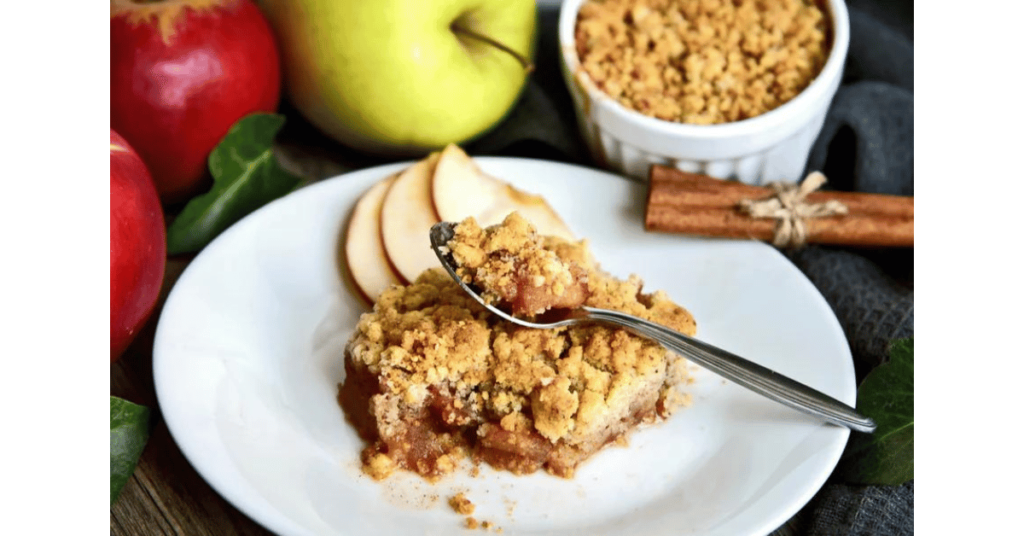
by Annie Spratt (https://unsplash.com/@anniespratt)
TV shows often feature iconic meals that become memorable parts of the storyline. From Monica’s Thanksgiving feast in “Friends” to the exquisite dishes in “MasterChef,” these meals capture the essence of the characters and the show. Recreating these dishes at home allows you to connect with the shows on a deeper level and enjoy a taste of your favorite TV moments.
Getting Started with TV-Inspired Recipes
Choose Your Show and Dish
The first step in creating your TV-inspired dish is to pick a show and a specific meal that you want to recreate. Think about your favorite TV moments that involve food. Is it the blueberry pancakes from “Gilmore Girls” or the Krabby Patties from “SpongeBob SquarePants”? Once you’ve chosen your inspiration, you can start planning how to bring it to life in your kitchen.
Gather Your Ingredients
Before you start cooking, make sure you have all the necessary ingredients. Most TV-inspired dishes can be made with everyday ingredients at home. However, some recipes might require specialty items. Planning ahead and shopping for specific ingredients will ensure a smooth cooking experience.
Easy TV-Inspired Recipes
Monica’s Thanksgiving Sandwich from “Friends”
Monica Geller’s Thanksgiving sandwich, famously known as “The Moist Maker,” is a fan favorite. This sandwich is a perfect way to use up Thanksgiving leftovers and enjoy a hearty meal.
Ingredients:
Three slices of bread
Leftover turkey
Leftover stuffing
Leftover cranberry sauce
Gravy
Instructions:
Toast the three slices of bread.
Place a layer of turkey on the first slice of toast.
Add a layer of stuffing on top of the turkey.
Drizzle some gravy over the stuffing.
Place the second slice of toast on top and spread cranberry sauce on it.
Add another layer of turkey and stuffing.
Top with the third slice of toast.
Serve and enjoy your Thanksgiving sandwich!
Krabby Patty from “SpongeBob SquarePants”
The Krabby Patty is a legendary burger from the underwater world of Bikini Bottom. While the secret formula remains a mystery, you can still make a delicious burger inspired by this iconic dish.
Ingredients:
One hamburger bun
One beef patty
Lettuce
Tomato slices
Pickles
Cheese slice
Ketchup
Mustard
Instructions:
Cook the beef patty in a skillet over medium heat until fully cooked.
Toast the hamburger bun.
Assemble the burger by placing the patty on the bottom bun.
Add lettuce, tomato slices, pickles, and a slice of cheese.
Drizzle ketchup and mustard on top.
Place the top bun on the burger.
Serve and enjoy your Krabby Patty!
Blueberry Pancakes from “Gilmore Girls”
Lorelai and Rory Gilmore’s love for food is evident throughout the series, and their blueberry pancakes are a beloved breakfast option.
Ingredients:
1 cup of all-purpose flour
One tablespoon of sugar
One teaspoon of baking powder
1/2 teaspoon of baking soda
1/4 teaspoon of salt
1 cup of buttermilk
One egg
Two tablespoons of melted butter
1 cup of fresh or frozen blueberries
Instructions:
Whisk together the flour, sugar, baking powder, baking soda, and salt in a large bowl.
In another bowl, whisk the buttermilk, egg, and melted butter.
Pour the wet ingredients into the dry ingredients and stir until just combined.
Gently fold in the blueberries.
Heat a non-stick skillet over medium heat and lightly grease it.
Pour 1/4 cup of batter onto the skillet for each pancake.
Cook until bubbles form on the surface, then flip and cook until golden brown.
Serve with maple syrup and enjoy your blueberry pancakes!
Tips for Successful Kitchen Creations
Keep It Simple
When recreating TV-inspired dishes, it’s essential to keep things simple. Start with recipes that have straightforward ingredients and instructions. As you become more comfortable, you can experiment with more complex dishes.
Use Fresh Ingredients
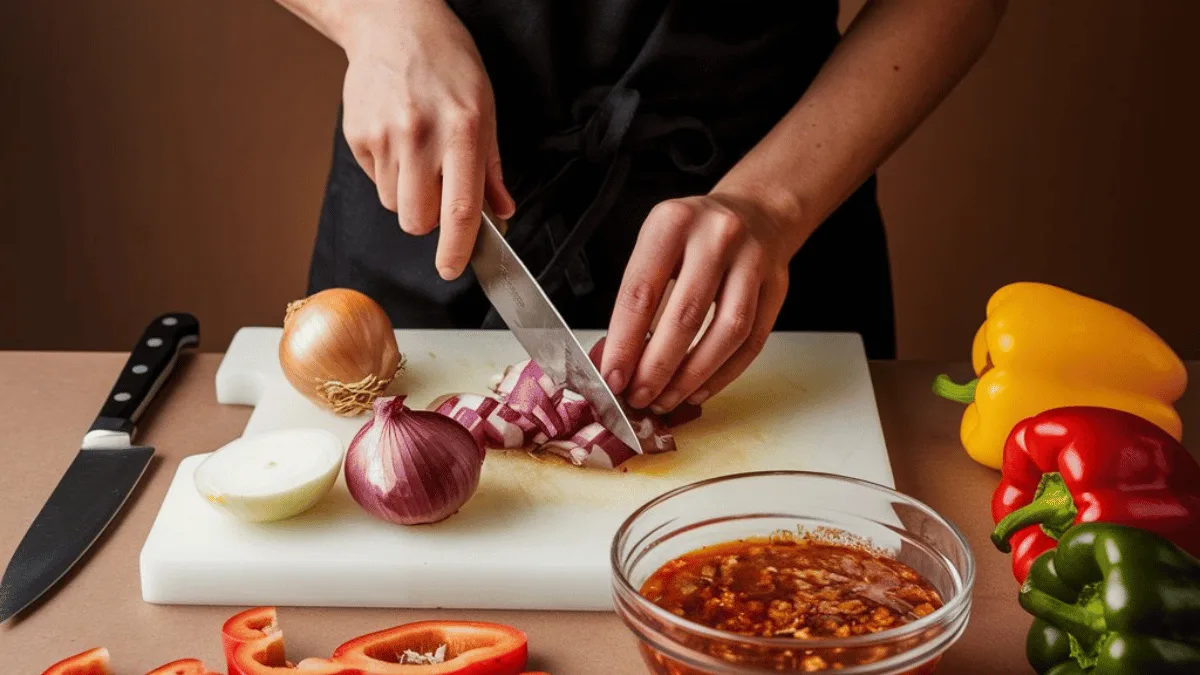
by Syd Wachs (https://unsplash.com/@videmusart)
Using fresh ingredients can significantly improve the taste and quality of your dishes. Whenever possible, opt for fresh produce, meats, and dairy products. Fresh ingredients not only enhance the flavor but also provide better nutritional value.
Have Fun and Be Creative
Cooking should be an enjoyable experience, so have fun with it! Don’t be afraid to put your own spin on the recipes. If you’re missing an ingredient, improvise with what you have. The goal is to create a dish that brings you joy and satisfies your taste buds.
Share Your Creations
Share your TV-inspired dishes with friends and family once you’ve successfully created them. Hosting a TV-themed dinner party can be a great way to enjoy your culinary creations and bond over your favorite shows. You can even encourage your guests to bring their own TV-inspired dishes to share.
Conclusion
Creating your own TV-inspired dishes is a delightful way to bring a piece of your favorite shows into your kitchen. By choosing your favorite TV moments, gathering the necessary ingredients, and following easy recipes, you can enjoy quick meals that are both delicious and nostalgic.
Remember to keep it simple, use fresh ingredients, and have fun with your kitchen creations. So, what are you waiting for? Create TV recipes today for free and enjoy a taste of your favorite shows!
South Africa is experiencing a culinary revolution, with plant-based diets gaining unprecedented popularity. Food influencers and bloggers are taking Mzansi by storm. The best plant-based recipes are on South African Pinterest pages. Plant-based cuisine is thriving in busy cities and calm countryside. It shows the …
There are at least ten diets you’ve come across. Every day, there’s a new diet coming up. But what’s all the fuss about? Is there evidence on the effectiveness of a whole food plant-based diet? What sets a whole food plant-based diet apart from the …
Are you looking to lose extra pounds or kilos? This article will guide you to the best simple meal plan to lose weight.
But do you feel overwhelmed by complex diet plans?
You’re not alone.
Many people struggle with weight loss. This effort is because they need a clear, straightforward strategy.
That’s where a simple meal plan comes in.
This guide provides an easy-to-follow guide for the best simple meal plan to lose weight. It is simple and can help you achieve weight loss. It avoids the stress of complex diets.
A well-designed meal plan is more than just a food list.
It’s a roadmap to better health.
It gives structure to your eating habits. It ensures you get the right mix of nutrients while eating fewer calories.
Planning your meals can facilitate your efforts to avoid making impulsive food choices. You can also save time and money. This plan will help you stay motivated on your weight loss journey.
In the following sections, we’ll cover the basics of weight loss.
We’ll also guide you in making a simple meal plan and give you tips to help you succeed.
Whether you’re new to dieting or have tried many approaches, this article will give you the necessary knowledge and tools.
It will help you make a meal plan for weight loss that works and lasts.
Let’s journey to a healthier you, one simple meal at a time.
This knowledge will help you better plan and understand why some strategies work.
Calorie Deficit Concept
At its core, weight loss is about energy balance. Consume fewer calories than your body burns.
People know this concept as a calorie deficit.
When you eat fewer calories than you use over time, your body starts using stored fat for energy.
This usage of stored fat causes weight loss.
Key points:
One pound of body fat is approximately equivalent to 3,500 calories.
Aim for a moderate deficit of 500-750 calories daily for sustainable weight loss.
This approach typically leads to 1-2 pounds of weight loss per week.
Macronutrients and Their Roles
Macronutrients: Proteins, carbohydrates, and fats are crucial components of our diet because they are the building blocks for our nutrition. Each plays a vital role in our health and can impact weight loss:
Proteins
Proteins
Essential for muscle maintenance and repair
Increases satiety, helping you feel full longer
Requires more energy to digest, slightly boosting metabolism
Carbohydrates
The primary energy source for the body
Essential for brain function and physical performance
Choose complex carbohydrates over simple sugars to keep your energy levels stable.
Fats
Necessary for hormone production and nutrient absorption
Provides satiety and flavour to meals
Consume healthy fats like avocados, nuts, and olive oil.
Importance of Balanced Nutrition
It is crucial to create a calorie deficit to lose weight and maintain a balanced, healthy diet.
A well-rounded meal plan should:
Provide all essential vitamins and minerals
Add fruits and vegetables for fibre and micronutrients
Lean proteins, healthy fats, and complex carbohydrates must be part of your diet.
Avoid restrictions that could lead to nutrient deficiencies.
Remember, sustainable weight loss isn’t just about eating less but intelligent eating.
Understanding these fundamentals will prepare you to develop a meal plan, which should help you lose weight and support your health and well-being.
What should a meal plan look like?
Critical Components of an Effective Meal Plan
An effective meal plan for weight loss goes beyond simply reducing calories. It should be sustainable, nutritious, and tailored to your individual needs. Let’s explore the key components that make a meal plan successful:
Portion Control
Mastering portion sizes is crucial for managing calorie intake without feeling deprived:
To make your portions appear more prominent, try using smaller plates.
Learn to estimate serving sizes using everyday objects (e.g., a deck of cards for 3 oz of meat)
Include a variety of foods in smaller amounts rather t.han large servings of few items
Pay attention to calorie-dense foods like nuts, oils, and avocados.
Food Variety
Eating many types of foods gives you many nutrients. It also stops boredom.
Add various colours to your fruits and vegetables to ensure a well-rounded diet.
Rotate protein sources (e.g., fish, poultry, legumes, lean meats)
Experiment with different whole grains (quinoa, brown rice, oats)
Try new herbs and spices to add flavour without extra calories
Nutrient Density
Focus on foods that provide maximum nutritional value for their calorie content:
Prioritize whole, unprocessed foods
Include nutrient-rich options like leafy greens, berries, and fatty fish
Limit empty calories from sugary drinks and processed snacks
Choose complex carbohydrates over simple sugars
Meal Timing and Frequency
When you eat your meals and how often you eat it can affect how fast your body burns calories and how hungry you feel:
Aim for regular, balanced meals tostabilisee blood sugar and energy levels
Eating smaller and more frequent meals helps in managing hunger.
Don’t skip meals, especially breakfast, as it may lead to overeating later
Be mindful of late-night eating, which can interfere with sleep and digestion
Hydration
While not a food component, proper hydration is essential for an effective meal plan:
Aim for at least eight glasses of water per day
Drink water before meals to help with satiety
Replace high-calorie beverages with water or unsweetened alternatives
Don’t forget that certain foods, such as fruits and vegetables, can help keep you hydrated.
Flexibility and Sustainability
A rigid meal plan is hard to maintain in the long term. Build in flexibility:
Allow for occasional treats in moderation
Plan for dining out or social events
Include foods you genuinely enjoy to make the plan sustainable
Be prepared to adjust your plan as your needs or circumstances change
Add these critical parts to your meal plan. They will make it balanced and effective for weight loss.
Remember, the best meal plan is one that you can stick to consistently over time.
In the next section, we’ll guide you through making your simple meal plan.
Creating Your Simple Meal Plan
Now that we understand the essential parts let’s create yourpersonalisedd, simple weight-loss meal plan.
Setting Realistic Goals
Begin by establishing clear, achievable goals:
Target for a realistic weight loss of 1-2 kilos per week
Set both short-term and long-term goals
Consider non-scale victories like increased energy or better-fitting clothes
Make sure to write down your goals and review them regularly.
Calculating Calorie Needs
Determine your daily calorie target:
Make use of an online calculator to determine your Basal Metabolic Rate (BMR).
Consider your activity level when calculating your Total Daily Energy Expenditure (TDEE).
Subtract 500-750 calories from your TDEE for weight loss
Ensure your calorie target is at most 1200 for women or 1500 for men.
Choosing Appropriate Foods
Select foods that align with your goals and preferences:
Limit processed foods, sugary snacks, and high-calorie beverages
Structuring Meals and Snacks
Organize your day’s eating:
Decide on meal frequency (e.g., three meals + 2 snacks)
Allocate your daily calories across these meals
Aim for balanced macronutrients at each meal:
1/4 plate protein
1/4 plate complex carbs
1/2 plate vegetables
A small serving of healthy fats
Plan for nutritious snacks like fruit with nuts or vegetables with hummus
Creating a Grocery List
Make a list of items you must buy according to your meal plan.
Pay attention to the grocery store’s perimeter, where fresh foods are found.
Buy in bulk for cost-effective, healthy staples
Choose frozen fruits and vegetables for convenience and longevity
Read nutrition labels to make informed choices
Meal Prep Strategies
Set yourself up for success with meal preparation:
Designate time for weekly meal prep
Batch cook proteins and grains
Chop vegetables in advance
Portion out snacks into individual servings
Prepare grab-and-go breakfast options
Tracking and Adjusting
Monitor your progress and be ready to make changes:
Keep track of the food you eat using a food diary or an app.
Regularly weigh yourself or take measurements.
Pay attention to how you feel and your energy levels
Be prepared to adjust your calorie intake or food choices as needed
Remember, creating a meal plan is a personal process. What works for one person may only work for one person.
Be patient with yourself. Be willing to adjust and make changes as you learn what works best for your body and lifestyle.
The following section will provide a sample 7-day meal plan to help you get started.
Sample 7-Day Simple Meal Plan
To help you get started, here’s a sample 7-day meal plan.
Remember, this is just a guide. Feel free to change portions or swap foods based on your tastes and calorie needs.
Day 1
Breakfast:
Oatmeal with berries and almonds
Lunch:
Eat a delicious grilled chicken salad with mixed greens and balsamic vinaigrette dressing.
Dinner:
Baked salmon with quinoa and roasted vegetables. Snack: Greek yoghurt with honey
Day 2
Breakfast: Consume whole grain toast combined with avocado and poached egg
Lunch: Turkey and vegetable soup with a side of whole-grain crackers
Dinner is lean beef stir-fry with brown rice and mixed vegetables. The snack is apple slices with peanut butter.
Day 3
Breakfast:
Smoothie bowl with spinach, banana, and chia seeds
Lunch:
Tuna salad in a whole wheat wrap with lettuce and tomato
Dinner:
Eat grilled tofu with sweet potato and steamed broccoli
Snack: Carrot sticks with hummus
Day 4
Breakfast:
Vegetable omelette with whole-grain toast
Lunch:
Lentil and vegetable curry with brown rice
Dinner:
We have baked chicken breast, quinoa, and roasted Brussels sprouts for dinner. The snack consists of mixed nuts and dried fruit.
Day 5
Breakfast:
Take Greek yoghurt parfait with granola and mixed berries
Lunch:
Grilled vegetable and mozzarella sandwich on whole grain bread
Dinner:
Baked cod with zucchini noodles and tomato sauce
Snack: Celery sticks with almond butter
Day 6
Breakfast: Consume whole grain waffles with fresh fruit and a dollop of Greek yoghurt
Lunch: Chickpea and spinach salad with olive oil and lemon dressing
Dinner: What about Turkey meatballs with whole wheat pasta and marinara sauce for your dinner?
Snack: Hard-boiled egg and cherry tomatoes
Day 7
Breakfast: Take a Breakfast burrito with scrambled eggs, black beans, and salsa
Lunch: Grilled chicken Caesar salad (light dressing) with whole grain croutons
Dinner will be vegetable and tofu stir-fry with brown rice. The snack will be cottage cheese with pineapple.
Tips for Using this Meal Plan
Prepare portion sizes based on your calorie needs
Drink plenty of water throughout the day
Feel free to swap proteins or vegetables based on preferences or availability.
Include herbs and spices to add flavour without extra calories
Include an extra serving of vegetables if you’re still hungry
Always prepare meals in advance when possible to save time
Remember, this is a basic framework.
You can repeat your favourite meals, introduce new recipes, or make substitutions. Just stick to the principles of balanced nutrition and portion control.
Establishing a routine that suits you and that you can stick to consistently.
Next, we’ll discuss tips for sticking to your meal plan and ways to overcome common challenges.
Tips for Sticking to Your Meal Plan
Creating a meal plan is one thing, but following it is where the real challenge lies. Here are some practical tips to help you stay on track:
Meal Prep Strategies
Batch cooking:
Prepare large amounts of staples, such as grilled chicken, roasted vegetables, and brown rice, at the start of the week.
Portion control: Use containers to pre-portion meals and snacks for easy grab-and-go options.
Prep ingredients:
Wash and chop vegetables. Marinate proteins and make sauces in advance. It will streamline cooking during the week.
Freezer meals: Prepare and freeze extra portions for busy days.
Dealing with Cravings
Identify triggers: Recognise what situations or emotions lead to cravings.
Try practising mindful eating. Pay attention to your hunger cues and take the time to savour each bite of your food.
Allow small indulgences: Plan for occasional treats to avoid feeling deprived.
Find healthy alternatives:
Satisfy sweet cravings with fruit or savoury cravings with air-popped popcorn.
Remember to drink enough water: Thirst can sometimes be confused with hunger.
Eating Out While on a Plan
Plan: Look at restaurant menus online and decide what to order before you go.
Choose grilled, baked, or steamed options over fried foods.
Ask for dressings and sauces on the side to control portions.
Feel free to make special requests, like substituting vegetables for fries.
To control your portions, consider sharing a meal with someone or boxing up half to take home.
Maintaining Motivation
Assess your progress by keeping a food diary or using a tracking app.
Celebrate non-scale victories: Acknowledge improvements in energy, sleep, or how clothes fit.
Find a support system:
Make your goals known to your friends or join online communities to receive encouragement.
Visualize success: Regularly remind yourself of your reasons for pursuing a healthier lifestyle.
Handling Social Situations
Communicate your goals:
Let friends and family know about your meal plan to gain their support.
Consider offering to bring a dish that aligns with your dietary preferences or restrictions to social events.
Before attending social events, it is recommended to have a small, nutritious snack to prevent overeating.
Focus on socialising rather than food at gatherings.
Staying Consistent During Busy Times
Keep healthy, non-perishable snacks on hand for unexpected schedule changes.
Have a list of quick, healthy meals you can prepare in 15 minutes or less.
A slow cooker or Instant Pot is helpful for simple and convenient meal prep that requires minimal effort.
Don’t let one off-plan meal derail your entire day – get back on track with your next meal.
Overcoming Plateaus
Monitor your calorie needs as you lose weight and adjust your plan accordingly.
Try incorporating different exercises into your workout routine to keep your body guessing and push yourself to new limits.
Get enough sleep and manage stress, which can impact weight loss.
Consider tracking macronutrients in addition to calories for more precise control.
Remember, consistency is critical, but perfection isn’t necessary. It’s normal to have occasional slip-ups – what matters is getting back on track quickly.
These tips will help you adhere to your simple meal plan and achieve your weight loss objectives.
The following section will discuss how to customise your meal plan. These plans are for specific diets or preferences.
Customizing Your Meal Plan
Our sample meal plan is a great starting point. But it would help if you tailored it to your needs, preferences, and lifestyle.
Here’s how you can customise your meal plan effectively:
Adapting for Dietary Restrictions
Vegetarian/Vegan
Replace animal proteins with plant-based options like legumes, tofu, tempeh, and seitan
Ensure you consume enough protein by including various plant-based sources in your diet.
Consider supplementing with vitamin B12, iron, and omega-3s
Gluten-free
Swap wheat-based products for gluten-free alternatives like quinoa, rice, or gluten-free oats
Be cautious of hidden gluten in sauces and processed foods
Focus on naturally gluten-free whole foods
Dairy-free
Use plant-based milk alternatives like almond, soy, or oat milk
Replace cheese with nutritional yeast or dairy-free cheese alternatives
Ensure adequate calcium intake through leafy greens and fortified foods
Low-carb
Increase healthy fat and protein intake
Focus on non-starchy vegetables
Choose low-glycemic fruits like berries in moderation.
Accommodating Personal Preferences
Taste Preferences
Experiment with herbs and spices to make healthy foods more appealing
Find healthy versions of your favourite dishes
Gradually introduce new foods to expand your palate
Cooking Skills
Start with simple recipes and progressively increase the complexity
Invest in time-saving kitchen tools if needed
Consider meal delivery services for portion-controlled, ready-to-eat meals
Budget Constraints
Focus on seasonal produce for better prices
Always buy in bulk and freeze portions for later use
Incorporate budget-friendly proteins like eggs and legumes
Time Limitations
Utilize meal prep strategies to save time during the week
Keep a stock of healthy frozen meals for busy days
Opt for quick-cooking methods like stir-frying or using a pressure cooker
Adjusting for Activity Levels
Sedentary
Focus on lower-calorie, nutrient-dense foods
Incorporate more fibre-rich foods to promote satiety
Consider reducing portion sizes slightly
Moderately Active
Increase protein intake to support muscle recovery
Add complex carbohydrates to fuel workouts
Ensure adequate hydration throughout the day
Highly Active
Significantly increase calorie intake, particularly from complex carbs and lean proteins.
Consider adding pre- and post-workout snacks.
Pay attention to electrolyte balance, especially if exercising in hot conditions.
Addressing Specific Health Concerns
Diabetes
Focus on low-glycemic index foods
Distribute carbohydrates evenly throughout the day
Include protein with each meal to helpstabilisee blood sugar
Emphasize heart-healthy fats like those found in fish, nuts, and olive oil
Reduce sodium intake
Increase fibre intake through whole grains, fruits, and vegetables
Digestive Issues
Identify and avoid trigger foods
Consider incorporating probiotic-rich foods like yoghurt or kefir
Experiment with cooked versus raw vegetables for easier digestion
Remember,customisingg your meal plan may require some trial and error.
Be patient with yourself. Be willing to make adjustments as you learn what works for your body and life.
Talking to a healthcare provider or dietitian is smart when making significant diet changes. This approach is especially true if you have specific health concerns.
In the next section, we’ll discuss common pitfalls in meal planning and how to avoid them.
Common Pitfalls and How to Avoid Them
Even with the best intentions, it’s easy to fall into traps that can derail your weight loss efforts.
Mastering common obstacles enhances success probability significantly.
Overly Restrictive Diet
Pitfall:
Cutting out entire food groups or drastically reducing calorie intake.
How to avoid:
Focus on balanced nutrition rather than extreme restrictions
Allow for occasional treats in moderation
Make gradual changes to your diet for sustainable results
Target for a moderate calorie deficit of 500-750 calories per day. Don’t aim for severe restriction.
Neglecting Hydration
Pitfall:
Forgetting to drink enough water throughout the day.
How to avoid:
Keep a water bottle with you at all times
Set reminders on your phone to drink water regularly
Infuse water with fruits or herbs for added flavour
Eat water-rich foods like cucumbers and watermelon
Ignoring Hunger Cues
Pitfall:
Pushing through extreme hunger or eating when not truly hungry.
How to avoid:
Practice mindful eating techniques
Learn how to differentiate between actual physical hunger and emotional cravings.
Don’t let yourself get overly hungry – plan regular, balanced meals and snacks
Pay attention to satiety cues and stop eating when comfortably full
Underestimating Portion Sizes
Pitfall:
Consuming more significant portions than intended leads to excess calorie intake.
How to avoid:
Use measuring tools or a food scale until you can accurately estimate portions
Pre-portion snacks and meals
To make your portions look bigger, try using smaller plates and bowls.
Fill half your plate with vegetables to reduce portions of higher-calorie foods naturally.
Relying Too Heavily on Processed “Diet” Foods
Pitfall:
Choosing low-fat or diet-labeled processed foods over whole, nutrient-dense options.
How to avoid:
Focus on whole, unprocessed foods
Read nutrition labels carefully – low-fat doesn’t always mean low-calorie
Prepare meals at home more often to control ingredients
Choose nutrient-dense foods that provide satiety and nutritional value
Skipping Meals
Pitfall:
People skip meals to cut calories. But this often leads to overeating later.
How to avoid:
Plan and prepare meals in advance
Keep healthy, portable snacks on hand for busy days
Always aim for regular, balanced meals throughout the day
If you’re not hungry for a full meal, have a small, nutritious snack instead
Not Planning for Social Situations
Pitfall:
Being unprepared for dining out or social gatherings leads to off-plan eating.
How to avoid:
Review restaurant menus in advance and plan your order
Eat a small, healthy snack before events to curb hunger
Suggest bringing a nutritious dish to events.
Practice saying “no” politely to food pushers
Emotional Eating
Pitfall:
Using food to cope with stress, boredom, or other emotions.
How to avoid:
Identify your emotional eating triggers
Develop alternative coping strategies (e.g., exercise, meditation, calling a friend)
Keep a food and mood journal to recognise patterns
If you are struggling significantly with emotional eating, it is vital to seek professional help.
All-or-Nothing Mentality
Pitfall:
Viewing any deviation from the plan as a complete failure and giving up.
How to avoid:
Remember that perfection isn’t necessary for progress
If you have an off-plan meal, get back on track with the next one
Focus on consistency over time rather than short-term perfection
Celebrate small victories and non-scale progress
Be aware of these common pitfalls and use strategies to avoid them. This will help you stay on track with your meal plan and reach your weight loss goals.
Remember, it’s normal to face challenges along the way – how you respond to them matters.
In the next section, we’ll discuss how to track your progress and how to make needed changes to your meal plan.
Tracking Progress and Making Adjustments
Watching your progress and being willing to make changes are crucial to weight loss success.
This section will guide you through suitable tracking methods and cover adjusting your meal plan as needed.
Monitoring Weight and Measurements
Weigh Yourself
Choose a consistent time, preferably in the morning after using the bathroom.
Weigh weekly rather than daily to account for expected fluctuations
Use the same scale each time for consistency
Take Body Measurements
Measure waist, hips, thighs, and arms monthly
Use a flexible tape measure and record measurements in inches or centimetres.
Take photos in consistent clothing and poses for visual progress tracking
Assessing Energy Levels and Mood
Keep a Daily Journal
Please indicate how energised you feel on a scale of 1 to 10.
Note your overall mood and any significant changes
Record sleep quality and duration
Monitor Physical Performance
Track workout intensity and duration
Note any improvements in strength or endurance
Evaluating dietary Adherence
Use a Food-tracking App or Journal
Record all food and drink consumed
Consider portion sizes and macronutrient balance
Note any consistent deviations from the meal plan
Review Your Tracking Weekly
Recognize any recurring patterns or trends in your eating habits.
Assess whether you’re meeting your calorie and nutrient goals
Fine-tuning The Meal Plan
Adjust Calorie Intake
If weight loss stalls, consider reducing calories slightly (100-200 per day)
If energy levels are consistently low, you may need to increase your calories
Modify Macronutrient Balance
Experiment with different ratios of proteins, carbs, and fats
Pay attention to how different macronutrient balances affect your energy and satiety
Address Nutritional Gaps
Use a nutrition tracking app to identify potential vitamin or mineral deficiencies.
Incorporate foods rich in any lacking nutrients
Overcoming Plateaus
Reassess Your Basal Metabolic Rate (BMR)
As you lose weight, you’ll notice that your calorie needs decrease
Recalculate your BMR every 10-15 pounds lost and adjust your meal plan accordingly
Introduce Variety
Try new healthy recipes to prevent boredom
Rotate different types of exercises to challenge your body in new ways
Increase Non-Exercise Activity
Look for opportunities to move more throughout the day
Consider using a step tracker to increase daily movement
Seeking Professional Guidance
Consult a Registered Dietitian
Get personalised advice on meal planning and nutrition
Address any specific dietary concerns or health issues
Check-in With Your Healthcare Provider
Discuss your weight loss progress and overall health
Consider blood tests to monitor key health markers
Celebrating Non-Scale Victories
Recognize improvements in:
Clothing fit
Sleep Quality
Skin clarity
Digestion
Overall well-being
Acknowledge behavioural changes:
Increased water intake
Consistent meal prepping
Better stress management
Improved relationship with food
Remember, progress isn’t always linear. It’s normal to experience ups and downs throughout your weight loss journey.
The key is to stay consistent, make changes based on data, and focus on long trends, not short ups and downs.
Monitor your progress and be open to making changes as needed. Then, you’ll be ready to overcome obstacles and reach your weight loss goals.
Next, we’ll answer some common questions about meal planning for weight loss.
FAQs
You may have questions as you embark on your weight loss journey with a simple meal plan. Here are answers to some frequently asked questions:
How many calories should I eat to lose weight?
The number of calories you need depends on factors, including age, gender, height, weight, and activity level. If you consume 500-750 calories less than your body needs each day, you can expect to lose 1-2 pounds per week. It is recommended to use a calorie calculator to determine your daily calorie requirements.But never eat below 1200 calories if you’re a woman or 1500 if you’re a man without medical supervision.
Can I still eat carbs and lose weight?
Absolutely! Carbohydrates provide energy and essential nutrients. It is recommended that complex carbohydrates, such as whole grains, fruits, and vegetables, be prioritised. Limit refined carbs and sugars. The key is balance and portion control, not complete elimination.
How often should I eat to boost my metabolism?
Some people believe eating small, frequent meals speeds up metabolism. But, research doesn’t strongly support this. What is most important is the total number of calories you consume in a day. Find an eating schedule that works for you. It could be three main meals or several smaller ones throughout the day.
Are cheat meals allowed on a weight loss meal plan?
Occasional indulgences can be part of a sustainable plan. Rather than “cheat meals,” have small treats regularly. Or, plan for one higher-calorie meal per week. This way can help prevent feelings of deprivation and support long-term adherence.
How much water should I drink for weight loss?
Water doesn’t directly cause weight loss. But, being hydrated is essential for health and can help control appetite. Aim for at least 8 cups (64 ounces) of water daily, more if you’re active or in hot weather.
Can I drink alcohol while trying to lose weight?
Alcohol can fit into a weight loss plan if consumed in moderation. However, it’s calorie-dense and can lower inhibitions, leading to overeating. If you choose to drink, account for the calories and limit intake to 1-2 drinks per week.
How long will it take to see results?
With a consistent calorie deficit, you might see initial weight loss within 1-2 weeks. However, sustainable weight loss is typically 1-2 pounds per week. Remember that non-scale victories are essential, too. These include things like more energy and better-fitting clothes.
Should I count calories or macros?
Both methods can be effective. Calorie counting is more straightforward and often sufficient for weight loss. Tracking macros — proteins, carbs, and fats — can give you more control over your nutrition. Choose the method that you find most sustainable.
Is it necessary to eat breakfast for weight loss?
Some people find breakfast helpful for controlling hunger and energy levels. But it’s not strictly necessary for weight loss. What’s vital is your total daily calorie intake. Eating your first meal later is okay if you’re not hungry in the morning.
How can I prevent loose skin during weight loss?
It can be helpful to lose weight gradually (1-2 pounds per week) and stay hydrated. Eating plenty of protein and incorporating strength training exercises can reduce the likelihood of losing skin. However, some loose skin is normal with significant weight loss. This phenomenon is especially true if you lose weight quickly or have been overweight for a long time.
Remember, while these answers provide general guidance, individual needs can vary. It’s best to consult with a healthcare professional or dietitian if you have health concerns or conditions. They can givepersonalisedd advice.
The final section will end with encouraging words for your weight loss journey.
Conclusion
Starting a weight loss journey with a simple meal plan is more than changing your diet. It’s about transforming your relationship with food and nurturing a healthier lifestyle.
We’ve explored this throughout the guide. The key to weight loss is not extreme measures or fad diets. It’s about making a balanced, lasting approach that works for you.
Remember, your simple meal plan is a powerful tool, but it’s just the beginning. The magic happens when you combine it with consistency, patience, and self-compassion. There will be challenges along the way, including plateaus, temptations, and moments of doubt. But, armed with the knowledge and strategies we’ve discussed, you can overcome them.
Critical Point to Consider
As you move forward, keep these critical points in mind:
Personalization is crucial. Adapt your meal plan to fit your preferences, lifestyle, and nutritional needs.
Progress isn’t always linear. Instead of getting caught up in daily changes, concentrate on long-term patterns.
Non-scale victories are just as important as the number on the scale. Celebrate improvements in energy, mood, and well-being.
Flexibility is critical to long-term success. Allow indulgences, and learn to navigate social situations without derailing your progress.
Your journey is unique. Do not compare your progress to that of others, and have faith in your path.
Most importantly, be kind to yourself. Weight loss involves both mental and physical aspects. Celebrate your achievements and take the time to reflect on your failures as opportunities for growth. Each day is a new chance to make choices that fit your goals.
You have the power to create lasting change.
Your simple meal plan is the foundation. You also have the tips, strategies, and knowledge, so you’re ready for success.
Have faith in yourself, remain dedicated to your goals, and welcome the path ahead.
Here’s to your health, your happiness, and the exciting transformation that awaits. You’ve got this!
In recent years, South Africa has seen a significant surge in plant-based diets. More and more people there are embracing veganism and vegetarianism. This shift has sparked a tasty revolution in baking. It’s mainly for celebrating life’s sweetest moments. Join the world of plant-based birthday …





 by Annie Spratt (https://unsplash.com/@anniespratt)
 by Syd Wachs (https://unsplash.com/@videmusart)