Introduction
Are you curious about the world of plant-based proteins?
Is there a need to eat plant-based protein?
As you go for plant-based eating, you must balance your protein intake. Your body needs a balance of nine amino acids it cannot manufacture. Thus, understanding the basics of plant-based proteins is essential.
Plant-based proteins have gained significant popularity in recent years.
More people are exploring alternative dietary choices for health, environmental, and ethical reasons. These proteins offer many benefits, including being cholesterol-free. Proteins are also low in saturated fats and packed with essential nutrients.
This article will look into the various aspects of eating plant-based protein. We will explore different plant protein sources.
Vegan protein options can help you meet your nutritional needs without relying on animal products. So, let’s dive in and discover the delicious world of plant-based proteins together!
What are Plant-Based Proteins?
Plant-based proteins are a hot topic in the world of nutrition and health. But what exactly are they? And why should you consider including them in your diet?
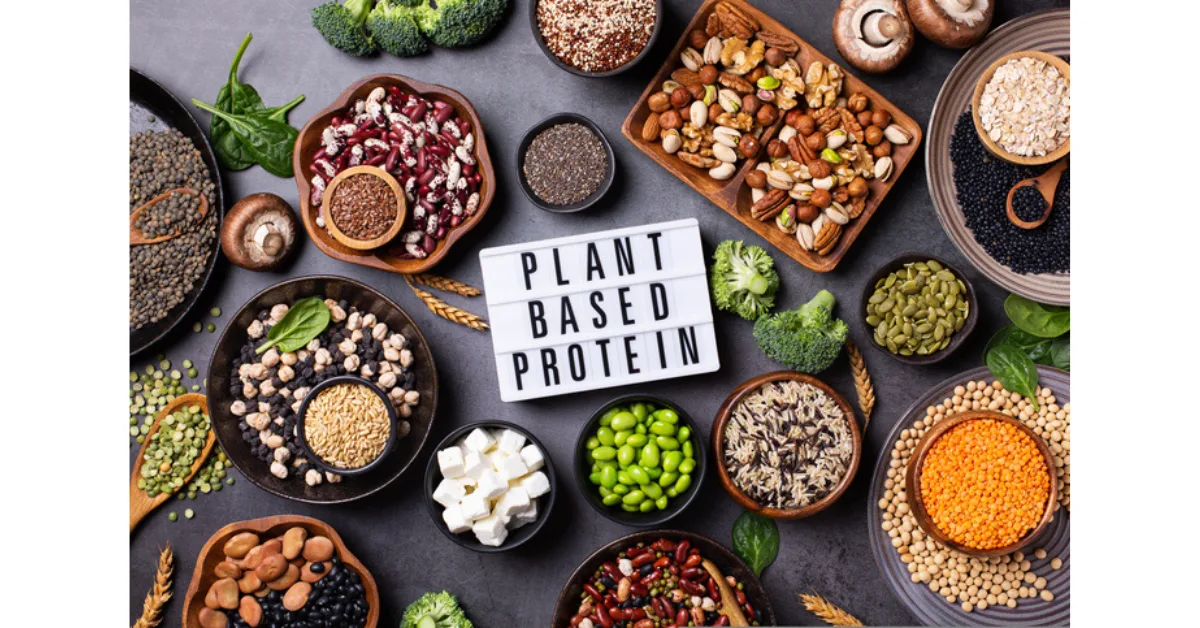
Simply put, plant-based proteins are protein sources that come from plants rather than those animal products. Plant-based proteins include legumes (beans, lentils), tofu, tempeh, seitan, nuts, seeds, and certain grains.
Why Should You Consider Including Them in Your Diet?
There are several compelling reasons to consider incorporating plant-based proteins into your diet. Firstly, they offer a wide range of health benefits. Plant proteins have lower saturated fat content and cholesterol than animal proteins. They also contain essential nutrients like fibre and vitamins. Plant proteins give minerals and antioxidants that contribute to well-being.
Benefits of Plant-Based Protein
Furthermore, research suggests that a plant-based diet can have many health advantages. Studies have shown that consuming more plant-based proteins may reduce the risk of chronic diseases. Chronic diseases like type 2 diabetes, certain cancers, and obesity.
Plant-Based Protein and Weight Loss
Research shows that plant-based diets, such as low-fat ones, lead to weight loss. It was among the study participants who were overweight. And to those who had type 2 diabetes or cardiovascular disease. The report comes from a review of 19 randomized controlled trials. An announcement that came on September 30, 2020.
Plant-Based Protein and Heart Health Benefits
The benefits of plant alternatives are more impressive than those of meat proteins. We will explore this difference later in this article.
Research published in Nutrients on May 29, 2020, shows impressive, good diastolic and systolic blood pressure numbers.
Lower blood pressure can cause a lower risk of heart disease.
Plant-based proteins can be an excellent option.
Especially those following vegetarian or vegan lifestyles and looking to reduce their meat consumption. They provide a sustainable alternative while still meeting the body’s protein needs.
Incorporating plant-based proteins into your diet is not only beneficial for your health but also for the environment. So why not give them a try? Your body and the planet will thank you!
The Top 10 Best Plant-Based Protein
Are you looking to add more plant-based proteins to your diet? Look no further! Here, we will explore the top 10 delicious plant-based proteins for muscle building and health.
Best Plant-Based For Muscle Building
When building muscle and maintaining a healthy diet, you must incorporate plant-based proteins, a fantastic option. Not only are these protein sources packed with essential nutrients. But they also provide a wide range of health benefits.
So, without further ado, let’s explore our list of the top 10 plant-based proteins. The following protein-packed plants will meet your taste buds and support your fitness goals.
List of Plant-Based Proteins
The American Institute for Cancer Research made a recommendation. It recommends filling at least two-thirds of your plate with plant-based foods. Foods like whole grains, vegetables, fruits, and legume beans. The Institute also recommends filling the remaining third with meat- or plant-based foods.
The team at Eating Plant-Based recommends filling the third of your plate with plant-based proteins.
Here’s a list of the best plant-based proteins.
A nutrient powerhouse packed with protein and fibre. Lentils contain 9 grams of protein per cup.
You can use it in soups, stews, and veggie burgers.
Quinoa
Quinoa is a complete protein. It contains all nine essential amino acids. Quinoa is a grain-like seed that can make a base salad or substitute rice.
Chickpeas
This food is my favourite protein source, followed by tofu -the extra firm tofu.
Chickpea is a versatile legume that offers a good amount of protein.
Tofu
Tofu is from soybean curds. It is gluten-free. It is also low in calories. Tofu contains no cholesterol. Tofu boosts iron and calcium. It is an essential source of protein, especially for vegans and plant-based food eaters.
Black Beans
My kids call me Mr Beans (Not because of Mr Beans’ funny acts in the movies). It’s because I like beans. The whole enchilada!
Black beans contain 7.5 grams of protein in 125 ml.
Nutritional Yeast
My friend laughed his heart out. It was the day one of the dietitians recommended I include nutritional yeast in my diet. I protested. I don’t drink any alcohol, and now you want me to use yeast in my food!
If you are as lost as I was, let me explain what nutritional yeast is.
Nutritional yeast is an inactivated kind of yeast. The yeast you use to make bread or beer.
It has a savoury or umami flavour. It may help lower cholesterol. It can also boost your immune health. Nutritional yeast, or “nooch,” is a food product used in vegan cooking.
Green Peas
Green peas give 9 grams of protein per cup. Green peas have more proteins than dairy milk.
Nuts
Nuts, seeds, and their derived products are rich sources of protein.
Almonds offer the most protein per serving. Pistachios are close behind, following almonds as per protein content.
Protein-rich Fruits and Vegetables
Almost all fruits and vegetables contain protein. But some fruits and vegetables contain more than others.
Broccoli, spinach, asparagus, and sweet potatoes contain more proteins. They have approximately 4 to 5 grams of protein per cooked cup.
Seitan (Wheat Gluten)
Seitan is ideal for those who prefer gluten-rich options as their primary source of plant-based protein.
Seitan is a complete protein made by mixing wheat gluten with various spices. The high-wheat content means that people with celiac or non-celiac gluten sensitivity should avoid it. It can be a protein-rich, healthful meat substitute for people not affected by celiac.
Hemp Seeds
Hemp seeds maintain 10 grams per 45 ml.
Hemp seeds give all nine essential amino acids. You may also see them as hemp hearts shelled hemp seeds at supermarkets.
Plant Proteins vs Animal Proteins: Which is Better for Your Health?
The question of which is better for your health is a hot topic. A topic about the ongoing debate between plant and animal proteins.
Plant Protein vs Animal Protein
Both sources of protein have their advantages. There are compelling reasons to consider incorporating more plant-based proteins into your diet.
One of the key benefits of choosing plant proteins over animal-based proteins is their lower saturated fat content.
Benefits of Choosing More Plants Over Animal-Based Proteins
Animal proteins, meat and dairy products tend to be higher in saturated fats. These fats can contribute to heart disease and other health issues.
But, plant proteins like legumes, nuts, and seeds are lower in saturated fats. Plant proteins can provide essential nutrients without the associated health risks.
Additionally, plant-based proteins often come packaged with various other beneficial nutrients. Nutrients such as fibre, antioxidants, and vitamins. These nutrients in plant proteins play a crucial role in supporting health and well-being. Increase your intake of these vital nutrients by opting for more plants. At the same time, reduce your reliance on animal products.
Ultimately, making informed choices about protein sources involves understanding the potential impacts on personal health and environmental sustainability. Weigh the pros and cons of both plant and animal-based protein options. Then, make a decision aligning with your values while promoting optimal health outcomes.
Optimizing Your Plant Protein Intake: Tips and Strategies
Understanding the Importance of Plant Protein in a Balance Diet
Remember, protein is an essential macronutrient crucial in various bodily functions. It handles building and repairing tissues. Supporting immune function and aiding in the production of enzymes and hormones.
Choose plant-based protein sources over animal products more frequently. Shifting towards a plant-based diet can have positive environmental implications.
This section is on understanding the importance of plant protein in a balanced diet. We will explore the advantages offered by these alternative protein sources.
Combining Different Plant Proteins to Achieve a Complete Amino Acid Profile
Complete Amino Acid Profile
Combining different plant proteins can be an effective strategy for achieving a complete amino acid profile. Combining other plant proteins is particularly important for vegetarians and vegans who rely on plant-based protein sources.
While individual plant proteins may lack certain essential amino acids, combining complementary plant proteins can create a balanced and complete amino acid profile.
For example, legumes like beans and lentils are often low in the amino acid methionine but high in lysine. So, grains such as rice and wheat are low in lysine but contain higher levels of methionine.
Pairing these complementary plant proteins together in your meals ensures you get all the essential amino acids your body needs.
Protein Combining for Vegans
This protein-combining approach allows vegans to meet their nutritional requirements. Meeting their needs without relying solely on animal-based protein sources.
Blend beans with rice or enjoy a lentil curry with whole-grain bread. Experiment with different combinations of plant proteins. This combination can help you achieve a complete amino acid profile while following a vegetarian or vegan diet.
Are you looking to maximize protein absorption from plant sources?
There are a few essential tips that can help optimize the nutrient bioavailability. It also improves the digestibility of plant proteins.
You need to diversify your plant protein sources. Different plants contain varying types and amounts of proteins. So, incorporating various plant-based foods into your diet ensures a wide range of essential amino acids.
Consider cooking methods that enhance protein absorption.
Specific cooking techniques like soaking, sprouting, fermenting, or lightly steaming can help break down anti-nutrients. And these techniques improve the digestibility of plant proteins. For example, soaking legumes overnight before cooking can reduce phytic acid levels and enhance nutrient absorption.
Pairing plant proteins with complementary foods can also be beneficial.
Combining plant protein sources with amino acid profiles can create a complete protein source. For instance, combining legumes with grains or seeds can provide your body’s essential amino acids.
Paying attention to gut health is crucial for optimizing nutrient absorption. A healthy gut microbiome promotes better digestion and absorption of nutrients.
Consume probiotic-rich foods like sauerkraut or yoghurt. Also, incorporating fibre-rich foods into your diet can support a healthy gut environment.
Consider adding digestive enzymes to your routine. Digestive enzyme supplements containing proteases that break down proteins may enhance protein digestion and absorption from plant-based sources.
Remember that everyone’s digestive system is unique. So, it’s essential to listen to your body. Experiment with different methods to find what works best for maximizing protein absorption from plant sources.
Incorporating High-Protein Plant Foods into Your Daily Meals and Snacks
Highest Plant-Based Protein Foods
Incorporating high-protein plant foods into your daily meals and snacks can be a game-changer. Especially those following a plant-based or vegetarian lifestyle. As the popularity of vegan and vegetarian diets increases, it’s essential to explore the variety of protein-rich options available from plants.
Vegan Protein Sources
Gone are the days when protein was solely associated with animal products. Now, plant-based high-protein foods are abundant. High-protein foods that can provide all the essential amino acids needed for a balanced diet.
From legumes like lentils, chickpeas, and black beans to grains such as quinoa and amaranth, there are endless choices for those looking to boost their protein intake without relying on meat or dairy.
Incorporating these plant proteins into your meals and snacks is easier. You can start by swapping traditional meat-based dishes with plant-based alternatives like tofu, tempeh, or seitan. These vegan protein sources provide a good amount of protein and offer a versatile base for various flavours and cuisines.
Snacking on high-protein plant foods is also a great way to stay energized throughout the day. Nuts and seeds like almonds and hemp seeds are excellent options you can enjoy on their own or add to smoothies and yoghurt bowls.
Incorporating Plant Proteins into Meals and Snacks
By incorporating these vegetarian protein-rich foods into your daily meals and snacks, you can ensure that you meet your nutritional needs. At the same time, I enjoy diverse flavours and textures. Whether you’re fully embracing a plant-based lifestyle or simply looking to incorporate more plant proteins into your diet, there has never been a better time to explore the world of high-protein plant foods.
Suggestions for Meal Planning and Recipes to Ensure Adequate Plant Protein Intake
Are you looking to incorporate more plant-based proteins into your diet? Look no further!
In this section, we’ll provide some helpful suggestions for meal planning and delicious recipes to ensure you’re getting an adequate intake of plant proteins.
Plant-Based Meal Planning Tips
Regarding plant-based meal planning, focusing on variety and balance is essential.
Include a wide range of plant-based protein sources. Sources include legumes (beans, lentils, chickpeas), tofu, tempeh, seitan, quinoa, nuts, and seeds. You can incorporate these ingredients into various dishes to add flavour and protein.
To start your meal planning journey, consider creating balanced vegetarian meal plans. Meal plans include whole grains, fruits and vegetables, healthy fats, and plant proteins. This way, you can ensure you get all the necessary nutrients while meeting your protein needs.
Now, let’s investigate some recipe ideas!
Can you try a hearty lentil curry with brown rice? Or a flavourful black bean chilli loaded with vegetables?
Whip up a refreshing chickpea salad with mixed greens and roasted veggies. And let’s remember the ever-popular tofu stir-fry. Or grilled tempeh tacos for those looking for something savoury.
Remember to experiment with different spices, herbs, and cooking techniques. These techniques will keep things interesting. These suggestions for meal planning and recipes are at hand. You’ll be well on your way to enjoying delicious plant-based meals. At the same time, ensure an adequate intake of protein. Bon appétit!
Conclusion
You can achieve optimal nutrition through a well-planned plant-based diet. A diet rich in protein is not only possible. It also benefits your health and the environment by following simple tips. Tips include incorporating a variety of plant-based protein sources and ensuring adequate intake. You can also meet your daily protein needs while reaping the benefits of a well-balanced plant-based diet.