Hi there — I’m Zama Zincume from Eating Plant-Based South Africa, and today I’m taking you on a journey to discover how affordable, evidence-based plant-based eating isn’t just a dream for the privileged in South Africa. With food prices rising and health concerns growing, switching …
Can I share with you how I stay energised naturally on a plant-based diet? If you’ve ever worried that eating plant-based food might make you tired or low on energy, trust me — I understand. I used to think the same thing. Once I learned …
Discover an affordable plant-based diet in South Africa.
Yes, I get it.
You might think about switching to a plant-based diet, but worry it will cost too much. I had the same concern when I started my plant-based journey in South Africa.
Good news!
You can enjoy plant-based meals on a budget, and you won’t have to sacrifice nutrition or flavour!
Many people assume that going plant-based means expensive speciality products and overpriced alternatives. But the reality is quite the opposite.
Traditional South African diets feature affordable, plant-based staples. These include maize meal, beans, lentils, and fresh, seasonal vegetables. It’s about knowing where to shop, what to buy, and how to make tasty, budget-friendly meals.
This guide shows you how to create a budget-friendly plant-based diet in South Africa. You’ll learn tips to keep your grocery costs low.
Discover smart shopping tips and meal-planning hacks. Learn to nourish yourself with healthy, plant-based foods without breaking the bank.
Whether in Johannesburg, Cape Town, Durban, or a smaller town, these tips will help you use what’s available locally.
If you want to live healthier and save money, let’s explore how to enjoy a budget-friendly plant-based diet in South Africa!
Understanding a Plant-Based Diet: What It Means
When I first heard about plant-based eating, I thought it was another trendy diet.
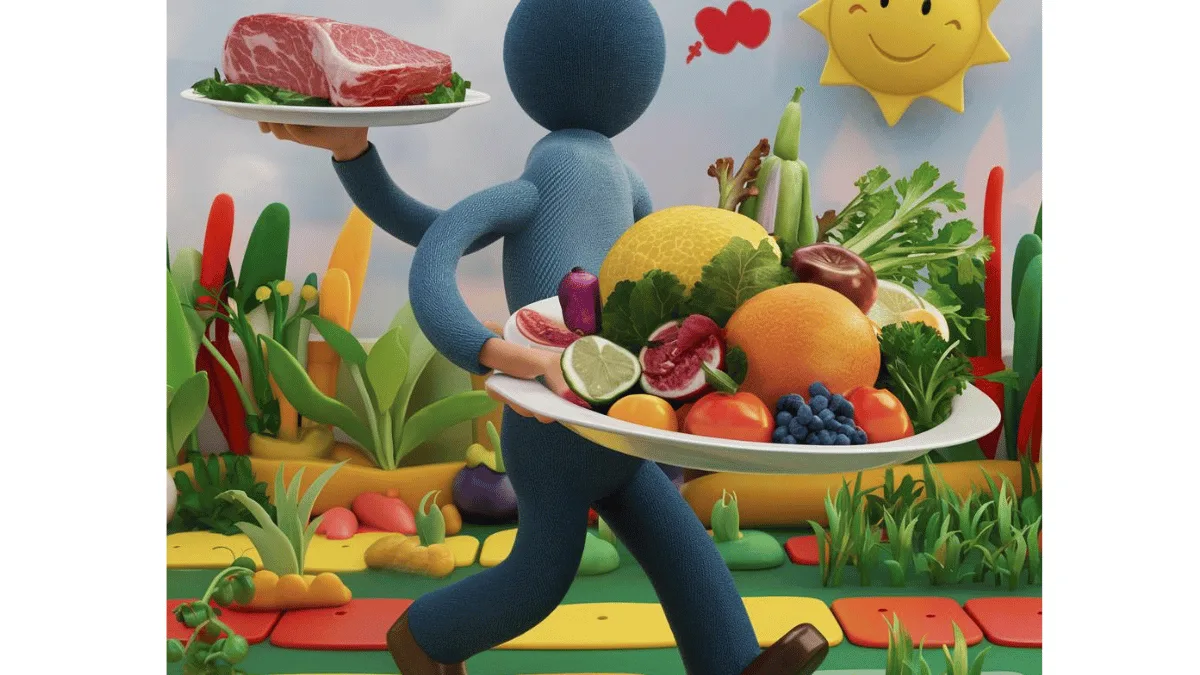
As I learned more, I saw that it’s more than just food. It’s a lifestyle focused on whole, nutrient-rich foods. A plant-based diet means eating plant foods, including fruits, vegetables, grains, legumes, nuts, and seeds.
The best part?
It doesn’t mean you must give up your favourite South African flavours or dishes!
The Benefits of a Plant-Based Diet in South Africa
One of the biggest reasons I chose a plant-based diet was for the health benefits.
Eating more plant-based foods can reduce heart disease risk. It also helps digestion and increases energy.
Plus, it’s a fantastic way to manage weight naturally without restrictive dieting. Since the switch, I’ve felt lighter, more energized, and healthier.
Debunking the Myth: Is a Plant-Based Diet Expensive?
I once thought eating plant-based in South Africa would be expensive. Then I realized it’s all about making wise choices.
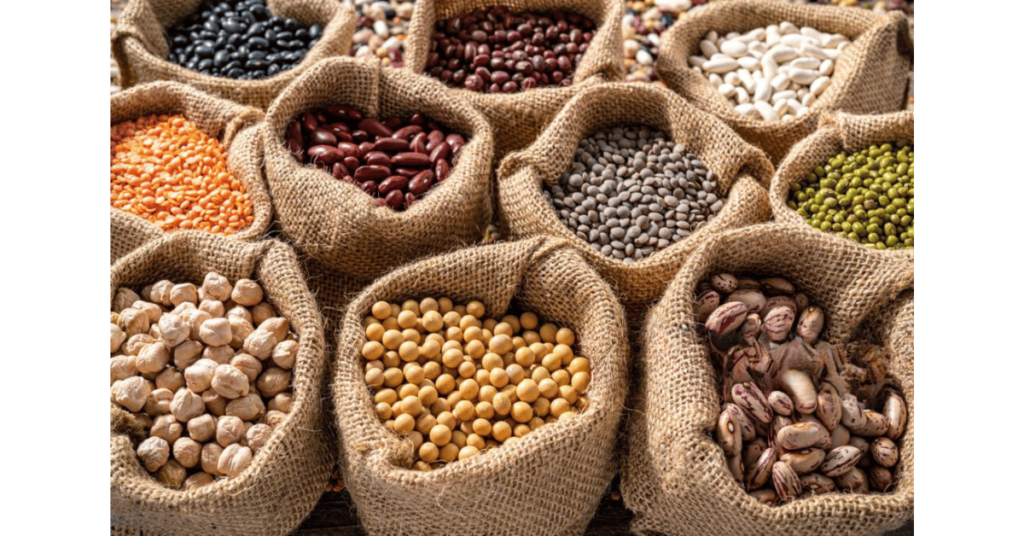
Affordable foods like lentils, beans, maize meal, and seasonal veggies are essential for a plant-based diet.
Why a Plant-Based Diet is Perfect for South Africans
South Africa has many plant-based foods. It includes traditional staples like morogo (wild spinach), samp, and beans. You can also find tasty vegetable curries that are influenced by Indian cuisine. Eating more of these foods helps us stay healthy and save money. It also supports sustainable living.
Let’s make a plant-based diet affordable and sustainable in South Africa!
The Cost of Plant-Based Eating in South Africa: A Comparison of Prices
When I first considered switching to a plant-based diet, I worried it would be expensive. Changing my grocery shopping habits to whole, local foods showed me that plant-based eating in South Africa can be affordable. In fact, with the right approach, it can cost even less than a diet heavy in animal products.
Comparing Costs: Plant-Based vs Meat-Based Diet
Many people think meat is needed for every meal. Plant-based foods, like beans, lentils, and maize meal, are cheaper than meat, fish, or dairy.
A kilogram of dried lentils or beans costs much less than beef or chicken. Yet, it offers the same or even more protein, fibre, and essential nutrients.
Factors That Influence the Cost of Plant-Based Foods
Like any diet, the cost of plant-based eating depends on a few key factors:
Seasonality: Buying fruits and vegetables when they’re in season is much cheaper. In summer, tomatoes, mangoes, and spinach cost less. Winter offers better prices on butternut and sweet potatoes.
Location: You might pay more if you shop at big retail supermarkets. Buying from local markets, informal vendors, or wholesalers can save you money.
Processed vs. Whole Foods: Plant-based processed foods like faux meats and vegan cheese can be pricey. Using whole, natural ingredients like grains, legumes, and fresh produce helps you save money.
Saving Money on a Plant-Based Diet in South Africa
To make plant-based eating cheaper, I’ve picked up some money-saving tips that help:
Buy in bulk: Staples like rice, beans, and lentils are cheaper when bought in large quantities.
Plan meals and cook in batches. This helps you avoid impulse spending and reduces food waste.
Grow your food: Even a small home garden with spinach, tomatoes, or herbs can save money in the long run.
Shop at local markets. Community markets often have fresher produce at lower prices than big-chain supermarkets.
Shopping Smart: Tips for Reducing Grocery Bills
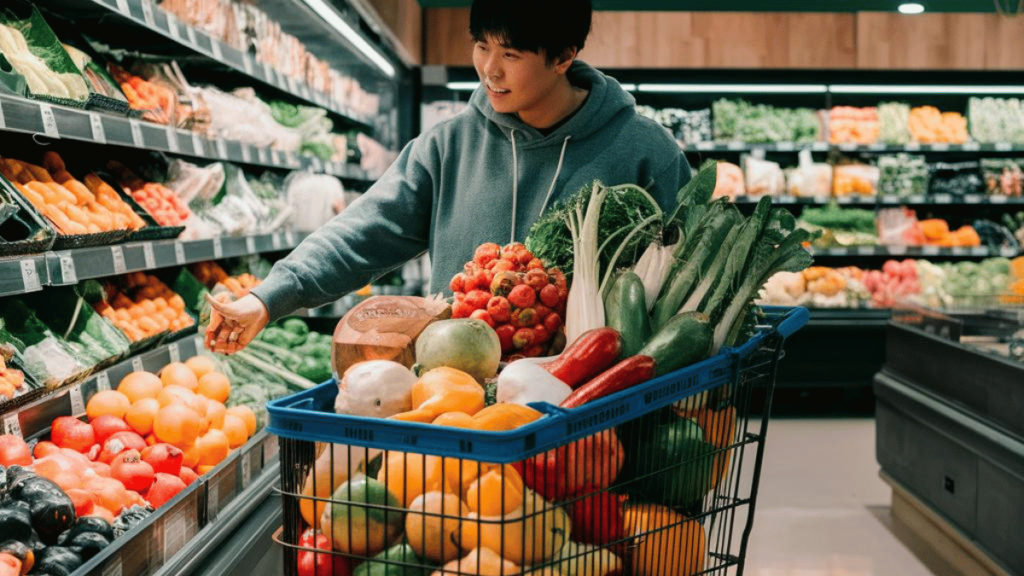
One of the best ways I’ve found to make plant-based eating even more affordable is by shopping savvy. Here are my top tips for keeping your grocery bills low:
Compare Prices: Check out supermarkets, street vendors, and local markets for the best deals.
Use a Shopping List: Sticking to a written list helps prevent impulse purchases and ensures you only buy what you need.
Buy Seasonal Produce: Fruits and vegetables that are in season are not only fresher but also much cheaper.
Skip Packaged Foods: Whole foods like dried beans and grains are usually cheaper than pre-cooked or canned foods.
Use Specials and Discounts: Many stores have bulk deals or end-of-day discounts on fresh produce.
Join Community Food Co-Ops: Some neighbourhoods have bulk-buying groups. By buying from farmers, you can get fresh produce for less.
Here are some simple shopping tips. They help me save money and enjoy a healthy, tasty, plant-based diet in South Africa!
Nutritional Considerations on a Budget: Staying Health While Saving Money
I worried about my nutrients when I started eating plant-based on a budget. I wanted to stay healthy without spending too much.
With some planning, you can get all the vitamins, minerals, and protein your body needs without spending much.
Here are some essential tips for a budget-friendly plant-based diet in South Africa.
Protein: Filling and Affordable Plant-Based sources
One of the first questions I had when starting a plant-based diet was, Where will I get my protein? The good news is that plant-based protein sources are abundant and budget-friendly.
Lentils and Beans: These are my go-to staples. They’re packed with protein, fibre, and many other essential nutrients and are incredibly affordable. Buy them in bulk to save even more. Plus, they’re versatile, working in everything from stews to curries.
Tofu and Tempeh: While sometimes a bit pricier, tofu and tempeh packs with plant-based protein and can be resourced in bulk or on sale. I love adding them to stir-fries and curries or baking them for a crunchy texture.
Peanut Butter and Nuts: These are great for healthy fats and protein to your diet. They’re filling and can be used in smoothies, sandwiches, or snacks.
Including these protein-rich foods in my meals helps me stay energized and build muscle. I can do this without relying on meat-based proteins.
Essential Vitamins and Minerals: Don’t Skip the Micronutrients
It’s easy to focus on protein, carbs, and fats. But remember, your body also needs vitamins and minerals to thrive. I’ve found ways to make my plant-based diet healthy and budget-friendly.
Vitamin B12: Since vitamin B12 is primarily found in animal products, it’s crucial to find a reliable source in a plant-based diet. I take a supplement, as it’s the most cost-effective and efficient way to ensure I’m getting enough.
Iron: Plant-based iron isn’t absorbed, and neither is animal-based iron. Pair iron-rich foods like spinach, lentils, and chickpeas with vitamin C sources. Tomatoes and citrus fruits are great options. This pairing boosts iron absorption.
Calcium: Dark leafy greens (think kale and spinach) and fortified plant milks are my go-to for calcium. I also eat a lot of tofu and tahini to boost my calcium intake, which helps with bone health and well-being.
Omega-3 Fatty Acids: Walnuts and flaxseeds are affordable sources of omega-3 fatty acids. I add them to smoothies or sprinkle them on salads for an extra nutrient boost.
I eat a variety of whole foods. This way, I get all the essential vitamins and minerals I need.
The Importance of Fibre on a Plant-Based Diet
Fibre is a significant reason why plant-based diets are so great for digestive health. High-fiber foods like beans, lentils, veggies, and whole grains keep me full longer and support digestion.
Whole Grains and Legumes: Foods like brown rice, oats, quinoa, and whole wheat bread provide a healthy dose of fibre. These are inexpensive and make for filling meals that fuel my body.
Fruits and Vegetables: In-season fruits and vegetables, such as apples, oranges, carrots, and spinach, are excellent fibre sources and affordable. By eating a wide variety, I ensure I get different fibre types that contribute to a healthy gut.
Since increasing my fibre intake, my digestion and gut health have improved. Fibre is also a cost-effective way to stay healthy.
Balancing Macronutrients for Energy and Health
At first, I ate only fruits and veggies. Then, I saw I needed to balance my macronutrients for better energy.
A budget-friendly, plant-based diet requires me to get enough carbohydrates, fats, and proteins to stay energized and satisfied.
Carbs: These are a vital energy source for my body. I use cheap, whole foods to power my day. These include potatoes, sweet potatoes, maize meal (pap), and whole grains.
Healthy Fats: Healthy fats are essential for everything from brain function to cell health. I make sure to include affordable fat sources like avocados, seeds, and nuts. They’re also great for keeping me feeling full.
Protein: I mainly get protein from legumes, tofu, and peanut butter. These options help me create balanced meals that fuel my body and are budget-friendly.
Balancing my macronutrients boosts my energy. Focusing on whole, plant-based foods also helps me stick to my budget.
Planning Nutrient-Dense Meals Without Breaking the Bank
Meal planning has been a game-changer in staying on top of my nutritional needs.
Planning meals with affordable, nutrient-rich foods helps me get the nutrients I need without spending too much.
Bulk Cooking and Freezing: I cook big batches of soups, stews, and curries with legumes and whole grains. Then, I freeze them in single portions. This ensures I always have healthy meals without wasting food or money.
Seasonal Shopping: Buying fruits and veggies in season saves money and gives me the freshest and healthiest options.
Whole Foods Matter: Sticking to whole foods like beans, grains, veggies, and fruits helps me get all the necessary nutrients. This way, I don’t have to spend money on pricey supplements or processed foods.
I can stay fit and save money by planning meals with these healthy, budget-friendly foods.
Conclusion: Nutritional Success on a Plant-Based Budget
Eating plant-based on a budget doesn’t have to be complicated.
I focus on affordable, nutrient-rich foods and thoughtful meal planning. This helps me create a diet that meets my nutritional needs and keeps me feeling great.
You don’t have to spend a fortune to eat healthy—with a little creativity, you’ll be ready.
So, if you’re worried about meeting your nutritional needs on a plant-based diet in South Africa, don’t stress. With proper planning and key ingredients, you can thrive on a budget!
This guide will teach you about a plant-based diet in South Africa. It covers local ingredients and cultural factors. Are you looking to go plant-based in South Africa? You’re not alone! I was amazed to learn that, since 2020, people here have increased their consumption …
Ever wonder why the plant-based movement is gaining momentum in South Africa? You’re not alone! With growing concerns about sustainability and health, a shift to plant-based diets is vital. Have you heard about the water shortage from Johannesburg to Cape Town? The situation is becoming …
People are embracing the power of plants for their health and well-being, from busy cities to quiet countryside retreats. The plant-based diet phenomenon is everywhere.
But this trend has been around for a while.
For centuries, African cultures have thrived on a diet rich in vegetables. It includes fruits, legumes, and whole grains.
This blog post isn’t just about another plant-based fad. It’s about uncovering the unique and time-tested tradition of the African plant-based diet, with its diverse array of vegetables, fruits, legumes, and whole grains.
We’ll delve into its historical roots, tracing it back to the pre-colonial era when African communities thrived on a diet primarily sourced from the land. This diet was about more than sustenance-it was a cultural identity and a deep respect for the environment.
We’ll also explore the science behind its health benefits, such as its potential to reduce the risk of chronic diseases.
The African plant-based diet is a powerhouse of fibre, vitamins, minerals, and antioxidants, all essential for maintaining good health and preventing chronic diseases.
We’ll hear inspiring stories about people who changed their lives by eating this way.
So, get ready for a lively adventure through Africa’s food. There, taste meets tradition, and plants are the focus!
The Roots of a Plant-Based Legacy: A History Grown from the Land
Before the era of supermarkets, African communities thrived on a diet from the land.
This plant-based approach wasn’t a choice. It was a way of life shaped by Africa’s diverse landscapes. It’s unlike a trendy fad.
I recall the early days of my life in rural KwaZulu-Natal. I thrived on a plant-based diet and delicious African recipes.
Source/Eat with Afia
Imagine lush, fertile valleys.
They are teeming with vegetables and vast savannas dotted with drought-resistant legumes. Vibrant coastal regions offer an abundance of seafood.
Each region offered a unique bounty. The culinary traditions reflect this unique bounty that took root.
What does each region offer?
West Africa
Stews are a staple here. They simmer with black-eyed peas and leafy greens like moringa and bitter leaf.
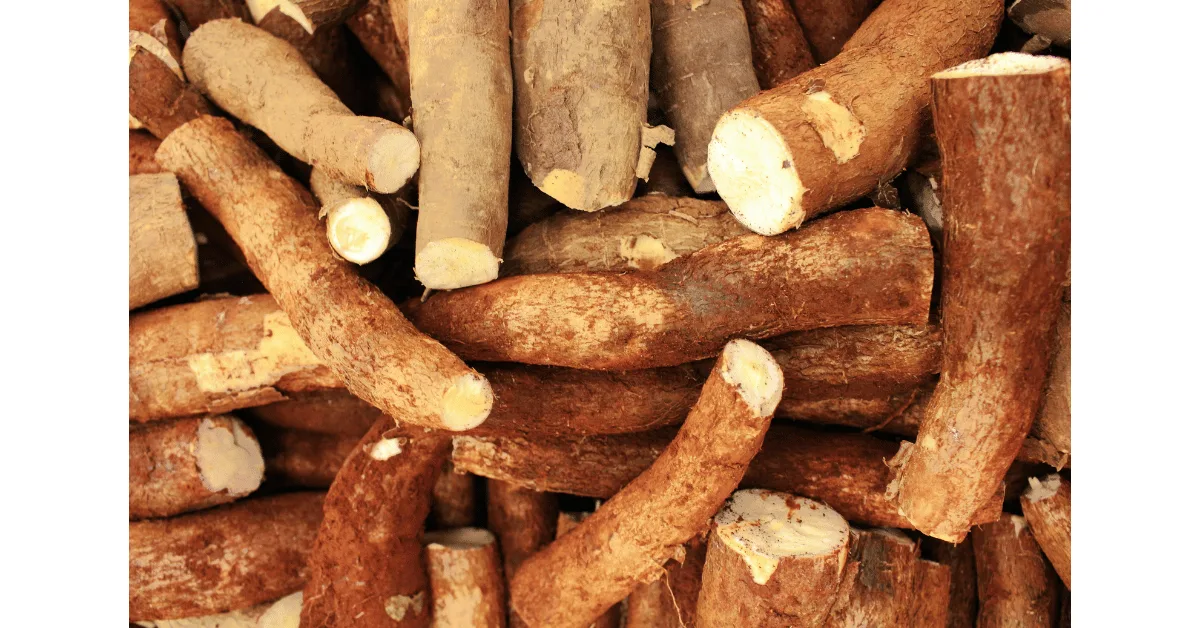
They also have vibrant vegetables, such as okra and tomatoes. One popular dish is Egusi soup, made from ground melon seeds and various vegetables, served with fufu, a starchy staple made from cassava or yam.
Peanuts boost protein and healthy fats. They add rich flavour and creamy texture to many dishes.
East Africa
Ethiopia boasts injera, a spongy flatbread made from teff flour. It is perfect for scooping up lentil curries and spiced vegetable dishes.
Kenya offers ugali, a stiff maize porridge. Enjoy it with sukuma wiki, a vibrant stew of collard greens and onions.
What about the cuisine of Central and Southern Africa?
Central and Southern Africa
This region has starchy staples like maize (corn) and sorghum. You can serve it with stews full of vegetables, peanuts, and local spices.
These are a few examples of the incredible plant-based diversity across Africa.
Remember, these old meals were not just about food. They were celebrations of the land’s plenty.
Generations have passed it down. They formed the heart of a rich culture.
Is there scientific evidence about the benefits of an African plant-based diet?
Science on Your Plate: The Benefits of Plants
Modern science echoes the wisdom of traditional African plant-based diets.
Studies show a strong link. These diets reduce the risk of the chronic diseases that plague our world.
Let’s examine the science behind the benefits of eating plants. The African plant-based diet is rich in phytochemicals vital for facilitating optimum health and preventing chronic diseases.
Fibre Powerhouse
Plant-based meals are champions of fibre, a crucial nutrient for gut health.
Fibre keeps you full for longer. It helps digestion and regulates blood sugar. This activity in your body may cut your risk of type 2 diabetes.
Rainbow of Micronutrients
Fruits and vegetables display a dazzling array of colours. Each has a unique set of vitamins, minerals, and antioxidants.
These micronutrients are vital for your well-being. They are essential in preventing disease.
Think of vitamin A for healthy vision.
You must also consider vitamin C for a robust immune system and antioxidants to fight inflammation and cell damage.
Healthy Fats All-Stars
Don’t let the term “fat” fool you.”
Nuts, seeds, and avocados are plant-based sources. These plants contain healthy fats.
These fats are vital for your heart.
These good fats can lower bad cholesterol (LDL) levels.
Eating many plant-based foods gives you a wide range of these critical nutrients.
This practice helps your body work well and stay healthy.
But does it work for real, or is it just a fad diet?
Real People, Real Results: Success Stories from Africa
The power of the African plant-based diet is more than just theoretical.
People across the continent are improving their lives. They are doing this by embracing this way of eating.
Here are a couple of inspiring stories:
Amina S., Dakar, Senegal
“For years, I struggled with fatigue and high blood pressure.
After I switched to a plant-based diet, I ate lots of lentils, vegetables, and whole grains like millet. I noticed a significant change.
My energy levels soared, and my blood pressure readings became much healthier.
Now, I feel empowered. I’ve taken charge of my health through the delicious foods my culture has always offered. This journey has transformed my life.
David M., Nairobi, Kenya
Growing up, I loved traditional Kenyan dishes like ugali with sukuma wiki.
But as I got older, I worried about weight management.
I focused on these plant-based meals. I also ate more fruits and nuts. This way of eating helped me manage my weight naturally and sustainably.
I feel lighter, more energized, and connected to my Kenyan heritage.
These are just two examples.
They show the transformative power of the African plant-based diet.
They have better health, more energy, and a deeper appreciation for their roots.
These are the roots that foster sustainability. The African plant-based diet is not just about personal health; it’s about the health of our planet. By embracing this diet, we contribute to a more sustainable future, one plate at a time.
A Celebration of Heritage and a Sustainable Future
The African plant-based diet is about more than tasty food and good health.
It’s a rich tapestry.
It’s woven from cultural heritage and a commitment to a sustainable future.
A Culinary Legacy
These plant-based traditions passed down through generations, form the cornerstone of African cuisine.
Embracing this diet allows you to connect with your roots and enjoy the rich cultural heritage that nourishes your body and soul. For instance, in many African cultures, meals are not just about food but communal bonding and celebrating the land’s abundance.
A Symphony of Flavours
Africa has a fantastic variety of plant-based ingredients. Each region offers unique flavours and cooking methods.
Exploring this cuisine is a tasty adventure. It’s a chance to excite your taste buds and find a world of lively flavours.
A Sustainable Choice
The African plant-based diet focuses on plants, which are more resource-efficient to produce compared to animal products. By choosing this diet, you’re making a sustainable choice that reduces reliance on resource-heavy livestock farming and helps lower greenhouse gas emissions, contributing to a healthier planet.
It reduces reliance on resource-heavy livestock farming.
The African plant-based diet is good for your and our planet’s health. By reducing reliance on resource-heavy livestock farming, this diet helps lower greenhouse gas emissions and promotes a more sustainable food system.
Choosing an African plant-based diet lets you honour the past.
By choosing an African plant-based diet, you’re not just making a healthier choice for yourself. You’re also contributing to a healthier future for our planet. It’s a small step that can make a big difference.
It’s a win-win situation for your body, taste buds, and the planet.
Conclusion
The African plant-based diet is not just a dietary trend. It’s a rediscovery of a proven path to health and well-being.
It celebrates cultural heritage. It vibrantly explores Africa’s diverse flavours. It commits to a sustainable future.
So, why not embark on this delicious journey?
Try African plant-based cuisine.
Ready to get started?
There are countless resources available online and in cookbooks to guide you.
The culinary delights that await you may surprise you!
Can transitioning to a plant-based diet be challenging? Is there a way you can make it more manageable to transition to a plant-based diet? Indeed, there is hope. This article provides an overview of the benefits of transitioning to a plant-based diet for optimal health …
Introduction Here’s your ultimate guide to eating out on a plant-based diet, including tips and vegan restaurants in South Africa. In today’s health-conscious society, an increasing number of individuals are adopting a plant-based lifestyle. The challenge of following a plant-based diet is eating out. I …