Introduction In recent years, an exponential growth in plant-based dietary preferences occurred. Many people have adopted a plant-based lifestyle. Whether you do it for ethical, environmental, or health reasons, it’s your choice. The demand for plant-based foods has increased dramatically. One concern about plant-based diets …
Introduction In recent years, there has been a growing interest in plant-based diets. And the benefits they offer for both our health and the environment. Whether you’ve heard the terms “plant-based diet,” “plant-based eating,” or even “veganism currently, it is crucial to understand the basics …
Finding the best whole-food, plant-based dinners to add to your meal plan can be daunting if you are plant-based.
Are your whole-food plant-based dinners to be tasteless or time-consuming? Indeed, they don’t need to be.
However, with so many options, getting lost in the sea of recipes is easy. That is why we’ve compiled a list of the top 10 whole food plant-based dinners that are delicious and easy to prepare.
Whether you’re a seasoned whole food plant-based consumer or just starting, these meals meet your cravings. They also provide the nutrients your body needs.
The top 10 List of Whole Food Plant-Based Dinners
We have taken the difficulties in obtaining recipes out of these dinners. These whole food plant-based dinners will suit those living in deep rural South Africa and the urbanites.
These whole-food, plant-based dinner recipes are a mixture of delicious dishes.
Plant-based diets are a great way to reduce carbon footprint.
Here is your Top 10 List of the best whole food plant-based dinners to eat.
Lentil and Vegetable Stir-Frty
This dish contains protein, fibre, and nutrients. It is quick to make.
Combine Brussels sprouts, turnips, carrots, and lentils. Or, you can prepare a recipe with a combination of lentils, red bell pepper, yellow onion, and kale. You can also add some soya sauce, garlic, and ground cumin.
What is vegetable curry? Vegetable curry is a dish of vegetables cooked in a spicy sauce. The sauce combines spices like turmeric, garam masala, coriander, and cumin, made with tomato sauce.
There are many different types of vegetable curry, and the vegetables used can vary depending on your recipe.
Vegetable curry is a tasty way to get your daily dose of antioxidants and fibre.
Vegan Stir-Fried Rice
Vegans stir-fried rice is a plant-based version of the traditional fried rice dish.
You prepare it with brown rice, vegetables, and sometimes tofu. Our plant-based version is different from the traditional vegetable stir-fried rice. It differs in ingredients. Still, it is colourful and cooks the rice twice for a “fried” effect.
Green Goddess Grain Bowl contains greens like peas, asparagus, and creamy yoghurt dressing. Tofu adds protein to it while keeping it plant-based. You can prepare and cook it in under thirty minutes.
White Bean & Vegetable Salad
Mix white beans and avocado with seasonal vegetables when preparing this dinner recipe. You can also mix greens and vegetables of your choice.
Garlicky kale salad is a salad made with kale and a garlicky dressing. The most famous garlicky kale salad is that inspired by Whole Foods. This recipe uses kale, tahini, apple cider vinegar, lemon juice, Bragg’s liquid aminos (tamari or soy sauce will work), and nutritional yeast. You can add garlic to make the dressing.
Chickpea and Vegetable Stir-Fry
Chickpea and vegetable stir-fry is a vegan dish that is quick to make in under 30 minutes with simple ingredients.
You prepare the dish with onions, red bell peppers, and mushrooms, but changing the veggies is easy to make it your own. Marinate the chickpeas in a bit of tamari for added flavour, and then stir-fried with the vegetables in a large skillet.
The sauce consists of fresh ginger, garlic, coconut sugar or your favourite sweetener, cornstarch or arrowroot powder, tamari (or soy sauce if you’re not gluten-free), rice vinegar, and crushed red pepper flakes.
Lentil and Vegetable Curry
Lentil and vegetable curry is a vegetarian dish made with lentils and vegetables.
There are many different recipes for this dish. Still, most include lentils, onions, garlic, ginger, tomatoes, and vegetables. Vegetables can be sweet potatoes, green beans, carrots, and cauliflower.
You can season the dish with cumin, coriander, and curry powder. You can serve over whole-grain couscous or brown rice.
Buddha Bowl
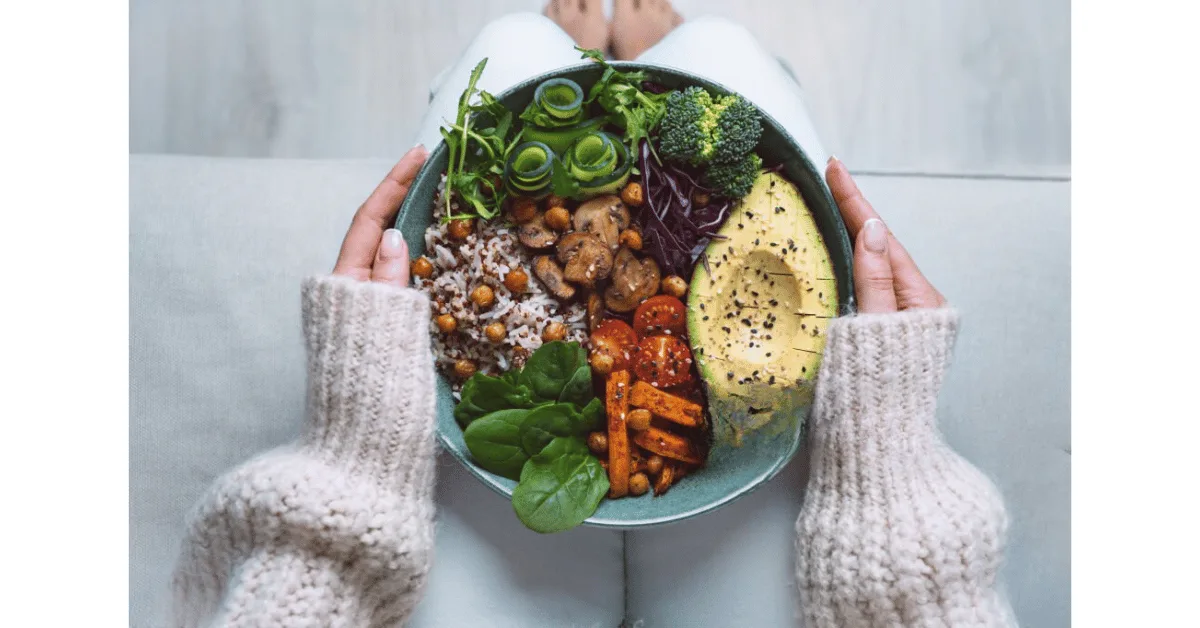
Buddha bowl is a plant-based meal served in a bowl.
It consists of a grain, such as rice or quinoa, and vegetables, such as sweet potatoes, kale, and chickpeas. Then, top the dish with a flavourful sauce, such as peanut sauce or carrot-ginger dressing.
Buddha bowls resemble macrobiotic (macro) bowls with whole grains and steamed or raw veggies.
Mushroom and Spinach Risotto
Mushroom and spinach risotto is a creamy and delicious Italian dish with arborio rice. Include mushrooms, spinach, and vegan parmesan cheese.
For a delicious dish, sauté mushrooms and spinach with garlic and shallots. You can then stir in Arborio rice, consistently add vegetable broth, and frequently stir.
Season with fresh thyme, nutritional yeast, and lemon juice once the rice is ready.
Conclusion
Eating a plant-based diet doesn’t have to be tedious or complicated.
With these ten delicious and easy whole-food plant-based dinners, you’ll always be able to decide what to make for dinner. Irrespective of whether you’re a seasoned whole food plant-based consumer or just starting. These meals meet your cravings and provide the nutrients your body needs.
Focusing on critical plant-based foods is the key to your successful whole-food, plant-based dinner. Foods include legumes, vegetables and fruits, whole grains, nuts and seeds. Eating this combination will ensure you get various nutrients while enjoying delicious and fulfilling meals.
Introduction Is it unnecessary to understand what plant-based foods are before even ranking them? What are plant-based foods? Plant-based diets have gained immense popularity recently, even in South Africa. This popularity is due to their many health benefits. Plant-based foods improve gut health. They help …
Introduction Here’s your ultimate guide to eating out on a plant-based diet, including tips and vegan restaurants in South Africa. In today’s health-conscious society, an increasing number of individuals are adopting a plant-based lifestyle. The challenge of following a plant-based diet is eating out. I …
Here’s your guide to a whole food plant-based diet (WFPB) for weight loss.
Are you one of those who resolves to lose weight every year?
You are not alone.
Many people go on a diet to lose weight and dismally fail. Is there perhaps a solution to this vicious cycle of weight loss?
Will I lose weight on a whole foods plant-based diet?
These questions need answers, especially in an increased prevalence of obesity and chronic diseases.
Scientific evidence shows that a plant-based diet for weight loss is an option.
But wait. What are we talking about here?
This article delves into various benefits of a whole food plant-based diet for weight loss.
It would discuss how to lose weight on a whole food plant-based diet. How this type of diet can help in reducing calorie intake and increasing nutrient density,
The article will further look at plant-based nutrition and traditional approaches to weight loss. And how can a whole food plant-based diet promote sustainable weight loss?
What Consists a Whole Food Plant-Based (WFPB) Diet?
And a whole food plant-based diet is on whole, minimally processed plants. Plants such as nuts, legumes, vegetables, fruits, whole grains, and seeds.
But, a vegan diet differs in critical areas. Veganism and WFPB avoid eating all animal products, including poultry, fish, meat, dairy, and eggs.
A whole food, plant-based diet operates on the belief that processing robs food of its vital nutrients.
Further, those who are on a whole food plant-based diet do not consume any oil, processed sugar, processed grains, and processed salt.
Whole food plant-based diet contains minimally processed or not processed foods. Health consciousness is the premise for the whole food plant-based.
A whole food plant-based diet follows these principles.
Whole foods are crucial and are natural foods, not processed.
Plant-based in that WFPB foods come from plants and are free from animal ingredients.
When eating a whole food plant-based diet, it will consist of five food groups, including herbs and spices for seasoning.
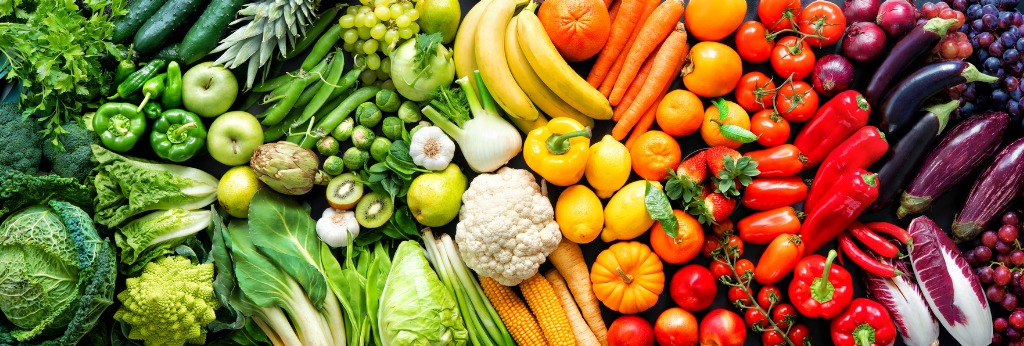
Fruits: apples, bananas, grapes, strawberries, citrus fruits, etc.
Vegetables: peppers, lettuce, spinach, kale, peas, etc.
Tubers: Starchy root vegetables like yams, potatoes, and sweet potatoes.
Whole grains: Grains, cereals, and other starches in entire form, such as bulgur, quinoa, brown rice, wholewheat, oats, and others.
Legumes: Various beans, lentils, pulses, and others.
Besides these foods, there are more calorie-dense foods included in the WFPB lifestyle. Foods include nuts, seeds, avocados, tofu, tempeh, whole grain flowers and bread, and plant-based milk. Eat these foods in moderation because they contribute to weight gain.
Can You Lose Weight on a WFPB Diet?
Studies show that a whole food plant-based diet can be effective in losing weight and improving overall health.
The Impact of Calorie Density
Calorie density is the number of calories per unit volume for a given amount of food.
Calories are not equal. What we mean is that when you eat food with oil, you’ll be consuming increased calories. But when you eat food without fat, your intake of calories will be lower.
Oil has a high-calorie density and concentration compared to fruits like berries.
What influences calorie density is water content. Food with high water content has low-calorie density.
How does calorie density impact on weight loss?
Consuming foods with high-calorie density will increase your weight.
It is critical to eat food with low-calorie density.
Plant-based foods have a lower calorie content than processed foods and animal products. Plant-based foods make it easier to maintain a calorie deficit for weight loss.
Eating food with high-calorie concentration does not mean getting the nutrients you need.
Whole plant foods have lower-calorie content than processed foods and animal products.
Fruits and vegetables give vitamins and minerals but are relatively low in calories, making them a staple of a WFPB diet.
WFPB foods are rich in nutrients, ensuring you get the nutrition your body needs while losing weight.
A 2020 systemic review shows that food rich in nutrient composition and energy content provides health benefits. Benefits for weight management and type 2 diabetes.
Foods with High Fibre Content
Research on fighting obesity shows that higher dietary fibre intake impacts weight loss.
Eating fibre-rich foods –structurally intact plant foods, not processed helps in weight loss. Foods that have high fibre content are whole foods plant-based.
Indeed, whole plant foods are rich in dietary fibre, which offers several benefits for weight loss.
Fibre helps you feel full and satisfied, reducing overeating. It also stabilises blood sugar levels, reducing cravings for high-calorie, low-nutrient foods.
Reduced Fat Intake
Research shows individuals must reduce saturated fat and reduce the use of trans fat. Reducing saturated fat is an excellent nutritional approach.
If you attempt to lose weight, it can be beneficial to watch your fat intake. When you limit or stop your use of oils or fats entirely, it will help reduce your calorie intake to lose weight.
Eating a whole food plant-based diet is vital in good health and a healthy approach to weight loss.
Foods That Encourage Weight Loss
In pursuing weight loss, many individuals take a low-carb approach or counting calories.
Unfortunately, this approach disappointed many in their weight management.
Are there foods that can enhance weight loss?
Has it ever occurred to you that vinegar plays a vital role in weight loss?
Apple Cider Vinegar and AMPK
Pexels/Ehioma Osih
The unveiling of 5’ AMP-activated protein kinase (AMPK) changed weight loss management. The enzyme comes alive in you when exercising or fasting.
Is there any food that can activate this enzyme?
Apple cider vinegar is an accessible food to activate AMPK.
When the acetic acid in vinegar undergoes absorption and metabolise, a natural AMPK boost results.
When you prepare your salad, add 10 ml (2 teaspoons) of apple cider vinegar to speed up weight loss.
Spices Facilitating Weight Loss
Spices Facilitating Weight Loss
Evidence shows cayenne pepper and ground ginger speed up weight loss.
Consuming cayenne pepper also accelerates lipolysis. Lipolysis is a metabolic process of breaking down fats and other lipids. This process is through hydrolysis to release fatty acids.
Black cumin improves cholesterol and triglyceride levels, blood pressure, and blood sugar control. It can also accelerate the loss of body fat.
Leafy Greens
Eat your leafy greens, and you will not regret it.
Leafy greens have low-calorie content and are high in nutrients like calcium, magnesium, and folate.
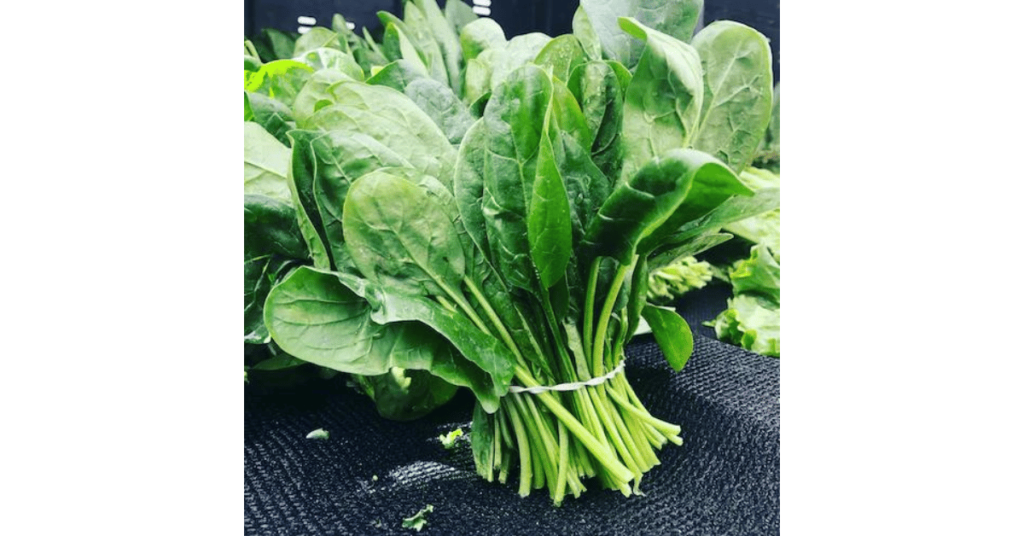
Kale and spinach are green and contain thylakoids. Thylakoids are a compound found in leafy greens, helping to fight cravings for unhealthy foods. They also offer a natural fat-blocking effect.
When you consume thylakoids, the green leaves in kale are not digested immediately. As they remain in your intestines, they can bind to lipase, the enzyme the body uses to digest triglyceride.
This process of binding the enzyme helps slow fat absorption in your body.
The Power of Your Gut Flora
Your gut flora is vital in providing you with vitamins and other nutrients significant to your health.
The microbiome interacts with fibre that is undigested in the small intestine.
Fibre functions on microbiota-accessible carbohydrates (MACs). MACs are also known as prebiotics. Indeed, our good gut flora eats fibre.
What happens in your gut is you feed fibre to your good bacteria. This process, in turn, makes short-chain fatty acids that then get absorbed and flow with your blood.
These fatty acids move throughout the body and reach the brain. In that way, the gut flora sends signals of being full, thus reducing the appetite. These brain signals increase the lipolysis and increase the metabolic rate.
Your gut flora interaction with your brain thus helps in weight loss.
Meal Planning
Plan your meals. Do not just eat anytime you want to. Remember, it is not only what we eat but how and when.
Research shows that calories consumed at breakfast are less fattening than the number of calories eaten at dinner.
Hence, more weight loss is achieved with a diet with a larger breakfast than a more extensive dinner.
Plant-Based Nutrition vs Traditional Approach to Weight Loss
Approximately 90 per cent of individuals tried losing weight without success. You can lose a few kilograms, but the weight comes back.
What is the solution to this weight loss dilemma?
A critical difference between plant-based nutrition and more traditional approaches to weight loss. It is that the former encourages you to eat as much as you can without portion control and calorie counting.
The strategy is to improve food quality and not restrict its quantity.
Traditional weight-loss diets focus on decreasing portions. However, consuming fewer calories can leave individuals hungry and unsatisfied.
Thus, a more practical approach may be to shift the emphasis from restriction, which has a negative connotation. And move to a more positive message of eating healthier, low-calorie-density foods.
With enough portion control or physical exertion, you can lose any weight.
But what is the most effective weight-loss strategy, not calorie counting?
In evidence-based studies published in the peer-reviewed medical literature, the conclusion is that the single most successful weight-loss strategy is a whole-food, plant-based diet.
Conclusion
In conclusion, the evidence supports the effectiveness of a whole food plant-based diet (WFPB) for weight loss.
Many studies show you must embrace foods rich in fruits and vegetables. And include whole grains, legumes, and nuts. This approach can lead to significant and sustainable weight loss. There are various reasons behind this success.
Firstly, whole plant foods are naturally low in calories and have a high fibre content. Thus, they provide a feeling of fullness while maintaining lower calorie intake.
This results in reduced overall consumption, a fundamental aspect of weight loss.
Moreover, the fibre content helps in digestion and promotes a healthy gut. Fibre content also prevents you from overeating by stabilising blood sugar levels.
Secondly, a plant-based diet is typically low in unhealthy fats and refined sugars.
Plant-based foods reduce the intake of empty calories. And promote the consumption of nutrient-dense foods.
This shift in food choices not only helps in shedding excess weight. It also improves health markers. This improvement reduces the risk of chronic diseases. Diseases such as heart disease, diabetes, and certain cancers.
In summary, the whole food plant-based (WFPB) diet offers a holistic approach to weight loss.
It not only addresses the issue of excess weight but also promotes health and well-being.
With its focus on nutrient-dense, low-calorie foods, it eliminates processed and unhealthy foods. This dietary approach stands as a scientifically proven and sustainable way to achieve and maintain a healthy weight.
Embracing a whole food plant-based (WFPB) diet is not just a choice for weight loss. It is a decision for a healthier, happier, and more fulfilling life.
Introduction Proteins! Have you noticed the obsession people have with protein? You have not eaten enough without proteins. And, for that matter, you must eat plenty of them! Those eating plant-based foods get questions about needing more proteins. The question is always – where do …
Do you want a meal that will help you in weight loss? And also give you lots of health benefits? Asparagus with mushroom meal is the right candidate. The asparagus and mushroom recipe will lower your blood pressure. Mushrooms in this recipe will give you …
South Africa is going plant-based. More and more people are switching to a healthier, sustainable lifestyle.
Many South African celebrities are plant-based consumers. Celebrities like J M Coetzee, our famous writer and Nobel Prize Winner, eat plant-based.
Others are Zakes Mda, author and poet and Kerishnie Naicker, former Miss South Africa.
Opting for plant-based food will reduce environmental impact while improving your health.
Do you want to start living a healthier lifestyle by eating plant-based food in South Africa?
The good news is, it’s easier than you may think! Plant-based eating is booming in South Africa. You can get started with the right tips and advice.
In this blog post, we’ll share six tips to help you start eating plant-based in South Africa. Are you starting or looking to improve your plant-based diet? These tips will help you journey to green living!
What is a Plant-Based Diet
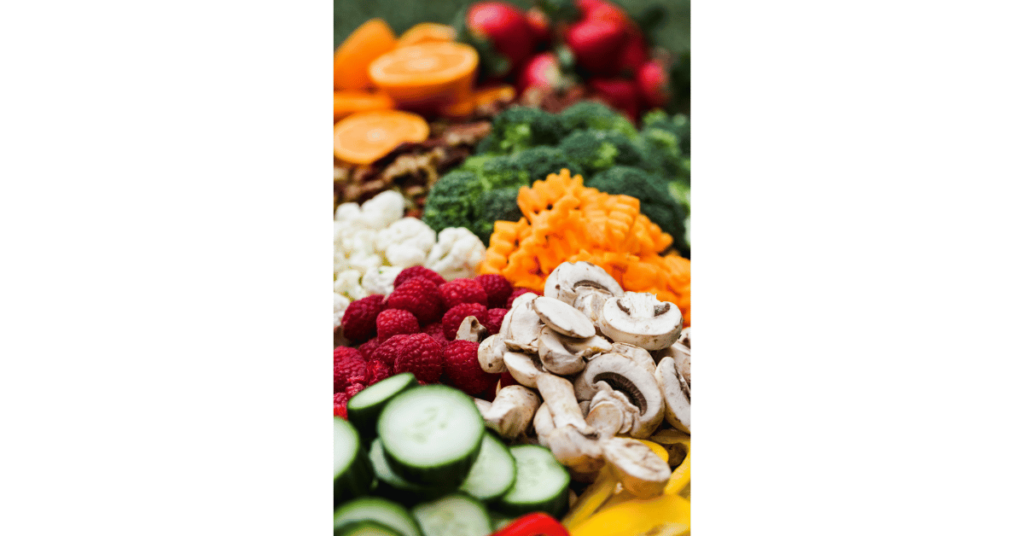
A plant-based diet focuses on eating plant foods. Foods like fruits, vegetables, grains, legumes, nuts, and seeds.
It is often associated with the vegan lifestyle. Still, it doesn’t mean you must cut all animal products from your diet. The main idea is to focus on plant foods. And then reduce animal-derived product consumption.
People choose to opt for a plant-based diet for various reasons. Some do it for ethical reasons, as they believe in the ethical treatment of animals.
Other people do it for health reasons. A plant-based diet can provide abundant vitamins, minerals, and antioxidants that benefit the body. It can also help lower the risk of non-communicable diseases.
In South Africa, there are plenty of plant-based options to choose from. You can try traditional South African dishes like morogo (wild greens). Or explore a variety of plant-based protein sources like lentils, chickpeas, and quinoa.
A plant-based diet is a great way to heal your body. And to reduce your environmental footprint. And support a more sustainable and compassionate way of living. So why not give it a try?
Benefits of a Plant-Based Diet
A plant-based diet benefits your health, the environment, and animals. One of the key benefits is that it promotes well-being.
Eating whole, plant-based foods feeds your body with nutrients. Nutrients in plant-based foods are critical for optimal health.
A plant-based diet can also increase energy levels and improve digestion.
The fibre content in plant-based foods helps regulate bowel movements. Fibre also promotes a healthy gut microbiome. Additionally, a plant-based diet can support weight management.
From an environmental perspective, choosing plant-based meals reduces your carbon footprint.
Animal agriculture contributes to greenhouse gas emissions. And also deforestation and water pollution. Opt for plant-based and help conserve natural resources and combat climate change.
Lastly, adopting a plant-based diet aligns with ethical values. You promote compassion towards animals and reduce their suffering by choosing plant-based meals.
How to Start a Plant-Based Diet in South Africa: Tips for Beginners
How to Start a Plant-Based Diet in South Africa: Tips for Beginners
So you’ve decided to embrace a plant-based lifestyle in South Africa but need help figuring out where to begin? Can you still enjoy typical South African braais or Shisanyama (barbecues)? Don’t worry; I’ve got you covered with six easy tips to get you started on your plant-based journey.
Let us explore these tips.
Tip 1: More Fruits and Vegetables Into Your Meals
Unsplash/Nathan Dumlao
If you’re new to the plant-based lifestyle, including more fruits and vegetables in your meals is a great place to start.
Fruits and vegetables are the foundation of a whole food plant-based diet and offer a wide range of essential nutrients. Plus, they’re delicious!
Try experimenting with different flavours and cooking methods to make this transition easier.
Roasted vegetables, stir-fries, and vibrant salads are a few examples to include in your plant-based meals.
To make things even more exciting, Try exploring different fruits and vegetables.
Did you know our baobab tree has fruits that benefit your health? There are many varieties, each offering its unique taste and nutritional profile.
If you’re looking for inspiration, consider searching for plant-based recipes online. Also, check through cookbooks like Leozette Roode’s Vegan Cookbook.
Various fruits and vegetables in your meals help and take it one step at a time.
Add extra servings of fruits and veggies to your meal. Before you know it, you’ll be enjoying a diverse range of plant-based dishes and reaping the health benefits that come with it.
Tip 2: Experiment with Meat Substitutes
When transitioning to a plant-based diet, experiment with meat substitutes. Make the process much easier and more enjoyable.
Tofu, tempeh, and seitan are popular choices for those looking for a meat-like texture and taste. A variety of dishes, from stir-fries to burgers, use these options.
If you’re new to the plant-based lifestyle, incorporate meat substitutes into your meals. It can help meet cravings and make the transition smoother.
Many food companies in South Africa offer a range of plant-based products, including sausages, mince, and patties.
You can get these alternatives from the Fry Family Company. Also available at VeggieWors and Vegan Butcherie. And through many of our Supermarkets like Woolworths, Checkers, Pick n Pay, Spar, and Shoprite. You can use these alternatives and include them in your meals.
Experimenting with different meat substitutes allows you to discover new flavours and textures.
It can also be a fun way to try out new recipes. Include meat substitutes in your dishes. You can then make your plant-based journey exciting and satisfying.
Tip 3: Read Labels Carefully
iStock/gahsoon
Learning to read labels is essential when starting a plant-based diet. Many processed foods contain hidden animal ingredients.
Reading labels can help you make informed choices and ensure your products are plant-based. Look for common animal ingredients like milk powder, whey, gelatin, and honey.
One helpful tip is to familiarize yourself with plant-based food certifications and logos. Look for labels that say a product is vegan-friendly or certified vegan. These labels reassure that the product meets strict vegan standards.
It’s also important to remember that not all plant-based foods are equal. Some plant-based foods contain added sugars and unhealthy fats. By reading labels, you can choose whole, minimally processed plant-based foods. Foods that are rich in nutrients and support your health.
Taking the time to read labels is a small step. But it can make a big difference in your journey towards a plant-based lifestyle. By becoming a savvy label reader, you can make better choices.
Tip 4: Connect with Local Plant-Based Communities
Connect with local plant-based communities. This network will motivate and inspire you on your plant-based journey. Joining these communities can provide support, camaraderie, and knowledge.
You can link with like-minded individuals who are passionate about plant-based living. Search for local vegan groups on social media platforms like Facebook or Instagram. These groups often organize meetups and events for gathering.
Attend local vegan festivals or workshops. Attending these is another great way to meet fellow plant-based enthusiasts. These events often feature delicious food, informative talks, and cooking demonstrations. Allowing you to learn from experts and expand your plant-based knowledge.
If you want even more support, consider joining online forums or subscribing to plant-based newsletters. These resources provide a wealth of information. Also includes tips, recipes, and advice from experienced vegans.
Remember, connecting with local plant-based communities can make your journey fulfilling.
You’ll have a supportive network to turn to when you have questions or need guidance. You may also even make lifelong friendships along the way.
Tip 5: Find Delicious Plant-Based Recipes Online or Through Cookbooks
Find delicious plant-based recipes online or through cookbooks. These tools are a game-changer for embracing a plant-based lifestyle in South Africa. With so many resources, you’ll always have ideas for satisfying and nutritious meals.
Start by exploring plant-based food blogs, websites, and social media platforms.
You can find recipes from breakfast smoothies and hearty soups to indulgent desserts and decadent vegan cheese.
Cookbooks are another fantastic resource for finding delicious plant-based recipes. Many vegan and plant-based cookbooks with various cuisines are available in bookstores or online.
Whether you’re craving comfort food, international flavours, or quick and easy meals, there’s a cookbook out there to suit your taste.
Search for vegan meal plans or whole-food vegan diet plans online to make it even easier. These resources provide a week’s worth of recipes and meal ideas, taking the guesswork out of preparing your plant-based meals.
So go ahead and explore the vast world of plant-based cooking. It is amazing how delicious and satisfying meals you can create.
Tip 6: Plan Your Meals Ahead of Time
Planning your meals is critical in maintaining a plant-based lifestyle in South Africa.
By preparing your meals, you can ensure you have various nutritious options. These options will help you avoid falling back into old eating habits.
It also saves time and money by avoiding impulsive food purchases or unhealthy takeout options.
Begin by creating a weekly meal plan that includes breakfast, lunch, dinner, and snacks. Mix fruits, vegetables, whole grains, legumes, and plant-based protein sources like tofu or beans.
Mixing your plant-based foods will ensure you get all the nutrients for a healthy diet.
Create your meal plan, and make a grocery list of all the ingredients you’ll need for the week. This way, you can avoid unnecessary store trips and ensure you have everything you need to prepare your meals.
Prep your ingredients in advance, such as washing and chopping vegetables or cooking grains and legumes.
Ingredients sorting and washing will make meal preparation faster and more manageable during the week when you have no time.
Conclusion
A plant-based diet plan can help you stay on track and make healthier choices. It allows you to focus on your health. So, take some time each week to plan your meals. You’ll be well on your way to embracing a plant-based lifestyle in South Africa.
Introduction Can you imagine eating a whole food plant-based breakfast and leaving that brekkie of bacon and eggs with fried chips? Is it possible? It is not just possible; it is doable. Opting for whole food plant-based breakfast is a lifestyle that will give you …