
10 South African Plant-Based Foods That Heal Your Gut (Evidence-Based)
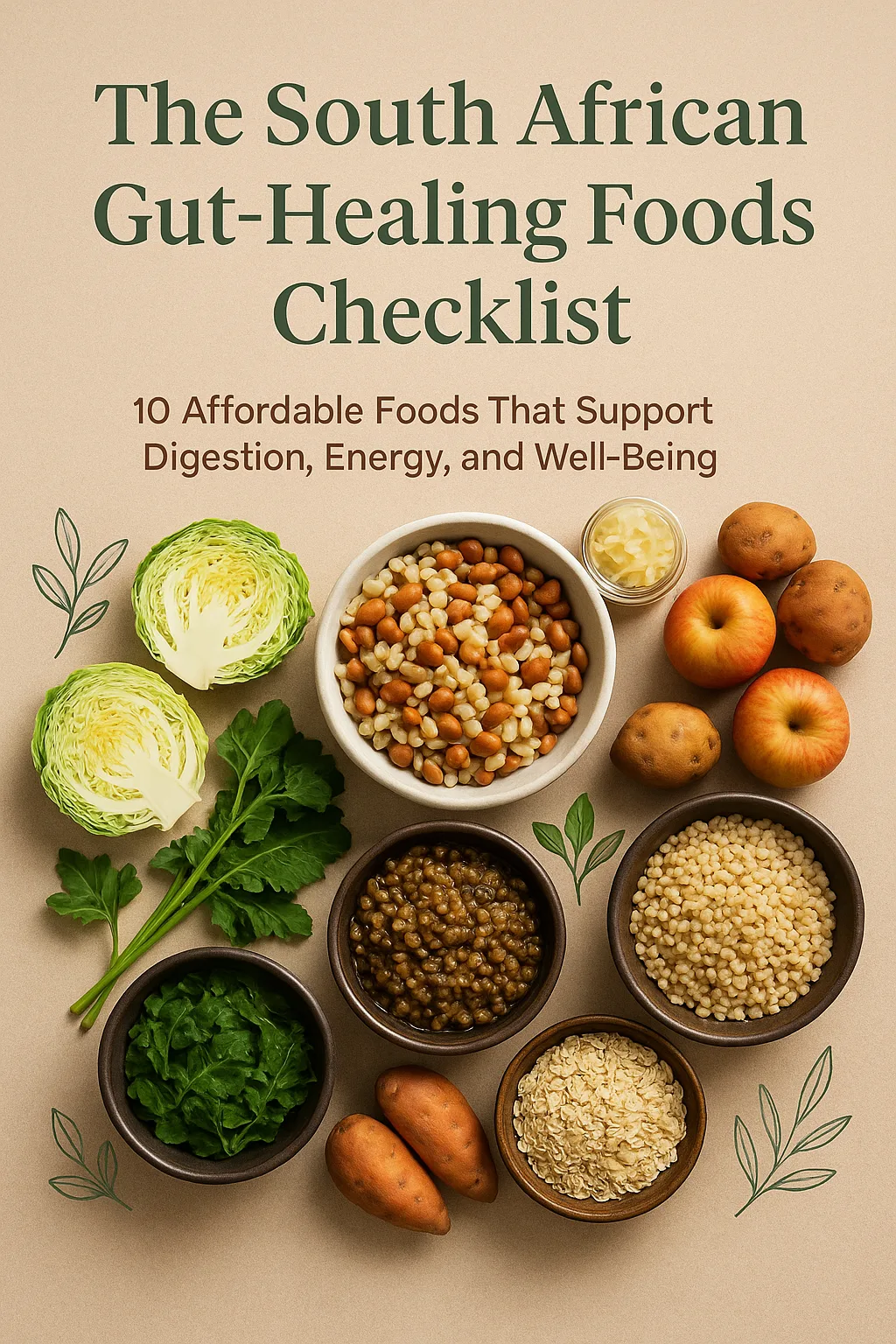
This is your evidence-based guide to 10 South African plant-based foods that heal your gut.
Your gut is more potent than you think. It affects your digestion, immune system, hormones, energy, mood, weight, and your long-term risk for chronic disease.
The best part?
South Africa already offers an incredible variety of affordable, fibre-rich plant foods that nourish and repair your gut—no expensive supplements needed.
Why Gut Health Matters in South Africa (Quick Science Review)
The gut microbiome is a community of trillions of bacteria living in your digestive tract.
These microbes influence inflammation levels, nutrient absorption, immune function, metabolism, and even mental health.
When your diet is low in fibre or high in processed foods, your gut bacteria weaken, and harmful microbes begin to dominate—triggering bloating, constipation, inflammation, fatigue, and weight gain.
In South Africa, fibre intake is far below the recommended levels.
Many traditional African foods naturally contain the resistant starch, soluble fibre, polyphenols, and antioxidants the gut needs to thrive.
By returning to these foods, you can radically improve digestion, microbial diversity, and overall health.
The Best South African Plant-Based Foods for Gut Health (Evidence-Based List)
1. Samp & Beans (Umngqusho)
Samp and beans remain one of the most powerful gut-healing meals in South Africa. Beans are rich in resistant starch—fuel for beneficial gut bacteria.
Both samp and beans offer a balance of soluble and insoluble fibre, promoting bowel regularity, reducing inflammation, and feeding short-chain fatty acid (SCFA) production.
2. Lentils
Lentils are packed with prebiotic fibre and polyphenols, both of which are linked to improved gut lining health and lower inflammation. They are also budget-friendly and cook quickly, making them an ideal everyday food for gut health.
3. Morogo (Wild African Greens)
Morogo is one of the most nutrient-dense leafy greens in Africa.
High in antioxidants, fibre, and minerals, morogo helps your gut produce SCFAs—compounds that heal the intestinal lining. Greens like these support microbial diversity, which is a key predictor of long-term gut health.

4. Oats
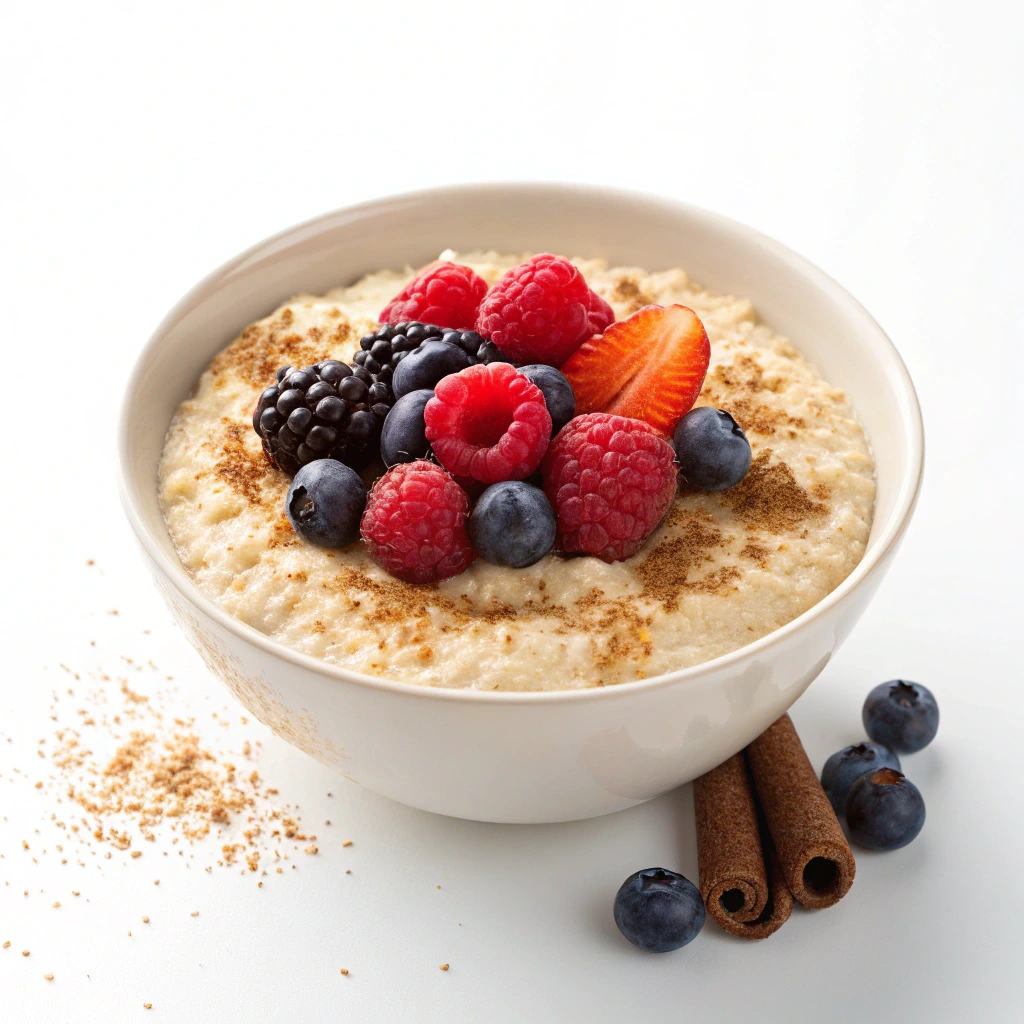
Oats are rich in beta-glucans, a type of soluble fibre that has been shown to reduce inflammation and feed beneficial bacteria.
They help regulate digestion, promote satiety, and balance blood sugar—essential for maintaining a stable gut environment.
5. 100% Wholewheat Bread
When made from true whole grains, 100% wheat bread provides substantial fibre and prebiotic benefits. The bran and germ support regular bowel movements and encourage the growth of helpful gut microbes. Look for “100% wholewheat” as the first ingredient for best results.
6. Sorghum (Mabele / Ting)
Sorghum is a traditional African grain rich in resistant starch. Fermented forms like ting offer additional probiotic benefits.
Sorghum is naturally gluten-free, supports digestive ease, and may help reduce systemic inflammation.
7. Cabbage
Cabbage is one of South Africa’s most affordable gut-supporting vegetables. It contains glucosinolates, compounds associated with reduced gut inflammation. Whether cooked or fermented into sauerkraut, cabbage strengthens the microbiome and supports detoxification.
8. Apples & Pears
These everyday fruits are rich in pectin, a prebiotic fibre converted into SCFAs like butyrate—fuel for the colon. Apples and pears support digestion, reduce constipation, and encourage beneficial bacteria to flourish.
9. Sweet Potatoes
Sweet potatoes offer soluble fibre, antioxidants, and a natural sweetness that supports balanced digestion.
Both the orange and purple varieties found in South Africa support reduced inflammation and improved microbiome health.
10. Fermented Foods in South Africa
Fermented foods like tini, mageu, sauerkraut, and plant-based yoghurts introduce probiotics directly into the gut.
These foods improve digestion, reduce bloating, and strengthen the gut lining. Choose unsweetened varieties for the best results.
How to Build a Gut-Healing Meal Plan with These Foods
- Include fibre-rich foods at each meal
- Aim for 30 different plant foods per week
- Combine prebiotic foods (beans, oats, greens) with probiotic foods (ting, yoghurt)
- Limit ultra-processed foods that disrupt gut bacteria
- Eat colourful, whole foods for maximum microbiome diversity
FAQs — Gut Health in South Africa
Which South African plant-based food is best for digestion?
Samp & beans and lentils are top choices because they provide resistant starch that feeds the microbiome.
Are African traditional foods high in fibre?
Yes—sorghum, morogo, beans, maize, and wild greens are naturally fibre-rich and excellent for gut health.
Can I heal my gut without supplements?
Absolutely. Evidence shows fibre-rich plant foods improve the microbiome more effectively than most supplements.
Which foods reduce inflammation naturally?
Greens, oats, lentils, sweet potatoes, cabbage, and fermented foods all reduce gut and systemic inflammation.
How long does it take to improve gut health?
Positive changes begin within 72 hours of increasing fibre intake, but long-term healing takes consistent habits.
Final Thoughts: Your Gut Can Heal With Simple, Local Foods
You don’t need expensive imported products to heal your gut.
South Africa already offers everything you need — traditional grains, beans, legumes, fruits, greens, and fermented foods that naturally repair the microbiome.
When you nourish your gut with these simple, everyday foods, you nourish your entire body.