
Plant-Based Protein Sources Explained
By Zama Zincume · 5 October 2025
Discover the power of plants to fuel your body, build strength, and support optimal health — naturally.
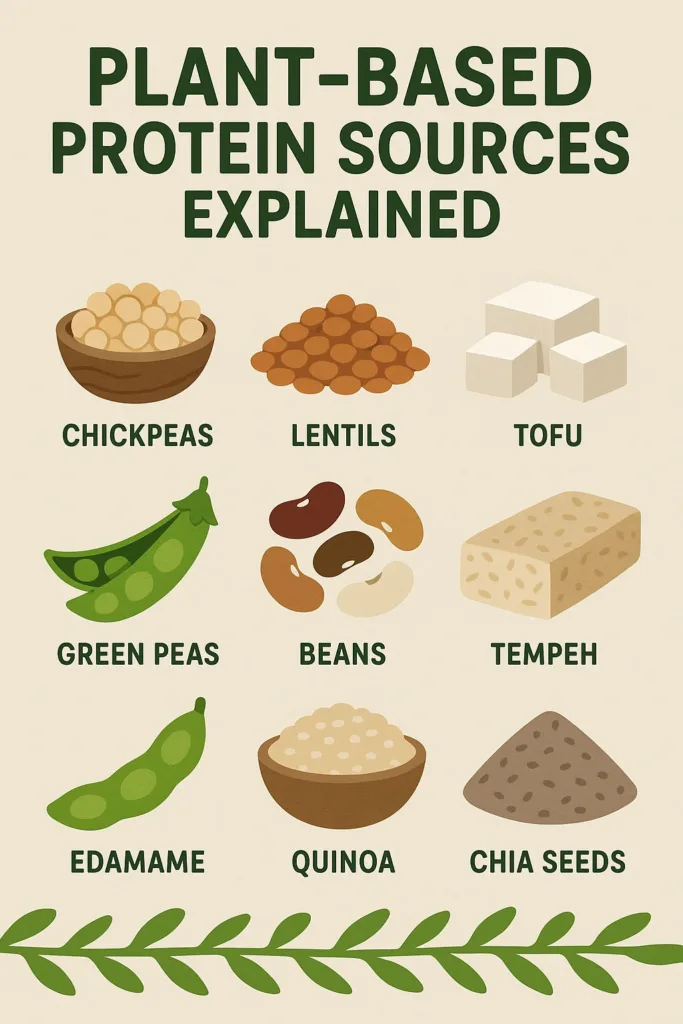
Table of Contents
- Introduction
- What Protein Actually Does in Your Body
- Plant-Based Protein 101
- Top Plant-Based Protein Sources
- How Much Protein Do You Need?
- Tips for Boosting Intake
- Common Myths
- South African Favourites
- Sustainability & Ethics
- Quick Recipes
- Final Thoughts
- Helpful External Links
Introduction: Let’s Talk About Protein — The Plant Way
Here’s a guide on plant-based sources explained.
When I first transitioned to a plant-based lifestyle, one of the questions I was asked most often was, “But where do you get your protein?”
It’s a fair question — because protein has long been associated with meat, eggs, and dairy.
Yet, the truth is that plants are also powerful protein sources.
Whether you’re an athlete, a busy parent, or someone simply trying to eat better, your body needs protein — and you can absolutely get all of it from plants.
In this post, I’ll walk you through the best plant-based protein sources, how much protein they contain, and how to combine them for complete nutrition — South African style.
What Protein Actually Does in Your Body
- Muscle repair and strength — especially after exercise or daily wear and tear.
- Energy production — when carbs and fats run low, protein steps in.
- Immune function — antibodies are made of protein.
- Healthy hair, nails, and skin — protein helps repair tissues and keeps them glowing.
Plant-Based Protein 101: How It Works
Unlike animal protein, many plant sources are called “incomplete” proteins — meaning they may not contain all nine essential amino acids.
The good news?
You can easily get them all by enjoying a variety of plant foods throughout the day.
Smart combos: Rice and beans · Peanut butter and whole grain toast · Lentils and brown rice · Hummus and pita · Pap (maize meal) and beans or morogo.
The Top Plant-Based Protein Sources (Explained)
Lentils – The Budget-Friendly Powerhouse
Per 100g cooked: ~9g protein. Also rich in fibre, iron, and folate.
Try: Lentil curry with brown rice · Lentil bolognese · Dhal or soup.
Chickpeas – The All-Rounder
Per 100g cooked: ~8.9g protein. It is a great source of manganese and folate.
Use: Roasted snacks, salads and stews, hummus or falafel, chickpea flour pancakes.
Tofu – The Plant-Based Staple
Per 100g: ~10g protein and a complete protein. Absorbs flavours beautifully.
Use: Stir-fries, smoothies for creaminess, and grilled or air-fried dishes.
Tempeh – The Fermented Favourite
Per 100g: ~19g protein with gut-friendly fermentation benefits.
Use: Wraps, stir-fries, or crumbled as “mince” for tacos or bowls.
Beans – Nature’s Protein Packs
Kidney, black, butter beans: ~8–10g protein per 100g cooked, plus fibre and minerals.
SA classic: Samp and beans (umngqusho) — hearty, affordable, protein-rich.
Quinoa – The Tiny Seed with a Big Punch
Per cup cooked: ~8g protein and complete amino acid profile. Gluten-free.
Use: Salad base, Buddha bowls, and breakfast porridge.
Green Peas – The Underestimated Hero
Per 100g cooked: ~5g protein, mild flavour, antioxidant-rich.
Use: Creamy pea soup · Curries and stir-fries · Smoothies with pea protein powder.
Edamame – The Snackable Soybean
Per 100g cooked: ~11g protein and a complete protein.
Use: Steamed with sea salt, salads and poke bowls, and fried rice.
Nuts & Seeds – Small but Mighty
Almonds, peanuts, chia, hemp, sunflower: ~5–9g protein per 30g serving.
Use: Smoothies, homemade granola, oats, and smoothie bowl toppers.
How Much Protein Do You Really Need?
General guideline: 0.8–1.0g protein per kg body weight; athletes may need 1.4–1.8g/kg.
Example day (~72g): Oats with soy milk, chia, peanut butter (~18g) · Lentil stew + brown rice (~22g) · Almonds snack (~7g) · Tofu stir-fry + quinoa (~25g).
My Tips for Boosting Your Plant-Based Protein Intake
- Add beans to everything — salads, soups, wraps.
- Use fortified plant milks (such as soy or pea) for an easy boost.
- Mix grains and legumes to complete the amino acid puzzle.
- Snack smart with nuts, seeds, and homemade bars.
- Batch-cook beans/lentils on Sundays to save time all week.
Common Myths About Plant-Based Protein
Myth 1: You can’t build muscle without meat.
Many elite athletes thrive on a diet rich in plants, provided they have adequate intake and training.
Myth 2: You must take protein supplements.
Whole foods can cover your needs; supplements are optional for higher demands.
Myth 3: Plant proteins are hard to digest.
Soaking, cooking, and fermenting improve digestibility and nutrient absorption.
South African Plant-Based Protein Favourites
- Samp and beans (umngqusho) — classic, comforting, protein-rich.
- Morogo (wild spinach) — often paired with pap for a balanced plate.
- Peanut stew — protein + healthy fats; delicious with brown rice.
- Soy mince — budget-friendly, versatile for bolognese or cottage pie.
- Bambara groundnuts & cowpeas — indigenous, sustainable, nutrient-dense.
Sustainable & Ethical Benefits
Choosing plant-based protein reduces environmental impact, typically using less water, land, and emitting fewer greenhouse gases compared to animal agriculture. Every lentil or chickpea dish supports a healthier planet.
Quick Recipes You’ll Love
Protein-Packed Buddha Bowl: Quinoa + roasted chickpeas + avocado + spinach + tahini dressing.
Lentil & Veggie Curry: Red lentils simmered with onions, tomatoes, garlic, and curry powder; served with brown rice.
Tofu Stir-Fry: Pan-fried tofu with soy sauce, ginger, and mixed vegetables; served with whole-grain noodles.
Chia Protein Smoothie: Banana + soy milk + chia + peanut butter — perfect post-workout.
Final Thoughts: Protein the Plant Way
Switching to plant-based protein isn’t just replacing meat — it’s nourishing smarter.
You’ll feel lighter, energised, and connected to food that heals and sustains. Whether you’re training, working, or chasing kids, you can thrive on plants — deliciously and affordably.
Next time someone asks, “Where do you get your protein?” smile and say, “From plants — the strongest source of all.”
Helpful External Links
- Physicians Committee for Responsible Medicine: Plant Protein Guide
- Harvard Health: The Power of Plant Protein
- South African Vegan Society
- ADSA/Eat Right SA: Protein in a Plant-Based Diet
For further reading look here.