
Science-Backed Benefits of Traditional SA Foods
This is your guide to science-backed benefits of traditional SA foods.
Many people think of “superfoods” from far away. They see kale from the U.S., chia from Latin America, and matcha from Japan.
In South Africa, our landscapes and cultures offer a rich variety of traditional foods. Our soils also contribute to this rich variety.
These foods come with tangible benefits that science supports.
This post reveals how some of South Africa’s stars—morogo, baobab, rooibos, chakalaka, and others—are more than just heritage dishes. They’re also nutrition powerhouses.
Why a “local foods” lens matters
Before plunging into the foods themselves, let’s set the stage:
- Food security and sustainability. Eating local food cuts transport energy, supports native crops, and boosts biodiversity.
- Cultural resonance. Food traditions bring flavour and build social trust. People are more likely to eat what their ancestors enjoyed.
- Nutrient synergy. Foods evolve in ecosystems. Mixing morogo with maize or adding baobab pulp to porridge helps with absorption and bioavailability.
The South African food-based dietary guidelines highlight “dry beans, peas, lentils, and soya.” They also encourage eating a mix of vegetables and fruits as staples. FAOHome
Here are key SA foods and the science behind their benefits. This presentation is like a story: an introduction, deeper dives, “on your plate” tips, and some caveats.
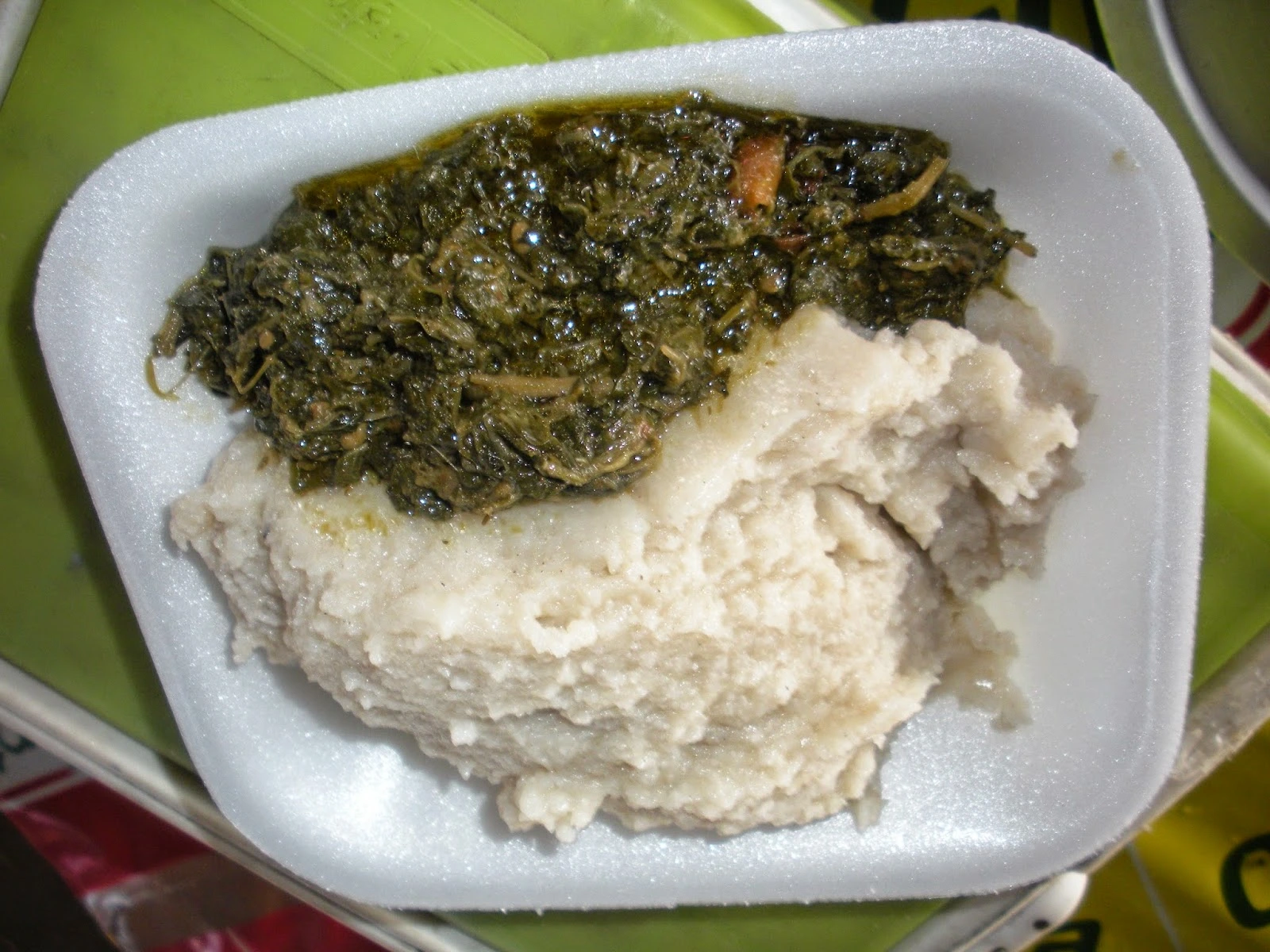
Morogo (African leafy greens / imifino)
What is morogo?
Morogo, also known as imifino, refers to traditional wild leafy greens found in southern Africa. This includes amaranth and other edible greens. Flykitt+1 In South Africa, these have long been eaten alongside maize meal or in stews.
What the science says
- High in protein (for a green). Some varieties of morogo report protein contents (on a dry-weight basis) of up to 36%. Wikipedia
- Vitamins and minerals. It provides vitamins A and C, calcium, iron, and magnesium. This is especially important where staple starches lack micronutrients. Wikipedia
- Synergy with staples. Maize, or maize meal, is deficient in certain micronutrients. So, mixing it with morogo helps “fill the gap” and boosts diet quality.
On your plate
- Steam or lightly sauté morogo with onion, garlic, and a dash of lemon or tomato to preserve its vitamin C content.
- Mix into pap or stews near the end, so as not to overcook.
- Fold it into scrambled tofu or bean dishes to boost nutrient content.
Caveats & considerations
- Morogo, like many greens, can have oxalates and other mild anti-nutrients. Cooking, steaming, or pairing it with vitamin C can help reduce these effects.
- Growing conditions (soil quality, season) affect the mineral content; it’s good to rotate greens.
Baobab (Adansonia digitata) fruit pulp
What is baobab?
The baobab tree is iconic across African savannahs. Its fruit pulp (often dried and powdered) is used in juices, porridges, and “add-ins.”
What the science says
- Rich in fibre. Baobab pulp can contain ~56 g fibre per 100 g of dried pulp (i.e., extremely fibre-dense) in certain studies. BioMed Central+1
- Micronutrient load. It is a strong source of vitamin C, calcium, magnesium, potassium, and trace elements. One review notes that baobab has 5 to 10 times more vitamin C content compared to oranges (on a comparable basis). BioMed Central
- Therapeutic effects. Preliminary evidence (animal/early human trials) suggests anti-inflammatory, antibacterial, antidiabetic, and antioxidant properties. BioMed Central+1
- Cardiometabolic potential. A 2025 trial proposal suggests that baobab fibre may help improve intestinal barrier function in individuals with obesity. This is important because barrier dysfunction is a risk factor for metabolic disease. PubMed
On your plate
- Stir 5–10 g of baobab powder into porridge, smoothies, or “ameliorated” maas.
- Use it as a tangy souring agent in sauces or dressings—part flavour, part nutrition.
- Replace some lemon/lime in recipes with baobab for an acid + nutrient boost.
Caveats & considerations
- Because baobab is so fibre-dense, start low (e.g. 3–5 g) if your microbiome isn’t accustomed.
- Excessive consumption might influence the absorption of some minerals (as with other high-fibre foods).
- Always look for quality sourcing (pure pulp powder, not loaded with sugars or fillers).
Rooibos (Aspalathus linearis) tea
What is rooibos?
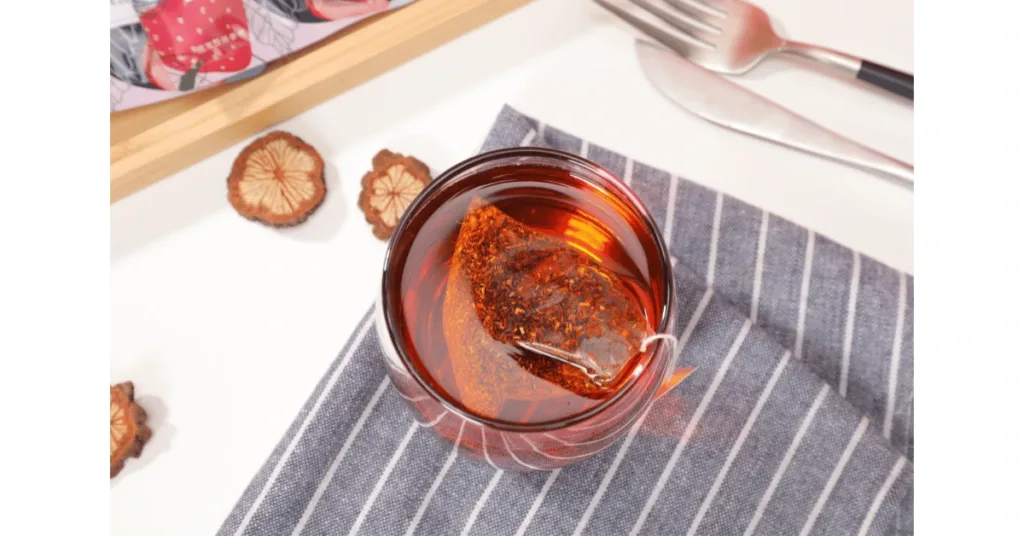
Rooibos is a South African herb native to the Western Cape. It’s consumed widely as an herbal infusion (caffeine-free “tea”).
What the science says
- Lipid profile improvements. Rooibos can improve lipid profiles in both healthy individuals and those at risk of cardiovascular disease. It lowers LDL and raises HDL, likely due to antioxidant flavonoids. PMC
- Blood glucose regulation. Drinking rooibos may help improve blood glucose levels. This suggests it could benefit insulin sensitivity. PMC
- Antioxidant & anti-inflammatory effects. Rooibos contains polyphenols such as aspalathin and nothofagin. These compounds help fight oxidative stress and may lower inflammation. PMC
- Gut benefit (emerging). Some research, such as media coverage, suggests that fermented rooibos may support gut health. However, there are still a few human trials. Yahoo
On your plate (or cup!)
- Replace one cup of black tea or coffee (if you want less caffeine) with a rooibos brew.
- Use rooibos infusion as a base in porridges or in cooking sweet grains (e.g. oats).
- Add rooibos extract or decoction to sauces or dessert recipes for a hint of antioxidants.
Caveats & considerations
- Rooibos is usually safe to use. However, if you’re taking medication, such as anticoagulants, check for potential interactions.
- Drinking it unsweetened helps avoid added sugar calories.
Chakalaka (vegetable relish)
What is chakalaka?
Chakalaka is a spicy relish made from a mixture of vegetables. It is usually served with pap, stews, or bread. Ingredients usually include tomatoes, onions, garlic, peppers, cabbage, and carrots. Sometimes, you’ll find beans or baked beans too. Wikipedia+1
What the science says
Chakalaka isn’t a “superfood” on its own. Its value lies in its mix of vegetables, fibre, phytonutrients, and how it complements staple foods.
- Vitamin and antioxidant variety. Each vegetable (tomato, pepper, carrot) contributes distinct antioxidants (lycopene, carotenoids, vitamin C).
- Fibre & digestion. Vegetables and legumes add fibre to the meal. This helps with gut health and keeps you feeling full.
- Meal “nutrient amplifier.” Pairing chakalaka with maize or other staples boosts micronutrient content. For example, adding peppers gives vitamin C, which helps the body absorb iron from beans.
On your plate
- Make a large batch of chakalaka in one go and store it as a side condiment.
- Add it as a “flavour + nutrient punch” in wraps, grain bowls, sandwiches, or roasted veggies.
- Add beans or lentils to boost the protein and fibre content.
Caveats & considerations
- Some versions have sugar, salt, or oil. If you’re watching your blood pressure or calories, use less of these.
- Fresh versions are preferable to canned or jarred (which may have additives).
Umngqusho / Samp & beans
What is umngqusho?
Umngqusho is a traditional dish. It’s made from samp, which is crushed dry maize, and sugar beans or other legumes. Often, it has light flavours from onions, tomatoes, and spices. FakazaNews+1
It’s a staple in both rural and urban South African communities.
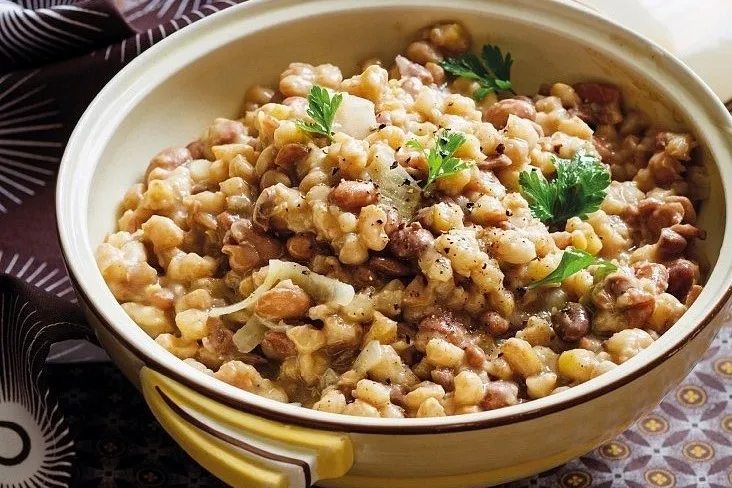
Source: The Food Manual
What the science says
- Combined protein + carbohydrate. The pairing of maize and beans provides a balanced amino acid profile. Beans add lysine, while maize adds methionine. Together, they create a strong source of plant protein.
- High in fibre. Legumes are great for health. They offer both soluble and insoluble fibre. This helps lower cholesterol, stabilise blood sugar levels, and improve gut health.
- Micronutrients & minerals. Beans are a rich source of iron, folate, magnesium, and zinc. Whole grain maize adds B vitamins and extra fibre.
On your plate
- Prepare in big batches; season with bay leaf, onion, garlic, and tomato.
- Serve with morogo or leafy greens for a vitamin boost.
- Add herbs or spices (such as cumin, coriander, or paprika) for added interest without the need for extra salt.
Caveats & considerations
- Use wholegrain or minimally processed maize, not refined maize meal. This helps keep the fibre and micronutrients.
- Legumes can cause gas. Soak beans overnight, then discard the soaking water. Cook gently to lower flatulence compounds.
Additional boosts: avocado, nuts, oats, berries
These items aren’t just “South African,” but they’re grown or found locally. They go well with traditional foods.
- Avocado. Rich in monounsaturated fats, fibre, vitamin E, and potassium. It helps heart health by lowering LDL cholesterol. This occurs when it replaces saturated fats. (Listed in SA “top 10 for heart” guides) Flora+1
- Nuts & seeds. Almonds, walnuts, flax, and chia—each delivers healthy fats, fibre, and polyphenols. Used as toppings or mix-ins, they raise the nutrient density. Flora+1
- Oats. Whole oats are high in beta-glucan. This soluble fibre helps lower LDL cholesterol and improves feelings of fullness. Dateline Health Africa
- Berries / indigenous fruits. South African berries and native fruits are rich in vitamin C, polyphenols, and antioxidants. They help reduce oxidative stress. Dateline Health Africa
Putting it all together: a “science-smart SA plate”
Here’s how you might arrange a locally rooted, nutrient-rich plate:
| Component | Food Examples | Benefit |
|---|---|---|
| Starch / base | Whole maize meal (samp), brown rice, whole sorghum | Energy, B vitamins, fiber |
| Legumes / protein | Beans, lentils, peas | Plant protein, minerals, fibre |
| Leafy greens / veg | Morogo, spinach, kale, carrots, bell pepper | Vitamins A/C, antioxidants |
| Flavor & spice / relish | Chakalaka, herbs, tomato & onion base | Polyphenols, nutrient synergy |
| Garnish / power boost | Nuts, seeds, avocado, baobab powder | Healthy fat, fiber, micronutrients |
| Beverage / infusion | Rooibos tea (unsweetened) | Antioxidants, metabolic support |
You’ll notice the pattern: staple + legume + greens + flavour + boost. Each piece adds value in fibre, micronutrients, or a synergistic effect.
Caveats, gaps & what more we need
- Limited human trials. Many of the claimed benefits of baobab, morogo, and other plants are supported by laboratory tests, animal studies, or small-scale observations. Human-controlled trials in African populations are fewer.
- Quality & sourcing matter. Soil, processing, drying, and storage all affect how well nutrients stay in leaves and powders.
- Balance over hero foods. No single food “fixes” your diet. The magic lies in diversity, portion control, and consistency.
- Personal conditions & absorption. Anaemia, gut issues, medication, and genetics impact absorption. Therefore, it’s essential to tailor treatments to each individual.
Frequently asked questions (SA food edition)
Can I rely only on traditional foods and skip supplements?
You can get plenty from morogo, baobab, and legumes. However, for B12, vitamin D (if you’re deficient), and iodine (if you avoid salt or sea greens), you often require supplements.
Is baobab “too exotic” or expensive?
It’s becoming more accessible in powder form. But use it judiciously—not as a substitute for whole foods, but as an add-in.
Will morogo or traditional greens mess with iron absorption?
To boost absorption, cook your food. Pair it with vitamin C. Additionally, avoid consuming drinks like tea and caffeine during meals.
How much rooibos should I drink?
Moderation is key. Two to three cups of tea a day are suitable for their antioxidant benefits. It won’t overload you with herbs.
Are there seasonal advantages?
Yes. Eating morogo, leafy greens, or fresh beans when they’re in season is smart. You get more nutrients and pay less.
Why this matters—not just for health, but for identity & ecology
- Dietary decolonisation. Eating indigenous foods helps us reclaim our culinary identity. It also reduces our reliance on imported “superfoods.”
- Resilience. Native crops and greens may be better suited to cope with local pests, climate issues, and water constraints.
- Cultural continuity. When kids learn that morogo and baobab are not just “old people’s food” but also healthy food, tradition lives on.
4-Week Science-Backed South African Foods Meal Plan
Theme: Eat Smart, Local, and Backed by Science
Format: 3 meals + 1 snack daily
- Whole-food plant-based
- Budget-friendly
- Average: ~1800–2200 kcal
WEEK 1: Fibre & Gut Health — Morogo + Beans Focus
Breakfast
- Mabele (sorghum porridge) with baobab powder, banana slices, and a sprinkle of ground flaxseed. → High fibre + vitamin C synergy from baobab enhances iron absorption.
Lunch
- Samp & beans bowl topped with sautéed morogo, tomato-onion relish, and a drizzle of olive oil. → Legume fibre + leafy greens = healthy microbiome.
Dinner
- Chakalaka lentil stew served with brown rice or pap. → Colourful veggies supply antioxidants and prebiotics.
Snack
- Rooibos-infused apple slices (soak sliced apples in chilled rooibos + cinnamon overnight). → Hydration + flavonoid antioxidants.
WEEK 2: Energy & Immunity — Baobab + Rooibos Focus
Breakfast
- Overnight oats made with soy milk, grated apple, and baobab powder. → Slow energy release + vitamin C for immune function.
Lunch
- Sweet potato & lentil curry with chopped spinach and pumpkin seeds. → Beta-carotene + iron + zinc combo supports immunity.
Dinner
- Wholegrain pasta with chakalaka sauce and grilled mushrooms. → Plant protein + antioxidant-rich vegetables.
Snack
- Rooibos latte with oat milk and a handful of almonds. → Caffeine-free polyphenols for heart and immune health.
WEEK 3: Heart & Metabolic Health — Oats + Avocado + Nuts
Breakfast
- Warm oats with cinnamon, chopped pear, chia seeds, and almond slivers. → Beta-glucan fibre lowers LDL cholesterol.
Lunch
- Chickpea salad wrap: whole-wheat wrap with chickpeas, avocado, morogo, tomato, and lemon dressing. → Healthy fats + fibre stabilise blood glucose.
Dinner
- Maize-meal pap with bean stew, garlic kale, and sliced avocado. → Plant protein + potassium + vitamin E for heart health.
Snack
- Rooibos smoothie with banana, spinach, peanut butter, and a splash of plant milk. → Antioxidants + monounsaturated fats.
WEEK 4: Anti-Inflammatory Balance — Rainbow Plant Foods
Breakfast
- Baobab-mango smoothie bowl with granola and morogo leaves on the side (lightly sautéed with garlic). → Polyphenols + carotenoids + vitamin C fight oxidative stress.
Lunch
- Brown rice & chakalaka power bowl with roasted butternut, chickpeas, and sunflower seeds. → Omega-6 + carotenoids for recovery and repair.
Dinner
- Samp, beans, and spinach stew with a side of tomato-onion sambal. → High fibre, protein, and anti-inflammatory phytochemicals.
Snack
- Rooibos iced tea with ginger and lemon + 2 dates for sweetness. → Anti-inflammatory catechins.
WEEKLY SHOPPING GUIDE (Core Staples)
| Category | Examples | Why It Matters |
|---|---|---|
| Grains | Brown rice, samp, whole-wheat pasta, sorghum, oats | Energy + fibre |
| Legumes | Dry beans, lentils, chickpeas | Protein + prebiotics |
| Greens | Morogo, spinach, kale, cabbage | Iron + calcium + antioxidants |
| Fruit | Banana, apple, pear, mango, orange, lemon | Vitamins C & K |
| Healthy fats | Avocado, nuts, seeds, olive oil | Heart health |
| Herbs & spices | Garlic, turmeric, paprika, coriander, cumin | Anti-inflammatory |
| Boosters | Baobab powder, rooibos, chia/flax seeds | Fibre + polyphenols |
SCIENCE HIGHLIGHTS BY WEEK
| Week | Focus | Key Mechanism | Local Evidence |
|---|---|---|---|
| 1 | Gut health (morogo + legumes) | Fibre → short-chain fatty acids → gut barrier protection | SA studies on amaranth & legumes improving microbiota diversity |
| 2 | Immunity (baobab + rooibos) | Vitamin C & flavonoids → immune modulation | Rooibos shown to reduce oxidative stress in SA trials |
| 3 | Heart & metabolic health | Beta-glucan + mono-unsaturated fats → LDL reduction, insulin sensitivity | Local studies on oats, rooibos, and legumes improving lipid profiles |
| 4 | Anti-inflammatory | Polyphenols & carotenoids → lower CRP, better recovery | Baobab & leafy greens shown to reduce oxidative markers |
Practical TIPS
- Batch cook on Sundays. Prepare samp, beans, chakalaka base, and rooibos concentrate ahead.
- Mix modern + traditional. Combine morogo and quinoa, or baobab with oats — the fusion boosts nutrients and appeal.
- Hydrate with rooibos. Swap at least two sugary drinks weekly for rooibos-based infusions.
- Colour rule: The more colours on your plate, the broader your antioxidant spectrum.
PORTION & BALANCE GUIDE
Plate DivisionApprox. %ExamplesVegetables/Fruit50 %Morogo, carrots, peppers, spinach, butternut, tomatoesWhole Grains25 %Samp, brown rice, sorghum, maize mealLegumes/Protein20 %Beans, lentils, chickpeas, tofuHealthy Fats5 %Nuts, seeds, avocado, olive oil
WHY IT MATTERS FOR SOUTH AFRICA
- Economic resilience: Supporting local crops, such as morogo and baobab, strengthens food sovereignty.
- Climate impact: Indigenous crops thrive with less water and pesticides.
- Cultural pride: It reframes our heritage foods as modern nutritional gold mines.
CALL-TO-ACTION
Want the full “Eating Plant-Based ZA: Science-Backed South African Foods 4-Week Planner” as a print-ready PDF with meal prep tracker, grocery list, and recipe cards?
Indicate in the comments below.
1 thought on “Science-Backed Benefits of Traditional SA Foods”