
Plant Milk South Africa: The Ultimate 2026 Guide

By EatingPlantBasedZA — evidence-based, South African, and proudly plant-powered
Here’s your ultimate 2026 guide to plant milk South Africa, including types, nutrition, sustainability, and smart shopping.
From café flat whites to family breakfast bowls, plant milk has moved from niche to normal in South Africa.
This guide gives you a local, practical, and science-savvy map to plant milk in SA—what to buy, how to read labels, which options work best for coffee vs. cooking, and how to support local producers while meeting your nutrition goals.
What Counts as “Plant Milk” in South Africa?
“Plant milk” refers to beverages made from oats, soy, nuts, seeds, or grains that replace cow’s milk in drinks and recipes.
In South Africa, front-of-pack names must align with the Regulations Relating to the Labelling and Advertising of Foodstuffs (R.3337).
You should see a complete ingredient list, clear allergen statements (e.g., “Contains: soy/almonds”), and compliant nutrition/health claims.
For allergy safety, check the “Contains:” and any “may contain” warnings.
See the Allergy Foundation of South Africa (AFSA) labelling explainer and FACTS’ allergen labelling guide for details.
Main Types of Plant Milk in SA (Pros, Cons & Best Uses)
1) Oat Milk
- Taste & texture: Neutral, creamy, slightly sweet.
- Use it for: Coffee (barista blends), porridge, smoothies, baking.
- Nutrition: Usually lower protein than soy; look for calcium (~120 mg/100 ml) and vitamin B12 fortification.
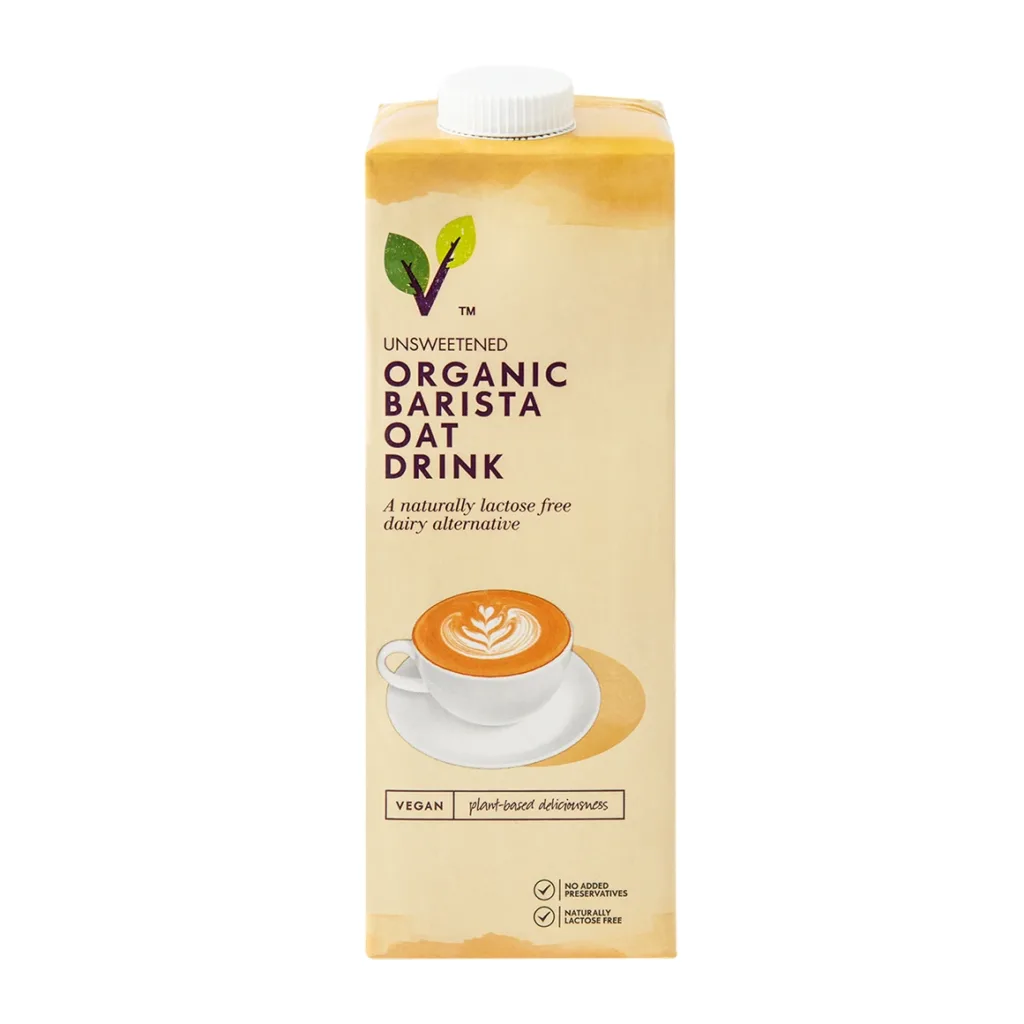
- Shop: Woolworths Barista Oat • Checkers Simple Truth Barista Oat • Woolworths Organic Oat (unsweetened)
2) Soy Milk
- Taste & texture: Clean, lightly beany when unflavoured; great foam in barista variants.
- Use it for: Higher-protein smoothies, cooking, and coffee.
- Nutrition: High protein vs. most plant milks; often fortified with calcium, B12, and vitamin D.
- Allergen: Soy is a regulated allergen—check labels and “may contain” statements.
3) Almond Milk
- Taste & texture: Light, nutty; barista blends add oils/proteins for foam.
- Use it for: Cereal, iced coffee, lighter sauces, smoothies.
- Nutrition: Generally low in calories and lower in protein; choose fortified, unsweetened options for daily use.
- Shop: Checkers Simple Truth Almond (unsweetened) • Woolworths PlantLove™ Barista Almond & Rice • ButtaNutt Unsweetened Almond
4) Coconut Milk (Drink)
- Taste & texture: Distinct coconut flavour; creamy mouthfeel.
- Use it for: Curries, desserts, tropical smoothies, and iced coffee.
- Nutrition: Low protein; check sugar and fortification.
5) Rice Milk
- Taste & texture: Very light, naturally sweet.
- Use it for: Neutral bakes, cereal, smoothies.
- Nutrition: Low protein; often chosen for multi-allergen avoidance—still verify “may contain.”
6) Pea Milk / Protein Blends
- Taste & texture: Creamy; good for coffee and sauces.
- Use it for: Higher-protein non-soy option.
- Nutrition: Often protein-fortified; check label for grams per 100 ml.
Quick tip: For froth and latte art, choose cartons marked “Barista”. They’re formulated for heat and foam stability.
Read the Label Like a Pro (SA-Specific)
- Ingredients: First items tell you the base (water + oats/soy/almonds). Barista blends may include sunflower/rapeseed oil for creaminess and foam.
- Fortification: Aim for calcium ~120 mg/100 ml and vitamin B12. Vitamin D is a bonus.
- Protein: If you want a dairy-like protein hit, soy or pea milk is your best bet.
- Sugar: Choose unsweetened daily; keep flavoured/sweetened for treats.
- Allergens: “Contains: soy/almonds/etc.” must appear near the ingredient list; “May contain” indicates cross-contact risk.
- Claims: SA rules govern nutrition/health claims—avoid products with prohibited or misleading statements.
How Plant Milk Fits the South African Plate
South Africa’s Food-Based Dietary Guidelines (FBDGs) highlight nutrient-dense choices, historically including milk/maas/yoghurt for calcium, protein, B12 and more. If you’re dairy-free or plant-based, you can cover these needs by choosing fortified plant milks and building meals around legumes, whole grains, vegetables, seeds, and nuts. See the FAO’s page on SA FBDGs and clinical-nutrition papers for context.
- Calcium: Choose plant milks fortified to ~120 mg/100 ml; add leafy greens, tahini, and calcium-set tofu.
- Vitamin B12: Prefer B12-fortified plant milks if vegan; consider a supplement per your clinician.
- Protein: Soy or pea milk + legumes and grains for balance.
- Iodine & Vitamin D: Only some products add these—check the panel.
Coffee, Tea, Cooking & Baking: Best Picks
- For coffee & latte art: Barista Oat or Barista Almond. Chill, shake, and steam to ~55–60 °C.
- For rooibos/tea: Unsweetened oat or almond keeps flavours clean.
- Smoothies: Soy for protein, oat for creaminess, coconut for tropical flair.
- Cooking: Oat/soy for creamy soups & sauces; coconut drink for curries & desserts.
- Baking: Oat or almond in 1:1 swaps in muffins/pancakes.
Sustainability Snapshot (Simple & Local)
Plant milks generally have lower greenhouse-gas emissions per litre than dairy. Oat and soy often rate favourably in lifecycle analyses.
In SA, also consider distance to market, packaging, and, when possible, supporting local producers.
Where to Buy Plant Milk in South Africa (Local Examples)
- Woolworths: Broad range, including barista lines and unsweetened options: PlantLove™ Barista Almond & Rice, Barista Oat, Organic Oat (Unsweetened).
- Checkers (Simple Truth): Value and barista options: Unsweetened Almond, Barista Oat 1 L, Barista Oat (6-pack), Sweetened Almond (6-pack).
- Independent & local producers: ButtaNutt Unsweetened Almond • Omello (range) • Omello product list.
Budget tip: House-brand unsweetened oat often delivers excellent price-to-performance for cereal and cooking. Use barista cartons when you need foam.
Is Plant Milk Healthy?
- Choose unsweetened and fortified (calcium ~120 mg/100 ml + B12) for daily use.
- For protein parity with dairy, pick soy (or pea) milks.
- Allergen-aware? Verify “Contains:” plus any “may contain” PAL statements.
Simple SA-Friendly Swaps & Meal Ideas
- Breakfast: Jungle oats with oat milk, banana, cinnamon, and peanut butter.
- Smoothie: Soy milk + banana + spinach + frozen mango + flaxseed.
- Lunch: Butternut soup blitzed with oat milk; whole-wheat wraps with grilled veg and almond-milk yoghurt.
- Supper: Creamy mushroom pasta with barista oat; Durban-style chickpea curry finished with coconut drink.
- Coffee/Tea: Barista oat for frothy cappuccinos; unsweetened almond for rooibos.
Choose the Right Plant Milk for Your Goal
| Goal | Best Pick | Why |
|---|---|---|
| Higher protein | Barista oat/almond | Closer to dairy’s protein per serving |
| Best for coffee | Barista oat / almond | Formulated to foam and hold micro-foam |
| Lowest sugar | Unsweetened variants | Zero added sugar—check labels |
| Gentle flavour | Oat | Neutral taste for cereal and sauces |
| Allergy workarounds | Oat/rice | Avoid soy/tree-nut allergens (still verify PAL) |
| Support local | SA-made brands | Shorter supply chains; community impact |
Barista Success at Home (Troubleshooting)
- Milk splits? Espresso may be too acidic, or the milk may be too cold. Use barista cartons; chill & shake before steaming.
- Flat foam? Stretch to 55–60 °C; higher temps kill micro-foam.
- Too thin with cereal? Try oat (creamier) or barista almond.
Kids & Family: What to Know
For children who avoid dairy, speak with a dietitian about growth-critical nutrients (protein, calcium, iodine, B12, vitamin D). A fortified soy or pea milk often works best nutritionally alongside a varied whole-food diet.
Smart Shopping Checklist (Screenshot This)
- Unsweetened for everyday use
- Fortified with calcium (~120 mg/100 ml) and B12
- Protein target (soy/pea if you need more)
- Allergens clearly labelled (“Contains: …” + PAL if applicable)
- Barista for coffee; standard for cereal/cooking
- Check price per 100 ml across brands
- Buy local where possible
FAQs: Plant Milk South Africa
Can products use the word “milk” in SA?
Products on SA shelves commonly use “milk,” but labels must comply with R.3337. Always check the ingredient list and nutrition table to evaluate the product.
Which plant milk is healthiest?
No single winner.
For a dairy-like nutrient profile, choose unsweetened, calcium- and B12-fortified soy (or pea). And for coffee texture, choose barista oat/almond. For allergies, consider oat/rice (still check PAL).
Do plant milks meet SA dietary guidelines?
SA FBDGs emphasise nutrient-dense foods. Fortified plant milks can help meet calcium and B12 needs in dairy-free diets when used alongside legumes, grains, veg, seeds, and nuts.
Are plant milks sustainable?
Generally, lower emissions per litre than dairy, oat and soy often rate well. Consider local production and packaging as well.
What about toddlers and preschoolers?
Discuss with a healthcare professional. For dairy-free families, fortified soy is often recommended as a source of protein and micronutrients when paired with a balanced diet.
Editor’s Picks: SA Products to Explore
- Woolworths Oat Drink (Unsweetened) — versatile for cereal/baking.
- Woolworths PlantLove™ Barista Almond & Rice — reliable froth for cappuccinos.
- Checkers Simple Truth Almond (Unsweetened) — great pantry staple.
- Checkers Simple Truth Oat (Unsweetened) — mild flavour; family-friendly.
- ButtaNutt Unsweetened Almond — minimal-ingredient approach.
- Omello — locally crafted almond, soy, oat, macadamia options.
References & Useful Links
- R.3337 Draft Labelling Regulations (Dept. of Health)
- Allergy Foundation of South Africa — Food labelling & allergens
- FACTS — South Africa: Allergen Labelling (PDF)
- FAO — Food-Based Dietary Guidelines: South Africa
- Woolworths PlantLove™ Barista Almond & Rice
- Woolworths Barista Oat
- Checkers Simple Truth Unsweetened Almond
- Checkers Simple Truth Barista Oat
- ButtaNutt Unsweetened Almond Milk
- Omello — Product Range