
Why Whole Foods Beat Supplements Every Time
By Zama Zincume · Updated 10 November 2025

Key points:
- Whole foods deliver nutrient synergy and the food matrix (fibre + cofactors) that isolated pills can’t replicate.
- Bioavailability is often better from foods eaten in context (e.g., fat-soluble vitamins with healthy fats).
- Supplements can help in targeted scenarios; they’re not substitutes for a balanced diet.
Jump to:
- Introduction
- Whole Foods vs Supplements: The Entourage Effect
- Bioavailability 101
- Fibre & the Food Matrix
- Efficacy & Outcomes
- Safety & Oversight
- Case Study: Beets vs Beet Supplements
- When Supplements Make Sense
- Smart Shopping Checklist
- Budget & Convenience Wins
- Myth-busting
- Whole-Food Swaps
- One-Week Mini Plan
- FAQs
- Conclusion
Introduction: Why I Say “Whole Foods Beat Supplements Every Time”
I recommend whole foods over supplements because real foods package vitamins, minerals, phytochemicals and fibre together—exactly how the body evolved to use them.
Supplements can be helpful in specific cases (e.g., B12 for vegans, medically diagnosed deficiencies), but they’re not a replacement for a plate built from vegetables, legumes, whole grains, nuts and seeds.
Whole Foods vs Supplements: The Entourage Effect & Nutrient Synergy
Nutrient synergy means nutrients and bioactives work better together than alone.
Think vitamin C improving non-haem iron absorption, or fats enhancing carotenoid uptake from veg. Whole foods provide this synergy by default; pills usually don’t.
The food matrix—cell walls, fibre, texture—also shapes digestion, absorption and microbiome responses. This is a significant reason I build plans around minimally processed plants.
Bioavailability 101: Why Food Often Absorbs Better
Labels show what’s in a capsule, not what reaches your cells. Transporters, cofactors and meal context matter.
Fat-soluble vitamins (A, D, E, K) need fat; polyphenols and organic acids in fruit and veg can enhance mineral uptake. Food provides those “helpers” naturally.
Bottom line: even when the dose looks lower on paper, the usable dose from whole foods can be higher—and safer.
Fibre & the Food Matrix: Benefits You Can’t Bottle
Supplements rarely include fibre.
Yet fibre feeds gut microbes, supports SCFA production, moderates blood sugar and keeps you fuller for longer.
Whole grains, beans, veg and fruit deliver fibre plus micronutrients and phytochemicals—advantages a pill can’t match.
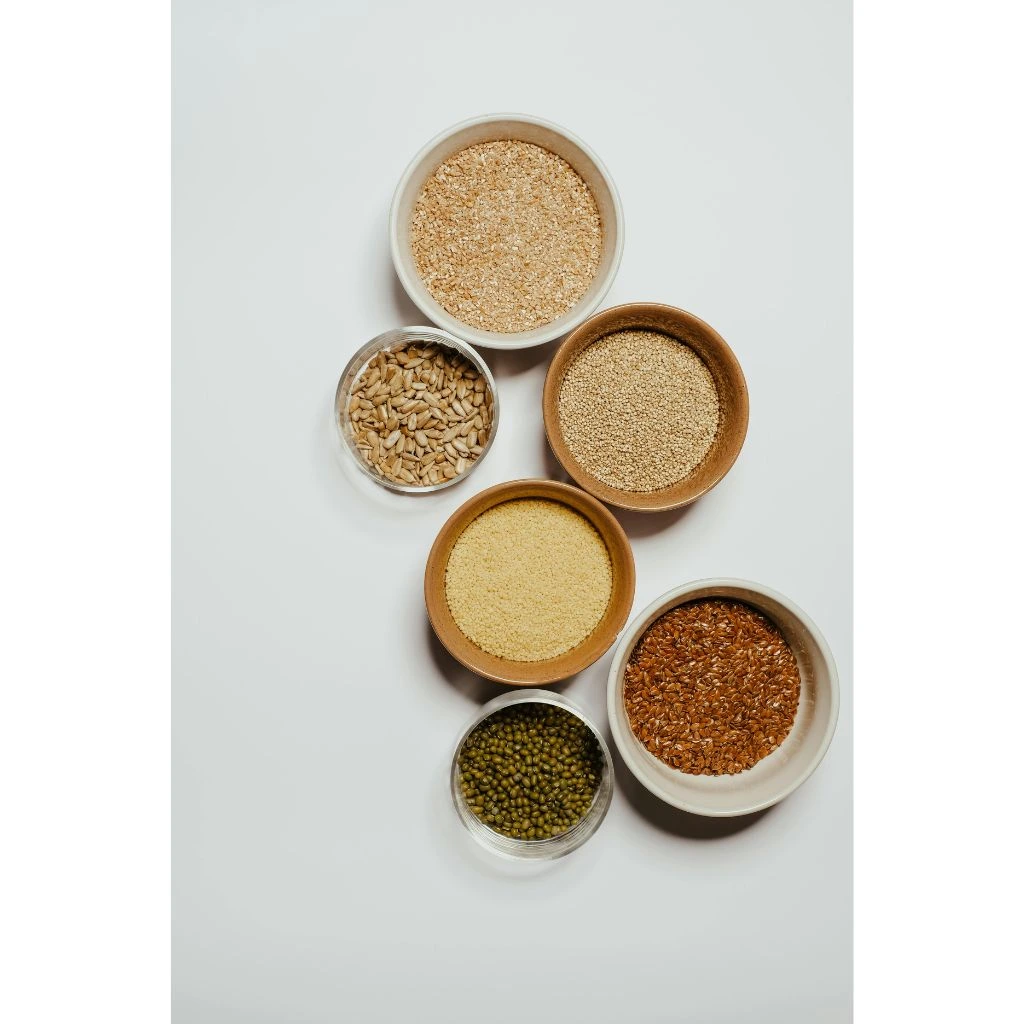
Whole grain
Efficacy & Outcomes: Whole-Food Patterns vs Pill-Based Fixes
Population data consistently link whole-food dietary patterns (plant-forward, Mediterranean, WFPB) with better long-term health outcomes.
In contrast, most supplements show mixed or limited benefits for disease prevention in otherwise healthy adults. That’s why I teach food first.
Safety & Oversight: Another Reason to Go Food-First
Supplements are usually regulated as foods, not medicines.
Quality can vary; contamination and megadose risks exist; and interactions with medications are common.
Prioritising whole foods lowers these risks and builds a more reliable foundation for health.
Tip: If you do buy supplements, look for independent verification (e.g., USP, NSF, Informed Choice), and avoid megadoses unless clinically indicated.
Case Study: Beets vs Beet Supplements—Nitric Oxide, Blood Pressure & Performance
Beetroot is rich in dietary nitrate, which can convert to nitric oxide and support vascular function.
Whole beets also deliver betalains, polyphenols, and fibre compounds that are often missing in many capsules.
- Whole beets: nitrates + betalains + fibre + matrix → broader benefits.
- Beet juice/powders: can help, but nitrate content varies; some lose fibre and parts of the matrix.
- Capsules: convenient, but label accuracy and effective dose can be inconsistent.
Practical protocol (performance): if you use beetroot functionally, aim 2–3 hours pre-endurance effort. For everyday health, include beets (and other nitrate-rich greens like rocket/arugula and spinach) several times per week as real food.
When Supplements Make Sense (and How I Use Them Wisely)
I’m not anti-supplement—I’m pro-context.
Consider supplements for:
- Clinically diagnosed deficiencies (e.g., vitamin B12 for vegans, vitamin D, and iron when confirmed)
- Life stages with higher needs (e.g., pregnancy)
- Restricted diets or absorption issues
- On a practitioner’s advice
Choose third-party-tested brands, avoid megadoses, and treat supplements as insurance—not your main plan.
Smart Shopping: Prioritise Whole Foods, Evaluate Supplements
Food-first checklist
- Build plates around veg/fruit, legumes, whole grains, nuts/seeds.
- Favour minimally processed staples; batch-prep and freeze.
- Use local, seasonal South African produce (beetroot, pumpkin, spinach, beans).
If you still need a supplement
- Clear active dose (not just “beet powder”).
- Third-party verification, realistic claims, and interaction checks.
- Cost–benefit vs simply eating the whole food.
Budget & Convenience: Whole-Food Wins You Can Use Today
- Frozen veg, canned beans (low-sodium), and whole grains save money and time.
- Batch-cook stews/curries; use leftovers for lunches.
- Let beets and leafy greens appear 2–3 times weekly for nitrate, fibre and colour.
Myth-Busting: “Food Isn’t Enough,” “Pills Are Safer,” “Juice Beats Veg”
A varied diet can be enough for most healthy people.
Pills aren’t automatically safer (think contamination/megadose risks).
And juice/powder isn’t automatically better—whole beets frequently deliver more overall value.
Simple Whole-Food Swaps (Including Beets) to Replace Popular Pills
- Iron: lentils/beans + vitamin-C-rich fruit/veg (e.g., citrus, peppers).
- Omega-3: flax/chia/walnuts; consider algae-DHA if strictly vegan.
- Nitrates: whole beets, rocket/arugula, spinach.
- Antioxidants: berries, beetroot, leafy greens, tea, colourful veg.
One-Week Mini Plan: Try “Food First” Now
Mix and match these ideas to fit your routine:
- Breakfasts: oats + flax + berries; avocado on whole-grain; chia pudding.
- Lunches: beet & rocket salad with chickpeas; mixed bean salad; hummus & roasted-veg wraps.
- Dinners: lentil-spinach curry; tofu-veg stir-fry; sweet-potato & black-bean chilli; quinoa bowls; legume shepherd’s pie.
- Note: Vegans should include a B12 supplement; check D and iron with your clinician before supplementing.
FAQs (People Also Ask)
Is it better to get nutrients from food or supplements?
Food first. Whole foods deliver fibre, synergy and the food matrix. Supplements fill specific, proven gaps.
Do beet supplements work as well as eating beets?
Some help with nitrates, but whole beets add fibre and betalains—often a better all-round choice.
Can supplements prevent chronic disease if I’m healthy?
The evidence is mixed to weak. Focus on long-term dietary patterns instead.
Are supplements regulated like medicines?
No. They’re generally regulated as foods; quality varies. Choose third-party-tested brands.
When should I consider supplements?
Diagnosed deficiencies, pregnancy, restricted diets, or clinician advice.
Is beet juice as good as whole beets?
Juice delivers nitrates but lacks fibre. Whole or minimally processed forms offer more.
Are there risks to taking supplements?
Yes—interactions and overdosing exist. Check with a professional.
Which nutrients are sometimes better supplemented?
B12 (vegans), vitamin D (if low), and iron (when indicated). Always test first. Do athletes benefit more from beet powders or real beets? Benefits exist for both, but quality varies. Whole beets add matrix benefits beyond nitrates.
What’s a simple way to start food-first today?
Base meals on veg, legumes, whole grains, nuts/seeds, with supplements only for proven gaps.
Helpful Resources
- NIH ODS: Dietary Supplements — What You Need to Know
- FDA: How Dietary Supplements Are Regulated
- WHO: Healthy Diet — Core Principles
From Eating Plant-Based ZA
- Plant-Based on a Budget: A Practical SA Guide
- Benefits of Beetroot: How to Use It Every Week
- Meal Prep 101: Batch-Cooking for Busy Weeks
Conclusion: Food First—Let Your Plate Do the Heavy Lifting
Whole foods beat supplements every time for most healthy people because they deliver synergy, better bioavailability, fibre and a safe, proven foundation.
Use supplements strategically—only to correct identified gaps—and keep your daily focus on colourful, minimally processed plants. Your body (and budget) will thank you.
If you found this helpful, share it, save it for later, and explore the internal links above for meal plans and budget-friendly shopping tips.