Anti-inflammatory Plant-Based SA Shopping List
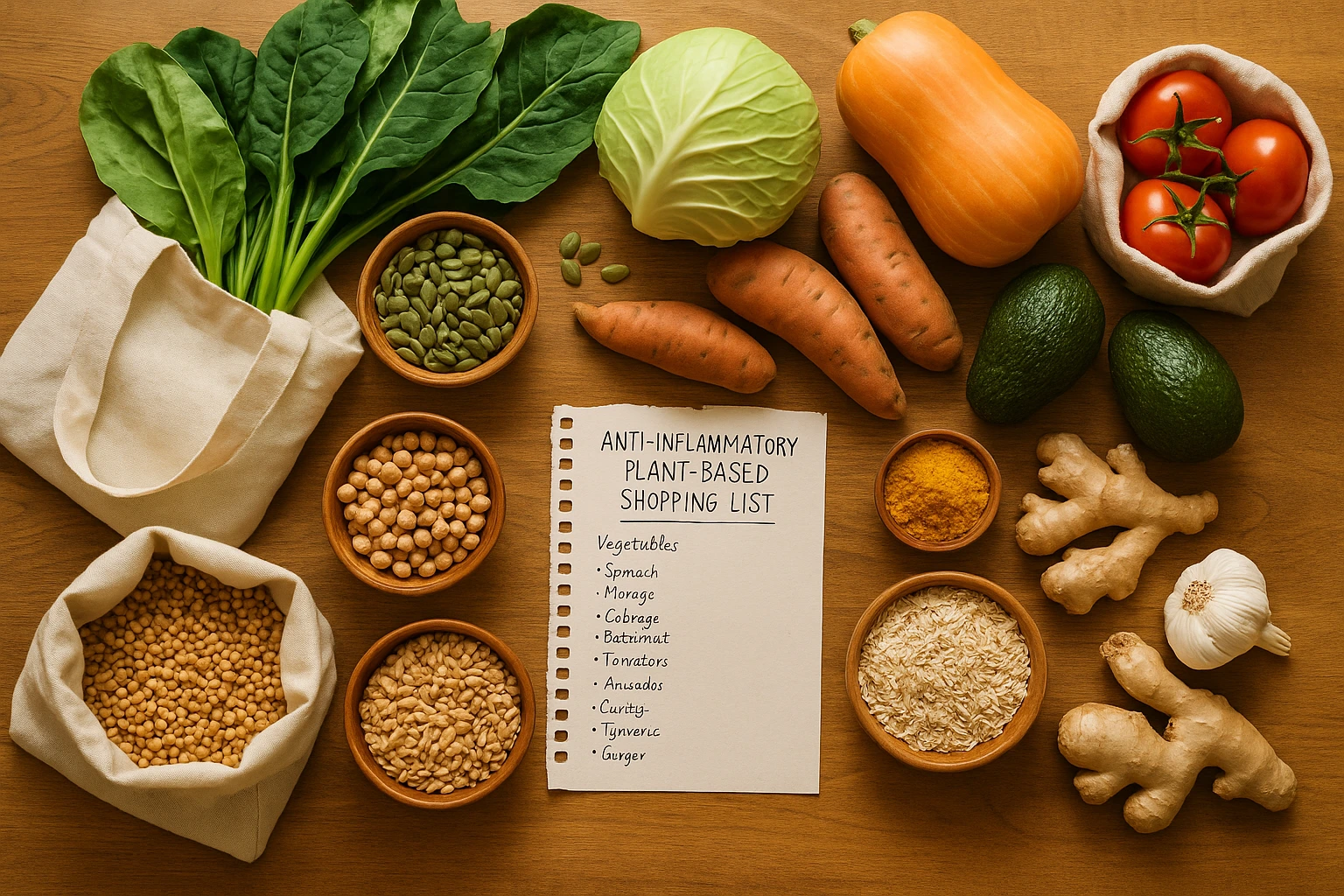
Here’s your anti-inflammatory plant-based SA shopping list.
To feel better, move better, and reduce pain and fatigue, food is a powerful tool.
This anti-inflammatory, plant-based shopping list helps South Africans shop confidently. It is simple, local, budget-friendly, and easy to follow.
An anti-inflammatory plant-based diet centres on whole foods.
These foods help reduce inflammation in the body. This includes fruits, vegetables, whole grains, beans, nuts, seeds, herbs, and spices. At the same time, it removes foods that worsen inflammation.
This guide tells you what to buy at South African stores like Checkers, Pick n Pay, and Shoprite, as well as at street markets and spaza shops.
It also helps you save money, plan your meals, and shop with purpose.
Struggling with joint pain, gut issues, thyroid problems, weight gain, or low energy?
This anti-inflammatory plant-based SA shopping list can help support your healing.
What Is an Anti-inflammatory Plant-Based Diet in South Africa?
First, let’s keep this simple. Inflammation is your body’s natural way of protecting itself.
However, when inflammation persists for too long, it can damage your health.
Many health problems are associated with chronic inflammation. These include arthritis, heart disease, diabetes, autoimmune conditions, gut problems, thyroid issues, and depression.
An anti-inflammatory plant-based diet uses food as medicine. It focuses on natural, whole foods that reduce swelling, repair cells, and support the immune system.
In South Africa, we are blessed with many natural anti-inflammatory foods. These are spinach, cabbage, morogo, butternut, sweet potatoes, beans, lentils, fruits, and healing spices such as turmeric and ginger.
It is also essential to understand the difference between a processed vegan diet and a whole-food plant-based diet.
A packet of vegan sausages is not the same as a plate of beans, rice, and vegetables. Whole foods heal. Ultra-processed foods inflame.
This diet works well for people with:
- Arthritis
- Thyroid problems
- Diabetes
- Gut issues
- Heart disease
- Inflammation.
How to Use This Anti-Inflammatory Plant-Based SA Shopping List
Now that you know the fundamentals, let’s discuss how to make the most of this list.
First, use this list to plan your meals before you go shopping. This helps you avoid impulse buys and saves money.
Next, decide if you are shopping for a week or for a month. Fresh fruits and vegetables work well for weekly shopping. You can buy foods like beans, rice, and oats monthly.
Also, always shop with the seasons. Seasonal produce is cheaper, fresher, and more nutrient-rich.
Finally, keep things simple. You do not need everything at once. Start with a few key items and grow your pantry slowly.
Anti-inflammatory Plant-Based SA Shopping List (By Food Groups)
Anti-Inflammatory Vegetables to Buy in South Africa
Vegetables should fill most of your trolley.
They are high in antioxidants that reduce inflammation, fiber, vitamins, and minerals.
- Spinach
- Morogo (wild African greens)
- Cabbage
- Broccoli
- Butternut
- Sweet potatoes
- Tomatoes
- Onions
- Garlic
- Green, red, and yellow peppers
- Beetroot
Try to buy at least five different vegetables every week. Fresh is best, but frozen vegetables also work well and save money.
Anti-inflammatory Fruits for Your Plant-Based SA Shopping List
Fruits help reduce inflammation while adding natural sweetness and fibre to your diet.
- Oranges
- Naartjies
- Guavas
- Berries (fresh or frozen)
- Apples
- Pears
- Bananas
- Papaya
- Mango (when in season)
Two to three servings of fruit per day is a healthy target.
Anti-inflammatory Whole Grains to Add to Your Cart
Whole grains give you long-lasting energy and help control inflammation.
- Oats
- Brown rice
- Samp
- Sorghum
- Whole wheat pasta
- Quinoa
- Barley
Avoid white rice and refined grains whenever possible.
Anti-Inflammatory Plant-Based Proteins South Africans Can Afford
Protein is vital for healing and muscle strength. Fortunately, plant-based proteins are affordable and easy to cook.
- Lentils
- Split peas
- Chickpeas
- Sugar beans
- Black beans
- Tofu
- Tempeh
- Natural peanut butter
You should eat beans and lentils daily for the best results.
Anti-Inflammatory Nuts and Seeds Shopping List
Nuts and seeds provide healthy fats and potent anti-inflammatory compounds.
- Walnuts
- Almonds
- Pumpkin seeds
- Sunflower seeds
- Chia seeds
- Flaxseeds
- Sesame seeds
Use small amounts daily in oats, smoothies, salads, and stews.
Anti-Inflammatory Herbs and Spices for Healing
Spices are small but mighty. They reduce pain, support digestion, and fight inflammation.
- Turmeric
- Ginger
- Cinnamon
- Black pepper
- Garlic powder
- Thyme
- Oregano
- Bay leaves
Fresh herbs are best, but dried herbs work well too.
Healthy Anti-inflammatory Fats for Plant-Based SA Diets
Good fats reduce inflammation and aid in the body’s absorption of vitamins.
- Avocados
- Olive oil
- Tahini
- Coconut (small amounts only)
Anti-inflammatory Drinks and Pantry Extras
- Rooibos tea
- Green tea
- Herbal teas
- Apple cider vinegar
- Low-sodium vegetable stock
- Nutritional yeast
Foods That Increase Inflammation (What to Avoid in SA Stores)
Even vegan foods can increase inflammation when they are processed.
- White bread
- Fried foods
- Processed vegan meats
- Sugary breakfast cereals
- Sweets and fizzy drinks
- Alcohol
- Refined cooking oils
Choose real foods as often as possible.
Budget-Friendly Anti-Inflammatory Plant-Based Shopping Tips for South Africa
Eating healthy does not have to be expensive.
- Buy dried beans in bulk.
- Shop at street markets.
- Choose seasonal produce.
- Store food properly to avoid waste.
- Cook once and eat twice.
- Compare prices at different stores.
Sample 7-Day Anti-inflammatory Plant-Based SA Shopping List
Vegetables: spinach, cabbage, carrots, onions, tomatoes, sweet potatoes, butternut.
Fruits: bananas, apples, oranges, guavas.
Grains: oats, brown rice.
Proteins: lentils, sugar beans, and chickpeas.
Extras: turmeric, ginger, olive oil, and rooibos tea.
Who Should Follow an Anti-Inflammatory Plant-Based SA Shopping List?
This lifestyle helps people dealing with arthritis, thyroid issues, gut problems, weight challenges, heart disease, and autoimmune conditions.
Mistakes People Make on an Anti-Inflammatory Plant-Based Diet
- Not eating enough food.
- Too much fruit with no balance.
- Fearing healthy carbs.
- Ignoring omega-3 fats.
- Depending on vegan junk food.
Frequently Asked Questions (People Also Ask Section)
What are the most anti-inflammatory foods in South Africa?
Spinach, morogo, beans, sweet potatoes, turmeric, ginger, berries, and nuts are some of the best.
Can I follow an anti-inflammatory plant-based diet on a budget?
Yes. Beans, lentils, rice, oats, and seasonal vegetables are very affordable.
Is maize meal anti-inflammatory?
Whole maize meal in moderation is better than refined maize meal.
How long does it take to feel results?
Many people feel better within 2 to 4 weeks of consistent eating.
Is this diet safe for thyroid and autoimmune conditions?
Yes, but it is best to work with a healthcare provider.
Can kids follow an anti-inflammatory plant-based diet?
Yes. Whole plant foods support healthy growth and immunity.
Final Thoughts on the Anti-inflammatory Plant-Based SA Shopping List
Food has the power to heal, protect, and restore the body.
This plant-based shopping list helps you build a strong foundation for better health.
You do not need to be perfect. Just start with minor changes. Add more vegetables. Choose beans more often. Use healing spices. Drink more water and rooibos tea.
With time, consistency, and simple choices, your body can move from inflammation to healing.
Save this list, print it, and take it with you on your next shopping trip.
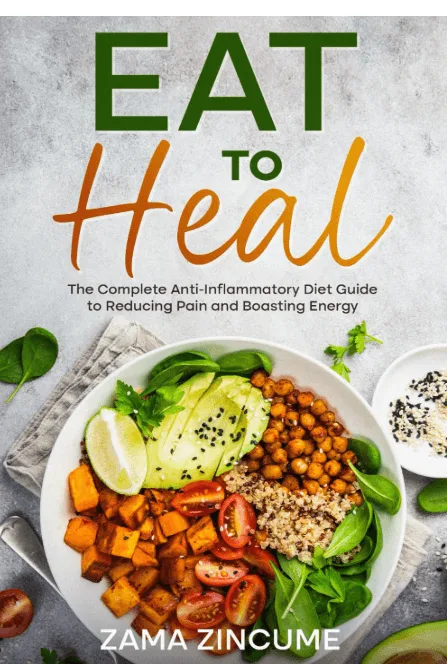
You can further read this book.