
Plant-Based Grocery List South Africa
Here’s your guide to a plant-based grocery list in South Africa. It gives you tips on what to buy and where to find it.
Starting a plant-based diet in South Africa doesn’t require emptying your pantry. Instead, it’s about adding to what our grandmothers already taught us.
African food has always been plant-rich. You’re not adopting a Western trend; you’re returning to your roots.
This guide gives you a helpful, budget-friendly plant-based grocery list. It focuses on South African stores and local produce.
You can find these items at Pick n Pay, Checkers, Woolworths, or your local market.
I’ll also share the exact grocery system I use.
What Is a Plant-Based Diet? (Quick Answer for Beginners)
A plant-based diet emphasises whole plant foods. This includes vegetables, fruits, legumes, whole grains, nuts, and seeds. It also reduces or removes animal products. It is not the same as veganism, though they overlap.
Many South Africans eat plant-based meals without realising it. They focus on dishes like pap, umngqusho, morogo, or amadumbe. They don’t label it as plant-based.
South African Plant-Based Grocery List at a Glance
Use this as your starting-point shopping list. Everything on it is widely available in South Africa at affordable price points.
Grains and Starches
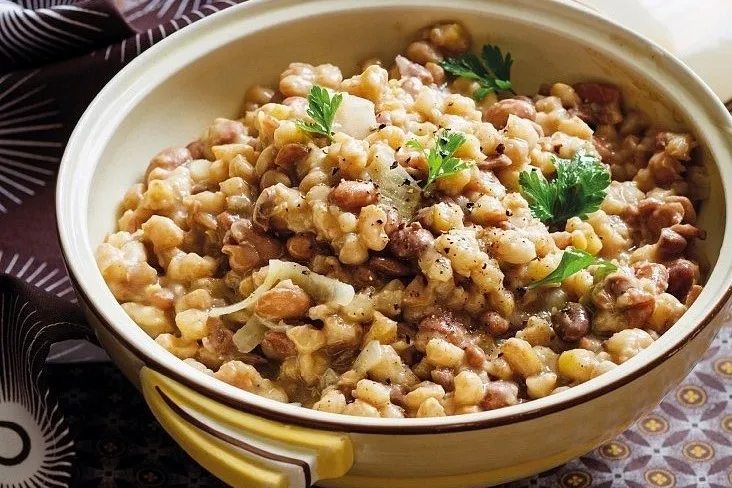
- Samp (umngqusho base)
- Maise meal (for pap and porridge)
- Sorghum flour (for traditional fermented porridge)
- Oats (rolled, not instant)
- Brown or whole-grain rice
- Whole-wheat bread or seed loaves
Legumes
- Dried cowpeas (indlubu)
- Sugar beans
- Brown lentils
- Split peas
- Canned chickpeas (no-salt varieties when possible)
- Canned or dried black-eyed peas
Vegetables
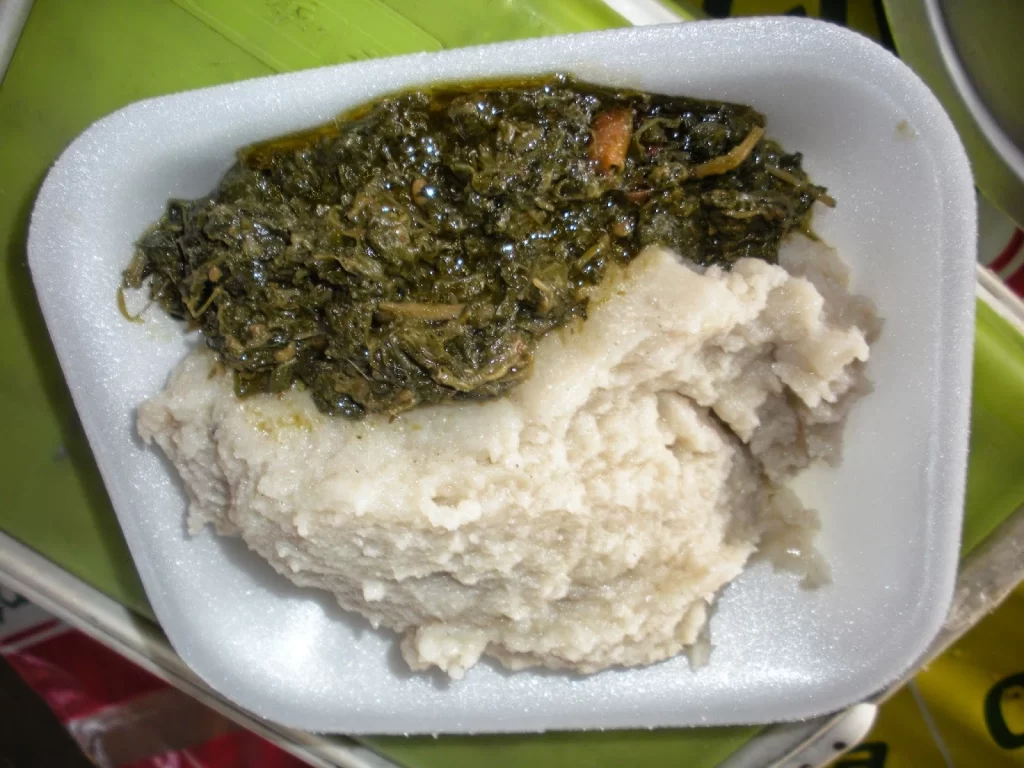
- Morogo (African leafy greens — found at markets and many Pick n Pay Fresh Living sections)
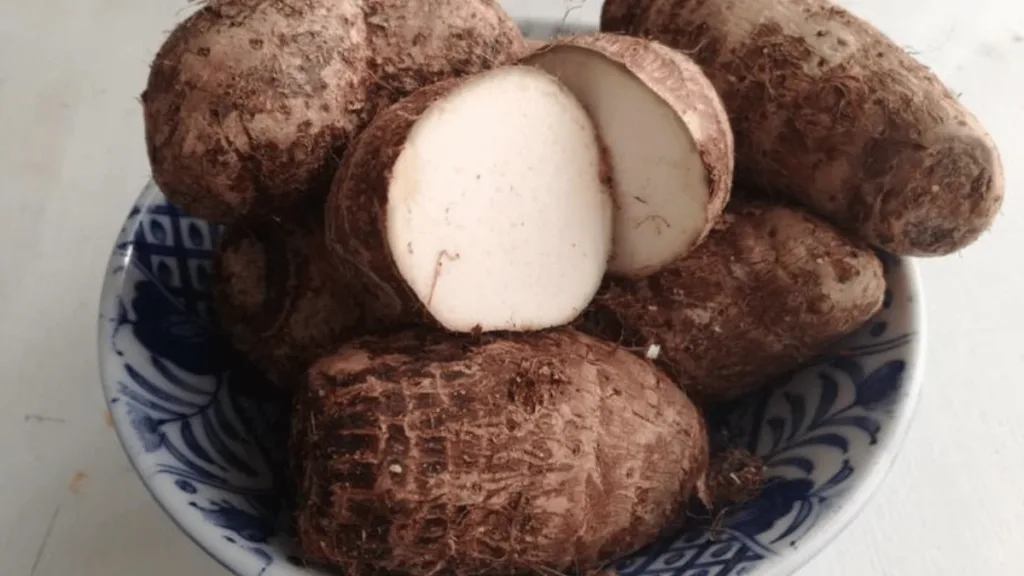
- Amadumbe (taro root — Checkers and Indian grocery stores)
- Butternut squash
- Sweet potato
- Spinach and baby spinach
- Cabbage
- Tomatoes (fresh and canned)
- Onions and garlic
- Carrots and beetroot
Fruits
- Bananas (cost-effective, nutrient-dense)
- Seasonal citrus (naartjies, oranges, grapefruit)
- Apples
- Guavas (high in vitamin C and fibre)
- Frozen mixed berries (Woolworths and Checkers have affordable options)
Nuts and Seeds
- Sunflower seeds
- Pumpkin seeds
- Ground flaxseed (linseed)
- Peanuts and natural peanut butter
- Chia seeds (Dischem, Checkers)
Healthy Fats
- Avocados (in season, very affordable)
- Extra-virgin olive oil or cold-pressed sunflower oil
- Coconut milk (for cooking)
Plant-Based Protein Extras
- Tofu (Woolworths, larger Checkers and Pick n Pay stores)
- Tempeh (health stores and selected Woolworths)
- Soy mince (widely available and very affordable)
Pantry Essentials
- Nutritional yeast (for B12 and cheesy flavour — Dischem and health stores)
- Canned tomatoes
- Vegetable stock
- Apple cider vinegar
- Turmeric, cumin, coriander, paprika
- Soy sauce or tamari
Download the exact printable system here.
Best Plant-Based Protein Sources in South Africa
One of the most common concerns about plant-based eating is getting enough protein.
The good news is that South African cuisine has been protein-complete for centuries. It just never needed marketing.
Legumes are your foundation. Sugar beans, cowpeas, lentils, and split peas are cheap. They are also packed with protein. You can find them in South African grocery stores. A 500g bag of brown lentils costs less than R25 and provides multiple high-protein meals.
Soy mince, found under brands like Fry’s and store labels at Checkers and Pick n Pay, is a handy choice. It’s great for traditional stews and bolognaise dishes.
Peanuts and peanut butter are underrated sources of protein. A better option is natural peanut butter that doesn’t have any added sugar or oil. You can find it at most stores, and it’s usually affordable.
Tofu and tempeh provide complete protein. They are also becoming easier to find in South African cities. If you’re not in a big city, check out soy-based options at your local health store.
Calcium and Iron on a Plant-Based Diet: South African Sources
Calcium is a concern for many South Africans. They are curious about how to obtain it without dairy. They consider iron as well. Without red meat, they are concerned about eating enough. Both nutrients are readily found in plant sources. Just be aware of where to look.
Calcium-rich plant foods available in South Africa:
- Morogo and other dark leafy greens
- Fortified soy milk and oat milk (Woolworths, Checkers)
- Sesame seeds and tahini
- Dried figs
- Tofu (calcium-set varieties)
- Almonds
Iron-rich plant foods:
- Lentils and sugar beans
- Samp and cowpea combinations (umngqusho)
- Pumpkin seeds
- Spinach and morogo
- Fortified breakfast cereals (check labels)
- Dried apricots
Important note: Plant-based iron (non-haem iron) is better absorbed with vitamin C. Squeeze lemon juice over your lentil stew. Or, enjoy guava with oat porridge. This boosts iron absorption significantly.
Indigenous South African Foods That Are Naturally Plant-Based
This part is often missed in plant-based guides, but it’s crucial for South Africans.
Morogo, or wild spinach, is also called African leafy greens. Calcium, Iron, and vitamins A and C are all abundant. Southern Africans have eaten it for generations. It is more nutritious than many superfoods from abroad.
Amadumbe (taro root) is a complex carb. It has a low glycaemic index and is high in fibre. Its rich, starchy texture makes it very satisfying. It is a far more nutritious option than a white potato.
Sorghum is a gluten-free grain with significant antioxidant content. Traditional fermented sorghum porridge (amahewu) also provides gut-friendly probiotics.
Umngqusho (samp and beans) is a complete protein meal in a single pot. Samp and sugar beans together offer all essential amino acids. No animal products are needed.
These are not alternatives to Western plant-based foods. They are the originals.
Budget Plant-Based Shopping Tips for South Africa
Eating plant-based food in South Africa does not have to be expensive. In fact, when built around traditional staples, it is one of the most affordable ways to eat.
Buy dried over canned wherever possible. A 500g bag of dried chickpeas costs much less than a can of canned chickpeas. They also expand a lot when soaked and cooked.
Build meals around the Staple-First Method. Begin with your starch base: samp, pap, brown rice, or amadumbe. Then, add your protein and vegetables. Traditional South African meals have this structure. They are nutritious, too.
Shop seasonally. Butternut is cheap in autumn. Sweet potatoes are affordable year-round. Avocados are inexpensive in summer. Guavas and citrus are winter staples. Aligning your meals with what is in season significantly reduces your grocery bill.
Use your local market. Fresh produce at Durban’s Warwick Market is often cheaper. The same goes for Johannesburg’s Joburg Market. Supermarkets usually have higher prices. You can find morogo and amadumbe there. They also have seasonal local produce that big stores usually don’t sell.
Plant-Based Snack Options Available in South Africa
You don’t need expensive health-store products to snack well on a plant-based diet.
Here are some tasty and affordable plant-based snacks:
- Roasted pumpkin seeds
- Dried mango or fruit slices (with no added sugar)
- Peanut butter on rye crackers
- Homemade hummus with veggie dippers
- Roasted chickpeas
- Banana with nut butter
- Plain oat-based energy balls with flaxseed and peanut butter
Avoid processed “plant-based” snack bars that are high in sugar and low in fibre. Read labels closely. If the first three ingredients are sugar, glucose syrup, or refined flour, it’s not a health food. This holds, no matter what the packaging claims.
Where to Buy Plant-Based Groceries in South Africa
Pick n Pay offers a good selection of legumes, whole grains, and frozen vegetables. They also have a growing range of plant-based products. Their house brand dried legumes are very affordable.
Checkers offers a strong produce section. They have affordable frozen berries and vegetables. You can also find Fry’s Family Foods products and a good health food aisle in larger stores.
Woolworths — Best range of tofu, tempeh, fortified plant milks, and premium plant-based products. Higher price point, but useful for specific ingredients.
Dischem — Good source of nutritional yeast, chia seeds, flaxseed, and supplements like B12.
Local markets and Indian grocery stores are excellent places to find morogo, amadumbe, and dried legumes. They sell these in bulk. You can also get fresh seasonal produce. Best of all, prices are usually lower.
Frequently Asked Questions: Plant-Based Eating in South Africa
Is a plant-based diet expensive in South Africa?
No. A plant-based diet is cheap in South Africa. It focuses on traditional staples like samp, maise meal, lentils, sugar beans, and seasonal vegetables.
What plant-based milk is available in South Africa?
You can find soy milk, oat milk, almond milk, and coconut milk at Woolworths, Checkers, and Pick n Pay. Soy milk is generally the most affordable and has the highest protein content.
Do I need supplements on a plant-based diet?
Vitamin B12 isn’t usually found in plant foods. So, anyone on a fully plant-based diet should consider supplementation. Nutritional yeast is a good choice for your diet. However, it likely won’t meet all your daily needs on its own. Consult a registered dietitian for personalised guidance.
Is tofu available in South Africa?
Yes. You can find tofu in most Woolworths stores, larger Checkers and Pick n Pay stores, and health food shops. It is also available online through retailers like Faithful to Nature.
This grocery list is a living document for your kitchen.
You can revisit it. Adjust it for seasonal ingredients. Plan meals using the nutritional wisdom of South African food culture.
Learn more about the system I use.
ABOUT THE AUTHOR
Zama Zincume is a self-publishing author, wellness educator, and the founder of EatingPlantBasedZA — a South African content brand focused on evidence-based, culturally grounded plant-based nutrition. His work draws on indigenous African food heritage and practical household economics to make whole-food eating accessible to real families living real lives.