This recipe features an oil-free, whole-grain design and packs in nutrients. Part 1: The Pap (Whole Grain Corn Porridge) Pap is traditionally made with maize meal (cornmeal).2 To make it WFPB, we use whole-grain cornmeal and omit any added fat or refined ingredients. Ingredients for …
Here’s your guide to vegan lunch ideas, SA. Lunch doesn’t have to be complicated, expensive, or bland — especially when you’re eating plant-based in South Africa. From hearty samp and beans to flavour-packed chakalaka wraps, South Africans are discovering how easy it is to make …
Introduction: Embracing the Plant-Powered Path to Weight Loss
Are you curious about how to reduce weight this year while following a plant-based diet?
We’re here for you.
Many people find that the best way to lose weight is through plants.
A plant-based diet for weight loss is more than a trend. It’s a science-backed way to harness nature’s gifts to reach a healthy weight.
Many people are surprised to find that they can eat more and still lose weight. They need to make smarter, plant-centred choices.
First, it’s essential to define “plant-based.”
This diet exists on a spectrum.
Some people choose a vegan lifestyle, which excludes all animal products. However, the Whole Food Plant-Based (WFPB) model is often more effective for weight loss.
This diet focuses on whole, unprocessed foods. It includes vegetables, fruits, whole grains, and legumes. It also reduces or removes oils, refined sugars, and processed animal products.
This diet has a clear advantage: it’s high in fibre and low in fat. This combination results in fewer calories. This means you feel full and satisfied without overconsuming calories.
This guide shares key strategies, wise food choices, and valuable tips for lasting plant-based weight loss.
Understanding the Mechanism: Why a Plant-Based Diet is Effective for Weight Loss
To lose weight on a plant-based diet, it’s essential to know why it works. The success hinges on three powerful, interconnected concepts:
The Power of Low-Calorie Density for Weight Loss
The most significant factor is calorie density —how many calories there are in one volume of food.
Plant foods, especially non-starchy veggies and fruits, are high in bulk. This is because they have a lot of water and fibre.
For example, a whole pound of strawberries contains roughly the same number of calories as one small handful of nuts.
By focusing on low-calorie-density foods, you feel full with fewer calories. This allows you to embrace the “eat more, weigh less” philosophy.
You can fill up, feel satisfied, and lose weight naturally. Do this without counting calories or feeling deprived.
Fibre is Your Friend: Boosting Satiety and Gut Health
Fibre intake is critical, and it comes exclusively from plants. It contributes zero calories but takes up space in your digestive tract. This bulk not only enhances fullness but also slows down the absorption of food.
A slow absorption rate stabilises blood sugar. This stops sharp spikes and crashes. These can create intense cravings for refined carbs.
Fibre is crucial for a healthy gut microbiome. This microbiome helps with weight management and metabolic health.
Cutting Out Calorie-Dense Animal and Processed Foods
A key part of plant-based weight loss is exclusion. Eliminating processed foods and animal products can help you reduce your intake of cholesterol and saturated fat.
You should also cut back on highly processed plant-based foods, like fries, chips, and oils. These foods lose water and fibre, making them very calorie-dense. This can hurt your goals.
Essential Strategies for Plant-Based Weight Loss Success
For lasting results on your journey, use targeted plant-based weight-loss strategies.
Whole Foods Focus: The Cornerstone of Weight Loss on a Plant-Based Diet
The absolute best way to lose weight on a plant-based diet is to commit to a Whole Food Plant-Based (WFPB) approach. Your diet should predominantly feature:
Legumes: Beans, lentils, chickpeas, peas (excellent source of protein and fibre).
Whole Grains: Oats, brown rice, quinoa, barley, whole-wheat pasta (in moderation).
Vegetables: Unlimited quantities of all varieties, especially greens.
Fruits: Two to four servings per day.
Make a conscious effort to severely limit oils, refined sugars, and white flours.
They are high in calories but low in nutrients. These are significant barriers to successful plant-based weight loss.
Mastering the 50/50 Plate
This simple visual tool is one of the most effective ways to manage calorie density without counting.
At every meal, aim to:
Non-starchy vegetables should make up at least half of your plate. (salad, steamed broccoli, carrots, peppers, etc.).
Dedicate the other half to starches and whole grains, like potatoes and brown rice, and protein sources, such as beans and tofu.
Always eat the lowest-calorie-density foods first (like a starter salad or vegetable soup). This bulk helps you feel full before you get to the more calorie-dense parts of the meal.
The Protein Myth Debunked: Ensuring Adequate Plant-Based Protein for Weight Loss
A common misconception is that a plant-based diet makes it hard to get enough protein. This is simply untrue.
Plant protein sources are plentiful. They help keep you full and support muscle mass, both of which are essential to a healthy metabolism.
Excellent sources of plant protein for weight loss include:
Soy Products: Tofu, tempeh, edamame (versatile and complete proteins).
Certain Whole Grains: Quinoa and amaranth.
Eat enough calories from a variety of whole plant foods to meet your daily protein needs.
Hydration and Mindful Eating
Don’t underestimate the power of lifestyle factors.
Drinking enough water is key. It helps curb your appetite and stops you from mixing up thirst with hunger.
Mindful eating helps you avoid overeating. Slow down, chew your food well, and wait 20 minutes before getting seconds. This gives your brain time to notice when you’re full.
Navigating Common Plant-Based Weight Loss Pitfalls
The plant-based approach has clear benefits, but you can still gain weight if you make some common mistakes.
Knowing these pitfalls is crucial for long-term plant-based weight loss.
Avoiding “Junk Food Veganism”
One of the biggest mistakes is assuming that all vegan food is healthy.
A diet of Oreos, packaged vegan mac and cheese, and mock meats is often called “junk food veganism.”
These are processed plant-based foods. They often contain refined ingredients, sodium, and unhealthy fats. To achieve weight loss on a plant-based diet, you must be vigilant:
Check nutrition labels on mock meats, vegan cheeses, and snacks. Look out for too much oil and sugar.
Prioritise foods you prepare yourself with whole-food plant-based ingredients.
Being Smart with Healthy Fats (Calorie Density Warning)
While healthy fats are essential, they are the most calorie-dense food group. This is where portion distortion often occurs.
Just one tablespoon of oil or a small handful of nuts can pack in hundreds of calories. It’s easy to eat too many!
Use nuts, seeds, and avocados in moderation. They should be garnishes, not the main ingredients.
Adopt the practice of cooking without oil. Sauté vegetables using vegetable broth, water, or wine instead. If necessary, use a non-stick spray for minimal oil.
Portion Control for Higher-Calorie Plant Foods
You can consume as many non-starchy vegetables and leafy greens as you like. But be careful with portions of higher-density plant foods.
Watch your portion sizes for whole grains, such as a cup of cooked rice or pasta, as well as starchy veggies like potatoes, corn, and sweet potatoes.
Focus on volume and fibre by loading up on non-starchy vegetables before adding grains and starchy vegetables.
The Importance of Vitamin B12 and Other Key Nutrients
For a smooth and healthy transition, focus on key nutrients, especially if you’re fully vegan.
Not supplementing can lead to health problems that affect your energy and motivation.
Vitamin B12 supplementation is non-negotiable, as it is only reliably found in animal products.
Ensure a varied intake of beans, lentils, and leafy greens to meet your iron and calcium needs.
Use ground flaxseeds or chia seeds for plant-based omega-3 fatty acids (ALA).
Practical Steps for Starting Your Plant-Based Weight Loss Journey
Switching to a plant-based diet might seem harsh, but a step-by-step plan can help you succeed.
Transitioning Slowly: Phasing into a Plant-Based Diet for Weight Loss
Don’t aim for perfection on day one. A gradual transition is more likely to be sustainable.
Start with Simple Plant-Based Swaps:
Switch to plant-based milk, such as almond, soy, or oat.
Replace ground meat with lentils or beans in chilli or tacos.
Commit to One Plant-Based Meal a Day: Start with breakfast—it’s the most leisurely meal to make plant-based (oatmeal, smoothies).
Start with “Meatless Mondays.” Then, slowly add more plant-based days. Soon, you’ll embrace a plant-forward diet.
Meal Planning and Prep: Consistency for Sustainable Weight Loss
Meal planning is the secret weapon for losing weight on a plant-based diet. It removes decision fatigue and prevents impulse buying of unhealthy foods.
Create a weekly meal plan: Map out what you will eat for dinners and lunches.
Batch cooking is your friend. On a day off, cook large quantities of staples:
Whole Grains (quinoa, brown rice)
Legumes (chickpeas, black beans)
Chopped Veggies (broccoli, bell peppers)
Plan themed dinner nights. For example, enjoy “Taco Tuesday” with beans and guacamole. Try “Pasta Wednesday” featuring lentil pasta and veggie sauce. This keeps meals simple and tasty.
Building a Plant-Based Pantry
Stock your kitchen with key plant-based staples. This makes cooking simple and keeps healthy options on hand.
Canned/Dried Goods: Black beans, lentils, chickpeas, diced tomatoes, whole-wheat pasta.
Low-sodium vegetable broth is excellent for oil-free cooking.
Use a mix of herbs and spices for extra taste.
FAQ: Your Questions on How to Lose Weight on a Plant-Based Diet Answered
Is it possible to lose weight without exercising while following a plant-based diet?
Yes. Weight loss is primarily determined by diet (creating a calorie deficit). A plant-based diet is highly effective at achieving this naturally. Exercise, especially strength training, boosts your metabolism. It improves muscle tone and is key to health. Plus, it helps with long-term weight management.
What should I eat for breakfast on a plant-based diet to lose weight?
Choose high-fibre, high-protein foods:
Oatmeal topped with fruit and chia seeds.
Tofu scramble with spinach and veggies.
A hearty green smoothie made with soy milk and protein powder.
Avoid sugary cereals or refined bread products.
Why am I gaining weight on a plant-based diet?
If you are not seeing results, you are likely consuming too many calories. This often happens because people eat too many high-fat vegan foods. These include nuts, seeds, nut butters, avocados, and oils. It could also be too many refined foods. This includes white flour, sugary drinks, or packaged “junk food vegan” snacks. Re-evaluate your portion sizes and focus on low-calorie-density foods.
How much weight can I lose on a plant-based diet in a month?
Sustainable weight loss is generally 1–2 pounds per week. You can realistically lose 4–8 pounds each month on a plant-based diet. It all depends on your starting weight and how consistent you are. Rapid weight loss often happens in the first few weeks. This is due to less inflammation and lower water retention.
What are the best plant-based foods for fast weight loss?
The best foods have low calorie density and high fibre. Leafy vegetables like spinach and kale are among them. They also include non-starchy veggies such as broccoli, cauliflower, and zucchini. Lastly, water-rich legumes like lentils and beans are part of this group. These fill you up the most for the fewest calories.
Conclusion: Sustaining Your Plant-Based Weight Loss Lifestyle
A plant-based diet is a potent tool for weight loss, an enjoyable, and sustainable path to a healthier life.
The key principles are straightforward:
Focus on a Whole Food Plant-Based diet.
Load your plate with high-fibre, low-calorie foods.
Eat mindfully.
Limit oil and processed foods.
By using these strategies, you reach your aesthetic goals and gain lasting benefits.
A plant-powered lifestyle lowers the risk of heart disease, type 2 diabetes, and cancer. You’ll likely experience greater energy and improved digestion.
Planning and consistency are key to the journey. But with so many tasty food options, you’ll never go hungry.
Embrace this healthy shift, and make plant-based weight loss a permanent part of your life.
Starting a plant-based diet in South Africa is more popular than ever before. Whether you live in a big city like Johannesburg or a small town in the Karoo, moving away from meat is a great choice. Many people think it might be hard in …
Your 2026 Plant-Based Vision Board: A Deep Dive into Intention + Action Welcome — I’m so glad you’re here, ready to co-create your 2026 plant-based vision board. In this post, we’ll guide you on creating a vision board. It will focus on your health, ethics, …
Do you want to know what doctors say about a plant-based diet?
Have you ever questioned why your physician consistently advises you to consume vegetables?
It is not just a polite suggestion.
Today, doctors increasingly see a plant-based diet as a strong way to stay healthy and treat diseases. In fact, many medical experts now call food “the best medicine.”
In this article, we will examine the basic evidence supporting these diets.
We’ll look at how shifting from processed meats to natural plants can transform your life.
Introduction: Why Doctors Love Plant-Based Eating
Doctors used to focus primarily on pills and surgery. While those are important, modern science shows that what you put on your plate matters as much.
When doctors talk about a “plant-based diet,” they are looking at evidence from thousands of people over many years. This evidence shows that people who eat more plants tend to live longer and feel better.
To begin, let’s look at what doctors mean when they talk about eating more plants.
It is not about being “perfect” or about everyone never eating meat again. Instead, it is about making plants the star of the show. Whether it is a bowl of oatmeal for breakfast or a hearty lentil soup for lunch, these choices add up.
Doctors appreciate this method. It’s a safe, low-cost way to prevent common health issues worldwide.
What Exactly Is a Whole Food Plant-Based Diet?
Not all plant diets are created equal.
You could eat soda and potato chips and technically be a “vegan,” but a doctor would not call that healthy.
Doctors specifically recommend a Whole Food Plant-Based (WFPB) diet.
This means eating foods that are as close to their natural state as possible. Think of an ear of corn instead of a corn chip, or an orange instead of orange-flavoured candy.
A WFPB diet focuses on:
Vegetables: Leafy greens, carrots, and peppers.
Fruits: Berries, apples, and bananas.
Legumes: Beans, peas, and lentils.
Whole Grains: Brown rice, oats, and quinoa.
Seeds and Nuts: Walnuts, chia seeds, and almonds.
Eating “whole” foods helps you avoid extra salt, sugar, and unhealthy fats. These are often found in processed foods.
Heart Health: The Number One Benefit
Heart disease is the leading cause of death worldwide, but doctors say it doesn’t have to be.
A strong reason to choose a plant-based diet is its heart-protective benefits. Plants contain zero cholesterol and are very low in saturated fats.
When you switch to a plant-based diet, your blood pressure often drops naturally. This is because plants are high in potassium and fibre, which help your blood vessels relax.
Famous studies by Dr Dean Ornish show that a strict plant-based diet can clear clogged arteries.
Doctors often point to the “Adventist Health Studies,” which followed thousands of people. They found that those who ate plant-based foods had much lower rates of heart attack.
Many cardiologists now recommend beans and greens. They often recommend these foods, either with or instead of some blood pressure meds.
Reversing Type 2 Diabetes with Plants
Many people think diabetes is just about eating too much sugar. However, doctors explain that it is often caused by “insulin resistance.”
Fat builds up in your cells. This makes it hard for insulin to move sugar out of your blood.
Simple evidence shows that a low-fat, plant-based diet helps clear fat from cells. When the fat is gone, insulin can work again.
According to studies, the risk of type 2 diabetes is 34% lower for those who follow a plant-based diet.
Some patients may be able to lower or stop their medication by changing their diet and working with a doctor.
Plants are high in fibre. This helps keep your blood sugar steady. Unlike sugary snacks or white bread, they don’t cause “spikes” or “crashes.”
Managing Your Weight Without Counting Calories
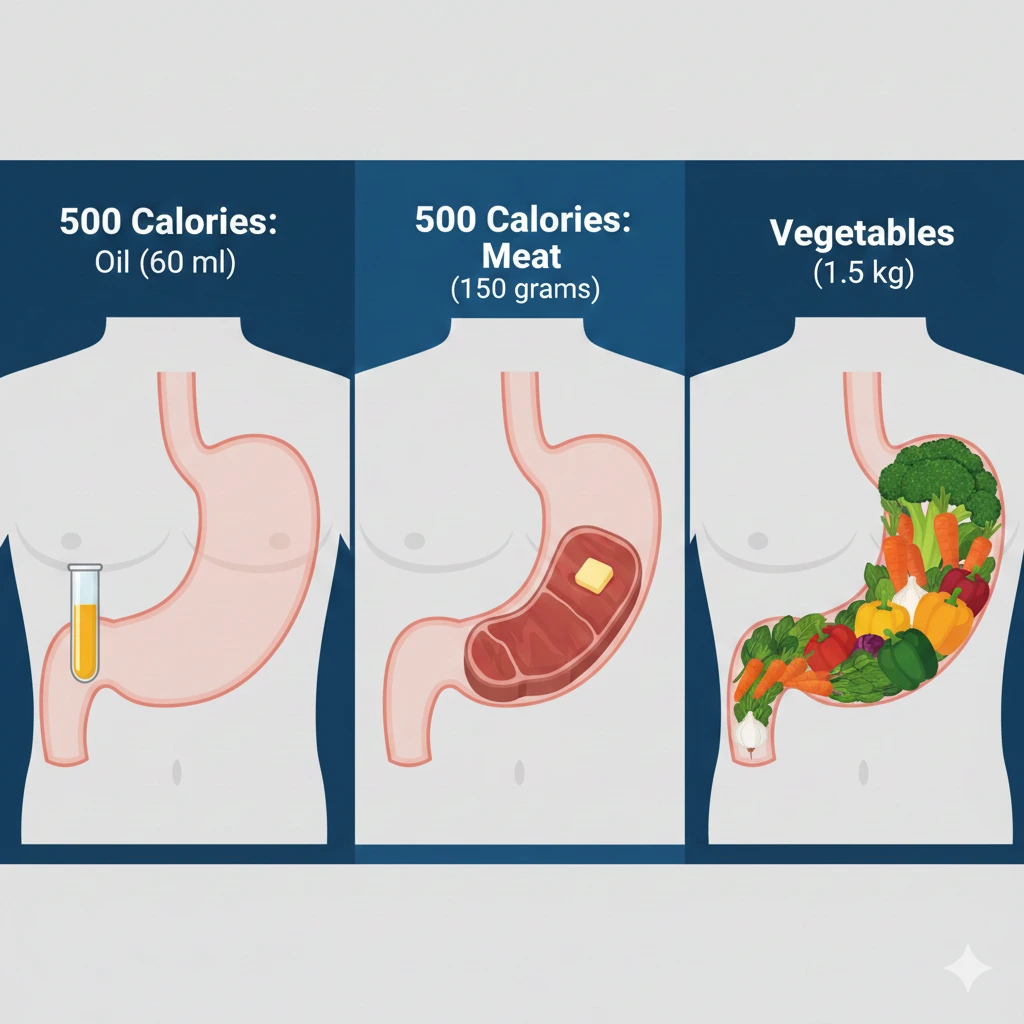
One of the most complex parts of dieting is feeling hungry all the time. Doctors say a plant-based diet solves this through something called calorie density.
Foods like meat, cheese, and oil have a lot of calories in a minimal amount.
Meanwhile, vegetables and fruits have few calories. They fill your stomach quickly because they contain a lot of water and fibre. This means you can eat a large, satisfying plate of food and still lose weight.
According to studies, those who follow a plant-based diet frequently have lower body mass indices (BMIs).
In many clinical trials, people lost more weight on a plant-based diet than on other diets. This was true even when they didn’t have to limit their food intake. They felt full faster.
Therefore, it is a great long-term strategy for staying at a healthy weight without the stress of counting every calorie.
Fighting Inflammation and Boosting Immunity
Inflammation is like a tiny fire burning inside your body. If it remains active for too long, it can cause pain, fatigue, and diseases such as arthritis.
Doctors say that animal products and processed foods can increase inflammation.
Plants, however, are packed with antioxidants and phytochemicals. These are natural “fire extinguishers” that protect your cells from damage.
Colourful foods, like purple grapes, green spinach, and orange carrots, are great for your immune system.
These foods provide the tools needed to fight germs and keep your body balanced.
Many patients notice that their joint pain or skin problems improve soon after they increase their intake of plant foods.
Gut Health: Your Body’s Second Brain
Did you know that trillions of tiny “good” bacteria live in your gut? These bacteria help you digest food and even affect your mood. Doctors call this the microbiome.
The one thing these good bacteria love more than anything else is fibre. Since fibre is only found in plants, a plant-based diet is like a feast for your gut health.
Feed these bacteria well. They produce specialised acids that reduce inflammation and boost your immune system.
On the other hand, a diet high in meat and low in plants can promote “bad” bacteria linked to heart disease. By eating more beans, grains, and veggies, you are keeping your “second brain” happy and healthy.
Cancer Prevention: The Protective Power of Plants
Doctors say that about one-third of all cancers can be prevented by changing our diet.
Eating more plants lowers the risk of many cancers, especially colorectal cancer.
Why is this?
Plants have special compounds that can actually block cancer-causing chemicals. Also, the high fibre in plants helps waste move through your system quickly. This keeps your colon healthy.
Furthermore, a plant-based diet reduces your risk of obesity-related malignancies and helps maintain a healthy weight.
No diet can promise you won’t get sick, but doctors say plants are a strong defence.
Addressing the “Protein Myth” and Other Concerns
The most common question doctors get is: “Where do you get your protein?”
The simple answer is: from the same place the animals get it—plants!
Strong animals like elephants, rhinos, and bulls are all plant-eaters. Doctors say you can get all the protein you need from beans, lentils, peas, nuts, and even some vegetables.
As long as you eat enough calories and a variety of foods, protein deficiency is seldom an issue.
However, there is one crucial thing doctors want you to know: Vitamin B12.
Bacteria make this vitamin, which is not naturally found in plants today. If you go 100% plant-based, you must take a B12 supplement or eat fortified foods.
Doctors suggest watching your iron and Vitamin D. You can easily get these from a balanced diet with leafy greens and some sunshine.
Simple Tips to Start Your Journey
Starting a plant-based diet doesn’t have to be scary.
Doctors recommend starting small. You don’t have to change everything overnight to see benefits.
Here are some easy ways to transition:
Meatless Mondays: Set aside one day each week to eat entirely plant-based meals.
The “Half-Plate” Rule: Vegetables should make up half of your plate at every meal.
Swap the Milk: Try almond, soy, or oat milk instead of cow’s milk.
Focus on Addition: Instead of thinking about what you are “quitting,” think about adding one new fruit or veggie to your day.
In addition to these tips, remember that progress is better than perfection. Every plant-based meal you choose is a win for your health.
FAQ: People Also Ask
Is a plant-based diet actually healthy?
Yes. Major medical groups, such as the American Heart Association and the Academy of Nutrition and Dietetics, state that a well-planned plant-based diet is healthy for people of all ages.
Do doctors recommend being 100% vegan?
Not necessarily. Many doctors see great results from a 100% vegan diet. Most folks think a “plant-forward” diet, heavy on plants and light on meat, is really good for health.
What are the risks of a plant-based diet?
The main risk is not getting enough Vitamin B12. It is also essential to consume enough calories and a variety of foods, so you don’t miss out on minerals like zinc and iron.
Can a plant-based diet reverse heart disease?
Yes, clinical evidence from doctors like Dr Caldwell Esselstyn has shown that a very strict whole-food, plant-based diet can actually shrink arterial blockages and improve blood flow.
Conclusion: A Prescription for a Long Life
The verdict is in: eating more plants is great for your body.
A plant-based diet clearly protects your heart. It increases your energy and helps you maintain a healthy weight.
Plants can help prevent future illness or manage existing conditions.
You don’t need a fancy kitchen or expensive supplements—just a trip to the produce aisle. Your body will thank you for years to come.
By Zama Zincume · 6 October 2025 The habits that stuck, the surprises I didn’t see coming, and the gentle lessons I’m taking into the new year. Table of Contents Introduction: How This Year Felt (In A Word? Grounding.) Here’s my story on what plant-based …
By Zama Zincume · 6 October 2025 Gentle, whole-food choices to soothe your system, stabilise energy, and start the new year feeling light and strong. Table of Contents A Softer Reset (No Extremes Required) This is your guide to anti-inflammatory foods to help you reset …
Plant-based living at South African universities is growing. Rhodes University shows both promise and challenges in this shift.
Key Takeaways:
Growing Interest: More students want plant-based options. This is due to health, ethics, and environmental concerns.
Limited Choices: Cafeterias often offer only a few plant-based options. Students struggle to find satisfying possibilities.
Awareness Efforts: Campaigns help raise awareness about plant-based diets. Events and workshops attract more interest.
Community Support: Student groups are forming to promote plant-based living. They share recipes and tips, helping each other.
Institutional Challenges: Universities face budget and supply issues. These can limit the availability of plant-based foods.
In summary, Rhodes University provides valuable lessons on embracing plant-based living. The journey includes both growth and obstacles.
By EatingPlantBasedZA
Introduction: When Students Shape the Future of Food
If you’ve strolled through a South African university cafeteria, you know the vibe.
Trays of boerie rolls sit next to vegan wraps. Soy cappuccinos are beside classic milkshakes. One student shares excitedly why oat milk is the best choice.
Something is changing.
Young South Africans are rethinking their diets.
They care about personal health, but also the planet, animals, and their wallets. However, even with this quiet shift, there hasn’t been much research on why young people choose or reject plant-based diets—until now.
A 2025 study at Rhodes University in Makhanda reveals key insights into plant-based eating among students. It examines their motivations, challenges, and opportunities (Andersson & Thondhlana, 2025).
Let’s unpack what this research tells us — and what it means for the future of plant-based living in South Africa.
The Study: A Snapshot of Student Eating Habits
Researchers C. Andersson and G. Thondhlana surveyed 300 students at Rhodes University. They wanted to find out how many people follow a plant-based diet. They also asked what motivates these choices and what obstacles people face.
Here’s what they found:
31% of students reported following a plant-based diet. However, when we exclude “flexitarians,” the figure falls to 18%.
More women than men reported eating a plant-based diet.
Top motivations included animal welfare, environmental sustainability, and personal health.
The top barriers were high perceived cost and lack of knowledge.
Research shows that this generation gets why plant-based eating matters. But they still find it hard to know how to do it.
Why Plant-Based Diets Matter — Especially for Students
University students are more than a group; they’re the future’s policymakers, entrepreneurs, and educators. The habits they form today can shape South Africa’s food future.
Climate and Sustainability
Plant-based diets help cut greenhouse gas emissions and save natural resources. For a country like South Africa — one of the most water-stressed in the world — that’s a big deal.
Every plate of lentils over lamb is a small but meaningful act of sustainability.
Yet as the Rhodes study found, while environmental concern is a strong motivator, it’s not the only one. Many students connect their diet choices to ethical and personal values, too.
Conscious Consumption
The researchers found that students who prioritised “respecting the earth” and “protecting the environment” were more likely to adopt plant-based diets.
This suggests that plant-based eating isn’t just about food — it’s about identity. It’s about aligning lifestyle with values.
For students, this means joining a global movement. It’s about ethics and justice, but also kale smoothies.
The Motivations: Why Students Go Plant-Based
The study’s findings read like a mirror reflecting the values of a new generation.
Here’s a closer look at the top motivators:
1. Animal Welfare Comes First
Animal welfare was the leading reason students gave for following plant-based diets.
This shows a rising awareness of empathy. This isn’t surprising in a country where the ethical costs of animal agriculture are clear. Documentaries, social media, and NGO campaigns highlight these issues.
For many young people, choosing lentils over lamb isn’t just a dietary choice — it’s a moral one.
2. Environmental Sustainability
Environmental concerns, such as reducing carbon footprints, come in second. They strongly appeal to students who are aware of the climate crisis.
Wildfires, droughts, and floods are now common news in South Africa. Young people see the link between their food choices and the health of the planet.
3. Health and Wellness
Personal health ranked third.
Many students reported feeling better after reducing their intake of meat and dairy. They noticed clearer skin, improved digestion, and more energy.
The global rise in “plant-based wellness culture” has likely influenced this trend. This includes smoothie bowls, gym influencers, and vegan challenges.
4. Influence of Family and Friends
Social influence matters.
Students with vegan or vegetarian friends were more likely to adopt a vegan or vegetarian diet.
As plant-based options become more popular, this peer effect grows. It’s like “eco peer pressure,” but in a positive way.
5. Saving Money (Yes, Really)
Some see veganism as costly, but others say it saves money.
When done right, meals with staples like beans, rice, lentils, and seasonal veggies can cost less than meat-heavy diets.
This economic detail shows that views on affordability rely on how we approach plant-based eating.
The Barriers: What’s Holding Students Back?
Despite strong motivations, only 18% of students (excluding flexitarians) were fully plant-based. Why?
1. The Cost Perception Problem
Many respondents felt that eating plant-based food was “too expensive.”
This view often comes from the cost of processed vegan foods. For example, consider Beyond Burgers, almond milk, and imported mock meats.
Traditional South African diets include many affordable, plant-based staples. These are:
Pap
Morogo
Beans
Lentils
Samp and beans (umngqusho)
The challenge is to rebrand local foods. They need to be seen as plant-based and appealing, not just as “poverty food.”
2. Lack of Knowledge
Students said they don’t know how to plan balanced, tasty plant-based meals. This barrier reflects a gap in both nutritional education and practical cooking skills.
University dining halls and student unions might improve things by holding workshops, offering recipe cards, and adding affordable vegan options.
3. Cultural Attachment to Meat
South Africa loves meat. Braais, biltong, and boerewors are its top symbols.
For many, cutting out meat can feel like losing part of one’s identity or social belonging.
The study didn’t directly measure cultural attitudes, but the tension is evident.
What This Means for Universities (and South Africa at Large)
Universities as Food Sustainability Hubs
Campuses like Rhodes are microcosms of the national food system. By supporting plant-based options, universities can set a precedent for the country.
Imagine:
Dining halls showcase bean stews and veggie curries alongside traditional meat dishes.
Partnerships with local farmers growing plant proteins.
Education is Empowerment
The researchers emphasise that promoting plant-based diets requires education — not preaching.
Students must see how plant-based eating relates to their values: respect for the earth, health, justice, and compassion. When those dots are joined, the shift feels natural, not forced.
Collaboration with Local Communities
South African universities can team up with local food vendors and small farmers. This way, they can offer affordable and accessible plant-based options.
This helps both the environment and society. It’s a win-win and supports South Africa’s food sovereignty goals.
Rethinking “Plant-Based” in the South African Context
The term “plant-based” often brings to mind Western veganism, like soy lattes, quinoa bowls, and vegan cheese from abroad.
But in the South African context, it’s essential to decolonise the narrative.
Before industrial meat production, most African diets focused on plants. They included grains, legumes, vegetables, fruits, and some meat.
Going back to these roots is not just about sustainability. It’s also about reviving culture.
Plant-based eating is not new; it’s ancestral.
We focus on traditional dishes like morogo, chakalaka, and samp and beans. These meals remind us of our roots.
The Gender Dimension
Interestingly, more female students reported eating plant-based foods than male students did.
This gender gap reflects global trends. Women often show greater empathy for animals and a more substantial concern for the environment.
This doesn’t mean men are uninterested. Instead, it shows that the media often portrays plant-based eating as “feminine.”
We need visible male role models to change this story.
Athletes, musicians, and chefs should embrace plant-forward lifestyles. They can make plant-based living aspirational, not just an alternative.
From Campus to Community: Scaling the Movement
The Rhodes study provides a strong guide for promoting plant-based eating outside the university.
Here’s how South Africa can build on this momentum:
1. Policy Support
Promote plant-based diets in national food guidelines. Focus on health and sustainability.
2. Affordability Initiatives
Subsidise local plant protein crops, such as beans, lentils, and peas. Also, promote student entrepreneurship in plant-based meal prep and delivery.
3. Visibility Campaigns
Use social media, influencer partnerships, and campus events to normalise plant-based eating. The more visible it is, the more socially acceptable it becomes.
4. Curriculum Integration
Add sustainability and ethical food systems to university courses. Focus on nutrition, environmental studies, and business.
The Emotional Side of Eating
Food isn’t just fuel — it’s culture, comfort, and community.
For students finding their independence, food choices can feel very emotional.
Choosing a plant-based lifestyle is a way to define yourself. It reflects your values in a world facing many challenges.
This emotional component is key to understanding why plant-based movements thrive on storytelling.
Students share why they went vegan or how they made their first lentil curry. They’re not just swapping recipes; they’re creating a new cultural story.
What’s Next?
The Rhodes University study ends on a positive note.
To promote plant-based diets, we should link them to values people care about, like respect for the earth, compassion, and justice.
If South African institutions, brands, and media outlets tap into this connection, we might witness an intense wave of dietary change on campuses. This change could spread to homes, cities, and policies.
We’ll see bean stews and braais living together in harmony. This could be a unique South African approach to sustainability.
The choices we make at mealtime can impact not just our waistlines but the world around us.
The Rhodes study shows that moving to a plant-based future is personal and political.
It starts in the dining hall. It spreads through conversation. And it takes root in values that every South African can relate to — care for people, the planet, and the future.
Reference: Andersson, C. & Thondhlana, G. (2025). Plant-based diets among students at Rhodes University, South Africa: Prevalence, motivations, and barriers. Frontiers in Sustainable Food Systems.
About EatingPlantBasedZA
At EatingPlantBasedZA, we want to make sustainable eating simple, affordable, and a source of pride for South Africans. Whether you’re a flexitarian, vegan, or just curious, we’re here to help you eat well — for yourself and the planet.
Hi there—and welcome to my guide on vegan desserts South Africa. If you’ve ever wished you could enjoy classic South African sweet treats while staying 100% plant-based, you’re in for a treat. In this article, I’ll walk you through what makes a dessert truly vegan …