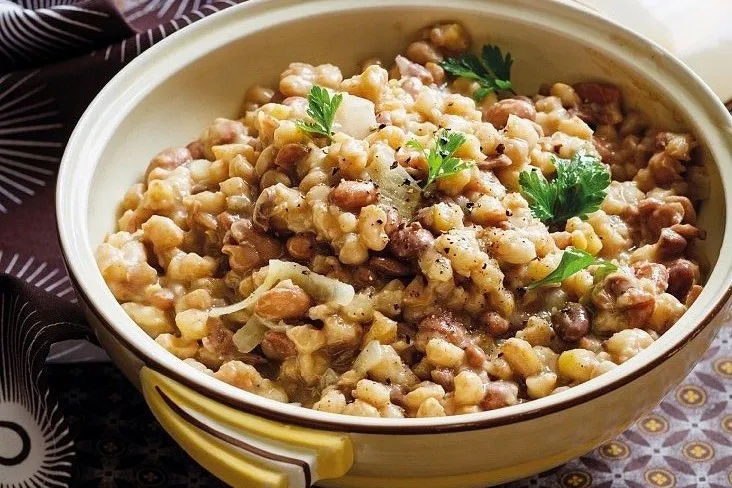
Getting a good night’s rest is one of the best things you can do for your health. If you are tossing and turning, the answer might be on your dinner plate. Many people are learning how to sleep better by eating plant-based foods. Research shows …
Enjoy your WFPB brown rice & chakalaka recipe. This recipe is oil-free. It uses water or vegetable broth for sautéing. It also focuses on whole, unprocessed ingredients. Part 1: The Brown Rice Ingredient Quantity Note Brown Rice (long or medium grain) 1 cup High in …
This recipe is oil-free and low-sodium. It features a cashew-based “ricotta” and a veggie-rich tomato sau
Yields: 8-10 servings
Prep Time: 45 minutes
Cook Time: 40-50 minutes
I. Ingredients
1. The Tomato-Vegetable Sauce (The Base)
Ingredient
Quantity
Note
Crushed Tomatoes (no salt added)
2 (28 oz) cans
The cornerstone of the sauce.
Onion, diced
1 large
Sautéed dry (or in a splash of water/broth) for flavor.
Garlic, minced
4-6 cloves
The more, the merrier!
Zucchini, diced
2 medium
Adds texture and moisture.
Mushrooms (e.g., cremini), sliced
16 oz
Provides a deep, umami flavor.
Carrots, shredded or finely diced
1 cup
Adds natural sweetness and color.
Red Bell Pepper, diced
1 large
For color and Vitamin C.
Dried Basil, Oregano, Thyme
1 tsp each
Classic Italian herb blend.
Red Pepper Flakes (optional)
1/4 tsp
For a little heat.
Vegetable Broth (no salt added)
1/2 cup
For dry-sautéing and thinness.
2. The WFPB “Ricotta” (The Creamy Layer)
Ingredient
Quantity
Note
Raw Cashews, soaked
1 cup
Soak in hot water for 30 min, then drain. Essential for creaminess.
Tofu (extra-firm, pressed)
1 block (14 oz)
Adds protein and body; crumble it up.
Nutritional Yeast
1/4 cup
Provides a cheesy, savory flavor.
Lemon Juice
2 Tbsp
Brightens the flavor and mimics the tang of cheese.
Garlic Powder
1 tsp
Dried Basil & Oregano
1/2 tsp each
Plant Milk (unsweetened, unflavored)
1/4 – 1/2 cup
To help blend the cashews smooth.
3. The Layers
Ingredient
Quantity
Note
Whole Wheat Lasagne Noodles
9-12 sheets
Choose whole grain for fiber and nutrients.
Fresh Spinach
5 oz package (or 5 cups)
No need to pre-cook; it wilts in the oven.
II. Instructions (The Evidence-Based Approach)
1. Prepare the Whole Wheat Lasagne Noodles
Boil the lasagne noodles according to package directions until al dente (slightly firm). Drain and set aside.
2. Make the Tomato-Vegetable Sauce
Dry Sauté: Heat a large pot or Dutch oven over medium heat. Add the diced onion with a splash of vegetable broth or water (instead of oil). Cook until translucent (5-7 minutes).
Build the Flavor: Add the garlic, zucchini, mushrooms, carrots, and bell pepper. Cook the vegetables until they soften, which takes about 10 minutes. If they stick, add small amounts of broth.
Simmer: Stir in the crushed tomatoes, herbs, and red pepper flakes. Bring to a simmer, then reduce heat and cook, uncovered, for about 15-20 minutes to let the flavors deepen.
3. Create the WFPB “Ricotta”
Blend the Cream: In a high-speed blender, combine the soaked cashews, lemon juice, nutritional yeast, garlic powder, and plant milk. Blend until perfectly smooth and creamy.
Combine: In a bowl, add the smooth cashew cream and the crumbled tofu. Gently mix with a fork, incorporating the dry herbs. Do not overmix. This is your nutrient-dense, high-protein cheese substitute.
4. Assemble the Lasagne
Preheat the oven to 375^F or 190^C.
Bottom Layer: Spread a thin layer of the tomato-vegetable sauce on the bottom of 9 X 13-inch baking dish.
Layer 1: Place 3-4 lasagne noodles over the sauce.
Layer 2 (Ricotta): Drop spoonfuls of the WFPB “ricotta” over the noodles and gently spread it out.
Layer 3 (Greens): Spread about half of the fresh spinach evenly over the ricotta.
Layer 4 (Sauce): Spoon about a quarter of the remaining tomato-vegetable sauce over the spinach.
Repeat: Add another layer of noodles, the remaining ricotta, the remaining spinach, and a second layer of sauce.
Top Layer: Finish with a final layer of noodles and the rest of the tomato-vegetable sauce.
5. Bake
Cover the dish tightly with aluminum foil.
Bake for 30 minutes.
Uncover and bake for another 10-15 minutes, or until the sauce is bubbly and the top is slightly caramelized.
Rest: Let the lasagne rest for 10-15 minutes before slicing and serving. This allows the layers to set and prevents it from falling apart.
Why this is Evidence-Based WFPB:
Whole Grains: Uses whole wheat noodles for more fiber, B vitamins, and complex carbs instead of refined white flour.
No Added Oils: All vegetables are dry-sautéed or cooked in broth. This method cuts out empty calories and saturated fat from added oils.
Nutrient-Dense Cream: This “ricotta” is made from whole, raw cashews. They offer healthy fats, magnesium, and Vitamin K. It also has tofu for complete protein and calcium. This makes it a great alternative to high-fat dairy cheese.
Veggie-Focused: This sauce has 5 different vegetables. It boosts your daily fiber, vitamins, and antioxidants.
Low Sodium: Relies on herbs, spices, garlic, onion, and lemon juice for flavor, keeping added sodium levels minimal.
Introduction: Embracing the Gluten-Free Plant-Based Lifestyle in South Africa Here’s your ultimate guide to delicious & easy gluten-free plant-based recipes in South Africa. The way South Africa eats is changing. More people are looking for plant-based (vegan) and gluten-free recipes. They are also learning about …
Here are your comprehensive restaurant reviews in Durban. Durban, the gem of KwaZulu-Natal, has a lively food scene that matches its rich culture. By Magda Ehlers. https://www.pexels.com/@magdaehlers It’s a city where the spicy scent of famous curry mixes with the salty air from the Indian …
The idea that a whole food plant-based diet is unattainable for many South Africans is understandable, but it is also incredibly deceptive.
Long before the term “plant-based” was popular, South African meals centred on beans, grains, vegetables, and seasonal produce.
It sounds costly, time-consuming, foreign, and like something meant for health influencers with imported ingredients and beautifully decorated kitchens.
Samp and beans, lentil stews, maize meal, pumpkin, cabbage, morogo, and home-cooked veggies weren’t in style. They were normal food.
What changed wasn’t our access to healthy ingredients. What changed was how marketers began marketing food to us.
Ultra-processed convenience foods, “health” products with premium price tags, and social media aesthetics have led people to believe that achieving good health must be complicated and costly.
Whole Food Plant-Based Myth
Many people now think a whole food plant-based diet is something you buy, not build.
This guide exists to correct that idea.
A whole food plant-based diet is not about perfection. It’s not about vegan labels, imported powders, or strict rules.
It’s about using affordable staples to make healthy meals. This way, you can eat well over time without draining your budget or energy.
In this article, you’ll learn:
What a whole food plant-based diet actually means (without confusion).
Why is this way of eating affordable in South Africa when done correctly?
The Staple-First System makes it sustainable.
What a real plant-based day looks like using local food.
How beginners can start without overwhelm or drastic changes
This is not a detox, a challenge, or a trend. It’s a practical system you can live with.
A whole-food, plant-based (WFPB) diet emphasises whole, unprocessed plant foods.
The emphasis is on whole foods, not on labels like vegan or vegetarian.
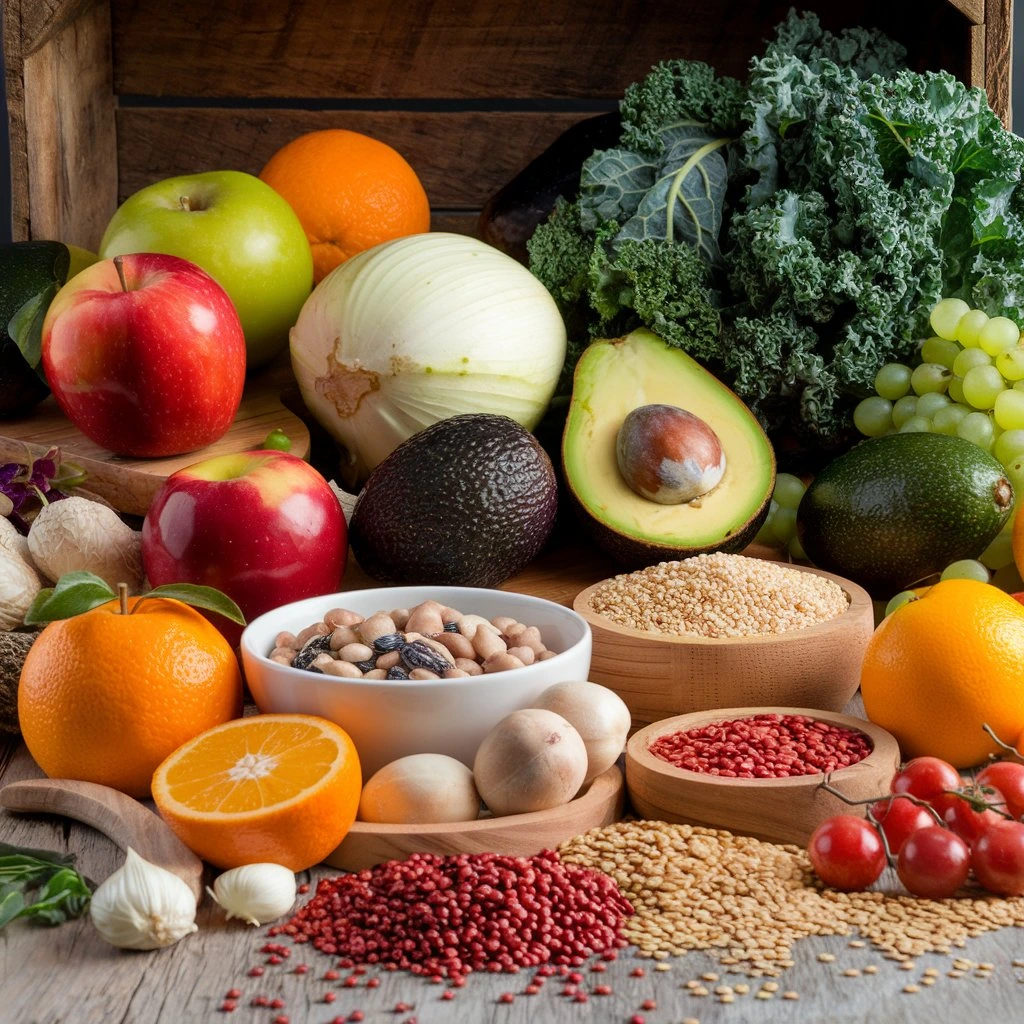
Core foods in a WFPB diet include:
Dry beans and lentils.
Whole grains such as maize meal, rice, and oats.
Potatoes and other starchy vegetables.
Vegetables (exceptionally affordable basics like cabbage, carrots, and onions).
Seasonal fruit.
Small amounts of nuts and seeds.
These foods share a few essential characteristics:
They are naturally high in fibre.
They are filling and energy-sustaining.
They are widely available in South African supermarkets.
They are affordable when bought as staples.
What a WFPB diet does not require:
Vegan meat replacements.
Vegan cheeses or processed snacks.
Imported superfoods.
Complicated recipes.
Perfect adherence.
This distinction matters.
Many people give up on plant-based eating because they try to follow a product-based approach. When your meals rely on speciality items, costs can climb fast. This makes consistency hard to maintain.
A whole food plant-based diet works best when it looks boring on paper—and feels nourishing in real life.
One of the most common concerns people raise is cost. “I’d love to eat plant-based,” they say, “but it’s too expensive.”
In most cases, what they are really reacting to is the cost of processed vegan products, not the cost of whole foods.
The cost illusion comes from a few places:
1. Confusing “plant-based” with “packaged vegan”
Vegan sausages, burgers, cheeses, and ready meals are convenience foods. Like all convenience foods, they come with a higher price tag. When people build their meals around these items, plant-based eating becomes unnecessarily expensive.
2. Social media distortion
Online, plant-based meals are often presented as colourful bowls filled with exotic ingredients. These images create the impression that variety and novelty are essential. In reality, health comes from repetition, not constant reinvention.
3. Speciality aisles vs staple aisles
In most supermarkets, you won’t find the cheapest and healthiest foods in the “health” section. They are found in the dry goods aisle, the produce section, and the freezer.
A comparison makes this clear:
Vegan burger: R70–R100
Dry beans (500 g): R20–R30
Cabbage: often under R20
Maize meal: one of the most affordable staples available
Health becomes affordable when staples replace products.
Later, I’ll also share the exact grocery framework I use — the same one that has helped thousands of beginners eat well without blowing their budget.
The Staple-First System: The Foundation of Sustainable Eating
At Eating Plant-Based ZA, everything is built around what we call the Staple-First System.
This approach removes confusion and enables consistency.
Step 1: Choose 10–12 Core Staples
These are foods you buy every week or every month. They form the base of almost every meal.
A typical South African staple list might include:
Dry beans or lentils.
Oats or maize meal.
Rice or potatoes.
Onions.
Carrots.
Cabbage
Frozen vegetables.
Seasonal fruit.
Peanut butter.
You don’t need dozens of ingredients. You need a reliable few.
Step 2: Rotate Flavour, Not Ingredients
Instead of constantly changing what you eat, you change how you eat it:
Different spices.
Different cooking methods.
Different combinations.
This keeps meals interesting without increasing cost or effort.
Step 3: Cook Once, Eat Many Times
Batch cooking is not about meal prep perfection. It’s about reducing daily decisions.
When beans, starches, and vegetables are already cooked, meals become easy to assemble. This is one of the most powerful habits for long-term success.
Consistency is not about motivation. It’s about making the default option the healthy one.
The Health Benefits of a Whole Food Plant-Based Diet
Fibre aids digestion and feeds good gut bacteria. It helps control blood sugar and makes you feel full.
Many South Africans eat less fibre than they should. This is mainly because they rely on refined foods.
Blood sugar stability
Meals built around whole grains, legumes, and vegetables release energy more slowly. This helps prevent energy crashes and supports metabolic health.
Heart health
Whole plant foods are naturally low in saturated fat and free from cholesterol. Over time, this pattern supports cardiovascular health.
Weight regulation
Whole foods are filling without being overly energy-dense. This makes it easier to maintain a healthy weight without having to track calories.
Long-term sustainability
This eating style is affordable and familiar. So, it’s easier to stick with it for years, not just weeks.
This is not about quick results. It’s about building a pattern that quietly supports health over time.
What a Real Day of Plant-Based Eating Looks Like (SA Edition)
Many people think plant-based eating needs complex meals.
In reality, structure matters more than variety.
Breakfast
Oats or maize porridge
Seasonal fruit (banana, apple, pear)
An optional spoon of peanut butter
Lunch
Beans or lentils
Rice or potatoes
Cooked vegetables (cabbage, carrots, onions)
Dinner
Leftovers from lunch
Add extra vegetables or frozen veg if needed
Snacks (if hungry)
Fruit
Peanuts
Leftovers
This kind of day may not look exciting on social media, but it is convenient. It is filling, affordable, and easy to repeat.
Common Beginner Mistakes (and How to Avoid Them)
Trying to change everything at once
Sudden, drastic changes are challenging to maintain. Starting with one plant-based meal per day is often more effective.
Under-eating starches
Many beginners fear carbohydrates and end up feeling hungry and fatigued. Whole grains like maize meal, potatoes, and rice are essential sources of energy.
Over-relying on recipes
Recipes are helpful, but they can become a barrier when every meal requires planning. Simple formulas are easier to follow.
Skipping planning altogether
Without a basic plan, even the best intentions can fall apart during busy weeks.
Awareness of these pitfalls makes them easier to avoid.
How to Start Without Overwhelm
You don’t need to “go plant-based” overnight.
A simple starting path looks like this:
Choose one meal a day to make plant-based.
Build a weekly grocery list around staples.
Repeat the same meals for seven days.
Adjust slowly based on what works.
This approach allows habits to form naturally. Over time, plant-based meals stop feeling like an effort and start feeling normal.
Eating Plant-Based on a Budget: Practical Cost Control
A whole food plant-based diet can reduce food costs when approached intentionally.
Budget-friendly strategies:
Buy dry beans instead of canned beans.
Choose seasonal vegetables.
Use frozen vegetables to reduce waste.
Repeat meals to avoid impulse buying.
Limit speciality products.
When food choices are predictable, spending becomes predictable too.
When Motivation Drops: What to Do
Low-energy days are part of real life. Planning for them is a sign of success, not failure.
Simple default meals:
Oats for dinner.
Toast with peanut butter.
Leftovers with fruit.
Vegetable soup made from frozen vegetables.
Remembering these options keeps small dips in motivation from becoming long detours.
Is This Way of Eating Sustainable Long Term?
Yes—because it aligns with three key principles:
Affordability: based on staples, not on products.
Simplicity: minimal decisions, minimal stress.
Cultural fit: familiar foods, familiar cooking methods.
A whole food plant-based diet does not require constant discipline. It requires a system that supports you even when life gets busy.
A Simple Tool to Make This Easier
A clear grocery structure shows a big difference in practice.
I created a simple R500 Plant-Based Grocery List (SA Edition). It’s a printable guide to help you shop for a week’s worth of affordable, local staples.
It removes guesswork and makes the system visible.
This recipe is naturally high in fibre, complex carbohydrates, and plant-based protein, offering a complete and satisfying meal. Part 1: Whole Grain Pap (The Starch Base) WFPB Principle: Using whole grain maize meal ensures maximum fibre and nutrient retention. Ingredients: Instructions: Part 2: Savory WFPB …
Updated: 30 December 2025 • South Africa If you’re shopping vegan in South Africa, Dis-Chem is one of the easiest places to fill your basket in one shot—pantry staples, cruelty-free beauty, plant proteins, snacks, baby care, and more. This guide pulls everything together so you …
By EatingPlantBasedZA — evidence-based, South African, and proudly plant-powered
Here’s your ultimate 2026 guide to plant milk South Africa, including types, nutrition, sustainability, and smart shopping.
From café flat whites to family breakfast bowls, plant milk has moved from niche to normal in South Africa.
This guide gives you a local, practical, and science-savvy map to plant milk in SA—what to buy, how to read labels, which options work best for coffee vs. cooking, and how to support local producers while meeting your nutrition goals.
What Counts as “Plant Milk” in South Africa?
“Plant milk” refers to beverages made from oats, soy, nuts, seeds, or grains that replace cow’s milk in drinks and recipes.
Use it for: Curries, desserts, tropical smoothies, and iced coffee.
Nutrition: Low protein; check sugar and fortification.
5) Rice Milk
Taste & texture: Very light, naturally sweet.
Use it for: Neutral bakes, cereal, smoothies.
Nutrition: Low protein; often chosen for multi-allergen avoidance—still verify “may contain.”
6) Pea Milk / Protein Blends
Taste & texture: Creamy; good for coffee and sauces.
Use it for: Higher-protein non-soy option.
Nutrition: Often protein-fortified; check label for grams per 100 ml.
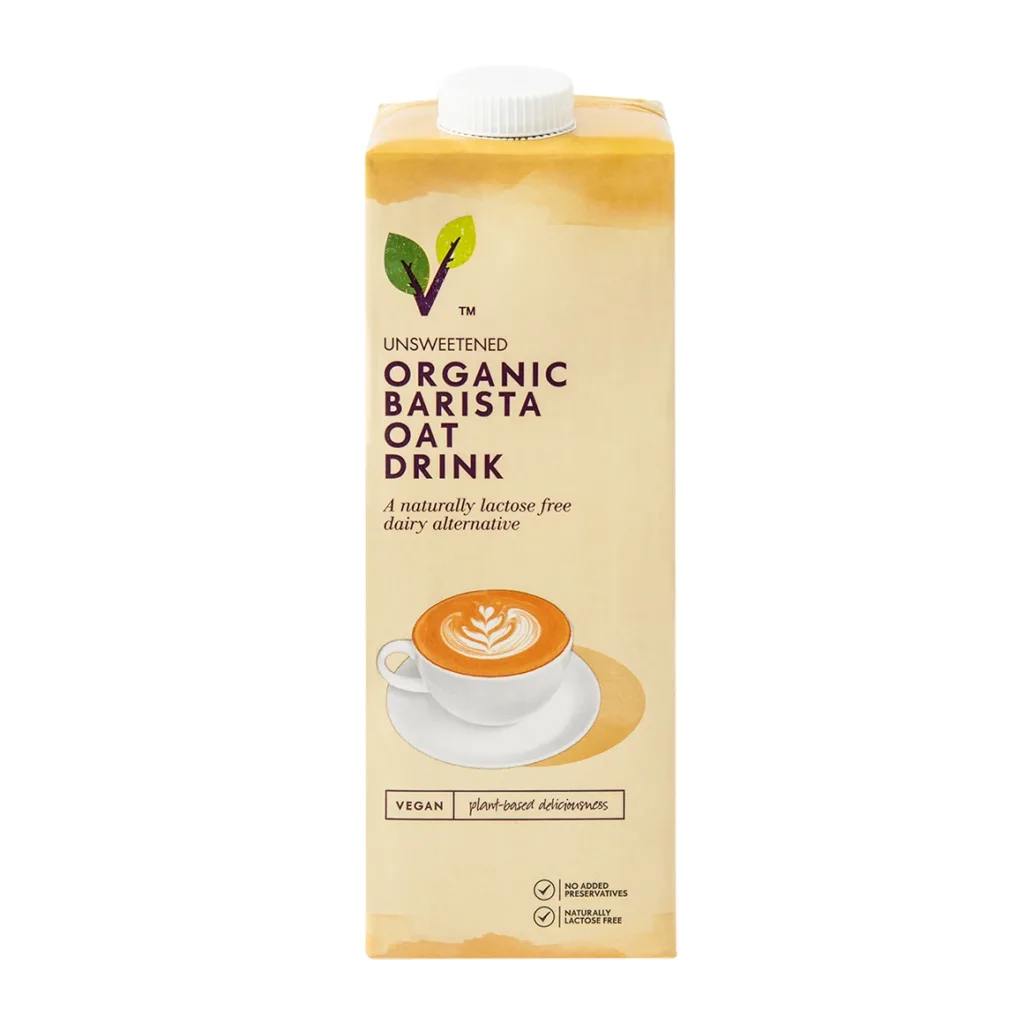
Quick tip: For froth and latte art, choose cartons marked “Barista”. They’re formulated for heat and foam stability.
Read the Label Like a Pro (SA-Specific)
Ingredients: First items tell you the base (water + oats/soy/almonds). Barista blends may include sunflower/rapeseed oil for creaminess and foam.
Fortification: Aim for calcium ~120 mg/100 ml and vitamin B12. Vitamin D is a bonus.
Protein: If you want a dairy-like protein hit, soy or pea milk is your best bet.
Sugar: Choose unsweetened daily; keep flavoured/sweetened for treats.
Allergens: “Contains: soy/almonds/etc.” must appear near the ingredient list; “May contain” indicates cross-contact risk.
Claims: SA rules govern nutrition/health claims—avoid products with prohibited or misleading statements.
How Plant Milk Fits the South African Plate
South Africa’s Food-Based Dietary Guidelines (FBDGs) highlight nutrient-dense choices, historically including milk/maas/yoghurt for calcium, protein, B12 and more. If you’re dairy-free or plant-based, you can cover these needs by choosing fortified plant milks and building meals around legumes, whole grains, vegetables, seeds, and nuts. See the FAO’s page on SA FBDGs and clinical-nutrition papers for context.
Calcium: Choose plant milks fortified to ~120 mg/100 ml; add leafy greens, tahini, and calcium-set tofu.
Vitamin B12: Prefer B12-fortified plant milks if vegan; consider a supplement per your clinician.
Protein: Soy or pea milk + legumes and grains for balance.
Iodine & Vitamin D: Only some products add these—check the panel.
Coffee, Tea, Cooking & Baking: Best Picks
For coffee & latte art: Barista Oat or Barista Almond. Chill, shake, and steam to ~55–60 °C.
For rooibos/tea: Unsweetened oat or almond keeps flavours clean.
Smoothies: Soy for protein, oat for creaminess, coconut for tropical flair.
Cooking: Oat/soy for creamy soups & sauces; coconut drink for curries & desserts.
Baking: Oat or almond in 1:1 swaps in muffins/pancakes.
Sustainability Snapshot (Simple & Local)
Plant milks generally have lower greenhouse-gas emissions per litre than dairy. Oat and soy often rate favourably in lifecycle analyses.
In SA, also consider distance to market, packaging, and, when possible, supporting local producers.
Where to Buy Plant Milk in South Africa (Local Examples)
Lunch: Butternut soup blitzed with oat milk; whole-wheat wraps with grilled veg and almond-milk yoghurt.
Supper: Creamy mushroom pasta with barista oat; Durban-style chickpea curry finished with coconut drink.
Coffee/Tea: Barista oat for frothy cappuccinos; unsweetened almond for rooibos.
Choose the Right Plant Milk for Your Goal
Goal
Best Pick
Why
Higher protein
Barista oat/almond
Closer to dairy’s protein per serving
Best for coffee
Barista oat / almond
Formulated to foam and hold micro-foam
Lowest sugar
Unsweetened variants
Zero added sugar—check labels
Gentle flavour
Oat
Neutral taste for cereal and sauces
Allergy workarounds
Oat/rice
Avoid soy/tree-nut allergens (still verify PAL)
Support local
SA-made brands
Shorter supply chains; community impact
Barista Success at Home (Troubleshooting)
Milk splits? Espresso may be too acidic, or the milk may be too cold. Use barista cartons; chill & shake before steaming.
Flat foam? Stretch to 55–60 °C; higher temps kill micro-foam.
Too thin with cereal? Try oat (creamier) or barista almond.
Kids & Family: What to Know
For children who avoid dairy, speak with a dietitian about growth-critical nutrients (protein, calcium, iodine, B12, vitamin D). A fortified soy or pea milk often works best nutritionally alongside a varied whole-food diet.
Smart Shopping Checklist (Screenshot This)
Unsweetened for everyday use
Fortified with calcium (~120 mg/100 ml) and B12
Protein target (soy/pea if you need more)
Allergens clearly labelled (“Contains: …” + PAL if applicable)
Barista for coffee; standard for cereal/cooking
Check price per 100 ml across brands
Buy local where possible
FAQs: Plant Milk South Africa
Can products use the word “milk” in SA?
Products on SA shelves commonly use “milk,” but labels must comply with R.3337. Always check the ingredient list and nutrition table to evaluate the product.
Which plant milk is healthiest?
No single winner.
For a dairy-like nutrient profile, choose unsweetened, calcium- and B12-fortified soy (or pea). And for coffee texture, choose barista oat/almond. For allergies, consider oat/rice (still check PAL).
Do plant milks meet SA dietary guidelines?
SA FBDGs emphasise nutrient-dense foods. Fortified plant milks can help meet calcium and B12 needs in dairy-free diets when used alongside legumes, grains, veg, seeds, and nuts.
Are plant milks sustainable?
Generally, lower emissions per litre than dairy, oat and soy often rate well. Consider local production and packaging as well.
What about toddlers and preschoolers?
Discuss with a healthcare professional. For dairy-free families, fortified soy is often recommended as a source of protein and micronutrients when paired with a balanced diet.
Introduction: The South African Appetiser Revolution Here’s your guide to plant-based appetisers in South Africa. The air is thick with smoke and laughter. The clinking of ice in glasses mixes with the familiar hiss of meat hitting the grill. This is a South African social …