
Whole Food Plant-Based Diet in South Africa
Introduction: Why This Guide Exists
The idea that a whole food plant-based diet is unattainable for many South Africans is understandable, but it is also incredibly deceptive.
Long before the term “plant-based” was popular, South African meals centred on beans, grains, vegetables, and seasonal produce.
It sounds costly, time-consuming, foreign, and like something meant for health influencers with imported ingredients and beautifully decorated kitchens.
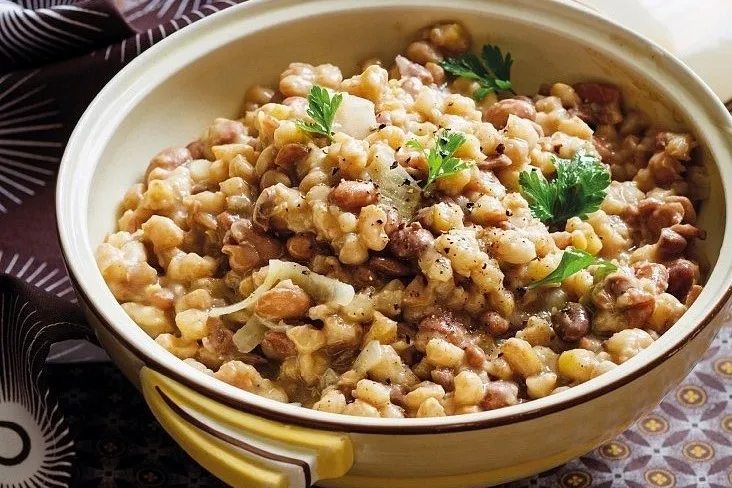
Samp and beans, lentil stews, maize meal, pumpkin, cabbage, morogo, and home-cooked veggies weren’t in style. They were normal food.
What changed wasn’t our access to healthy ingredients. What changed was how marketers began marketing food to us.
Ultra-processed convenience foods, “health” products with premium price tags, and social media aesthetics have led people to believe that achieving good health must be complicated and costly.
Whole Food Plant-Based Myth
Many people now think a whole food plant-based diet is something you buy, not build.
This guide exists to correct that idea.
A whole food plant-based diet is not about perfection. It’s not about vegan labels, imported powders, or strict rules.
It’s about using affordable staples to make healthy meals. This way, you can eat well over time without draining your budget or energy.
In this article, you’ll learn:
- What a whole food plant-based diet actually means (without confusion).
- Why is this way of eating affordable in South Africa when done correctly?
- The Staple-First System makes it sustainable.
- What a real plant-based day looks like using local food.
- How beginners can start without overwhelm or drastic changes
This is not a detox, a challenge, or a trend. It’s a practical system you can live with.
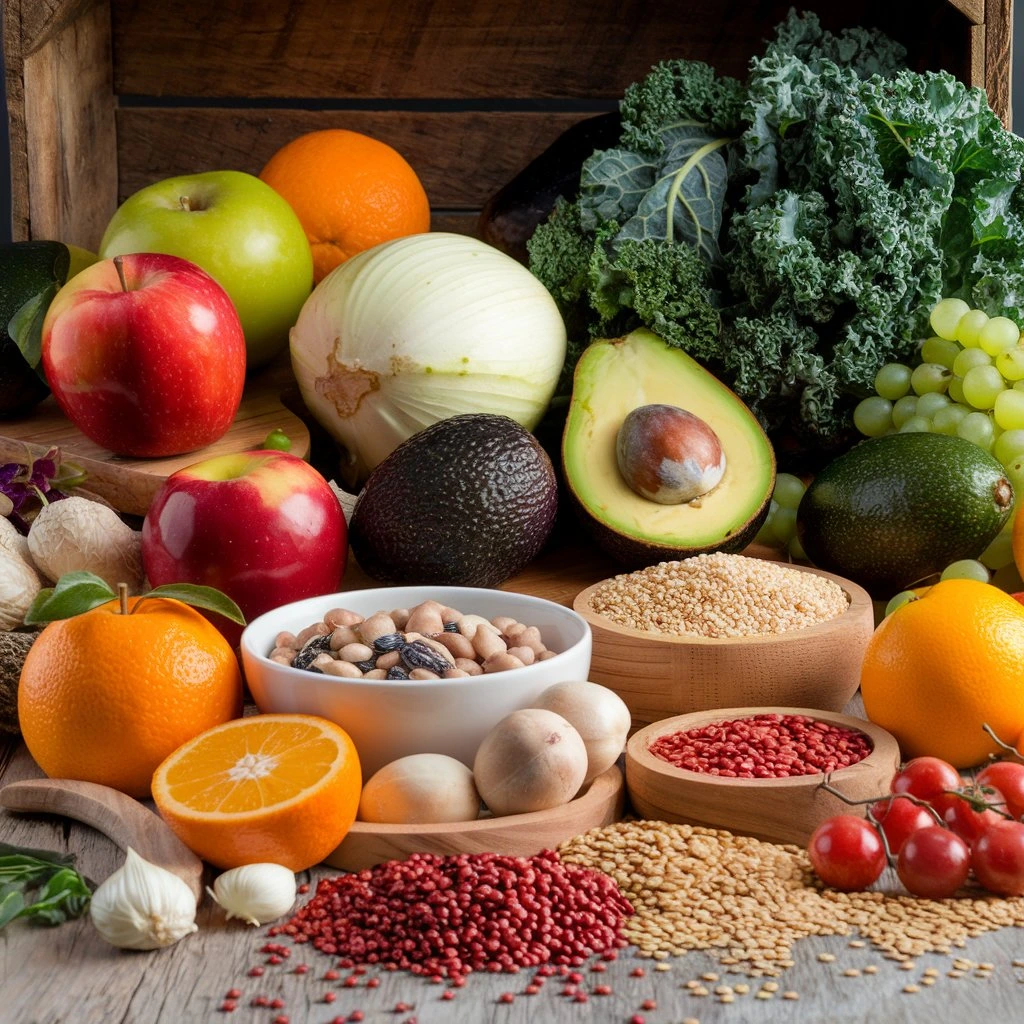
You can have a glimpse on what’s available for you.
What “Whole Food Plant-Based” Really Means
A whole-food, plant-based (WFPB) diet emphasises whole, unprocessed plant foods.
The emphasis is on whole foods, not on labels like vegan or vegetarian.
Core foods in a WFPB diet include:
- Dry beans and lentils.
- Whole grains such as maize meal, rice, and oats.
- Potatoes and other starchy vegetables.
- Vegetables (exceptionally affordable basics like cabbage, carrots, and onions).
- Seasonal fruit.
- Small amounts of nuts and seeds.
These foods share a few essential characteristics:
- They are naturally high in fibre.
- They are filling and energy-sustaining.
- They are widely available in South African supermarkets.
- They are affordable when bought as staples.
What a WFPB diet does not require:
- Vegan meat replacements.
- Vegan cheeses or processed snacks.
- Imported superfoods.
- Complicated recipes.
- Perfect adherence.
This distinction matters.
Many people give up on plant-based eating because they try to follow a product-based approach. When your meals rely on speciality items, costs can climb fast. This makes consistency hard to maintain.
A whole food plant-based diet works best when it looks boring on paper—and feels nourishing in real life.
One of the most common concerns people raise is cost. “I’d love to eat plant-based,” they say, “but it’s too expensive.”
In most cases, what they are really reacting to is the cost of processed vegan products, not the cost of whole foods.
The cost illusion comes from a few places:
1. Confusing “plant-based” with “packaged vegan”
Vegan sausages, burgers, cheeses, and ready meals are convenience foods. Like all convenience foods, they come with a higher price tag. When people build their meals around these items, plant-based eating becomes unnecessarily expensive.
2. Social media distortion
Online, plant-based meals are often presented as colourful bowls filled with exotic ingredients. These images create the impression that variety and novelty are essential. In reality, health comes from repetition, not constant reinvention.
3. Speciality aisles vs staple aisles
In most supermarkets, you won’t find the cheapest and healthiest foods in the “health” section. They are found in the dry goods aisle, the produce section, and the freezer.
A comparison makes this clear:
- Vegan burger: R70–R100
- Dry beans (500 g): R20–R30
- Cabbage: often under R20
- Maize meal: one of the most affordable staples available
Health becomes affordable when staples replace products.
Later, I’ll also share the exact grocery framework I use — the same one that has helped thousands of beginners eat well without blowing their budget.
The Staple-First System: The Foundation of Sustainable Eating
At Eating Plant-Based ZA, everything is built around what we call the Staple-First System.
This approach removes confusion and enables consistency.
Step 1: Choose 10–12 Core Staples
These are foods you buy every week or every month. They form the base of almost every meal.
A typical South African staple list might include:
- Dry beans or lentils.
- Oats or maize meal.
- Rice or potatoes.
- Onions.
- Carrots.
- Cabbage
- Frozen vegetables.
- Seasonal fruit.
- Peanut butter.
You don’t need dozens of ingredients. You need a reliable few.
Step 2: Rotate Flavour, Not Ingredients
Instead of constantly changing what you eat, you change how you eat it:
- Different spices.
- Different cooking methods.
- Different combinations.
This keeps meals interesting without increasing cost or effort.
Step 3: Cook Once, Eat Many Times
Batch cooking is not about meal prep perfection. It’s about reducing daily decisions.
When beans, starches, and vegetables are already cooked, meals become easy to assemble. This is one of the most powerful habits for long-term success.
Consistency is not about motivation. It’s about making the default option the healthy one.
The Health Benefits of a Whole Food Plant-Based Diet
A whole food plant-based diet promotes health. It does this not because it’s extreme, but because it matches how our bodies process food.
High fibre intake
Fibre aids digestion and feeds good gut bacteria. It helps control blood sugar and makes you feel full.
Many South Africans eat less fibre than they should. This is mainly because they rely on refined foods.
Blood sugar stability
Meals built around whole grains, legumes, and vegetables release energy more slowly. This helps prevent energy crashes and supports metabolic health.
Heart health
Whole plant foods are naturally low in saturated fat and free from cholesterol. Over time, this pattern supports cardiovascular health.
Weight regulation
Whole foods are filling without being overly energy-dense. This makes it easier to maintain a healthy weight without having to track calories.
Long-term sustainability
This eating style is affordable and familiar. So, it’s easier to stick with it for years, not just weeks.
This is not about quick results. It’s about building a pattern that quietly supports health over time.
What a Real Day of Plant-Based Eating Looks Like (SA Edition)
Many people think plant-based eating needs complex meals.
In reality, structure matters more than variety.
Breakfast
- Oats or maize porridge
- Seasonal fruit (banana, apple, pear)
- An optional spoon of peanut butter
Lunch
- Beans or lentils
- Rice or potatoes
- Cooked vegetables (cabbage, carrots, onions)
Dinner
- Leftovers from lunch
- Add extra vegetables or frozen veg if needed
Snacks (if hungry)
- Fruit
- Peanuts
- Leftovers
This kind of day may not look exciting on social media, but it is convenient. It is filling, affordable, and easy to repeat.
Common Beginner Mistakes (and How to Avoid Them)
Trying to change everything at once
Sudden, drastic changes are challenging to maintain. Starting with one plant-based meal per day is often more effective.
Under-eating starches
Many beginners fear carbohydrates and end up feeling hungry and fatigued. Whole grains like maize meal, potatoes, and rice are essential sources of energy.
Over-relying on recipes
Recipes are helpful, but they can become a barrier when every meal requires planning. Simple formulas are easier to follow.
Skipping planning altogether
Without a basic plan, even the best intentions can fall apart during busy weeks.
Awareness of these pitfalls makes them easier to avoid.
How to Start Without Overwhelm
You don’t need to “go plant-based” overnight.
A simple starting path looks like this:
- Choose one meal a day to make plant-based.
- Build a weekly grocery list around staples.
- Repeat the same meals for seven days.
- Adjust slowly based on what works.
This approach allows habits to form naturally. Over time, plant-based meals stop feeling like an effort and start feeling normal.
Eating Plant-Based on a Budget: Practical Cost Control
A whole food plant-based diet can reduce food costs when approached intentionally.
Budget-friendly strategies:
- Buy dry beans instead of canned beans.
- Choose seasonal vegetables.
- Use frozen vegetables to reduce waste.
- Repeat meals to avoid impulse buying.
- Limit speciality products.
When food choices are predictable, spending becomes predictable too.
When Motivation Drops: What to Do
Low-energy days are part of real life. Planning for them is a sign of success, not failure.
Simple default meals:
- Oats for dinner.
- Toast with peanut butter.
- Leftovers with fruit.
- Vegetable soup made from frozen vegetables.
Remembering these options keeps small dips in motivation from becoming long detours.
Is This Way of Eating Sustainable Long Term?
Yes—because it aligns with three key principles:
- Affordability: based on staples, not on products.
- Simplicity: minimal decisions, minimal stress.
- Cultural fit: familiar foods, familiar cooking methods.
A whole food plant-based diet does not require constant discipline. It requires a system that supports you even when life gets busy.
A Simple Tool to Make This Easier
A clear grocery structure shows a big difference in practice.
I created a simple R500 Plant-Based Grocery List (SA Edition). It’s a printable guide to help you shop for a week’s worth of affordable, local staples.
It removes guesswork and makes the system visible.
From Diet to Lifestyle
A whole food plant-based diet is not a short-term fix. It’s a way of eating that becomes easier the longer you do it.
Over time, you may notice:
- More stable energy.
- Simpler grocery trips.
- Less stress around meals.
- A clearer relationship with food.
None of this comes from doing things perfectly. It comes from making small, sensible choices repeatedly.
Health is built quietly, one ordinary meal at a time.
Final Thought
If there is one idea to take from this guide, let it be this:
You do not need exotic foods to eat well. You need reliable staples and a simple system.
A whole food plant-based diet in South Africa is not just possible. It’s practical, affordable, and easy to understand when you keep it simple.
And that is precisely why it works.
If you want the exact shopping list that makes this affordable, I’ve put it into a simple printable guide.
2 thoughts on “Whole Food Plant-Based Diet in South Africa”