Author: Zama Zincume

The Power of Prebiotics for Gut Health and Immunity

The Power of Prebiotics for Gut Health and Immunity

Introduction Learn about the power of prebiotics for gut health and immunity. Have you ever wondered why gut health is being discussed so frequently these days? From social media to health magazines, the gut is the new superstar of wellness. And honestly, it’s for a …

Evidence-Based Plant-Based Nutrition in South Africa

Evidence-Based Plant-Based Nutrition in South Africa

By Zama Zincume · 7 October 2025 Here’s what science has to say about evidence-based plant-based nutrition in South Africa. When I first began eating a plant-based diet in South Africa, I was inspired by the growing global evidence linking this lifestyle to better health …

Evidence-Based Whole Food Plant-Based Diet (WFPB) in South Africa

Evidence-Based Whole Food Plant-Based Diet (WFPB) in South Africa

Introduction: Why This Diet Matters in South Africa

An evidence-based, whole-food, plant-based diet (WFPB) is crucial in South Africa.

Have you ever wondered if the food you eat every day could be the key to a longer, healthier life?

Chronic diseases are increasing in South Africa, just like in many other places. Heart disease, diabetes, and obesity are key concerns.

The Heart and Stroke Foundation of South Africa says that heart disease kills 225 individuals per day.

That’s a surprising number.

A whole food plant-based (WFPB) diet can help prevent and reverse many lifestyle-related diseases.

That’s the good news!

This isn’t just another diet trend. It’s a way of eating that’s backed by decades of scientific research.

And the best part? It can be done affordably and deliciously using local South African ingredients.

If you want to eat healthier on a budget and keep your favourite foods, you’re in the right place.

In this article, I’ll explain what an evidence-based WFPB diet is.

I’ll cover its health benefits, how it fits into the South African lifestyle, and provide easy steps to get started today.

What is an Evidence-Based Whole Food Plant-Based Diet?

Let’s break it down:

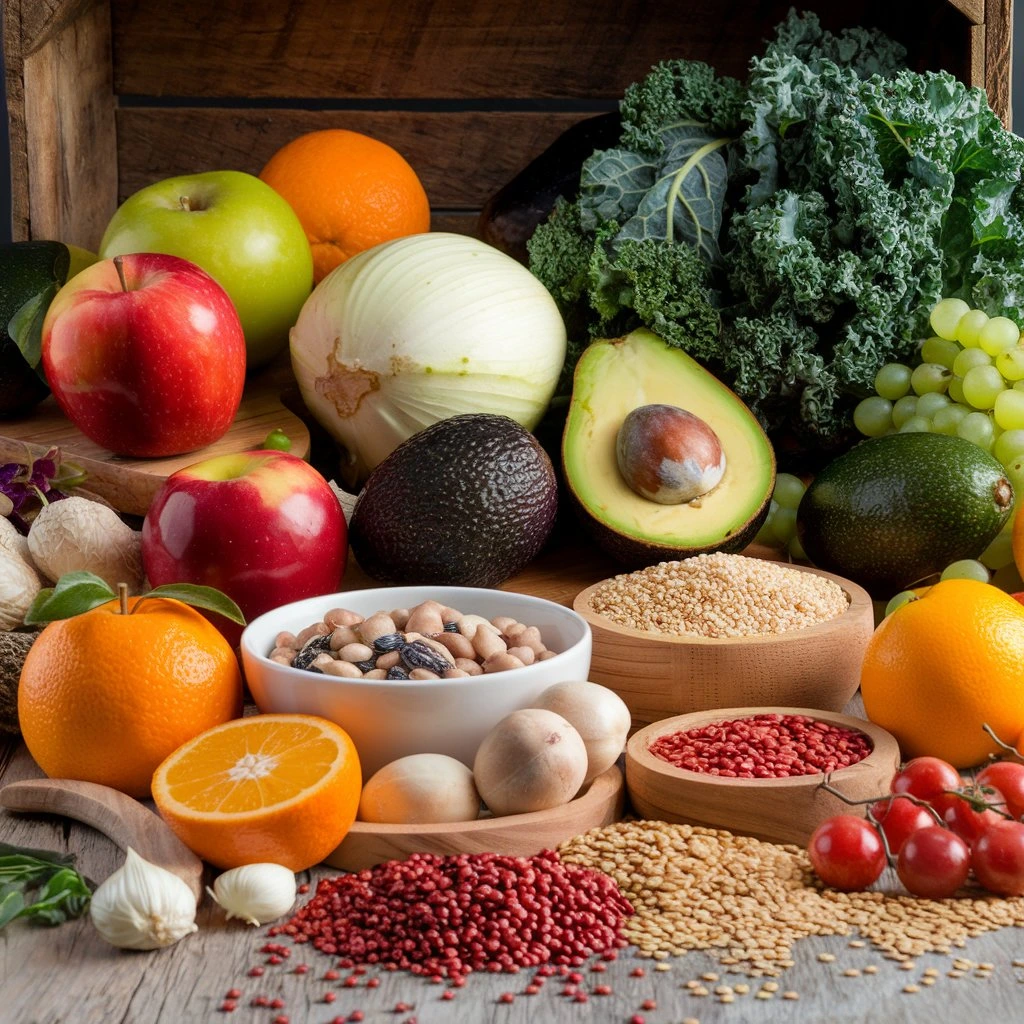
  • Whole Foods: This involves selecting foods that are as close to their natural state as possible or that have been processed minimally. Think fresh vegetables, fruits, legumes, whole grains, nuts, and seeds.
  • Plant-Based: The focus is on plant foods as the foundation of your diet, while animal products (meat, dairy, eggs) are minimised or avoided.
  • Evidence-Based: This is not guesswork or internet hype. It’s a way of eating supported by scientific research, recommended by top nutrition experts worldwide.

How is WFPB Different from Vegan or Vegetarian?

Good question! A vegan diet excludes all animal products, but that doesn’t necessarily mean it’s beneficial for you.

A vegan could live on chips, soda, and highly processed fake meats.

A WFPB diet, however, emphasises whole, nutrient-dense foods.

So, potato chips might be vegan, but they’re not whole food plant-based.

The Science Behind WFPB in South Africa: Why It Works

So, why all the buzz about WFPB?

Research shows it’s one of the best ways to boost health and lower disease risk.

1. Heart Health

A significant benefit of a WFPB diet is that it can help decrease cholesterol, blood pressure, and the risk of heart disease.

The Ornish Program for Reversing Heart Disease demonstrates that adopting a plant-based diet can halt and even reverse plaque buildup in arteries.

2. Diabetes Prevention and Management

South Africa has a severe diabetes crisis.

About 4.5 million adults have this condition.

A WFPB diet is high in fibre and low in saturated fats. This helps stabilise blood sugar and boosts insulin sensitivity.

Research in Diabetes Care shows that plant-based diets lower the risk of type 2 diabetes.

3. Weight Loss and Maintenance

If you’ve been struggling to shed extra kilos, this is good news.

WFPB diets are low in calorie density and high in fibre. This helps you feel full without overeating. And you don’t have to count calories—eat wholesome foods until satisfied.

4. Lower Risk of Cancer

The World Cancer Research Fund recommends mainly eating plant foods to lower cancer risk. Antioxidants, phytochemicals, and fibre found in plants help protect against cellular damage.

Why WFPB is Perfect for South Africans

You might be thinking, “But can this work with our local lifestyle and foods?”

Absolutely! In fact, many traditional South African meals already align with WFPB principles.

Consider umngqusho (samp and beans), morogo (wild spinach), and pumpkin stew.

They are all plant-based, cheap, and healthy.

Addressing Local Health Challenges

  • Obesity: Nearly 70% of South African women and 31% of men are overweight or obese. A WFPB diet helps combat this without resorting to fad diets.
  • Diabetes & Hypertension: Both conditions are heavily influenced by diet. A WFPB approach naturally reduces salt and fat intake.
  • Budget Concerns: Plant-based eating can save money. Use local staples like beans, maize meal, and seasonal veggies.

Local WFPB Staples You Already Know

Here’s the best part: you don’t need imported “superfoods” or expensive health store products. Your pantry probably already has some WFPB-friendly items.

Grains and Starches

  • Maize meal (skip the margarine and meat)
  • Sorghum (mabele porridge)
  • Millet
  • Brown rice
  • Oats

Legumes

  • Sugar beans
  • Cowpeas
  • Lentils
  • Chickpeas
Legumes and grains for perfect meal planning for whole food plant-based diet in south africa.

Vegetables

  • Spinach and morogo.
  • Pumpkin and butternut.
  • Sweet potatoes
  • Cabbage
  • Carrots
  • Green beans

Fruits

  • Mangoes
  • Bananas
  • Apples
  • Oranges
  • Papayas

Nuts and Seeds

  • Groundnuts
  • Sunflower seeds
  • Sesame seeds
Nuts and seeds on display for your plant-based nutrition in South Africa.

Pro Tip: Check out local markets instead of big supermarkets. They’re usually cheaper and fresher.

How to Start a Whole Food Plant-Based (WFPB) Diet in South Africa

Transitioning to a new way of eating can feel overwhelming, but it doesn’t have to be. Here’s a simple roadmap:

Step 1: Start Adding, Not Subtracting

Don’t cut out everything at once. Instead, try to add more plant-based items to your meals.

Have extra veggies at lunch, or add beans to your stew.

Step 2: Make Simple Swaps

  • Replace white bread with whole-grain bread.
  • Swap processed meats for beans or lentils in curries.
  • Use water or vegetable broth instead of oil for cooking.

Step 3: Plan Your Meals

Meal planning helps you avoid the stress of wondering, “What’s for dinner?” Cook in batches—think large pots of beans, soups, and curries that last for days.

Sample 1-Day WFPB Meal Plan (South African Style)

Here’s how a typical day could look:

Breakfast: Oats cooked with water, topped with sliced bananas, a sprinkle of cinnamon, and a spoon of peanut butter.

Mid-Morning Snack: Fresh fruit like an apple or orange, and a handful of nuts.

Lunch: Samp and beans (umngqusho) with morogo and tomato relish.

Snack: Sweet potato wedges roasted without oil.

Dinner: Lentil curry with brown rice and steaming mixed vegetables on the side.

Common Myths About WFPB

“It’s too expensive!”

Not true if you stick to whole foods. Beans, grains, and seasonal vegetables are some of the most affordable foods available.

“I won’t get enough protein.”

Nuts, seeds, beans, lentils, and chickpeas are all excellent sources of protein. Even leafy greens contain protein.

“It’s not culturally practical.”

Many South African dishes are naturally plant-based. It’s more about making minor adjustments, such as reducing oil and omitting meat in certain meals.

Frequently Asked Questions

Do I need supplements on WFPB?

The only essential supplement is Vitamin B12, which isn’t found in plant foods. Everything else can be obtained from a balanced WFPB diet.

Can kids and families follow WFPB?

Yes! Children can thrive on a plant-based diet as long as their meals are well-balanced and include a variety of foods.

Will I lose weight automatically?

Most people do because WFPB foods are naturally low in calories but high in nutrients. However, portion sizes and activity levels still matter.

Conclusion

The evidence is clear: a whole-food, plant-based diet is a strong tool. It helps prevent disease, boost health, and promote a longer life. And the best part?

You don’t need expensive superfoods or a large budget. Use local, wholesome ingredients and get creative.

If you’re ready to make a change, start with small steps. Add one plant-based meal a day, then build from there. Your health is worth it.

Let’s make plant-based eating a lifestyle, not a trend—because your future self will thank you.

How I Stay Energised Naturally on a Plant-Based Diet

How I Stay Energised Naturally on a Plant-Based Diet

Can I share with you how I stay energised naturally on a plant-based diet? If you’ve ever worried that eating plant-based food might make you tired or low on energy, trust me — I understand. I used to think the same thing. Once I learned …

Plant-Based Nutrition Basics: What Your Body Actually Needs

Plant-Based Nutrition Basics: What Your Body Actually Needs

Reading time: ~12 minutes In this article First things first: you can meet your needs on plants Short answer: yes—when it’s well planned. Major nutrition bodies recognise that vegan and vegetarian diets can be nutritionally adequate for adults and offer health benefits. Meanwhile, South Africa’s …

Can a Plant-Based Diet Reverse Early-Stage Prostate Cancer

Can a Plant-Based Diet Reverse Early-Stage Prostate Cancer

Introduction

Many people wonder how diet affects health, especially with serious issues like cancer.

Can a plant-based diet reverse early-stage prostate cancer?

It’s a question that always comes up when discussing the reversal of early-stage cancer.

However, many people wonder how diet affects health, especially with serious issues like cancer.

It’s not just about preventing disease; it’s about actively using nutrition to fight it.

I’m not claiming a plant-based diet is a cure.

Instead, it can be a powerful addition to traditional medical treatments. It empowers people to take control of their health.

In this article, I will explore the scientific foundation of this approach.

I’ll cover key studies, important cancer-fighting foods, and how this diet works.

I aim to show how a plant-based diet can help manage and fight early-stage prostate cancer.

The Scientific Foundation of a Plant-Based Diet and Prostate Cancer

I was amazed by the scientific evidence linking a plant-based diet to prostate cancer.

Hearing stories is one thing, but the data tells a different story.

The Power of Prevention and Progression

Studies have found that men who eat predominantly plant-based diets are less likely to have prostate cancer. More intriguingly, this diet may help manage the disease after diagnosis. Can it really aid in the progression of early-stage prostate cancer?

The Ornish Study and Other Landmark Research

A key study by Dr. Dean Ornish caught my eye. He didn’t just focus on diet; he examined a complete lifestyle program.

The cornerstone was a low-fat, whole foods, plant-based diet. Participants with early-stage prostate cancer saw their PSA (Prostate-Specific Antigen) levels stabilise. Some even had a decrease.

They saw changes in gene expression. This indicates that a plant-based diet may be advantageous.

How does this work at the cellular level?

Mechanisms of Action: How a Plant-Based Diet Fights Prostate Cancer

I learned about essential mechanisms.

Reduced IGF-1 Levels

First, there’s IGF-1, or insulin-like growth factor 1. This hormone rises when you eat more animal protein. It also helps cancer cells grow.

A plant-based diet reduces the consumption of animal products. This lowers IGF-1 levels, which helps slow the growth of cancer.

Lowering Chronic Inflammation

Next, I discovered the role of inflammation.

Chronic inflammation drives many diseases, including cancer.

Plant foods are rich in anti-inflammatory compounds, helping reduce this internal fire.

Antioxidant and Phytonutrient Power

Finally, antioxidants and phytonutrients play a crucial role.

Lycopene in tomatoes and sulforaphane in broccoli help protect cells against damage. They might even cause cancer cells to destroy themselves.

A plant-based diet fights prostate cancer. It lowers IGF-1, reduces inflammation, and boosts the body’s protective compounds.

Source: ZERO Prostate Cancer

The Core Components of a Prostate-Friendly Plant-Based Diet

After exploring the science, the next question was, “What should I eat?”

Knowing why the diet works is key, but a practical guide is a must.

Foods to Embrace for Prostate Health

Adopting a prostate-friendly plant-based diet means enjoying many tasty, cancer-fighting foods.

Cruciferous Vegetables

First, let’s focus on what to include. Cruciferous vegetables top the list. These include broccoli, cauliflower, kale, and Brussels sprouts. These greens contain sulforaphane, which helps inhibit the growth of prostate cancer cells. I always include them in my meals, and steaming preserves their nutrients well.

Tomatoes and Lycopene

Next are tomatoes. Tomatoes are key to prostate health. They contain an antioxidant called lycopene. Cooking tomatoes helps the body absorb this compound more effectively. So, tomato sauce, paste, and soup are excellent meal options.

Legumes and Soy

Legumes and soy are also key components. Many people hold different opinions, but you can consider foods like tofu, edamame, beans, and lentils safe and beneficial. They offer plant protein and are essential for a healthy diet.

Also, remember whole grains like oats, quinoa, and brown rice. They offer essential fibre and help regulate hormones.

Foods to Minimise or Avoid for Prostate Cancer Patients

While adding good foods is crucial, it’s also important to limit certain items.

Red and Processed Meats

Research links red and processed meats to a higher risk of cancer progression.

Switching to plant-based proteins is a wise choice for prostate health.

Studies show a link between high dairy intake and a higher risk of prostate cancer. This may be related to hormones and the consumption of saturated fats.

Dairy Products

Therefore, limiting dairy and opting for plant-based milk and cheese is a sensible step.

Saturated Fats and Added Sugars

Eating whole, unprocessed foods can lower harmful saturated fats and added sugars. These ingredients can cause chronic inflammation, which is linked to cancer.

A prostate-friendly plant-based diet involves making informed choices for your health and well-being.

Beyond the Plate: A Holistic Approach to Reversing Prostate Cancer

Exploring the evidence for a plant-based diet and prostate health has shown me it’s more than just food choices.

In fact, true wellness requires a genuinely holistic approach.

The Synergy of Lifestyle

Successful programs, like Dr. Ornish’s, focus on more than just nutrition. They also include a range of lifestyle changes.

For example, regular physical activity is a cornerstone of any effective health strategy.

Exercise is a powerful way to combat inflammation and enhance overall health. This is especially important for those with prostate cancer.

It doesn’t have to be a rigorous routine; even a brisk walk each day can make a world of difference. Furthermore, I’ve found that managing stress is absolutely vital.

Chronic stress is linked to disease progression. Practices such as meditation, deep breathing, and yoga can enhance your well-being.

You should never make these lifestyle changes alone.

Partnering with Your Healthcare Team

A plant-based diet is a strong health support, but it can’t replace professional medical care.

Partnering with your healthcare team is crucial. This includes your oncologist and a registered dietitian. They can provide guidance on what’s safe and effective for your specific situation.

Continue to communicate with your doctors as you implement these positive changes. This way, you can stay on the best path for your long-term prostate health.

Frequently Asked Questions (FAQ) about a Plant-Based Diet and Prostate Cancer

After sharing all of this information, I’ve found that people often have a few key questions.

I want to address these issues directly. I’ve listed some common ones I’ve seen on this topic. I hope my answers provide you with the clarity and encouragement you need on your journey.

Can a plant-based diet cure prostate cancer entirely?

This is likely the most critical question I receive.

The honest answer is no, not in the sense we usually think of a “cure.” Dr. Ornish’s work shows that a plant-based diet can help reverse early-stage prostate cancer. However, it’s a strong tool, not a substitute for medical treatment. Consider it a key partner to standard therapies, such as surgery, radiation, or active surveillance. It helps your body combat the disease from within. Be proactive about your prostate health. Make your home less likely to be a good place for cancer to grow.

What is the difference between a plant-based diet and a vegan diet?

This is a great question. A plant-based diet and a vegan diet both leave out animal products. But the reasons for choosing them can differ. A vegan diet is often a lifestyle choice based on ethical beliefs about animal welfare.

A plant-based diet focuses on whole, unprocessed foods. This includes vegetables, fruits, legumes, and grains. It aims to maximise health benefits.

A plant-based approach may look similar on the plate, but it’s more flexible. It focuses on nutrition and well-being.

How long does it take to see results on a plant-based diet for prostate health?

My research shows that predicting a specific timeline is tough. Everyone’s body is different.

Several studies have demonstrated that men following a plant-based diet experience improvements in their PSA levels and other biomarkers. These changes occurred over a period of just a few weeks to a few months. It’s not a race; it’s a journey, and the most significant rewards come from persevering over time.

Notice the quick positive changes. You may feel more energetic and experience better digestion. Trust that your prostate health is improving in more profound ways, too.

Do I have to go 100% plant-based to get the benefits?

This is one of the biggest myths that stops people from even starting. Absolutely not! While an entirely plant-based diet may provide the most significant benefits, every step you take in that direction counts. Reducing red and processed meats, as well as dairy, can help boost your prostate health. Eat more whole grains, fruits, and veggies instead. It’s about getting better, not being perfect.

Is it safe to make these changes while on traditional prostate cancer treatment?

Yes, in most cases, these changes are safe and often encouraged by oncologists and other medical professionals.

It’s essential to discuss your dietary changes with your doctor and a registered dietitian. They can offer tailored advice. This helps ensure your diet supports your cancer treatment instead of disrupting it.

What are some practical tips for starting a plant-based diet?

Making a significant change can feel overwhelming, so my advice is to start small. Try a “Meatless Monday” each week. You can also add one new plant-based meal you love. Always try to fill half of your plate with vegetables at every meal.

Think about adding instead of removing. Try more beans in your soup, more lentils in your pasta sauce, and more fruit in your smoothies. Soon, you’ll start a healthier lifestyle. This will help your prostate and your whole body.

Conclusion

Research shows that asking if a plant-based diet can reverse early-stage prostate cancer isn’t about finding a simple “cure.”

Instead, it’s about discovering a powerful, scientifically-backed tool for proactive health management.

I believe this diet, based on Dr. Dean Ornish’s work, can help slow disease progression and promote long-term prostate health.

Ultimately, the most important takeaway for me is that diet is a profound form of empowerment.

Making these lifestyle changes gives you control over your health. You can be an active participant in your own care.

Of course, this should always be part of a holistic approach that includes medical supervision.

A plant-based diet goes beyond food choices. It helps create an internal environment that supports your body’s natural healing process.

If doctors have just diagnosed you with early-stage prostate cancer, this lifestyle can help.

Authentic Vegan Bunny Chow Recipe: South Africa

Authentic Vegan Bunny Chow Recipe: South Africa

Introduction Here’s your guide to your authentic vegan bunny chow recipe. Have you ever wondered how South Africa’s favourite street food gained global fame? Bunny chow is more than just food; it’s a cultural icon. It showcases the rich history of Durban’s lively Indian community! …

Top 10 South African Vegan Staples Already in Your Kitchen

Top 10 South African Vegan Staples Already in Your Kitchen

Your pantry probably holds more plant-based power than you think. Reading time: ~10 minutes In this article Why your kitchen is already plant-based If you’ve ever thought, “Going vegan must be expensive or complicated,” here’s good news — it doesn’t have to be. In fact, …

Transitioning to a Plant-Based Diet in South Africa: A Step-by-Step

Transitioning to a Plant-Based Diet in South Africa: A Step-by-Step

Introduction: The Rise of Plant-Based Living in South Africa

How can you switch to a plant-based diet in South Africa?

In a country known for braai and biltong, adopting a plant-based lifestyle in South Africa can be challenging.

But trust me, things are changing!

Over the past few years, I’ve noticed a significant shift, and so have many others. It’s no longer a niche lifestyle; it’s a growing movement.

Increasingly, more South Africans are opting for a plant-based lifestyle.

They have several reasons: personal health, environmental concerns, and concerns for animal welfare.

This guide is for you if you’ve been curious about making the switch but don’t know where to start.

My goal is to make your journey to a plant-based diet in South Africa as seamless and enjoyable as possible. I’ll walk you through the process step by step, showing you that it’s more accessible than you think.

Explore how to enjoy a plant-based lifestyle while still savouring your favourite flavours and traditions.

The “Why” Behind Transitioning to a Plant-Based Diet in South Africa

If you’re anything like me, you’re not just curious about a new diet; you want to know the big picture.

So, why are so many people in Mzansi, myself included, choosing to make the switch?

Health Benefits of a Plant-Based Diet

For me, the journey began with a focus on my health. I found that a plant-based diet is a great way to reduce the risk of common chronic illnesses. This includes type 2 diabetes and heart disease.

Eating more fruits, veggies, and legumes helps me manage my weight and blood pressure. It’s truly a win for your well-being.

Environmental Impact in a South African Context

I’ve also noticed how our food choices affect the environment.

South Africa faces water shortages, so I was surprised by the significant amount of water and land required for livestock farming.

Switching to a plant-based diet is a great way to cut my carbon footprint and save our resources.

Ethical and Compassionate Living

Ultimately, for many, including myself, the ethical aspect is a significant motivator.

I feel a deeper connection to animal welfare. It gives me peace to know that my choices align with my values of compassion. What’s more, this shift isn’t just for a select few.

The South African “Flexitarian” Market

I’ve seen how the flexitarian market is booming here. Many South Africans are reducing their meat consumption but not adopting a fully vegan lifestyle.

This shift makes the transition feel easier and more approachable for everyone.

Preparing for Your Plant-Based Transition in South Africa

So, you’ve decided to leap!

Before you dive headfirst into the world of lentils and legumes, a little preparation goes a long way.

The South African Pantry Overhaul

A well-stocked pantry is my secret weapon for thriving on a plant-based diet in South Africa.

Don’t worry, you don’t need to empty your wallet on fancy imports. Local supermarkets, such as Woolworths, Pick n Pay, and Checkers, offer great deals on everyday staples.

I always make sure to have dried beans, lentils, chickpeas, and a variety of grains, such as rice and maize, on hand. You’ll also want to stock up on nuts, seeds, and spices—they’re the key to adding flavour to your meals.

Setting Realistic Goals

Next, I highly recommend setting realistic goals.

It’s not about being perfect from day one.

I began with “Meatless Mondays.” Then, I gradually added more plant-based meals to my diet during the week. This gradual and steady approach allows your body time to adjust, preventing you from feeling overwhelmed.

The South African Shopping Experience

At first, navigating the aisles can be confusing. But with some practice, it becomes easy.

Many large stores now have sections dedicated to plant-based or meat-free products.

I’ve discovered some great local spots. There are speciality health stores and online shops that deliver right to my door.

Getting ready for your plant-based transition like this makes it a lot more enjoyable.

Step-by-Step Guide to a Plant-Based Diet in South Africa

Now for the exciting part—the actual how-to!

I’ve broken down the process of switching to a plant-based diet in South Africa into three easy phases.

These steps helped me.

Phase 1: The First Week (Go Gradual)

When I first started, I didn’t try to change everything at once. I focused on simple, familiar swaps.

Then I easily changed my morning routine by using plant-based milk. I swapped cow’s milk for oat or soy milk in my coffee and cereal.

I also looked at my favourite comfort foods. Instead of beef mince for my cottage pie, I tried using lentils. The texture was perfect, and with the right herbs and spices, I barely noticed the difference.

This gentle approach made my first week an adventure, rather than a challenge. I enjoyed discovering new flavours.

It’s about finding what works for you and your taste buds.

Phase 2: Building Your Plate (Focus on Nutrition)

Once I became comfortable with a few key swaps, I began focusing on creating a balanced plate.

This is crucial for a successful plant-based diet in South Africa.

I think of my plate in sections: protein, good carbs, healthy fats, and plenty of fruits and veggies. For protein, I now rely on staples like beans, chickpeas, and lentils. I also enjoy using tofu and seitan for variety. For my carbs, I want everything from sweet potatoes and brown rice to local staples like pap. Healthy fats come from avocados (a personal favourite!), nuts, and seeds.

At this stage, I also started paying attention to essential nutrients.

I learned that getting enough protein isn’t a problem if you eat a variety of legumes and grains. And now take a Vitamin B12 supplement because this nutrient isn’t found in plant foods. I add dark, leafy greens, fortified plant milks, and sesame seeds to my meals. This helps boost my intake of iron and calcium.

Phase 3: Mastering South African Plant-Based Cuisine

This is where the real fun begins!

You can make many of our favourite traditional dishes vegan or that are already plant-based.

The key is to get creative.

For a braai, I often find great plant-based boerewors and sausages at local stores. I enjoy making marinades with tangy chakalaka flavours for mushrooms and veggie skewers.

A classic lentil curry with fluffy rice is one of my favourites. It’s hearty, comforting, and full of flavour.

This step-by-step method has made my transition to a plant-based diet a rewarding experience. It’s not about restriction; it’s about expanding your culinary horizons.

So, if you want a plant-based bobotie or tasty pap and chakalaka, get creative! Your kitchen can be a hub for delicious, wholesome, plant-based meals.

It’s a journey, and I’m confident you’ll enjoy every step of it.

Overcoming Challenges When Transitioning to a Plant-Based Diet

Starting a new lifestyle, like a plant-based diet, will bring some challenges.

I know because I’ve been there!

Social Situations and Family

One of the biggest hurdles I faced was navigating social situations. The braai is a key part of South African culture.

Telling friends and family about your shift to a plant-based diet may raise some eyebrows. My best advice is to come prepared!

I often bring a tasty side dish to share with others. It could be a colourful lentil salad or some great plant-based boerewors.

This way, I’m not just saying no; I’m showcasing how flavourful and satisfying my choices are.

Budget-Friendly Plant-Based Eating

I also worried about my budget.

And I used to think plant-based eating was costly. Now, I know it’s about choosing staples instead of pricey processed options. Lentils, beans, and fresh seasonal produce from my local market are cheap and healthy. I save a lot of money by cooking from scratch.

Dealing with Cravings and Lack of Support

Finally, coping with cravings and a lack of support can feel lonely.

The best way to combat this is by connecting with others who are on a similar journey.

Joining a local vegan or plant-based group on social media can help.

Swapping recipes with a friend also makes a big difference.

Remember, this is your journey, and it’s okay to take your time and learn along the way.

Resources for a Plant-Based Diet in South Africa

Finding support and products for a plant-based diet in South Africa is easier if you know where to look.

I’ve discovered a wealth of helpful local resources, and I’d like to share my top finds with you.

Local Brands and Products

First, let’s talk about products.

The number of local plant-based brands has increased significantly in recent years. I found great products from Fry’s Family Food and Urban Vegan. They offer tasty meat alternatives, perfect for a braai or a quick weeknight meal.

For delicious dairy-free options, I’ve enjoyed products from Fairview and Okja. These brands are often available in major supermarkets, so you don’t have to go on a special mission to find them.

South African Vegan and Plant-Based Communities

Beyond products, a strong community is essential. I feel a strong sense of belonging in local online groups.

One example is the South African Vegan Society. They offer a wealth of knowledge, ranging from recipe ideas to dining-out tips.

Professional Guidance

Always seek professional guidance, especially if you have health concerns.

This is crucial.

A registered dietitian is a great resource. They help you get all the nutrients you need.

The Association for Dietetics in South Africa (ADSA) has a directory of professionals. They offer customised advice for your specific needs.

Trust me, it’s worth the peace of mind.

FAQ’s: Your Questions on a Plant-Based Diet in South Africa Answered

When I started on this journey, I had a million questions. I bet you do, too!

Here are some common questions about switching to a plant-based diet in South Africa, along with my honest answers.

Is transitioning to a plant-based diet in South Africa expensive?

This is a huge misconception! Some speciality vegan products can be expensive. But in my experience, a whole-foods plant-based diet is budget-friendly. Eating staples like lentils, beans, and chickpeas is cheaper than a meat-heavy diet. Seasonal veggies from local markets also help save money. I also save money by cooking from scratch instead of buying expensive pre-made meals.

Is it possible to obtain adequate protein on a plant-based diet in South Africa?

Absolutely! This was my biggest concern, but I quickly realised it’s a non-issue. We need a lot of different amino acids, and many plant-based diets have them. I get my protein from lentils, chickpeas, and beans. I also love soya mince. You can get all the protein you need from a well-planned diet that includes beans, grains, nuts, and seeds.

How do I deal with family and friends who don’t understand my plant-based diet?

This is a tough one, but I’ve found that leading by example is the best approach. I stay calm and do not get defensive. Instead of focusing on what I can’t eat, I talk about all the fantastic new foods I’ve discovered. I also bring delicious plant-based dishes to gatherings. People often come around when they see how great you feel and how tasty the food is.

What is the difference between a plant-based diet and a vegan diet?

This confused me at first as well. The main difference is the motivation. A plant-based diet emphasises foods from plants. People choose it for health or environmental reasons. A vegan diet is a lifestyle choice. It avoids all animal products. This includes food, clothing (like leather), and cosmetics. People often choose this diet for ethical reasons. A plant-based diet can be vegan, but it doesn’t have to be.

Do I need to take supplements on a plant-based diet?

A good plant-based diet is healthy. However, some nutrients can be hard to get from plants alone. For me, the most important one is Vitamin B12, so I take a supplement for peace of mind. I pay close attention to my iron and calcium. I focus on foods like lentils, spinach, and fortified plant-based milks.

Conclusion: Embracing Your New Plant-Based Lifestyle

I hope you feel inspired to begin your plant-based journey in South Africa. There are many reasons and easy methods to make the switch.

I’ve found that this isn’t just a diet; it’s a positive shift in how I think about my health, our planet, and my place in the world.

I encourage you to take that first step. Start small, be kind to yourself, and celebrate every victory, no matter how small.

Your journey to a plant-based lifestyle is a personal one. It’s filled with tasty discoveries and a stronger sense of well-being.

Here’s to a healthier you and a more sustainable future for us all.

Water Conservation and Plant-Based Eating in South Africa

Water Conservation and Plant-Based Eating in South Africa

Introduction: The Critical Nexus of Water Conservation and Plant-Based Eating in South Africa This guide helps you explore water conservation and plant-based eating in South Africa. I want to discuss something important to me that affects everyone in South Africa: our water. We see headlines …