Introduction: Embracing a Plant-Based Solution for Arthritis Pain This is your ultimate guide to plant-based solution for arthritis sufferes. If you’re living with arthritis, you know how persistent the pain and stiffness can be. Traditional remedies may only provide temporary relief. But what if a …
Your ultimate guide to a plant-based diet for gut health in South Africa. Welcome, fellow health seekers, to a journey that I’m genuinely excited to share with you! Today, many people are discussing the many benefits of a plant-based diet. And I can vouch, it’s …
Many people I speak to believe that going vegan means breaking the bank. And honestly, I get why they might think that!
Many people believe that a plant-based diet is expensive. This idea stems from the rise of premium vegan products, which are now readily available.
You can live a vegan life that is both tasty and cheap. You won’t have to give up flavour or nutrition.
This article shows the best and budget-friendly vegan staples in South African stores.
I want to help you shop smart, whether you’re a long-time vegan or just beginning your journey. You’ll learn to make informed and budget-friendly choices.
Get ready to discover how accessible and rewarding affordable vegan staples truly are!
Understanding Vegan Staples: The Foundation of an Affordable Vegan Diet
Starting my plant-based journey, I discovered that knowing vegan staples is crucial to achieving budget-friendly success.
So, what exactly do I mean by a “staple” in a vegan pantry?
Here are the essential, flexible, and affordable ingredients for delicious plant-based meals. Think about it: they’re the everyday heroes, not the gourmet speciality items!
For me, the real power of an affordable vegan diet comes from focusing on whole foods.
I’m talking about healthy legumes, filling grains, and lots of fresh (or frozen!) options!) fruits and vegetables. These ingredients are rich in nutrients and affordable.
Build your meals around these key items. You’ll see your grocery bill drop and your nutrition improve.
Furthermore, embracing a staple-centric approach offers so many benefits beyond just savings. It cuts down on food waste. It also makes sure you get all the nutrients you need. Plus, it can inspire your cooking!
South African supermarkets, such as Pick n Pay, Checkers, and Woolworths, now offer a wide range of vegan staples.
This makes it easier to load your trolley with tasty plant-based items.
Affordable Protein-Packed Vegan Staples in SA Supermarkets
A common question I hear about a plant-based diet is, “Where do you get your protein?”
I’m always excited!
South African supermarkets are full of affordable, protein-rich vegan staples! You don’t need costly supplements or special items to get enough protein.
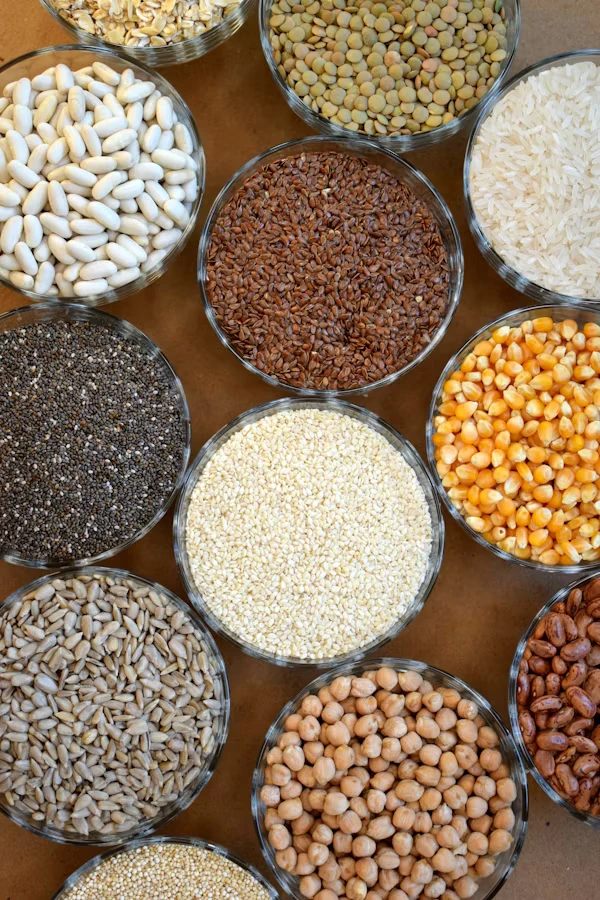
First up, and probably the king of affordable vegan protein, are legumes. I’m referring to dried beans, such as kidney beans, black beans, and cannellini beans.
Soaking dry beans overnight is an excellent method to save money. It also provides a large batch to use throughout the week. If you’re short on time, canned beans are a great option. Just rinse them well to reduce sodium intake.
Lentils are true gems. They come in red, brown, and green. They cook quickly and pair well with hearty soups, stews, and tasty curries. And, of course, chickpeas! They’re one of my favourite vegan staples. You can use them for hummus, as a crispy snack, or to add bulk to any curry.
Beyond the bean aisle, don’t overlook Tofu and tempeh. Pick n Pay, for example, often has plain Tofu at a very reasonable price.
It’s an excellent canvas for flavours. You can press and fry firm Tofu, or blend silken tofu into creamy sauces.
Tempeh is a fermented soy product. It has a nuttier flavour and great gut benefits. You may need to check the health section to find it.
Then there’s peanut butter, a true South African icon! It’s not just a spread; it’s a brilliant source of affordable vegan protein and healthy fats. Be sure to check the label for any hidden ingredients, such as palm oil.
If you want something “meaty,” soya mince is budget-friendly and easy to find.
Brands like Fry’s Family Food Co. provide affordable vegan protein options, like sausages and burgers. These items are becoming easier to find in our major supermarkets.
Trust me, getting enough protein on a vegan diet in SA is easier – and cheaper – than you might think!
Grains and Starches: Essential & Affordable Vegan Energy Sources
Next, I highlight grains and starches. They are key to a budget-friendly vegan diet.
These are the mainstays of my kitchen. They give me lasting energy and create the cosy foundation for many meals. Plus, they are incredibly kind to the wallet, especially when you know what to look for!
https://www.unsplash.com/@Disiana Caballero
First, let’s talk about rice.
Buying rice in larger bags, whether brown, white, or basmati, is a cost-effective option.
Plus, it stores well. I find that having a variety on hand allows for different meal textures and flavours. Similarly, pasta is a universal favourite.
Traditional wheat pasta is a versatile and affordable vegan staple. I’ve seen many new options, like lentil and chickpea pasta, at stores like Pick n Pay. These are slightly more expensive but offer an extra protein boost if you’re looking for that!
Bread is another daily essential.
I choose whole wheat and rye bread. They are healthy and readily available. Plus, they are affordable vegan options. Usually, all you need to do is quickly glance at the ingredient list to see if there are any hidden eggs or dairy.
And of course, we can’t forget potatoes! Sweet potatoes and regular potatoes are top choices for budget-friendly vegan staples. They’re incredibly versatile, satisfying, and packed with nutrients. I use them in everything from roasts to mashes and curries.
Lastly, oats are a must-have for an affordable breakfast staple. Oats are great! Use rolled oats for a hearty porridge or quick oats for baking. They’re cheap, filling, and very versatile. I also often grab couscous for a super fast and easy meal base.
These grains and starches help you fuel your body efficiently and affordably on a plant-based journey.
Fruits and Vegetables: Fresh, Frozen, and Affordable Vegan Goodness
When I plan my grocery list, fruits and vegetables are always at the top, and for a good reason!
https://www.unsplash.com/@Nathan Dumlao
Fresh produce is the vibrant backbone of a healthy diet. Fortunately, you can easily find affordable vegan options in South Africa. The trick I’ve learned is to lean heavily on what’s in season. Seasonal produce isn’t just fresher and tastier; it’s almost always significantly cheaper.
I always keep root vegetables in my pantry. Carrots, onions, and garlic are my staples. They are very cheap and create a tasty base for many dishes. This includes soups, stews, and roasts.
Another great example is leafy greens, such as spinach, cabbage, and kale. When they’re in season, you can often find large bundles at incredibly low prices. I always grab them for stir-fries, smoothies, or just as a simple side dish.
However, I also rely heavily on frozen fruits and vegetables. Don’t underestimate them!
Frozen options are usually picked at their peak ripeness. Then, they’re flash-frozen. This process helps them keep most of their nutritional value.
To me, they’re a wise, budget-friendly choice compared to fresh. This is especially true when something is out of season and therefore more expensive. Think frozen berries for smoothies or frozen mixed veggies for quick weeknight meals.
Beyond that, pantry staples like canned tomatoes and tomato paste are absolute must-haves. They’re incredibly affordable and essential for creating rich sauces and hearty stews. And for everyday fruit, I always pick up bananas and apples.
They are always easy to find, loved by many, and budget-friendly. Plus, they make quick and healthy snacks.
Mixing fresh seasonal foods with wise frozen choices helps me make tasty, budget-friendly vegan meals.
Dairy Alternatives and Spreads: Affordable Vegan Swaps in SA
I’ve noticed tremendous growth in affordable vegan options at South African supermarkets. Dairy alternatives and spreads are leading the way.
For many, giving up milk, cheese, and butter seems a harsh restriction. However, now there are great options available that won’t break the bank.
Let’s start with plant-based milks.
Soy milk is typically the most affordable vegan milk option. It’s great for various uses, such as coffee and baking.
Oat milk is now popular. I’ve seen its prices drop at stores like Pick n Pay and Checkers.
Almond milk is also widely available, with brands like Almond Breeze being a common sight. My tip here is always to compare brands and check for specials to get the best value.
Vegan yoghurts are also becoming more accessible. Some speciality brands can be expensive. However, soy-based yoghurts are becoming more popular. They often offer affordable vegan options. You might also spot coconut-based varieties, which are a lovely treat.
Now, on to vegan cheeses – this used to be a real challenge for me!
I’m excited to see premium vegan cheeses, such as Violife, available in slices and blocks at major supermarkets. They might still be a bit expensive, but they’re becoming easier to find. They’re making affordable vegan cheese a reality for everyday use.
For the best savings, consider making your cheeses. It does take some extra work, though.
Lastly, don’t forget about spreads!
Many margarine and butter alternatives are “accidentally vegan” and quite affordable. Brands like Flora often have vegan versions readily available. And let’s not forget hummus!
You can buy it pre-made, but I usually make it from scratch. I use affordable chickpeas. It’s cheaper and tastes excellent.
Nutritional yeast is a key staple for me in my vegan diet. Its “cheesy” flavour is excellent for sprinkling on popcorn or mixing into sauces.
It’s truly exciting to see how many great and affordable swaps are now available!
Condiments, Spices, and Oils: Enhancing Your Affordable Vegan Meals
When I make an affordable vegan meal, basic ingredients are essential. But condiments, spices, and oils bring the dish to life.
These flavour enhancers are budget-friendly and last a long time. They make great vegan staples for any pantry.
Stock up on essential spices, such as cumin, coriander, turmeric, and paprika. Buying in larger containers or from bulk sections can save you money.
Both dried and fresh herbs add tremendous depth to your dishes. They also keep your grocery costs low.
I always keep vegetable stock cubes or powder handy. It’s a key vegan staple that adds a savoury base to soups, stews, and grains.
I usually choose sunflower or canola oil for daily cooking because they are cheap. Olive oil is excellent for dressings or a finishing drizzle, and while a bit pricier, a good bottle lasts.
Vinegar, whether apple cider or white, is a versatile and affordable vegan staple. You can use it for dressings, marinades, or even to help baked goods rise.
Lastly, soy sauce or tamari adds a key umami flavour. Many popular brands of tomato ketchup and HP sauce are often vegan and cheap.
They’re great for completing any meal.
Smart Shopping Strategies for Best & Affordable Vegan Staples
I’ve learned that buying affordable vegan staples depends on what you buy and how you shop.
Utilising innovative strategies can significantly reduce your grocery bill. This makes a plant-based diet easier in South Africa. Trust me, these tips have saved me a fortune!
Firstly, meal planning is an absolute game-changer. Before I even think about stepping into a supermarket, I sit down and plan out my meals for the week.
This not only reduces food waste but also helps me buy what I need. It stops those impulse buys that can add up and raise the cost of affordable vegan groceries. Once I have my list, I stick to it!
Next, consider batch cooking. Cooking a large batch of grains or legumes, such as lentils or chickpeas, is a time- and money-saving approach. You can then use them in various dishes throughout the week or even freeze portions for later.
Bulk buying is smart. For things like rice, dried beans, or oats, larger bags or containers usually save you money. Just ensure you have adequate storage space.
Crucially, always check unit prices. This small number, often near the main price, shows the cost per 100g or unit. It helps you easily compare values across brands and package sizes.
Store brand alternatives often match name brands in quality. Plus, they come at a more affordable vegan price. Don’t be afraid to try them out!
Ultimately, for the savvy shopper, supermarket hopping can be a beneficial strategy.
Different stores have special offers.
Check the weekly flyers or apps like Pick n Pay Smart Shopper and Checkers Xtra Savings. You’ll find great deals on your favourite vegan essentials there.
Also, check the “almost expired” sections. You can often find great vegan deals there. Just remember, you need to use them within a day or two.
Remember, diligent label reading is always a must to ensure products are truly vegan.
Top Supermarkets for Best & Affordable Vegan Staples in SA
From my experience, the landscape has undergone significant changes. Now, we have great options.
Pick n Pay is my top choice. They’ve made incredible strides with their own-brand vegan essentials and plant-based products. I often find their own-brand chickpea and corn bites, lentil pasta, and now Violife cheeses at great prices. They appear genuinely committed to making a plant-based lifestyle accessible.
Then there’s Checkers. They’ve also significantly ramped up their focus on plant-based options. The Simple Truth range is a favourite for my budget-friendly vegan groceries. It offers excellent quality at reasonable prices.
I found a great variety of plant milk, vegan mince, and ready-made meals. They’re also budget-friendly!
Woolworths has a wide range of vegan staples. The quality is usually excellent. Some specialist items may be more expensive, but I still find them great for essentials.
Fresh produce and plant-based yoghurts are often worth the extra cost. They provide better quality.
Lastly, Spar is worth mentioning. Stock can vary significantly between stores. This depends on their size and location. You can often find basic vegan staples. These include dried legumes, grains, and fresh fruits and vegetables.
I sometimes visit Dis-Chem or Clicks for health products, such as protein powders.
However, they aren’t my main stops for affordable vegan staples.
FAQ: Your Questions on Affordable Vegan Staples Answered
When I first thought about going vegan, many questions came to mind. I worried about cost and how accessible it would be in South Africa.
So, I’ve put together some answers to the most common queries about affordable vegan staples that I hear:
Are vegan staples expensive in South Africa?
From my experience, not! Some speciality vegan products may cost more, but you can find affordable options. Focus on whole foods, such as legumes, grains, and seasonal produce. Also, use smart shopping habits. This way, vegan staples can be easily accessible and often cheaper than a meat-based diet.
Which supermarkets have the best range of affordable vegan products?
I’ve found that Pick n Pay and Checkers are leading the way here in South Africa. Both have greatly expanded their own-brand vegan lines. They now offer a wide range of affordable vegan staples. Woolworths is also great for quality, although it can sometimes be a bit more premium.
What are the most essential vegan staples to start with?
If you’re starting, grab some beans (dried or canned), lentils, and grains like rice and oats. Also, pick seasonal veggies and your favourite plant milk. These are the most essential vegan staples you need to create a variety of meals without incurring significant expenses.
How can I purchase vegan goods in South Africa at a lower cost?
Here are my top tips for affordable vegan shopping:
Plan meals regularly.
Buy in bulk when it’s a smart move.
Compare unit prices.
Use loyalty cards, like Pick n Pay Smart Shopper or Checkers Xtra Savings.
Also, look out for weekly specials and “reduced to clear” sections!
Can I get enough protein from affordable vegan staples?
Without a doubt! I get lots of protein from everyday vegan staples. I eat lentils, chickpeas, tofu, peanut butter, and whole grains. They are all affordable and nutritious.
You can find many tasty and affordable plant-based protein sources at local supermarkets.
Conclusion
I hope this guide has shown you how easy and rewarding a plant-based diet can be. This is especially true when you look for the best, affordable vegan staples in South African stores.
For me, it’s about dispelling the myth that going vegan is exclusively for a privileged few. We’ve examined protein-rich legumes, flexible grains, colourful fruits and vegetables, and innovative dairy alternatives. They’re all easy to find and kind to your wallet.
Choosing affordable vegan staples helps your wallet. It’s also an excellent choice for your health, animal welfare, and the planet.
Smart shopping and informed choices help people in South Africa enjoy a tasty, healthy, and affordable plant-based lifestyle.
Did you know that there is scientific evidence supporting the reversal of diabetes with a plant-based diet in South Africa? Our beautiful nation is rich in diversity and culture. Beneath the vibrant surface, a silent epidemic is rising. Type 2 Diabetes Mellitus (T2DM) affects many …
Curious how social media affects your health? Explore how social media affects our well-being in South Africa, from a plant-based perspective. I’m a passionate whole food plant-based (WFPB) creator in South Africa. I often share recipes, tips, and the great benefits of a plant-powered lifestyle …
Introduction: The Growing Momentum of Plant-Based Diets in South Africa
Hey there!
Here’s your guide to the rise of plant-based diets in South Africa.
Have you noticed a shift in what’s on people’s plates lately?
Increasingly, more people around the world are practising mindful eating. Plant-based diets lead this trend. It’s not just a fad; it’s a significant change in how many people approach their food choices.
This change is happening everywhere. In South Africa, the plant-based diet is gaining strong momentum.
So, what’s behind this sudden surge?
Well, it’s a fascinating mix of factors!
Increasingly, South Africans are embracing a plant-based diet for various reasons.
For some, it’s about embracing a healthier lifestyle and tackling prevalent health concerns. Some people feel strongly about ethics. They want to lessen their impact on animal welfare.
Many people are now aware of the importance of environmental sustainability. They want to reduce their carbon footprint through their food choices.
In this guide, we explore the exciting world of plant-based diets in South Africa.
We’ll review the stats. Then, we’ll share reasons for the trend. Finally, we’ll explore the rising market for plant-based foods and restaurants. We’ll also discuss common challenges and strategies for addressing them.
Get ready to see why plant-based eating in South Africa is more than a trend. It’s a significant, positive change in our food landscape.
The Landscape of Plant-Based Eating in South Africa: Statistics and Trends.
Let’s explore what the numbers reveal about the growth of plant-based diets in South Africa.
It’s truly fascinating!
Unpacking the Numbers: Current Prevalence of Plant-Based Diets in South Africa
Recent research indicates a significant increase in the consumption of plant-based foods. Reports suggest the number of vegans in South Africa has doubled in the last five years.
Estimates show that about 1% of people identify as vegan. Additionally, around 10-12% are vegetarian or flexitarian. This signals a definite shift beyond a niche market into a more mainstream movement.
When discussing plant-based eating in South Africa, we must recognise its nuances.
We’re seeing growth in all areas.
This includes committed vegans who avoid all animal products. It also contains vegetarians who don’t eat meat but may still have dairy and eggs. Flexitarians are also joining in, as they aim to reduce their meat consumption.
Younger people, especially university students, are a key driver of this growth. They show a strong interest in alternative proteins.
A study from Rhodes University reveals that this group is a key factor contributing to the rise of plant-based diets in South Africa.
Geographic Trends: Plant-Based Growth Across South African Regions
Geographically, this movement isn’t evenly spread, but it’s certainly expanding.
Urban centres like Cape Town and Johannesburg lead the way. There are more plant-based restaurants, vegan stores, and better choices in regular supermarkets.
We’re seeing the ripple effect spread beyond major cities. More awareness and availability are popping up in other regions.
Furthermore, it’s not just a local phenomenon. South Africa is making its mark on the global stage when it comes to plant-based interest.
Google Trends and Global Standing: South Africa’s Position in the International Plant-Based Movement
Google Trends shows that South Africa is one of the top countries for searches on “veganism.” It’s the only African nation that ranks so high.
This shows a strong and growing interest in plant-based diets in South Africa. The landscape is undoubtedly changing, and it’s exciting to witness this transformation.
Motivations Behind the Shift: Why South Africans Embrace a Plant-Based Diet
Why are more South Africans switching to a plant-based diet? We are aware that it’s on the rise.
It’s not just one reason. It’s a potent mix of factors that connect with people. Let’s explore these motivations, shall we?
Health and Wellness: The Health Benefits of a Plant-Based Diet for South Africans
For many in South Africa, the journey to a plant-based diet begins with a focus on health.
South Africa has a big problem with chronic diseases. These include heart disease, diabetes, and obesity. This is where plant-based eating shines!
Eating fruits, whole grains, vegetables, nuts, and seeds can reduce the risk of lifestyle-related diseases, according to numerous studies.
Many people report feeling more energetic. They also notice better digestion. Some individuals find that their sleep and immune function also improve.
Many people find it helps them manage weight and feel better overall. It’s about feeling good, inside and out!
Ethical and Animal Welfare Concerns: A Compassionate Choice in South Africa
Animal welfare is a significant reason why plant-based diets are gaining popularity in South Africa. It goes beyond just health reasons.
Consumers are becoming increasingly aware of industrial animal agriculture, particularly factory farming. This knowledge highlights a clear ethical duty.
Many people struggle to align their values with the treatment of animals in the food system. Choosing a plant-based lifestyle shows compassion. It connects dietary choices to the wish to lessen animal suffering.
A study of Rhodes University students found that animal welfare is the top reason they choose plant-based diets.
Environmental sustainability closely follows this motivation.
Environmental Sustainability: The Eco-Conscious Plant-Based Diet in South Africa
Speaking of the environment, this is another massive piece of the puzzle.
Animal farming has a negative impact on the environment, and South Africa is no exception. We’re discussing greenhouse gas emissions, deforestation for grazing land, and excessive water usage.
Choosing a plant-based diet helps South Africans lower their carbon footprint. It also supports a more sustainable food system. It’s about protecting our beautiful planet for future generations.
The EAT-Lancet report advocates for a global shift toward plant-rich diets. This shift aims to improve planetary health. This idea connects with our motivation.
Cultural Influences and Social Acceptability: Integrating Plant-Based into South African Lifestyles
Interestingly, the adoption of plant-based diets in South Africa is also influenced by cultural factors.
Traditional South African food usually focuses on meat, but now there’s an exciting wave of innovation! We’re enjoying tasty vegan takes on local favourites like bobotie and bunny chow. This shows that plant-based meals can be full of flavour and still honour our heritage.
Local celebrities and social media influencers promote plant-based living. This makes it more visible and accepted in society.
For some, the idea of saving money on a plant-based diet is a strong motivator. This is especially true when they focus on whole foods, such as legumes and grains.
It’s all about a holistic approach. Personal health, ethics, the environment, and culture all matter. These factors drive the rise of plant-based diets in South Africa.
The Expanding Plant-Based Market in South Africa: Products and Services
The rising interest in plant-based diets in South Africa isn’t just a quiet change at home. It’s making a big splash in the market!
Plant-based products are popping up everywhere, from local supermarkets to your favourite restaurants.
Growth of the Plant-Based Food Market in South Africa: A Booming Industry
First, let’s discuss numbers.
The plant-based food market in South Africa is experiencing rapid growth. It’s now a booming industry.
The vegan food market in South Africa was worth USD 370.9 million in 2021. It is expected to grow to USD 846.9 million by 2030. This means that the growth rate will be 9.6% each year from 2022 to 2030.
This strong growth indicates that an increasing number of consumers are seeking these products. It also shows rising investor confidence in the sector.
Key segments driving this growth are:
Plant-based meat alternatives
Seafood alternatives
Dairy alternatives
Protein liquids and powders
Plant-Based Meat Alternatives in South Africa: Innovation and Availability
Remember when finding a decent veggie burger was a mission? Not anymore! The market for plant-based meat alternatives in South Africa has truly blossomed.
You can choose from many options. Local brands offer tasty vegan boerewors and mince.
Also, international giants like Beyond Meat are making their mark.
The focus is not only on taste but also on realistic textures and nutrition. This makes these alternatives more appealing to plant-based eaters and curious flexitarians.
Dairy Alternatives and Other Plant-Based Products: Diversifying the South African Market
Beyond meat, the dairy alternatives sector is even more diverse. Various plant milks are stocked on supermarket shelves. You can find almond, soy, oat, rice, and even macadamia milk from local sources.
But it doesn’t stop there!
We’ve discovered a wide range of vegan cheeses (that melt!), yoghurts, and delicious plant-based ice creams.
Also, convenience is growing. More ready meals, snacks, and baked goods are available now. They all cater to the growing demand for plant-based diets in South Africa.
The Rise of Plant-Based Restaurants and Eateries in South Africa
It’s not just your grocery cart that’s changing; the dining scene is transforming too!
The rise of plant-based restaurants in South Africa is undeniable.
Big fast-food chains like Mugg & Bean and Steers are adding more plant-based choices to their menus. This shows that these foods are becoming mainstream.
Cities like Cape Town and Johannesburg have many vegan and plant-based restaurants. They serve a range of options, from gourmet meals to casual comfort food.
The rise in products and services boosts the plant-based diet in South Africa.
Navigating the Plant-Based Journey in South Africa: Challenges and Solutions
The rise of plant-based diets in South Africa is a welcome development.
However, making a significant dietary change has its challenges. No need to worry! These challenges are easy to handle, and we have great solutions for you!
Perceived High Costs of Plant-Based Diets in South Africa
A common myth in South Africa is that a plant-based diet is too costly. And yes, some of those fancy meat alternatives or speciality vegan cheeses can add up.
Focusing on whole, unprocessed plant foods can save you money. Legumes, such as lentils, chickpeas, and beans, are excellent choices. Grains such as rice, pap, and oats are also affordable. Don’t forget seasonal fruits and vegetables—they’re budget-friendly too! These staples are often far cheaper per serving than meat and dairy.
At first, you might think, “Vegan food is expensive.” A great way to enjoy cheap plant-based meals in South Africa is by using simple, traditional ingredients.
Lack of Knowledge and Nutritional Concerns in South African Plant-Based Diets
Another common challenge is simply knowing how to eat a well-planned plant-based diet. People often worry about getting enough protein, iron, or vitamin B12. And it’s true, if not planned properly, you could miss out on essential nutrients.
The good news is that a diet with a lot of different plants in South Africa can give you all the nutrients you need.
Eat a mix of whole foods.
Additionally, note that vitamin B12 is often deficient in a plant-based diet and may require supplementation.
Plant sources of iron and calcium are plentiful. So, it’s essential to combine them correctly for better absorption. Dispelling these plant-based nutrient deficiency myths in South Africa is key!
Accessibility and Finding Vegan Options: Overcoming Barriers in South Africa
Urban centres like Cape Town and Johannesburg have great vegan options. However, it can be tough to find these choices in smaller towns or remote areas. This accessibility issue means you may need to plan a bit more, especially when travelling.
Websites like HappyCow and local vegan groups on social media make it easy to find vegan-friendly places. They also help you discover unique ingredients.
Plant-based items are increasingly available in regular supermarkets as the market expands.
Social and Cultural Perceptions: Shifting Mindsets in South Africa
Lastly, let’s discuss the social aspect of things.
In a culture where braais and meat are key to celebrations, choosing a plant-based diet can spark questions or friendly teasing from family and friends.
This can be a real barrier for some.
You can help change minds in South Africa by sharing tasty plant-based recipes. Demonstrate that vibrant, flavorful meals remain enjoyable and appetising.
Embracing a plant-based diet isn’t about missing out; it’s about adopting a healthier way of life. It’s about exploring new foods and enjoying a healthier way to eat.
Practical Steps for Embracing a Plant-Based Diet in South Africa
Are you ready to dive into the colourful world of plant-based eating in South Africa?
Fantastic!
It may seem challenging at first, but you can easily prepare tasty, healthy, and ethical meals with just a few simple steps. Think of it as an exciting culinary adventure!
Essential Plant-Based Protein Sources in South Africa
Let’s clear up that common myth right away: In South Africa, a plant-based diet will give you enough protein.
The key is variety!
Choose affordable protein sources, such as lentils, chickpeas, and beans, to support a healthy diet. They work well in stews, curries, and salads. Quinoa is another fantastic complete protein.
Local supermarkets now offer a variety of seitan and tempeh as alternatives for those who want to make a change.
Even everyday items like peanuts and sunflower seeds pack a protein punch. Experiment with these staples and see how easily they fit into your meals.
Creating Delicious South African Plant-Based Recipes
This is where the fun begins!
You don’t have to abandon your culinary heritage to embrace a plant-based diet. You can adapt many traditional South African dishes to be vegan. For example, try a hearty sugar bean curry, a veggie-packed chakalaka, or a mushroom braai broodjie. Get creative with local fruits, vegetables, and herbs.
Numerous internet resources and booklets offer plant-based recipes from South Africa. They offer inspiration for quick weeknight dinners and festive spreads.
Finding Support and Resources for Your Plant-Based Journey in South Africa
You’re not alone on this journey!
The plant-based community in South Africa is growing and incredibly supportive. Look for local Facebook groups, online forums, and Instagram accounts about vegan and plant-based living in your area.
Websites such as Vegan.co.za and the South African Vegan Society provide valuable information and resources.
For specific health concerns or personalised advice, talk to a registered dietitian. Look for one who specialises in plant-based nutrition in South Africa.
They can help you make a meal plan that fits your needs and tastes.
Adopting a plant-based diet in South Africa can be fun and sustainable by following these simple steps.
Frequently Asked Questions about Plant-Based Diets in South Africa
Switching to a plant-based diet in South Africa can bring up a few common questions.
Let’s address these issues directly and in a friendly manner to clear up any confusion.
Is a Plant-Based Diet a Personal Choice, and Why Advocate for it in South Africa?
That’s a great question, and yes, fundamentally, what you eat is a personal choice. When we discuss the rise of plant-based diets in South Africa, we support it. The reasons go beyond individual choice.
We’re discussing significant effects on animal welfare, environmental sustainability, and public health. This includes cutting greenhouse gas emissions and saving water.
The choice is yours. Many people are adopting and promoting this lifestyle due to its numerous benefits.
If everyone goes vegan, what happens to the livestock in South Africa?
This is a thoughtful question! Everyone can’t go vegan overnight. Increasingly, more people in South Africa are opting for plant-based products.
Therefore, the livestock industry is likely to undergo significant changes. The shift will be gradual. Fewer animals will be bred for food.
This change will lead to a more humane and sustainable farming system over time. It’s about evolving our food systems, not an immediate, drastic change.
Can I get enough protein and essential nutrients on a plant-based diet in South Africa?
Absolutely, yes! This is one of the most common concerns. A good plant-based diet in South Africa can give you enough protein, iron, calcium, and other vital nutrients. The key is variety. Include lentils, chickpeas, beans, nuts, seeds, and whole grains.
Also, enjoy a rainbow of fruits and vegetables.
Vegans should consider taking Vitamin B12 supplements. This vitamin mainly comes from animal products. Don’t let myths about plant-based nutrient deficiencies in South Africa hold you back!
Are vegan foods more expensive in South Africa?
Not necessarily! Some vegan alternatives can be expensive. However, the main parts of a plant-based diet—legumes, grains, fruits, and vegetables—are usually very cheap. Buying seasonal and local produce can help save even more.
Many South Africans recognise that cooking with whole plant foods can be more cost-effective than a diet heavy on meat. It depends on your shopping habits and choices.
What about honey and other animal-derived products in South Africa?
Strict vegans usually avoid honey. It’s animal-derived and involves exploiting bees.
There are tasty plant-based options for honey. You might also use agave nectar, maple syrup, or date syrup.
The ethical stance also covers hidden animal products. These can be in certain wines, which may use animal fining agents, or in some processed foods. It’s a journey of learning and discovery!
Conclusion
The growth of plant-based diets in South Africa is not just a trend. It’s a powerful movement changing our food landscape.
Motivations are varied and intense. They encompass health benefits, ethical considerations, and significant environmental concerns.
Looking ahead, the future of plant-based eating in South Africa is incredibly bright.
The market is growing. Projections indicate that the plant-based food sector will reach approximately US$846.9 million by 2030.
Increasingly, people are learning about plant-based diets. As cultural acceptance grows, living a plant-based lifestyle is easier and more appealing.
A plant-based diet in South Africa supports health, kindness, and sustainability. It’s suitable for everyone, whether you’re new to the cause or a long-time supporter.
Introduction Here’s your guide to Ozempic and Wegovy compared to plant-based eating for weight loss. Are you tired of the ongoing debate about weight loss? Over 73% of American adults face obesity. So, finding effective weight loss solutions is more critical than ever. On one …
Introduction to Turmeric and Its Anti-Inflammatory Properties Here’s your guide to 5 turmeric recipes to fight inflammation. When I first found turmeric, I was amazed. This bright yellow spice does more than add colour and flavour to my meals. Turmeric is a root related to …
Gone are the days when people believed you had to load up on meat to build muscle or fuel endurance.
Plant-based diets can provide the body with all the necessary nutrients and energy it needs. They also offer extra health benefits.
In South Africa, we have access to a wide variety of legumes, grains, and fresh produce. So, switching to a plant-powered athletic lifestyle is easier than you think.
Whether you’re a weekend warrior, a marathoner, or a rugby player, a plant-based diet can be beneficial. It boosts recovery, reduces inflammation, and supports optimal performance.
If you’re interested in learning about plant-based nutrition for athletes in South Africa, you’ve come to the right place.
Why Plant-Based Eating Works for Athletes in South Africa
When I first transitioned to a plant-based diet as an athlete in South Africa, I wasn‘t sure what to expect.
Would I have enough energy?
Could I recover fast enough?
But let me tell you, plant-based eating hasn’t just worked, it’s helped me thrive.
Plant-Based Lifestyle for Sustained Energy
A plant-based lifestyle includes foods high in complex carbs, antioxidants, and anti-inflammatory compounds.
These are all essential for sustained energy, quicker recovery, and reduced muscle soreness. As someone who trains regularly, I recover more quickly after long runs or intense sessions.
Plant-based foods like lentils, beans, sweet potatoes, and leafy greens are affordable in Mzansi. They’re packed with the nutrients my body needs to perform well.
I love that eating more whole foods helps me stay lean without feeling deprived.
Another benefit?
Fewer digestive issues and better health.
Honestly, I feel lighter, stronger, and more in tune with my body.
Plant-Based Nutrition
If you’re an athlete in South Africa considering a plant-based diet, it can work.
It’s not just about cutting out meat. It’s about fueling smarter, recovering better, and performing stronger.
Plant-Based Nutrition Guidelines for South African Athletes
When I started taking my training more seriously, I knew I needed to fuel my body with intention. As an athlete in South Africa, I had to find new ways to replenish my energy and recover using a plant-based diet.
At first, it seemed too much. However, with some simple guidelines, things began to fall into place.
Carbohydrates Needs
First, I focus on carbohydrates. They’re my primary fuel source, especially on training days. Foods like maise meal, brown rice, sweet potatoes, and fruit help me stay energised and perform my best.
Protein Targets by Athlete Type
Next, plant-based protein is a non-negotiable. I make sure to include legumes, tofu, lentils, quinoa, and even peanut butter to meet my daily protein goals. I learned that it’s not only about quantity. It’s also about variety. This way, I can get all the essential amino acids.
Micronutrient Focus: B12, Iron, Calcium, Omega-3
I focus on key nutrients like vitamin B12, iron, omega-3 fatty acids, and calcium.
I find it challenging to get enough from plant foods, so I supplement when needed. I also add fortified foods and leafy greens to most meals.
Once I understood it, plant-based nutrition for athletes felt natural. It’s all about balance, consistency, and listening to what my body needs.
Top Local South African Plant-Based Superfoods for Athletes
One thing I love about eating a plant-based diet in South Africa is the variety of nutrient-rich foods available at home.
As an athlete, I rely on local plant-based superfoods. They fuel my workouts, speed recovery, and boost my immune system.
For starters, amadumbe (African potato) is one of my go-to carbs. It’s high in complex carbohydrates and provides long-lasting energy during training. Samp and beans are a classic pair. They’re affordable and rich in plant protein and fibre.
Another staple in my kitchen is moringa. This local green powder is packed with iron, calcium, and antioxidants. It’s great for boosting endurance and lowering inflammation. I also love baobab powder, which I mix into smoothies for a natural vitamin C boost and digestive support.
And of course, I can’t forget chickpeas, lentils, and pumpkin seeds. These readily available foods are rich in protein, iron, and healthy fats. They are all key for plant-based athletes like me.
Honestly, eating plant-based in Mzansi isn’t just healthy—it’s empowering.
I can boost my strength, stamina, and resilience with local superfoods right from my kitchen.
Performance and Recovery Benefits of Plant-Based Diets in Local Athletes
When I switched to a plant-based diet as an athlete in South Africa, I wondered how it would impact my performance and recovery. Now, I can confidently say that it’s made a noticeable difference in both.
For one, I feel lighter and more energised during workouts.
Now, I fuel my body with whole, nutrient-rich foods. This keeps me energised all day instead of feeling sluggish after meals.
Since I began eating more anti-inflammatory foods, I’ve felt better. Leafy greens, berries, nuts, and legumes help reduce muscle soreness.
Now, I recover faster after strenuous workouts. That means I can train harder, more frequently, and recover faster.
I love that plant-based eating is good for my heart. It also helps control inflammation. These factors are key for long-term performance.
Additionally, you’ll experience reduced digestive discomfort and bloating after meals.
As a local athlete, I can demonstrate how a plant-based diet enhances strength, speed, and recovery.
Implementing Plant-Based Meal Plans for South African Athletes
As a South African athlete, meal planning was a big challenge for me when I switched to a plant-based diet.
I didn’t want to feel hungry, tired, or miss out on key nutrients. But with a bit of trial and error—and a lot of flavour—I figured out a system that works.
I usually start my day with a hearty breakfast. I enjoy oats topped with peanut butter, banana, and chia seeds.
It’s simple, local, and loaded with carbs and protein. For lunch, I might go for a hearty chickpea curry with brown rice and spinach. Dinners are often a mix of grilled veggies, lentils, and sweet potatoes or samp and beans.
And yes, I usually snack—fruit, nuts, homemade energy bars—especially after training.
Before workouts, I choose light, carb-rich foods. I often grab fruit, toast, or a smoothie. After training, I focus on recovery meals. I prefer options that balance plant protein and carbs. Examples include tofu stir-fry and lentil stew.
Supplementing wisely has also helped. I take vitamin B12, as well as omega-3 fatty acids and iron, to ensure I’m adequately covered.
I was surprised by how affordable and easy it is to find plant-based meals in South Africa. With beans, maise, lentils, and fresh veggies on hand, making a sustainable plan is simple.
If you’re serious about performance and recovery, plant-based meal planning is not only doable—it’s a game-changer. It keeps me strong, satisfied, and always ready to move.
Common Nutritional Challenges in Plant-Based Athletic Diets
I’ll be honest. When I started following a plant-based diet for sports, I encountered some nutritional issues.
Eating plant-based foods as an athlete has clear benefits, but it needs careful planning.
One of the first challenges I faced was getting enough protein.
It wasn’t that plant-based foods lacked protein. I just needed to combine sources more intentionally. Now, I ensure that I eat a variety of legumes, grains, nuts, and seeds throughout the day to meet my nutritional needs.
Another issue was iron. As an endurance athlete, I need plenty of it, and plant-based sources are harder for the body to absorb.
I learned to pair spinach and lentils with foods rich in vitamin C, such as oranges and tomatoes. This helps boost absorption.
Vitamin B12 was another concern—it’s not found naturally in plant foods. That’s why I supplement regularly to stay on top of it.
I’ve also learned that omega-3 fatty acids, which support joint and brain health, are crucial. I now include ground flaxseeds, chia seeds, and walnuts in my diet daily.
Yes, there are some challenges. But with a good strategy, a plant-based diet for athletes in South Africa can be balanced and strong.
FAQs: Plant-Based Eating for Athletes in South Africa
Is a plant-based diet enough protein for South African athletes?
Initially, I worried that I wouldn’t get enough protein on a plant-based diet. Once I added different legumes, lentils, tofu, quinoa, and seeds, I realised I was getting plenty. It’s all about balance and eating regularly.
Local favourites like samp and beans or peanut stew help me easily obtain plant-based protein.
How can I prevent iron deficiency on a plant-based diet?
Iron was a concern for me, mainly because I’m active and need more of it. Plant-based iron (non-heme) is harder to absorb. I pair iron-rich foods, such as spinach, lentils, and chickpeas, with vitamin C-rich sources. Citrus fruits and tomatoes work great for this. I also cook in a cast-iron pan, which helps boost iron intake. It takes some intention, but it’s doable for plant-based athletes in South Africa.
Does a plant-based diet help with recovery and inflammation?
Absolutely. One of the first things I noticed was how much quicker I recovered from workouts. My joints felt better, and post-training soreness became less intense. I include anti-inflammatory foods like berries, leafy greens, nuts, and turmeric. Since I switched to a plant-based recovery diet, I’ve been able to train harder. I also train more consistently and avoid burnout.
What supplements should plant-based athletes take?
Even though I eat a varied diet, I still supplement with vitamin B12, which isn’t naturally found in plant foods. Depending on the season and my training load, I also take omega-3s (from algae oil) and sometimes iron. I recommend consulting a dietitian who specialises in plant-based nutrition for athletes. It has helped me personalise my diet and stay strong all year.
Success Stories: South African Athletes Thriving on Plant-Based Diets
A highlight of my plant-based journey has been seeing South African athletes succeed on plant-based diets.
Knowing I’m not alone has kept me motivated, especially on tough training days.
Take Siphiwe, a local trail runner I met at an event—he’s been fully plant-based for over three years.
He said his energy levels have shot up. Additionally, his recovery time has improved significantly. Lerato is a cyclist from Cape Town. She loves her lentil stews and smoothies, which fill them with vegetables. She says it’s the best decision she’s ever made for her performance.
Even elite-level athletes are getting on board.
South African Olympians are trying plant-based diets. They hope to reduce inflammation and improve endurance. Their stories prove that we don’t need animal products to excel—we need the right fuel.
These stories demonstrate that plant-based eating is not only possible for athletes in South Africa but also highly effective.
Practical Tips for Transitioning to Plant-Based Eating in South Africa
When I first started transitioning to plant-based eating in South Africa, I had no idea where to begin. But over time, I’ve picked up a few practical tips that made the journey smoother—and way more enjoyable.
First, I didn’t go all-in overnight. I started by swapping out meat a few days a week, trying simple dishes like lentil curry or chickpea stew.
It helped ease the pressure and gave me space to experiment. I also checked out local markets. The fresh veggies, beans, and grains are tasty and cheap!
Meal prepping on Sundays became a game-changer.
With cooked grains, roasted veggies, and beans ready, I could whip up meals in minutes, even on busy days.
Most importantly, I kept my meals familiar.
I just created plant-based twists on South African favourites. For example, I made lentil bobotie and bean bunny chow.
Trust me, with a bit of patience and planning, going plant-based becomes second nature.
Conclusion: Plant-Based Eating for Athletic Success in South Africa
Looking back, choosing a plant-based lifestyle as an athlete in South Africa was one of the best decisions I’ve made.
It has boosted my performance. I recover faster, feel stronger, and eat more mindfully. Yes, it took some adjusting, but once I figured out what worked for my body, everything fell into place.
We’re lucky to have many healthy plant foods available in Mzansi. So if you’re thinking about making the switch, go for it.
Eating plant-based is not only sustainable; it’s also a strong way to support long-term athletic success.
Introduction This guide covers plant-based diets and food security in South Africa. South Africa boasts a rich culture and diverse landscapes. However, it faces a significant issue: food insecurity. Recent Stats SA data indicate that many households struggle to access sufficient healthy food. This affects …