Author: Zama Zincume

A Comprehensive Guide to Plant-Based Eating Lifestyle Books by Zama Zincume

A Comprehensive Guide to Plant-Based Eating Lifestyle Books by Zama Zincume

Introduction Greetings, fellow food adventurers! Here’s your comprehensive guide to plant-based eating lifestyle books by Zama Zincume. If you’re like me, you’ve heard a lot about plant-based living. You may be curious to try it out. I’m thrilled to share a name that transformed my …

Eating Eggs on a Plant-Based Diet in South Africa

Eating Eggs on a Plant-Based Diet in South Africa

This is your guide to eating eggs on a plant-based diet in South Africa. You know what… Food trends are constantly changing. Here in South Africa, we’re noticing a significant shift. More people are trying plant-based diets. The health benefits, environmental advantages, and ethical considerations …

Plant-Based Diet for Hashimoto’s Disease

Plant-Based Diet for Hashimoto’s Disease

Introduction to Plant-Based Diet for Hashimoto’s Disease

Here’s your guide to a plant-based diet for Hashimoto’s disease.

But what is this disease?

Hashimoto’s Thyroiditis is a common autoimmune disease. It is the leading cause of hypothyroidism around the world.

It’s a long-term fight. The immune system wrongly targets the thyroid gland. This causes slow damage and results in an underactive thyroid.

People with Hashimoto’s often face many tough symptoms. These include tiredness, quick weight gain, joint pain, mental fog, and mood swings.

Many doctors focus on replacing thyroid hormones as part of treatment. However, more people are now realising that diet can also play a role in managing this complex disease.

But what is a plant-based diet?

A plant-based diet focuses on foods from plants. It highlights fruits, vegetables, legumes, whole grains, nuts, and seeds.

It limits or excludes animal products. Instead, it focuses on the colourful, nutrient-rich choices from plants.

This eating style is well-known for its health benefits. It supports heart health and helps manage blood sugar. It also enables you to maintain a healthy weight and provides you with more energy.

A well-planned plant-based diet can be highly beneficial for individuals with Hashimoto’s disease.

Eating anti-inflammatory whole foods and avoiding dietary triggers can lower inflammation.

This helps keep your gut microbiota healthy, which is essential for autoimmune diseases. In turn, this can improve thyroid health and ease symptoms.

This article examines the scientific basis of a plant-based diet for individuals with Hashimoto’s disease.

It examines how specific plant foods can help reduce inflammation and enhance gut health. We’ll highlight key nutrients and food groups to focus on.

We’ll also cover foods to limit and share tips for a sustainable plant-based diet for Hashimoto’s.

Join us to discover how this powerful diet can boost your thyroid health and well-being.

The Science Behind a Plant-Based Diet and Hashimoto’s Disease

You may be wondering how a plant-based diet relates to Hashimoto’s disease, which is a complex condition.

Understanding the main mechanisms of this autoimmune condition is key. Food plays a surprisingly strong role in it.

Let’s break down the science.

Hashimoto’s Disease: An Autoimmune Perspective

First off, let’s remember that Hashimoto’s Thyroiditis isn’t just about an underactive thyroid.

It’s an autoimmune disease. Your immune system, which is designed to keep you safe, assaults your thyroid gland by mistake.

This ongoing attack causes chronic inflammation. It gradually harms the thyroid tissue and affects its hormone production. Think of it like a persistent internal fire, slowly weakening your body’s systems.

Furthermore, there’s a crucial link between your gut and your thyroid, often called the gut-thyroid axis.

Research shows that the gut microbiome has trillions of bacteria in your digestive tract. It is essential for autoimmune diseases like Hashimoto’s.

When gut bacteria are out of balance, it’s called gut dysbiosis. This can make the intestines more permeable, which is often called “leaky gut.”

This lets undigested food and toxins enter the bloodstream. This can trigger or worsen an immune response and your Hashimoto’s symptoms.

How a Plant-Based Diet Addresses Hashimoto’s Disease

Now, for the good news! This is where a plant-based diet truly shines.

Anti-Inflammatory Power of Plant-Based Foods

Plants are nature’s anti-inflammatory powerhouses. They are full of antioxidants, vitamins, minerals, and phytonutrients. These compounds help fight inflammation in the body.

Filling your plate with colourful fruits, vibrant vegetables, and wholesome grains can help reduce inflammation.

This is great for managing Hashimoto’s.

Gut Health and Plant-Based Diet

A significant benefit of a plant-based diet for Hashimoto’s is its support for gut health.

Plant foods are rich in fibre. This fibre is a prebiotic, which means it feeds the healthy bacteria in your gut. A healthy and varied gut flora can make the intestinal barrier stronger.

It helps reduce inflammation and can also modulate the immune system. This may calm your autoimmune response.

You’re creating a stronger, more resilient gut. This helps support your thyroid health.

Reducing Autoimmune Triggers: The Plant-Based Advantage

Another key aspect is what a plant-based diet naturally removes.

Eating whole, unprocessed plant foods helps lower your intake of common inflammatory triggers. These triggers are often linked to autoimmune flares.

We’re talking about processed meats, refined sugars, and often dairy products. These foods can upset the stomach and cause inflammation.

By choosing a plant-based diet, you gain beneficial compounds. You also remove possible autoimmune triggers. This can help manage your Hashimoto’s symptoms better.

Key Nutrients and Food Groups in a Plant-Based Diet for Hashimoto’s

Now that we see how a plant-based diet helps with Hashimoto’s disease, let’s explore what to eat!

The goal isn’t just to eat plants. It’s about choosing nutrient-rich foods that support your thyroid and promote overall health.

Emphasising Nutrient-Dense Plant-Based Foods for Hashimoto’s

Think of your plate as a canvas for vibrant, healing foods.

Fruits and Vegetables: The Foundation

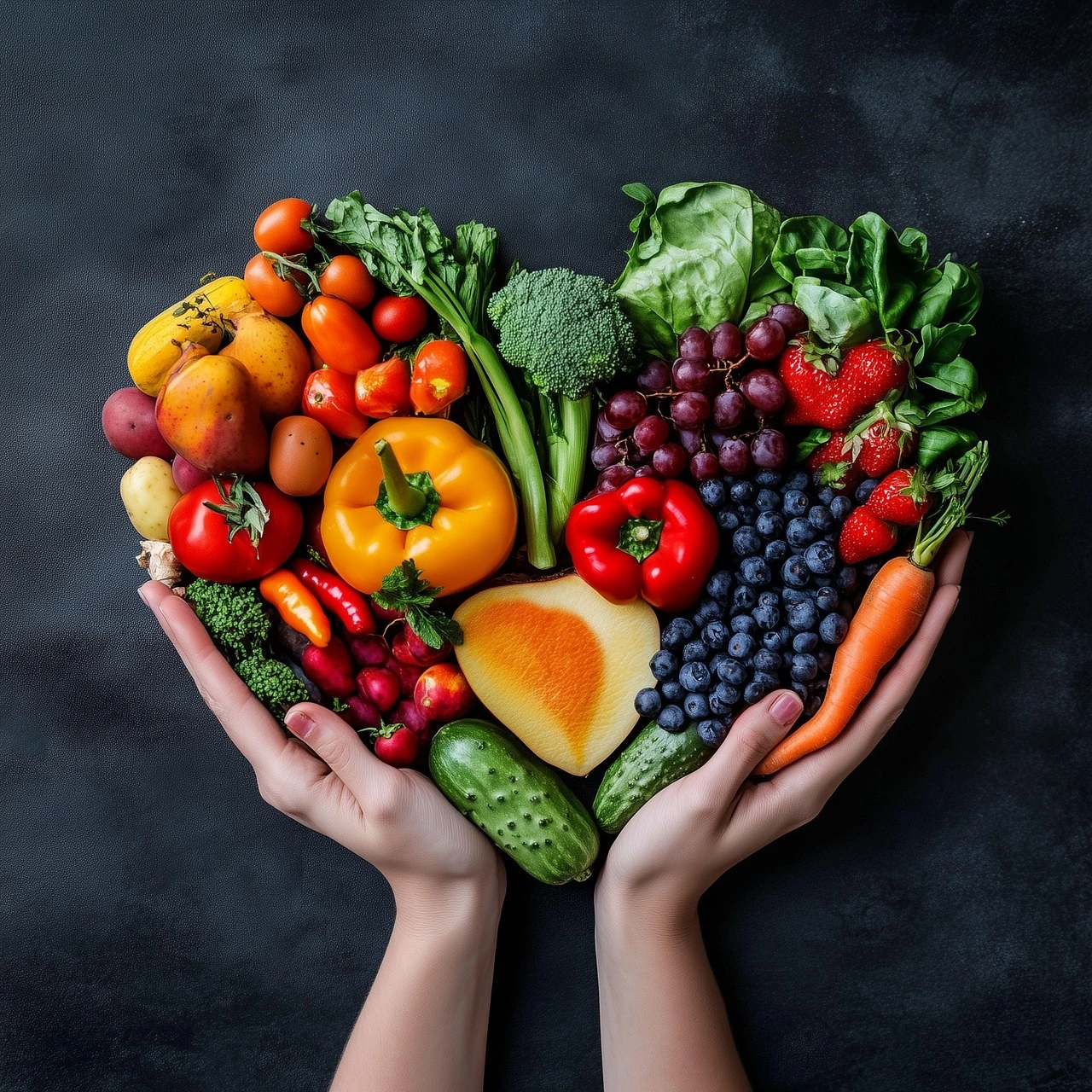
These are your ultimate allies. Stock up on a mix of colourful fruits and veggies. Add leafy greens like spinach and kale, colourful berries, sweet potatoes, and bell peppers.

Antioxidants, vitamins, and minerals are packed into them. These are key for combating chronic inflammation associated with Hashimoto’s.

Legumes: Protein and Fibre Powerhouses

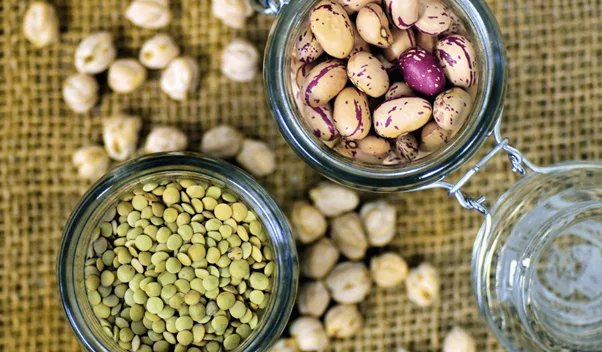
Don’t underestimate the mighty bean! Plant-based foods high in protein include lentils, black beans, chickpeas, and kidney beans. They are also high in fibre. This fibre is key for a healthy gut microbiome. As we discussed, this is closely related to your thyroid health.

Whole Grains: sustained Energy and Fibre

Select gluten-free whole grains, such as quinoa, brown rice, millet, and certified gluten-free oats.

They provide lasting energy and essential fibre for gut health and regularity.

If you think you have gluten sensitivity, choosing gluten-free foods may help with Hashimoto’s symptoms.

Nuts and Seeds: Healthy Fats and Micronutrients

These tiny powerhouses are essential for a plant-based diet. Choose foods high in omega-3s. Good options include flaxseeds, chia seeds, and walnuts. These foods help reduce inflammation. Don’t forget Brazil nuts – just one or two per day provides your daily selenium needs!

Specific Nutrient Focus for Hashimoto’s Disease

Specific nutrients are vital when you have Hashimoto’s:

Selenium-Rich Plant-Based Foods

Selenium is key for converting thyroid hormones. It also serves as a potent antioxidant, shielding your thyroid. Brazil nuts are, hands down, the best plant source.

Zinc-Rich Plant-Based Foods

Zinc plays a key role in thyroid function and supports your immune system. You can find it in pumpkin seeds, cashews, lentils, and chickpeas.

Iron (Non-Heme) and Vitamin C for Absorption

Iron deficiency is common with Hashimoto’s. Plant-based iron (non-heme) is harder to absorb. However, you can significantly boost absorption. Combine iron-rich foods, such as spinach and lentils, with vitamin C-rich sources. Good options are bell peppers or citrus fruits.

Vitamin D (and K2) Considerations

Many people with Hashimoto’s disease often lack Vitamin D. Sunlight can help, but you can also consider fortified plant milks. If needed, talk to your doctor about supplements.

Vitamin B12: Essential for Plant-Based Diets

This is a non-negotiable for anyone on a strict plant-based diet. B12 is essential for nerve function and energy. You need fortification or supplements to prevent deficiency, as it is mainly found in animal products. This includes adding it to plant milks and nutritional yeast.

Smart Choices: Goitrogens and Soy in a Plant-Based Hashimoto’s Diet

You might have heard concerns about certain plant foods:

Understanding Goitrogens

Cruciferous vegetables, such as cauliflower, kale, and broccoli, contain compounds. If you consume them raw in large quantities, they can inhibit iodine uptake by the thyroid.

Cooking and Moderation

The good news is that cooking largely deactivates goitrogens.

Enjoy your cooked cruciferous veggies, but do so in moderation. Their benefits greatly outweigh any risks.

Soy Consumption and Hashimoto’s

The jury’s still out on soy. Some people with Hashimoto’s report sensitivity, while others tolerate it fine.

Choose fermented, organic soy products, such as tofu or tempeh. Use them in moderation and watch for any symptoms.

Listen to your body!

Foods to Cut Back on or Stay Away from on a Plant-Based Diet for Hashimoto’s

A plant-based diet focuses on what to add, but it’s also important to know what to avoid. This can help manage Hashimoto’s symptoms effectively.

Remember, the goal here is to reduce inflammation and potential autoimmune triggers.

Common Inflammatory Foods to Minimise

It’s good to limit these for anyone focused on health. They’re essential when managing an autoimmune condition like Hashimoto’s.

Gluten (If Sensitive)

This is a big one for many with Hashimoto’s disease. There’s a well-documented connection between gluten sensitivity (and celiac disease) and Hashimoto’s.

Gluten’s protein structure can sometimes resemble that of thyroid proteins. This may cause an immune response in people who are sensitive to it. For a period, try not eating gluten. It may help improve your Hashimoto’s symptoms. Think beyond bread; gluten can be found in many processed foods.

Dairy Products

Even on a plant-based diet, some might incorporate dairy substitutes. However, for many with Hashimoto’s, dairy can be problematic.

Lactose intolerance is common. Some people find that dairy proteins can cause inflammation. This may worsen gut issues and affect TSH levels or other thyroid function markers.

If you’re using plant-based milks, ensure they’re unsweetened and without unnecessary additives.

Processed Foods and Refined Sugars

These are absolute no-gos for reducing inflammation. Think of things like sugary drinks, pastries, white bread, and most packaged snacks.

They cause systemic inflammation and upset your gut microbiome. Plus, they provide little or no nutrition. This means they worsen the issues you want to solve with your plant-based diet for Hashimoto’s.

Unhealthy Fats (Trans Fats, Excessive Omega-6)

Corn, soybean, and sunflower oil are examples of industrial seed oils that are high in omega-6 fatty acids. These fats are essential. However, excessive consumption can cause inflammation, especially when omega-3s are lacking.

Trans fats, found in many fried, baked, and processed meals, are bad for inflammation and health in general.

Stick to healthy plant fats like avocado, olives, and their respective oils.

Specific Considerations for Plant-Based Dieter’s with Hashimoto’s

Even within the plant kingdom, a couple of things warrant attention.

High Iodine Foods (with caution)

Iodine is essential for making thyroid hormones. But too much iodine can worsen Hashimoto’s in some people.

Be cautious with high-iodine sources, such as some seaweed or kelp supplements. Talk to your healthcare provider first.

Moderation is key here.

Canola Oil and Highly Processed Vegetable Oils

While technically plant-based, highly refined oils often undergo extensive processing. For better thyroid health and less inflammation, focus on less processed fats.

Include extra-virgin olive oil, avocado oil, and healthy fats from nuts and seeds in your plant-based diet.

Practical Implementation: Building Your Plant-Based Hashimoto’s Diet

You’re ready to use this knowledge and start a plant-based diet for Hashimoto’s disease!

That’s fantastic.

It may seem challenging at first, but it’s doable. Using innovative strategies can lead to better thyroid health and symptom relief.

Meal Planning for a Plant-Based Hashimoto’s Diet

Sample Meal Ideas

Let’s get some inspiration flowing!

Breakfast

Imagine a smoothie packed with berries, spinach, flaxseeds, and plant-based protein. Or picture gluten-free oats mixed with nuts, seeds, and fruit.

Lunch

A colourful salad features mixed greens, roasted chickpeas, avocado, and lemon-tahini dressing. Or have a big bowl of lentil soup with some steamed vegetables on the side.

Dinner

Try a vibrant stir-fry with non-goitrogenic veggies like bell peppers, mushrooms, and zucchini. Add tofu or tempeh and serve it over brown rice. Alternatively, enjoy black bean burgers on gluten-free buns with a big side salad.

Snacks

  • Apple slices with almond butter
  • A handful of Brazil nuts (for selenium!)
  • Carrot sticks with hummus
  • Batch Cooking and Prep Tips: To make your week easier, dedicate some time on the weekend to batch cooking. Cook a big batch of quinoa or lentils, chop your vegetables, and prepare salad dressings. This way, you’ll have healthy, plant-based foods ready for quick meals. This helps you avoid less healthy choices when hunger hits. Adopting a plant-based diet for Hashimoto’s is a game-changer for consistency.

Transitioning to a Plant-Based Diet for Hashimoto’s

You don’t have to overhaul your entire diet overnight!

Gradual Changes vs. Cold Turkey

For most people, a gradual approach is the most effective and sustainable. Start by incorporating one plant-based meal a day, then two, and slowly transition. Consider committing to “Meatless Mondays” initially and build from there. This allows your body (and taste buds!) to adjust to new flavours and textures.

Experimentation and Listening to Your Body

This is crucial for Hashimoto’s disease. Everyone is unique, and what works for one person might not work for another. Pay close attention to how different foods affect your energy levels and overall well-being.

Keep a food journal to track your symptoms and energy levels after eating. Are you noticing less fatigue or joint pain when you eat certain foods?

This personalised feedback is invaluable for refining your plant-based diet strategy.

Hydration and Lifestyle Factors

Beyond food, these elements play a significant role in supporting your thyroid health.

Importance of Water Intake

Don’t forget the basics! Staying hydrated is crucial for the body to function correctly. It helps with metabolism and detoxification, which are vital for managing Hashimoto’s.

Stress Management

Chronic stress can directly impact your immune system and potentially trigger autoimmune flares. Utilise stress-reducing practices such as mindfulness meditation, yoga, deep breathing, or spending time in nature.

Adequate Sleep

Quality sleep is essential for maintaining immune function and promoting healing. Aim for 7-9 hours of restorative sleep each night. Resting is important. It helps your body handle the challenges of Hashimoto’s disease.

Potential Challenges and Solutions on a Plant-Based Hashimoto’s Diet

Starting a plant-based diet for Hashimoto’s can be empowering. However, you may face some challenges.

No need to worry!

With some planning and the right strategies, you can tackle these challenges. This way, you’ll stay on track for better symptom management!

Addressing Nutrient Deficiencies

A common worry with a plant-based diet is getting all the essential nutrients. People with Hashimoto’s disease often have nutrient deficiencies. Common ones include Vitamin B12, Vitamin D, iron, selenium, and zinc.

Solution: Be proactive! Emphasise the importance of making informed, diverse food choices. For example, Brazil nuts provide selenium, and pumpkin seeds offer zinc. Crucially, discuss supplementation with your healthcare provider. Vitamin B12 is essential for strict plant-based eaters. Your doctor can test your levels and recommend the correct doses of Vitamin D, iron, and other minerals based on your needs.

Navigating Social Situations and Eating Out

Eating differently can sometimes make social gatherings tricky.

Solution: Plan! Look at restaurant menus online before you go. Bring a dish to potlucks that meets your plant-based and Hashimoto’s needs. Feel free to share your dietary choices. Most friends and family will support you. Focus on the company, not just the food.

Overcoming Cravings for Non-Plant-Based Foods

It’s normal to miss old favourites, especially when you’re transitioning.

Solution: Get creative with plant-based alternatives! You can find great vegan options for nearly everything today. This includes plant-based cheeses and “meat” substitutes. Try to choose the less processed options whenever possible.

Try out some new recipes, spices, and cooking methods. Discover tasty flavours and textures that keep your plant-based diet exciting. Focus on filling, fibre-rich foods to keep hunger at bay and reduce the likelihood of cravings.

The Importance of Professional Guidance

This article offers general advice. However, managing Hashimoto’s disease and tailoring your diet is a very personal matter.

Solution: It’s essential to consult a qualified healthcare provider. Consult with your endocrinologist and a registered dietitian who specialises in autoimmune conditions. They can give tailored advice. Additionally, it helps identify food sensitivities that may cause inflammation or autoimmune issues.

They also make sure your plant-based diet meets your specific nutritional needs. These are your best resources for truly optimising your thyroid health.

Success Stories and Research Insights

It’s one thing to talk about the science, but it’s another to see the real-world impact.

Many people are exploring diets for Hashimoto’s disease. Their success stories are inspiring.

Anecdotal Evidence and Personal Testimonies

More people online and in support groups are discussing how a plant-based diet has helped alleviate their Hashimoto’s symptoms.

Many people feel less tired. They also report less joint pain. Their thinking becomes clearer, and thyroid antibody levels drop.

These personal stories, though not clinical trials, provide strong evidence.

A plant-based diet can boost quality of life. It also helps thyroid health in those with this autoimmune condition.

These stories demonstrate that consistent efforts to reduce inflammation and promote gut health through diet can significantly alleviate challenging symptoms.

Emerging Research and Future Directions

Large-scale clinical trials on plant-based diets for Hashimoto’s disease are still in development. Scientists now see a strong link between diet, gut microbiome, and autoimmune diseases.

  • Research is examining how various diets impact food intolerance in Hashimoto’s. It also looks at how gut bacteria diversity affects thyroid function and immune control.
  • Research shows that high-fibre diets and plant compounds can improve the gut microbiome. They may also lower inflammation and help the immune system. These factors are essential for managing Hashimoto’s.
  • More research is being conducted to investigate how nutrients found in plant-based diets support thyroid health. Antioxidants and omega-3s are key examples.
  • More studies are needed to confirm dietary recommendations. However, current evidence and many positive experiences show promise.
  • The future of managing Hashimoto’s disease is focusing on comprehensive approaches. One key strategy involves powerful dietary changes, such as adopting a plant-based diet.

FAQs about Plant-Based Diet for Hashimoto’s Disease

Here are some common questions about a plant-based diet for Hashimoto’s disease.

It’s normal to have questions. Clear answers can boost your confidence as you work towards better thyroid health.

Can a plant-based diet reverse Hashimoto’s?

A plant-based diet won’t “cure” Hashimoto’s Thyroiditis, since it’s an autoimmune condition. But it can help manage symptoms and significantly improve your quality of life.

Many people notice less inflammation, lower thyroid antibody levels, and improved thyroid function. Think of it as putting the brakes on the autoimmune attack and nurturing your body back to balance.

What specific plant-based foods should I eat for Hashimoto’s?

Focus on a wide variety of whole, unprocessed plant foods. Prioritise a variety of fruits, leafy green vegetables, and other colourful vegetables.

Add a variety of legumes, such as beans and lentils. Include gluten-free whole grains such as quinoa and brown rice.

Also, use healthy fats from nuts and seeds. Don’t forget selenium-rich foods like Brazil nuts – they’re little powerhouses for thyroid health!

Are there any plant-based foods I should avoid with Hashimoto’s

Limit processed foods, refined sugars, and unhealthy fats. They can increase inflammation. Cruciferous vegetables, known as goitrogens, are healthy.

However, some people with Hashimoto’s choose to cook them well. This helps deactivate certain compounds, especially when consuming a significant amount.

Soy is a debated topic. If you choose to eat it, go for fermented, organic types. Use them in moderation and watch how your body reacts.

Do I need supplements on a plant-based diet for Hashimoto’s?

Yes, some supplements are typically recommended. Vitamin B12 is crucial for anyone on a strict plant-based diet.

Additionally, individuals with Hashimoto’s disease often have deficiencies in vitamin D, selenium, zinc, and iron. Always get your levels tested by your healthcare provider. Then, discuss specific supplements that meet your needs.

How soon can I expect to see improvements from a plant-based diet for Hashimoto’s?

Individual responses vary greatly. Some people may notice a reduction in fatigue, joint pain, or brain fog within a few weeks. For others, it might take several months of steady effort to see significant changes. Patience and consistency are key. Listen to your body and track your symptoms to gauge progress.

Is a plant-based diet the same as an AIP (Autoimmune Protocol) diet for Hashimoto’s?

Not exactly. AIP and other diets aim to reduce inflammation and support individuals with autoimmune issues. However, AIP is more restrictive. It begins by cutting out more foods. This includes many standard plant-based options, such as legumes and nightshades. Then, it identifies specific food triggers before reintroducing them.

A plant-based diet is a broader eating pattern.

You can include parts of a plant-based diet in an AIP approach. You can change your plant-based diet to focus on elimination. This may help your Hashimoto’s symptoms.

Conclusion

In conclusion, eating a lot of plants can help you deal with Hashimoto’s condition.

Eating nutrient-rich plant foods can lower inflammation. This also supports gut health and enhances thyroid function.

This dietary change can significantly improve symptom management and enhance overall well-being. It’s about empowering yourself on your journey to better health!

The Ultimate Guide to a Plant-Based Diet for Osteoarthritis

The Ultimate Guide to a Plant-Based Diet for Osteoarthritis

Learn about a plant-based diet for osteoarthritis. Discover actionable steps, a meal plan, and scientific backing in this guide! Introduction: Embracing a Plant-Based Diet for Osteoarthritis Relief This is your guide to a plant-based diet for Osteoarthritis. Living with osteoarthritis often brings ongoing joint pain …

The Ethical Case for Plant-Based Eating

The Ethical Case for Plant-Based Eating

Introduction This is your guide to the ethical case for plant-based eating. But wait Have you ever paused to consider the journey of the food on your plate? It’s not just food; it’s a story. This story now holds significant ethical importance. For many people, …

Growing Plant-Based Demand in South Africa

Growing Plant-Based Demand in South Africa

We’re experiencing a growing demand for plant-based products in South Africa.

South Africa offers an excellent opportunity for adopting a plant-based diet.

Approximately 67% of consumers are open to trying plant-based meat products. In 2022, analysts valued the market at $416.77 million and projected it would grow at a rate of 6.5% annually.

The country has become Africa’s largest market for plant-based foods.

It now makes up 30% of the market for plant-based foods in Africa and the Middle East. This is impressive, given the cultural and economic challenges.

To succeed, we must address the significant cultural and economic challenges that many households face.

We should also utilise the country’s rich heritage in plant-based foods.

Fry Family and ProVeg South Africa

We can learn from successful companies such as Fry Family Food and groups like ProVeg South Africa.

The South African plant-based landscape reveals a complex interplay of opportunity and challenge.

The median age is 28, with 60% of people under 35. Younger groups show high adoption rates. Approximately 60% of “born-frees” (ages 18-27) and 62% of millennials are likely to buy plant-based alternatives.

Braai culture links meat eating to social ties and identity. However, it faces strong resistance.

Plant-based alternatives cost 67% more than regular meat. Meanwhile, 43% of households face food insecurity.

This change focuses on environmental choices. These choices are key to food access and cultural preservation in developed countries.

Current Market Dynamics Reveal a Surprising Level of Consumer Readiness

The South African plant-based market demonstrates robust consumer interest despite structural barriers.

Market projections expect growth to $846.9 million by 2030. This rise is led by plant-based milk and meat alternatives, which hold a 29.95% revenue share.

Consumer research indicates a 59% likelihood of purchasing plant-based products. Lower household income often makes people want to buy these items more.

This means people might pick plant-based foods for food security, not just their trendy look.

Demographic Analysis

Demographic analysis shows clear segmentation opportunities.

Urban areas lead in vegan orders. Johannesburg is now 23% ahead of Cape Town.

Approximately 10-12% of consumers identify as vegan, vegetarian, or flexitarian. This percentage is much higher than the under 3% who are strictly plant-based.

This shows a strong market potential for flexitarians.

Females have a 65% adoption rate at university, while males have a 28% adoption rate. This trend suggests that we require distinct strategies to engage each gender.

Generational Divide on Growing Plant-Based Demand in South Africa

The generational divide proves particularly pronounced.

Generation Z looks for vegetarian options 18% of the time, more than the 13% average. In contrast, 53% of Generation X opts for these choices, while over 60% of younger groups do the same.

Therefore, targeting younger consumers is a good option.

Additionally, develop strategies that appeal to all age groups. This method will help you reach a wider audience.

Cultural and Economic Barriers Create Complex Adoption Challenges

South African food culture presents formidable obstacles rooted in deep cultural identity.

Meat Consumption in South Africa

Meat consumption is a key component of social gatherings. Braai culture brings people together, crossing ethnic lines as a unifying national practice.

The saying “without meat, a meal is no meal at all” shows a strong link between meat and feeling full.

Indigenous Khoisan and Bantu practices, mixed with colonial influences, shaped a meat-focused identity. This identity connects closely to masculinity, social status, and cultural belonging.

Economic Barriers to Growing Plant-Based Demand in South Africa

Economic barriers prove equally challenging.

Plant-based alternatives are 67% more expensive than regular meat. A healthy diet costs approximately R286.50 ($36.38) per person per month. This price is too high for many households earning less than R1,000 ($127) monthly.

The economic paradox shows that 42% see high costs as a barrier. Yet, lower-income households want to buy more. This suggests that motivations are more complex than just price sensitivity.

The Impact of Social Barriers

Social barriers compound these challenges through family dynamics and peer pressure. Nuclear families often resist vegetarian transitions, creating household conflict and logistical burdens.

Plant-based diets often carry stigma. Many view them as signs of poverty rather than choices. This is especially true in communities that view eating meat as a sign of financial strength.

Gender dynamics link meat consumption to strong masculine traits. Therefore, we require targeted strategies to engage male consumers effectively.

Limited Distribution Networks

Infrastructure limitations further constrain access.

Rural areas have limited access to plant-based products. Additionally, institutional food services often lack variety.

For example, universities usually have one plant-based option and five meat choices at meals.

Supply chain issues and low local manufacturing lead to higher costs. This process affects the availability of goods for various socioeconomic groups.

Evidence-based Strategies Demonstrate Clear Pathways to Success.

Research identifies highly effective messaging approaches for South African consumers.

“Small changes can lead to big differences.”

The World Resources Institute found that this message made consumers more likely to choose vegetarian options.

The Impact of Social Benefits Messaging

Social benefits messaging is more effective than just taste or health claims. Also, using “join a movement” more than doubled the choice of vegetarian options.

Using “plant-based” or “plant-forward” instead of “vegan” is more effective for flexitarian markets.

Educational campaigns show a measurable impact when culturally adapted.

The University of Pretoria’s school-based programs boosted teacher nutrition knowledge by 14.1%. This led to improvements in students as well.

Community Health Worker Programs

Programs for community health workers that utilised WhatsApp and interactive materials demonstrated lasting behavioural changes after six months.

Cooking classes, gardening programs, and cultural context complement each other well. They help people change their diets for the long term.

Policy Interventions for Growing Plant-Based Demand in South Africa

Policy interventions offer significant leverage points.

Shifting agricultural subsidies to support horticultural products can boost public health. It can also cut greenhouse gas emissions. Researchers from Nature Communications researched this.

South Africa’s National School Nutrition Programme serves meals to over 9 million students daily. This creates a significant opportunity for institutions to purchase more plant-based foods.

Successful models in the Eastern Cape demonstrate that local sourcing is a practical approach. Also, mandatory school gardens help boost nutrition programs.

Industry Partnerships

Industry partnerships drive market expansion effectively.

Fast-food menus now feature 16.67% more plant-based options thanks to ProVeg’s collaboration. However, these still make up less than 5% of all menu items.

Big retailers like Woolworths, Pick n Pay, and Checkers now offer a wider range of plant-based products. Some customers at Woolworths even saw lower prices when they chose plant-based proteins.

Traditional Cuisine Integration Offers Culturally Authentic Pathways.

South African traditional cuisine has a strong foundation in plant-based roots. These are often missed in modern food talks.

African Leafy Vegetables (ALFs)

Indigenous leafy vegetables, or morogo, include over 27 species. Some examples are amaranth, spider plant, and cowpea leaves. They offer complete nutrition.

Traditional grain combos like samp and beans provide complete proteins.

Dishes such as chakalaka, waterblommetjie bredie, and vegetable stews showcase the richness of plant-based cooking.

Recipe Adaptations

Successful recipe adaptations maintain cultural authenticity while introducing plant-based alternatives.

Vegan bobotie made with mushrooms keeps the classic spices. Plant-based gatsby sandwiches and bunny chow from Cape Town also hold cultural importance.

Indigenous ingredients like sorghum and amaranth, along with traditional vegetables, offer essential protein sources. They come with known preparation methods and have reliable seasonal availability.

Community-based approaches respecting cultural values show the highest success rates.

School Nutrition Programs

School nutrition programs with indigenous vegetables had acceptance rates of 65-78% among kids. Meanwhile, women-led community gardens have shown lasting improvements in food security.

Teaming up with traditional knowledge holders and respecting seasonal harvesting builds a diet that honours culture.

Additionally, combining indigenous crops with modern vegetables provides a greater variety of options.

Cultural Sensitivity For the Growth of Plant-Based Demand in South Africa

Cultural sensitivity requires understanding ethnic group differences.

Bantu communities need ways that honour their meat traditions. They also want to build on their current morogo knowledge.

Cape Malay communities require maintaining Islamic dietary principles and traditional spice combinations.

Afrikaner heritage demands respect for braai culture while introducing plant-based alternatives.

Cross-cultural strategies should not label plant-based foods as “poverty options.” Instead, they should highlight their nutritional value and cultural significance.

Economic factors demand affordability-focused strategies.

Price sensitivity represents the primary barrier that requires systematic attention.

Plant-Based Meal Alternatives (PBMAs)

Plant-based meat alternatives are 67% more expensive than traditional meat. This makes them challenging for families earning under R1,000 a month to afford.

Dry beans cost R0.32 per gram of protein, while beef costs R2.81. Traditional plant proteins can save money if marketed and prepared correctly.

Economic Analysis

Economic analysis indicates that a healthy diet costs approximately R286.50 per person per month. However, average low-income households earn under R1,000 per month in total.

This economic reality changes food choices from simple preferences to real needs. We need to make food affordable. It’s not enough to teach people about healthy eating.

A higher interest in plant-based foods is associated with lower household income. This suggests that food security is more important than premium pricing.

Subsidy and Taxation Policy

Subsidy and taxation policies create structural disadvantages for plant-based alternatives.

Traditional meat and dairy products receive agricultural subsidies, making them more affordable. In contrast, plant-based options face full market prices.

Redirecting agricultural subsidies to support horticultural production could boost public health. It may also lessen the environmental impact, a finding from systematic policy analysis.

Supply Chain Efficiency in the Growth of Plant-Based Demand in South Africa

Supply chain efficiency improvements offer cost-reduction pathways.

Low domestic plant-based manufacturing means we rely more on imports. This raises costs and lowers availability.

Local production growth, improved cold chain systems, and stronger distribution networks can reduce prices for consumers. They also help boost regional economic development.

Health Messaging Requires Culturally Adapted Approaches.

Health communication strategies must address South Africa’s unique health issues.

This includes both undernutrition and obesity challenges.

Health Communication Strategies

Plant-based diets can help the heart, prevent diabetes, and aid in weight management. These benefits are essential because non-communicable diseases are common.

Messaging should address protein adequacy. Educate about traditional legume-grain combinations. These combinations provide complete amino acid profiles.

Nutritional Education Programs

Nutritional education programs show measurable effectiveness when culturally integrated.

Programs utilising community health workers and multimedia methods resulted in lasting behavioural changes for six months. School-based interventions also improved knowledge for both teachers and students.

Training healthcare workers on plant-based nutrition counselling is vital. It helps build a strong foundation for effectively spreading health messages.

Traditional African Diets

Traditional African diets provide an excellent foundation for effective messaging. Indigenous vegetables are often more nutritious than their imported counterparts.

Traditional food pairings demonstrate a profound understanding of nutrition and culinary artistry. Plant-based eating is rooted in conventional diets. This connection feels more aligned with cultural identity and health goals.

Double Burden Malnutrition Messaging

Double burden malnutrition necessitates careful messaging that strikes a balance between concerns about undernutrition and the risk of obesity.

28.8% of children with stunting show a long-term protein deficiency. At the same time, increasing obesity rates point to problems with dietary changes.

Plant-based messages should emphasise the nutritional and food security benefits. Focus on these positives instead of restrictions that don’t suit food-insecure groups.

Environmental Messaging Exhibits Mixed Effectiveness Across Demographic Groups.

Ecological and sustainability messaging demonstrates differential effectiveness across socioeconomic groups.

Research indicates that higher-income consumers tend to be more concerned about environmental issues. In contrast, lower-income groups explicitly reject these concerns.

Economic messaging is more effective than ecological appeals in reaching a broader audience.

Climate Impact and Plant-Based Diets

Climate impact framing proves more effective than sacrifice-focused messaging.

Plant-based diets use 14% less fresh water and 21% less groundwater. They also produce 40 times more food per acre than animal agriculture.

Local benefits, such as conserving water, enhancing soil health, and preserving biodiversity, are more critical than addressing global climate issues.

South African Environmental Context

The South African environmental context provides compelling local messaging opportunities. Water scarcity impacts many provinces. Therefore, water conservation is crucial for consumers at present.

Adapting to changing rainfall patterns helps the environment and food security. This shows the importance of climate resilience messaging. This issue impacts 43% of households.

Figurative language and positive framing enhance the effectiveness of a message compared to literal descriptions.

People can see plant-based choices as climate action, not a sacrifice. This shift doubled the number of menu options in global studies.

This means that similar strategies could also be effective in South Africa. This is especially true when they focus on local environmental issues.

Success Stories Provide Proven Implementation Models.

Fry Family Food Company

Fry Family Food Company is South Africa’s top plant-based success. It started in 1991 with just R200. Now, it produces 14,000 kg daily and exports to over 30 countries.

Key success factors are:

  • Authentic, mission-driven branding
  • Patient education in the market
  • An organic growth approach
  • International expansion

Thus, emerging market companies can lead in the global plant-based sector.

ProVeg South Africa

ProVeg South Africa demonstrates strong advocacy grounded in research. They report a 20% rise in plant-based mains at 25 top fast-food chains. Also, they engaged 30,000 South Africans in Veganuary campaigns.

Their data-driven approach tracks market changes. They work with QSRs and advocate legally. This creates models that demonstrate how to utilise evidence for effective organisations.

Academic Research on Growing Plant-Based Demand in South Africa

Stellenbosch University’s Southern African Food Lab leads academic research to transform the food system.

The university brings together various stakeholders and gathers essential data on consumer behaviour. The research shows that 67% of people are willing to try plant-based alternatives.

University studies on plant-based health interventions show clear benefits for managing diabetes. They also create chances for better integration within health systems.

Corporate Retail Expansion

Corporate retail expansion shows systematic market development.

Big retailers like Woolworths, Checkers, and Pick n Pay are adding more plant-based options. They are also expanding their private label products.

Customers at Woolworths saw lower prices when they switched to plant-based proteins.

This shows how retail partnerships can improve affordability. They can achieve this by using scale and optimising their supply chain.

Grassroots Community Initiatives

Grassroots initiatives like African Vegan on a Budget fight colonial meat-eating ideas. They offer affordable meal solutions at about $8 each.

Chef Cola focuses on cultural reclamation. He notes, “More Africans are going back to being vegan, not becoming vegan.” This speaks to identity.

These initiatives also address economic barriers. They promote community education and build local food systems.

Recommendations for Stakeholder-Specific Action

Government Involvement

Government stakeholders should prioritise policy coherence, integrating plant-based promotion into national nutrition strategies.

Shift agricultural subsidies to support horticulture. This will help lower costs and boost local plant-based manufacturing.

Expand the National School Nutrition Programme by adding more plant-based options. Utilise the existing infrastructure that serves over 9 million learners daily. This will help influence healthier eating patterns.

Business and Affordability Bias

Business stakeholders must focus on affordability and cultural adaptation.

Create affordable product lines that close the 67% premium gap. Keep the nutritional quality and familiar flavours.

Collaborate with traditional knowledge holders to develop authentic cultural products. Use existing retail connections for broader distribution, not just premium sales.

NGO and Advocacy Organisations

NGOs and advocacy groups should focus on data-driven methods. They need to measure changes in behaviour, not just awareness.

Create coalitions with government, industry, and communities. Together, they can develop strong intervention strategies.

Craft messages that emphasise food security and its health benefits. This approach will resonate more with people from diverse cultural backgrounds.

It’s essential to highlight these points, rather than just focusing on environmental issues. By doing this, we can reach a broader audience and have a greater impact on socioeconomic factors.

Healthcare and Education Stakeholders in Growing Plant-Based Demand in South Africa

Healthcare and education leaders need training programs on plant-based nutrition. These programs should focus on healthcare workers, teachers, and community health workers.

Include indigenous food knowledge in nutrition education.

Additionally, teach practical cooking and preparation skills through hands-on demonstrations. Partner with community garden initiatives to link education to food access and cultural preservation.

Growing Plant-Based Demand with Industry and Retail Stakeholders in South Africa

Local supply chain development is key. Industry and retail stakeholders should invest in it. This will reduce reliance on imports and lower costs for consumers.

Establish dedicated plant-based sections in stores. Use competitive pricing to attract shoppers.

Additionally, team up with local groups to educate consumers and integrate with the community. Develop employee training programs to ensure knowledgeable customer support during dietary transitions.

Conclusion

South Africa’s plant-based market has excellent growth potential.

This occurs due to high consumer interest, connections to native foods, and companies demonstrating that the market works.

A young, health-conscious population and traditional plant-based cooking skills create a strong foundation for growth.

Success requires addressing cultural meat traditions, economic barriers, and infrastructure issues. We should use coordinated approaches that involve many stakeholders. These efforts must focus on affordability, cultural authenticity, and food security. We should avoid messaging that prioritises premium positioning over environmental sacrifice.

Focus on urban millennials and Generation Z. Next, develop ways that celebrate traditional food practices.

To create lasting changes in dietary habits, we must address structural cost barriers that hinder the adoption of healthier options.

Economic actions play an essential role here. Also, education programs that use indigenous food knowledge and community-based models are crucial. Together, they offer the best chance for real change.

Top-down rules often fail, but teamwork in the industry shows success. This highlights the need for inclusive, evidence-based strategies.

These strategies are crucial for encouraging plant-based diets in South Africa’s diverse population.

How to Cook with Legumes for Delicious and Nutritious Meals

How to Cook with Legumes for Delicious and Nutritious Meals

Introduction Ever wondered how to master cooking with legumes truly? You’re in the right place! This guide will help you discover the incredible power of these flexible ingredients. So, what exactly are legumes? They’re a great family of plants that includes your favourite beans, lentils, and …

The Ecological Benefits of Plant-Based Eating

The Ecological Benefits of Plant-Based Eating

Introduction This is your comprehensive guide to understanding the ecological benefits of plant-based eating. But wait Have you ever stopped to think about the incredible power your plate holds? It’s true! In our rapidly changing world, more people recognise that what we eat has a …

Quick & Easy Plant-Based Weeknight Dinners in South Africa

Quick & Easy Plant-Based Weeknight Dinners in South Africa

Introduction

Here’s your guide to quick & easy plant-based weeknight dinners in South Africa.

It’s great to see so many South Africans choosing plant-based diets, and I’m with you!

You may wonder about health benefits, environmental impacts, or want to explore new flavours.

Whatever your reason, you’ve likely encountered a common challenge: time-crunched weeknights.

Life goes quickly. After a long day, no one wants to deal with complicated cooking. This is especially true for those on a plant-based diet.

That’s precisely why I’ve put together this comprehensive guide. I want to help you find quick and easy plant-based dinners for weeknights.

These meals perfectly fit the South African lifestyle.

We’ll explore local ingredients and celebrate the vibrant flavours we love.

Get ready to sizzle and sauté!

Enjoy tasty, plant-based meals made for your busy life.

The South African Plant-Based Landscape: Ingredients & Accessibility

Living in South Africa, I’m amazed at how easily and affordably plant-based meals are now available. This is great for anyone wanting quick weeknight dinners.

Navigating Local Stores for Plant-Based Staples

Navigating local stores for plant-based staples is surprisingly simple.

You’ll discover excellent, affordable plant-based protein sources. Lentils, chickpeas, and different beans are lifesavers in a busy kitchen.

Tofu and tempeh are readily available in large stores, such as Woolworths, Checkers, and Pick n Pay. This makes vegan dinners in SA simple.

Moreover, we are truly spoilt for choice when it comes to fresh produce.

Seasonal fruits and vegetables are diverse and tasty. They are often budget-friendly too, especially at local markets.

You can make fantastic South African plant-based meals with regular grocery store ingredients. Speciality stores and online shops have unique items, but everyday options can be just as good.

Budget-Friendly Plant-Based Eating in South Africa

For budget-friendly plant-based eating in South Africa, I recommend smart grocery shopping.

Buying in bulk, utilising seasonal produce, and stocking up on legumes can help you save money.

Additionally, reducing food waste allows you to utilise every ingredient fully. This makes your plant-based meals more appealing and economical.

It’s truly empowering to see how easily we can embrace this lifestyle here!

Core Principles for Quick & Easy Plant-Based Weeknights Dinners

Planning is beneficial when preparing quick and easy plant-based dinners on weeknights.

Meal Prep Like a Pro

My absolute game-changer has been embracing meal prep like a pro. It truly transforms the week!

On Sundays, I usually spend some time batch cooking grains and legumes. This includes rice, quinoa, lentils, and chickpeas. Having these ready in the fridge means half the work is already done when I come home hungry on a Tuesday night.

Cut up vegetables ahead of time and keep them in containers that won’t let air in. This saves time during the week.

Additionally, preparing versatile sauces and dressings in advance allows my plant-based meals to come together quickly.

One-Pot Wonders & Sheet Pan Dinners

Beyond prepping, I’m a massive advocate for one-pot wonders & sheet pan dinners.

These methods are great not only for their tasty results but also for their ease of clean-up. That’s a real help on hectic weeknights!

I enjoy a tasty South African-inspired one-pot plant-based meal. Everything cooks together, blending the flavours perfectly.

Speedy Cooking Techniques

To further speed things up, I rely on a few speedy cooking techniques.

Stir-frying fresh veggies and tofu is super quick. My air fryer is a must-have for crispy plant-based food.

Pressure cooking legumes can significantly reduce cooking time. This makes quick, plant-based dinners possible.

Flavour Boosters for Plant-Based Weeknight Dinners

Finally, let’s talk about flavour boosters for plant-based weeknight dinners. This is where the magic happens!

I always have a stocked spice rack. It includes essentials like curry powder, peri-peri, and our favourite braai spice.

These, along with condiments, can elevate a simple meal. And for that elusive umami, I often turn to mushrooms, a sprinkle of nutritional yeast, or a dash of soy sauce.

Trust me, these tips will make your plant-based weeknights easy and delicious.

Quick & Easy South African-Inspired Plant-Based Weeknight Dinner Recipes

Now for the exciting part – the recipes!

I think South African-inspired plant-based dinners can be simple and tasty. They can also be deeply satisfying for any weeknight.

Here are some of my top picks that combine speed with the flavours we love in South Africa.

Let’s explore some cosy plant-based dinners.

They’re great for those nights when you want something warm and familiar, but easy to make.

Lentil & Vegetable “Bobotie” Bowl

This is my go-to when I’m yearning for South African vegan comfort food but have zero time for a traditional bake. I start by quickly sautéing onions, garlic, and grated carrots.

Next, I mix in cooked brown lentils (usually pre-cooked from my meal prep!). I add a splash of vegetable stock, a generous spoonful of mild curry powder, a dash of turmeric, and a sprinkle of allspice. These are the classic bobotie spices.

Instead of baking, I simmer it until it is heated through. To serve, I spoon this tasty mix over fluffy rice or quinoa. Then, I top it with coconut yoghurt or quick cashew cream. This adds a creamy touch, just like an egg layer.

It’s a simple, quick take on bobotie. This dish is perfect for a plant-based weeknight dinner.

Speedy Chakalaka & Bean Stew with Pap

Nothing says South Africa quite like chakalaka!

Chakalaka for your quick & easy plant-based weeknight dinners.

Source: https://recipesfromapantry.com

For a quick & easy plant-based weeknight dinner, I often whip up a simplified version. I use a good quality canned chakalaka as my base – it’s a brilliant shortcut. To this, I add a can of drained butter beans or cannellini beans, some chopped bell peppers, and a handful of spinach. A quick simmer until the spinach wilts and everything is heated through is all it takes. While that’s simmering, I get my pap going.

Cooking pap might seem daunting, but it’s straightforward and incredibly comforting. This easy twist on a classic dish is both tasty and affordable, making it great for busy family nights.

It’s genuinely one of my favourite vegan dinners in SA.

Curried Chickpea & Potato Potjie (Quick Version)

Who says potjies have to take hours?

Curried chickpea & potato potjie on a bowl a recipe for quick & easy plant-based weeknight dinners in south africa.

Source: https://www.foodnetwork.com

For a flavourful, simplified potjie for weeknights, I grab my largest pot or Dutch oven. I begin by sautéing onions, garlic, and ginger, then add cubed potatoes and a mix of my favourite curry powder blend. After a few minutes, I stir in a can of diced tomatoes, vegetable stock, and a can of drained chickpeas.

Sometimes I’ll add chopped carrots or butternut squash for extra goodness. I boil it, then turn down the heat and let it simmer until the potatoes are soft, which generally takes 20 to 25 minutes. A sprinkle of fresh coriander at the end truly elevates this quick vegan curry.

It’s hearty and aromatic. Plus, it’s a great plant-based meal with a South African twist.

“Boerewors” Style Mushroom & Lentil Crumble with Creamy Samp

This is my creative spin on a classic, perfect for a plant-based weeknight dinner.

I make the “boerewors” crumble by quickly sautéing finely chopped mushrooms for a meaty texture. I also add cooked brown lentils. I season them generously with classic boerewors spices. This includes coriander, allspice, black pepper, and a hint of nutmeg. While that’s browning, I prepare quick-cooking samp.

Many supermarkets now sell samp that cooks quicker than the traditional type. I also use instant polenta for a fast option.

I serve the savoury mushroom and lentil crumble over a bed of creamy samp, perhaps with a side of steamed greens.

It’s a plant-based twist on a South African staple that is both nostalgic and incredibly easy.

Let’s switch to fresh and vibrant plant-based dinners. They are great for warm evenings or when you want something light but filling.

Rainbow Veggie & Tofu Stir-Fry with “Monkey Gland” Sauce (Veganised)

This dish is a burst of colour and flavour, and it’s unbelievably fast.

I press my tofu beforehand (a quick press with paper towels and a heavy pan works wonders) and then cube it. In a hot wok or large pan, I stir-fry my favourite veggies. I usually use bell peppers, broccoli florets, snap peas, and shredded carrots. Once tender-crisp, I add the tofu.

The star, though, is the veganised “Monkey Gland” sauce. I mix tomato sauce, soy sauce, and vegan Worcestershire sauce. If I don’t have that, I use a bit of balsamic vinegar. Then, I add a little apricot jam and a pinch of chilli.

Pour it over the stir-fry, mix it to coat, and serve it right away with jasmine rice or noodles. This is a speedy Asian-inspired meal with a local twist, and it’s one of my favourite fast vegan dinners.

Roasted Sweet Potato & Black Bean Salad with Avocado Dressing

For a truly effortless plant-based weeknight dinner, I often turn to roasted vegetables. I cut sweet potatoes into cubes. Then, I mix them with olive oil, smoked paprika, and cumin.

After that, I roast them in the oven or air fryer until they are tender and a bit caramelised. While they cook, I make the rest of the salad. I add a can of black beans that have been drained, chopped red onion, fresh corn if it’s in season, and a lot of fresh coriander.

For the dressing, I blend ripe avocado with lime juice, a touch of water, and add a little salt and pepper until it is smooth and creamy. When the sweet potatoes are ready, I mix everything in a big bowl. Then, I drizzle the avocado dressing on top and gently toss it.

It’s a light and satisfying plant-based choice. It’s full of flavour and nutrition, showing that healthy weeknight meals can be delicious.

Quick Plant-Based Power-Ups for Weeknights

One key to quick and easy plant-based dinners is knowing my protein power-ups.

Besides the tasty recipes, these ingredients make meals better.

Having these staples ready makes it easy to whip up a healthy meal.

First up, lentils & beans are absolute superheroes in my kitchen.

Legumes and grains for perfect meal planning

I keep various canned beans, such as chickpeas, black beans, and cannellini. They’re great for adding to curries, salads, or quick stews.

Dried lentils, especially red lentils, cook quickly. This makes them great for dishes like hearty dhal or meatless mince in shepherd’s pie. Their versatility in quick plant-based dinners is truly unmatched.

Then there’s tofu & tempeh. These are fantastic for absorbing flavours. For speed, I often buy pre-pressed or extra-firm tofu, which requires less prep.

A quick pan-fry or air-fry with a marinade, such as soy sauce and spices, makes them a protein-rich addition to stir-fries, bowls, or wraps.

Their quick cooking methods for plant-based protein make them ideal for busy evenings.

Chickpeas, specifically, deserve a special mention. I love using chickpeas for more than just hummus. They make crispy roasted snacks that add a nice crunch to salads or bowls.

Chickpea flour makes quick savoury pancakes or ‘omelettes.’ It’s excellent for fast plant-based meals.

And of course, I can’t forget nutritional yeast. This flaky ingredient is the “cheesy” secret for many easy plant-based dinners. A sprinkle over roasted veggies or in a sauce adds a lovely umami and cheesy flavour.

Finally, nuts & seeds are my go-to for adding healthy fats and protein.

Nuts and seeds on display your protein powerhouses for your plant-based weeknights dinner.

A few almonds, cashews, or pumpkin seeds can enhance a basic salad. They also make a great quick snack while dinner wraps up.

Knowing these key plant-based protein sources makes my weeknight meals satisfying and nutritious.

Tips for Success: Making Plant-Based Weeknights Effortless

Sure! We’ve covered tasty recipes and great ingredients.

Now, let’s dive into making plant-based weeknights easy!

I’ve picked up a few invaluable tips over time, and I’m excited to share them with you.

Kitchen Essentials for Quick Plant-Based Cooking

Having the right kitchen tools for quick plant-based cooking is key.

For me, a good-quality sharp knife, a sturdy cutting board, and a large non-stick pan are non-negotiable essentials.

My air fryer is my go-to appliance for making crispy tofu and quickly roasting veggies. It boosts my plant-based dinners.

Batch Cooking & Smart Leftovers

Secondly, I’m a massive proponent of batch cooking & smart leftovers. It’s not only about saving time. It’s about turning one effort into many tasty meals.

For example, when I make a big pot of lentil soup, I cook extra. I then portion it for lunches or freeze it for an easy plant-based dinner later in the week.

Repurposing leftovers, such as using curry as a filling for wraps, makes meals quicker.

Involving the Family in Plant-Based Meal Prep

Involving the family in plant-based meal prep has been very helpful.

Even little ones can help with washing veggies or stirring ingredients. It not only makes the process quicker but also gets everyone invested in healthy eating. It can genuinely be a fun and efficient process!

Lastly, remember that flexibility is key.

Adapting Recipes for Different Dietary Needs

I often adapt recipes to accommodate various dietary needs, such as gluten-free or nut-free diets.

Often, simple swaps are all it takes. For instance, you may use tamari instead of soy sauce for gluten-free plant-based foods.

Remembering these tips helps my plant-based weeknights go smoothly. This gives me more time to relax and enjoy my meals.

FAQ: Quick & Easy Plant-Based Weeknight Dinners in South Africa

I often receive many questions about switching to a plant-based diet. This is especially true for fitting it into a busy South African schedule.

I want to address some common questions about quick and easy plant-based weeknight dinners in South Africa.

What are some quick and easy plant-based weeknight dinners suitable for South Africa?

I enjoy recommending quick meals, like a speedy lentil “bobotie” bowl. You might also try a fast chakalaka and bean stew with pap. A simplified curried chickpea and potato potjie is another excellent option.

Air fryer falafel wraps, quick stir-fries with local vegetables, and simple tomato and spinach spaghetti are also excellent choices. The key is using ingredients that cook fast or are already prepared.

Where can I find South African-inspired vegan recipes for busy weeknights?

I often draw inspiration from local food blogs and vegan sites in South Africa, as well as this article. Brands like Fry’s Family Food usually have excellent recipe sections on their websites. South African vegan Facebook groups are a treasure trove of ideas and tips from locals!

Are there readily available plant-based ingredients in South Africa for quick meals?

Absolutely! Our leading supermarkets—Woolworths, Checkers, and Pick n Pay—now offer great choices. You can easily find many types of legumes, like canned and dried ones. There’s also tofu, tempeh, frozen veggies, and fresh produce. Health stores offer a unique selection of items, but you can always find the basics for quick, plant-based meals.

How can I make plant-based weeknight dinners affordable in South Africa?

This is a big one for me!

My top tips include using staples like lentils, beans, rice, and seasonal vegetables. They are very budget-friendly. Buying in bulk can save money. Plan meals with similar ingredients. Additionally, consider using affordable plant-based proteins, such as soy mince, to reduce costs.

What are popular South African plant-based dishes that are quick to prepare?

Quick dishes like chakalaka, easy bobotie (made with lentils or mushrooms), and different curries are popular. They are also easy to prepare. You can adapt even a speedy umfino (pap and spinach) for a fast weeknight meal.

It’s all about streamlining those traditional flavours into a rapid cooking process!

Conclusion

I hope this guide has shown you how easy and rewarding plant-based weeknight dinners can be in South Africa.

Using local ingredients and quick cooking, I think a plant-based lifestyle is tasty and easy, even on busy nights.

So, why not give some of these South African-inspired plant-based recipes a try?

You might find them effortlessly delicious and incredibly satisfying.

You will nourish your body, save money, and help the planet.

Happy cooking, and enjoy your delightful plant-based meals!

A Plant-Based Approach to Traveller’s Health

A Plant-Based Approach to Traveller’s Health

Introduction Here’s your guide to a plant-based approach to traveller’s health. Starting a journey is exciting, but let’s face it—travellers’ health often gets ignored amid the thrill. Long flights, unfamiliar foods, and altered routines can leave us feeling off. This is where a plant-based approach …