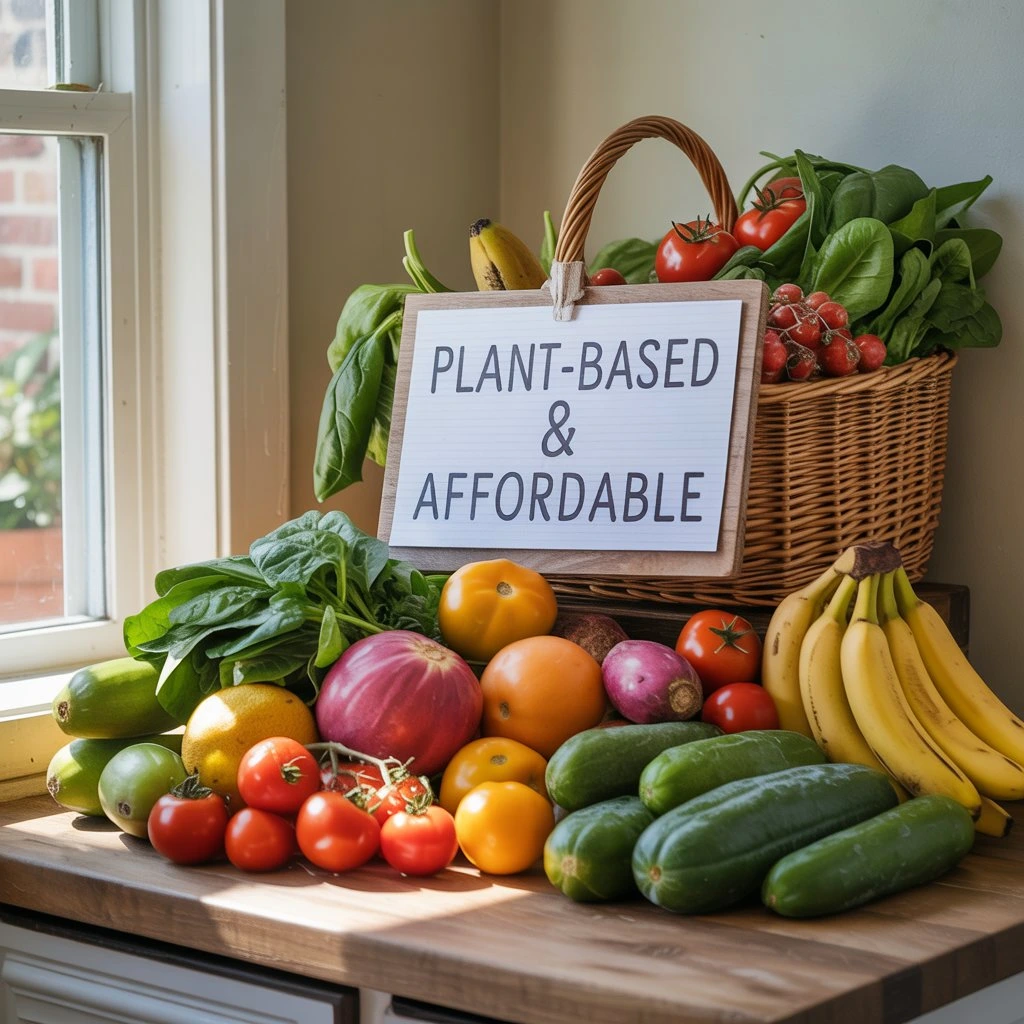
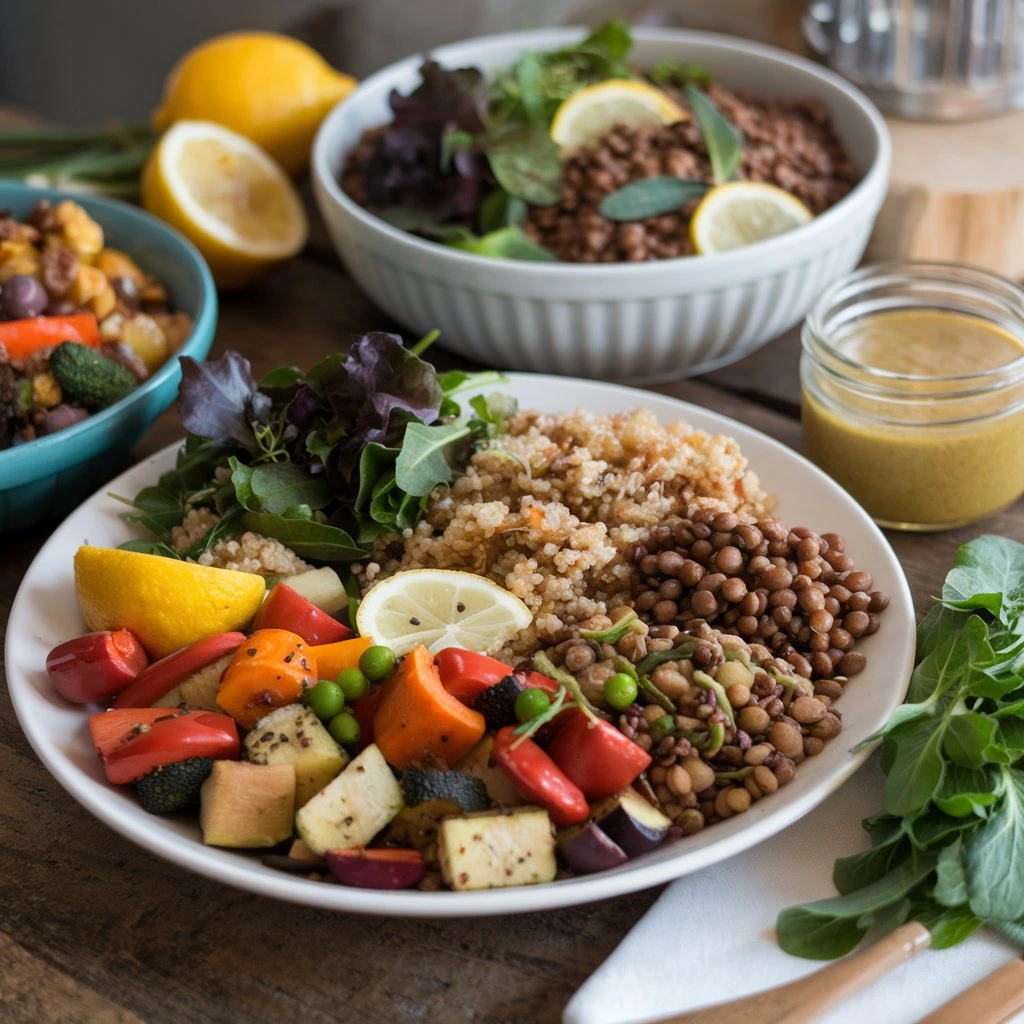
Introduction Here’s your guide to an affordable vegan meal plan in South Africa. Let me ask you a question. Ever thought about going vegan but worried it would break the bank? In South Africa, plant-based eating is gaining popularity. More people are discovering its excellent …
Introduction Ever wondered how to truly thrive on a plant-based diet? Would you like to incorporate more healthy plant-based foods into your meals? You’re in the right place! Essential plant-based ingredients offer amazing flavours and significant health benefits. Forget the old myths about what you …
A common question arises whenever someone talks about going vegan in South Africa: “Isn’t that too expensive?” Bringing it home, “Is veganism too expensive in SA?”
The notion that a plant-based diet is expensive has been a common misconception, particularly in South Africa.
You’ve probably heard it yourself, or even thought it. Images of fancy, imported vegan cheeses and costly meat substitutes often appear. This reinforces the “expensive vegan” stereotype.
But what if I told you that this perception might be entirely off the mark?
A well-planned vegan diet in South Africa can be just as affordable as a traditional meat- and dairy-based diet.
Some studies, even those looking at Western markets, have indicated potential savings.
In SA, our vibrant markets and prosperous farms make plant-based living enjoyable and budget-friendly.
This article challenges the old myth. It delves deeply into the actual cost of veganism in South Africa.
We’ll examine the actual costs and highlight the budget-friendly aspects of a plant-based diet. We’ll share practical tips to make veganism affordable and accessible for everyone in Mzansi. So, let’s get ready to debunk that myth once and for all!
The Perception vs. Reality of Vegan Costs in SA
Let’s tackle the big issue: many think veganism is too costly in South Africa.
Many people think of a vegan diet as just fancy, processed vegan products.
Consider speciality vegan cheeses that mimic cheddar or mozzarella. Think about meat substitutes made to taste like chicken or beef. Don’t forget the niche plant milks, too.
The “Expensive Vegan” Stereotype
These items can cost more, and they help build the “expensive vegan” stereotype.
Social media also plays a role. Influencers show off fancy, often expensive, plant-based products. This creates the impression that this is the standard.
New vegans often go through an “experimental period.” During this time, you try many different foods. This can lead to a higher grocery bill for a while.
The Reality: Whole Food is King (and Cheap)
However, this is where perception often diverges from reality.
The truth is, the cheapest vegan food isn’t typically found in the speciality aisle. It’s in the basics! We’re talking about the incredible affordability of whole foods.
Consider staples like dried beans and lentils. They are affordable, versatile, and rich in protein. Grains like rice, maise meal (also known as pap!), and oats are key to many affordable South African meals.
And let’s not forget our vibrant array of seasonal fruits and vegetables. Buying seasonal produce at your local market or supermarket can cut costs for your vegan diet in SA.
Research indicates that whole-food, plant-based diets can often be more cost-effective than meat-based diets. This trend is seen not just here, but also in other countries.
Some South African studies on dietary costs continue to be published. However, early insights and personal stories show that significant savings may be possible.
Breaking Down the Costs: Vegan vs. Omnivore in the South African Context
Let’s dive into the details: a comparison of the costs of a vegan diet versus an omnivorous diet in South Africa.
Here is where many people’s beliefs about veganism being too costly begin to fall apart.
Meat and Dairy’s Hidden Costs
First up, let’s consider meat and dairy. Although chicken and dairy may seem inexpensive, they can have hidden costs associated with them.
It’s not just the price at checkout. Think about the long-term health effects of diets high in processed meats and too much dairy. Additionally, consider the future healthcare costs associated with those choices.
The animal agriculture industry gets many subsidies. These subsidies can lower market prices. As a result, they hide the real costs to the environment and resources.
Staple Foods: Where Vegans Save Big
Now, let’s pivot to the stars of an affordable plant-based diet: staple foods. This is where vegans in South Africa can genuinely save a significant amount. Take a look at these comparisons:
Protein Powerhouses
Dried lentils and beans are cheaper per kilogram than beef mince or chicken breasts.
You can get a big bag of brown lentils for much less than a bag of cheap mince.
Additionally, they provide numerous servings of high-quality protein.
Grains Galore
Think about maise meal for pap, rice, oats, and pasta. These are incredibly versatile, filling, and relatively inexpensive across all South African retailers. They form the base of countless budget-friendly vegan meals.
Seasonal Delights
Our country boasts an abundance of fresh, seasonal fruits and vegetables. Buying in season ensures freshness and flavour. It also helps cut your grocery bill. Tomatoes, onions, potatoes, cabbage, and butternut are often cheap. Shop at local street vendors or fresh markets. You’ll find better prices than at big supermarkets like Woolworths.
Basic Plant Milks
Speciality almond or oat milks can be expensive. But you can easily make your plant milk from oats or sunflower seeds at home for much less.
The “Luxury” Vegan Items
Veganism can be pricier if you often choose the “luxury” items. We’re talking about gourmet vegan cheeses, fancy plant-based deli meats, or eating at trendy vegan places.
These products often mimic animal-based ones, which can make them more expensive. However, these are choices, not necessities for a plant-based diet in SA.
You can add them as occasional treats without overspending. Just focus on cheaper plant-based meals every day. To make veganism affordable in South Africa, focus on smart shopping for staples.
Trading a kilogram of meat for a kilogram of chickpeas is an innovative and cost-effective vegan choice.
“Luxury” vegan products exist, but they don’t form the core of an affordable plant-based diet in South Africa.
Innovative Strategies for Affordable Veganism in South Africa
These tips help you save money and make wise, sustainable choices. They keep your pantry full and your wallet happy.
Shopping Smart: Your Guide to South African Supermarkets and Markets
This is the biggest area where you can make significant savings.
Buying in Bulk is Your Best Friend
Buying in bulk is often cheaper for non-perishable items. This includes dried beans, lentils, rice, pasta, and nuts. This is especially true for items from Indian wholesalers or spice shops.
Think about it: a 1kg bag of dried lentils costs a fraction of the equivalent protein from meat. Places like Devland Cash & Carry are great for this, or even dedicated spice shops in your area. Just make sure you have adequate storage at home!
Utilising Specials and Bargains
Check the weekly flyers from major supermarkets like Shoprite, Checkers, and Pick n Pay. They often have incredible deals on staple items, including plant milks, canned goods, and fresh produce.
Look for “Market Day” deals at Food Lover’s Market. They often have fruits and vegetables at significant discounts that need to be sold quickly.
Compare retailers wisely. Woolworths offers quality, but Checkers and Pick n Pay provide budget-friendly vegan basics through their house brands.
Embrace Seasonal Eating
This is a golden rule for affordable plant-based living in South Africa. Buying fruits and veggies in season is smart. They’re easier to find, taste better, and cost less. This is because transport and storage costs drop when they’re in season.
Check out local farmers’ markets or roadside stalls. You’ll often find fresher produce and better prices than at big supermarkets. For example, stock up on butternut in autumn or mangoes in summer when they’re plentiful and cheap.
The Power of DIY and home Cooking
One of the most impactful ways to keep vegan diet costs in SA down is to get comfortable in your kitchen.
Make Your Staples
Many items you buy pre-made can be straightforward and cheaper to make yourself. Plant milks, for example. While store-bought almond or oat milk can add up, a batch of homemade oat milk costs pennies. Hummus, pestos, and even some vegan cheeses can be whipped up at home for a fraction of the store price. Numerous DIY vegan recipes are available online in South Africa.
Cook from Scratch
Relying on convenience foods, even vegan ones, can quickly inflate your budget. Prioritise cooking meals from whole ingredients.
This saves money and gives you control over your food. This leads to healthier meals. Think about hearty stews, curries, and lentil dishes that can feed a family for days.
Growing Your Own
This might sound daunting, but even a small effort can yield significant savings and fresh produce.
Basic Urban Gardening
You can garden even in an apartment. Just a few pots on your balcony can give you fresh herbs like basil, parsley, and coriander. You can also grow spring onions and leafy greens. They are usually purchased in small amounts, but they can be expensive if bought frequently.
Regrow from Scraps
You can replant celery, lettuce, and even spring onions from their bases in a glass of water. It’s a simple, fun, and free way to get more mileage out of your groceries.
Minimising Food Waste
Often overlooked, reducing food waste is a huge money-saver.
Meal Planning is Key
Before you even step into the grocery store, plan your meals for the week. This helps you buy only what you need, avoiding impulse purchases. Adhering to a South African vegan grocery list tailored to your meal plan is essential.
Smart Storage
You can store fruits, vegetables, and cooked leftovers properly to keep them fresh for a longer period. To keep food fresh, use proper refrigeration, airtight containers, and freeze meal portions for optimal freshness. This means less money thrown in the bin.
These budget-friendly vegan tips in South Africa demonstrate that a plant-based diet is not only ethical and healthy but also a wise financial choice. Veganism can be budget-friendly for the average South African household.
Beyond Food: Other Aspects of Vegan Living and Cost
Veganism in South Africa often focuses on the cost of food. But other lifestyle factors can also impact your budget. It’s easy to assume everything “vegan” carries a premium, but that’s not always the case.
Vegan Clothing and Cosmetics
Firstly, let’s look at vegan clothing and cosmetics. Finding ethical, cruelty-free, and animal-product-free items used to be tough. It often meant turning to pricier niche brands.
However, the market has expanded dramatically.
Many popular clothing brands now sell synthetic or plant-based options. These include cotton, linen, bamboo, and recycled polyester. They are often cheaper and last longer than some animal-based materials.
For affordable vegan cosmetics in South Africa, consider brands such as The Body Shop and Faithful to Nature. They offer many certified cruelty-free options. Their prices are often comparable to or lower than those of non-vegan products.
Focus on durability. Choose readily available options instead of costly, niche products.
Vegan Dining Out in South Africa
Then there’s vegan dining out in South Africa.
Specialised vegan restaurants may charge a bit more for premium ingredients or small-scale production. However, many mainstream restaurants and fast-food chains now offer affordable vegan choices.
Imagine a warm vegetable curry at an Indian restaurant, a quick pasta dish, or a custom salad. Mugg & Bean now offers plant-based menus. Eating out can be a cost-effective option for vegans.
It’s about being aware of your choices and seeking out those accessible options.
Time as a Cost
Finally, let’s address the “time cost.”
Some people believe that a vegan diet requires more time for meal preparation, shopping, and research.
Initially, you may encounter a learning curve with new ingredients and recipes.
Planning and innovative strategies make cooking healthy plant-based meals easy. Try bulk buying and meal prepping for efficiency.
Simple dishes with staples don’t take longer than cooking meat and two veg.
Being a conscious consumer can promote sustainable living in South Africa. This applies to food, clothing, and cosmetics. This shift often results in long-term savings.
Health and Environmental Benefits: The Priceless Return of Veganism
We’ve discussed whether veganism in South Africa is too pricey. Hopefully, we’ve shown that it doesn’t have to be.
But here’s the thing: the actual value of a plant-based diet extends far beyond just monetary savings.
You can gain excellent, often priceless benefits for your well-being and the planet’s health.
Health Advantages
Let’s start with the health benefits of veganism in South Africa.
Numerous studies indicate that a well-planned vegan diet can reduce your risk of chronic diseases.
We’re talking about conditions like heart disease, type 2 diabetes, and even certain cancers. Eating whole, unprocessed plant foods helps you consume less saturated fat and cholesterol. You also often consume fewer added sugars and unhealthy additives.
This can lead to improved digestion, more stable energy levels, and a sense of vitality. Eating healthy now can save you money on healthcare in the future. This means less need for medication and costly treatments in the future. It’s truly an investment in your future self!
Environmental Impact
Choosing veganism benefits not just your health. It also greatly helps the environment, especially in South Africa.
Animal farming has a significant impact on greenhouse gas emissions, water usage, and deforestation worldwide. Cutting out or reducing animal products helps lower your carbon footprint.
This means less pressure on our valuable water resources. This is especially important in a water-stressed country like ours. It also helps reduce pollution. It’s a hands-on way to support sustainable living in South Africa. This helps protect our stunning landscapes and biodiversity for future generations.
Ethical Considerations
Finally, for many, the ethical considerations are paramount. A vegan lifestyle is inherently about reducing animal exploitation and promoting animal welfare.
This isn’t a financial cost. Instead, it offers a strong ethical return, bringing peace of mind. It also aligns your values with your actions.
While you save Rands and Cents, the actual cost of veganism is small. Its benefits for your health, the environment, and compassion far outweigh the savings.
Frequently Asked Questions (FAQs)
Right, so we’ve covered a lot of ground, but you might still have some lingering questions. That’s normal! Let’s tackle some of the most common queries about veganism and its cost in South Africa.
Is it more expensive to be vegan in South Africa?
Honestly, it’s a common misconception! Highly processed vegan foods can be expensive. A whole-food, plant-based diet is often cheaper than a traditional omnivorous diet in South Africa. This diet includes staples like legumes, grains, and seasonal produce. It’s about wise choices, not fancy ones.
What are the cheapest vegan foods to buy in SA?
If you’re looking to save, stock up on the basics! Lentils, dried beans, rice, maise meal (like pap!), oats, and potatoes are cheap vegan staples. Remember our great seasonal vegetables, such as cabbage, carrots, and onions. Also, check out fruits like bananas and oranges. They are inexpensive and readily available throughout South Africa.
How can I purchase vegan goods in South Africa at a lower cost?
It’s all about strategy! Buy non-perishables in bulk. Look for supermarket specials. Additionally, opt for in-season produce from local markets.
Cooking from scratch and starting a small home garden can cut your vegan grocery costs in SA.
Do vegan meat alternatives cost more than real meat in South Africa?
Yes, branded, processed options often cost more than some cuts of real meat.
Whole plant-based proteins, like lentils, chickpeas, and beans, cost less than meat or processed vegan options.
Is it challenging to find affordable vegan food in South Africa?
Not at all!
As plant-based eating gains popularity in SA, you’ll find many affordable vegan options. Check major supermarkets, local markets, and even regular restaurants. You can enjoy an affordable vegan diet in South Africa by focusing on whole foods and shopping smart.
Conclusion
After analysing the numbers and shopping tips, what’s the real cost of veganism in SA?
Veganism is not too expensive in South Africa. The evidence clearly shows this. It’s remarkably accessible and affordable.
We’ve debunked the pervasive myth that a plant-based diet automatically means gourmet prices.
Whole, unprocessed foods, such as legumes, grains, and in-season fruits and vegetables, are essential for affordable vegan meals.
These staples usually cost much less than meat and dairy. They can save you a lot of money on your weekly grocery bill.
The rise of plant-based living in South Africa means more options in regular stores. Now, it’s easier to find what you need without spending a lot of money.
Switching to plant-based foods for health, the environment, or ethics is bright and easy in South Africa.
It’s time to shed that old perception and discover a truly sustainable and economical way to eat!
Have you noticed how much our South African tables are changing? A significant change is happening. People are embracing tasty plant-based desserts for South African celebrations. Gone are the days when “vegan” meant bland. Plant-based eating is on the rise nationwide, and our desserts are …
Here’s your definitive guide to the best green accommodations in South Africa. South Africa, oh, South Africa! The name evokes stunning landscapes. Picture the Big Five wandering across vast savannas. Imagine clear coastlines and colourful fynbos biomes. It’s a country with amazing natural diversity. For …
So, how do we marry this growing trend with our deeply ingrained braai culture? Easily and deliciously, it turns out!
This article helps you master plant-based braai. A meat-free braai can be just as vibrant, tasty, and satisfying as a traditional one—maybe even better!
We’ll help you bring the South African braai spirit to every dish. You’ll learn to create delicious main courses, enticing sides, and even sweet desserts.
Get ready to dive into vegan and vegetarian braai ideas. These dishes will have everyone wanting seconds. The plant-based braai is not just a trend; it’s a tasty evolution of our favourite way to gather.
Let’s fire up those coals and dive into the future of the South African braai!
The Heart of the Plant-Based Braai: Essential Plant-Based Proteins
You might be thinking, “A braai without boerewors or steak? What even is that?”
Get ready for a tasty surprise!
The plant-based braai has a fantastic range of plant proteins. They are just as satisfying, if not more, than meat options. We’re not just serving burgers. We’re making tasty and filling choices for your next South African braai.
Plant-Based Patties for Your Braai
First, let’s discuss creative plant-based patties for your braai. Forget those bland, dry veggie burgers of the past!
Picture biting into a homemade chickpea and corn patty. It’s full of flavour and has a great texture that stands up well on the grill.
Or perhaps a decadent, earthy black bean burger, perfectly seasoned and ready for your favourite toppings.
And for something truly show-stopping, have you ever considered a mushroom steak? Marinated Portobello mushrooms become juicy “steaks” full of umami. They are a true standout at any plant-based braai.
You can’t talk about plant-based proteins without mentioning tofu, tempeh, and seitan. These versatile ingredients absorb flavour, perfect for “marinade magic” on the braai.
Blocks and tubes of Tofu
Tofu and tempeh taste better when marinated well. Imagine smoky BBQ glazes or bright peri-peri sauces. They soak up the tasty essence of South African braai.
Seitan Braai
Seitan braai, often referred to as “wheat meat,” has a meat-like texture. This makes it an excellent option for a hearty plant-based braai.
For convenience lovers, the market offers many great store-bought plant-based meat substitutes. Beyond Meat offers great plant-based sausages and boerewors. They sizzle and char like the real thing, giving you that authentic braai feel.
These options are ideal for beginners or when you’re short on time. They provide a quick, easy way to enjoy a “meaty” texture at your plant-based braai.
Make your own, or pick a ready-made option. Either way, you will pack your plant-based braai with flavour and protein!
Sizzling Sides: Grilled Vegetables and Braai Accompaniments with a South African Twist
A braai needs amazing sides, and a plant-based braai stands out here!
Don’t just toss some onions on the fire. We’re focusing on colourful, tasty grilled veggies and classic braai sides with a fun South African twist.
Vibrant Vegetable Skewers
Let’s start with vibrant vegetable skewers, which are an absolute must-have for any plant-based braai.
Imagine skewers packed with colourful bell peppers, tender zucchini, juicy cherry tomatoes, sweet red onions, and hearty mushrooms. These aren’t just pretty; they’re incredibly versatile.
You can marinate them in a zesty lemon-herb mix for fresh flavour. Try a smoky BBQ sauce for that classic braai taste. Or, use a spicy peri-peri marinade for an authentic South African kick. They cook beautifully on the coals, getting that perfect char that’s so characteristic of a great braai.
You can grill many classic plant-based veggies beyond skewers. They all deserve a spot on your braai.
A perfectly braai-baked sweet potato is pure comfort food. It turns soft and sweet with a hint of smokiness. And what’s a braai without grilled corn on the cob? Brush it with vegan chilli butter for an extra layer of flavour.
Try stuffed butternut squash halves. They’re filled with a tasty mix of grains and herbs. Simmer them until they’re tender.
You can grill thick slices of aubergine. They develop a fantastic umami flavour when charred. You can also try cauliflower and broccoli steaks. They are surprisingly meaty and delicious for your plant-based braai.
Braaibroodjies
However, we can’t discuss South African braai sides without mentioning the legendary braaibroodjies!
The good news is that they’re incredibly easy to veganize.
Imagine warm, toasted sandwiches. They’re filled with melty vegan cheese, sweet caramelised onions, and juicy tomato slices.
These vegan braaibroodjies evoke fond memories. They’re a must-have for your plant-based braai. They’re one of those quintessential South African braai treats that everyone loves.
Next time you light the coals, don’t forget these tasty plant-based braai sides to finish your feast!
Sauces, Marinades, and Rubs: Flavour-Boosting for Your Plant-Based Braai
What’s the secret weapon of any truly epic braai?
It’s all in the flavour.
And when it comes to your plant-based braai, sauces, marinades, and rubs are absolute game-changers. They help us turn simple vegetables and plant-based proteins into unforgettable flavours. These dishes are packed with that wonderful South African braai spirit.
The Art of Plant-Based Marinades
Let’s dive into the art of plant-based marinades. These liquid flavour bombs are key for adding rich taste to tofu, tempeh, and colourful veggie skewers.
A smoky BBQ marinade is a no-brainer – it perfectly mimics that classic braai flavour we all crave. But for a real South African twist, you must try a peri-peri marinade. That fiery kick is iconic and elevates anything you put on the coals.
A zesty lemon-herb marinade adds freshness and brightness. It works great on lighter vegetables. Don’t forget the power of a balsamic-soy marinade. It’s rich in umami and great for mushrooms and firmer plant-based cuts. This marinade adds a lovely depth of flavour.
Delicious Plant-Based Rubs
Beyond marinades, delicious plant-based rubs are your best friends for dry seasoning.
A smoked paprika and cumin rub brings warmth and earthiness to your plant-based braai dishes. Try a garlic and rosemary rub for a delicious aroma that fills the air from the grill.
Accompaniments and Dips for Plant-Based Braai
A great braai spread needs tasty dips and sides for your plant-based feast.
Picture a big scoop of homemade vegan chutney next to your grilled dishes. It’s a classic South African favourite with sweet and tangy flavours. A creamy avo dip, essentially a vibrant guacamole, offers a fresh, cooling counterpoint.
And for those who love a little heat, a zingy sriracha mayo (made with vegan mayonnaise, of course!) provides a spicy kick that makes every bite sing.
These vegan sauces and flavour boosters make your plant-based braai an absolute culinary delight!
Dessert Delights: Sweet Endings for Your Plant-Based Braai
No South African braai, traditional or plant-based, is complete without something sweet to finish the meal.
Luckily, plant-based braai desserts are just as tasty and fun as savoury dishes!
One of the easiest and most delightful ways to enjoy a sweet ending is with grilled fruit skewers.
Picture skewers filled with juicy pineapple, sweet peaches, or bananas. They caramelise perfectly over the coals.
A little bit of maple syrup and a hint of cinnamon transform these natural wonders into a tasty, plant-based barbecue delight.
For a bit of nostalgic fun, don’t forget about vegan braai marshmallows!
Yes, they exist.
They toast up beautifully over dying coals. You get that classic sticky, sweet indulgence. You can get creative with plant-based braai desserts beyond skewers and mallows. Here are some fun ideas:
Imagine single apple parcels wrapped in foil, then cooked until they’re tender and sweet. Or picture a vegan Malva pudding cooked in a cast-iron pot over the coals. This creates a truly unique sweet treat for your braai.
These easy and tasty choices will make your plant-based braai end on a high note.
Tips for a Successful Plant-Based Braai Experience
You’re ready with your tasty plant-based braai menu. However, remember that a great braai experience is about more than just the food.
It’s about creating the right atmosphere, ensuring enjoyment, and ensuring everything runs smoothly! Here are some top tips to ensure your plant-based braai in South Africa is a complete success.
Preparation and Plant-Based Braai
First things first, preparation is key.
Marinate your plant-based proteins and veggies ahead of time. Let them sit for a few hours or overnight. This way, the flavours can soak in. This is crucial for a memorable vegan braai.
Heat Management for Your Plant-Based Braai
Next, let’s talk about heat management for your plant-based braai. Different ingredients cook at different rates.
Juicy mushroom steaks or veggie patties need direct heat for a nice sear. But a stuffed butternut squash does better with indirect heat. Wrapping it in foil allows it to roast slowly and reach perfection.
Knowing your coals is a skill, but a little practice makes perfect!
Also, oil your grill well. This helps prevent sticking, especially for delicate plant-based braai items.
Cross-Contamination Awareness
Here’s a key tip for hosting meat-eaters and plant-based guests: be mindful of cross-contamination.
Set aside a part of the grill for your plant-based braai items. You can also cook them first before adding meat.
This ensures everyone feels comfortable and can fully enjoy the braai.
Presentation of Your Plant-Based Braai
Finally, don’t underestimate the power of presentation matters. Make your plant-based braai food visually appealing! Colourful skewers, fresh garnishes, and thoughtfully arranged platters elevate the entire braai experience.
Ultimately, a successful plant-based braai is all about sharing good food and good times.
Light those coals, feel the South African braai spirit, and savour every tasty, plant-powered moment!
Health and Environmental Benefits of a Plant-Based Braai
Gathering around the fire for a plant-based braai means more than just great food. You’re also helping yourself and the planet.
It’s a win-win! You get health and environmental benefits while enjoying your South African braai.
Choosing plant-based braai options is healthier. You get less saturated fat and cholesterol. Plus, you increase your intake of essential fibre, vitamins, and minerals.
Think about this: a tasty chickpea patty or a colourful veggie skewer can boost your heart health and help with digestion. It’s about nourishing your body with wholesome, delicious food that leaves you feeling great.
Beyond personal well-being, the environmental impact of a plant-based braai is significant.
Choosing a sustainable braai helps lower your carbon footprint.
Livestock farming greatly adds to greenhouse gas emissions. It also consumes a significant amount of water and contributes to land degradation.
So, when you pick a meat-free braai, you make an ethical choice. This supports animal welfare and helps protect our natural resources. Enjoy each bite, knowing your plant-based braai is a tasty choice for your health and the planet.
FAQs: Plant-Based Braai in South Africa
Do you have some questions buzzing in your head about this whole plant-based braai thing? You’re not alone!
Here are some common questions we get. They often come up when people want to enjoy a great braai in South Africa with a plant-based twist:
What can a vegan eat at a braai in South Africa?
Honestly, a lot! Enjoy tasty plant-based proteins such as mushroom steaks, chickpea patties, and vegan boerewors. Don’t forget the grilled veggies! You’ll find mielies, sweet potatoes, and colourful skewers. Plus, don’t forget vegan salads, dips, and the all-important vegan braaibroodjies!
How do you make a vegetarian braai?
It’s surprisingly simple! The key is to replace meat with flavorful plant-based alternatives. Focus on vibrant marinated veggies, hearty veggie burgers, and delicious sides. Experiment with various spices and cooking methods to make your vegetarian braai truly delicious.
What are some easy plant-based braai ideas?
For quick wins, try veggie skewers, grilled corn on the cob, and foil-wrapped sweet potatoes. And don’t forget the classic vegan braaibroodjies! Many store-bought plant-based meat substitutes are also easy to grill.
Can you braai plant-based meat substitutes?
Yes, you can! Brands like Fry’s Family Food Co., Beyond Meat, and local South African options offer delicious plant-based sausages, burgers, and special “boerewors” for braai. They cook up beautifully, getting those perfect char marks.
What is a “braaibroodjie”, and can it be made plant-based?
A braaibroodjie is a popular South African toasted sandwich. It’s usually filled with cheese, tomato, and onion, then grilled over a charcoal fire.
And yes, you can make a plant-based braaibroodjie! Use a high-quality vegan cheese instead of regular cheese. Also, use plant-based butter. Fill with tomato, onion, and a touch of chutney. Delicious!
Conclusion
The world of plant-based braai ideas is vibrant. The future of South African braai is changing in tasty and exciting ways.
A vegan braai is versatile and tasty. It includes hearty plant-based proteins, grilled veggies, and sweet treats.
The plant-based braai celebrates the cherished culture of braaing. It also promotes healthier and more sustainable choices.
It’s all about inclusivity and creativity. And the joy of sharing excellent food around the fire, regardless of your dietary choice.
These meat-free braai ideas are great for vegans and anyone curious about plant-based options. We encourage you to experiment! Gather your loved ones, fire up those coals, and be part of this delicious evolution.
The South African plant-based braai is here to stay, and it’s looking delicious!
Have you noticed how plant-based living in SA is taking root these days? It’s not just a trend. It’s a lively movement. This change is reshaping how we view food, health, and our planet in our beautiful country. You might be curious about plant-based diets …
Here’s your guide to whole foods and plant-based (WFPB) eating for chronic respiratory diseases in South Africa. Chronic respiratory diseases (CRDs) are a big problem in South Africa. They affect many people and make breathing difficult every day. Conditions like asthma and COPD significantly affect …
This is your beginner’s step-by-step guide on how to go plant-based in SA.
Have you been curious about the buzz around plant-based living in South Africa?
You may have heard friends discuss the benefits of a vegan lifestyle in South Africa. Or you’re looking for healthier, more sustainable food options. Well, you’ve come to the right place!
More people in South Africa are choosing a plant-based lifestyle, and it’s easy to see why. It’s not just a trend. It’s a tasty and often life-changing way to eat. This approach helps both your health and the planet.
Increasingly, more South Africans are opting for a diet rich in fruits, vegetables, grains, and legumes. People are finding renewed energy, improved health, and a lighter environmental footprint.
Additionally, plant-based food is now more readily available in South Africa. This change makes the transition simpler than ever.
So, what exactly does “plant-based” mean here in SA?
In short, it emphasises eating plant-based foods and limits or avoids animal products.
This beginner’s guide will make the process transparent and easy to follow. You’ll see how easy and fun this dietary change can be.
Therefore, get ready to embark on a fantastic step-by-step journey!
We’ll guide you on going plant-based in SA. Learn to fill your pantry with local goodies. Discover delicious vegan recipes from South Africa.
Let’s dive in and find your plant-powered SA life!
Understanding the Benefits of a Plant-Based Diet in South Africa
Benefits of Going Plant-Based in South Africa: Health, Environment, Ethics
Now that we’re ready let’s explore why you should consider a plant-based diet in South Africa.
The truth is that a plant-based diet offers many benefits. It helps personal health, supports the environment, and raises ethical questions. It’s a holistic approach that truly pays off.
Health Benefits: Improved Well-Being on a South African Plant-Based Diet
First and foremost, let’s talk about your health.
A South African plant-based diet can significantly enhance your well-being. Many studies show a lower risk of chronic diseases. These include heart disease, type 2 diabetes, and some cancers.
You may feel more energetic and livelier. You might also feel lighter and more active during the day.
Eating whole, unprocessed plant foods helps with weight management and digestion. This choice makes you feel better. It’s about nourishing your body with what it truly needs to thrive.
Environmental Impact: Plant-Based Living for a Greener South Africa
Choosing a plant-based lifestyle also benefits the environment. This is especially important for South Africa, given its unique ecological challenges.
Choosing plant foods helps reduce your carbon footprint and water use. This is better than diets that rely heavily on animal products.
Plant-based eating is a sustainable choice for South Africa’s future. It helps conserve valuable resources and reduces pollution. It’s a powerful way to vote for a greener South Africa with your fork.
Ethical Considerations: Compassionate Choices in South Africa
For many, choosing plant-based principles comes from ethical concerns about animal welfare.
Choosing plant-based foods shows compassion in South Africa. It aligns your values with what you eat. It’s about respecting all living beings and contributing to a more humane world. As you can see, the reasons to embark on this journey are compelling and diverse.
Preparing for Your Plant-Based Transition in South Africa
Alright, you’re convinced!
The benefits of adopting a plant-based diet in South Africa sound amazing. Now, let’s talk about the exciting part: how do you start this plant-based journey in South Africa?
Planning is important. With some foresight, transitioning to a plant-based diet can be a smooth and enjoyable process. We’re here to guide you through a practical, step-by-step approach.
Assessing Your Current Diet: Identifying Opportunities for Plant-Based Swaps
First things first, take a moment to assess your current diet. Don’t worry; this isn’t about judgment! Instead, it’s about identifying opportunities for plant-based swaps.
Look at your typical meals. Where can you easily replace a meat or dairy item with a delicious plant-based alternative? It could be swapping cow’s milk for almond milk in your coffee or trying lentil stew instead of beef stew. Small changes add up!
Gradual vs. Cold Turkey: Choosing Your SA Transition Pace
Next, consider your SA transition pace. Some people prefer to jump in “cold turkey,” going fully plant-based overnight. Others find a gradual transition much more manageable.
You could start with Meatless Mondays, then aim for plant-based breakfasts for a week, and build from there. There’s no right or wrong way to make the switch in South Africa; choose what feels sustainable for you.
Setting Realistic Goals: Sustainable Plant-Based Habits for South Africans
As you plan, remember to set realistic goals. This isn’t about perfection but about building sustainable plant-based habits for South Africans.
Don’t feel pressured to know every plant-based recipe from day one. Focus on mastering a few go-to meals and expanding from there.
Patience and consistency are your greatest allies on this path to healthy, plant-based living.
Pantry Makeover: Stocking Your South African Plant-Based Kitchen
Now for a fun part: the pantry makeover! You’ll want to start stocking your South African plant-based kitchen.
Focus on key plant-based staples in SA. Include various legumes, such as lentils, chickpeas, and beans. Add multiple grains such as brown rice, oats, and millet. Also, include a good amount of nuts and seeds.
Prioritise local South African fruits and vegetables. They’re fresh, affordable, and tasty! Think about what’s in season at your local market.
Meal Planning Essentials: Your Plant-Based SA Survey
Finally, embrace meal planning essentials. Having a plant-based meal strategy for your week will save you time, stress, and money.
Plan your breakfasts, lunches, and dinners, and make a shopping list accordingly. This proactive step truly makes going plant-based in SA a breeze! With these preparations, you’re well on your way to a thriving plant-powered life.
Navigating the Plant-Based Kitchen in South Africa
Mastering Your Plant-Based Kitchen in SA: Recipes and Techniques
You have stocked your pantry, set your goals, and are ready to get cooking! This is where the real fun begins: mastering your plant-based kitchen in SA.
Don’t feel scared! Cooking plant-based meals is versatile and often easier than you think. Let’s explore key recipes and methods to make tasty, healthy meals.
Plant-Based Protein Sources in South Africa: Ensuring Adequate Intake
One of the most common questions about adopting a plant-based diet is, “Where do you get your protein?”
Plant-based protein sources in South Africa are plentiful and varied. This makes it easy to get enough protein.
Legumes (Lentils, Chickpeas, Beans): SA’s Protein Powerhouses: These are truly your best friends! Lentils, chickpeas, and beans are high in protein and fibre. They are also cheap and versatile. Think hearty lentil stews, chickpea curries, or bean burgers – truly SA’s protein powerhouses.
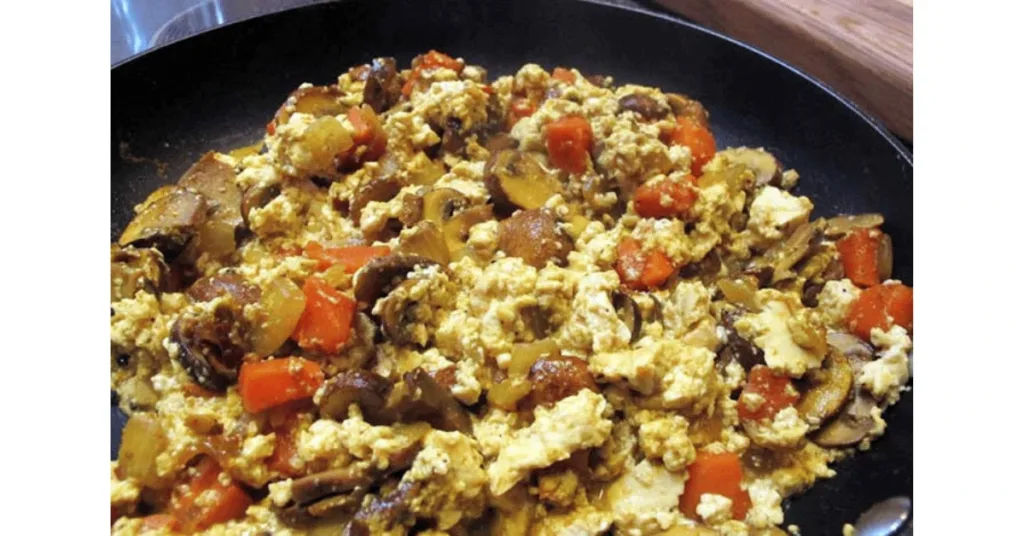
Tofu, Tempeh, and Seitan: Great Plant-Based Choices in SA. Don’t miss out on these excellent plant-based options! Tofu can absorb any flavour, making it perfect for scrambles or stir-fries. Tempeh has a nutty, firmer texture, great for marinades and grilling. Seitan, made from wheat gluten, offers a chewy, meaty texture that is ideal for hearty dishes.
Nuts and Seeds: Healthy Fats and Protein for South Africans: A handful of nuts and seeds, such as almonds, walnuts, chia seeds, flax seeds, and pumpkin seeds, offer a great source of protein. Plus, they also provide essential healthy fats. Sprinkle them on your breakfast, blend them into smoothies, or use them to make creamy sauces.
Whole Grains (Quinoa, Brown Rice, Oats): More Than Just Carbs. Whole grains, such as quinoa, brown rice, and oats, aren’t just carbs. They also add valuable protein to your diet. They form the perfect base for any plant-based meal.
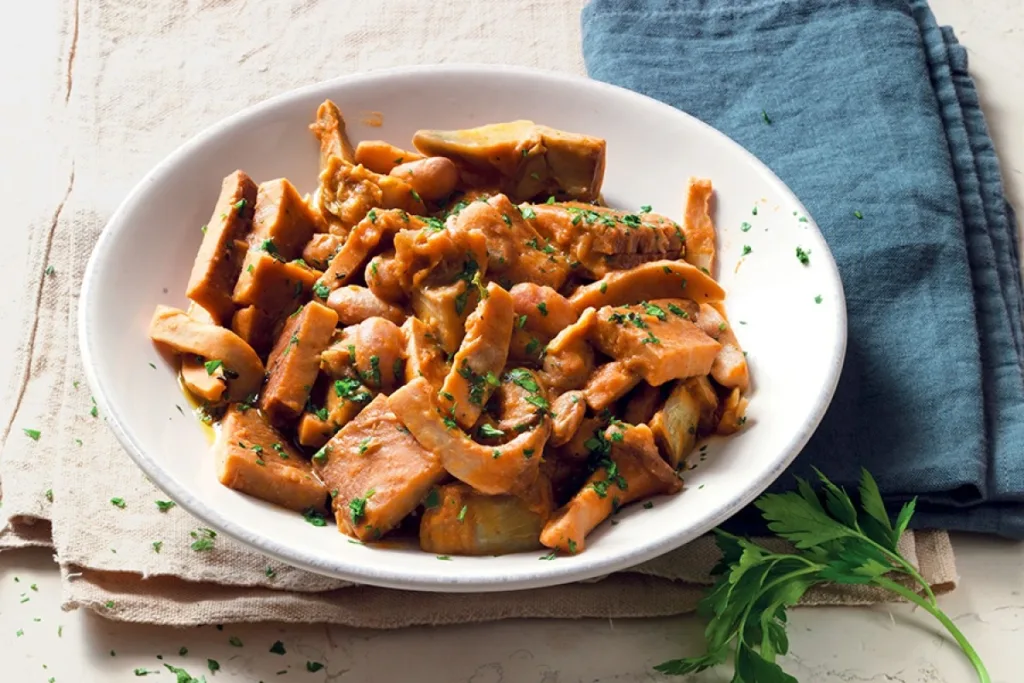
Seitan with mushroom biltong
Building Balanced Plant-Based Meals in SA: The Plate Method
The key to delicious and satisfying plant-based meals in SA is balance. Use the “plate method”: fill half of your plate with bright, South African fruits and vegetables.
Add a quarter for whole grains. Then, fill the last quarter with protein-rich legumes or other options.
Breakfast Ideas: Start Your Day Plant-Based in South Africa – Enjoy creamy oats topped with fresh fruit and seeds. Or try a tofu scramble with fresh local veggies.
Lunch Solutions: Quick and Easy Plant-Based Meals for SA:
Leftover curries
Hearty salads with chickpeas
Wraps with hummus and roasted veggies
These options are perfect for a quick meal!
Dinner Ideas: Tasty Plant-Based Meals for South African Families: Enjoy hearty stews, spicy curries, or colourful stir-fries. There are endless possibilities for plant-based recipes that the whole South African family will love.
Tofu veggie scramble
Flavouring Your Plant-Based Food: Spices and Herbs from South Africa and Beyond
One of the joys of plant-based cooking is experimenting with flavour. Don’t be shy with spices and herbs!
Cumin, coriander, turmeric, paprika, garlic, ginger, and chilli can transform simple vegetables. Explore local South African spices, such as peri-peri or rooibos, for unique twists.
Cooking Techniques for Plant-Based Ingredients: Roasting, Sautéing, Steaming
Finally, master a few basic cooking techniques for plant-based ingredients. Roasting brings out incredible sweetness in vegetables. Sautéing is a quick and perfect method for cooking greens. Steaming preserves nutrients. With these tools in your plant-based kitchen, you’ll be creating culinary magic in no time!
Essential Nutrients on a Plant-Based Diet in South Africa
As you embark on your journey to adopt a plant-based diet in SA, a common question often arises: “Will I get all the nutrients I need?” It’s a valid concern, and thankfully, the answer is a resounding yes!
A well-planned plant-based diet in South Africa can provide your body with everything it needs to thrive and flourish. It’s essential to pay attention to a few key plant-based nutrients. This helps ensure you stay healthy.
Vitamin B12: Supplementation for Plant-Based South Africans
Let’s start with Vitamin B12. This is the most critical nutrient for plant-based South Africans. It mainly comes from animal products. Most fortified foods exist, but the best way to get enough B12 on a plant-based diet is to take supplements.
A simple B12 supplement, taken a few times a week or daily, is all that is needed to maintain healthy levels. It’s a non-negotiable for long-term plant-based well-being.
Iron: Plant-Based Sources and Absorption Tips in SA
Next up is iron.
You can find many excellent plant-based sources of iron in SA. These include lentils, chickpeas, spinach, kale, and fortified cereals. To boost iron absorption on a plant-based diet, pair iron-rich foods with Vitamin C. For instance, mix lentils with tomatoes or enjoy spinach with lemon juice. These tips in SA can make a big difference!
Calcium: Fortified Plant Milk and Leafy Greens for South Africans
For strong bones, calcium is key. Luckily, you don’t need dairy to get it!
Check for fortified plant milk, such as almond, soy, or oat milk. They are easily accessible in South Africa. Dark, leafy greens are great for South Africans. Spinach, kale, and broccoli are fantastic sources. Tofu, rich in calcium, sesame seeds, and fortified orange juice, also helps meet your daily needs.
Vitamin D: Sun Exposure and Fortified Foods in SA
Even with the intense South African sun, Vitamin D levels can drop. This often occurs in winter or when you spend a lot of time indoors.
In South Africa, some fortified foods, such as plant milk and cereals, contain Vitamin D. Additionally, moderate sun exposure is beneficial for your health. If you’re concerned, a supplement might be a good idea, as with any diet.
Omega-3 Fatty Acids: Flax, Chia, and Walnuts for Plant-Based SA Dieters
Omega-3 fatty acids are vital for brain and heart health. You can easily get these from flax, chia, and walnuts for plant-based SA dieters. Sprinkle ground flaxseed or chia seeds on your oatmeal, or enjoy a snack of walnuts. Algae-based Omega-3 supplements are also an option for those who prefer them.
Zinc and Iodine: Ensuring Sufficient Intake on a Plant-Based SA Diet
Finally, keep zinc and iodine in mind. Zinc is found in legumes, nuts, seeds, and whole grains. For iodine, simply using iodised salt is usually enough to ensure sufficient intake on a plant-based SA diet. Seaweed can also be a source but consume it in moderation.
Adding these key nutrients from whole, plant-based foods will boost your confidence and energy on your journey in South Africa.
Eating Out and Socialising on a Plant-Based Diet in South Africa
Plant-Based Dining and Socialising in SA: Tips for Success
A common worry for those starting a plant-based diet in South Africa is, “What about eating out and socialising?” It’s an entirely understandable concern! However, fear not.
With some clever strategies, plant-based dining and socialising in SA can be just as fun, or even more! Being plant-based in South Africa is now easy and tasty.
Restaurant Guide: Finding Plant-Based Options in South African Eateries
First, let’s discuss finding plant-based options in South African eateries. The good news is that the South African vegan food scene is booming!
Many restaurants, from upscale establishments to casual cafes, now offer vegan menus or marked plant-based options. Before you go, a quick online search or a call ahead can save you time and ensure a stress-free experience. Apps like HappyCow are also fantastic for locating plant-friendly restaurants across SA.
Ask your server for vegan changes. Often, they can easily remove cheese or cream from a dish.
Communicating Your Choices: Etiquette for Plant-Based South Africans
When it comes to communicating your choices, a friendly and straightforward approach is best. As a plant-based South African, you don’t need to make a big announcement. Just mention your dietary preference when you order or discuss meals with friends. For instance, you could say, “I’m eating plant-based, so I’ll skip the meat,” or “Do you have any vegan options?” Most people are understanding and accommodating.
Bringing Your Own: Potlucks and Gatherings with Plant-Based Food
For potlucks and gatherings, consider bringing your plant-based food. This is a fantastic solution!
It ensures you have tasty food to enjoy. Plus, it’s a great way to share the wonderful flavours of plant-based cooking with others. Your contribution might even make you the star of the show!
Navigating Family and Friends: Supporting Your Plant-Based SA Journey
Navigating family and friends on your plant-based SA journey takes patience. Open communication is key. Share your reasons, offer to cook a plant-based meal for them, and lead by example.
Many people will support you. Your commitment to a healthy, ethical, and sustainable lifestyle in South Africa may inspire others to adopt the same approach.
Socialising on a plant-based diet is achievable and can open up new culinary and social experiences!
Common Challenges and Solutions for Plant-Based Beginners in SA
Let’s be honest: any significant lifestyle change, such as going plant-based in South Africa, has its bumps.
As a plant-based beginner in South Africa, you might encounter a few common challenges. Don’t worry! Every challenge has a solution. We’re here to offer practical tips to keep your plant-based journey smooth and fun!
Dealing with Cravings and Old Habits
One of the first things you might face is dealing with cravings and old habits. It’s natural to miss familiar tastes! Instead of resisting, try to find satisfying plant-based swaps.
Craving a burger? Try a delicious lentil or mushroom burger. Want something creamy? Explore cashew-based sauces or coconut cream.
Furthermore, ensure you’re eating enough, as true hunger can often be mistaken for cravings for specific foods. Hydration is also key; sometimes, we’re just thirsty!
Budgeting for a Plant-Based Diet in South Africa
Another common concern is budgeting for a plant-based diet in South Africa. Many people assume it’s expensive, but often, it’s quite the opposite!
Choose whole, unprocessed foods. Focus on legumes, grains, and fresh, seasonal fruits and veggies.
Buying in bulk is smart. Cooking from scratch helps, too. Embracing South African staples like samp and beans or pap and relish is a great way to eat well and save money. Processed vegan alternatives can add up, so use them sparingly.
Finding Diverse Plant-Based Ingredients in South Africa
The market is growing, but finding diverse plant-based ingredients in South Africa can be tough at times. Don’t limit yourself to the big supermarkets!
Check out local farmers’ markets, small health food stores, and online shops that specialise in vegan goods. The variety will surprise you once you start looking beyond the usual aisles.
Addressing Scepticism and Misconception
Finally, you might encounter addressing scepticism and misconceptions from others. Some people might question your protein intake or health.
The best way is to stay informed (you’re doing great by reading this guide!), be confident, and set an example. Show how tasty and simple your plant-based lifestyle can be. Let your energy and vitality shine!
Remember, your journey is your own, and you’re making a positive impact.
FAQ: Your Top Plant-Based Questions Answered for South Africa
As you explore adopting a plant-based lifestyle in SA, it’s perfectly normal to have a few questions arise. You’re not alone! Many plant-based beginners in South Africa share similar concerns. We’ve gathered common questions from online searches. Here are clear answers to help you embrace your plant-powered lifestyle.
Is a Plant-Based Diet Expensive in South Africa?
Not! Some speciality vegan products may be expensive, but a plant-based diet in South Africa can be affordable.
Choose whole foods such as legumes (like beans and lentils), grains (like rice and oats), and seasonal fruits and veggies. They are typically less expensive than meat and dairy products. Buying in bulk and cooking from scratch significantly cuts costs.
How can I ensure I get enough protein on a plant-based diet in South Africa?
Getting enough protein on a plant-based diet in SA is simpler than you think! South African plant-based protein sources are abundant. Consider chickpeas, lentils, beans, tofu, tempeh, nuts, seeds, and whole grains, such as quinoa. By eating a variety of these foods throughout the day, you’ll easily meet your protein needs.
What are the best plant-based alternatives for meat and dairy in South Africa?
South Africa’s market for plant-based alternatives is booming! For dairy, you’ll find excellent almond, soy, oat, and coconut plant milk, as well as vegan yoghurts and cheeses. For meat, look for local brands producing delicious vegan burgers, sausages, mince, and even plant-based biltong made from mushrooms or jackfruit. Fry’s Family Food Co. is a popular South African brand to explore.
Will I always feel hungry on a plant-based diet?
Quite the opposite! Plant-based foods are typically rich in fibre, which helps you feel fuller for longer. Include a variety of whole grains, legumes, fruits, and vegetables in your meals. Also, include healthy fats. This way, your meals will be very satisfying.
If you’re hungry, you may need bigger portions or more calories.
Can children or athletes thrive on a plant-based diet in SA?
Yes, absolutely! With proper planning, children and athletes can thrive on a plant-based diet in SA. It’s essential to obtain sufficient amounts of all necessary nutrients. Focus on B12, iron, and calcium. Consulting with a dietitian can be very helpful for specific dietary planning for these groups. Many South African athletes and healthy, growing children successfully follow plant-based lifestyles.
What South African traditional foods can be easily made plant-based? You’ll be happy to hear that you can easily “veganise” many traditional South African foods! Think of a hearty chakalaka, which is already naturally plant-based. Delicious samp and beans are a perfect plant-based staple.
You can make boboties with lentils or mushrooms. Also, try a tasty plant-based alternative to boerewors. It’s all about creative ingredient swaps to enjoy your beloved local cuisine!
Conclusion
Well done! You’ve navigated our comprehensive, step-by-step guide to adopting a plant-based lifestyle in South Africa.
In closing, remember that choosing a plant-based lifestyle in South Africa is more than a diet. It’s a strong, sustainable choice for your health, our planet, and ethical living.
We’ve explored the many benefits of a plant-based diet. We’ve shared tips for setting up your plant-based kitchen in South Africa. You’ll learn how to get essential nutrients and enjoy dining out with friends.
This guide is just the beginning of your exciting plant-based journey in South Africa. Keep exploring new vegan recipes from South Africa. Try local ingredients and connect with the thriving plant-based community in the area.
Experience the delicious and vibrant world of plant-based living in South Africa.
You’re not just getting a new plate. You’re helping create a healthier, kinder, and more sustainable South Africa. Enjoy every plant-powered bite!
Introduction Here’s your guide to evidence-based plant-based eating for hypertension in 2025. Did you know that nearly half of all American adults have high blood pressure, yet many don’t even realise it? That’s an astonishing 116 million people living with what doctors call the “silent …