Introduction This is your guide to quick and easy plant-based meal planning in South Africa. But wait Did you know that 78% of South Africans want to eat more plant-based meals? You’re not alone in wanting healthier eating habits! Plant-based meal planning is simple and …
Introduction This is your guide to flexitarianism, a balanced eating approach in South Africa. Eating habits are changing. A fun trend is gaining popularity, especially in South Africa: flexitarianism. What is it all about? Defining Flexitarianism: A Flexible Eating Approach for South Africans Flexitarianism is …
Here’s your ultimate guide to the best gifts for Father’s Day.
Yes, Father’s Day is coming soon.
It’s the perfect time to appreciate the amazing dads and father figures in our lives.
It doesn’t matter if he’s your biological father, stepfather, grandfather, or mentor. The right Father’s Day gifts show your appreciation. It’s a sweet way to say “thank you” for their wisdom, support, and endless dad jokes.
Of course, picking out the perfect present can feel daunting. After all, you want to find something that truly resonates with him, a Father’s Day present that shows you’ve put thought into it.
That’s why we’ve put together this ultimate Father’s Day gift guide.
We’re here to help you find the best Father’s Day gifts. With so many choices, we’ll make sure his day is terrific.
So, let’s get ready to make this Father’s Day unforgettable!
Understanding Your Dad: Tailoring The Best Father’s Day Gift
To find the best Father’s Day gifts, the first step is to understand your dad’s interests and preferences.
Think of it this way: a truly fantastic present isn’t just an item; it’s a reflection of how well you know him. Before you start looking at those great Father’s Day gift ideas, think about what makes your dad happy.
Start by pinpointing his main hobbies and interests.
Is he a dedicated grill master? An avid reader? A tech lover who enjoys the latest gadgets? Or he likes DIY projects at home.
Maybe he’s an outdoorsman, always planning the next adventure or a devoted sports fan. Knowing what he loves is your key to finding unique Father’s Day gifts.
Beyond hobbies, consider his personality and lifestyle.
Is he practical and likes valuable items? Or is he sentimental and values thoughtful Father’s Day gifts with special memories? Is he always on the go, or does he prefer to relax at home?
Expensive gifts can be nice, but the best Father’s Day presents come from the heart.
The thought and effort you put into choosing his gift will make Father’s Day memorable.
Top Categories for The Best Father’s Day Gifts
Tech-Savvy Dad’s Best Father’s Day Gifts
Does your dad love the latest gadgets? Or does he appreciate how tech can make life easier and more fun? If so, then tech gifts for Dad are the perfect choice for Father’s Day.
For starters, smart gadgets are always a hit.
A new smartwatch, like the latest Apple Watch or a sturdy Garmin model, can keep him connected. It can track his fitness and help him stay on track. The inReach Mini 2 is great for adventurers!
Imagine his delight with a smart mug like the Ember Mug 2. It keeps coffee or tea at the perfect temperature all morning. This makes for a convenient Father’s Day gift.
Beyond smart devices, consider audio delights.
Noise-cancelling headphones, such as Bose QuietComfort, are ideal for commuters and travellers. They’re also perfect for enjoying music in peace.
A good set of Bluetooth headphones or a portable speaker can improve his listening experience. Whether he’s working in the garage or relaxing on the patio, it makes a difference.
Home automation and entertainment gadgets make great Father’s Day gifts for dads who love comfort at home.
The Nest Thermostat and other smart home electronics, such as the Nest Outdoor Cam, make life easier and give you peace of mind. For an ultimate movie night, a portable projector like the Nebula Cosmos 4K SE can turn any wall into a big screen.
Remember those smaller but practical tech gifts for Father’s Day. Consider portable chargers for power, smartphone sanitisers for cleanliness, or bright, reusable notebooks for the busy dad. These are genuinely some of the best tech Father’s Day gifts you can find!
The Outdoorsman’s Best Father’s Day Gifts
If your dad loves being outside, whether camping, hiking, fishing, or enjoying a braai, then great outdoor Father’s Day gifts await him.
For the camping and hiking enthusiast, durable camping gear is always appreciated. A great camp chair, such as the Yeti Trailhead Camp Chair, provides outstanding comfort by the campfire.
A portable fire pit, such as a Solo Stove Bonfire, makes gathering around a fire easy and smoke-free. A durable water bottle, like the Yeti Rambler, is a must-have for staying hydrated on any adventure.
Does your dad fancy himself a grill master?
Then, boost his BBQ skills with great braai tools. Sturdy grill baskets are perfect for veggies. A smart meat thermometer, like the MEATER, helps him cook his favourite cuts right from his phone. These are truly the best gifts for Father’s Day if his happy place is by the braai.
For the adventurous, think about gear like:
High-quality binoculars for birdwatching
A rugged outdoor jacket for all weather
A kayak or stand-up paddleboard for water fun
Don’t forget essential tools for the wild. You’ll need a sturdy wildlife hatchet and a versatile multi-tool, such as the Leatherman Bond, for any outdoor adventure. These are all excellent outdoor gifts for Dad.
Personalised & Sentimental Father’s Day Gifts
The best Father’s Day gifts aren’t always the most expensive. They often reflect a special bond. This is where personalised Father’s Day gifts truly shine.
Think about customised keepsakes that he can treasure forever. A keyring engraved with a special date, a photo frame with a family picture, or a custom portrait of a family or pet can be very meaningful. Try a personalised book where he’s the hero. Alternatively, consider creating a custom comic book that tells your family’s story.
Handmade gifts are a great way to show you care. These gifts are great for Father’s Day. They show you care by adding a personal touch.
DIY Father’s Day gifts can be simple but meaningful. Consider a coupon book for chores or treats. You could also make custom photo coasters. Another fun idea is a ‘scribble mug,’ where you write a special message.
These gifts can show you care. It’s the thought and effort that make these Father’s Day gifts special. These custom touches make his gift one of a kind.
Hobby-Specific Best Father’s Day Gifts
Every dad has a passion, and tapping into that passion can lead you straight to the best gifts for Father’s Day. Whether he’s a collector, a creator, a chef, or an athlete, there’s a perfect gift waiting.
For the book lover, think about a special edition of their favourite novel. Alternatively, consider gifting them a new e-reader, such as an Amazon Kindle, for endless reading enjoyment.
If he loves to build, a detailed LEGO set for adults or a Dremel tool can offer hours of fun.
A gourmet charcuterie board, a craft cocktail mixing set, or a unique hot sauce-making kit could be the perfect Father’s Day gift. These items encourage his culinary creativity.
Help the golfer improve his game. Consider personalised golf balls, a great putting green for home practice, or a gift certificate for swing lessons.
An excellent gift for a music lover is a quality turntable for their vinyl collection. Alternatively, tickets to see his favourite band live would create an unforgettable experience.
These are just a few ideas for finding the best gifts for every type of dad, ensuring his hobby is celebrated!
Experience-Based Best Father’s Day Gifts
The best Father’s Day gifts are often experiences, not things. These moments create lasting memories.
If your dad loves adventure and learning or wants a new perspective, an experience gift might be the perfect choice.
For the adventurous dad, try thrilling experiences like:
Skydiving
A flying lesson
Supercar driving on a track
Zip-lining through a scenic reserve
These activities are sure to get your adrenaline pumping!
These gifts offer thrilling moments and unforgettable stories.
If your dad likes to learn or gain new skills, think about experiences that emphasise learning and skill-building.
A cooking class, drone flying lessons, or a Masterclass subscription can be enriching. He can learn from experts in many fields.
Alternatively, some dads need to unwind.
Relaxation and getaways can mean many things. Options may include a luxury spa package, a relaxing weekend getaway, or a guided fishing trip to his favourite spot.
For sports fans or culture enthusiasts, tickets to a big game, a local brewery tour, or a wine tasting at a vineyard can make for a fun-filled day out. These exceptional experiences make a truly memorable gift for Father’s Day.
Last-Minute & Practical Best Father’s Day Gifts
Father’s Day can sneak up on us, even when we plan. Or you know your dad likes practical gifts he will use.
It’s perfectly fine to search for last-minute Father’s Day gifts or choose something practical. After all, the goal is still to find the best gifts for Father’s Day, and the value can be profound!
One of the easiest and most versatile Father’s Day gifts is a gift card.
A gift card to his favourite store can feel impersonal, but it offers him a choice. Whether it’s Amazon, Lowe’s for DIY projects, or a hobby shop, he can choose what he wants. It’s a surefire way to ensure he gets something he truly needs or desires.
Speaking of tailored choices, subscription boxes are fantastic for delivering ongoing delight. You can find a box that fits his interests. Pick from gourmet coffee, craft beer, or unique men’s goods like those from Bespoke Post. These are brilliant subscription gifts for Dad that keep on giving.
Then there are the everyday essentials with a twist.
We’re talking about high-quality socks (everyone needs them!), comfy slippers for lounging, and great grooming products. A luxurious face wash from Eco Diva Natural could improve his daily routine.
For the dad who loves his home and auto, consider home & auto upgrades that make life a little easier.
A portable car vacuum, a handy magnetic flashlight, or a complete tool kit can be convenient. Furthermore, don’t forget about wellness & comfort items.
A massage gun, such as the Theragun Mini, helps ease aches. A cooling pillow can improve sleep. Both can significantly boost his comfort.
Digital subscriptions make great Father’s Day gifts. Dads who love to learn or be entertained online will find them ideal. Streaming services and online learning platforms provide endless fun.
How to Present The Best Father’s Day Gifts
Finding the best Father’s Day gifts is a win, but how you present them is equally important!
After all, the presentation adds to the excitement and truly shows your thoughtfulness. First, consider thoughtful packaging. A simple gift feels special when it’s wrapped in pretty paper. Adding a festive ribbon or a handmade card shows your love and gratitude.
Furthermore, adding personalised touches elevates the moment. A heartfelt note can turn a simple gift into something special. Sharing a memorable recollection or an inside joke gives it more meaning.
Finally, try to create an experience around the gift-giving. You might give his Father’s Day gift at a special breakfast you’ve made. Or, save it for a fun moment during a family outing.
These little details turn a simple gift exchange into a memorable part of his special day.
Frequently Asked Questions (FAQs) about The Best Gifts for Father’s Day
Sometimes, when you’re trying to choose the best Father’s Day gifts, you might have some questions.
Here’s a list of common questions and helpful answers to help you choose the perfect Father’s Day gift.
What are the best unique Father’s Day gifts?
For a special Father’s Day gift, think about personalisation. Engraved items or custom portraits make great choices.
Furthermore, experience gifts – such as a hot air balloon ride or a cooking class – create lasting memories. Custom hobby items that reflect his passions always stand out.
What should I get for a dad who says he wants nothing?
Ah, the classic “I don’t need anything” dad! For these great guys, consider experiences, gourmet coffee, craft beer, or valuable items they’ll genuinely enjoy. This way, you avoid adding clutter. A heartfelt, handmade gift or a sincere letter can truly touch someone’s heart.
What are some good budget-friendly Father’s Day gift ideas?
You don’t need to break the bank to give one of the best gifts for Father’s Day. Think about DIY gifts. You could make a coupon book for favours. A homemade meal is also a great idea.
Don’t forget a handwritten card! Great Father’s Day gifts are smaller, valuable items. Think of a new book or a pair of quality socks. They are both excellent and affordable choices.
How far in advance should I start shopping for Father’s Day gifts?
It’s great to find last-minute Father’s Day gifts, but it’s usually best to start shopping a few weeks ahead. You have plenty of time, especially for custom items that require production.
However, as we’ve seen, there are plenty of great options, even if you’re short on time.
What are some memorable Father’s Day experience gifts?
For a memorable Father’s Day gift, consider something he’ll enjoy. This can be an adventurous activity, like skydiving or driving a supercar. You could go to a major sports event or a concert. A relaxed day out could include a guided fishing trip or a brewery tour. The key is to choose an experience that aligns with his interests.
What are the best tech gifts for a dad who isn’t very tech-savvy?
If your dad isn’t a tech wizard, simplicity is key! Focus on user-friendly gadgets that offer clear benefits.
Here are some great tech gifts for Dad:
A smart mug that keeps his drink warm.
A digital photo frame filled with family pictures.
An easy-to-use voice-activated smart speaker.
These gifts are thoughtful but not too complicated.
Can I combine several small gifts to create a larger gift for Father’s Day?
Absolutely!
Making a themed gift basket or grouping smaller items he loves is a great idea. It’s often one of the best gifts for Father’s Day.
Here are two fun gift ideas:
A “movie night” basket with snacks, a cosy blanket, and a streaming gift card.
A “grill master” bundle that includes new tools, spices, and a recipe book.
It shows extra thought and effort!
Conclusion
Finding the best Father’s Day gifts is all about knowing your dad. Celebrate his unique qualities to make your choice special.
We’ve explored many options. These include high-tech gadgets, durable outdoor gear, meaningful keepsakes, and fun adventures.
Hopefully, this guide has armed you with plenty of Father’s Day gift ideas to make your day truly special.
Ultimately, while the perfect Father’s Day present is terrific, what matters most is the love and appreciation you show.
This Father’s Day, choose a gift for Dad that reflects his unique personality and passions. Most importantly, celebrate the amazing bond you have together.
Here’s to making his Father’s Day an unforgettable one!
(I am an Amazon Associate Affiliate, and can be compensated on qualifying purchases.)
Do you want to discover how the gut-brain connection works and why a plant-based approach can revolutionise your health? But wait… Did you know that your gut produces 95% of your body’s serotonin, not your brain? This surprising fact highlights the significant connection between our …
Think eating plant-based in South Africa means breaking the bank? Many South Africans think that only wealthy people can be vegan or vegetarian. However, that couldn’t be further from the truth! Many people think a plant-based diet is expensive. Many people believe this, especially in …
Here’s your ultimate vegan travel guide for Africa 2025.
Africa, renowned for its incredible wildlife and scenery, has a wonderful surprise in store for plant-based travellers. It boasts a lively and diverse vegan culinary scene.
A vegan adventure in Africa is not a challenge. It can be a rich and tasty experience. Chefs can prepare over 60% of traditional African dishes as vegan, or they are already vegan. You’re in for a delicious surprise!
After years of exploring this amazing continent, I’m excited to share my top tips.
Here are my favourite plant-based spots to help you plan a memorable vegan trip to Africa in 2025.
Essential Vegan Travel Planning for African Destinations: Laying the Plant-Based Groundwork
Planning is paramount for a seamless vegan trip to Africa, but it doesn’t have to be overwhelming.
My experience shows that some preparation helps unlock Africa’s rich vegan-friendly options.
Why Research Makes all the Difference
I spend at least two weeks researching my chosen destinations before making any bookings. Vegan options vary significantly across African countries. Major cities like Cape Town and Marrakech have great vegan options, but you may need to be more creative in smaller towns.
Joining local vegan groups on Facebook and Instagram made a significant difference for me. These communities offer great recommendations and helpful tips.
I focus on recent travel blogs and vegan forums. Urban food scenes change quickly; information from the past year is invaluable.
Understanding Local Food Culture
Traditional African cuisine is naturally rich in plant-based ingredients. However, understanding local customs surrounding food is crucial for respectful vegan travel.
In many African cultures, sharing meals holds deep significance. I always learn basic greetings and phrases to respectfully explain my dietary choices.
In Ethiopia, Orthodox Christians fast on Wednesdays and Fridays. Many restaurants offer only vegan meals on those days.
In Morocco, I found that asking for vegetable tajines makes them more likely to be plant-based.
Timing Your African Vegan Adventure.
Timing can dramatically impact your vegan dining experience. I learned this the hard way during a dry-season trip to Kenya, where I had limited access to fresh produce.
I usually plan trips during or right after the rainy season. In East Africa, the seasons are from March to May and October to December. For Southern Africa, the period is from November to March. This timing means fresh fruits and vegetables are plentiful.
I can time my visit to coincide with seasonal treats by checking local harvest calendars. For example, I can enjoy fresh mangoes in West Africa or avocados in Kenya.
Creating Your Flexible Vegan-Friendly Itinerary
Flexibility is key when building a vegan-friendly African itinerary.
I like to spend more time in fewer countries. This way, I can find hidden vegan gems, meet local vendors, and take cooking classes.
My strategy is to base my trip around cities with good vegan options. Then, I’ll add smaller places for day trips or quick stays. This way, I can count on reliable meal choices all the time.
Smart Budgeting for Your Plant-Based Journey
Vegan travel in Africa can be surprisingly affordable if you know where to look.
I usually spend 60% of my food budget on local markets and street food, 30% on mid-range restaurants, and 10% on upscale vegan places.
It’s smart to save extra money for speciality items. Nutritional yeast and plant-based milk can be expensive in some areas.
Essential Documentation and Health Prep
Before departure, ensure all travel documents, including visas, are in order. I see a travel medicine expert who is knowledgeable about plant-based nutrition and also carries a doctor’s letter that explains my dietary requirements.
I feel at ease knowing I can find vegan-friendly medical facilities. Also, I check if my travel insurance covers diet-related health issues.
Building Your Vegan Travel Network
Connecting with the global vegan community before your trip is enriching.
I join vegan Facebook groups for every country. I also follow local plant-based accounts on Instagram.
These connections have created lasting memories. You can eat home-cooked meals with local families and find great hole-in-the-wall restaurants.
I seek insights from other vegan travel bloggers, which often saves me a lot of time on research.
Final Thoughts on Vegan Travel Planning
The aim isn’t perfect planning but embracing Africa’s excellent plant-based opportunities instead.
Conduct thorough research, stay informed about the culture, and maintain an open mind. Your vegan African adventure will surprise you! The best moments often arise when we are prepared yet open to delightful surprises.
Top Vegan-Friendly African Countries and Cities to Visit: A Culinary Journey
When I first embarked on a vegan travel journey in Africa, I had no idea the plant-based bounty that awaited me.
I’ve found some amazing vegan-friendly spots that every plant-based traveller should check out.
South Africa: Cape Town’s Revolutionary Vegan Scene
South Africa, particularly Cape Town, is a vegan paradise.
In just three years, the number of vegan restaurants in the city has grown from a few to over 30. Many other places also offer extensive plant-based menus.
Johannesburg also boasts vibrant vegan hotspots in areas like Maboneng and Melville.
South African chefs are reimagining classic dishes. They’re using plant-based ingredients in favourites like bobotie and potjiekos.
Stellenbosch’s wine regions offer a fantastic range of local produce. This creates an authentic farm-to-table experience, highlighting local ingredients and cooking styles. You can find everything from Indian curries to Mediterranean vegan dishes.
Morocco: Marrakech’s Plant-Based Paradise
Surprisingly, Morocco is a dream destination for vegan travellers. Marrakech, in particular, is a vegan-friendly city.
Moroccan cuisine is mainly plant-based. Staples include vegetable tagines, couscous, lentil soups, and fresh salads.
The Marrakech Medina has many restaurants with vegan options. The lively Jemaa el-Fnaa square is excellent for fresh dates, nuts, and fruit juices. Casablanca also has a burgeoning vegan dining scene, offering creative plant-based meals.
Kenya: Nairobi’s Growing Vegan Restaurant Culture
Nairobi has truly impressed me with its burgeoning vegan scene.
The city’s rising middle class wants to eat healthier. This has led to the emergence of numerous new vegan options. Westlands and Karen have excellent restaurants. They offer a range of dishes, from quinoa bowls to creative vegan versions of traditional Kenyan meals. These meals use fresh, local vegetables and grains.
Safari lodges are becoming more welcoming. They now offer plant-based meal packages for a more immersive experience.
Ethiopia: Traditional Injera and Naturally Vegan Ethiopian Cuisine
Ethiopia is one of Africa’s best-kept vegan secrets.
Ethiopian Orthodox fasting traditions make vegan food a big part of the culture. During fasting periods, which occur frequently, most restaurants offer exclusively plant-based meals.
Addis Ababa’s traditional restaurants offer a wide range of vegan dishes. Try our combination platters! They include lentil stews, vegetable curries, injera, and fermented bread.
Eating from a shared platter makes Ethiopian dining a special and unforgettable experience.
Egypt: Cairo’s Hidden Vegan Gems and Ancient Grain Treasures
Although not immediately apparent, Cairo offers a fantastic array of plant-based options. Egyptian cuisine is rich with vegan dishes. People have loved these meals for thousands of years. These include ful medames (made from fava beans), tahini dishes, and various grain-based meals.
Cairo’s Islamic Quarter offers a wealth of naturally vegan street food. Fresh juices, roasted nuts, and tasty bean-based snacks are everywhere. Many traditional Egyptian breads and pastries are also dairy and egg-free. Ancient grains, such as freekeh, and legumes are popular. They make healthy, filling vegan meals. Plus, they connect you to thousands of years of cooking history.
Ghana: Accra’s Plant-Based Street Food Revolution
Accra’s vibrant street food scene is a delightful surprise for vegan travellers. Traditional Ghanaian cuisine heavily relies on vegetables, grains, and legumes.
Red-red (black-eyed peas in palm oil), kelewele (spiced plantains), and various yam dishes are naturally vegan and flavoured.
Accra’s rising population craves healthier food. This demand has led to the opening of new restaurants. They mix traditional Ghanaian flavours with creative vegan options.
Local markets are a plant-based paradise. They offer a variety of fresh tropical fruits, unique vegetables, and a blend of legumes and grains.
Tanzania: Zanzibar’s Tropical Fruits and Stone Town’s Vegan Options
Zanzibar has a mix of African, Arabic, and Indian cultures. This makes for exceptional vegan dining.
Stone Town’s spice markets are a treat for the senses. They overflow with herbs, spices, and tropical ingredients.
Many local restaurants can make traditional dishes. These include pilau rice and curries that are either meat- or dairy-free.
The island offers a unique range of tropical fruits. Its coconut-infused dishes are rich and satisfying plant-based choices. Zanzibar’s local culture emphasises fresh, simple ingredients, making many traditional meals naturally vegan-friendly.
Navigating Traditional African Cuisine as a Vegan Traveller: A Culinary Deep Dive
At first, I feared going hungry as a vegan in Africa. A delightful surprise brought me joy: traditional African cuisine is a plant-based paradise. The key is knowing what to look for and communicating your needs respectfully.
Discovering Naturally Vegan African Dishes
Many traditional African dishes are inherently vegan, prepared for centuries without animal products.
I enjoy jollof rice (without meat stock) in West Africa, Senegalese thieboudienne, and Ghanaian red-red. East Africa offers ugali with sukuma wiki (collard greens). Ethiopia boasts an incredible array of vegan lentil and vegetable stews. North African cuisine features delicious Moroccan vegetable tagines, Egyptian ful medames, and Tunisian couscous.
The trick is identifying which versions are traditionally prepared without meat or dairy.
Essential Vegan Ingredients to Look For
African cooking often uses legumes as primary protein sources.
Popular options include lentils, black-eyed peas, chickpeas, and local beans. Indigenous vegetables like amaranth leaves, okra, and other greens add nutrition and flavour.
Ancient grains such as millet, sorghum, fonio, and teff are staples. Root vegetables, such as cassava, yams, and sweet potatoes, are prevalent. Local spices and seasonings can enhance the flavour of simple vegetables. Try Ethiopian berbere, North African harissa, or different curry blends for added flavour. Plant-based oils, such as palm oil and groundnut oil, are commonly used.
How to Communicate Your Dietary Preferences
Simply saying “no meat” isn’t always enough.
I’ve created a straightforward method. First, learn key phrases in the local language. For example, say “Je suis végétalien” in French or “ana nabati” in Arabic.
Add exclusions like “no meat, fish, milk, or eggs.” This also helps me focus on what I can eat. I carry a small card with pictures of vegan ingredients.
Vendors and cooks often suggest tasty plant-based dishes when you show interest in local ingredients.
Identifying Hidden Aniamal Products
Experience has taught me to ask specific questions about less obvious ingredients.
A vegetable stew may include meat stock, and flatbreads may contain milk or eggs. I always ask about the stock or broth used. I also check on the cooking fats. Many are plant-based, but some might use animal fats.
Additionally, while many African fermented foods are vegan, it is essential to ask about their processing to ensure that no animal products are used.
Understanding local cooking traditions, such as using dried fish for flavour in some “vegetable” dishes, helps us learn about preferences.
Understanding Traditional Fermented Foods and Their Vegan Status
African fermented foods are a culinary highlight. Injera from Ethiopia, made from teff flour and water, is a naturally vegan fermented bread. Many South African sourdoughs and fermented porridges across the continent are also vegan.
Fermented drinks, such as sorghum beer and palm wine, are typically plant-based, but it’s wise to check for additives. Fermented veggies and condiments, such as Moroccan preserved lemons, enhance the flavour of plant-based meals.
Regional Variations in Plant-Based Cooking Methods
African cuisine is very diverse.
Cooking methods and ingredients vary greatly depending on region, climate, and culture. In the Sahel, slow cooking in clay pots preserves nutrients. Coastal areas inspire innovative preparations of seaweed and marine plants. Highland areas utilise various preservation techniques, leading to unique flavours.
Historical trade routes shaped regional cuisines. In North Africa, Mediterranean flavours blend in. East Africa is connected to the Indian Ocean, resulting in a diverse range of plant-based dishes.
Seasonal Availability of Fruits, Vegetables, and Grains
Planning trips around seasonal availability enhances the vegan dining experience.
During rainy seasons, fresh produce is abundant and affordable. I love visiting West Africa during mango season or East Africa when avocados are in peak season. Dry seasons highlight the importance of stored foods and traditional preservation methods.
Many African festivals happen during harvest time. They offer opportunities to savour special plant-based dishes.
Embracing the Adventure of Traditional African Plant-Based Cuisine
As a vegan traveller, exploring African cuisine has greatly enriched my journeys. The diversity, flavours, and cultural connections gained through food are invaluable.
Curiosity and respect at each meal create real bonds with locals. They are excited to share their culinary knowledge. Traditional African cuisine has been mainly plant-based for thousands of years.
It offers more than food and connects people to rich cooking traditions. It emphasises nutrition, taste, and community.
Embrace the adventure! Ask questions, try new ingredients, and step outside your comfort zone. Your taste buds will thank you!
Must-Visit Vegan Restaurants and Cafes Across Africa: A Culinary Tour
Years ago, I thought I’d subsist on bananas and nuts as an African vegan. How wrong I was!
The continent boasts some of the finest vegan restaurants I’ve ever encountered. They are both creative and delicious. Get ready to add these amazing spots to your food map. You’ll find award-winners and hidden local gems!
Plant Café (Bree Street) is a game-changer for South African vegan cuisine. Their mushroom and lentil bobotie is famous. Their weekend brunch, with fynbos teas and plant-based benedicts, is impressive.
Scheckter’s Raw (Sea Point) is my go-to for healthy comfort food. Their raw “boerewors” is made from nuts and spices. It’s very realistic. You have to try their chocolate avocado mousse.
The Lighthouse Café in Kalk Bay offers stunning ocean views and nourishing plant-based options, such as quinoa power bowls. The combination of scenery and food is truly magical. Cape Town’s vegan scene is special. It focuses on local, organic ingredients, creating an authentic farm-to-table experience and showcasing South African flavours.
Marrakech’s Rooftop Restaurants with Extensive Vegan Menus
Marrakech offers a classy take on vegan dining. The rooftop restaurants stand out.
Nomad (Jemaa el-Fnaa square) serves unparalleled modern Moroccan vegan dishes. Their seven-vegetable couscous is a masterpiece. Sunset views of the Atlas Mountains make every meal even better. Their unique use of local herbs and spices in plant-based tagines is inspiring.
Le Jardin (Medina) is a hidden oasis with a secret garden ambience. Their vegan pastilla, made with mushrooms and almonds, is heavenly. The restaurant grows its herbs and vegetables, ensuring fresh and vibrant flavours.
Café Clock: This spot is excellent for casual vegan dining and offers cooking classes. You can learn how to prepare Moroccan food using only plant-based ingredients. Marrakech’s vegan scene mixes Moroccan hospitality with tasty plant-based dishes. You can enjoy fragrant mint tea, share meals, and savour amazing spice blends. It’s an unforgettable dining experience!
Nairobi’s vegan restaurant scene is surprisingly strong. It mirrors those in major global cities.
About Thyme (Westlands): My favourite fine dining spot in East Africa. Their seasonal menu highlights excellent Kenyan produce. One standout dish is the sweet potato gnocchi served with local vegetable ragout.
Artcaffe (with various locations) has made a serious commitment to offering vegan options. Their quinoa salad bowls with local veggies are a great lunch choice, and their tropical fruit smoothies are also excellent. Additionally, their locally sourced coffee helps support sustainable agricultural practices.
Urban Eatery (Karen): It offers a fantastic concept, blending modern international dishes with traditional Kenyan ingredients. Their jackfruit “nyama choma” (barbecue) is so convincing that it fooled many locals. Nairobi’s restaurants feature a diverse selection of local vegetables and grains. This leads to many exciting culinary discoveries.
Cairo’s Traditional and Modern Vegan-Friendly Eateries
Cairo combines ancient culinary traditions with modern plant-based concepts. This blend creates unforgettable dining experiences.
Fasahat Soumaya Halim (Old Cairo) offers the most authentic traditional Egyptian vegan dishes. Their ful medames breakfast is excellent. They skillfully prepare traditional vegetables, such as molokhia, without animal products, preserving the authentic flavours intact.
Zooba has revolutionised Egyptian street food for the modern palate. Their plant-based hawawshi and koshari, which use ancient grains such as freekeh, are tasty and inventive.
Left Bank (by the Nile): A classy spot serving a blend of Mediterranean and Egyptian dishes with many vegan choices. Their mezze platters shine with house-made hummus and baba ganoush. These dishes showcase the rich, plant-based flavours of Egyptian cuisine. Cairo’s vegan scene is deeply rooted in Egypt’s rich culinary heritage. It shows that delicious plant-based meals are key to the culture.
Addis Ababa’s Authentic Ethiopian Vegan Restaurant Scene
Ethiopian cuisine is a delight for vegans. Addis Ababa offers a great range of delicious, plant-based Ethiopian dishes.
Yod Abyssinia provides the most comprehensive traditional Ethiopian vegan experience. Their combo platters include more than a dozen plant-based dishes, each with a unique flavour and texture. The traditional coffee ceremony is a magical cultural experience.
Kategna Restaurant Specialises in traditional fasting food. Ethiopian Orthodox fasting periods offer a rich plant-based menu that showcases the fantastic variety of Ethiopian vegan cuisine. Their shiro (ground chickpea stew) and gomen (collard greens) are absolute highlights.
Africa is a continent that will profoundly change your perception of vegan travel. Plan well, stay open, and embrace adventure. You’ll find amazing plant-based treats that’ll make your 2025 African trip truly unforgettable. Your taste buds are in for an extraordinary experience!
Here’s your guide to eating to heal and nourish your body to wellness. Before we dig deeper, what on earth is to eat to heal? What Does “Eating to Heal” Truly Mean? So, you’ve heard the phrase “eat to heal” floating around, right? Maybe on …
Here’s your ultimate guide to a vegan eating lifestyle for building muscle. You may have heard doubts if you’re like I was at first. Some people wonder if vegans can build muscle. Debunking the Myth: Can Vegans Build Muscle? Absolutely! That’s the short answer, and …
This guide will help you adopt a vegan lifestyle for better digestion.
Are you looking to feel your best? You’re not alone. Many are realising how our diets influence our well-being, especially digestion. When your stomach feels good, everything else flows better.
I recently became interested in veganism. The buzz about its benefits for gut health caught my eye. More people are enjoying the perks of plant-based foods, especially for enhanced digestion.
I wanted to understand what a vegan eating lifestyle truly means. How can it lead to better digestion? I’ve explored the science and learned from those who made the switch.
I’m excited to share my findings with you.
This article will discuss the fundamentals of a vegan diet and how it can support a better gut. We’ll discuss key principles, tasty foods, and how this diet helps common digestion issues.
Curious if a vegan diet can improve your digestion?
Stay tuned!
Explore tips on plant-based eating and its benefits for digestive health. Discover how a vegan diet can make you feel livelier and more comfortable!
Understanding the Vegan Eating Lifestyle
Let’s explore what it means to embrace a vegan diet. It’s more than just skipping meat, you know?
It’s a whole approach to food that I’ve found interesting to explore.
Defining the Core Principles of a Vegan Eating Lifestyle
Vegan eating focuses on fueling your body with plants and plant-based foods.
This principle guides every meal and snack. It’s about making thoughtful choices to avoid animal-derived products.
Foods Included in a Vegan Eating Lifestyle: A Plant-Powered World
What can you eat on a vegan eating lifestyle?
Get ready for a vibrant and tasty range of options!
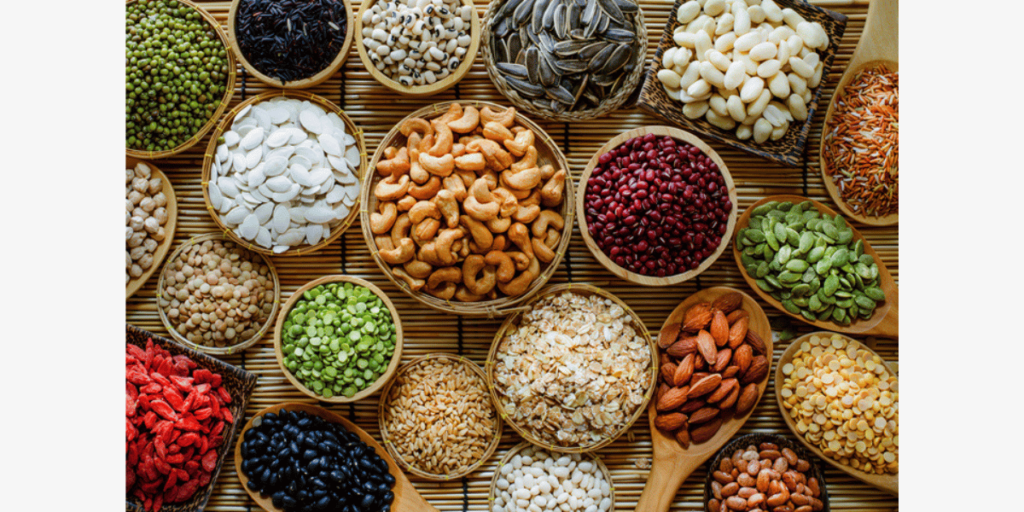
Think bright fruits and veggies, hearty grains like quinoa and oats, and filling legumes like beans and lentils. Seeds and nuts are good sources of necessary minerals and healthy fats. A plant-based diet may be varied and tasty!
Foods Excluded in a Vegan Eating Lifestyle: What’s Off the Plate
On the flip side, understanding the vegan eating lifestyle means knowing what to avoid.
This includes all types of meat, poultry, and fish. It also covers dairy products like milk, cheese, yoghurt, eggs, and honey. It’s about recognising the animal origins of these foods.
Ethical, Environmental, and Health Motivations Behind Choosing a Vegan Eating Lifestyle
For many, including myself, going vegan is more than just food.
Strong ethical reasons are tied to animal welfare. Our food choices also impact the environment.
Typically, plant-based diets have less environmental impact. Plus, as we’re focusing on here, the health benefits of digestion are a big draw. It’s a holistic approach that aligns values with how we nourish our bodies.
Exploring the vegan lifestyle feels like a journey. I discover new flavours and connect more deeply with our food and its origins. It’s more than just a diet—it’s a way of life that resonates with many for many reasons.
The Science Behind a Vegan Eating Lifestyle and Digestion
Now, let’s explore the science behind why a vegan diet can transform our digestive systems.
This indigestible plant matter includes fruits, vegetables, whole grains, and legumes. While our bodies can’t break it down, this fibre is like a superhero for our gut! It increases the size of our stool, facilitating movement and providing us with the preferred digestive advantages.
The Role of Plant-Based Enzymes in Supporting Digestion in a Vegan Eating Lifestyle
Interestingly, many whole plant foods contain their natural enzymes.
Our bodies produce digestive enzymes.
However, eating foods with plant-based enzymes can help us effectively break down nutrients. It’s like having a little support team for your gut!
Lower Saturated Fat Intake in a Vegan Eating Lifestyle and Gut Health
Vegans typically eat less saturated fat than people who consume animal products. High amounts of saturated fat can cause inflammation and hinder digestion.
A vegan lifestyle emphasises plant-based fats. These fats are usually unsaturated and healthier, making our gut feel better.
Absence of Dairy and Processed Meats in a Vegan Eating Lifestyle and Digestive Comfort
Dairy and processed meats can trigger digestive discomfort for many.
I’ve read about people who feel bloated, have gas, or face other problems after eating these foods. Not having these in a vegan diet can significantly improve digestive comfort. Removing potential irritants allows your system to relax and function more efficiently.
In short, high fibre helps. Enzyme support may also be beneficial, and less saturated fat is good.
Plus, avoiding common irritants can lead to a happier, healthier gut.
It’s not only about what you skip eating. It’s also about the great foods you enjoy and how they help your body.
Key Components of a Vegan Eating Lifestyle for Optimal Digestion
Now that we’ve explored some of the science let’s get practical!
I’ve been thinking about the key parts of a vegan diet. These components help support good digestion.
It’s not just about eating plants; it’s also about how we approach them.
Prioritising Fibre-Rich Foods in a Vegan Eating Lifestyle for Digestive Regularity
Fibre is key if you want to digest well on a vegan diet!
A vegan diet mainly consists of whole grains, legumes, fruits, and vegetables. A high fibre intake is also key. It helps keep your digestive tract running smoothly, promoting regularity.
Incorporating Fermented Vegan Foods for a Healthy Gut Microbiome in a Vegan Eating Lifestyle
This is something I’ve found particularly fascinating!
Another key component of a vegan eating lifestyle for optimal digestion is the inclusion of fermented plant-based foods.
Think about foods like sauerkraut, kimchi (vegan, of course!), kombucha, and certain plant-based yoghurts with live cultures.
These foods have good bacteria that help your gut microbiome. This, in turn, improves your digestive health.
Hydration’s Crucial Role in Digestion within a Vegan Eating Lifestyle
Hydration is key, especially on a vegan diet. It helps with digestion, so drink plenty of water! All that wonderful fibre needs water to do its job effectively!
Drinking water daily helps everything move smoothly and efficiently in your body.
Mindful Eating Practices in a Vegan Eating Lifestyle for Better Digestion
Beyond just what we eat, how we eat is also a key component of a vegan lifestyle for better digestion.
I’m working on being mindful when I eat. I eat slowly, chew well, and listen to my body’s signals. This can significantly affect how well we digest our food, regardless of our dietary choices.
Balancing Macronutrients in a Vegan Eating Lifestyle for Digestive Harmony
I’ve realised that balancing macronutrients—carbohydrates, proteins, and fats—is key to a vegan diet.
Getting enough whole plant-based sources is key to your health. It can also help keep your digestion in harmony. It’s about nourishing your body with a well-rounded approach within the vegan framework.
Key parts of a vegan diet include:
Focusing on fibre
Adding fermented foods
Staying hydrated
Eating mindfully
Balancing macronutrients
These elements support our digestive system and keep it healthy.
It’s a holistic approach beyond just the individual foods we choose.
Top Vegan Foods for Promoting Better Digestion
Okay, now for the fascinating part – the delicious details!
I’ve been checking out plant-based treats. Some stand out for helping our digestion.
Here are some of the best vegan foods that can help improve digestion. I’ve been learning about them and adding them to my meals.
Leafy Greens: A Digestive Powerhouse in a Vegan Eating Lifestyle
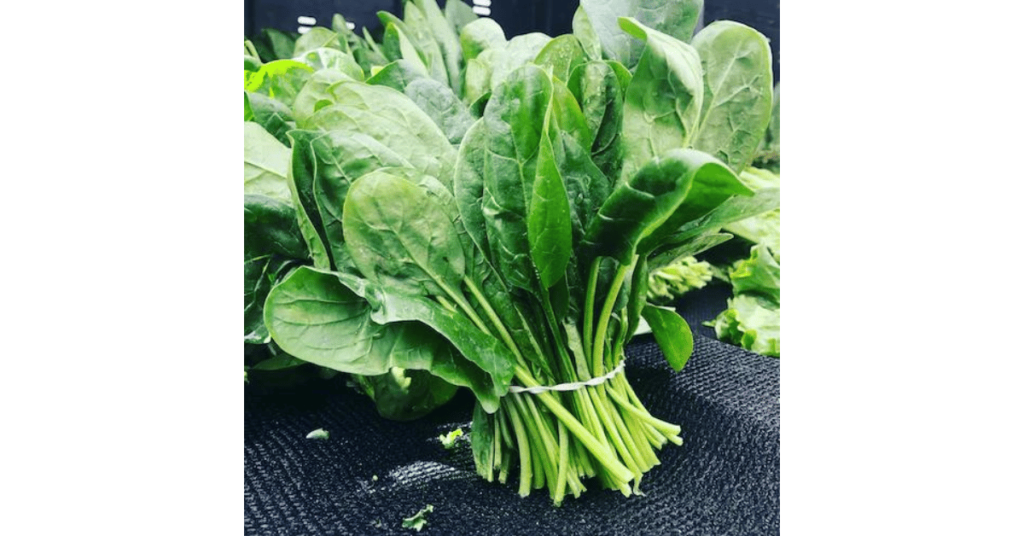
You know those vibrant greens like spinach, kale, and lettuce?
They’re full of vitamins and minerals. Plus, they support digestion in a vegan diet! These leafy wonders are full of fibre.
Fibre is key for keeping things moving smoothly. They’re generally easy on the stomach and can be incorporated into many dishes.
Legumes: Fibre and Prebiotic Rich for Vegan Digestive Health
Beans, lentils, and peas – the wonderful world of legumes!
I’ve discovered that these are truly fantastic for vegan digestive health. They’re packed with protein and incredibly rich in fibre.
Even cooler, they contain prebiotics, like food for the good bacteria in our gut. A happy gut microbiome contributes to better digestion!
Fruits: Natural Enzymes and Fibre for a Healthy Vegan Digestive System
Who doesn’t love a juicy piece of fruit?
I certainly do, and many fruits are fantastic for a healthy vegan digestive system. Papayas and pineapples have natural enzymes that help break down food.
Fruits are a great source of fibre. They help with regularity and support gut health.
Whole Grains: Essential for Regular Bowel Movements in a Vegan Eating Lifestyle
Whole grains are essential for feeling good, especially in a vegan diet.
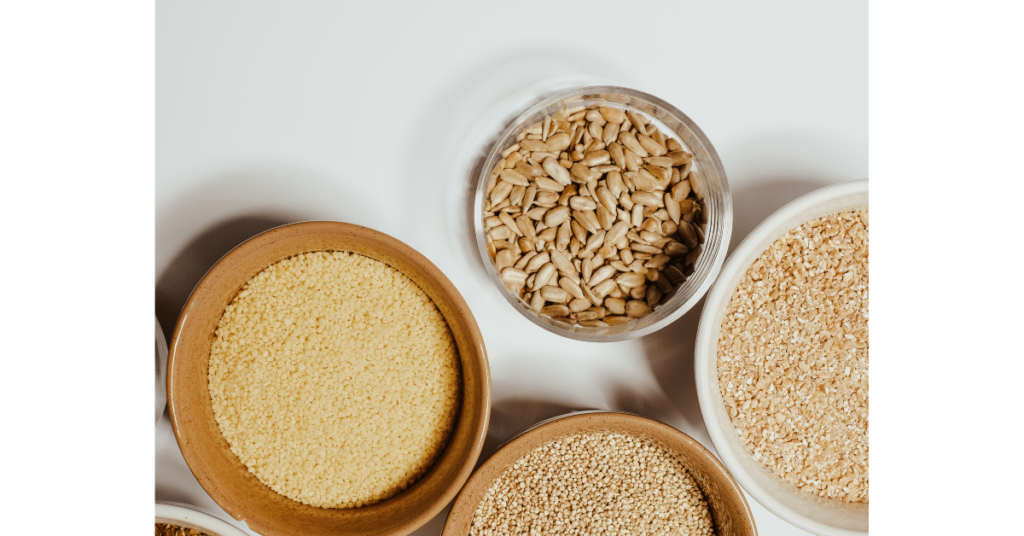
Oats, brown rice, and quinoa are high in fibre, which is key for regular bowel movements. I often choose whole grain options, which greatly affect my digestion.
Nuts and Seeds: Providing Healthy Fats and Fibre for Vegan Digestion
Last, let’s not forget the power of nuts and seeds!
They are often praised for their healthy fats, but they also add essential fibre, which helps with vegan digestion.
Chia seeds and flaxseeds, in particular, are little powerhouses of fibre. Remember to savour them in moderation as part of a balanced diet.
While exploring vegan eating, I find many tasty plant-based foods. They are versatile and aid digestion.
Embrace nature’s abundance!
Choose foods that nourish your body from within.
How a Vegan Eating Lifestyle Can Alleviate Common Digestive Issues
A vegan diet helps alleviate typical stomach issues.
Let’s talk about this critical change.
I’ve read about this, and it’s exciting to see the significant benefits of plant-based eating.
Vegan Eating Lifestyle and Reduced Bloating
Ugh, bloating. It’s the worst.
I’ve learned that adopting a vegan lifestyle can reduce bloating for many people.
This may be due to plant-based diets having fewer processed foods and less saturated fat. These factors can lead to an uncomfortable, puffy feeling.
Also, the high fibre content helps move things through your system. This can prevent gas build-up that causes bloating.
Combating Constipation with a Fibre-Rich Vegan Eating Lifestyle
A vegan diet can help with another common problem: constipation.
That great fibre we always talk about helps a plant-based diet fight constipation naturally.
Fibre adds bulk, helping things stay regular and move smoothly. This is a significant relief for anyone who struggles with it.
Managing Irritable Bowel Syndrome (IBS) Through a Vegan Eating Lifestyle
IBS is a multifaceted disease; what helps one person cannot help another.
I’ve found research showing that, for some people, a vegan diet can help manage IBS symptoms.
Avoiding trigger foods like dairy and processed meats can help reduce flare-ups. Instead, focus on whole, plant-based foods. It’s something worth exploring with a healthcare professional.
Potential Benefits of a Vegan Eating Lifestyle for Acid Reflux
Acid reflux is another uncomfortable issue that I know many people deal with.
Some info suggests that a vegan diet might help with acid reflux. Plant-based diets usually have less fat.
Additionally, certain plant-based foods might be soothing to the digestive tract.
Reducing Inflammation in the Digestive Tract with a Vegan Eating Lifestyle
Finally, chronic inflammation in the digestive tract can be at the root of many problems.
A vegan diet filled with fruits, vegetables, and whole grains is often anti-inflammatory. These plant-based powerhouses are rich in antioxidants and phytonutrients, which may reduce inflammation in the digestive tract, leading to better digestive health and well-being.
Seeing how a vegan diet can help with common digestive issues is fascinating. Everyone’s body is different, but relief and comfort are worth considering.
Transitioning to a Vegan Eating Lifestyle for Improved Digestion
Okay, so you’re intrigued by the idea of a vegan diet and its potential for improved digestion.
That’s fantastic!
However, making any significant dietary change can initially feel daunting.
I am sharing some thoughts on switching to a vegan diet. This can help improve digestion. It should feel easy and sustainable.
Gradual Implementation of a Vegan Eating Lifestyle for Digestive Adaptation
I’ve learned that going “cold turkey” isn’t the best choice for everyone, especially if you want better digestion. Instead, consider a gradual implementation of a vegan eating lifestyle.
This helps your body adapt, especially your digestive system. It adjusts better to more fibre and no animal products.
Advice on Smooth Transition to a Vegan Eating Lifestyle
So, how can you make this transition smoother?
Begin by including more plant-based dishes in your week. It’s a significant first step. Consider having meatless Mondays.
You can also swap dairy for plant-based options like almond or oat milk. As you get more comfortable, you can gradually increase the number of vegan meals you eat. Another helpful tip for a smooth transition to a vegan lifestyle is exploring new recipes and flavours. This can make the process feel exciting rather than restrictive.
Listening to Your Body During the Shift to a Vegan Eating Lifestyle
As you transition to a vegan lifestyle, paying attention to how your body reacts is crucial.
Your digestive system is unique. You may feel some changes as your gut microbiome adjusts. It’s normal to feel this way. Talk to a healthcare professional or registered dietitian if you have concerns or feel uncomfortable.
Pay attention to your body as you switch to a vegan diet. This will help you find a pace that suits you, leading to a better experience and improved digestion.
For me, switching to a vegan diet for better digestion means making lasting, sustainable changes that feel good.
It’s not a race. Every step you take to add plant-based foods is good for your health. Be patient with yourself, explore delicious new foods, and enjoy the journey!
Potential Challenges and How to Overcome Them in a Vegan Eating Lifestyle for Digestion
I’m excited about the digestive benefits of a vegan diet, but I also want to be realistic.
Any significant dietary shift can come with a set of hurdles.
I’ve been thinking about the challenges of vegan eating and how to tackle them. This can help you digest better and make your journey smoother.
Ensuring Adequate Nutrient Intake on a Vegan Diet for Digestive Health
You might wonder if you’re getting all the nutrients you need on a vegan diet for good digestive health. You should pay more attention to some nutrients. These include vitamin B12, iron, calcium, and omega-3 fatty acids.
The good news is that you can meet your nutrient needs on a vegan diet with careful planning.
Include whole plant foods, fortified foods, and supplements to ensure you get enough nutrients.
To aid digestion, ensure you get enough fibre. A well-planned vegan diet usually has plenty!) And staying hydrated is key.
Addressing Social Situations and Maintaining a Vegan Eating Lifestyle for Digestion
Social events and eating out could be difficult for someone on a vegan diet. A little bit of planning goes a long way.
Look at the menu ahead of time. Politely tell your hosts about your dietary needs. You may also contribute a dish to share, which will help everyone enjoy the meal.
Focus on being prepared and confident in your choices.
Finding Vegan Alternatives for Digestive Comfort
A higher-fibre vegan diet may lead to temporary digestive changes, such as gas or bloating.
This is often just your gut microbiome adapting.
If you continue to feel discomfort, finding vegan options that soothe your digestion is essential. You should also slowly boost your fibre intake and determine which plant-based foods don’t suit you.
Try cooking methods like steaming or baking that are easier on your digestion.
Many tasty and easy-to-digest vegan options are available. It’s all about finding what suits your system best.
In the end, there may be some challenges ahead.
However, with knowledge, planning, and self-awareness, you can easily overcome them. A vegan eating lifestyle can support good digestion. The long-term gains for your gut health and well-being make the changes worth it.
Many people are on this journey with you, so you’re not alone!
Maintaining a Long-Term Vegan Eating Lifestyle for Sustained Better Digestion
Great job on adopting a vegan lifestyle!
You’re already enjoying the benefits of better digestion.
That’s awesome!
Now, the question is, how do we make this a lasting change?
Focus on key factors to maintain a long-term vegan diet for better digestion.
Variety and Balance in a Long-Term Vegan Eating Lifestyle for Digestive Wellness
Eat many different plant-based foods to maintain a long-term vegan diet that is healthy for digestion.
This keeps meals interesting and tasty. It also gives you a full range of nutrients. This is key to good health and better digestion.
Add colourful fruits, veggies, whole grains, legumes, nuts, and seeds. This diversity supports a healthy and thriving gut microbiome in the long run.
Regularly Assessing Nutritional Needs in a Vegan Eating Lifestyle
As we stick to our long-term vegan diet, it’s smart to check our nutritional needs often.
But our needs can change over time.
Staying informed about key nutrients is essential for vegans. Regular check-ins with a healthcare practitioner or qualified nutritionist can be beneficial. They ensure you meet your body’s needs and support healthy digestion.
Staying Informed About the Benefits of a Vegan Eating Lifestyle for Digestion
Knowing the digestive benefits of a vegan diet can motivate me in the long term.
Remembering how good you feel can keep you committed. Think about the positive effects on your digestion. Also, consider the ethical and environmental reasons for your choice.
New research shows how plant-based eating benefits our bodies. Staying updated can inspire a long-term vegan lifestyle.
A long-term vegan diet for better digestion should be sustainable and enjoyable. It should nourish your body and help you feel your best.
Focus on variety to create a lasting change for your health. Stay aware of your nutrition needs. Also, remember the benefits you’re experiencing. This way, you can make a positive impact on your well-being.
Expert Tips for Maximising Digestive Health on a Vegan Diet
Okay, so you’re rocking the vegan eating lifestyle and loving the digestive benefits?
That’s awesome!
Here are some expert tips to boost digestive health on a vegan diet.
These little tweaks can take your gut health to the next level.
Chewing Food Thoroughly for Optimal Vegan Digestion
This might sound super basic, but trust me, it’s a game-changer
One of the top expert tips for maximising digestive health in a vegan lifestyle is simply chewing food thoroughly.
I get it—we’re all busy. But chewing your food well really helps your body digest it later. It lets your saliva kick off digestion and lightens your stomach’s workload. For optimal vegan digestion, this small habit can have a significant impact.
Staying Active to Support Digestive Function in a Vegan Eating Lifestyle
Here’s another expert tip for better digestive health on a vegan diet: stay active!
Physical activity is excellent for your health. It also helps your digestion.
Daily walking can improve my digestion, especially on a vegan diet.
Managing Stress for a Healthy Gut on a Vegan Eating Lifestyle
This last tip isn’t about food, but it’s vital for good digestion on a vegan diet: manage stress.
Our gut and brain are closely linked, often called the “gut-brain axis.” Stress can harm our digestion.
I’ve found that adding stress-reducing practices helps your gut health. Mindfulness, yoga, or quiet time daily can make a big difference. This is especially true while enjoying a vegan diet.
Focusing on fibre-rich plant foods is key to good vegan digestion.
Also, try these expert tips: chew your food well, stay active, and manage stress. These steps can boost your digestive health even more. They focus on a complete way to support well-being. This helps keep your gut happy and healthy.
Delicious Vegan Recipes to Support Better Digestion
These aren’t just healthy; they’re also packed with flavour and easy to whip up. Let me share a few ideas that have been winners for me.
Example of a High-Fibre Vegan Breakfast for Good Digestion
Start your day right with a high-fibre vegan breakfast. It’s excellent for digestion!
One of my go-tos is overnight oats with berries and chia seeds.
Mix rolled oats with your favourite plant-based milk. Then, add a tablespoon of chia seeds for extra fibre. In the morning, top it off with a handful of fresh berries.
This tasty, high-fibre vegan breakfast gives you steady energy. It also helps your digestion stay on track.
You can even add nuts for extra crunch and healthy fats!
Example of a Gut-Friendly Vegan Lunch Recipe
For lunch, I often opt for something light yet satisfying that’s also kind to my gut.
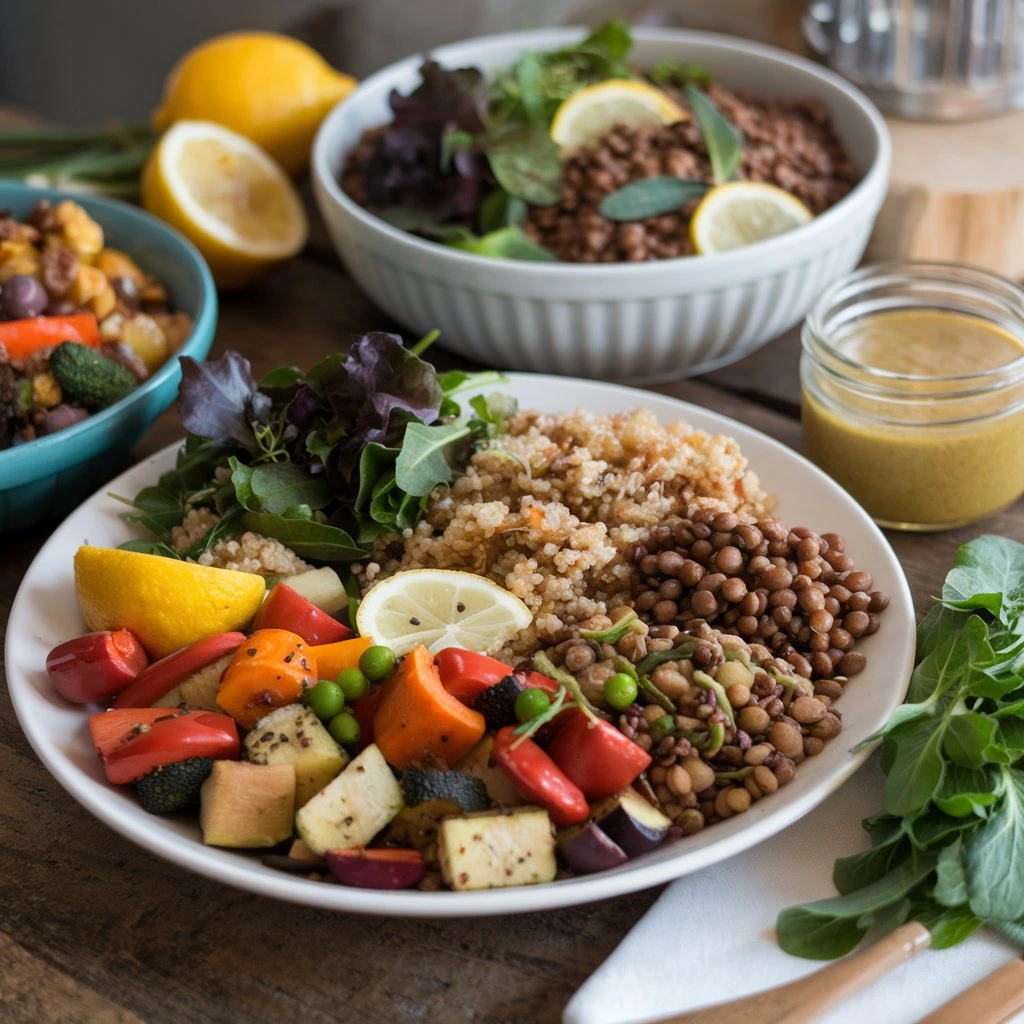
A gut-friendly vegan lunch recipe: I enjoy quinoa salad with roasted veggies and a lemon-tahini dressing.
Roast colourful veggies like sweet potatoes, broccoli, and bell peppers until tender.
Next, mix them with cooked quinoa, fresh herbs like parsley or cilantro, and a zesty dressing. The dressing includes tahini, lemon juice, garlic, and water.
This meal is rich in fibre from the vegetables and quinoa. The healthy fats in tahini are also good for your health.
Example of a Vegan Dinner Promoting Digestive Health
At dinnertime, I usually want something warm and filling. It should also help my digestion.
A fantastic vegan dinner promoting digestive health is a lentil soup with plenty of vegetables.
Lentils provide great fibre and protein.
Add carrots, celery, and spinach to your soup. For extra flavour, toss in gut-friendly spices like ginger and turmeric.
This makes a winning dish! It’s warm, satisfying, and perfect for your digestive system.
Here are just a few examples. The world of tasty vegan recipes for better digestion is huge and fun!
Focus on whole, plant-based foods. They are high in fibre and easy for your body to digest.
Get creative in the kitchen! Enjoy finding new, tasty ways to nourish your body and keep your gut happy!
Frequently Asked Questions (FAQ) About Vegan Eating Lifestyle and Digestion
While I share about vegan living and digestion, I often hear common questions.
I want to make an FAQ section on vegan eating and digestion. This will help address some common concerns.
Let’s dive in!
FAQ 1: Can a vegan eating lifestyle improve digestion?
Absolutely!
Research and insights from others show that a vegan diet can boost digestion for many.
Plant-based foods have a lot of fibre. This helps keep you regular and supports gut health.
Also, removing common digestive irritants like dairy and processed meats can help.
FAQ 2: Are there any digestive issues that a vegan eating lifestyle might worsen?
A vegan diet can help digestion, but some may initially feel adjustments. Because of the higher fibre intake, they might notice more gas or bloating.
Also, some plant-based foods can cause issues for those with particular sensitivities, like FODMAPS.
You can often handle these issues by planning carefully and focusing on individual needs.
FAQ 3: How long does it take to see digestive improvements in a vegan eating lifestyle?
This can vary from person to person.
Some people may see better digestion a few days after starting a vegan diet, while others may wait weeks as their bodies adapt.
Consistency matters. Listening to your body’s signals during this time is vital.
FAQ 4: When beginning a vegan diet for digestion, what typical errors should one avoid?
A common mistake is not slowly adding fibre to your diet. This can cause digestive discomfort.
Another is insufficient water, as fibre needs fluids to do its job effectively.
Relying too much on processed vegan foods isn’t great for your health. These foods can be strong in additives and poor in nutrients, influencing digestion.
Focusing on whole, plant-based foods is generally the best approach.
FAQ 5: Do I need to take supplements on a vegan diet for good digestion?
A well-planned vegan diet can give you the most nutrients for good digestion. However, many experts recommend that all vegans take vitamin B12 supplements.
If you don’t eat many fermented foods, consider taking a probiotic supplement for better digestion.
It’s best to talk to a healthcare professional first.
FAQ 6: Can children and older adults follow a vegan eating lifestyle for better digestion safely?
Careful planning allows children and older adults to follow a vegan diet safely. This diet improves digestion and will enable them to enjoy health benefits.
Ensuring they get enough calories and nutrients for their age is essential.
It’s wise to talk to a paediatrician or a dietitian who understands vegan nutrition.
FAQ 7: Is a gluten-free, vegan eating lifestyle better for digestion?
Not necessarily for everyone.
A gluten-free, vegan diet can help people with celiac disease or gluten sensitivity.
But if you don’t have these conditions, whole grains with gluten can be a good source of fibre and nutrients. They help support healthy digestion. It depends on individual needs and sensitivities.
FAQ 8: Where can I find support for adopting a vegan eating lifestyle for digestive health?
There are many fantastic resources available!
You can find a lot of information online. Check out trusted vegan groups and registered dietitians who focus on plant-based nutrition.
Social media organisations and online communities can also be found. They connect you with other vegans for support and recipe ideas. Feel free to contact medical experts for tailored guidance.
These FAQs helped answer your questions about vegan eating, and they are personalised!
It’s all about learning and exploring. You need to find what works best for your health and well-being.
Conclusion: Embracing a Vegan Eating Lifestyle for a Happier Gut
We’ve finished exploring plant-based eating. It offers many benefits for digestive health.
I hope this journey has been as insightful for you as it has been for me!
Recap of the Digestive Benefits of a Vegan Eating Lifestyle
In short, adopting a vegan diet offers significant digestive benefits.
Plants are powerful for a happier gut. They have high fibre, which helps with regularity. They may also reduce bloating and inflammation.
It’s about eating foods that help our digestion work well.
Encouragement to Explore the Vegan Eating Lifestyle for Improved Well-being
Try the vegan lifestyle if you’re curious about how your diet affects digestion.
It’s not about limits; it’s about embracing a colourful range of tasty plant-based foods.
These foods can boost your health, starting with a happier gut. Even small steps towards incorporating more plant-based meals can make a difference.
Final Thoughts on the Positive Impact of a Vegan Eating Lifestyle on Digestion
My journey to understanding how a vegan diet helps digestion has been eye-opening.
What we eat affects how we feel. Choosing a plant-based diet can help create a healthier, happier digestive system.
Consider a vegan diet if you want a happier gut and better well-being.
Here’s your complete guide to the healthiest water to drink in South Africa in 2025. Did you know that 60% of the human body is made up of water? Not all water is the same, especially in South Africa, where water quality can vary significantly …