
How to Sleep Better By Eating Plant-Based
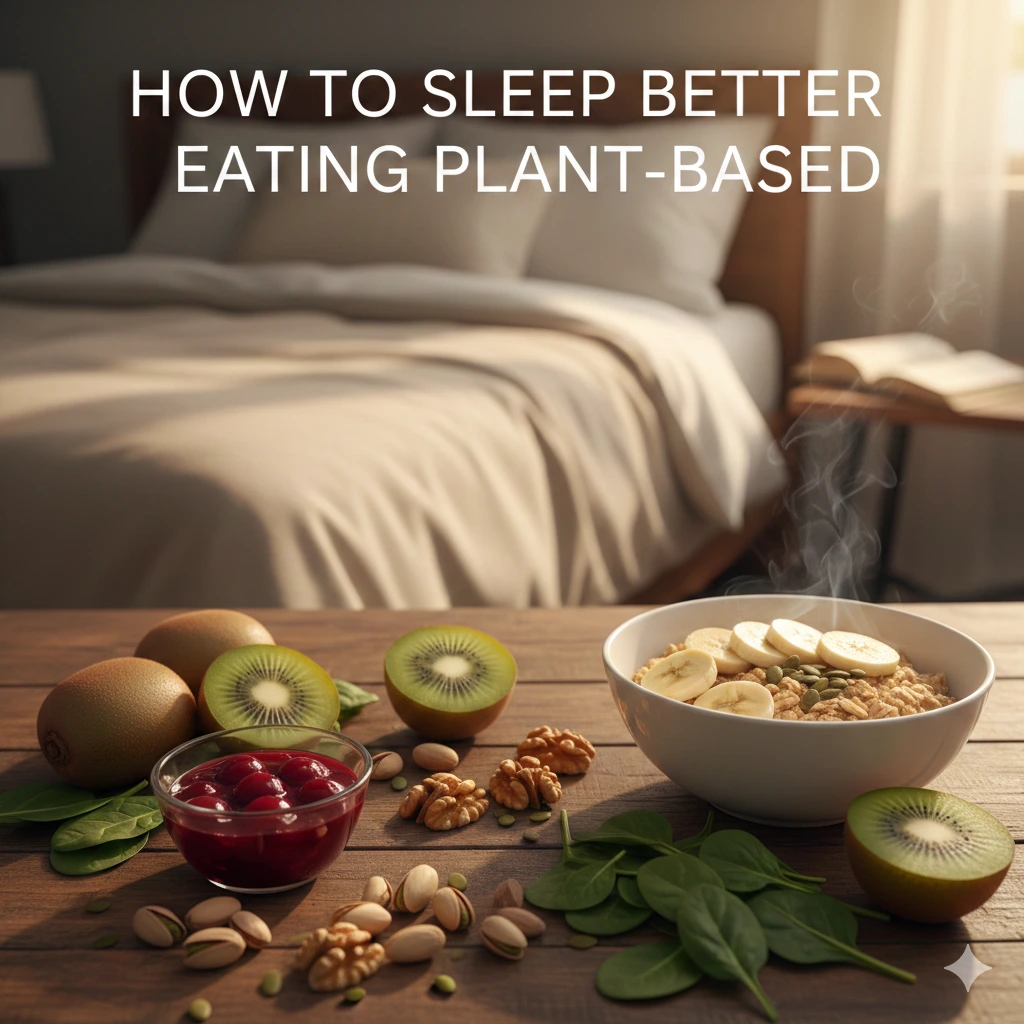
Getting a good night’s rest is one of the best things you can do for your health. If you are tossing and turning, the answer might be on your dinner plate.
Many people are learning how to sleep better by eating plant-based foods.
Research shows that what we eat changes how we sleep.
In fact, some studies show that people on plant-based diets can sleep up to 48 minutes more each night!
This article will demonstrate the simple steps to better rest through the power of plants.
Introduction: The Link Between Your Plate and Your Pillow
Do you often find yourself staring at the ceiling at 2:00 AM?
You are not alone.
Countless individuals grapple with sleeplessness and restless nights. While we often blame stress or blue light, our diet is a “missing link” that many forget to check.
Transitioning to a plant-based diet benefits more than just your heart or weight management. It’s also a powerful tool for better sleep.
Whole, plant-based foods help your brain create the sleep hormones it needs.
Instead of reaching for a sleeping pill, you might need to go for a bowl of cherries or a handful of nuts.
Choosing the right plants can calm your mind. They also help your body relax for deep sleep.
The Science of How to Sleep Better: Eating Plant-Based
Science shows that plants contain “sleep-promoting” nutrients.
Three of the big players are magnesium, Vitamin B6, and potassium. Magnesium is known as the “relaxation mineral.” It helps muscles release tension.
Many plant-based foods, such as spinach and seeds, are rich in it.
Another reason you can sleep better by eating plant-based foods is because of hormone harmony.
Your body requires an amino acid known as tryptophan for the production of serotonin.
Serotonin subsequently converts into melatonin, the hormone that signals to your brain that it is time to sleep. Plants like soy and nuts provide plenty of tryptophan without the heavy fats found in meat.
Finally, plant-based diets help reduce inflammation.
Inflammation is like a tiny fire in your body that can keep you awake or cause pain.
Because plants are full of antioxidants, they “put out the fire.” This leads to fewer disruptions during the night.
When your body feels calm and cool on the inside, you stay in deep sleep much longer.
Top Plant-Based Foods for Deep Sleep
If you want to know how to sleep better by eating plant-based foods, you need to know which foods are the superstars.
- Tart Cherries: These are among the few natural sources of melatonin. Drinking a small glass of tart cherry juice can help you fall asleep faster.
- Kiwis: Recent studies say that eating two kiwis before bed can help you sleep longer. They are high in serotonin, which calms the nervous system.
- Nuts and Seeds: Pistachios, walnuts, and pumpkin seeds are great. They contain magnesium and healthy fats that keep your blood sugar steady all night.
- Leafy Greens: Spinach and kale are “magnesium magnets.” Eating them at dinner helps your muscles relax.
- Complex Carbs: Oats and sweet potatoes are perfect for sleep. They help tryptophan cross the blood-brain barrier more easily.
- Bananas: They act like a natural “sleeping pill.” This is because they have potassium, magnesium, and B6.
By adding these to your daily meals, you give your body the tools it needs to drift off peacefully.
4. Understanding Tryptophan: How to Sleep Better by Eating Plant-Based Proteins
You might have heard that turkey makes you sleepy because of tryptophan. But you don’t need meat to get this essential amino acid!
In fact, many plant proteins are even better sources. Tofu, edamame, lentils, and chickpeas are all high in tryptophan.
The secret trick is the Carb Connection.
When you consume plant-based proteins with healthy carbs, such as brown rice or sweet potatoes, they trigger insulin.
This insulin helps move other amino acids out of the way so tryptophan can win the race to your brain.
Once it gets there, it can start making the melatonin you need for a restful night. This is a simple way to optimise your plant-based meals for better rest.
Beating Sleep Apnea with a Plant-Rich Diet
Sleep apnea is a grave disorder characterised by the interruption and resumption of breathing while one sleeps. It often leads to loud snoring and feeling tired the next day. A whole-food plant-based (WFPB) diet is very effective at helping this.
In 2024 and 2025, research found that people who ate healthy plant-based diets had a 19% lower risk of sleep apnea.
Why?
Because plants help with weight management, losing weight around the neck can open the airways.
The anti-inflammatory properties of plants help reduce swelling in the throat and airways. If you want to breathe easier and stop snoring, a plate full of vegetables is a great place to start.
Common Pitfalls: Why Some Plant-Based Diets Ruin Sleep
Even on a plant-based diet, you can make mistakes that hurt your sleep. The biggest problem is the “Junk Food Vegan” trap.
If you eat lots of vegan cookies, white bread, or sugary sodas, your blood sugar will spike and crash. This can wake you up in the middle of the night feeling hungry or anxious.
Hidden stimulants pose another pitfall.
Some plant-based snacks contain cocoa or green tea extract, which have caffeine.
Also, be careful with fibre. While fibre is great, eating a massive bowl of beans right before bed can cause bloating. This discomfort makes it hard to stay asleep.
Try to eat your biggest fibre-filled meals earlier in the day so your stomach has time to work.
Creating Your Plant-Based Sleep Schedule
To truly master how to sleep better by eating plant-based foods, you need a routine.
Timing is everything. Try to finish your last big meal about 3 hours before bed. This gives your body time to digest so it can focus on rest, not work.
You can also start a “Sleepy Tea” ritual.
Chamomile or lemon balm tea is a great plant-based options that signal to your brain that the day is over.
Also, watch your water. Drink plenty of water during the morning and afternoon, but slow down in the evening.
This will prevent you from having to get up during the night for bathroom visits. Small habits like these make a big difference over time.
FAQ: People Also Ask About Plant-Based Sleep
Does a vegan diet help with insomnia?
Yes! Extensive studies, such as the Tzu Chi Health Study, show that a healthy plant-based diet significantly lowers the risk of insomnia. The high levels of magnesium and antioxidants in plants help calm the brain.
Can a plant-based diet cause vivid dreams?
It can! Many plant foods are high in Vitamin B6 (like bananas and chickpeas). Vitamin B6 is known to help the brain process dreams, making them feel clearer and more memorable.
Will I have more energy if I sleep better on plants?
Absolutely. When you get deep, restorative sleep, your body repairs itself. Plant-based eaters usually sleep better. So, they wake up feeling refreshed and energised for the day.
What is the best bedtime snack for a plant-based eater?
A small bowl of oatmeal with a few walnuts or a sliced banana with a spoonful of almond butter. These provide the perfect mix of carbs and minerals to help you drift off.
Conclusion: Your Journey to Better Rest
Changing what you eat is a powerful way to change how you feel. We have looked at how to sleep better by eating plant-based foods, using science and nature.
Filling your plate with tart cherries, kiwis, leafy greens, and healthy proteins gives your body the “medicine” it needs for deep sleep.
Remember, you don’t have to change everything overnight. Start with one small change, like swapping your evening snack for some pistachios or a banana.
Over time, these plant-based choices will lead to quieter nights and brighter mornings. Better rest is not a dream—it is just one healthy meal away.
External Links for Your Article
- “study on plant-based diets and insomnia” – MDPI – The Relationship between Plant-Based Diet and Sleep
- “benefits of magnesium for relaxation” – National Institutes of Health (NIH) Magnesium Fact Sheet
- “How Melatonin Regulates Your Sleep Cycle” – Sleep Foundation – Melatonin and Sleep