
Iron-Rich Vegan Foods South Africa: Evidence-Based Guide
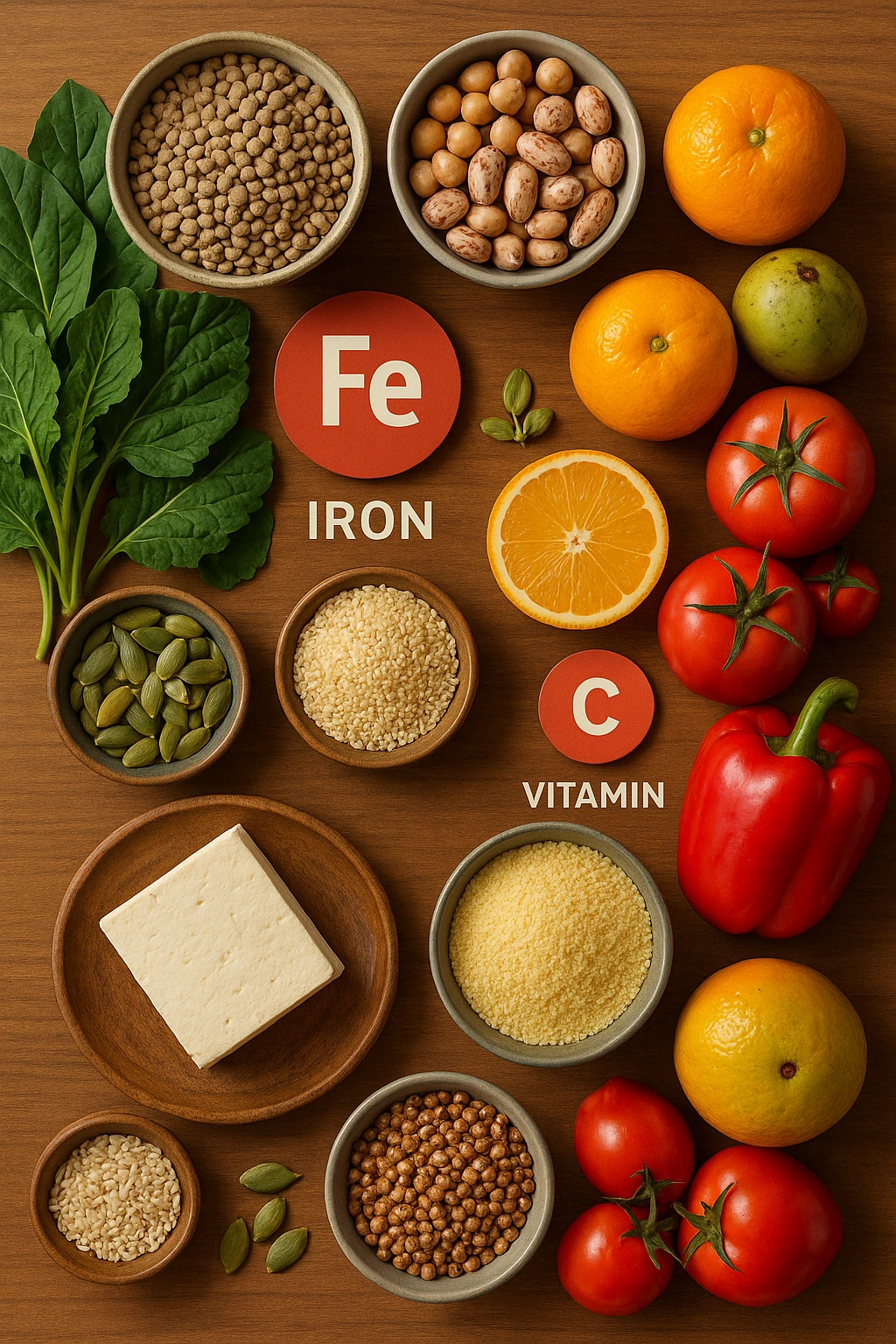
Here’s your evidence-based guide to iron-rich vegan foods South Africa.
If you’ve ever been told, “You’ll become anaemic on a vegan diet,” you’re not alone.
As a South African plant-based eater, I’ve heard that warning more times than I can count.
The good news?
We now have solid science, local fortification policies, and a long list of iron-rich vegan foods in South Africa to help us meet our iron needs – without eating meat.
In this evidence-based guide, I’ll walk you through how iron works on a vegan diet, what the research says about anaemia in South Africa, and which local staples help you hit your daily iron goals.
We’ll focus on iron-rich vegan foods in South Africa, providing evidence so you can feel confident that your choices are backed by science, not just social media.
Understanding Iron: Evidence-Based Basics for South African Vegans
Iron is a mineral your body uses to make haemoglobin – the protein in red blood cells that carries oxygen around your body.
Without enough iron, you can feel tired, breathless, dizzy, struggle with concentration, and be more vulnerable to infections.
Long-term low iron can progress to iron-deficiency anaemia.
There are two main types of dietary iron:
- Heme iron – found in animal foods like meat, chicken and fish.
- Non-heme iron – found in plant foods like beans, grains, nuts, seeds and leafy greens.
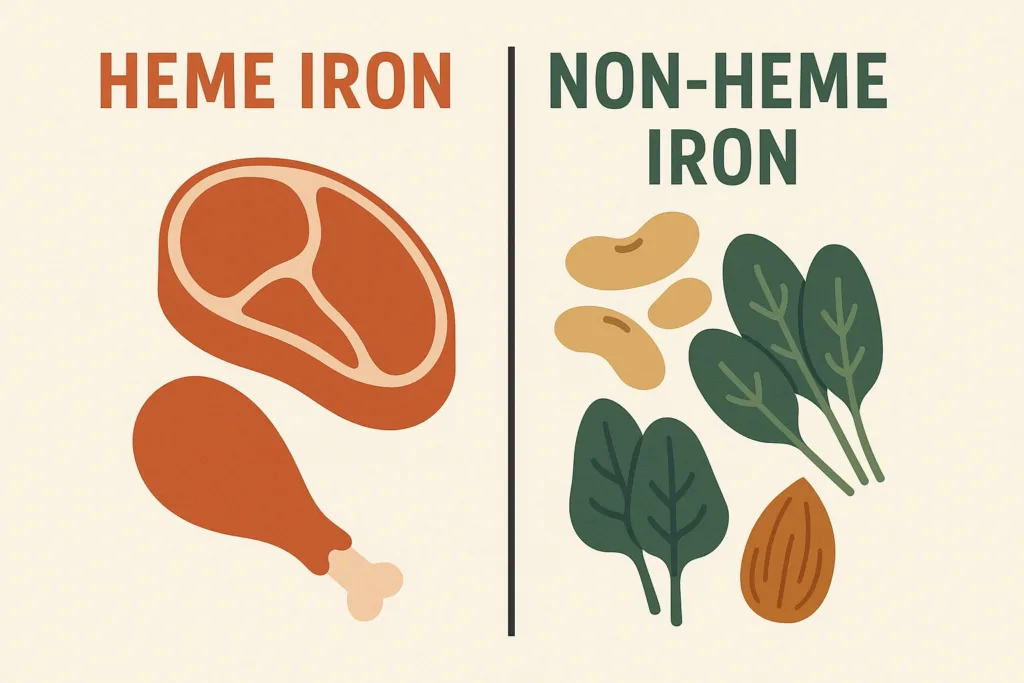
Vegans rely 100% on non-heme iron.
This form is absorbed a bit less efficiently than heme iron, and it responds strongly to “enhancers” (like vitamin C) and “inhibitors” (like tea and coffee).
Understanding this interaction is key when we talk about iron-rich vegan foods in South Africa, because it explains why meal combinations matter as much as total iron grams.
In general, adult women of reproductive age need more iron than adult men because of menstrual blood loss, and pregnancy raises iron needs even further.
Kids, teens and athletes also have higher requirements due to growth and training demands.
Iron Deficiency and Anaemia in South Africa: What the Research Shows
Iron deficiency and anaemia are not “vegan problems” – they are major public health issues in South Africa and globally, affecting people across all eating patterns.
Worldwide, around 30% of women aged 15–49 and almost 40% of children under 5 are anaemic.
A large South African review of studies from 1997–2021 found a high prevalence of anaemia, iron deficiency, and iron-deficiency anaemia in women of reproductive age and children under five.
More recent work in South African mothers and infants continues to show worrying rates of anaemia, especially during pregnancy and early childhood.
In other words, anaemia in South Africa is driven by a mix of factors: poor diet quality, poverty, infections, heavy menstrual bleeding and pregnancy – not just whether you eat meat.
That’s why an evidence-based approach to iron-rich vegan foods South Africa is so important. It’s about optimising what’s already on our plates and using our national fortification system wisely.
How Iron Works on a Vegan Diet: Non-Heme Iron, Absorption and Bioavailability
On a vegan diet, you get non-heme iron from plant foods.
The body absorbs this iron through specialised transporters in the gut, but how much gets in depends on what else you eat at the same meal.
Key points for non-heme iron absorption:
- Enhancers – Vitamin C (ascorbic acid) and some organic acids can dramatically boost non-heme iron absorption by converting iron into a more soluble form your gut can use.
- Inhibitors – Phytates (in unsoaked grains, legumes, nuts and seeds), polyphenols (in tea, coffee, some herbs and spices), and calcium can reduce absorption, especially when eaten at the same time as iron-rich foods.
This means two plates with the same iron content can behave very differently in your body.
A bowl of lentil stew eaten with a fresh tomato and orange salad (high in vitamin C) can deliver more useful iron than the same lentil stew eaten with strong tea and lots of unfermented bran.
Evidence-Based List of Iron-Rich Vegan Foods in South Africa
Let’s move into the practical heart of this guide: which iron-rich vegan foods South Africa offers, and how we can use them in everyday meals.
I’ll focus on foods commonly found in South African supermarkets, spaza shops and local markets.
1. Legumes and Pulses: Core Iron-Rich Vegan Foods in South Africa
Beans, peas and lentils are some of the most important iron-rich vegan foods you can eat. Cooked legumes typically provide around 2–4 mg of iron per cup, along with fibre, plant protein and B vitamins.
Great local options include:
- Lentils (brown, red, green)
- Chickpeas (whole or as hummus)
- Split peas
- Sugar beans, kidney beans, black beans
- Soya mince and soya chunks
Easy ways I use them in a South African kitchen:
- Bean and lentil curry with tomatoes and spinach
- Chickpea “mayo” sandwiches on fortified brown bread
- Sugar bean chakalaka served with pap and steamed greens
- Soya mince bolognese with wholewheat pasta and a side salad
To improve iron absorption from legumes, I like to soak them overnight, cook them thoroughly, and serve them with vitamin C-rich foods like tomatoes, peppers, cabbage, guavas or citrus.
2. Whole Grains and African Staples: Sorghum, Millet, Maize and More
Whole grains are another quiet hero when we talk about iron-rich vegan foods South Africa evidence. Many of our traditional staples provide iron, especially when eaten in their whole or fortified forms.
Examples:
- Oats, brown rice and wholewheat couscous
- Sorghum (mabele), millet and amaranth
- Wholewheat bread and brown bread
- Maize meal (pap, phuthu) – especially fortified brands
South Africa has mandatory fortification of maize meal and wheat flour with iron (along with vitamin A and several B vitamins).
This means your daily pap, dombolo or slice of brown toast can make a real contribution to your iron intake – provided you choose products that carry the fortification logo and wording.
For better absorption, I combine these grains with beans, lentils and veggies.
For example, a bowl of fortified maize meal plus bean stew and cabbage slaw is not just comfort food – it’s an iron and fibre powerhouse.
3. Dark Leafy Greens and Vegetables in South Africa
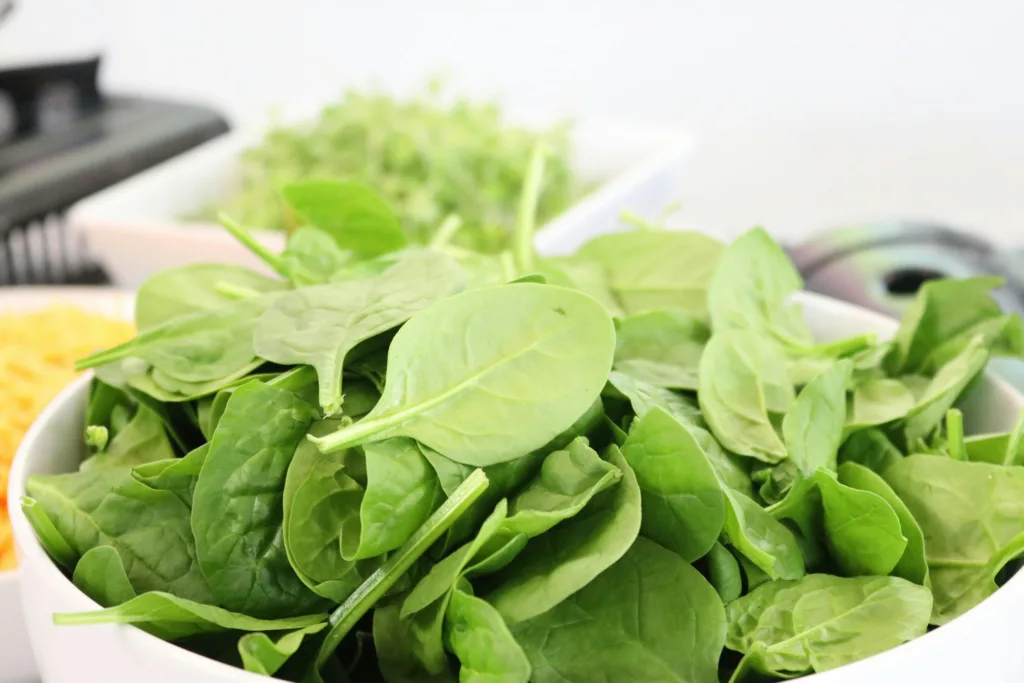
Dark leafy greens may not give you “Popeye” levels of iron in one serving, but they do contribute, especially when eaten regularly and combined with vitamin C.
Locally available options include:
- Spinach and Swiss chard
- Morogo / imifino (various wild African leafy greens)
- Kale and collard greens (where available)
- Broccoli, beetroot and beet greens
- Cabbage and Chinese cabbage
Spinach does contain iron, but it also has oxalic acid, which can block absorption of some of that iron.
Cooking spinach reduces its volume and concentrates nutrients, but it doesn’t fully remove the oxalates.
That’s why I treat spinach and morogo as steady contributors, not my only iron sources, and I almost always pair them with tomatoes, peppers or a squeeze of lemon.
4. Nuts, Seeds and Nut Butters: Concentrated Iron-Rich Vegan Foods
Nuts and seeds may look small, but they pack concentrated nutrients, including iron, zinc, magnesium and healthy fats.
Some of my favourite iron-rich options:
- Pumpkin seeds (pepitas)
- Sesame seeds and tahini
- Sunflower seeds
- Almonds and cashews
- Flax and chia seeds (for omega-3s and fibre too)
I sprinkle seeds on oats, salads and stews, blend tahini into dressings, and keep a small tub of trail mix (pumpkin seeds, almonds, raisins) in my bag for busy days. Just remember that nuts and seeds are energy-dense, so you don’t need huge amounts to get a benefit.
5. Soy Foods, Tofu and Vegan Meat Alternatives
Tofu, tempeh, edamame and textured vegetable protein (TVP/soya mince) all contain iron, plus high-quality plant protein and, in the case of tofu, some calcium too.
Easy South African-friendly uses:
- Tofu stir-fry with peppers, broccoli and brown rice
- Soya mince cottage pie topped with mashed sweet potato
- Grilled tofu or soya sausages on a braai with chakalaka and coleslaw
Fermented soy products like tempeh may have slightly improved mineral availability because fermentation reduces phytate levels.
Combining soy foods with vitamin C sources amplifies their contribution to your daily iron target.
6. Fortified Foods and Breakfast Cereals
Many breakfast cereals and porridges sold in South Africa are fortified with iron. The specific amount varies by brand, but some serve 15–33% of the daily recommended intake per serving. Always read the nutrition panel and look for “iron” in the vitamin–mineral mix.
I like pairing fortified cereal or oats with a spoon of seeds and seasonal fruit like oranges, guavas or berries. That way, I get both added iron and natural vitamin C for better absorption.
How to Boost Iron Absorption from Iron-Rich Vegan Foods in South Africa
Knowing which iron-rich vegan foods South Africa offers is only half the story. The other half is learning simple habits that help your body use that iron effectively.
1. Pair Iron-Rich Foods with Vitamin C
Vitamin C is one of the most powerful enhancers of non-heme iron absorption.
It captures iron in a more absorbable form and counters some of the effects of inhibitors like phytates and polyphenols.
Great local vitamin C sources include:
- Oranges, naartjies, lemons and limes
- Guavas (one of the richest vitamin C fruits)
- Bell peppers, especially red peppers
- Tomatoes and tomato-based sauces
- Broccoli and cabbage
Practical example: lentil stew + tomato and pepper salad + a glass of orange juice will provide more usable iron than lentil stew alone.
2. Time Tea, Coffee and Rooibos Away from Meals
Tea (including rooibos), coffee and cocoa are rich in polyphenols that can inhibit non-heme iron absorption when consumed with meals.
I love my rooibos as much as anyone, but I try to enjoy it between meals instead of with my main iron-rich dishes.
A simple rule of thumb: keep iron-rich meals and hot drinks about 1–2 hours apart, especially if you already struggle with low iron.
3. Use Soaking, Sprouting and Fermentation
Traditional food preparation techniques like soaking beans overnight, sprouting legumes and grains, and fermenting batters (think idli/dosa-style recipes or fermented maize dishes) help reduce phytate content.
Lower phytates mean better mineral absorption, including iron.
You don’t have to become a full-time sprouter – even simple steps like rinsing and soaking beans, cooking them well, and including some fermented foods (e.g., sourdough bread, tempeh) can help.
Sample 1-Day Iron-Rich Vegan Meal Plan (South Africa, Evidence-Based)
Here’s a practical example using iron-rich vegan foods South Africa to create a balanced day. Exact iron values will vary by brand and portion size, but this gives you a realistic template.
Breakfast
- Fortified wholegrain cereal or oats cooked with soy milk
- Topped with pumpkin seeds, raisins and sliced orange
- Optional: small glass of freshly squeezed orange or guava juice
Mid-Morning Snack
- Carrot and red pepper sticks with hummus (chickpea dip)
Lunch
- Bean and lentil stew (sugar beans + lentils) with tomatoes, onions and spinach
- Served over brown rice or fortified maize meal pap
- Side salad of cabbage, grated carrot and lemon dressing
Afternoon Snack
- Small trail mix: pumpkin seeds, almonds, cashews and dried apricots
Supper
- Soya mince or tofu curry with potatoes, spinach and chickpeas
- Served with sorghum or millet and a tomato–cucumber salad
- Finish with a naartjie or slice of pineapple
This kind of day spreads iron intake across multiple meals, includes enhancers like vitamin C-rich fruits and veggies, and uses both whole foods and fortified staples – exactly the pattern that evidence supports for better iron status on a vegan diet.
When Are Iron Supplements Needed? Evidence and South African Context
Despite a well-planned diet rich in iron-rich vegan foods, some people still develop iron deficiency or iron-deficiency anaemia and need supplements. This is especially common in pregnancy, heavy menstrual bleeding, certain gut conditions, and early childhood.
Evidence-based guidelines emphasise testing first – usually checking haemoglobin and ferritin – before starting iron supplements. Both deficiency and excess iron can be harmful, so self-prescribing high-dose iron tablets “just in case” isn’t wise.
If your doctor diagnoses iron deficiency, they may prescribe oral iron (sometimes with vitamin C) or, in more severe cases, intravenous iron. A registered dietitian can then help you adjust your eating pattern using iron-rich vegan foods South Africa to support long-term maintenance, even after the supplement course is finished.
Common Mistakes South African Vegans Make with Iron (and How to Fix Them)
- Relying on spinach alone – Spinach and morogo help, but they shouldn’t be your only iron sources because of oxalates. Include beans, lentils, grains, nuts, seeds and fortified foods too.
- Eating most iron at one meal – It’s better to spread iron-rich vegan foods across breakfast, lunch and supper to keep the “supply” steady.
- Always drinking tea or coffee with meals – Enjoy rooibos and coffee between meals instead of with your iron-rich dishes.
- Skipping fortified staples – Fortified maize meal and wheat flour are valuable safety nets; choosing non-fortified refined products means missing out on extra iron.
- Ignoring symptoms – Persistent fatigue, breathlessness, pale skin and frequent infections deserve a proper medical check, not just more spinach smoothies.
FAQ: Iron-Rich Vegan Foods South Africa Evidence – Your Top Questions Answered
1. Can you really get enough iron from vegan foods in South Africa?
Yes. With a varied diet that includes legumes, whole grains, leafy greens, nuts, seeds, soy products and fortified staples, most healthy adults can meet their iron needs from food alone.
The key is combining foods wisely and paying attention to vitamin C and inhibitors like tea and coffee.
2. What are the highest iron-rich vegan foods easily found in South African supermarkets?
Top options include lentils, chickpeas, sugar beans, soya mince, fortified maize meal and wheat flour, oats, sorghum, pumpkin seeds, sesame seeds (tahini), almonds, spinach, morogo, broccoli and most fortified breakfast cereals.
Check labels for the words “iron” and “fortified”.
3. How can vegan women in South Africa prevent iron-deficiency anaemia?
Eat a diverse, iron-rich plant-based diet, pair iron foods with vitamin C, be mindful of tea and coffee timing, and use fortified staples. If you have heavy periods, are pregnant, or feel persistently tired, ask your healthcare provider for a blood test and individualised advice.
4. Do rooibos tea or coffee lower iron absorption from vegan meals?
Rooibos and coffee contain polyphenols that can reduce non-heme iron absorption when drunk with meals. If iron is a concern, try to drink them between meals or a couple of hours away from your main iron-rich dishes rather than with food.
5. Is it harder for athletes on a vegan diet to meet their iron needs?
Athletes (especially endurance athletes and menstruating women) do have higher iron requirements due to increased losses and demands. That’s true on any diet, not only vegan diets. A well-planned plant-based eating pattern with iron-rich vegan foods South Africa, plus regular monitoring, usually works well. In some cases, a sports dietitian may recommend iron testing and, where appropriate, supplementation.
6. When should I see a doctor or dietitian about low iron?
See a doctor if you have persistent fatigue, breathlessness, dizziness, paleness, restless legs, unusual cravings (like ice), or if you’re pregnant, planning a pregnancy, or have a history of anaemia.
A registered dietitian with experience in plant-based nutrition can then help you create a tailored iron-optimising meal plan.
Key Takeaways: Iron-Rich Vegan Foods South Africa, Backed by Evidence
South Africa offers a wide range of iron-rich vegan foods – from beans and lentils to sorghum, morogo, nuts, seeds, soy products and fortified maize and wheat.
When you combine these foods thoughtfully with vitamin C, manage inhibitors like tea and coffee, and lean on our national fortification system, it’s absolutely possible to meet your iron needs on a fully plant-based diet.
If you’re concerned about your iron levels, don’t guess: ask for a blood test, work with your healthcare team, and use this evidence-based guide as a practical starting point for building iron-smart plant-based meals in the South African context.