Recent Posts

The Ultimate Massmart vs Woolworths PLANT-BASED Products South Africa

The Ultimate Massmart vs Woolworths PLANT-BASED Products South Africa

This is your ultimate guide to Massmart vs Woolworths plant-based products in South Africa. The plant-based movement in South Africa is no longer a niche trend—it’s a full-blown revolution! As more people opt for ethical, sustainable, and healthier meals, South Africa’s retail giants are racing …

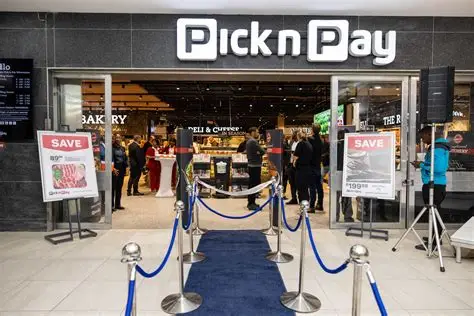
The Ultimate Pick n Pay Vegan Guide for South Africa

The Ultimate Pick n Pay Vegan Guide for South Africa

Introduction: Navigating the Plant-Based Aisle with Pick n Pay Vegan Guide Here’s your ultimate guide to Pick n Pay Vegan guide for South Africa. More people in South Africa are choosing plant-based diets. Worries about ethics, health, and the environment drive this change. As a …

Can You Be Vegan in South Africa?

Can You Be Vegan in South Africa?

Whenever someone asks me, “Can you really be vegan in South Africa?” my answer is simple: yes — absolutely.

Becoming vegan in South Africa is easier, cheaper, and more exciting than many realize.

Our food landscape has changed quickly. Major supermarkets now offer plant-based products, and many traditional meals are vegan.

South Africa is becoming one of the most vegan-friendly countries in Africa. With its growing communities, restaurants, and even vegan tourism, the country is leading the way.

In this guide, I’ll cover all you need to know. We’ll discuss shopping, eating out, budgeting, nutrition, local dishes, and how to transition step by step.

What Does It Mean to Be Vegan in South Africa Today?

In South Africa, veganism means living in a way that avoids the use of animals for food, clothing, or any other purpose.

But on the ground, most people here understand veganism from two angles:

  • Plant-based for health – whole foods, disease prevention, better energy.
  • Vegan for ethics or environment – avoiding animal products entirely.

It’s important to note how these terms show up culturally. South Africa is big on braais, stews, chakalaka, and Sunday lunch traditions.

Many people assume vegans only eat salads — but that’s far from true. You can still enjoy comforting, flavour-filled meals using plants.

Vegan vs Plant-Based in the South African Context

Many South Africans start with a “mostly plant-based” lifestyle before going fully vegan — and that’s perfectly okay.

Both approaches can benefit your health and the environment. The goal is progress, not perfection.

Can You Really Be Vegan in South Africa? Facts, Stats and Trends

Over the past few years, interest in veganism has exploded across South Africa.

Searches for vegan recipes, vegan restaurants, and plant-based diets have increased dramatically.

Cape Town ranks as one of the world’s top vegan-friendly cities. South Africa also scores high on global vegan-interest lists.

Local vegan communities are thriving. They connect through Facebook groups, WhatsApp, and city meetups.

More South Africans are trying vegan eating. They do this for health, weight management, cost, sustainability, and to help the environment.

Is South Africa Vegan-Friendly Compared to Other Countries?

South Africa stands out on the African continent. It offers many vegan options, supermarkets, restaurants, and online resources.

Our major cities rival many Western cities in terms of vegan-friendly convenience.

Where Can You Be Vegan in South Africa? Supermarkets, Health Shops and Markets

You can shop vegan almost anywhere. Major supermarkets stock a variety of plant-based foods:

  • Woolworths – the widest range of plant-based meals, dairy alternatives, snacks, and mock meats.
  • Checkers – excellent vegan ranges with competitive prices.
  • Pick n Pay – good selection of staples, plant milks, tofu, and frozen options.
  • Spar – varies by store, but many carry vegan-friendly essentials.
  • Dis-Chem – vegan pantry items, dairy-free products, and supplements.

If you prefer whole-food dishes, South African basics already support vegan living.

Think of beans, lentils, rice, maize meal, potatoes, seasonal vegetables, fruits, and tinned tomatoes. You can find them almost anywhere.

Beginner Vegan Shopping List (South Africa)

  • Dry goods: lentils, chickpeas, beans, barley, samp, oats, rice.
  • Vegetables: pumpkin, butternut, cabbage, tomatoes, spinach, carrots.
  • Fruits: bananas, apples, oranges, avocados, seasonal specials.
  • Extras: peanut butter, spices, tofu, plant-based milk, soy mince.

Eating Out Vegan in South Africa: Restaurants, Fast Food and Travel

South Africa’s restaurant scene has embraced vegan options.

In Cape Town, Johannesburg, and Durban, you’ll find vegan cafés and health-focused spots. Many regular restaurants also offer vegan-friendly choices.

Even fast-food chains have introduced plant-based burgers, wraps, and sides.

To find the best local vegan spots, tools like HappyCow and local vegan blogs make discovering new places easy.

Can You Be Vegan When Travelling in South Africa?

Absolutely, yes. For road trips and longer travel:

  • Self-catering is widely available.
  • Safari lodges will prepare vegan meals if you notify them in advance.
  • Most petrol station shops stock nuts, fruit, hummus, baked beans, and wraps.

Is It Expensive to Be Vegan in South Africa? Budget Vegan Living

One of the biggest myths is that veganism is expensive.

In reality, vegan eating becomes expensive only when you rely heavily on vegan convenience foods.

The most affordable foods in South Africa are naturally plant-based:

  • Dry beans and canned beans.
  • Samp & beans.
  • Rice, oats, maize meal.
  • Cabbage, potatoes, carrots, spinach.
  • Tinned tomatoes and lentils.

These form the backbone of smart budget-friendly vegan meals.

Can You Be Vegan in South Africa on a Tight Budget?

You absolutely can. Many families already eat mostly plant-based for affordability. You can build meals around:

  • Pap & chakalaka
  • Lentil curry
  • Bean stews
  • Veggie stir-fries
  • Homemade soups

All nutritious, filling, and extremely cost-effective.

Traditional South African Foods That Are Naturally Vegan

One of the best-kept secrets is that many traditional South African dishes are already vegan or easily veganised.

These include:

  • Pap and Beans
  • Samp and Beans
  • Morogo (African spinach)
  • Chakalaka
  • Pumpkin mash
  • Vegetable bredies and curries

How to Be Vegan at a South African Braai

The easiest hacks include:

  • Marinated mushrooms, tofu or veggie kebabs
  • Vegan boerewors or burger patties
  • Fresh salads and garlic bread
  • Pap, chakalaka, and tomato relish

You can still enjoy the flavours, social vibe and fun — without the meat.

Vegan Nutrition and Health in South Africa – Is a Vegan Diet Healthy?

Research shows that a well-planned vegan diet can support optimal health at all stages of life. In South Africa, you can meet all your needs using local, accessible foods.

Key nutrients to pay attention to:

  • Protein – beans, lentils, chickpeas, tofu, nuts.
  • Iron – spinach, morogo, lentils, pumpkin seeds.
  • Calcium – fortified plant milks, leafy greens, sesame seeds.
  • Omega-3 – flaxseed, chia seeds, walnuts.
  • Vitamin B12 – supplement recommended.
  • Vitamin D – sunlight + supplement if needed.

Vegan Health Myths in South Africa

Let’s address a few common misconceptions:

  • “You can’t build muscle on a vegan diet.” — You can. Protein is abundant in legumes, tofu, and whole foods.
  • “Vegan diets are too carb-heavy.” — Whole carbs fuel energy and are essential. The key is balance.
  • “Vegan diets lack nutrients.” — Only B12 requires supplementation; everything else is widely available in plants.

How to Go Vegan in South Africa: Step-by-Step Transition Plan

You don’t need to change your entire lifestyle overnight. Here’s a simple local transition plan:

  1. Start with one plant-based meal a day.
  2. Add more plant-based dinners in Week 2.
  3. Replace dairy with plant-based milk.
  4. Veganise your favourite South African meals.
  5. Do a 30-day challenge like Veganuary SA.

Can You Be Vegan in South Africa If Your Family Isn’t?

Yes. You can cook shared “base meals” like rice, stews, chakalaka, and veg, then add your plant protein separately. Communication and planning help tremendously.

Common Challenges of Being Vegan in South Africa (and Realistic Solutions)

  • Social pressure at braais or family events → Bring your own dishes, offer to cook, or show alternatives.
  • Small town shopping → Focus on staples: beans, rice, potatoes, frozen veg.
  • Label reading → Look out for whey, casein, gelatin, shellac, certain E-numbers.
  • Finding community → Join local vegan groups, WhatsApp groups, or online communities.

Mindset Shifts to Make Vegan Life Easier

Vegan living isn’t about perfection — it’s about doing the best you can with what you have. Small steps add up.

FAQs – Can You Be Vegan in South Africa If…?

Is It Easy to Be Vegan in South Africa?

In big cities, yes — extremely. In smaller towns, with a little planning, it’s still completely doable.

Can You Be Vegan in South Africa on a Low Income?

Definitely. Many traditional, affordable meals are plant-based by default.

What Do Vegans Eat in South Africa Every Day?

Oats, fruit, lentil stews, pap & veg, bean curries, veggie bowls, peanut butter sandwiches, soups and stir-fries.

Is South Africa a Vegan-Friendly Destination for Tourists?

Yes — vegan lodges, restaurants, markets and eco-stays are increasing every year.

Can Children and Families Be Vegan in South Africa?

With proper planning and guidance, yes. Many families already eat mostly plant-based meals.

Is It Hard to Be Vegan in a Traditional African Household?

It can require communication, but most dishes can be adapted easily — and many are already vegan.

Conclusion – Yes, You Can Be Vegan in South Africa

Being vegan in South Africa is not only possible — it’s practical, budget-friendly, and increasingly accessible.

Support is strong for plant-based traditional dishes. Many supermarkets offer options, and big cities have vegan restaurants. Plus, there’s a growing online community.

You don’t need to get everything perfect. Start with one meal, one habit, one change.

Over time, your lifestyle shifts to a plant-based one. You’ll notice benefits in your body, emotions, and ethics.

If you’re ready to take the next step, explore more guides and recipes on EatingPlantBasedZA.com, or download a beginner-friendly shopping list to help you get started today.

Recommended Resources for Further Reading
Best Plant-Based Recipes South Africa 2026

Best Plant-Based Recipes South Africa 2026

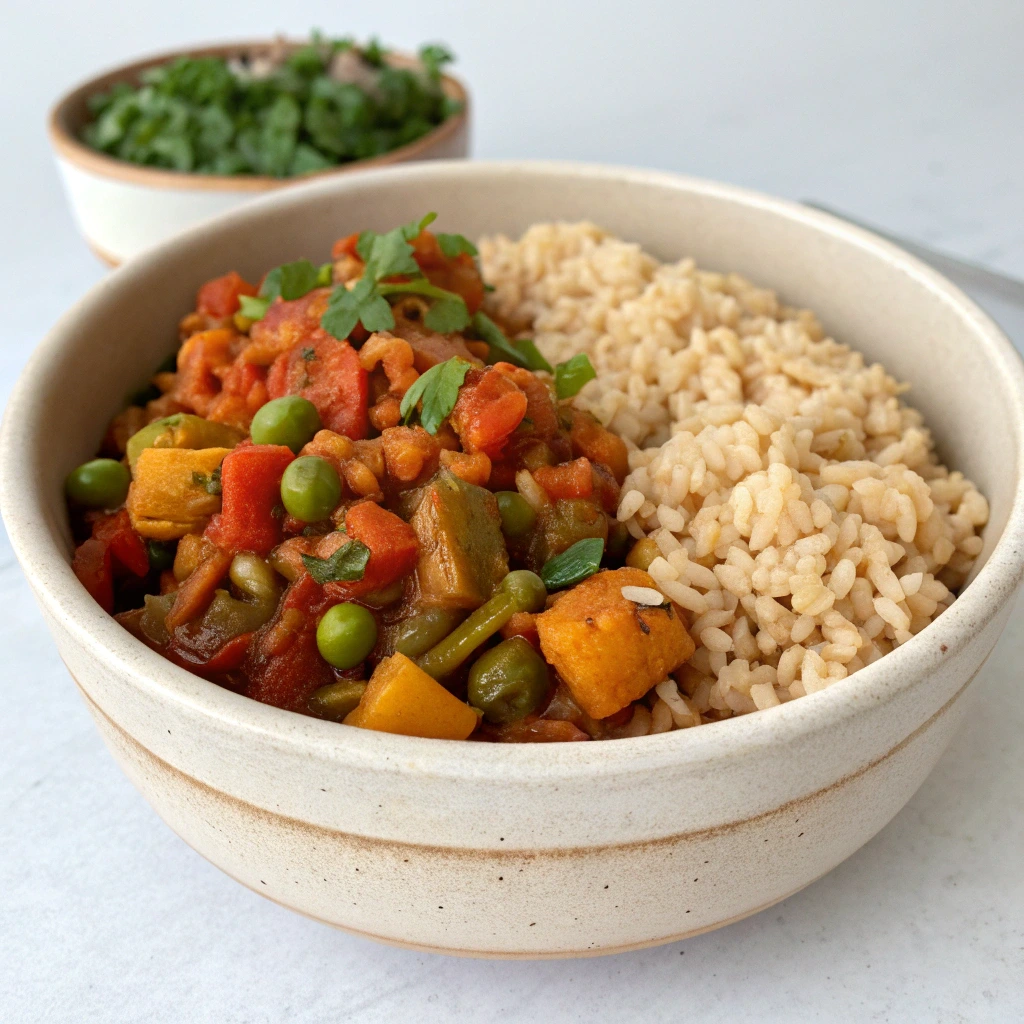
Here’s your guide to the best plant-based recipes in South Africa. They say food tells the story of a nation — and South Africa’s story is bursting with plant-based flavour! When I began my journey, I didn’t expect dishes like morogo, samp and beans, or …

Going Vegan: 90-Day Transition Plan — Your Guide

Going Vegan: 90-Day Transition Plan — Your Guide

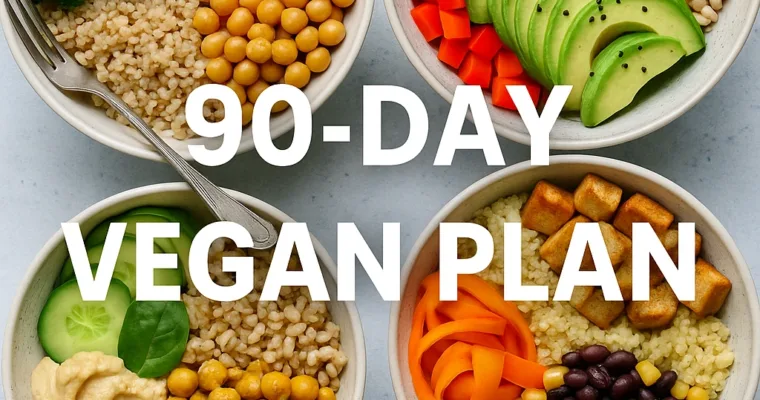
Here’s your step-by-step guide to going vegan. Thinking of going vegan but not sure where to start? You’re not alone. I’ve helped many South Africans, including myself, go from curious to confident. The truth is, you can build a strong vegan lifestyle in just 90 …

Health Benefits of Eating Plant-Based Foods in South Africa (Updated Scientific Evidence 2026)

Health Benefits of Eating Plant-Based Foods in South Africa (Updated Scientific Evidence 2026)

Introduction

Here’s your updated scientific evidence for the health benefits of eating plant-based foods in South Africa 2026.

South Africa is seeing a rise in non-communicable diseases. These include heart disease, type 2 diabetes, obesity, and some cancers.

Interest in plant-based eating is growing. More people want affordable, sustainable, and healthy ways to eat.

This updated article reviews new research from 2024 to 2026. It highlights the health benefits of plant-based foods. It focuses on what matters most to South Africans.

A plant-based diet that includes whole, unprocessed foods improves health. It lowers the risk of disease and boosts quality of life.

Importantly, we can achieve these benefits using locally available, culturally familiar foods.

What Is a Plant-Based Diet?

A plant-based diet centres on plant-based foods. This includes vegetables, fruits, legumes, whole grains, nuts, and seeds.

It does not necessarily mean vegan or vegetarian. Instead, it emphasises increasing plant foods while reducing animal-based and ultra-processed foods.

In South Africa, a healthy plant-based diet can include:

  • Beans
  • Lentils
  • Chickpeas
  • Maize
  • Sorghum
  • Leafy greens
  • Pumpkin
  • Sweet potatoes
  • Indigenous vegetables

The health benefits depend strongly on food quality.

Whole-food plant-based diets are healthier. They beat diets high in refined grains, sugar, and processed foods. They provide more health benefits.

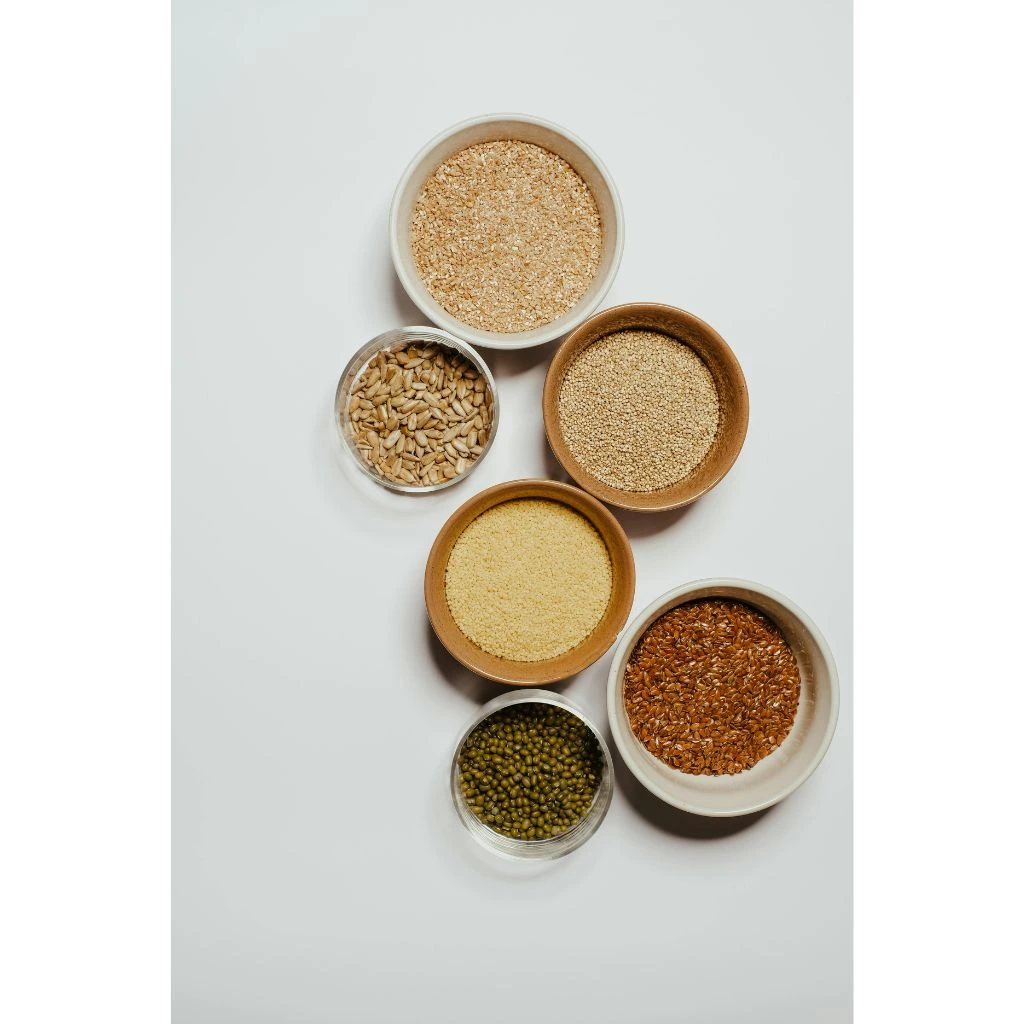
A flatlay of legumes and grains on display in different coloured bowl for your health benefits for eating plant-based foods in South Africa.

Cardiovascular Health Benefits

One of the biggest causes of death in South Africa is still cardiovascular disease.

Strong scientific evidence shows that plant-based diets significantly improve cardiovascular risk factors.

Studies show that eating more plant protein can lower LDL cholesterol. It also lowers blood pressure. It reduces inflammation. Plus, it cuts the risk of coronary heart disease.

Fibre-rich plant foods lower cholesterol. Antioxidants shield blood vessels. Polyphenols fight damage.

Plant oils, like sunflower or olive oil, are better than saturated fats. They help reduce heart-related deaths. Use them instead of fats in meat and butter. This change helps improve heart health.

These effects matter a lot in South Africa. Hypertension and heart disease are prevalent there.

Plant-Based Diets and Type 2 Diabetes

South Africa has one of the highest diabetes rates in Africa.

Recent studies, including some from South Africa, have shown promising results. Whole-food plant-based diets help improve glycaemic control. They lower insulin resistance. They also help with weight loss for people with type 2 diabetes.

High-fibre plant foods slow glucose absorption and improve insulin sensitivity. Legumes, whole grains, vegetables, and fruits consistently show protective effects.

Indigenous foods like cowpeas, amaranth, and pumpkin leaves are good for blood sugar. They help keep it stable. They are also affordable and culturally significant.

Short-term studies find that plant-based diets lower medication needs. They improve fasting glucose. They also help metabolic health.

Weight Management and Metabolic Health

Plant-based diets are lower in energy density and higher in fibre. This helps with sustainable weight management.

People who eat mostly plant foods usually take in fewer calories. This happens without trying to cut back, thanks to feeling fuller.

Meta-analyses show that people on well-planned plant-based diets lose weight. They also see drops in body mass index and waist circumference.

These benefits are most substantial with whole foods. Focus on them. Stay away from refined carbs and ultra-processed vegan products.

Improved metabolic markers include:

  • Lower fasting insulin
  • Better lipid profiles
  • Less systemic inflammation

Gut Health and Digestive Benefits

Gut health is increasingly recognised as a foundation of health.

Plant-based diets boost dietary fibre and plant variety. Both help support a healthy gut microbiome.

Research shows that eating a mix of plant foods helps boost microbial diversity. Aim for 30 or more different plants each week.

Diversity improves digestion. It boosts immunity and lowers the risk of chronic diseases.

Plant fibres nourish good gut bacteria. These bacteria create short-chain fatty acids. These acids help reduce inflammation and support colon health.

Cancer Risk Reduction and Longevity

Plant-based diets lower the risk of many cancers, especially colorectal cancer.

Eating more fibre, reducing processed meat intake, and increasing antioxidant intake all support your health.

Long-term studies show that plant-based diets can lower death rates. They also slow down ageing.

Longevity benefits rely on diet quality. They are strongest when diets focus on whole, nutrient-rich plant foods.

Mental Health and Cognitive Well-Being

New studies show that diets high in whole plant foods can help mental health. Lower inflammation, improved gut health, and better micronutrient intake are potential mechanisms.

Plant-based diets offer vitamins, minerals, and phytochemicals that boost brain health. They may also lessen symptoms of depression and anxiety compared to processed diets.

Nutrient Considerations on a Plant-Based Diet

While plant-based diets offer many health benefits, careful planning is essential.

Key nutrients to focus on are vitamin B12, omega-3 fatty acids, iodine, vitamin D, and iron.

South Africans on plant-based diets should:

  • Include fortified foods or vitamin B12 supplements.
  • Consume omega-3 sources like flaxseed and chia seeds.
  • Ensure they get enough protein from legumes, whole grains, nuts, and seeds.

Balanced planning ensures that plant-based eating is both safe and nutritionally complete.

Indigenous and Affordable Plant-Based Foods in South Africa

South Africa has a rich heritage of nutrient-dense indigenous plant foods. These include sorghum, millet, cowpeas, amaranth, pumpkin leaves, and wild greens.

These foods are cheap, environmentally friendly, and support health and food security.

Reviving traditional plant foods can support better nutrition while preserving cultural food knowledge.

Environmental and Public Health Benefits

Plant-based diets help the environment. They reduce land use, cut water use, and lower greenhouse gas emissions.

Eating more plant foods can cut healthcare costs. It lowers the risk of chronic diseases.

Aligning diets with sustainable food systems is vital. It helps South Africa’s health and strengthens its economic future.

Conclusion

Recent studies show that plant-based foods are good for health in South Africa. Eating these foods has many benefits.

Whole-food plant-based diets lower the risk of heart disease. They also help with type 2 diabetes, obesity, and some cancers.

They also improve gut health. Plus, they support longevity and well-being.

South Africans can boost their health. They can do this by choosing affordable, local, and indigenous plant foods. This choice helps sustainability. It also supports food security.

Affordable, Evidence-Based Plant-Based Eating in South Africa

Affordable, Evidence-Based Plant-Based Eating in South Africa

Hi there — I’m Zama Zincume from Eating Plant-Based South Africa, and today I’m taking you on a journey to discover how affordable, evidence-based plant-based eating isn’t just a dream for the privileged in South Africa. With food prices rising and health concerns growing, switching …

The Ultimate Guide to Vegan South Africa 2026

The Ultimate Guide to Vegan South Africa 2026

Updated for 2026 • South Africa In this guide Introduction Here’s your ultimate guide to vegan South Africa 2026. If someone told me ten years ago that South Africa would become one of the most exciting vegan destinations in the world, I’d have laughed and …

Why Whole Foods Beat Supplements Every Time

Why Whole Foods Beat Supplements Every Time

By Zama Zincume · Updated 10 November 2025

Colourful whole foods—beetroot, leafy greens, beans, berries—on a wooden board.

Key points:

  • Whole foods deliver nutrient synergy and the food matrix (fibre + cofactors) that isolated pills can’t replicate.
  • Bioavailability is often better from foods eaten in context (e.g., fat-soluble vitamins with healthy fats).
  • Supplements can help in targeted scenarios; they’re not substitutes for a balanced diet.

Jump to:

  1. Introduction
  2. Whole Foods vs Supplements: The Entourage Effect
  3. Bioavailability 101
  4. Fibre & the Food Matrix
  5. Efficacy & Outcomes
  6. Safety & Oversight
  7. Case Study: Beets vs Beet Supplements
  8. When Supplements Make Sense
  9. Smart Shopping Checklist
  10. Budget & Convenience Wins
  11. Myth-busting
  12. Whole-Food Swaps
  13. One-Week Mini Plan
  14. FAQs
  15. Conclusion

Introduction: Why I Say “Whole Foods Beat Supplements Every Time”

I recommend whole foods over supplements because real foods package vitamins, minerals, phytochemicals and fibre together—exactly how the body evolved to use them.

Supplements can be helpful in specific cases (e.g., B12 for vegans, medically diagnosed deficiencies), but they’re not a replacement for a plate built from vegetables, legumes, whole grains, nuts and seeds.

Whole Foods vs Supplements: The Entourage Effect & Nutrient Synergy

Nutrient synergy means nutrients and bioactives work better together than alone.

Think vitamin C improving non-haem iron absorption, or fats enhancing carotenoid uptake from veg. Whole foods provide this synergy by default; pills usually don’t.

The food matrix—cell walls, fibre, texture—also shapes digestion, absorption and microbiome responses. This is a significant reason I build plans around minimally processed plants.

Bioavailability 101: Why Food Often Absorbs Better

Labels show what’s in a capsule, not what reaches your cells. Transporters, cofactors and meal context matter.

Fat-soluble vitamins (A, D, E, K) need fat; polyphenols and organic acids in fruit and veg can enhance mineral uptake. Food provides those “helpers” naturally.

Bottom line: even when the dose looks lower on paper, the usable dose from whole foods can be higher—and safer.

Fibre & the Food Matrix: Benefits You Can’t Bottle

Supplements rarely include fibre.

Yet fibre feeds gut microbes, supports SCFA production, moderates blood sugar and keeps you fuller for longer.

Whole grains, beans, veg and fruit deliver fibre plus micronutrients and phytochemicals—advantages a pill can’t match.

whole grain on white and brown bowls.

Whole grain

Efficacy & Outcomes: Whole-Food Patterns vs Pill-Based Fixes

Population data consistently link whole-food dietary patterns (plant-forward, Mediterranean, WFPB) with better long-term health outcomes.

In contrast, most supplements show mixed or limited benefits for disease prevention in otherwise healthy adults. That’s why I teach food first.

Safety & Oversight: Another Reason to Go Food-First

Supplements are usually regulated as foods, not medicines.

Quality can vary; contamination and megadose risks exist; and interactions with medications are common.

Prioritising whole foods lowers these risks and builds a more reliable foundation for health.

Tip: If you do buy supplements, look for independent verification (e.g., USP, NSF, Informed Choice), and avoid megadoses unless clinically indicated.

Case Study: Beets vs Beet Supplements—Nitric Oxide, Blood Pressure & Performance

Beetroot is rich in dietary nitrate, which can convert to nitric oxide and support vascular function.

Whole beets also deliver betalains, polyphenols, and fibre compounds that are often missing in many capsules.

  • Whole beets: nitrates + betalains + fibre + matrix → broader benefits.
  • Beet juice/powders: can help, but nitrate content varies; some lose fibre and parts of the matrix.
  • Capsules: convenient, but label accuracy and effective dose can be inconsistent.

Practical protocol (performance): if you use beetroot functionally, aim 2–3 hours pre-endurance effort. For everyday health, include beets (and other nitrate-rich greens like rocket/arugula and spinach) several times per week as real food.

When Supplements Make Sense (and How I Use Them Wisely)

I’m not anti-supplement—I’m pro-context.

Consider supplements for:

  • Clinically diagnosed deficiencies (e.g., vitamin B12 for vegans, vitamin D, and iron when confirmed)
  • Life stages with higher needs (e.g., pregnancy)
  • Restricted diets or absorption issues
  • On a practitioner’s advice

Choose third-party-tested brands, avoid megadoses, and treat supplements as insurance—not your main plan.

Smart Shopping: Prioritise Whole Foods, Evaluate Supplements

Food-first checklist

  • Build plates around veg/fruit, legumes, whole grains, nuts/seeds.
  • Favour minimally processed staples; batch-prep and freeze.
  • Use local, seasonal South African produce (beetroot, pumpkin, spinach, beans).

If you still need a supplement

  • Clear active dose (not just “beet powder”).
  • Third-party verification, realistic claims, and interaction checks.
  • Cost–benefit vs simply eating the whole food.

Budget & Convenience: Whole-Food Wins You Can Use Today

  • Frozen veg, canned beans (low-sodium), and whole grains save money and time.
  • Batch-cook stews/curries; use leftovers for lunches.
  • Let beets and leafy greens appear 2–3 times weekly for nitrate, fibre and colour.

Myth-Busting: “Food Isn’t Enough,” “Pills Are Safer,” “Juice Beats Veg”

A varied diet can be enough for most healthy people.

Pills aren’t automatically safer (think contamination/megadose risks).

And juice/powder isn’t automatically better—whole beets frequently deliver more overall value.

Simple Whole-Food Swaps (Including Beets) to Replace Popular Pills

  • Iron: lentils/beans + vitamin-C-rich fruit/veg (e.g., citrus, peppers).
  • Omega-3: flax/chia/walnuts; consider algae-DHA if strictly vegan.
  • Nitrates: whole beets, rocket/arugula, spinach.
  • Antioxidants: berries, beetroot, leafy greens, tea, colourful veg.

One-Week Mini Plan: Try “Food First” Now

Mix and match these ideas to fit your routine:

  • Breakfasts: oats + flax + berries; avocado on whole-grain; chia pudding.
  • Lunches: beet & rocket salad with chickpeas; mixed bean salad; hummus & roasted-veg wraps.
  • Dinners: lentil-spinach curry; tofu-veg stir-fry; sweet-potato & black-bean chilli; quinoa bowls; legume shepherd’s pie.
  • Note: Vegans should include a B12 supplement; check D and iron with your clinician before supplementing.

FAQs (People Also Ask)

Is it better to get nutrients from food or supplements?

Food first. Whole foods deliver fibre, synergy and the food matrix. Supplements fill specific, proven gaps.

Do beet supplements work as well as eating beets?

Some help with nitrates, but whole beets add fibre and betalains—often a better all-round choice.

Can supplements prevent chronic disease if I’m healthy?

The evidence is mixed to weak. Focus on long-term dietary patterns instead.

Are supplements regulated like medicines?

No. They’re generally regulated as foods; quality varies. Choose third-party-tested brands.

When should I consider supplements?

Diagnosed deficiencies, pregnancy, restricted diets, or clinician advice.

Is beet juice as good as whole beets?

Juice delivers nitrates but lacks fibre. Whole or minimally processed forms offer more.

Are there risks to taking supplements?

Yes—interactions and overdosing exist. Check with a professional.

Which nutrients are sometimes better supplemented?

B12 (vegans), vitamin D (if low), and iron (when indicated). Always test first. Do athletes benefit more from beet powders or real beets? Benefits exist for both, but quality varies. Whole beets add matrix benefits beyond nitrates.

What’s a simple way to start food-first today?

Base meals on veg, legumes, whole grains, nuts/seeds, with supplements only for proven gaps.

Helpful Resources

From Eating Plant-Based ZA

Conclusion: Food First—Let Your Plate Do the Heavy Lifting

Whole foods beat supplements every time for most healthy people because they deliver synergy, better bioavailability, fibre and a safe, proven foundation.

Use supplements strategically—only to correct identified gaps—and keep your daily focus on colourful, minimally processed plants. Your body (and budget) will thank you.

If you found this helpful, share it, save it for later, and explore the internal links above for meal plans and budget-friendly shopping tips.

Quick & Easy WFPB Recipe Ideas

Quick & Easy WFPB Recipe Ideas

These are your quick & easy WFPB recipe ideas. I’ve categorised these to cover standard meal times and types. Breakfast (Ready in < 10 minutes) Recipe Key Ingredients Quick Tips “Speedy” Overnight Oats Rolled oats, plant milk (e.g., soy/oat), chia seeds, cinnamon, fruit (e.g., banana, …