Recent Posts

How to Master Your Personal Finances in SA

How to Master Your Personal Finances in SA

This is your comprehensive guide on how to master your personal finances in SA. Yes, we advocate for healthy living and evidence-based reversal of chronic diseases. However, living well and healthy whilst struggling financially is stifling your wellness. The journey to financial freedom can feel …

Dr Greger’s WFPB Framework in South Africa

Dr Greger’s WFPB Framework in South Africa

Here’s the report on Dr Greger’s WFPB framework in South Africa. The global conversation about public health now focuses on dietary reform. Experts see this as a key way to reduce the burden of non-communicable diseases. Dr Michael Greger is key to this shift. His …

How I Prep a Week of Plant-Based Meals Under R500

How I Prep a Week of Plant-Based Meals Under R500

Let me tell you how I take on one of the biggest food-budget headaches—and win. I’m talking about how I prep a week’s worth of plant-based meals for under R500.

Yes, you read that right: seven days, whole-food vegan-friendly, budget-tight, and still delicious.

How I Prep a Week of Plant-Based Meals Under R500: Hook, Promise & Who This Helps

Here’s the deal: food prices in South Africa keep climbing, you’re busy, you want nutrition, not gimmicks.

And you’d like it to cost less than R500 for the whole week of meals. That’s precisely what this article delivers.

I’ll walk you through my budget boundaries, shopping list, batch-cooking flow, 7-day menu and smart swaps—all in the context of eating plant-based in SA.

Under R500: My Ground Rules, Budget Assumptions & Portion Targets (SA Context)

To keep things realistic, I’m assuming one adult, no meat substitutes that cost an arm and a leg, and shopping at mainstream grocery stores or local markets in a mid-size city in KwaZulu-Natal.

I’ll aim for ~3 meals + 1 snack per day, over 7 days.

Calories?

Good nutrition?

Yep.

Plant-based staples like pulses, grains and seasonal veg make the budget stretch. According to SA guidelines, legumes form an essential part of a healthy, affordable diet.

“How I Prep a Week of Plant-Based Meals Under R500″: What R500 Buys Right Now in SA

So what exactly does this R500 budget cover?

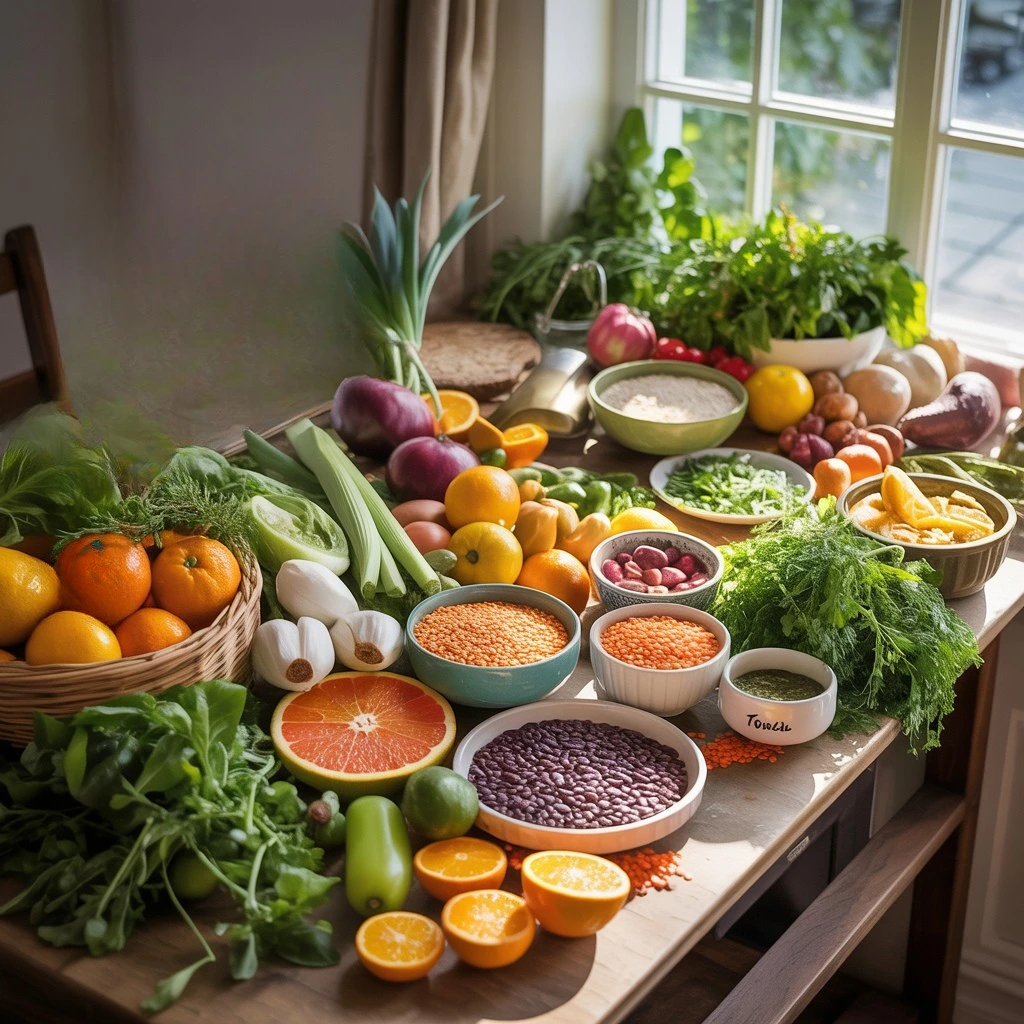
Think: dry beans, lentils, rice or maize meal, seasonal vegetables (cabbage, butternut, carrots, potatoes), fruit (bananas/apples), some spices, and a basic oil.

Because pulses are cheap and nutrient-dense, they’re a core part of my shopping. Research shows that legumes are both cost-effective and beneficial for health.

Budget Staples I Always Use for Plant-Based Meal Prep Under R500 (What & Why)

Here are the staples I lean on and why they keep the cost low while delivering nutrition:

  • Dry beans, lentils, split peas, soya mince/chunks – high in protein and fibre, low cost.
  • Grains: maize meal, brown rice, oats, maybe whole-wheat pasta – good volume and energy.
  • Vegetables: onions, carrots, cabbage, butternut/pumpkin, spinach or morogo – seasonal and local favourites.
  • Fruit: bananas, apples – affordable, fibre-rich snacks.
  • Flavour boosters: basic curry powder, garlic, lemons, chilli, stock cube – inexpensive but high impact.

By mainly using whole foods (no fancy vegan cheeses or niche substitutes) and shopping smart (bulk, house brands, seasonal veg) I stay within budget and still cover the nutritional bases.

The Under-R500 Shopping List (Quantities & Estimated Spend)

Here’s a sample shopping list with approximate quantities.

Adjust local pricing as needed. This is how I allocate the budget to hit under R500:

  • Dry beans/split peas/lentils – e.g. 2 kg total
  • Brown rice or maize meal – e.g. 1.5 kg
  • Oats – large pack
  • Cabbage – 1 whole head
  • Carrots – bag
  • Butternut/pumpkin – 1 large
  • Spinach or morogo (or leafy green) – 1 large bag
  • Onions – bag
  • Bananas – bunch
  • Apples – bag
  • Tinned tomatoes – 2 x cans
  • Basic oil (small bottle), stock cube, garlic, curry powder/chilli

With sane pricing (and savvy use of specials and bulk buys), this list can come in under R500.

The key: shop store-brands, choose dried legumes over canned, pick seasonal veg.

For context: SA food-basket reports show that pulses remain among the more affordable, nutrient-dense foods.

How I Meal-Prep on Sunday in 90 Minutes (Batch Flow That Stays Under R500)

Here’s how I spend my Sunday block of time to set up the week:

1. Soak the beans/lentils overnight if needed (for tougher beans) so they cook faster.

2. Cook a big pot of beans/lentils and split into portions.

3. Cook a large batch of grain (rice or maize meal) and perhaps pasta for the week.

4. Make three modular “sauces” or base stews: – Tomato-lentil curry – Sugar-bean chilli/stew with cabbage & carrots – Veggie marinara with pasta + lentils

5. Roast a tray of mixed seasonal veg (butternut, carrots, onion, spinach at the end) for sides or lunches.

6. Prep raw slaw (cabbage/carrot/leafy green) portioned for lunches.

7. Portion fruit and prepare overnight oats or porridge for breakfast.

8. Package everything into labelled containers so you know what you’ll eat each day. This flow means you’ll hit Monday ready to go and eliminate “what’s for dinner?” stress mid-week.

7-Day Plan: How I Eat a Week of Plant-Based Meals Under R500 (Menu Overview)

Here’s my menu blueprint – you can swap foods but maintain structure:

Breakfasts: oats or maize-meal porridge + banana/fruit + a spoon of seeds/peanut butter.

Lunches: Grain + legumes + roasted veg/slaw (Monday: rice + bean curry + slaw; Tuesday: maize meal pap + bean stew + veggie; etc).

Dinners: – Monday: Tomato-lentil curry + brown rice.

– Tuesday: Sugar-bean stew + maize meal.

– Wednesday: Veggie marinara with pasta + lentils.

– Thursday: Roasted butternut & carrot + beans + rice.

– Friday: Lentil chilli + maize meal.

– Saturday: Leftover medley (mix of sauces + veg + grain).

– Sunday: “Treat” plant-based dinner using remaining veg/beans (e.g., bean tacos using wraps if bought or rolled maize meal cakes).

Snacks: banana/apple, carrot sticks, popcorn (cheap) or a piece of fruit + a handful of seeds. With this structure, you get variety, simplicity, minimal waste, and all within budget.

Smart Swaps to Stay Under R500 Across Seasons & Stores

Because prices fluctuate and different stores cost different amounts, these swaps keep you on track:

– Butternut ↔ pumpkin (use whichever is cheaper)

– Cabbage ↔ spinach/morogo (leafy green) – Beans ↔ split peas/lentils (whichever has sale)

– Rice ↔ maize meal (if maize meal is cheaper) – Store-brand spices/oil ↔ premium brand – the flavour difference can be negligible.

Also: compare unit prices (R per kg or R per 100 g) rather than only the pack price. Local markets or greengrocers may beat supermarkets for seasonal veg.

Nutrition Check: Protein, Iron, Zinc, Calcium, Omega-3 on a Budget

Plant-based doesn’t mean nutritional compromise—and on this budget, it can still hit well:

Protein: The beans, lentils, soya mince, and grains provide ample protein. E.g., pulses deliver ~twice the protein of many grains.

Iron: Beans/legumes provide non-haem iron; pair them with vitamin C-rich veggies (tomatoes, cabbage) to boost absorption.

Zinc & Calcium: Lentils, beans, and green leafy veg contribute; if you choose fortified plant milk (optional), you can boost calcium.

Omega-3: A small spoon of ground flaxseed or chia seed (if the budget allows) is a great low-cost source. The point: you don’t need exotic super-foods—whole plant staples will do the job when you plan smart.

Food Safety & Storage: Keep Your R500 Prep Fresh All Week

Batch-prep is fantastic, but you must pay attention to storage:

– Cool cooked food within 2 hours and refrigerate.

– Portion and label with date.

– Re-heat to steaming before serving.

– Freeze any portion you won’t eat within 3–4 days to avoid waste.

– Soak beans/legumes where required and rinse well to reduce digestion issues (bloat/gas) as recommended in the SA dietary guidelines.

SA-Specific Ways I Keep Plant-Based Meal Prep Under R500

Because you’re in South Africa (and I am too), here are local tricks I use: – Buy large (2 kg-ish) bags of dry legumes when they’re on special.

– Choose in-season produce and watch the markets (smaller stores often have better deals).

– Embrace local staples like maize meal & samp & beans.

– Use a pressure cooker (if you have one) to save energy/time—important given load shedding and rising electricity cost.

– Check store loyalty cards, specials, and clearance veg bins.

– Cook once, eat twice: freeze half of each batch or reserve for next day lunch.

This local lens makes the “under R500” goal really work.

Mistakes That Blow the R500 Budget (And How I Avoid Them)

Here are pitfalls I’ve learned to dodge:

– Buying too many “meat substitute” products (they’re convenient but costly).

– Relying purely on fresh, exotic veg—stick to seasonal local.

– Skipping the plan and buying on impulse.

– Not cooking in bulk (so you end up buying take-away).

– Letting waste pile up—portion, freeze, finish leftovers.

FAQs: How to Prep a Week of Plant-Based Meals Under R500 — People Also Ask

Is R500 realistic for one person for a week in South Africa?

Absolutely—to one adult, yes. If you use the staples above, shop smart (bulk, house brands, seasonal), and avoid high-cost substitutes, you can easily stay under R500. It becomes harder if you add premium veganised products, organics only, or a family of four, but for one, it’s very doable.

What are the cheapest high-protein plant-based foods in SA?

Dry beans, lentils, split peas, and soya mince/chunks top the list. They’re inexpensive per serving, nutrient-rich and widely available.

How do I get enough protein without pricey meat alternatives?

Simple strategy: combine legumes + grains (complementary proteins), stick to whole foods. For example, beans + maize meal or lentils + brown rice. You’ll get good protein, fibre, and minerals. No need to buy every new vegan “meat”

How can I keep variety without overspending?

Rotate your base staples and sauces as in the 7-day menu. Use one base stew and switch up the spices, grains, and veggies. Seasonal swaps help. That keeps your meals interesting without adding cost.

Can I do this without a pressure cooker?

Yes—soak tougher beans overnight, simmer them. The key is batch cooking and using your time wisely. A pressure cooker helps speed things up, but it isn’t essential.

What about B12 and iodine?

Good question. On a plant-based diet, you’ll want to ensure you get enough B12 (via fortified foods or a low-cost supplement) and use iodised salt for iodine. This article focuses on everyday budget meals, but keep these micronutrients on your radar.

Is this plan kid-friendly?

Definitely, use milder spices, mash bean stews if needed, and turn the lunches into wraps or bowls with toppings that kids like. The budget stays the same.

Conclusion & Your Turn to Prep a Week of Plant-Based Meals Under R500

So there you have it: exactly how I prep a week of plant-based meals under R500 in South Africa. It’s about smart staples, batch cooking, savvy local pricing, and minimal waste.

Now it’s your turn.

Download your shopping checklist, pick your Sunday batch-cook time, shop with your budget in mind—and tag me on socials when you hit your under-R500 goal.

Let’s show that healthy, plant-based eating doesn’t need to cost the earth.

Brown Rice and Sautéed Cabbage Recipe

Brown Rice and Sautéed Cabbage Recipe

WFPB, oil-free brown rice and sauteed cabbage recipeHere’s your WFPB, oil-free brown rice and sauteed cabbage recipe. This recipe avoids oil by relying on a small amount of water or vegetable broth for sautéing, in line with typical WFPB recommendations. Yields: 4 Servings Prep time: …

How to Sleep Better By Eating Plant-Based

How to Sleep Better By Eating Plant-Based

Getting a good night’s rest is one of the best things you can do for your health. If you are tossing and turning, the answer might be on your dinner plate. Many people are learning how to sleep better by eating plant-based foods. Research shows …

WFPB Brown Rice & Chakalaka Recipe

WFPB Brown Rice & Chakalaka Recipe

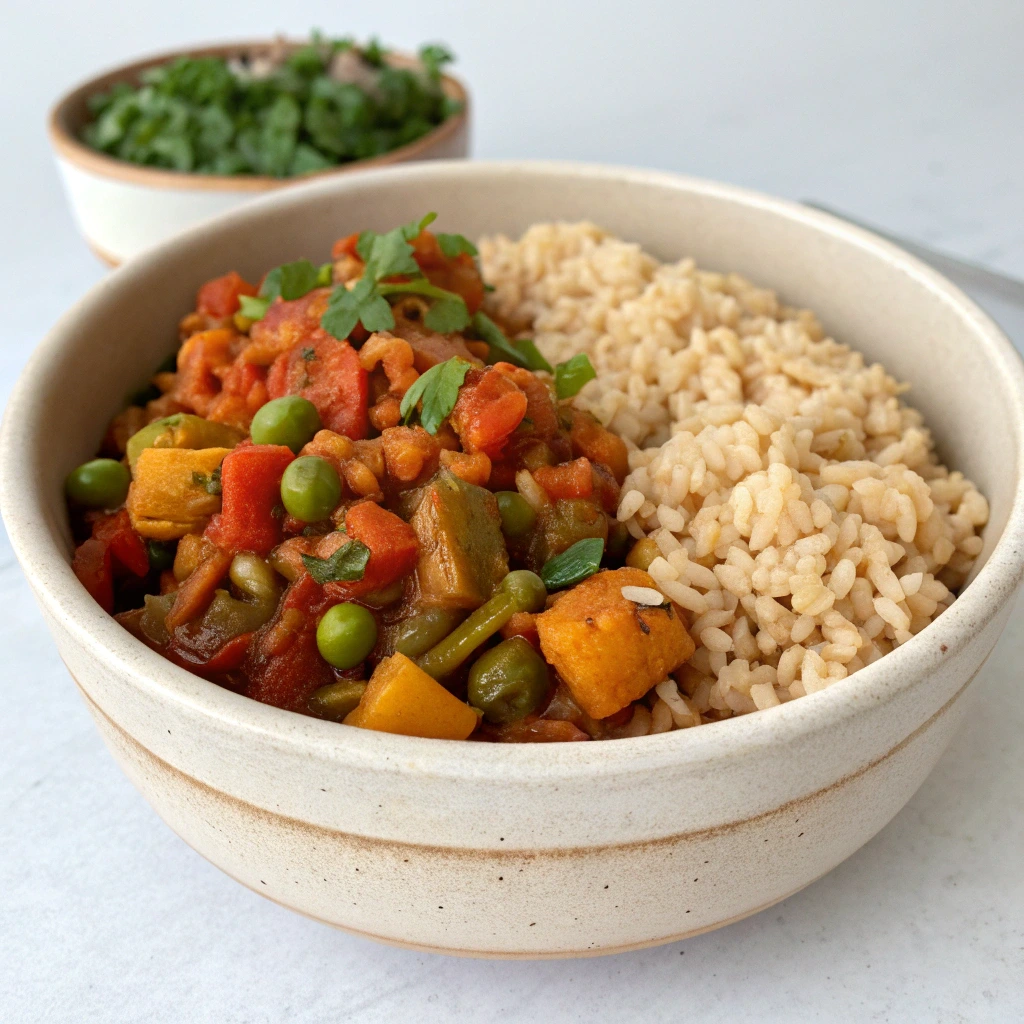
Enjoy your WFPB brown rice & chakalaka recipe.

WFPB brown rice & chakalaka meal on a white bowl

This recipe is oil-free. It uses water or vegetable broth for sautéing. It also focuses on whole, unprocessed ingredients.

Part 1: The Brown Rice

IngredientQuantityNote
Brown Rice (long or medium grain)1 cupHigh in fiber and nutrients.
Water or Vegetable Broth2 cupsUse broth for extra flavor.
SaltPinch (optional)Season to taste.

Instructions

  1. Rinse the brown rice under cold water until the water runs clear.
  2. Combine the rice, water/broth, and salt (if using) in a medium pot.
  3. Bring to a boil, then immediately reduce the heat to the lowest setting, cover tightly, and simmer for 40–45 minutes. Do not lift the lid.
  4. Remove from heat and let it steam, still covered, for another 10 minutes.
  5. Fluff with a fork and set aside.

Part 2: The Chakalaka (Oil-Free Vegetable Relish)

IngredientQuantityPreparation
Onion1 largeFinely chopped
Carrots3 mediumGrated or finely chopped
Bell Peppers2 (assorted colors)Diced
Garlic3 clovesMinced
Ginger1 tspGrated (fresh is best)
Curry Powder2 TbspMild or hot, to your preference
Smoked Paprika1 tspAdds depth of flavor
Cayenne Pepper/Chilli Powder$1/4$ tsp (or to taste)For heat
Canned Diced Tomatoes1 (14.5 oz / 411g) canUndrained
Tomato Paste2 TbspConcentrated flavor
Canned Beans (e.g., cannellini, kidney, or mixed)1 (15 oz / 425g) canRinsed and drained (or use WFPB baked beans)
Vegetable Broth or Water$1/4$ cup (as needed)For water-sautéing
Fresh Thyme1 tsp (or $1/2$ tsp dried)
Salt and Black PepperTo taste

Instructions

  1. Water Sauté: Heat a large pot or Dutch oven over medium-high heat. Add the onion and a tablespoon of broth/water. Sauté until soft and translucent, adding a splash more liquid only if the pan becomes dry.
  2. Aromatics & Spices: Add the garlic and ginger.1 Cook for about 30 seconds until fragrant. Stir in the curry powder, smoked paprika, and cayenne pepper. Cook for another minute to “toast” the spices, using a splash of broth if needed.
  3. Veggies: Add the carrots and bell peppers.2 Sauté for about 5-7 minutes until the carrots start to soften.
  4. Simmer: Stir in the diced tomatoes, tomato paste, and thyme. Bring the mixture to a gentle simmer. Reduce the heat to low, cover, and cook for 15-20 minutes to allow the flavours to meld.
  5. Finish: Stir in the beans. Continue to simmer, uncovered, for another 5-10 minutes to thicken the relish.
  6. Seasoning: Taste and adjust the seasoning with salt and black pepper as needed.

Serving

Spoon a generous amount of hot Chakalaka over a bed of the freshly fluffed brown rice.

This mix offers a complete protein profile. It’s packed with fibre and rich in micronutrients and antioxidants. This aligns perfectly with a WFPB philosophy!

WFPB Vegetable Lasagne Recipe

WFPB Vegetable Lasagne Recipe

Here’s yor WFPB vegetable lasagne recipe. This recipe is oil-free and low-sodium. It features a cashew-based “ricotta” and a veggie-rich tomato sau Yields: 8-10 servings Prep Time: 45 minutes Cook Time: 40-50 minutes I. Ingredients 1. The Tomato-Vegetable Sauce (The Base) Ingredient Quantity Note Crushed …

Delicious & Easy Gluten-Free Plant-Based Recipes in South Africa

Delicious & Easy Gluten-Free Plant-Based Recipes in South Africa

Introduction: Embracing the Gluten-Free Plant-Based Lifestyle in South Africa Here’s your ultimate guide to delicious & easy gluten-free plant-based recipes in South Africa. The way South Africa eats is changing. More people are looking for plant-based (vegan) and gluten-free recipes. They are also learning about …

Comprehensive Restaurant Reviews in Durban

Comprehensive Restaurant Reviews in Durban

Here are your comprehensive restaurant reviews in Durban.

Durban, the gem of KwaZulu-Natal, has a lively food scene that matches its rich culture.

By Magda Ehlers. https://www.pexels.com/@magdaehlers

It’s a city where the spicy scent of famous curry mixes with the salty air from the Indian Ocean. This creates a dining scene that’s truly unique in South Africa.

Locals and travellers both need help navigating Durban’s food scene. Authoritative restaurant reviews can provide that guidance.

What exactly makes a good Durban restaurant review?

It blends food critique with assessments of service and atmosphere. Most importantly, it captures the unique sense of place.

This article is your guide to the best restaurants in Durban. You’ll find everything from luxurious fine dining to trendy urban hangouts.

It also highlights the authentic spots that truly define the city. Get ready to explore the essential Durban culinary hotspots that demand your attention.

The Peak of Durban Dining: In-Depth Fine Dining Restaurant Reviews in Durban

Durban’s dining scene offers more than just heat and spices. It features a range of venues that shine among South Africa’s best.

For a night of elegance and great food, check out these top fine dining spots in Durban.

A. Durban’s Top Contenders for Fine Dining Excellence

A name that often comes up in Durban restaurant reviews is The Chefs’ Table (Umhlanga). It’s known for its sophisticated, high-end experience.

People know the Chef’s Table for its modern, seasonal menu. It uses fresh KZN ingredients. The open-plan kitchen adds a theatrical touch.

Reviews often highlight the stunningly plated dishes and warm hospitality. This makes it a top choice for fine dining.

The LivingRoom at Summerhill in Pinetown is a top spot. It’s often praised in Durban restaurant reviews. It focuses on local ingredients and has received critical acclaim. It provides a unique setting that offers a contrast to Durban’s coastal dining options.

For a classic, luxurious dining experience, visit The Grill Room at The Oyster Box Hotel in Umhlanga. It’s a true landmark.

Reviews highlight its excellent table-side service, top-quality cuts, and elegant atmosphere. It’s an ideal place for special occasions.

B. Key Elements of Fine Dining Reviews

When reading or writing a fine dining review in Durban, several elements are crucial:

  • Ambience and Service: The place should have a classy vibe. The staff must offer excellent service—attentive but also discreet. Restaurants like The Oyster Box are praised for their classic charm and skilled staff.
  • Menu Innovation: Dishes must show creativity. Use high-quality, often local ingredients. Present them in new and exciting ways, like at The Chefs’ Table.
  • Wine List: A good wine cellar is key. It should include local South African wines and international choices.

Durban’s Culinary Hotspots: Latest Casual Eateries and Trendy Restaurant Reviews in Durban

While fine dining in Durban sets a high bar, the city’s true character often shines through its vibrant, casual, and trendy eateries.

These spots serve great food and have lively atmospheres. They are often highlighted in the latest restaurant reviews in Durban.

A. Coastal and Urban Gems in Durban

The Durban dining scene thrives in its specific suburbs. Umhlanga and Durban North are hubs for trendy spots:

  • Bel Punto (Umdloti): This family-owned place gets excellent reviews for its fresh seafood and Italian pasta. Enjoy your meal with stunning ocean views. It’s a top-rated favourite for its food quality and setting.
  • Butcher Boys (Umhlanga Rocks): A haven for meat lovers. Restaurant reviews highlight their expertly aged steaks, both wet-aged and dry-aged. This cements their status as a top steakhouse in Durban.
  • Café Monroe (Musgrave, Berea): Consistently receives rave reviews for ambience, food, and value. It’s an excellent place for a lively café experience. You’ll enjoy high-quality, fresh dishes.

B. Exploring Specific Durban Suburb Dining

The search for the best restaurants in Durban often leads off the main tourist path and into the suburbs:

  • Restaurant Reviews in Durban North: This area is excellent for affordable, authentic South African food. You can also find popular spots like Lupa Osteria for tasty Italian.
  • Restaurant Reviews in Umhlanga: Umhlanga Ridge has great spots beyond luxury venues. Check out The Hussar Grill and Adega. They are new favourites for tasty grills and seafood.
  • Restaurant Reviews in Westville/Kloof: 1904 Bistro Américain in Kloof shines with top ratings. It excels in ambience, food, service, and value. It shows that excellent Durban dining extends beyond the beachfront.

A World on a Plate: Speciality Cuisine Restaurant Reviews in Durban

Durban is a melting pot. Its unique cuisine, especially the spicy Indian dishes, puts it on the culinary map.

A. Authentic Durban Indian Cuisine Reviews

No guide to restaurant reviews in Durban is complete without mentioning the unique Durban Curry.

The Durban Curry is a unique dish. It was created over 150 years by Indian workers in Durban.

It’s known for its fiery red colour and a mix of spices, especially chilli and curry leaves. Its unique flavour sets it apart from anything in India.

The best spot to enjoy Durban’s culinary heritage is The Ocean Terrace at The Oyster Box Hotel. Their Curry Buffet is famous. It offers more than 10 curries each day. People from all over the world come to enjoy it.

For a casual, authentic vibe, The Britannia Hotel has served traditional Durban Curry and Bunny Chow for decades. It’s a genuine taste of Durban Central history.

B. Italian and Portuguese Restaurant Reviews in Durban

Durban’s dining scene has a strong Mediterranean influence:

  • Bel Punto and Casa Nostra (Umdloti) get great reviews in Durban for their seafood and Italian food. They serve everything from thin-crust pizzas to fresh pasta.
  • Olive and Oil (Umhlanga) is a favourite spot. It offers tasty Mediterranean flavours, significant portions, and excellent service. This makes it a top pick for family casual dining.

C. Steakhouses and Meat Lovers’ Reviews

Besides Butcher Boys, The Hussar Grill in Umhlanga is famous for its aged steaks. It attracts serious meat lovers who appreciate quality cuts of beef, game, and venison.

Affordable Excellence: Budget-Friendly and Light Meal Restaurant Reviews in Durban Central

Durban offers fantastic quality without requiring a fine dining budget. Finding great value is key to an essential Durban food guide.

A. Finding Great Value Durban Restaurants

Many excellent eateries provide great meals at reasonable prices. Bossa is a great spot for a casual lunch or dinner. Enjoy delicious meals and daily specials, like pizza and burger deals. It’s also very budget-friendly.

B. Focusing on Durban Central’s Quick Bite Spots

  • Cafés & Coffee Shops: Doppio Zero (Florida Road) is a favourite spot. It offers vibrant meals, signature coffee, and fresh-baked pastries. It’s perfect for a light lunch or a casual breakfast.
  • The Pot and Kettle (Bothas Hill) is a beloved spot. It’s known for home-style meals that are both comforting and affordable. People often praise it in Durban restaurant reviews for its great value.

Becoming a Durban Food Critic: Tips for Meaningful Restaurant Reviews in Durban

Want to contribute to the Durban dining scene?

A meaningful review is balanced and constructive.

  1. Rate Objectively: Don’t just say a dish is “good.” The flavour profile is rich and savoury. The steak was grilled to a perfect medium-rare, resulting in juicy tenderness. The ingredients are top-notch, enhancing the taste. Each bite bursts with flavour, showcasing the quality of the meat and seasonings used.
  2. Service Assessment: Judge the staff’s attentiveness, knowledge, and friendliness. Did they offer menu suggestions or handle requests efficiently?
  3. Atmosphere and Ambience: Note the general mood, cleanliness, and comfort. Does the Durban restaurant’s vibe match its price point and food style?
  4. Be Balanced: Highlight both the positives and any minor issues. A balanced review is credible and more helpful to both the restaurant and future diners.

Your Durban Dining Questions Answered: FAQ on Restaurant Reviews in Durban

What are the ‘must-try’ dishes in Durban?

You can’t visit Durban without trying its famous curry. Make sure to taste the Bunny Chow, too. It’s a loaf of bread, hollowed out and filled with delicious curry. Besides curry, enjoy fresh coastal seafood and local dishes made with seasonal KZN ingredients.

How do I find restaurants with good reviews in Durban and the surrounding areas?

Use reputable South African platforms and global review sites. Check for high ratings on different sites. Focus on recent restaurant reviews in Durban that highlight consistent food and service quality. Use platforms that let you filter by specific suburbs, such as Umhlanga or Durban North.

What is the best new restaurant to visit in Durban?

Keep an eye on venues that just received nominations for awards. Create Ceramics in Umhlanga was a Top KZN Newcomer in the 2023 Reviewers’ Choice Awards. This signals current excellence in Durban’s dining scene.

Which Durban restaurants cater to vegan/gluten-free diets?

Many modern casual eateries and high-end spots now cater to dietary needs. Check out restaurants with great vegan options, like Poké Box. You can also look at the menus of top-rated cafes, such as Café Monroe, which usually serve conscious cuisine.

Final Verdict: The Dynamic World of Restaurant Reviews in Durban

The Durban dining scene is vibrant and varied. It offers everything from luxurious fine dining to tasty, affordable local dishes.

The city offers a taste for everyone. You can enjoy the fancy seasonal dishes at The Chefs’ Table or try the comforting, historic Durban Curry at a local favourite. There’s something for every palate and budget.

To truly appreciate this coastal city, you must immerse yourself in its cuisine.

Use these restaurant reviews in Durban as your starting point, but don’t stop there.

Explore Durban’s top restaurants and share your review. The next great culinary hotspot is just waiting for you to find it!

Whole Food Plant-Based Diet in South Africa

Whole Food Plant-Based Diet in South Africa

Introduction: Why This Guide Exists The idea that a whole food plant-based diet is unattainable for many South Africans is understandable, but it is also incredibly deceptive. Long before the term “plant-based” was popular, South African meals centred on beans, grains, vegetables, and seasonal produce. …