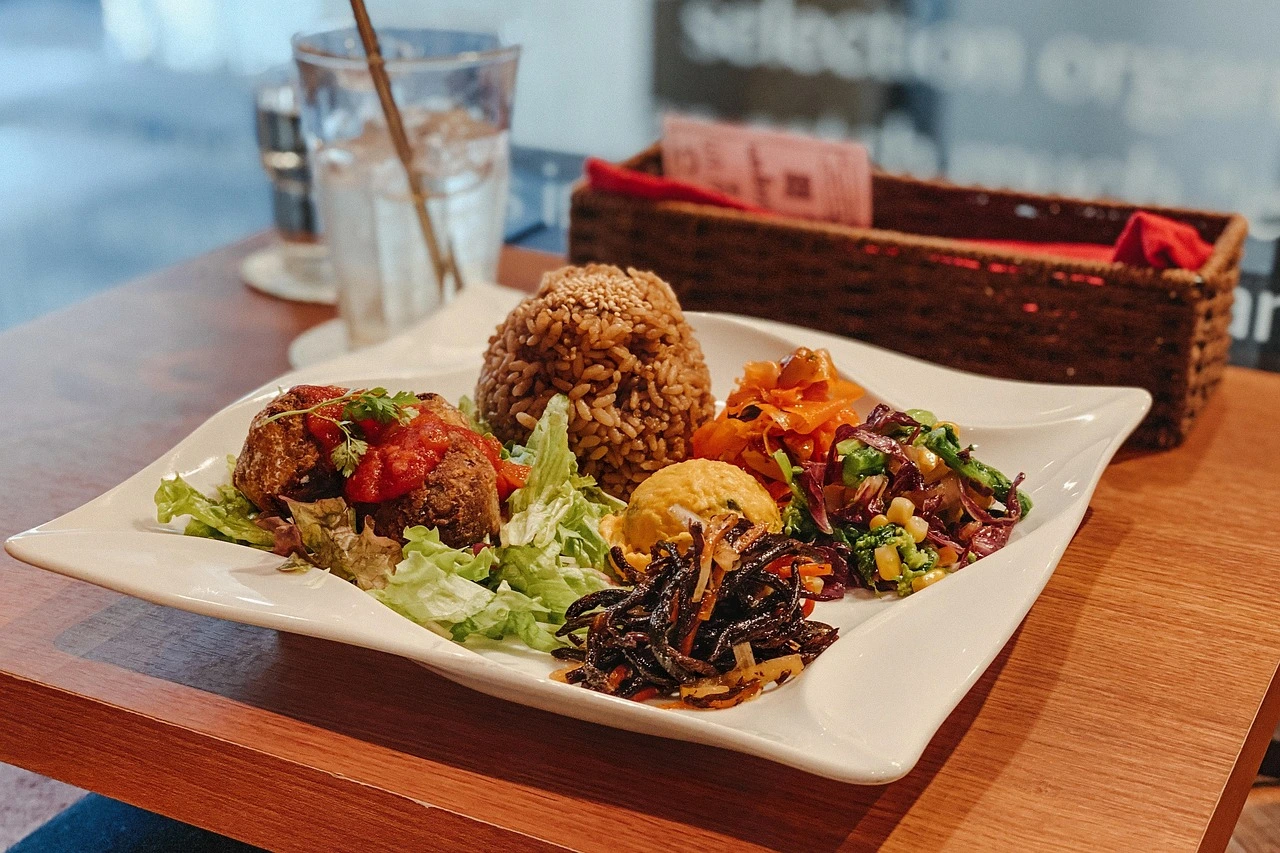
This recipe is naturally high in fibre, complex carbohydrates, and plant-based protein, offering a complete and satisfying meal. Part 1: Whole Grain Pap (The Starch Base) WFPB Principle: Using whole grain maize meal ensures maximum fibre and nutrient retention. Ingredients: Instructions: Part 2: Savory WFPB …
Updated: 30 December 2025 • South Africa If you’re shopping vegan in South Africa, Dis-Chem is one of the easiest places to fill your basket in one shot—pantry staples, cruelty-free beauty, plant proteins, snacks, baby care, and more. This guide pulls everything together so you …
By EatingPlantBasedZA — evidence-based, South African, and proudly plant-powered
Here’s your ultimate 2026 guide to plant milk South Africa, including types, nutrition, sustainability, and smart shopping.
From café flat whites to family breakfast bowls, plant milk has moved from niche to normal in South Africa.
This guide gives you a local, practical, and science-savvy map to plant milk in SA—what to buy, how to read labels, which options work best for coffee vs. cooking, and how to support local producers while meeting your nutrition goals.
What Counts as “Plant Milk” in South Africa?
“Plant milk” refers to beverages made from oats, soy, nuts, seeds, or grains that replace cow’s milk in drinks and recipes.
Use it for: Curries, desserts, tropical smoothies, and iced coffee.
Nutrition: Low protein; check sugar and fortification.
5) Rice Milk
Taste & texture: Very light, naturally sweet.
Use it for: Neutral bakes, cereal, smoothies.
Nutrition: Low protein; often chosen for multi-allergen avoidance—still verify “may contain.”
6) Pea Milk / Protein Blends
Taste & texture: Creamy; good for coffee and sauces.
Use it for: Higher-protein non-soy option.
Nutrition: Often protein-fortified; check label for grams per 100 ml.
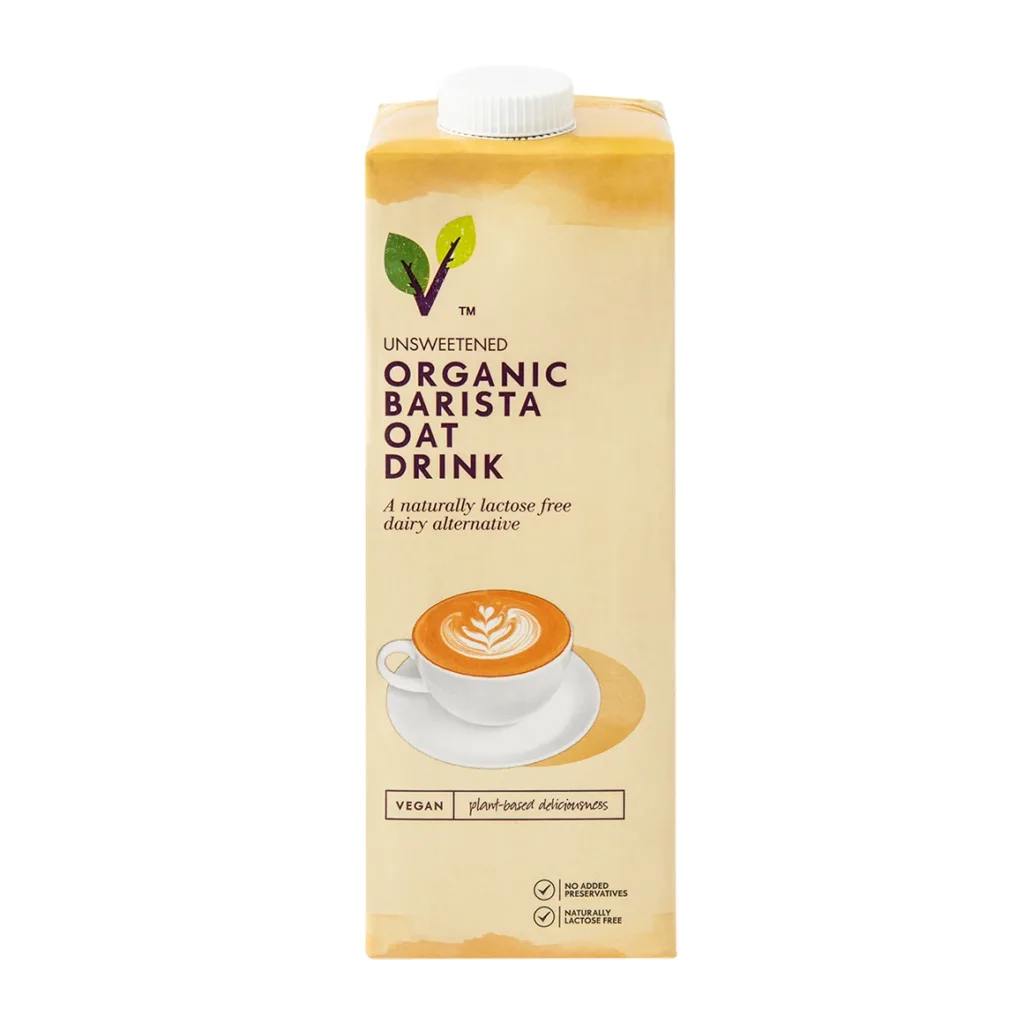
Quick tip: For froth and latte art, choose cartons marked “Barista”. They’re formulated for heat and foam stability.
Read the Label Like a Pro (SA-Specific)
Ingredients: First items tell you the base (water + oats/soy/almonds). Barista blends may include sunflower/rapeseed oil for creaminess and foam.
Fortification: Aim for calcium ~120 mg/100 ml and vitamin B12. Vitamin D is a bonus.
Protein: If you want a dairy-like protein hit, soy or pea milk is your best bet.
Sugar: Choose unsweetened daily; keep flavoured/sweetened for treats.
Allergens: “Contains: soy/almonds/etc.” must appear near the ingredient list; “May contain” indicates cross-contact risk.
Claims: SA rules govern nutrition/health claims—avoid products with prohibited or misleading statements.
How Plant Milk Fits the South African Plate
South Africa’s Food-Based Dietary Guidelines (FBDGs) highlight nutrient-dense choices, historically including milk/maas/yoghurt for calcium, protein, B12 and more. If you’re dairy-free or plant-based, you can cover these needs by choosing fortified plant milks and building meals around legumes, whole grains, vegetables, seeds, and nuts. See the FAO’s page on SA FBDGs and clinical-nutrition papers for context.
Calcium: Choose plant milks fortified to ~120 mg/100 ml; add leafy greens, tahini, and calcium-set tofu.
Vitamin B12: Prefer B12-fortified plant milks if vegan; consider a supplement per your clinician.
Protein: Soy or pea milk + legumes and grains for balance.
Iodine & Vitamin D: Only some products add these—check the panel.
Coffee, Tea, Cooking & Baking: Best Picks
For coffee & latte art: Barista Oat or Barista Almond. Chill, shake, and steam to ~55–60 °C.
For rooibos/tea: Unsweetened oat or almond keeps flavours clean.
Smoothies: Soy for protein, oat for creaminess, coconut for tropical flair.
Cooking: Oat/soy for creamy soups & sauces; coconut drink for curries & desserts.
Baking: Oat or almond in 1:1 swaps in muffins/pancakes.
Sustainability Snapshot (Simple & Local)
Plant milks generally have lower greenhouse-gas emissions per litre than dairy. Oat and soy often rate favourably in lifecycle analyses.
In SA, also consider distance to market, packaging, and, when possible, supporting local producers.
Where to Buy Plant Milk in South Africa (Local Examples)
Lunch: Butternut soup blitzed with oat milk; whole-wheat wraps with grilled veg and almond-milk yoghurt.
Supper: Creamy mushroom pasta with barista oat; Durban-style chickpea curry finished with coconut drink.
Coffee/Tea: Barista oat for frothy cappuccinos; unsweetened almond for rooibos.
Choose the Right Plant Milk for Your Goal
Goal
Best Pick
Why
Higher protein
Barista oat/almond
Closer to dairy’s protein per serving
Best for coffee
Barista oat / almond
Formulated to foam and hold micro-foam
Lowest sugar
Unsweetened variants
Zero added sugar—check labels
Gentle flavour
Oat
Neutral taste for cereal and sauces
Allergy workarounds
Oat/rice
Avoid soy/tree-nut allergens (still verify PAL)
Support local
SA-made brands
Shorter supply chains; community impact
Barista Success at Home (Troubleshooting)
Milk splits? Espresso may be too acidic, or the milk may be too cold. Use barista cartons; chill & shake before steaming.
Flat foam? Stretch to 55–60 °C; higher temps kill micro-foam.
Too thin with cereal? Try oat (creamier) or barista almond.
Kids & Family: What to Know
For children who avoid dairy, speak with a dietitian about growth-critical nutrients (protein, calcium, iodine, B12, vitamin D). A fortified soy or pea milk often works best nutritionally alongside a varied whole-food diet.
Smart Shopping Checklist (Screenshot This)
Unsweetened for everyday use
Fortified with calcium (~120 mg/100 ml) and B12
Protein target (soy/pea if you need more)
Allergens clearly labelled (“Contains: …” + PAL if applicable)
Barista for coffee; standard for cereal/cooking
Check price per 100 ml across brands
Buy local where possible
FAQs: Plant Milk South Africa
Can products use the word “milk” in SA?
Products on SA shelves commonly use “milk,” but labels must comply with R.3337. Always check the ingredient list and nutrition table to evaluate the product.
Which plant milk is healthiest?
No single winner.
For a dairy-like nutrient profile, choose unsweetened, calcium- and B12-fortified soy (or pea). And for coffee texture, choose barista oat/almond. For allergies, consider oat/rice (still check PAL).
Do plant milks meet SA dietary guidelines?
SA FBDGs emphasise nutrient-dense foods. Fortified plant milks can help meet calcium and B12 needs in dairy-free diets when used alongside legumes, grains, veg, seeds, and nuts.
Are plant milks sustainable?
Generally, lower emissions per litre than dairy, oat and soy often rate well. Consider local production and packaging as well.
What about toddlers and preschoolers?
Discuss with a healthcare professional. For dairy-free families, fortified soy is often recommended as a source of protein and micronutrients when paired with a balanced diet.
Introduction: The South African Appetiser Revolution Here’s your guide to plant-based appetisers in South Africa. The air is thick with smoke and laughter. The clinking of ice in glasses mixes with the familiar hiss of meat hitting the grill. This is a South African social …
This recipe features an oil-free, whole-grain design and packs in nutrients. Part 1: The Pap (Whole Grain Corn Porridge) Pap is traditionally made with maize meal (cornmeal).2 To make it WFPB, we use whole-grain cornmeal and omit any added fat or refined ingredients. Ingredients for …
Lunch doesn’t have to be complicated, expensive, or bland — especially when you’re eating plant-based in South Africa.
From hearty samp and beans to flavour-packed chakalaka wraps, South Africans are discovering how easy it is to make midday meals that are both satisfying and nutrient-dense.
A well-planned vegan lunch can keep your energy steady, help you maintain a healthy weight, and support long-term wellness.
With local produce and affordable staples, you can pack vibrant, high-protein lunches without breaking the bank — all while doing good for your body and the planet.
What Counts as a Balanced Vegan Lunch in South Africa
In South Africa, a balanced lunch follows the Food-Based Dietary Guidelines by including starches, fruits and vegetables, legumes, healthy fats, and water. For a vegan, that translates to:
Carbohydrates: brown rice, samp, maize meal, whole-wheat pasta
Protein: lentils, beans, chickpeas, tofu, or soya mince
Hummus & Veggie Wraps: Spread hummus on a tortilla, add shredded carrots, lettuce, and avo.
Three-Bean Salad Jar: Combine canned beans, corn, cucumber, and tomato; drizzle with lemon-tahini dressing.
Cold Peanut Noodle Jars: Cook soba or spaghetti, toss with peanut sauce, and layer with colourful veggies.
Mediterranean Couscous Bowls: Add olives, sundried tomatoes, chickpeas, and herbs.
Vegan Pita Pockets: Fill with soya mince, salsa, and chopped lettuce.
All are ready in 10–15 minutes — perfect for busy days.
High-Protein Vegan Lunch Ideas SA
Combine legumes, grains, and seeds for a robust source of protein and fibre. Try:
Lentil Sloppy Joes: Smoky lentil filling on whole-grain rolls.
Tofu “Egg” Mayo Sandwich: Silken tofu mashed with vegan mayo, turmeric, and black salt.
Chickpea Tuna Salad: Chickpeas, nori flakes, lemon juice, and celery — perfect in sandwiches.
Bean Burritos: Red kidney beans with corn, rice, and salsa rolled into a tortilla.
Each meal delivers roughly 18–25 g of protein plus plenty of fibre to keep you satisfied.
Budget-Friendly Vegan Lunch Ideas SA
South Africa’s affordable staples — beans, maize meal, and lentils — are nutrition powerhouses. Aim for under R30 per serving:
Samp & Beans with Chakalaka
Rice & Three-Bean Chilli
Pap & Tomato-Onion Gravy with Morogo
Curried Lentil Bowls with seasonal veg
Shop in bulk, choose store brands, and freeze extra portions for later.
Traditional South African-Inspired Lunch Ideas SA
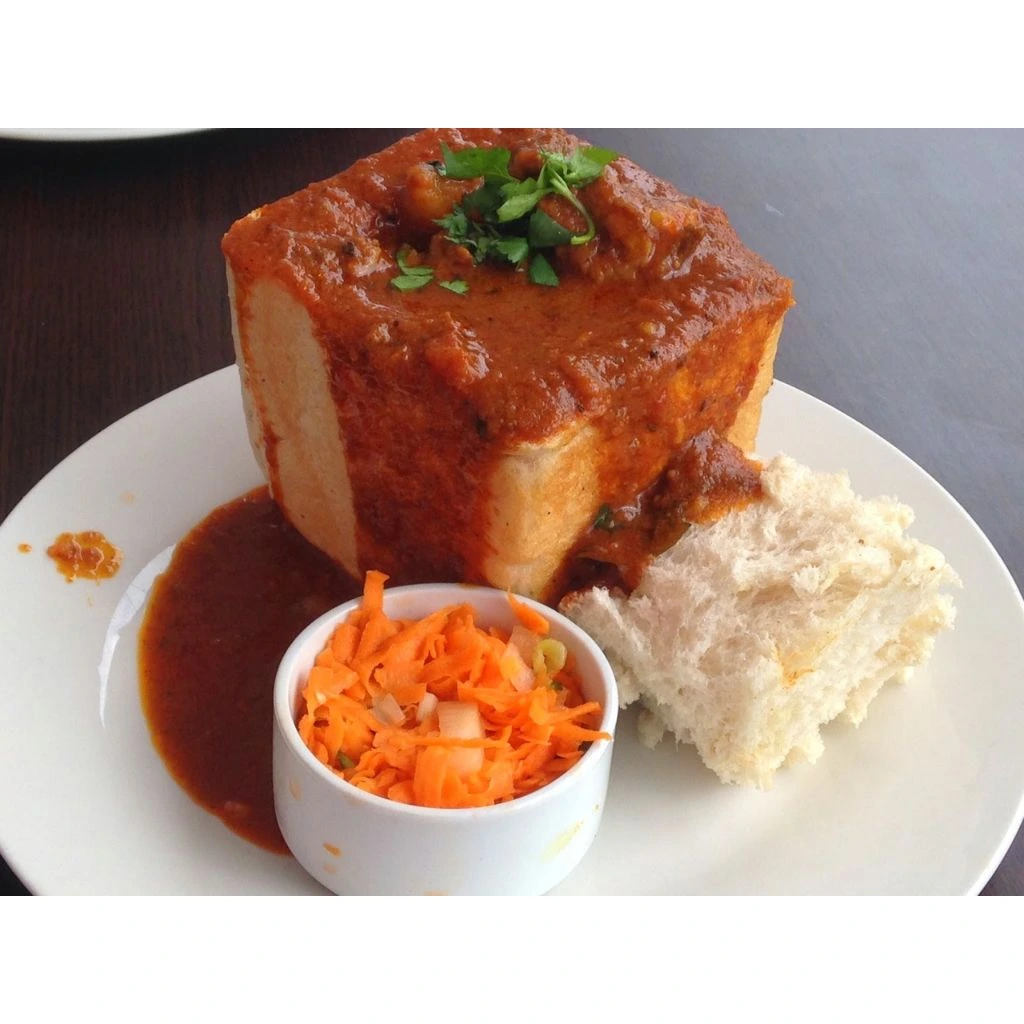
Vegan Bunny Chow (Durban-Style): Fill a hollowed quarter loaf with spicy bean or potato curry — portable and hearty.
Cape Malay Vegan Bobotie: Lentils and mushrooms spiced with curry, topped with a chickpea-flour “custard”.
Chakalaka Wraps: Layer baked beans, cabbage slaw, and peppers in a wrap.
Samp & Beans with Atchar: A national favourite loaded with protein and fibre.
Morogo & Phutu Bowls: Add chickpeas and roasted peppers for a nutrient boost.
Meal-Prep & Packable Vegan Lunch Ideas SA for Work/School
Weekend plan: Cook 2 grains (e.g., rice or quinoa) and two legumes (e.g., beans or lentils), and roast a tray of mixed veggies. Make two sauces — a creamy tahini-lemon and a peanut-chilli dressing. Assemble fresh combinations daily.
Day
Lunch Idea
Mon
Rice + lentils + roast veg + tahini dressing
Tue
Wrap with hummus, cucumber & tofu strips
Wed
Couscous + beans + atchar
Thu
Chakalaka pasta salad
Fri
Samp & beans with sautéed spinach
Seasonal & Local Produce for Vegan Lunch Ideas SA
Summer: tomatoes, mangoes, cucumber, spinach
Winter: butternut, citrus, sweet potato, cabbage
All-Year: onions, carrots, apples, morogo
A winter bowl might feature roasted butternut with lentils and tahini dressing; summer lunches shine with mango-bean salads.
Gluten-Free & Allergen-Friendly Vegan Lunch Ideas SA
Use maize meal, quinoa, or rice instead of pasta/bread
Replace soy sauce with tamari or coconut aminos
Choose seed butters (sunflower or sesame) instead of peanut butter
Try lentil or chickpea pasta for added protein and gluten-free goodness
7-Day Vegan Lunch Ideas SA Menu
Monday: Bean & Atchar Bunny Chow Bowls
Tuesday: Chakalaka Brown Rice Salad with Chickpeas
Wednesday: Roasted Veg + Lemon-Tahini Quinoa Bowl
Thursday: Avo & Hummus Veggie Wrap + Fresh Fruit
Friday: Lentil Bobotie with Yellow Rice
Saturday: Cold Peanut-Soba Noodle Salad with Crunchy Veg
Sunday: Samp & Beans with Tomato-Onion Gravy + Morogo
Vegan Lunch Ideas SA Shopping List & Pantry Staples
Legumes: lentils, chickpeas, beans (dry or canned)
Grains: brown rice, samp, maize meal, quinoa, whole-wheat pasta
Introduction: Embracing the Plant-Powered Path to Weight Loss Are you curious about how to reduce weight this year while following a plant-based diet? We’re here for you. Many people find that the best way to lose weight is through plants. A plant-based diet for weight …
Starting a plant-based diet in South Africa is more popular than ever before. Whether you live in a big city like Johannesburg or a small town in the Karoo, moving away from meat is a great choice. Many people think it might be hard in …
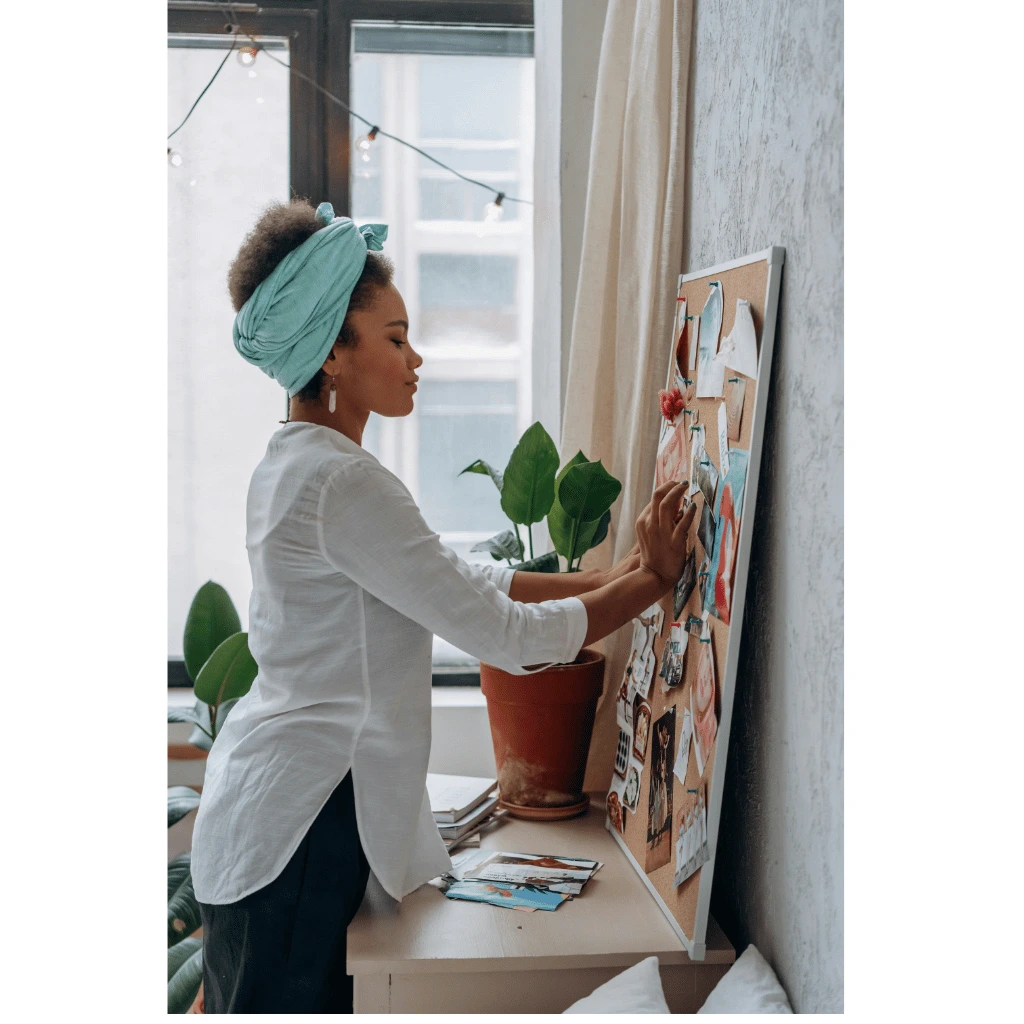
Your 2026 Plant-Based Vision Board: A Deep Dive into Intention + Action
Welcome — I’m so glad you’re here, ready to co-create your 2026 plant-based vision board.
In this post, we’ll guide you on creating a vision board.
It will focus on your health, ethics, environment, community, and well-being, including joy. (You’ll find external resources sprinkled throughout for extra depth.)
Let’s begin.
Why a Plant-Based Vision Board for 2026?
A vision board is not just a collage. It’s a tool that shows your intentions. It keeps your biggest goals in focus.
As Mandy Francisty writes, “the key to creating a vision board that sticks is to work with energy.” Vegan Action
When your goals align with your core values—such as compassion, environmental stewardship, and vibrant energy—your vision board transforms dreams into action.
Some specific benefits:
Clarity & alignment: You’ll focus on what’s essential in 2026, grounding your plant-based goals in a clear vision.
Daily reminder & motivation: Seeing your goals every day rewires your subconscious toward them.
Emotional resonance: Surround your vision with positive images. This helps you stay consistent.
Track progress and evolve: Your board isn’t set in stone. You will revisit, refresh, and adjust as your journey unfolds.
A vision board illustrates how your life unfolds as a cohesive narrative.
According to the Plant Futures Initiative, it encompasses health, creativity, relationships, and purpose. Plant Futures Initiative
Practical guides, such as those from The Chic Life, demonstrate how to turn visuals into actionable steps for achieving your goals. The Chic Life
So let’s dive in — here’s how to co-create a compelling, plant-based vision board for 2026.
Step 1: Centre Your Values & Themes for 2026
Before you grab scissors and glue, pause.
Reflect deeply on what this year means to you.
Use prompts like:
Why do I live a plant-based (for health, compassion, environment, all of the above)?
What do I want more of in 2026 (energy, community, abundance, ease)?
What parts of my life will connect with my plant-based journey? Think about career, travel, activism, and family.
What feelings do I want to cultivate (vibrancy, peace, rootedness, trust, expansiveness)?
Once you’ve journaled or meditated on these, distil 3–5 core themes that will anchor your vision board.
Examples could be:
Vibrant health & longevity.
Regenerative ecology & planetary care.
Justice & compassion in food systems.
Creative expression & pleasure.
Connection & community nourishment.
When choosing images or affirmations, ask yourself:
“Does this image support Vibrant Health?”
” And does it reflect Regenerative Ecology?”
Step 2: Decide the Format + Medium
You have choices — physical board, digital board, or hybrid.
Tangibility, or tactile experience, is something you see in your space daily.
Use magazines, prints, handmade art, stickers, and textures.
Easier to rearrange physically, add 3D elements or keepakes.
Digital (Canva, Pinterest board, desktop wallpaper, digital collage):
Easy to update, reorder, and change seasons.
Accessible on phone/computer.
Can print sections later if desired.
Hybrid:
Use a physical board with a digital “mirror” (e.g. a phone wallpaper that echoes certain parts)
Or a physical board plus a digital backup to iterate
If physical, place it in a high-visibility location (bedroom wall, office, kitchen). If digital, set it as your screensaver or desktop. The more you see it, the more it works.
Step 3: Curate Your Visual & Textual Elements
A. Images & Graphics
Go forth and gather images that feel aligned with your 2026 plant-based vision. Sources:
Magazines, catalogues, seed catalogues, and ethical brands
Pinterest, Unsplash, and Pexels are great resources. Search for terms like “plant-based lifestyle aesthetic,” “regenerative farming,” or “vegan cooking joy.”
Digital printouts or images you create.
Personal photos (your garden, friends, past travel, favourite meals)
Let the visual speak.
If some images make you happy, even if they seem random, include them. You’ll understand their meaning later.
B. Words, Quotes & Affirmations
Words anchor the emotional tone.
A few ideas:
“Nourish with purpose.”
“Grow forward, gently.”
“I radiate vitality.”
“Love all beings, heal the Earth.”
Scripture, poems, or personal mottos.
Metrics or milestones (e.g. “Plant-based cooking: 5 new recipes/month”).
You might print elegant quotes or handwrite powerful ones.
C. Symbolic + Textural Elements
Dried leaves/herbs, seed packets.
Fabric scraps, pressed flowers.
Stickers, washi tape, watercolour accents.
A small envelope to hold “surprises” or mini-goals.
These make your board multi-sensory.
D. Layout & Composition
Start by placing your “anchor” (central image, theme word, photo of yourself).
Then radiate outward with clusters for each theme.
Leave breathing space — boards don’t need to be jammed.
Reorder as you go until it intuitively “feels” right.
In vision board practice, it’s often recommended to “feel” your layout before adhering it permanently (using glue, pins, etc.). This ensures alignment. Vegan Action
Also, if you change goals midyear, it’s okay to refresh, rearrange, or even create a new “mini board.” Plant Futures Initiative
Step 4: Anchor in 2026 Goals + Milestones — Make It Specific
Your vision board is not a vague dream — it should whisper to you how you’ll do the work.
For each theme, pick 1–3 SMART goals (Specific, Measurable, Achievable, Relevant, Timebound).
Here’s how to translate:
Theme
Possible Goals / Milestones
Vibrant Health
Host quarterly plant-based cooking classes; support or donate to a food justice NGO; write one essay/article exploring food equity.
Regenerative Ecology
Convert 50% of the yard to a food forest; compost all kitchen waste; volunteer in a local permaculture project.
Food Justice & Compassion
Host quarterly plant-based cooking classes; support or donate to a food justice NGO; write one essay/article exploring food equity
Creative & Pleasure
Start a local potluck “plant swap,” or community garden; meet one new plant-based friend quarterly; organise monthly zoom check-ins with accountability friends.
Connection & Community
Start a local potluck “plant swap,” or community garden; meet one new plant-based friend quarterly; organise monthly zoom check-ins with accountability friends.
After choosing, add visual cues to help you achieve your goals.
For instance, use a small calendar icon next to the “5+ servings daily” affirmation. You could also add an image of a compost bin for ecological goals.
These cues become mental triggers.
Step 5: Commit to Ritual & Daily Engagement
A vision board is powerful only when it’s in motion.
Morning or evening ritual: Take 1–3 minutes to look at the board. Close your eyes and picture your life in 2026. Feel the emotions.
Mini visual meditations: Take a moment with your board at midday. Breathe deeply and focus on your intention.
Regular check-ins: Once a month, journal about what’s shifted. Which goals are advancing? Adjust or refresh pieces.
Take action aligned: When presented with choices (what to eat, where to volunteer, what to learn), ask: “Is this supporting my board?”
Vegan.org states that when you fill your board with love and energy, it can attract your desires. Looking at it every day helps too. Vegan Action
Step 6: Share, Display & Evolve
Please share a photo of your board, or parts of it, with your accountability friends or in a plant-based group. That external witness helps anchor commitment.
If digital, occasionally rotate or refresh parts of it.
Use it as a guide for decisions. Before starting new projects in 2026, check them with your board. Do they align?
At midyear or year-end, reflect: what worked, what surprised you, what you’ll remix for 2027.
Sample Vision “Stories” to Inspire You
Below are curated mini examples you might echo or remix for your own board:
A lush forest photo representing regenerative ecology, paired with “Plant one native tree every month”
A colourful bowl of greens, grains, and legumes — captioned “Eat with joy, thrive with purpose.”
A small seed packet from a rare native plant you hope to trial.
A handwritten affirmation: “My body glows in gratitude for 2026.”
A depiction of community: friends cooking, hosting potlucks, and sharing gardens.
A fun symbol, such as a paint smear, a brush, or a leaf collage, shows your desire to express yourself playfully.
They aren’t just decorations. They invite energy that your mind and soul respond to.
Tips & Wisdom from Vision Board Practitioners
Use energy, not just images. Fill your board with intention, as vision board guides suggest. Vegan Action+2Alanna Foxx+2
Feel your board before permanently affixing pieces; you might sense rearrangements.
Don’t overcomplicate — sometimes simple, spacious boards work best. Keeping it creative
Use your board as a planning anchor. After you clarify your vision, divide it into quarterly projects and monthly tasks.
Example Walkthrough: “From Vision to Action”
Let’s imagine you’ve selected “Vibrant Health” and “Community Connection” as two core themes.
A glowing smoothie bowl shines in the image. It comes with the affirmation: “I fuel life with every meal.”
Beside it, you place a photo of your circle of friends laughing around a shared table.
And an image of your local community garden.
You add a note: “Monthly plant-based cookbook club with neighbours”
You also add a small weekly calendar graphic to remind you to plan meals each Sunday.
Each Sunday evening, check the board. Plan five plant-based meals.
Think of a recipe to share at your cookbook club. Also, schedule your garden tasks. Over time, as you act in alignment, the board becomes a living companion, not just a decoration.
Conclusion: Embodying Your 2026 Plant-Based Vision
This vision board process is not about pressure.
It’s a special invitation to remember your true self. Reconnect with your core values. Shift your life toward growth, joy, and integrity.
As you build your board, stay soft with yourself. Let your vision endure, but your strategy be flexible. Let your board evolve alongside you. Cultivate momentum, one small aligned choice at a time.
You already have what you need inside you. This tool helps you embrace your brilliance, see clearly, and live with purpose.
I look forward to seeing what your 2026 plant-based life unfolds into. If you want a downloadable template, a follow-up worksheet, or to share ideas, I’d be honoured to help you further.
External Resources for Inspiration & Practice
“Create a Vision Board to Rock Your Plant-Based Goals” — a practical plant-based vision board guide, Plant-Based Cooking.
“Making a Vision Board That Works” by Vegan.org — energetic steps and aligning practices, Vegan Action
The Chic Life’s “How to Create a Health Vision Board” — connecting your health goals to a visual strategy. The Chic Life
“Building Balance: How to Create a Vision Board That Works for You” — for integrating life domains holistically, Plant Futures Initiative
“How to Make a Vision Board That Actually Works” — tips, templates, examples for lasting boards Alanna Foxx
Do you want to know what doctors say about a plant-based diet? Have you ever questioned why your physician consistently advises you to consume vegetables? It is not just a polite suggestion. Today, doctors increasingly see a plant-based diet as a strong way to stay …