By Zama Zincume · 6 October 2025 The habits that stuck, the surprises I didn’t see coming, and the gentle lessons I’m taking into the new year. Table of Contents Introduction: How This Year Felt (In A Word? Grounding.) Here’s my story on what plant-based …
By Zama Zincume · 6 October 2025 Gentle, whole-food choices to soothe your system, stabilise energy, and start the new year feeling light and strong. Table of Contents A Softer Reset (No Extremes Required) This is your guide to anti-inflammatory foods to help you reset …
Plant-based living at South African universities is growing. Rhodes University shows both promise and challenges in this shift.
Key Takeaways:
Growing Interest: More students want plant-based options. This is due to health, ethics, and environmental concerns.
Limited Choices: Cafeterias often offer only a few plant-based options. Students struggle to find satisfying possibilities.
Awareness Efforts: Campaigns help raise awareness about plant-based diets. Events and workshops attract more interest.
Community Support: Student groups are forming to promote plant-based living. They share recipes and tips, helping each other.
Institutional Challenges: Universities face budget and supply issues. These can limit the availability of plant-based foods.
In summary, Rhodes University provides valuable lessons on embracing plant-based living. The journey includes both growth and obstacles.
By EatingPlantBasedZA
Introduction: When Students Shape the Future of Food
If you’ve strolled through a South African university cafeteria, you know the vibe.
Trays of boerie rolls sit next to vegan wraps. Soy cappuccinos are beside classic milkshakes. One student shares excitedly why oat milk is the best choice.
Something is changing.
Young South Africans are rethinking their diets.
They care about personal health, but also the planet, animals, and their wallets. However, even with this quiet shift, there hasn’t been much research on why young people choose or reject plant-based diets—until now.
A 2025 study at Rhodes University in Makhanda reveals key insights into plant-based eating among students. It examines their motivations, challenges, and opportunities (Andersson & Thondhlana, 2025).
Let’s unpack what this research tells us — and what it means for the future of plant-based living in South Africa.
The Study: A Snapshot of Student Eating Habits
Researchers C. Andersson and G. Thondhlana surveyed 300 students at Rhodes University. They wanted to find out how many people follow a plant-based diet. They also asked what motivates these choices and what obstacles people face.
Here’s what they found:
31% of students reported following a plant-based diet. However, when we exclude “flexitarians,” the figure falls to 18%.
More women than men reported eating a plant-based diet.
Top motivations included animal welfare, environmental sustainability, and personal health.
The top barriers were high perceived cost and lack of knowledge.
Research shows that this generation gets why plant-based eating matters. But they still find it hard to know how to do it.
Why Plant-Based Diets Matter — Especially for Students
University students are more than a group; they’re the future’s policymakers, entrepreneurs, and educators. The habits they form today can shape South Africa’s food future.
Climate and Sustainability
Plant-based diets help cut greenhouse gas emissions and save natural resources. For a country like South Africa — one of the most water-stressed in the world — that’s a big deal.
Every plate of lentils over lamb is a small but meaningful act of sustainability.
Yet as the Rhodes study found, while environmental concern is a strong motivator, it’s not the only one. Many students connect their diet choices to ethical and personal values, too.
Conscious Consumption
The researchers found that students who prioritised “respecting the earth” and “protecting the environment” were more likely to adopt plant-based diets.
This suggests that plant-based eating isn’t just about food — it’s about identity. It’s about aligning lifestyle with values.
For students, this means joining a global movement. It’s about ethics and justice, but also kale smoothies.
The Motivations: Why Students Go Plant-Based
The study’s findings read like a mirror reflecting the values of a new generation.
Here’s a closer look at the top motivators:
1. Animal Welfare Comes First
Animal welfare was the leading reason students gave for following plant-based diets.
This shows a rising awareness of empathy. This isn’t surprising in a country where the ethical costs of animal agriculture are clear. Documentaries, social media, and NGO campaigns highlight these issues.
For many young people, choosing lentils over lamb isn’t just a dietary choice — it’s a moral one.
2. Environmental Sustainability
Environmental concerns, such as reducing carbon footprints, come in second. They strongly appeal to students who are aware of the climate crisis.
Wildfires, droughts, and floods are now common news in South Africa. Young people see the link between their food choices and the health of the planet.
3. Health and Wellness
Personal health ranked third.
Many students reported feeling better after reducing their intake of meat and dairy. They noticed clearer skin, improved digestion, and more energy.
The global rise in “plant-based wellness culture” has likely influenced this trend. This includes smoothie bowls, gym influencers, and vegan challenges.
4. Influence of Family and Friends
Social influence matters.
Students with vegan or vegetarian friends were more likely to adopt a vegan or vegetarian diet.
As plant-based options become more popular, this peer effect grows. It’s like “eco peer pressure,” but in a positive way.
5. Saving Money (Yes, Really)
Some see veganism as costly, but others say it saves money.
When done right, meals with staples like beans, rice, lentils, and seasonal veggies can cost less than meat-heavy diets.
This economic detail shows that views on affordability rely on how we approach plant-based eating.
The Barriers: What’s Holding Students Back?
Despite strong motivations, only 18% of students (excluding flexitarians) were fully plant-based. Why?
1. The Cost Perception Problem
Many respondents felt that eating plant-based food was “too expensive.”
This view often comes from the cost of processed vegan foods. For example, consider Beyond Burgers, almond milk, and imported mock meats.
Traditional South African diets include many affordable, plant-based staples. These are:
Pap
Morogo
Beans
Lentils
Samp and beans (umngqusho)
The challenge is to rebrand local foods. They need to be seen as plant-based and appealing, not just as “poverty food.”
2. Lack of Knowledge
Students said they don’t know how to plan balanced, tasty plant-based meals. This barrier reflects a gap in both nutritional education and practical cooking skills.
University dining halls and student unions might improve things by holding workshops, offering recipe cards, and adding affordable vegan options.
3. Cultural Attachment to Meat
South Africa loves meat. Braais, biltong, and boerewors are its top symbols.
For many, cutting out meat can feel like losing part of one’s identity or social belonging.
The study didn’t directly measure cultural attitudes, but the tension is evident.
What This Means for Universities (and South Africa at Large)
Universities as Food Sustainability Hubs
Campuses like Rhodes are microcosms of the national food system. By supporting plant-based options, universities can set a precedent for the country.
Imagine:
Dining halls showcase bean stews and veggie curries alongside traditional meat dishes.
Partnerships with local farmers growing plant proteins.
Education is Empowerment
The researchers emphasise that promoting plant-based diets requires education — not preaching.
Students must see how plant-based eating relates to their values: respect for the earth, health, justice, and compassion. When those dots are joined, the shift feels natural, not forced.
Collaboration with Local Communities
South African universities can team up with local food vendors and small farmers. This way, they can offer affordable and accessible plant-based options.
This helps both the environment and society. It’s a win-win and supports South Africa’s food sovereignty goals.
Rethinking “Plant-Based” in the South African Context
The term “plant-based” often brings to mind Western veganism, like soy lattes, quinoa bowls, and vegan cheese from abroad.
But in the South African context, it’s essential to decolonise the narrative.
Before industrial meat production, most African diets focused on plants. They included grains, legumes, vegetables, fruits, and some meat.
Going back to these roots is not just about sustainability. It’s also about reviving culture.
Plant-based eating is not new; it’s ancestral.
We focus on traditional dishes like morogo, chakalaka, and samp and beans. These meals remind us of our roots.
The Gender Dimension
Interestingly, more female students reported eating plant-based foods than male students did.
This gender gap reflects global trends. Women often show greater empathy for animals and a more substantial concern for the environment.
This doesn’t mean men are uninterested. Instead, it shows that the media often portrays plant-based eating as “feminine.”
We need visible male role models to change this story.
Athletes, musicians, and chefs should embrace plant-forward lifestyles. They can make plant-based living aspirational, not just an alternative.
From Campus to Community: Scaling the Movement
The Rhodes study provides a strong guide for promoting plant-based eating outside the university.
Here’s how South Africa can build on this momentum:
1. Policy Support
Promote plant-based diets in national food guidelines. Focus on health and sustainability.
2. Affordability Initiatives
Subsidise local plant protein crops, such as beans, lentils, and peas. Also, promote student entrepreneurship in plant-based meal prep and delivery.
3. Visibility Campaigns
Use social media, influencer partnerships, and campus events to normalise plant-based eating. The more visible it is, the more socially acceptable it becomes.
4. Curriculum Integration
Add sustainability and ethical food systems to university courses. Focus on nutrition, environmental studies, and business.
The Emotional Side of Eating
Food isn’t just fuel — it’s culture, comfort, and community.
For students finding their independence, food choices can feel very emotional.
Choosing a plant-based lifestyle is a way to define yourself. It reflects your values in a world facing many challenges.
This emotional component is key to understanding why plant-based movements thrive on storytelling.
Students share why they went vegan or how they made their first lentil curry. They’re not just swapping recipes; they’re creating a new cultural story.
What’s Next?
The Rhodes University study ends on a positive note.
To promote plant-based diets, we should link them to values people care about, like respect for the earth, compassion, and justice.
If South African institutions, brands, and media outlets tap into this connection, we might witness an intense wave of dietary change on campuses. This change could spread to homes, cities, and policies.
We’ll see bean stews and braais living together in harmony. This could be a unique South African approach to sustainability.
The choices we make at mealtime can impact not just our waistlines but the world around us.
The Rhodes study shows that moving to a plant-based future is personal and political.
It starts in the dining hall. It spreads through conversation. And it takes root in values that every South African can relate to — care for people, the planet, and the future.
Reference: Andersson, C. & Thondhlana, G. (2025). Plant-based diets among students at Rhodes University, South Africa: Prevalence, motivations, and barriers. Frontiers in Sustainable Food Systems.
About EatingPlantBasedZA
At EatingPlantBasedZA, we want to make sustainable eating simple, affordable, and a source of pride for South Africans. Whether you’re a flexitarian, vegan, or just curious, we’re here to help you eat well — for yourself and the planet.
Hi there—and welcome to my guide on vegan desserts South Africa. If you’ve ever wished you could enjoy classic South African sweet treats while staying 100% plant-based, you’re in for a treat. In this article, I’ll walk you through what makes a dessert truly vegan …
By Zama Zincume · 6 October 2025 Stay present, eat with joy, and nourish your body — without guilt or restriction. Table of Contents Introduction: The Holiday Food Dilemma Discover how to eat mindfully during the holiday season. The festive season in South Africa is …
Here’s your ultimate guide to the best plant-based documentaries to watch this season.
Watching a documentary can change how you see food forever.
One good film can explain years of confusion in just 90 minutes. I
It shows you where food comes from, how it affects your body, and why many people pick a plant-based lifestyle.
In this guide, I share the best plant-based documentaries in one place.
These films cover health, fitness, the environment, and animal welfare. Some are gentle and beginner-friendly. Others are deep and challenging.
Curious about plant-based shows or already into them? This list will help you pick your next watch—without the stress.
First, What You’ll Learn From These Best Plant-Based Documentaries
First of all, these documentaries help you understand how food affects your health.
Next, they explain the impact of animal farming on the planet. They also explore athletic performance, ethics, and daily food choices.
Most importantly, they help you think differently about what you eat — step by step.
Next, How I Chose These Best Plant-Based Documentaries
To begin with, I chose documentaries that are easy to follow and well-known. Then, I looked for films that focus on real-life examples, not just opinions.
Each documentary in this list:
Explains its ideas clearly.
Covers health, environment, animals, or performance.
It is widely available to stream or rent.
Doctors, athletes, or educators often recommend it.
That said, documentaries can have bias. So, please watch with an open mind and double-check facts that matter to you.
Quick List: Best Plant-Based Documentaries to Watch
If you want fast picks, start here:
Forks Over Knives – Food and Disease Prevention
The Game Changers – Plant-based athletes and strength.
What the Health – Health systems and nutrition.
Cowspiracy – Food and the Environment
Seaspiracy – Oceans and seafood.
Dominion – Animal ethics (very graphic).
Vegucated – Beginner-friendly vegan journey.
Now, let’s explore them in detail.
Best Plant-Based Health Documentaries
Forks Over Knives
Best for: beginners and health-focused viewers
Forks Over Knives focuses on how food affects disease. It explains how a whole-food, plant-based diet may help with heart disease, diabetes, and weight management.
The film follows doctors, patients, and researchers. It avoids shocking scenes and instead uses calm explanations. Because of this, it is one of the best plant-based documentaries for beginners.
If you want a gentle introduction to plant-based eating, start here.
What the Health
Best for: people who like investigative films
What the Health asks big questions about food, health groups, and government advice. It connects diet to chronic illness and healthcare costs.
However, this documentary is fast-paced and emotional. Some claims feel bold. Because of that, it’s best to watch it as a conversation starter, not a final answer.
Watch it, take notes, and then research what matters to you.
Eating You Alive
Best for: real-life health stories
Eating You Alive tells stories of people who got healthier by changing their diets. It focuses on inflammation, heart health, and daily habits.
The tone is hopeful and motivating. Instead of fear, it highlights small, practical changes.
This is an excellent documentary if you want encouragement rather than shock.
Cowspiracy explores how animal agriculture affects climate change, water use, and deforestation. It explains why food systems matter just as much as transport or energy.
The documentary can feel intense. Still, it opens a meaningful discussion about sustainability.
Seaspiracy
Best for: ocean and seafood concerns
Seaspiracy focuses on overfishing and ocean damage. It explains how seafood impacts marine life and ecosystems.
If you think fish is always a “healthy choice,” this documentary will challenge that idea.
By Zama Zincume · 6 October 2025 Fresh picks, trusted classics, neighbourhood tips, and what’s new — plus a few closures to know about. Table of Contents Why this 2025 update? Here’s your update on vegan-friendly restaurants in Cape Town and why. Cape Town’s vegan …
Here’s your ultimate guide to vegan restaurants in South Africa. Once considered a culinary backwater for plant-based eaters, South Africa has emerged as a vibrant, world-class destination for vegan cuisine. From the bustling streets of Cape Town to the sprawling metropolis of Johannesburg and the …
This is the ultimate guide to wellness retreats in South Africa.
South Africa is well-known for its breathtaking scenery.
You can see it all, from the rugged coast of the Western Cape to the wildlife-rich plains of Kruger National Park. It is becoming a top spot for wellness.
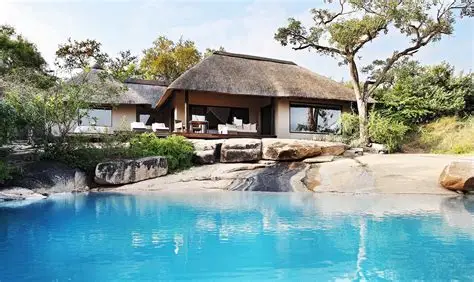
In the heart of nature’s beauty, a growing industry of luxury Wellness Retreats in South Africa invites travellers to slow down. Here, you can disconnect from the chaos of modern life and reconnect with your true self.
More than just a holiday, a wellness retreat is an intentional journey.
It’s a time just for you. Use it to heal from burnout, manage stress, detox, or boost your mental and physical energy.
South Africa’s retreats use the country’s unique natural beauty. They blend ancient healing wisdom with modern therapies, creating truly nourishing experiences.
This guide will help you explore the unique options available.
It has special settings, signature programs, costs, and booking tips for your South Africa trip.
The Diverse Landscape of South African Wellness
South Africa’s geographical and cultural diversity is perfectly mirrored in its wellness offerings.
You won’t find a one-size-fits-all approach. The retreats are diverse and captivating, just like the land.
1. The Cape Winelands: Gastronomic and Spa Luxury
The Western Cape Winelands boasts stunning mountains, green vineyards, and classic Cape Dutch buildings. It provides a unique, upscale wellness experience.
Here, the focus is usually on luxury, healthy gourmet food, and top-notch spa services.
Featured Retreat: Santé Wellness Retreat & Spa (Paarl/Franschhoek)
Sante Wellness Retreat
Vibe: Sophisticated, award-winning luxury with a clinical edge.
Signature Focus: High-tech health optimisation. Santé Wellness Retreat & Spa stands out for its unique fusion of medical and therapeutic techniques. They provide complete health assessments and personalised treatment plans. Specialist doctors and therapists support these services.
Key Offerings:
Health Optimising Clinic: Non-invasive high-tech healing, Bio-Energy therapies.
Packages: Customised programs from 3 to 21 days for stress detox, rejuvenation, and emotional balance.
Cuisine: Exquisite, honestly healthy gourmet meals designed to purify and nourish the body.
2. The Bushveld Safari: Wildness and Healing
Experience a unique African wellness journey with the “Wellness Safari” retreats. These retreats blend deep relaxation with the healing energy of the African wilderness.
Featured Retreat: The Londolozi Healing House (Sabi Sand Private Game Reserve)
Vibe: Pioneering, soulful, and deeply connected to nature.
Signature Focus: Bringing “Wildness back to Wellness.” Londolozi Game Reserve combines the excitement of a Big Five safari with emotional wellness. They focus on holistic healing, creating a unique experience for guests.
Key Offerings:
Wellness Safaris: Game drives combined with intentional resting, curated bodywork, and yoga.
Practitioners: Access to experienced wellness practitioners, therapists, and wilderness guides.
Vibe: Remote, tranquil, and rooted in ancient traditions.
Signature Focus: Natural immersion and ancient African healing.
Key Offerings:
Spa: Enjoy treatments based on ancient African traditions. They use native plant extracts, such as rooibos and baobab oil.
Setting: Secluded Riverside Gazebo for open-air couples’ treatments.
Activities:
Guided nature walks to ancient San rock art sites.
Fitness center
Tranquil lounge areas.
3. Urban Sanctuaries: Accessible and Targeted Healing
Urban retreats in cities like Johannesburg and Cape Town offer a quick escape for relaxation and recovery. They are perfect for those short on time or seeking convenience.
Detoxification, muscle tension release, energy balancing, and deep relaxation.
Nourishment
Vegan/Vegetarian/Gluten-Free cuisine, Juice Cleansing Programmes, Nutritional Consultations, healthy cooking classes.
Digestive health, cellular regeneration, energy boost, and dietary education.
Unique South African Experiences
Crystalline Sound Therapy: This method uses special crystal singing bowls. It may also feature the rare Crystal Quartzaphone, which you can find at some retreats in the Western Cape. It aims for deep, vibrational healing.
Vinotherapy: Spa treatments in the Cape Winelands use the vine’s antioxidants. These often include grape-seed scrubs and wine-inspired baths.
Nature Immersion: Tap into the energy of your surroundings. Enjoy activities like Sanrock art walks in the Cederberg. You can also track wildlife on a peaceful game drive in the bushveld.
Planning Your Retreat: Cost and Practicalities
The investment in a wellness retreat varies significantly based on the length, level of luxury, and inclusions of the package.
Understanding the Cost Spectrum
Prices for wellness retreats are usually in South African Rand (ZAR). They can vary from mid-range weekend getaways to ultra-luxury, multi-week programs.
Weekend Getaways (2-3 Nights)
Group retreats start at about R3,950 for the Solo package and R7,000 for the Couples package. This price covers all meals, yoga, and workshops.
Mid-to-Long-Term Programs (4-7 Nights)
Luxury, all-inclusive packages, such as the 4-night Stress Detox, range from R15,000 to R35,000 per person.
Prices depend on the type of suite. They also offer different specialised treatments, such as psychotherapy and advanced diagnostics.
Ultra-Luxury Safari Wellness
A multi-day healing safari retreat at a private reserve will be more expensive. This cost covers the luxury of the safari, skilled guides, and tailored wellness programs.
What’s Usually Included?
Most all-inclusive retreats cover:
Accommodation: Comfortable, tranquil, and often luxurious lodging.
Meals: Daily gourmet, nutritious meals, catering to dietary needs.
Core Activities:
Daily yoga
Meditation
Nature walks
Access to basic facilities (pools, gym).
Select Treatments: Often one or two signature massages or a facial.
Always check the fine print! Specialised consultations, such as Nutrition and Psychotherapy, and advanced treatments are often additional options or included in premium packages.
Booking Tips for Your South African Escape
Define Your Goal: Are you seeking a digital detox, stress relief, a deeper yoga practice, or clinical health optimisation? Knowing your goal will narrow your search.
Location, Location: Choose the high-end charm of the Winelands, the deep calm of the Cederberg mountains, the ease of an urban retreat, or the wild beauty of a Big Five wilderness.
Check Practitioner Credentials: For clinical or specialised retreats (like detox or burnout), ask about the qualifications of therapists, doctors, and coaches.
Check the “All-Inclusive” List: Ensure you understand which treatments and consultations are included in the price. This helps avoid surprises later.
Book Early: The top-rated retreats, especially those with special seasonal options or small groups, often fill up months in advance.
Why Choose South Africa for Your Wellness Journey?
The choice of South Africa for your journey of restoration is profound.
This country offers a uniquely potent blend of elements that facilitate deep healing:
The Power of Place: The beauty of landscapes—the ocean’s sound, the bushveld’s quiet, and the mountains’ ancient energy—grounds us deeply.
Indigenous Healing Wisdom: South African wellness blends traditional African herbs and healing practices. This approach provides a deep cultural experience.
World-Class Luxury: South African hospitality is renowned globally. Their luxury retreats provide top-notch service, award-winning amenities, and unmatched comfort. They truly rival the best in the world.
Value for Money: South African retreats often provide excellent value. They offer longer, more meaningful experiences than other luxury spots in Europe and North America.
Conclusion: The Call to Return to Self
A wellness retreat in South Africa boosts your most important asset: your well-being. It is a necessary pause button in an age of constant acceleration.
You can find inner peace in different ways.
Enjoy a meditative walk with the Big Five. Savour gourmet, healthy meals while taking in views of the Cape Winelands. Combat burnout with specialised clinical care at a city retreat.
These options all aim to help you reconnect with your body, calm your mind, and revive your spirit.
The stunning scenery of South Africa enhances this experience. It offers a beautiful backdrop for self-discovery and lasting change.
The time to prioritise your health and happiness is now.
Book your escape. Answer the call of the wild and wine country. Step onto the path to lasting wellness.
By Zama Zincume · 6 October 2025 Bright, refreshing, and cruelty-free recipes to make your festive season truly shine. Table of Contents Introduction: Summer, Sunshine, and a Fresh Take on Festive Food Here’s my take on vegan festive recipes for the South African summer. The …