Here’s your guide to an evidence-based plant-based diet for chronic disease prevention in South Africa. When you walk through a local market in South Africa — the scent of fresh morogo, ripe mangoes, and hearty samp and beans — you’re walking through a pharmacy nature built …
Introduction Are you aware of the science behind plant-based anti-inflammatory diets? Did you know that chronic inflammation contributes to more than 60 per cent of all deaths worldwide? When I first saw that stat in a nutrition journal, I paused mid-bite. I wondered if the …
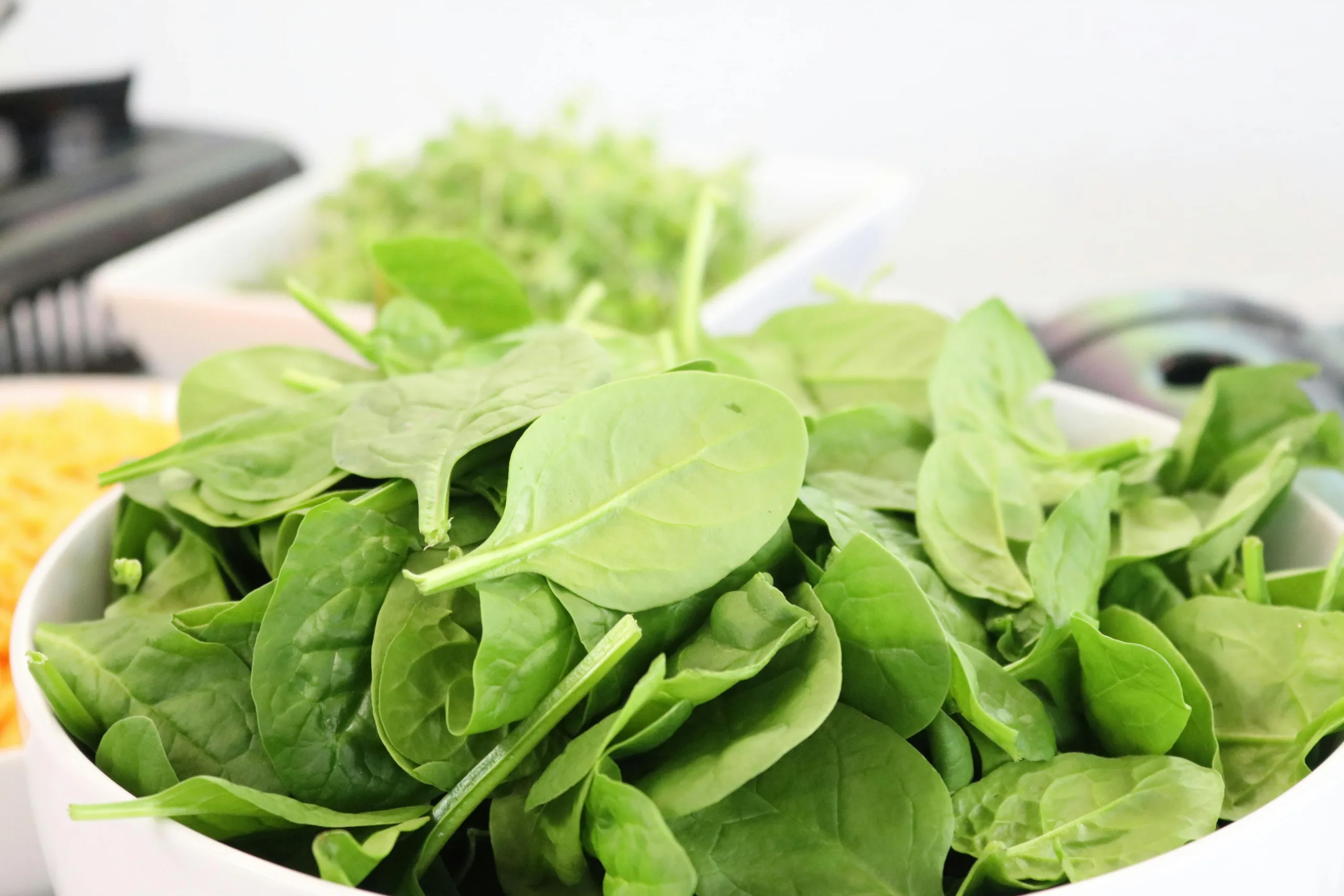
As you stand in your kitchen, the inviting sizzle of fresh spinach leaves meeting a hot pan fills the air, releasing a fragrant, earthy aroma. If you’re like me, you’ve been there, wondering, “How do I cook this without making it mushy or losing nutrients?”
Before we begin, let’s discuss why spinach’s nutrients matter.
Spinach is rich in vitamins A, C, E, and K, as well as magnesium, iron, fibre, and antioxidants. Each nutrient plays a crucial role in health: vitamin A for maintaining eyesight, vitamin C for boosting the immune system, vitamin E for skin health, and vitamin K for bone strength.
Magnesium helps muscle function, iron supports energy levels, and antioxidants fight against cell damage, all of which support overall well-being.
However, these nutrients can be reduced by heat, water, and light.
Improperly cooking spinach can decrease its vitamin and antioxidant levels.
Let’s focus on the best cooking methods and the science behind keeping spinach’s nutrients intact.
Steaming: The Gentle Touch
To preserve nutrients, steaming is the ideal method. Steaming uses just enough heat and avoids excess water. Many spinach vitamins are water-soluble, so avoid cooking in lots of water to minimise nutrient loss.
How to Steam Spinach
Rinse your spinach leaves thoroughly.
Bring about an inch of water to a boil in a pot.
Place a steamer basket over the pot and add the spinach.
Cover and steam for just 1–2 minutes, until wilted but still bright green. The leaves should appear emerald and slightly glossy as a visual cue that they’re perfectly cooked.
Quick tip: Don’t overdo it! The shorter the steam time, the better. Over-steaming can lead to nutrient loss and limp leaves.
Why Steaming Works
Steaming keeps spinach away from excess water, and short cook times protect vitamins and antioxidants. No oil is needed, so it’s a healthy option.it’s
Sautéing: Flavourful and Fast
Sauté spinach in a tablespoon of olive oil until it just wilts. Use a small amount of healthy oil, such as olive oil, to cook the spinach briefly without sacrificing nutrients.
How to Sauté Spinach
Heat a tablespoon of olive oil in a pan over medium heat.
Add minced garlic or onions for an extra flavour boost.
Toss in your washed spinach leaves.
Stir frequently for 2–3 minutes, just until the leaves are wilted and vibrant.
A helpful tip: Add a squeeze of lemon juice at the end for an extra burst of flavour. The vitamin C in lemons may help your body absorb more iron from spinach.
Why Sautéing Works
Sautéing uses moderate heat for a short time, allowing vitamins and minerals to remain intact. Adding a bit of healthy fat helps your body absorb vitamins A and K more effectively.
Microwaving: Quick and Surprisingly Nutritious
Microwaving is one of the best ways to keep spinach’s nutrients. It’s fast, limiting the time heat-sensitive vitamins are exposed.
How to Microwave Spinach
Place rinsed spinach in a microwave-safe bowl.
Add a splash of water—just a tablespoon or two.
Cover with a microwave-safe lid or plate.
Microwave on high for about 1 minute, stopping to check and stir as needed.
Why Microwaving Works
Short cooking and minimal water retention help preserve nutrients. It’s also quick and convenient for busy days.
Blanching: For Salads and Meal Prep
Blanching refers to briefly cooking spinach in boiling water and then quickly cooling it in ice water. This keeps spinach bright and crisp for salads or meal prep.
How to Blanch Spinach
Bring a pot of water to a boil.
Add the spinach and cook for just 30 seconds.
Immediately transfer the spinach to a bowl of ice water to stop the cooking.
Drain and gently squeeze out excess water.
Why Blanching Works
A quick boil softens spinach slightly without overcooking, and the ice bath preserves colour and nutrients. Great for cold salads or smoothies.
Raw: Nature’s Simplicity
You don’t have to cook spinach!
Eating it raw in salads, smoothies, or as a topping preserves all its nutrients.
Tasty Ways to Enjoy Raw Spinach:
Toss it with strawberries, goat cheese, and walnuts for a refreshing salad.
Blend it into smoothies for a boost of vitamins and minerals.
Use it as a sandwich or wrap filling for extra crunch and nutrition.
Raw spinach contains oxalates, which may limit calcium absorption for some individuals. If you eat lots of raw spinach, balance your diet with other greens.
For example, consider mixing spinach with other leafy greens, such as arugula or kale, for a delightful and varied salad experience.
This not only adds flavour variety but also alleviates concerns about oxalates while creating a more colourful dish.
More Tips for Maximising Spinach Nutrition
Now, here are a few tips to help you get the most out of your spinach.
Don’t Overcook It
Regardless of how you cook spinach, avoid overcooking it. More heat means more nutrient loss. Cook only until leaves turn bright green and wilted.
Use Minimal Water
Water-soluble vitamins can leach into cooking water—so avoid boiling spinach for too long or using excessive water. If you have leftover water, use it in soups or sauces to add flavour.
Pair Spinach With Vitamin C
Spinach has non-heme iron, which isn’t easily absorbed. Vitamin C boosts absorption—add lemon, strawberries, or bell peppers to your spinach.
Don’t Forget to Wash It
Spinach grows close to the ground and can carry dirt. Wash leaves thoroughly before use, but avoid soaking for too long to preserve their nutrients.
Store Spinach Properly
Fresh spinach is best soon after purchase. Store in a dry, airtight container in the fridge and use within a few days. For pre-washed spinach, check the date and use it before it wilts.
Organic vs. Conventional: Does It Matter?
People wonder if organic spinach is more nutritious. Nutrition levels are similar, but organic has fewer pesticides. Wash spinach well, whichever type you buy.
Common Cooking Mistakes (And How to Avoid Them)
Here are common spinach cooking mistakes and how to avoid them.
Boiling for Too Long Boiling spinach for too long can cause it to lose nutrients quickly. If you must cook it, keep it to 30–60 seconds.
Using Too Much Water Vitamins like C and B dissolve in water. Use as little water as possible, and save leftover water for soups or sauces.
Overcrowding the Pan When sautéing or steaming, avoid piling in too much spinach. Cook in batches for even cooking and less sogginess.
Spinach can be bland. Adding herbs, spices, citrus, or cheese not only enhances flavour but also aids nutrient absorption. Take dill, for instance. It is not just a flavour enhancer but also a good source of vitamin C, which can help boost your immune system while you enjoy your meal. By spotlighting a specific herb like dill, seasoning becomes more than just a garnish—it turns into a health strategy.
Delicious Recipes to Try
To make things even easier, here are a few recipe ideas grouped by technique that put these nutrient-saving methods into action. Each one is simple, quick, and packed with flavour.
Sauté Method: Easy Sautéed Spinach With Garlic
Ingredients
500 g fresh spinach
2 tablespoons olive oil
2 garlic cloves, minced
Salt and pepper to taste
Instructions:
Heat olive oil in a large pan over medium heat.
Add garlic and cook about 30 seconds until fragrant. Add spinach; toss until wilted, about 2 minutes.
Season with salt and pepper.
Serve immediately.
Steam Method: Steamed Spinach With Lemon
Ingredients:
1 bunch fresh spinach, juice of half a lemon
Salt and pepper. Instructions:
Steam spinach as described above. Drizzle with lemon juice. Season to taste.
Microwave Method: Microwaved Spinach With Red Pepper Flakes
Ingredients:
4 cups fresh spinach, tablespoon water
Pinch of red pepper flakes. Instructions:
Microwave spinach with water as described earlier. Add red pepper flakes. Serve immediately.
Blanching Method: Blanched Spinach Salad
Ingredients:
1 bunch fresh spinach
One tablespoon of sesame oil
1 teaspoon soy sauce
One teaspoon toasted sesame seeds
Instructions:
Blanch spinach as described above. Toss with sesame oil, soy sauce, and sesame seeds. Ingredients:
Final Thoughts: Making Spinach Work for You
Spinach doesn’t have to be intimidating in the kitchen.
Quick cooking, minimal water, and pairing with nutritious ingredients keep your dishes delicious and packed with nutrients.
Remember: Think quick, use little water, taste big.
This is your 2024/2025 comprehensive guide to a plant-based lifestyle in South Africa. Welcome to the future of food in South Africa! If you’re reading this, you might be a seasoned vegan from South Africa, a curious flexitarian, or just starting your plant-based journey. Since …
This guide will show you how to create an asthma-friendly cleaning routine, so your home supports easier breathing every day. If you’re here, you or someone in your home likely has asthma. As someone who manages asthma, I understand the importance of a supportive home …
Introduction: The Plant-Based Solution for Atherosclerosis Reversal
Is there a plant-based solution for atherosclerosis reversal?
I was amazed to learn that atherosclerosis exists.
This “silent killer” impacts over 200 million people worldwide.
I was astonished to discover that ageing doesn’t have to cause clogged arteries.
You can reverse atherosclerosis naturally with a plant-based diet. I have strong evidence to support this. It’s not just possible; it’s backed by science.
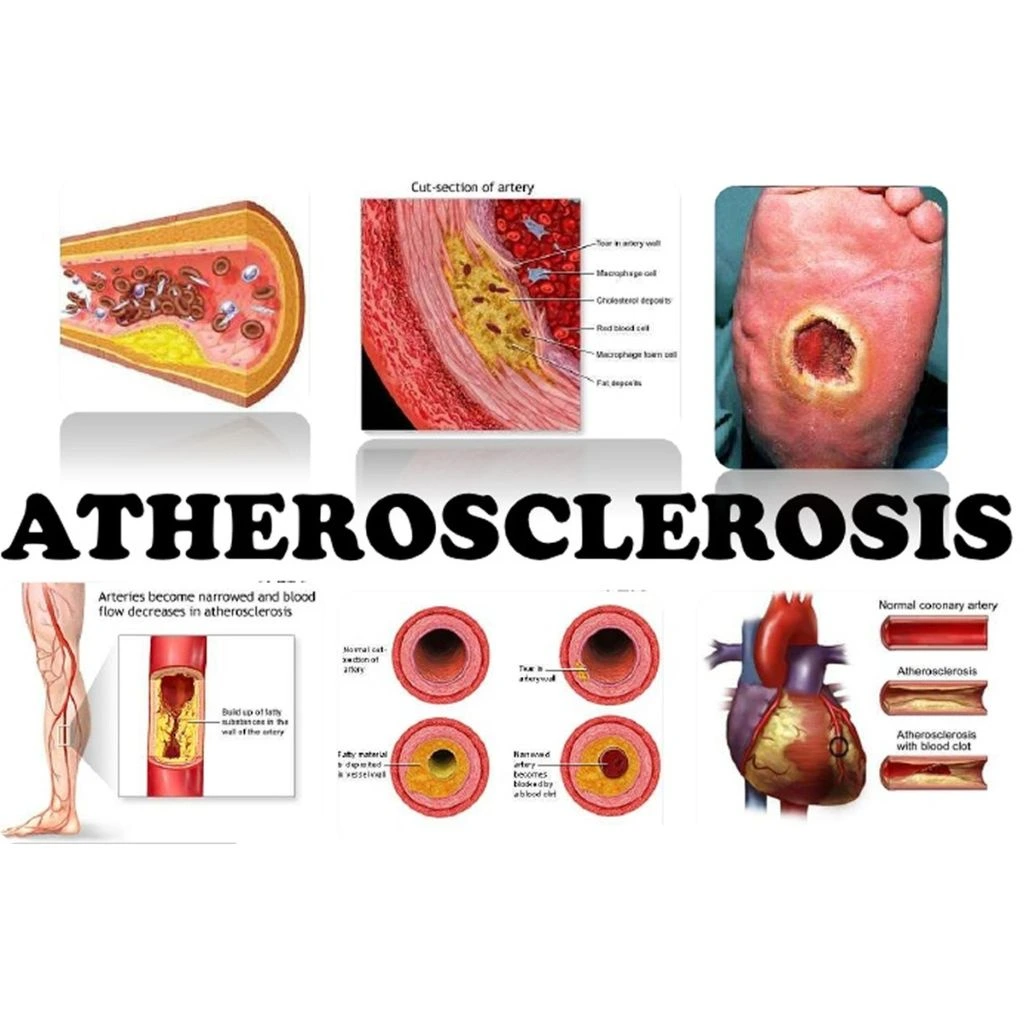
Atherosclerosis happens when plaque builds up in our arteries. This slows down blood flow, which can cause strokes or heart attacks.
Surprisingly, traditional treatments often focus on managing symptoms rather than addressing root causes.
That’s where the plant-based solution for atherosclerosis reversal becomes revolutionary.
What excites me most is learning how certain plant foods can heal our hearts from within.
Whole food plant-based diets work in several ways. They boost nitric oxide production, which improves blood flow. They also lower inflammation in the body and help balance cholesterol levels naturally.
Embracing a plant-based diet can be a natural approach to managing atherosclerosis. This offers hope for many people wanting to improve their heart health.
This method addresses the root of the problem rather than merely masking the symptoms. It promotes lasting healing for the heart and blood vessels.
Understanding Atherosclerosis: The Foundation for Natural Reversal
Before we dive into reversing atherosclerosis, let’s first understand the challenge.
Atherosclerosis is like rust in our arteries. Instead of metal, it’s our blood vessels getting blocked by fatty deposits, known as plaque.
What I find fascinating is how this process begins with damage to our arterial walls.
Oxidative stress can cause the endothelium, which is the inner layer of our arteries, to become inflamed. This inflammation then attracts cholesterol particles like a magnet.
These particles then dig into the arterial wall. This starts an inflammatory process that leads to more plaque buildup over time.
Unfortunately, traditional treatments often focus on managing symptoms through medications or surgical interventions.
What excites me most is that atherosclerosis pathophysiology responds well to nutrition.
Plant-based atherosclerosis treatment does more than slow disease progression. It can reverse the inflammatory processes at their source, unlike traditional methods.
Understanding this foundation shows us that natural reversal is not just a dream; it actually makes biological sense.
The Science Behind Plant-Based Atherosclerosis Reversal
Now that we know what atherosclerosis is, I’m excited to share amazing science.
What amazes me most is the remarkable growth of clinical evidence over the past few decades.
Landmark Research and Clinical Evidence
The results of Dr. Caldwell Esselstyn’s groundbreaking 12-year study amazed me. His patients on a strict whole-food, plant-based plan had an impressive 89% adherence rate. Plus, there were zero cardiac events among those who complied.
Additionally, individuals who had experienced multiple heart attacks demonstrated a reduction in atherosclerotic plaque. Advanced imaging confirmed this.
The PREDIMED study showed that a Mediterranean diet rich in nuts can reduce cardiovascular events by 30%.
Recent clinical trials show clear improvements in arterial function. These changes occur within just 8 weeks of starting plant-based cardiovascular interventions.
It’s exciting that participants showed real disease regression, not just stabilisation.
Mechanisms of Plant-Based Atherosclerosis Reversal
The science behind these remarkable outcomes fascinated me even more.
Plant-based foods boost nitric oxide production. This acts like nature’s blood thinner. It improves endothelial function and helps heal arteries.
Moreover, plant foods have lots of polyphenols. These polyphenols greatly lower systemic inflammation, which helps fight atherosclerosis.
What’s equally impressive is how natural cholesterol optimisation occurs through plant-based eating.
Plants optimise our lipid profiles naturally. They also improve HDL function, unlike medications that suppress cholesterol production artificially.
These dietary changes improve our gut microbiome. They also lower TMAO production, which speeds up atherosclerosis.
Research shows that reversing atherosclerosis naturally works through several supportive pathways.
Key Plant Foods for Natural Atherosclerosis Reversal
I’m excited to share the best plant foods for reversing atherosclerosis. I’ve carefully reviewed the research, and these foods show the most promise.
What excites me most is how easy and tasty these healing foods are!
Whole Grains and Fibre-Rich Foods
Whole grains are powerful for treating atherosclerosis.
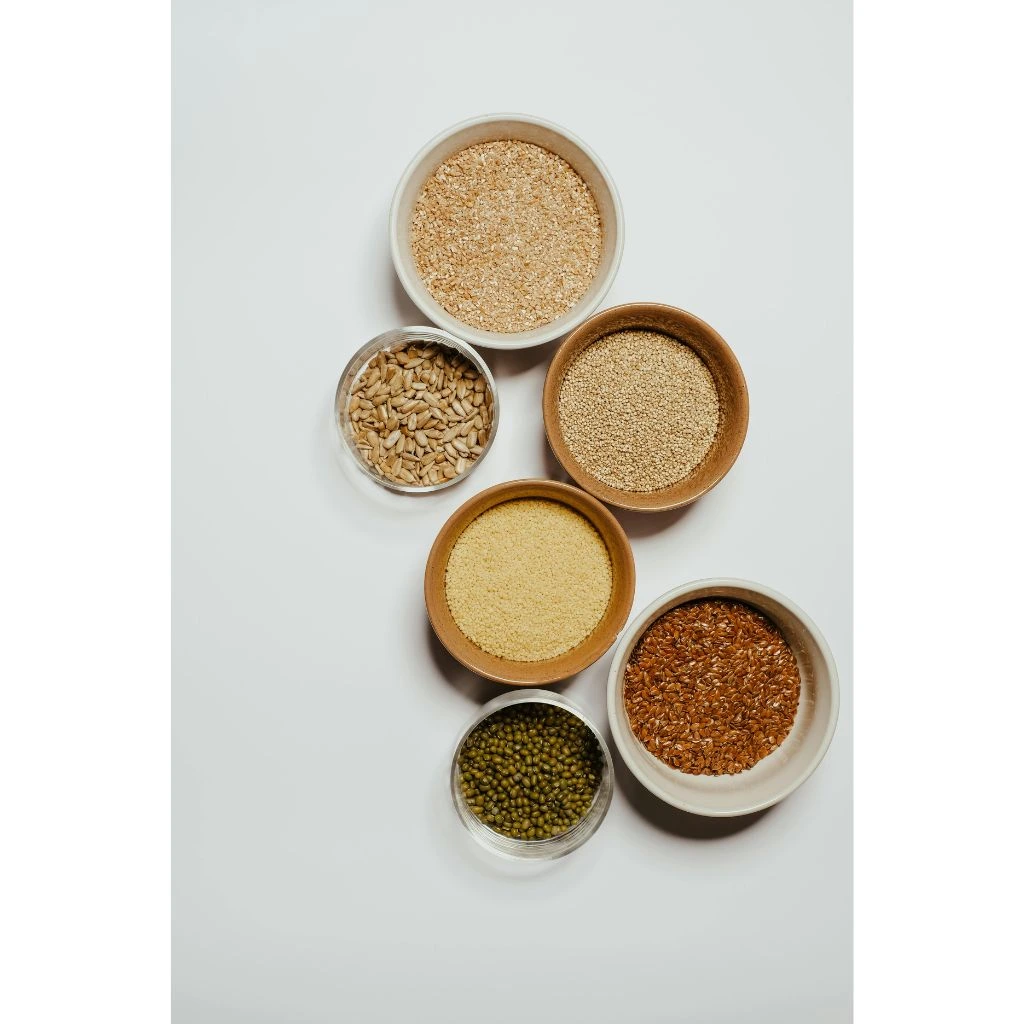
The soluble fibre in oats, quinoa, and brown rice works like tiny sponges, absorbing water and nutrients. It grabs cholesterol in our digestive system and helps remove it from our bodies.
Studies show that eating just 3 grams of soluble fibre each day can lower LDL cholesterol by as much as 10%.
I recommend starting each day with steel-cut oats and berries. They offer great benefits for heart health.
Antioxidant-Rich Fruits and Vegetables
What amazes me about polyphenol-rich foods for arterial protection is their incredible variety.
Citrus fruits offer flavonoids. These help strengthen blood vessel walls and enhance endothelial function.
I’ve also learned that tomatoes have lycopene. This antioxidant helps reduce inflammation in the arteries.
Spinach and kale are two examples of dark leafy greens that are high in nitrates. Our bodies turn these nitrates into nitric oxide. This process helps dilate our arteries and improve blood flow.
Consequently, I include a big salad with mixed greens in my daily routine. This helps me get the best plant-based benefits for my heart.
Nuts, Seeds, and Healthy Plant Fats
Research shows that people who eat nuts often have lower heart disease rates.
Omega-3 fatty acids, which help lower inflammation, are found in walnuts. Almonds, on the other hand, help lower cholesterol levels.
Similarly, flaxseeds and chia seeds offer plant-based omega-3s that support endothelial function improvement.
Legumes and Plant Proteins
Beans and lentils are great for naturally reversing atherosclerosis. They offer many health benefits that you shouldn’t overlook.
They offer high-quality protein without saturated fat. Also, they have compounds that help improve lipid profiles.
Best of all, they’re super versatile. They’re great for soups, salads, or hearty main dishes that fit your plant-based diet.
Implementing a Plant-Based Atherosclerosis Reversal Protocol
Now the fun starts—let’s put this plant-based plan to reverse atherosclerosis into action!
I’ll be honest: when I first considered this lifestyle change, it felt overwhelming.
I’ve learned that success comes from taking smart, steady steps. It’s better than trying to make significant changes all at once.
Dietary Transition Strategies
I found that gradual transitions are better for sticking to a diet than sudden changes.
I suggest starting with “Meatless Mondays.” Then, add more plant-based days each week.
To successfully treat natural atherosclerosis, you must remove pro-atherogenic foods. This includes animal products, processed foods, and added oils.
What surprised me most was learning about oil-free cooking methods.
I now sauté vegetables in vegetable broth or water instead of olive oil. This method enhances flavours and offers significant heart health benefits.
Meal planning is crucial for obtaining the proper nutrients during your transition to a plant-based diet.
So, I make big batches of whole grains, legumes, and chopped veggies every Sunday. This way, putting together meals during the week is easy. Additionally, it provides me with regular plant-based nutrition to support my heart health.
Nutritional Considerations and Supplementation
However, implementing a whole food plant-based atherosclerosis protocol requires attention to specific nutrients.
Vitamin B12 is essential because you can’t get enough of it from plant foods.
I also suggest checking vitamin D levels. You might consider omega-3 supplements from algae sources, too.
It’s reassuring to work with healthcare providers who are knowledgeable about plant-based nutrition. They help ensure the best results during your transition.
Regular blood tests track changes in cholesterol, inflammation, and other heart risk factors.
Successful plant-based atherosclerosis reversal relies on preparation, patience, and expert guidance.
Once you have everything set, you’ll be amazed at how fast your body responds to this healing method!
Nutrition is key to reversing atherosclerosis. Incorporating lifestyle changes can further enhance the healing process.
I’m really excited about how these combined methods work to transform cardiovascular health.
Exercise Integration with Plant-Based Nutrition
I was surprised to learn that exercise boosts the benefits of plant-based treatments for atherosclerosis.
Regular physical activity boosts nitric oxide production. This is the same helpful compound found in plant foods.
Engaging in moderate exercise, such as brisk walking for 30 minutes per day, can improve endothelial function.
It also helps arteries heal faster, especially when paired with plant-based heart-healthy foods.
Stress Management for Heart Health
Furthermore, chronic stress significantly undermines our body’s ability to heal from atherosclerosis.
Therefore, I’ve incorporated daily meditation, deep breathing exercises, and yoga into my routine.
Stress reduction techniques are well-suited to a plant-based lifestyle approach in medicine. Together, they create an excellent setting for artery repair and healing.
Sleep Optimisation and Toxin Avoidance
Also, getting enough sleep is essential for naturally healing atherosclerosis.
During deep sleep, our bodies perform essential cardiovascular repair processes. I want to get 7 to 9 hours of sound sleep every night. This helps my healing journey.
Removing smoking and reducing exposure to environmental toxins helps the heart heal.
Lifestyle changes and plant-based diets can enhance artery health and promote long-term heart health.
Monitoring Progress and Measuring Success
One exciting part of reversing atherosclerosis with a plant-based diet is the fast improvements we can see!
Tracking your progress shows clear proof that your efforts are paying off. This differs from other health methods, where benefits can be hidden.
Key Biomarkers for Atherosclerosis Reversal
Initially, I recommend establishing baseline measurements through comprehensive blood work.
Monitoring your cholesterol panel is key.
Many people see a significant drop in LDL cholesterol within 4 to 6 weeks after starting natural atherosclerosis treatment.
Tracking inflammatory markers such as C-reactive protein (CRP) and IL-6 helps you understand your body’s healing process.
I’ve learned that advanced imaging can show how atherosclerotic plaque shrinks over time.
Technologies such as coronary calcium scoring and carotid ultrasounds really improve artery health. This is very encouraging.
Tracking Your Success
What excites me most is how holistic the improvements become.
I see more energy, better sleep, and improved exercise tolerance, not just in lab results.
Additionally, blood pressure often normalises naturally as part of comprehensive plant-based cardiovascular healing.
Regular monitoring demonstrates the effectiveness of natural methods in reversing atherosclerosis.
It also keeps you motivated to stick with these important diet and lifestyle changes.
Potential Challenges and Solutions in Plant-Based Atherosclerosis Reversal
I’ll be sincere—embarking on plant-based atherosclerosis reversal isn’t always smooth sailing.
Expecting common obstacles and having practical solutions ready helps achieve long-term success.
Common Dietary Transition Obstacles
Initially, the biggest challenge I faced was social situations and family gatherings.
I learned to make tasty plant-based dishes. They often turn sceptics into fans.
Meal planning is key in the first few months. You’re learning new cooking techniques and flavour combos.
Furthermore, many people worry about getting adequate nutrition from natural atherosclerosis treatment approaches.
I often recommend working with a licensed dietitian who has extensive knowledge of plant-based nutrition. They can help scientifically address these concerns.
Long-Term Adherence Strategies
I’ve also noticed that adding tasty plant foods makes the transition more enjoyable than just cutting out favourites.
Joining online communities and local groups about plant-based heart health is really helpful. Their support and recipe sharing are invaluable.
Ultimately, remember that reversing atherosclerosis naturally is a journey, not a destination.
Being patient with yourself helps. Celebrating small victories builds lasting momentum for heart health.
FAQ Section: Plant-Based Atherosclerosis Reversal
During my journey of exploring plant-based atherosclerosis reversal, I’ve faced numerous questions. People are curious about this natural approach.
I want to talk about the most common concerns I hear. This is backed by solid scientific evidence.
How quickly can plant-based diets reverse atherosclerosis naturally?
What amazes me is how rapidly improvements begin!
Studies in the clinic reveal that a natural treatment for atherosclerosis can make your heart healthier in just 8 weeks.
Researchers have demonstrated a significant reduction in plaque within 12 months of following a strict plant-based diet.
However, individual results vary based on disease severity and compliance levels.
Can plant-based atherosclerosis reversal work without medications?
Studies indicate that plant-based diets help reduce cholesterol levels. They may work as well as statin medications for heart disease. I stress the need for medical supervision when changing medications. This is key to your journey of naturally reversing atherosclerosis.
What plant foods are most effective for reversing atherosclerosis naturally?
Whole grains, leafy greens, berries, nuts, and legumes have strong evidence for heart health, based on extensive research. Furthermore, avoiding all animal products and oils maximises your reversal potential.
Are there risks in using plant-based approaches for atherosclerosis reversal?
Fortunately, a plant-based diet for heart health is generally safe when appropriately planned. However, B12 supplementation becomes essential, and I recommend medical monitoring during your transition.
How does plant-based atherosclerosis reversal compare to traditional treatments?
What excites me most is that studies show plant-based heart treatments might be more effective. Participants had 0.6% cardiac event rates, while traditional methods had higher rates.
Conclusion: The Future of Natural Atherosclerosis Reversal
Reflecting on what we’ve learned, I’m hopeful about the future of reversing natural atherosclerosis.
What excites me is how plant-based methods for heart disease shift our focus on treatment and care. Instead of just managing symptoms, they help heal our cardiovascular system from within.
New research supports what early doctors found: you can naturally reverse atherosclerosis, and it works.
So, I encourage you to take that first step toward change. Add more plant foods to your meals. You can also adopt an entirely plant-based diet to help reverse atherosclerosis.
Your heart can heal well with the proper nutrition.
The future belongs to those who dare to choose natural heart healing over traditional limits.
Your journey toward vibrant heart health starts today!
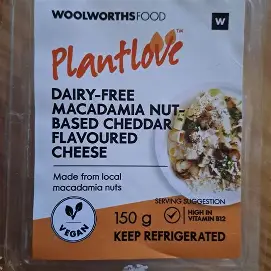
Is Woolworths’ dairy-free cheese worth the hype in 2026? We explore the complete Plant Powered™ and PlantLove™ dairy-free cheese range. This includes cheddar blocks, salad cheese, cream cheese, ingredients, and, of course, how well they melt. Introduction: The Dairy-Free Cheese Revolution at Woolworths Have you …
Welcome to your go-to Checkers Plant-Based Guide — a practical, friendly walkthrough for navigating the plant-based shelves at Checkers and Sixty60 so you can eat well, affordably and consciously. Whether you’re fully vegan, flexitarian, or simply curious about plant-forward eating, this guide has you covered. …
I mean a diet rich in minimally processed fruits, veggies, whole grains, legumes, nuts, and seeds. These foods are great for your brain and your body.
I’m excited to explore this topic. Knowing this link is crucial for feeling your best, both physically and mentally.
In this article, I’ll show you how this way of eating can boost your mind and make you happier.
Understanding the “Western Diet” and Its Detrimental Impact on Mental Health
If I’ve learned one thing about modern life, it’s that we’re a society on the go.
This has led to a heavy reliance on what I like to call the “Western diet.”
The Problem with Processed Foods and Mental Health
We pack our pantries with processed foods, refined sugars, and quick meals. Fresh produce often gets ignored.
I’ve realised that this way of eating greatly adds to our mental health crisis.
Neurotoxic Effects of Sugar
First, these highly processed foods are a recipe for disaster. They can cause blood sugar spikes and crashes. For me, this feels like a roller coaster of irritability and anxiety.
Processed Foods and Inflammation
This diet causes systemic inflammation.
Chronic inflammation in the body links directly to neuroinflammation in the brain. This connection is essential for understanding depression and other mood disorders.
The Gut-Brain Axis Disruption
On top of that, I see a significant problem with the way this diet disrupts the gut-brain axis. Our gut microbiome is an ecosystem with trillions of bacteria.
It helps make neurotransmitters that control our mood, such as serotonin.
A diet low in fibre and varied plant foods starves good bacteria. This causes gut imbalance, which I believe contributes to mental distress.
By choosing convenience over nourishment, we miss essential nutrients. This choice also harms our mental health.
The Foundational Science: How a Whole Food Plant-Based Diet Fights Mental Illness
For me, this is the most exciting part of the puzzle.
Once I understood the “why,” the “how” became clear.
The Whole Food Plant-Based Diet and Neuroinflammation
A whole food plant-based diet isn’t just about what you cut out. It’s also about what you add in. The strong science behind these additions is what really matters.
First, let’s talk about inflammation.
Chronic inflammation is like a silent fire in the body. It plays a significant role in conditions such as depression and anxiety.
It’s like a mild immune reaction. When it gets to the brain, it leads to neuroinflammation. The good news is that a WFPB diet is an anti-inflammatory powerhouse.
Antioxidants and phytochemicals in fruits, veggies, and whole grains act like firefighters. They help put out inflammation.
Compounds like quercetin in apples and berries, and curcumin from turmeric, are very effective.
This is compelling because it targets mental health at the cellular level.
The Gut-Brain Connection: A Two-Way Street to Mental Health
Next, let’s explore the incredible gut-brain connection.
I used to think of my gut as just my stomach. Now, I see it as my “second brain.”
They communicate all the time through the vagus nerve. The trillions of microbes living in our gut—our microbiome—play a crucial role in our mood.
When I give them different plant fibres, they do well. They also make helpful compounds like short-chain fatty acids (SCFAs). SCFAs nourish the gut lining. They also reduce inflammation and support the blood-brain barrier.
Eating a variety of plant foods makes my microbiome more diverse. This, in turn, helps produce critical mood-regulating neurotransmitters like serotonin.
It’s a beautiful, symbiotic relationship.
Essential Nutrients for Optimal Brain Function and Mental Health
A whole food plant-based diet packs vital nutrients. These nutrients are crucial for brain function.
For instance, B vitamins and folate are indispensable for synthesising neurotransmitters. I make sure to eat plenty of leafy greens, legumes, and fortified grains to get my fill.
Magnesium, called the “calming mineral,” helps reduce anxiety and improve sleep quality. I’ve found excellent sources in nuts, seeds, and even dark chocolate.
I’ve also come to value plant-based omega-3 sources. These include walnuts, flaxseeds, and chia seeds.
Our bodies can convert ALA into essential EPA and DHA. These are crucial for building and repairing brain cells.
Finally, I found that tryptophan, which helps make serotonin, is rich in many plants. You can find it in foods like soybeans and oats.
When I make sure to get these key nutrients, I know I’m fueling my brain well. The results have been excellent.
Whole Food Plant-Based Diet and Specific Mental Health Conditions
I find science compelling.
However, I’m really curious about how a whole food plant-based diet impacts common mental health issues.
I’ve seen in my life and research how this way of eating can be a strong tool. It’s not a cure-all, but it’s a big help.
The Whole Food Plant-Based Diet and Depression
When I began exploring the link between diet and depression, the evidence amazed me.
Research shows that eating plenty of vegetables and cutting back on processed foods can reduce the risk of depression.
One study really inspired me. Eating more fruits and vegetables might boost your mood. The benefit could be as significant as landing a job after someone has experienced unemployment.
This shows the profound and immediate impact our food choices can have.
The Whole Food Plant-Based Diet and Anxiety
A whole food plant-based diet can also help with anxiety. It often brings a sense of calm and stability.
I cut out refined sugars and processed carbs. Now, my blood sugar levels stay stable all day.
This helps reduce sharp spikes and crashes. These fluctuations can cause nervousness, irritability, and anxiety.
It’s like turning off a chaotic internal switch. Whole foods give a steady supply of nutrients. This includes magnesium and B vitamins, which are vital for a healthy nervous system.
Cognitive Function and Brain Health
I’ve seen a significant boost in my mood. Additionally, my cognitive function and brain health have shown considerable improvement.
A WFPB diet has anti-inflammatory and antioxidant properties. These properties help protect brain cells from damage.
This is crucial for long-term health. I feel more focused, my memory seems sharper, and I’m less susceptible to that “brain fog” feeling.
It’s not just about feeling good now; it’s about creating a strong base for a healthy, lively mind for the future.
I’ve come to see this diet as a form of preventative care for my mind, and that’s a truly empowering feeling.
Practical Strategies for a Whole Food Plant-Based Diet for Mental Health
Now that we’ve covered the science, I want to talk about the practical side of things.
Knowing why a whole food plant-based diet works is one thing. Figuring out how to make it a lasting part of your life is another.
Transitioning to a WFPB Diet
Start small and focus on adding rather than subtracting.
I found that the easiest way to begin was with a simple step, like “Meatless Mondays.”
This let me try new recipes. I discovered how tasty plant-based meals can be. I didn’t feel overwhelmed. From there, I gradually started adding more plant-based meals to my weekly routine.
The goal is to build a new habit. For me, it meant embracing abundance. I focused on adding vibrant fruits, vegetables, and legumes to my plate.
Mindful Eating and Mental Well-Being
Another aspect that I find incredibly important is mindful eating.
When I take the time to prepare my meals, I feel a deeper connection to the food I’m eating. It’s an act of self-care. I focus on the colours, smells, and textures of my whole food plant-based meals.
This simple practice helps me slow down. It allows me to appreciate the nourishment I provide for my body and mind. This is key to my mental health journey.
Sample Meal Ideas
To help you get started, here are a few of my go-to meal ideas:
Breakfast: A simple bowl of oatmeal topped with fresh berries, walnuts, and a sprinkle of chia seeds. It’s a great way to start the day with stable energy.
Lunch: A large, colourful salad loaded with roasted chickpeas, quinoa, and a simple lemon-tahini dressing.
Dinner: A hearty lentil soup or a vegetable-packed stir-fry with brown rice. These are comforting, easy to make, and perfect for getting a wide variety of nutrients.
Taking small, steady steps makes it enjoyable to transition to a whole-food, plant-based diet.
This process truly supports both physical and mental well-being.
Frequently Asked Questions (FAQ)
As I’ve shared my journey, a few questions have consistently arisen. I wanted to address them because they’re valid concerns that I’ve had myself.
Can a plant-based diet cause mental health problems?
This is a great question. A whole food plant-based diet is very beneficial. An “unhealthy” plant-based diet can be harmful. This includes processed vegan junk food, sugar, and refined carbs. I always emphasise the whole food part for a reason—it’s about nourishment, not just a label. It’s essential to obtain key nutrients like B12, iron, and omega-3 fatty acids. I suggest supplementing as needed or consulting a professional.
What vitamins are essential for mental health on a plant-based diet?
B12 is non-negotiable, as it’s crucial for nerve function. I focus on sources of iron, zinc, and vitamin D. For brain health, I add plant-based omega-3s daily, like flax and chia seeds.
How long does it take for a WFPB diet to improve mental health?
Each journey is unique. Still, many notice benefits like less brain fog and steadier energy in just a few weeks.
The best improvements to your mental health take time. They build up as your body and brain get better nourished.
Conclusion: A Powerful Prescription for Mental Well-Being
Reflecting on my journey, changing my diet was a crucial decision for my mental well-being.
A whole food plant-based diet is more than just food; it’s key to mental health.
It works in many ways.
a whole food plant-based diet fights inflammation. It helps the gut-brain connection. Plus, it gives my brain essential nutrients.
I know diet isn’t a magic fix, but it’s a key part of our wellness toolkit. It’s an empowering way to take control of your well-being, one meal at a time.
Therefore, please take that first step.
Start with one plant-based meal a week, or dive in fully. Either way, you’re gifting your body and mind.
You deserve to feel vibrant and healthy. Plants hold the key to that potential.
In this guide, you’ll discover the science behind plant-based diets, lowering hypertension in the South African context. Nearly one in three South African adults lives with high blood pressure. It’s a slow, silent condition that raises the risk of heart attack, stroke, and kidney disease—yet …