Did you know about the health benefits of eating FuturLife smart food? You’re at the right place. Particularly when you’re pressed for time, Futurelife Smart Food is a fantastic option for a quick and healthful supper or snack. Below, we’ll take a thorough look at …
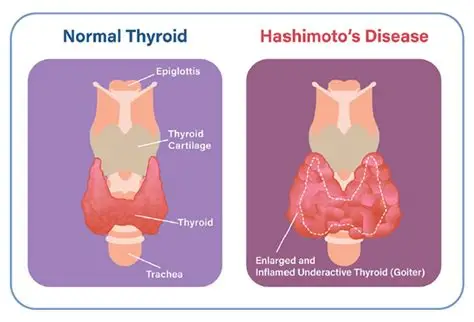
Introduction Eating plant-based foods with Hashimoto’s has its pos and cons. Here are the five foods to limit. Here are facts for consideration. There are many good reasons why people choose to go on a plant-based diet. It’s a lifestyle loved for its incredible health …
Here’s your comprehensive guide to the best vegan recipes in South Africa.
But wait
Quick Answer
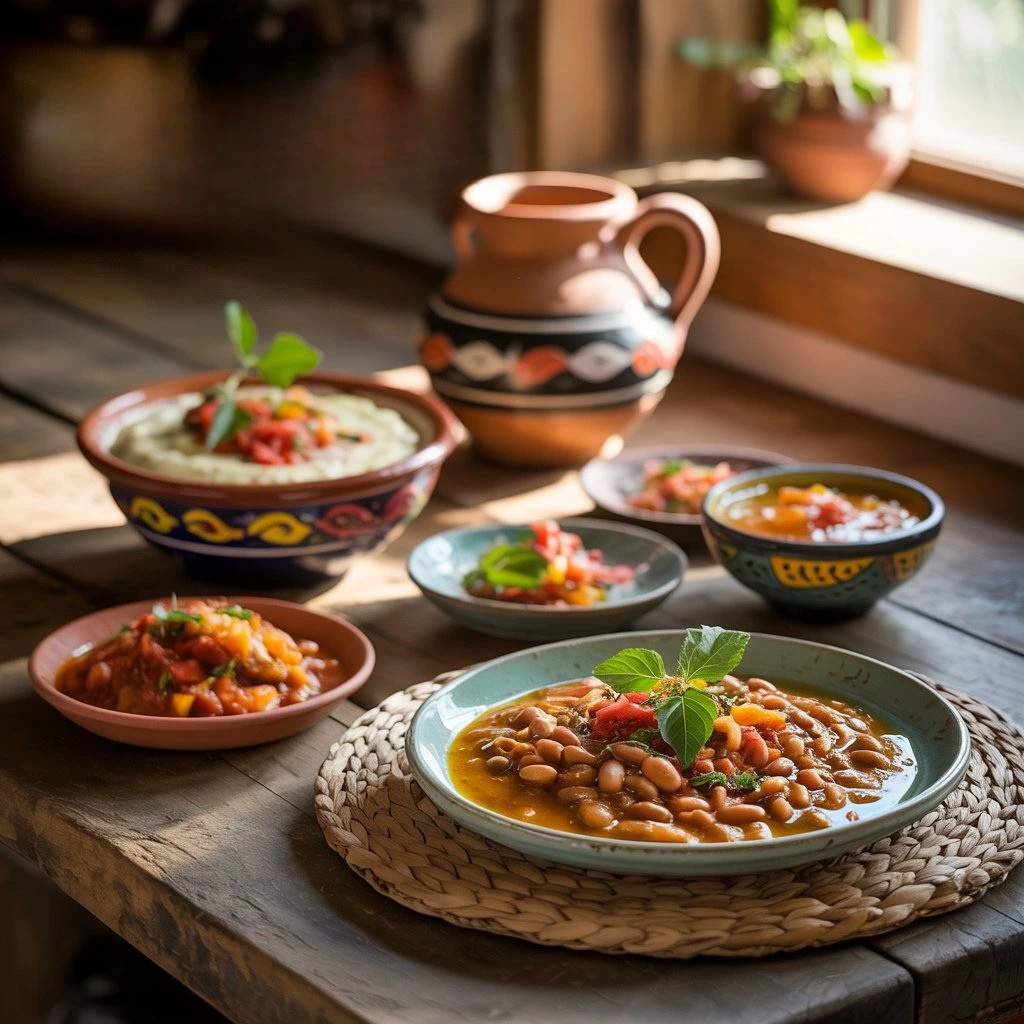
South Africa has amazing vegan recipes. You can use affordable local ingredients like beans, lentils, pap, morogo, and spices.
You can veganize favourites like bobotie, bunny chow, and malva pudding. Also, try naturally plant-based dishes like chakalaka, samp and beans, and pap with morogo. Most ingredients are available at Woolworths, Pick n Pay, and Checkers for under R1,500/month.
Key Takeaways
Traditional SA recipes adapt beautifully to plant-based versions.
Budget-friendly: Most vegan staples cost less than meat equivalents.
Widely available: All major supermarkets now stock plant-based alternatives.
Culturally rich: Connect with South African heritage through plant-based cooking.
Nutritionally complete: Easy to meet all protein and nutrient needs with local ingredients.
Last updated: October 11, 2025 | Reading time: 15 minutes
If you’re reading this, you’re likely curious about vegan recipes in South Africa. I’m excited to share this journey with you!
Whether you’re a seasoned plant-based eater, new to vegan cooking, or want to add more veggies to your diet, you’re in the right spot.
I’ve spent years learning that South African cuisine is excellent for plant-based cooking.
Seriously!
Our traditional foods root themselves in vegetables, grains, and legumes.
And the best part?
You don’t need expensive imported ingredients or fancy health stores. Everything you need is at your local Pick n Pay, Checkers, or Shoprite.
Here’s how to make tasty vegan versions of your favourite South African dishes.
I’ll also share some plant-based recipes that have nourished our communities for generations.
Why Vegan Recipes Work So Well in South Africa
Going plant-based in South Africa is easier than you think.
Let’s explore this concept before we dive into the recipes.
Our Food History is Plant-Based
Here’s something most people don’t realise: traditional African diets were predominantly plant-based.
Before colonisation and Western eating habits, our ancestors thrived on local veggies. They enjoyed morogo (African spinach), amadumbe (taro), beans, lentils, and maize. People reserved meat for special occasions and celebrations.
Today, we’re going back to our roots. We’re also embracing modern plant-based innovations.
Affordability is on Your Side
One of the biggest myths about veganism?
That it’s expensive. Not in South Africa!
Think about it:
Sugar beans: R25/kg at any supermarket
Lentils: R30-40/kg (and they triple in volume when cooked)
Pap (maize meal): R20 for a 2.5kg bag
Seasonal vegetables: R10-30/kg at local markets
Morogo: R15-20 per bunch at informal markets
Compare that to meat prices, which have skyrocketed. A kilo of beef mince costs R100+, chicken breasts are R80-100/kg, and don’t even get me started on lamb prices!
Your grocery bill will actually decrease when you switch to plant-based eating.
The Vegan Market is Booming Here
South Africa’s plant-based scene has experienced significant growth in recent years.
It’s not just Cape Town anymore. Johannesburg, Durban, Pretoria, and even smaller cities are now offering a range of vegan options.
Major retailers have caught on:
Woolworths offers an extensive range of plant-based products, including its own branded options.
Checkers launched their Simple Truth plant-based line.
Pick n Pay now stocks a range of meat alternatives and plant milks.
Even Spar and Food Lover’s Market carry vegan essentials.
The variety available today would have been unimaginable just five years ago!
Essential Ingredients for Vegan Cooking in South Africa
Before the recipes, let’s stock your pantry with affordable and versatile ingredients found all over SA.
Proteins (The Foundation)
Legumes (buy these in bulk from Indian spice shops for even better prices):
Sugar beans (also known as white beans) are perfect for stews and curries.
Lentils (red, brown, and green) – cook quickly and are high in protein.
Chickpeas – for curries, salads, and homemade hummus.
Split peas – traditional and nutritious.
Black-eyed peas – great for African-inspired dishes.
Kidney beans – hearty and filling.
Soy Products:
Firm tofu (available at most Woolworths and Asian stores) – R40-60/block.
Soya mince (TVP) – dirt cheap at R20-30 for a large packet.
Tempeh (harder to find, but worth it) – R50-70/block at health stores.
Meat Alternatives (for convenience, not necessity):
Fry’s Family Foods (proudly South African!) – burgers, sausages, schnitzels.
Beyond Meat patties – available at Woolworths.
Meatless Farm products, imported from the UK, are now widely available.
Grains & Starches
Maize meal (pap) – the backbone of South African cuisine
Brown rice – wholesome and affordable
Quinoa – pricier but nutrient-dense
Pasta – most varieties are already vegan
Oats – for breakfast and baking
Samp (cracked corn) – traditional and delicious
Vegetables & Greens
Indigenous vegetables (find these at local markets and informal traders):
Morogo (African spinach) – high in iron and calcium
Amadumbe leaves
Imifino (wild greens)
Common vegetables (available everywhere):
Spinach, kale, cabbage
Tomatoes, onions, garlic
Butternut, pumpkin, sweet potato
Potatoes (obviously!)
Cauliflower, broccoli
Carrots, beetroot
Fats & Flavour Enhancers
Sunflower oil – local and cheap
Peanut butter – high in protein, great for sauces
Coconut cream – for curries and desserts (R30-40/tin)
Nutritional yeast – creates a cheesy flavour (available at health stores)
Coconut oil – versatile for cooking and baking
Spices & Seasonings
South African cooking is all about flavour!
Stock up on:
Curry powder (Robertson’s, Mother’s Choice)
Paprika and cayenne pepper
Cumin, coriander, turmeric
Garam masala (from Indian spice shops)
Vegetable stock powder (most Knorrox stocks are vegan!)
Ina Paarman’s seasonings (many are vegan – check labels)
Let’s veganize some of South Africa’s most beloved dishes.
1. Vegan Bobotie (The Crown Jewel)
Bobotie is South Africa’s national dish. It features a sweet and savoury curried mince, all topped with a golden egg custard. The plant-based version is just as comforting and flavorful.
What You’ll Need
2 cups TVP (textured vegetable protein) or cooked lentils
2 large onions, chopped
3 cloves garlic, minced
2 tablespoons curry powder
1 tablespoon turmeric
1 teaspoon cumin
2 slices of bread, soaked in plant milk
1/4 cup chutney (Mrs Ball’s is vegan!)
1/4 cup raisins
1/4 cup apple, diced
2 tablespoons apricot jam
Bay leaves
Salt and pepper
For the Topping
1 cup plant milk (soy works best)
1/4 cup chickpea flour (besan)
1 teaspoon turmeric
Salt and pepper
How to Make It
Rehydrate the TVP if using: Pour 1.5 cups of boiling vegetable stock over 2 cups of TVP. After ten minutes, drain any extra liquid.
Sauté the aromatics: Heat the oil in a big skillet and sauté the onions until they turn golden. Add garlic, curry powder, turmeric, and cumin. Cook until fragrant (about 2 minutes).
Add the “meat”: Mix in the TVP or lentils. Squeeze excess liquid from the bread and add it to the pan. Stir in chutney, raisins, apple, apricot jam, and season with salt and pepper. Cook until all ingredients are thoroughly mixed, 5 to 7 minutes.
Pour the blend into an ovenproof dish: Grease the dish and spread the mixture evenly. Push bay leaves into the surface.
Make the topping: Whisk together plant milk, chickpea flour, turmeric, salt, and pepper until smooth. Pour gently over the bobotie mixture.
Bake: Place in a preheated oven at 180°C for 30-35 minutes until the topping is set and golden.
Serve with: Yellow rice with raisins, sambals (tomato and onion salad), and chutney.
Pro Tip: Make this the day before! Bobotie tastes even better after the flavours have had time to meld. Just reheat in the oven before serving.
Budget: Approximately R60 for six servings (R10 per person!)
2. Bunny Chow (Durban’s Gift to the World)
This iconic Durban street food consists of a hollowed-out loaf of bread filled with curry. The bread soaks up the delicious sauce, and it’s traditionally eaten with your hands. Pure comfort food!
What You’ll Need
1 unsliced loaf of white bread
2 cups dried chickpeas (soaked overnight) OR 2 cans chickpeas
2 large onions, chopped
4 cloves garlic, minced
Fresh ginger (thumb-sized piece), grated
2-3 large tomatoes, chopped
2 potatoes, cubed
Curry powder, three teaspoons (or more to taste)
1 teaspoon jeera (cumin seeds)
1 teaspoon garam masala
1 cinnamon stick
2-3 cardamom pods
Fresh curry leaves (if available)
Fresh coriander
1 can of coconut cream
Salt to taste
How to Make It
Prepare the chickpeas: If using dried, cook until tender (about 45 minutes in a pot or 25 minutes in a pressure cooker). Reserve the cooking liquid—it’s liquid gold for this curry!
Build the flavour base: Heat oil in a large pot. Add jeera seeds and let them sizzle. Add onions and cook until golden brown (don’t rush this—it’s the foundation of flavour).
Aromatics: Add garlic, ginger, and curry leaves. Cook for 2 minutes until fragrant.
Spice it up: Add curry powder, garam masala, cinnamon stick, and cardamom pods. To toast the spices, stir for one minute.
Add vegetables: Toss in potatoes and tomatoes. Cook until the tomatoes begin to break down, about 5 minutes.
Simmer: Add chickpeas and enough reserved cooking liquid (or vegetable stock) to create a thick curry. Cover and simmer for 20 minutes, or until the potatoes are tender and cooked through.
Finish: Stir in coconut cream and fresh coriander. Season with salt.
Prepare the bunny: Cut your loaf into quarters. Hollow out the centre of each quarter, leaving about 2cm of bread on all sides (save the bread pieces for dipping—they’re the best part!).
Fill and serve: Ladle the hot curry into the bread “bowls” and top with the bread lid you removed.
Variations
Bean bunny: Use sugar beans instead of chickpeas
Vegetable bunny: Add cauliflower, green beans, and peas
Lentil bunny: Red lentils cook quickly and make a creamy curry
Serving tip: Serve with carrot sambals and extra chilli if you like it hot!
Budget: Approximately R50 for four generous servings
3. Vegan Boerewors (South African Sausage)
In South African culture, people consider the braai sacred, and as a vegan, you absolutely don’t have to miss out!
What You’ll Need:
2 cups vital wheat gluten
1/2 cup nutritional yeast
1/4 cup chickpea flour
2 tablespoons smoked paprika
1 tablespoon coriander seeds (toasted and crushed)
2 teaspoons fennel seeds
1 teaspoon black pepper
1 teaspoon salt
3/4 cup vegetable stock
1/4 cup soy sauce
2 tablespoons tomato paste
2 tablespoons olive oil
1 teaspoon liquid smoke (optional but recommended)
How to Make It:
Dry ingredients: Mix vital wheat gluten, nutritional yeast, chickpea flour, spices, salt, and pepper in a large bowl.
Wet ingredients: In another bowl, whisk together stock, soy sauce, tomato paste, olive oil, and liquid smoke.
Combine: After adding the wet ingredients to the dry ingredients, mix rapidly to form a dough. Don’t overmix!
Shape: Divide the dough into 6 to 8 portions. Roll each into a sausage shape.
Steam: Wrap each sausage tightly in foil. Steam for 30 minutes (or use a pressure cooker for 15 minutes).
Braai time: Unwrap the sausages and brush with oil. Grill on medium heat until charred on all sides.
Serve with: Pap, chakalaka, tomato and onion salsa, and a cold beverage of your choice!
Store-bought alternative: Can’t find vital wheat gluten? Fry’s Traditional Boerewors is excellent and can be found at most supermarkets for around R60 per pack.
4. Pap and Morogo (Traditional & Naturally Vegan)
This is one of my favourite dishes. It has fed South African families for generations. Plus, it’s always been plant-based!
What You’ll Need:
For the pap:
3 cups maize meal
6 cups water
1 teaspoon salt
For the morogo:
2 large bunches morogo (African spinach) OR regular spinach
1 large onion, chopped
2 tomatoes, chopped
2 tablespoons oil
Salt and pepper
Optional: 1/4 cup peanut butter for creaminess
How to Make It:
Pap:
Boil water with salt in a large pot.
Pour maize meal into the boiling water while stirring to prevent lumps.
Reduce the heat to low, cover, and simmer, stirring periodically, for 30 to 40 minutes.
To achieve a nice, fluffy texture, break up any lumps with a wooden spoon.
Morogo:
Wash morogo thoroughly and chop roughly.
Add the onions to a large pan with hot oil and sauté until tender.
Cook the tomatoes for around five minutes, or until they are broken down. Add the onions to a large pan with hot oil and sauté until tender.
Cook the tomatoes for around five minutes, or until they are broken down.
Add morogo and stir. It will wilt quickly.
If using peanut butter, add it now with a bit of water to create a creamy sauce.
After adding salt and pepper, simmer for five to ten minutes.
To serve: Make a well in your pap and spoon the morogo into it. Mix as you eat!
Why it’s incredible:
Morogo is incredibly nutritious—high in iron, calcium, and vitamins A and C
Completely budget-friendly (under R40 for a family meal)
Filling and satisfying
Authentic South African flavour
Where to find morogo: Look for it at informal markets, street vendors, and increasingly at Woolworths and Pick n Pay in urban areas.
5. Chakalaka (The Ultimate Side Dish)
No braai, potjie, or family gathering is complete without chakalaka—and it’s naturally vegan!
What You’ll Need:
2 tablespoons oil
1 large onion, diced
2 bell peppers (mix colours for aesthetics), chopped
2-3 carrots, grated
2 cans baked beans
1 can chopped tomatoes
3 cloves garlic, minced
1 teaspoon curry powder
1 teaspoon paprika
1-2 fresh chillies, chopped (adjust to taste)
Salt and pepper
How to Make It:
Heat oil in a large pot. Sauté onions until translucent.
Add peppers and carrots. Cook for 5 minutes until slightly softened.
Add garlic, curry powder, paprika, and chillies. Stir for 1 minute.
Add baked beans and tomatoes. Stir well.
Simmer for 15-20 minutes, until the vegetables are tender and the flavours have melded.
Season with salt and pepper.
Serve with: pap, bread, rice, or as a side dish to your main course.
Storage: Chakalaka tastes even better the next day! Make a big batch and enjoy it all week.
Budget: About R50 for 8+ servings
Source: Vibes by Nay
6. Samp and Beans (Hearty & Humble)
This traditional dish has sustained South African communities for centuries. It’s filling, nutritious, and costs next to nothing.
What You’ll Need:
2 cups samp (dried hominy corn)
1 cup sugar beans (dried)
1 large onion, chopped
3 cloves garlic, minced
2 tablespoons oil or vegan butter
1 teaspoon salt
1/2 teaspoon pepper
Water for cooking
How to Make It:
Traditional method (takes time but is worth it):
Soak the samp and beans separately overnight.
Rinse and drain both.
Combine in a large pot with plenty of water (about 8 cups).
After boiling, reduce the heat and simmer for two to three hours, or until both are tender. Add water as needed.
Drain excess water.
In a separate pan, sauté the onion and garlic in oil until golden.
Add the cooked samp and beans to the onion mixture.
Season with salt and pepper. Mix well.
Pressure cooker method (modern shortcut):
Soak overnight (or quick soak: boil for 2 minutes, then let sit for 1 hour).
Combine the samp, beans, onion, garlic, oil, and 6 cups of water in the pressure cooker.
Cook on high pressure for 45 minutes.
Natural release for 15 minutes.
Season and serve!
Serving suggestions:
With tomato and onion salsa
Topped with caramelised onions
With a side of chakalaka
Mixed with grilled vegetables
Make it fancy: Stir in coconut cream and curry spices for a creamy, spiced version!
7. Vetkoek (Fat Cakes) – Sweet or Savoury
Vetkoek holds a special place in every South African’s heart.
The good news?
The traditional recipe is already vegan!
What You’ll Need:
4 cups cake flour
2 tablespoons sugar
1 packet instant yeast (10g)
1 teaspoon salt
2 cups warm water
Oil for deep frying
How to Make It:
Mix dry ingredients: Combine flour, sugar, yeast, and salt in a large bowl.
Add water: Gradually add warm water, mixing until a soft, sticky dough forms.
Rest: Place a moist cloth over the bowl and leave it in a warm location for 45 to 60 minutes, or until the dough has doubled in size.
Heat oil: Heat approximately 3-4 inches of oil in a deep pot to 180°C (Use a tiny piece of dough to test; it should sizzle immediately).
Shape and fry: With wet hands, pinch off golf ball-sized pieces of dough. Flatten slightly and carefully lower into hot oil. Fry 2-3 at a time, turning once, until golden brown on both sides (about 3-4 minutes per side).
Drain: Using a slotted spoon, remove the fish and then drain it on paper towels.
Serving options:
Savoury fillings:
Curried chickpeas
Chakalaka
Vegan mince with onions and tomato
Grated vegan cheese with tomato
Peanut butter and tomato (don’t knock it till you try it!)
Sweet toppings:
Syrup or honey alternative
Cinnamon sugar
Jam
Vegan Nutella
Pro tip: Prepare a large quantity and freeze it for later use. Reheat in the oven for 10 minutes at 180°C whenever you want fresh vetkoek.
8. Vegan Malva Pudding (Heaven in a Dish)
Malva pudding is South Africa’s most beloved dessert—sweet, sticky, and impossibly delicious. The vegan version is just as decadent.
What You’ll Need:
For the pudding:
1 cup sugar
2 tablespoons apricot jam
1 tablespoon white vinegar
1 cup plant milk (soy or oat works best)
1.5 cups cake flour
1 teaspoon baking soda
Pinch of salt
3 tablespoons melted vegan butter or coconut oil
1 teaspoon vanilla extract
For the sauce:
1 cup coconut cream or plant-based cream
1/2 cup vegan butter
3/4 cup sugar
1/2 cup hot water
1 teaspoon vanilla extract
How to Make It:
Pudding:
Preheat oven to 180°C. Grease a medium baking dish.
In a mixing bowl, beat the sugar and jam together until well combined.
Mix vinegar into plant milk (this creates a “buttermilk” effect).
Sift together flour, baking soda, and salt.
Add melted butter, vanilla, and half the milk mixture to the sugar mixture. Mix well.
Add half the flour, mix, then add the remaining milk and mix, followed by the remaining flour. Beat until smooth.
A skewer put into the centre should come out clean after 30 to 35 minutes of baking the mixture in the prepared dish.
Sauce:
While the pudding bakes, combine cream, butter, sugar, and water in a saucepan.
Stir to dissolve the sugar and bring to a boil. Take off the heat and mix in the vanilla.
Use a skewer to make holes all over the pudding as soon as it comes out of the oven.
Pour the hot sauce over the hot pudding. It will sizzle and absorb!
Serve: Warm with vegan ice cream or custard.
Storage: This dessert is even better the next day, after the sauce has had time to absorb fully. Store in the fridge and reheat portions in the microwave for 30 seconds.
Quick & Easy Everyday Vegan Recipes
Not every meal needs to be a production. Here are some simple, everyday recipes that take 30 minutes or less to prepare.
1. Quick Curry Bean Stew
Ingredients:
2 cans of beans (any type), one can of coconut milk,
1 onion, three cloves of garlic,
2 tablespoons of curry powder,
1 can of chopped tomatoes and spinach.
Method: Sauté onion and garlic, then add curry powder. Next, add tomatoes and beans, and simmer for 15 minutes. Stir in coconut milk and spinach. Serve over rice or pap.
Time: 20 minutes | Cost: R40 for 4 servings
2. Peanut Butter Stew (African-Inspired)
Ingredients:
1 onion
3 tomatoes
1 sweet potato (cubed)
1 cup peanut butter
2 cups vegetable stock
Spinach or kale
Curry powder
Method: Sauté the onion, add the tomatoes and sweet potato, and cook for 10 minutes. Stir in peanut butter and stock, simmer until sweet potato is tender (15 minutes), and add greens. Serve with rice.
Time: 25 minutes | Cost: R45 for 4 servings
3. Lentil Bolognese
Ingredients:
2 cups red lentils
1 onion
3 cloves of garlic
2 cans chopped tomatoes
2 tablespoons tomato paste
Italian herbs
Pasta
Method: Sauté onion and garlic, then add lentils and cook for 2 minutes. Next, add tomatoes and paste, and simmer for 20 minutes, or until the lentils are soft. Serve overcooked pasta.
Method: Heat oil in a wok or large pan. Add minced garlic and ginger, stir-fry 30 seconds. Add harder vegetables (such as carrots and broccoli) first, then softer ones (like peppers, cabbage, and spinach). Season with soy sauce and a drizzle of sesame oil. Serve over rice or noodles.
Time: 15 minutes
5. Loaded Sweet Potatoes
Method: Sweet potatoes can be baked or reheated until they are tender and soft. Top with black beans, corn, avocado, tomato salsa, vegan sour cream, and coriander after splitting open.
Time: 10 minutes (if you microwave) | Cost: R15 per person
Budget Meal Plan: R1,200 for One Person (Full Month)
Let me show you how affordable plant-based eating really is in South Africa.
Week 1 Sample
Monday: Samp and beans with chakalaka
Tuesday: Lentil curry with rice
Wednesday: Pap and morogo
Thursday: Bean bunny chow
Friday: Pasta with tomato and vegetable sauce
Saturday: Braai (Fry’s sausages, pap, salads)
Sunday: Vegan bobotie with yellow rice
Shopping List (Bulk items – buy once, use all month):
5kg maize meal: R50
2kg rice: R60
2kg lentils (mixed): R80
2kg sugar beans: R50
1kg samp: R40
Pasta (3 packets): R60
Flour (2.5kg): R45
Oil (2L): R60
Curry powder (250g): R30
Spices bundle: R50
Subtotal: R525
Weekly Fresh Produce (repeat 4 times):
Onions (2kg): R30
Tomatoes (2kg): R35
Potatoes (2kg): R30
Seasonal vegetables: R80
Spinach/morogo: R20
Fresh herbs: R15
Bread: R12
Weekly subtotal: R222 x 4 weeks = R888
Grand total: R525 + R888 = R1,413
With R1,200, you can absolutely make it work by:
Buying vegetables that are in season
Shopping at local markets instead of supermarkets
Skipping the bread some weeks
Making your own stock instead of buying
Where to Shop for Vegan Ingredients in South Africa
Major Supermarkets
Woolworths (Best for variety, higher prices):
Excellent plant milk selection
Wide range of Woolworths-branded vegan products
Good meat alternative section
Organic and speciality items
Checkers (Good balance of price and variety):
Simple Truth plant-based range
Affordable plant milks
Growing meat alternative selection
Good for basics
Pick n Pay (Budget-friendly):
Expanding vegan options
Competitive prices on basics
Suitable for legumes and grains in bulk
Plant milk at reasonable prices
Spar (Convenient, limited selection):
Basic plant milks
Some Fry’s products
Good for fresh produce
Food Lover’s Market (Excellent for produce):
Amazing fresh vegetable selection
Competitive prices
Bulk bins for nuts and dried fruit
Some speciality vegan products
Specialty Stores
Health shops nationwide:
Wellness Warehouse
Faithful to Nature
Dis-Chem (health section)
Life Health Foods
Online stores:
Takealot (wide range, delivered)
Faithful to Nature online
Vegan Things (online vegan store)
Unwrapped (plastic-free bulk ordering)
Local Markets
Don’t overlook:
Weekend farmers’ markets (in most cities)
Informal street vendors (best prices on morogo and indigenous vegetables)
Indian spice shops (incredible prices on lentils, spices, and rice)
Asian grocery stores (tofu, tempeh, Asian vegetables)
Common Questions About Vegan Cooking in South Africa
Where do I get protein on a plant-based diet?
Protein is abundant in plant foods!
Here’s how much protein is in standard South African staples:
1 cup cooked lentils: 18g protein
1 cup chickpeas: 15g protein
1 cup sugar beans: 15g protein
100g tofu: 12g protein
2 tablespoons peanut butter: 8g protein
1 cup pap: 5g protein
1 cup cooked spinach: 5g protein
Most adults need about 50-75g of protein daily. Eating beans for breakfast, lentils for lunch, and tofu or peanut stew for dinner can easily meet this requirement.
Is it hard to find vegan options at restaurants?
It’s getting easier every day! Nowadays, most eateries have at least one vegan option.
Here are your best bets:
Chain restaurants with vegan options:
Nando’s (multiple sides, grilled vegetables, ask for no butter)
Wimpy (vegan burger, ask for no mayo)
Steers (plant-based burger)
Burger King (plant-based Whopper)
Col’Cacchio (vegan pizza options)
Types of cuisine that are naturally vegan-friendly:
Indian restaurants (dal, vegetable curries, roti)
Ethiopian restaurants (vegetarian platter is usually vegan)
Asian restaurants (vegetable stir-fries, tofu dishes – ask for no oyster sauce)
Italian (pasta with tomato sauce, vegetable pizza without cheese)
Pro tip: Don’t be shy! Most restaurants are happy to accommodate modifications to dishes. Just ask for no butter, cheese, or cream.
Can I still braai as a vegan?
Absolutely! The braai is about the experience, not just the meat. Here’s what you can throw on the flames:
Fry’s Traditional Boerewors
Portobello mushrooms (marinated)
Corn on the cob
Vegetable sosaties (kebabs)
Halloumi-style plant cheese (some varieties are grill-friendly)
Marinated tofu steaks
Sweet potato slices
Butternut
Brinjals (eggplant)
Peppers and onions
Serve with your usual sides: pap, potato salad (use vegan mayo), chakalaka, salads, and bread.
What about traditional celebrations and family gatherings?
This is the tricky part, I won’t lie. South African culture is deeply tied to food, and changing your diet can sometimes feel like rejecting tradition.
My advice:
Educate gently: Share your reasons without being preachy.
Bring dishes to share: Show how delicious plant-based food is.
Veganize traditional recipes: Make plant-based versions of family favourites.
Focus on what you CAN eat: There’s always pap, salads, vegetables, and chakalaka
Be patient: Change takes time, but families usually come around
Remember: You’re not the first South African vegan, and you won’t be the last. There’s a growing community here, and we’re all navigating these waters together.
How do I replace eggs in baking?
South African baking is egg-heavy, but there are great substitutes:
When binding (in cookies, cakes):
Three tablespoons of water with one tablespoon of ground flaxseed equals one egg. (let sit 5 minutes)
1/4 cup applesauce = 1 egg
1/4 cup mashed banana = 1 egg (adds banana flavour)
Aquafaba (chickpea water from canned chickpeas)! Whip 3 tablespoons like you would egg whites. It’s magical!
Can I eat traditional South African sweets as a vegan?
Surprisingly vegan:
Most Ouma Rusks (check labels – some flavours, such as condensed milk and muesli, are vegan!)
Oreos (not labelled vegan, but contain no animal ingredients)
Lots of dark chocolate (check for milk powder)
Many hard candies
Koeksisters (traditional recipe is often vegan – use golden syrup)
Some biscuits (read labels)
What to avoid:
Milk chocolate
Buttermilk rusks
Anything with butter, cream, or eggs listed
Vegan brands to look for:
Afrikoa chocolate (local and delicious!)
Beano chocolate
Many Woolworths desserts now have plant-based versions
Tips for Success with Vegan Cooking
1. Meal Prep is Your Friend
South Africans are busy people!
Meal prep makes plant-based eating effortless:
Sunday prep strategy:
Cook a large pot of beans (use throughout the week).
Make a large batch of pap or rice.
Prep vegetables (wash, chop, store).
Make one or two sauces or curries.
Bake something for snacks (muffins, energy balls).
With these ready, weeknight dinners take 10 minutes to assemble.
2. Stock Your Freezer
Freeze these for convenience:
Cooked beans and lentils (portion into bags)
Cooked grains
Vegetable stock
Curry bases
Bread (vetkoek, roti, store-bought bread)
Chopped onions and garlic
Grated ginger
3. Don’t Try to Replicate Everything
You don’t need a perfect vegan version of every animal product. Sometimes, a new dish is better than an imitation!
Forget about finding vegan cheese that tastes just like dairy. Enjoy dishes that are naturally tasty without cheese. Try our amazing South African stews, curries, and vegetable dishes instead!
4. Batch Cook and Freeze
Make double or triple batches of:
Bobotie
Curries
Stews
Boerewors (if making from scratch)
Chakalaka
Freeze in portions for those “I’m too tired to cook” nights.
5. Join the Community
Connect with other South African vegans:
Local vegan Facebook groups (search “Vegan [your city]”)
Going plant-based is a journey, not a destination. If you:
Accidentally eat something with milk powder
Have meat at a family gathering
Find it overwhelming sometimes
…that’s okay! Every plant-based meal makes a difference. Progress over perfection, always.
Nutritional Considerations
While plant-based eating is healthy, there are a few nutrients to be mindful of:
Vitamin B12
The only supplement you truly need!
Foods made from plants do not consistently contain B12. (despite what some say about nutritional yeast and fortified foods).
Where to get it:
B12 supplements (available at Dis-Chem, Clicks, Wellness Warehouse)
Cost: R100-150 for a 3-month supply
Take 1000mcg daily or 2500mcg weekly
Why it matters: B12 is crucial for nerve function and blood cell formation. Deficiency can cause serious problems, so please supplement your diet.
Iron
Plant foods contain non-heme iron, which is absorbed differently from iron from meat.
Best plant sources:
Lentils and beans
Morogo and spinach
Pumpkin seeds
Fortified cereals
Absorption Tip: Pair vitamin C-rich foods, like tomatoes, peppers, and citrus, with iron-rich foods. This helps boost absorption. Avoid drinking tea or coffee with meals, as they can inhibit the absorption of iron.
Calcium
You don’t need dairy for strong bones!
Plant sources:
Fortified plant milks
Tofu (made with calcium sulfate)
Morogo and dark leafy greens
Sesame seeds and tahini
Fortified orange juice
Daily target: About 1000mg
Omega-3 Fatty Acids
Important for heart and brain health.
Plant sources:
Ground flaxseeds (add to smoothies, porridge, or baking)
Chia seeds
Walnuts
Omega-3 fortified plant milk
Consider an algae-based omega-3 supplement if you don’t regularly consume foods rich in omega-3s.
Protein (Yes, Again!)
I know we covered this, but it bears repeating: protein is not an issue on a plant-based diet in South Africa!
Our staple foods (beans, lentils, pap, and peanuts) provide a generous amount of protein. Just eat a variety of plant foods and enough calories, and you’ll be fine.
Seasonal Eating in South Africa
Eating seasonally saves money and supports local farmers. Here’s what to cook when:
Summer (December-February)
In season: Tomatoes, peppers, butternut, gem squash, green beans, sweetcorn, watermelon, peaches, grapes
Recipe ideas:
Fresh tomato and basil pasta
Butternut curry
Grilled vegetables
Corn on the braai
Fresh salads
Autumn (March-May)
In season: Sweet potatoes, pumpkin, beetroot, carrots, apples, pears
Recipe ideas:
Roasted vegetable medley
Sweet potato and peanut stew
Pumpkin soup
Roasted beetroot salad
Winter (June-August)
In season: Cauliflower, cabbage, broccoli, leeks, spinach, citrus fruits
Recipe ideas:
Hearty bean stews
Potjiekos with root vegetables
Thick soups
Roasted cauliflower curry
Spring (September-November)
In season: Asparagus, peas, new potatoes, strawberries, artichokes
Recipe ideas:
Fresh vegetable stir-fries
Pea and potato curry
Spring salads
Lighter meals as the weather warms
Beyond Recipes: The Bigger Picture
Choosing plant-based eating in South Africa goes beyond food. It aims for a sustainable, compassionate, and healthy future for our country.
Environmental Benefits
South Africa faces serious environmental challenges, including water scarcity, drought, and soil degradation. Animal agriculture is resource-intensive, requiring:
15,000 litres of water to make 1kg of beef
Massive amounts of feed (grown on land that could feed people directly)
Large carbon footprint
Plant-based eating uses dramatically less water and land while producing fewer greenhouse gases. In a country where water is precious, this matters.
Health Benefits
South Africa has high rates of:
Heart disease
Type 2 diabetes
Obesity
High blood pressure
Research shows that plant-based diets can prevent and even reverse these conditions.
We can improve our national health by reducing our consumption of meat. Instead, we should eat more vegetables, legumes, and whole grains.
Economic Benefits
For individuals: Your grocery bill will likely decrease by 30-50% on a plant-based diet (assuming you cook at home and focus on whole foods).
For the country, Healthcare costs related to diet-related diseases are enormous. Prevention through better nutrition could save billions of dollars.
Compassion
Many of us grew up around animals—chickens in the yard, visits to farms. We know animals have personalities and feel pain.
Choosing a plant-based diet aligns with the compassion many South Africans have for animals.
Your Plant-Based Journey Starts Now
If you’ve made it this far, thank you for reading!
I hope this guide has shown you that plant-based eating in South Africa is:
Affordable (often cheaper than meat-based diets)
Accessible (ingredients are available at every supermarket)
Delicious (our cuisine adapts beautifully)
Nutritious (You can meet all your nutrient needs )
Cultural (returning to our plant-based roots)
You don’t have to go 100% vegan overnight. Start with:
Week One: Try one plant-based dinner this week.
ForWeek 2: Make breakfast plant-based (oats with plant milk and fruit).
In Week 3: Try a vegan version of your favourite South African dish.
Week 4: Plan two full days of plant-based eating
Small steps lead to significant changes. Every plant-based meal:
Reduces your environmental impact
Improves your health
Saves animals from suffering
Saves you money
What’s Next?
Try these recipes first (they’re crowd-pleasers):
Bunny chow (everyone loves it!)
Pap and morogo (authentic and straightforward)
Chakalaka (great for braais)
Quick bean curry
Vegan bobotie (for Sunday dinner)
Join the community:
Follow South African vegan Instagram accounts
Join local Facebook groups
Attend vegan markets and events
Connect with others on the same journey
Stay curious:
Try new vegetables at local markets
Experiment with spices
Adapt your family recipes
Share your creations with others
Frequently Asked Questions (Quick Reference)
Is veganism expensive in South Africa?
No! Basic plant-based staples (beans, lentils, rice, pap, and vegetables) are cheaper than meat. You can eat plant-based food for R1,200-1,500/month.
Where do vegans get protein?
Beans, lentils, chickpeas, peanuts, tofu, tempeh, whole grains, and vegetables are all rich sources of protein. It’s very easy to meet your needs.
Can a plant-based diet help me gain muscle?
Yes! Many athletes and bodybuilders thrive on plant-based diets. Focus on protein-rich foods and eat enough calories.
What do I eat at a braai?
Grilled vegetables, Fry’s sausages, pap, salads, chakalaka, bread, and vegetable sosaties. Bring your own “meat” if needed.
Will my family think I’m weird?
Maybe at first! When they try your tasty food and notice how healthy you are, they often start to support you. Some might even join you.
Do I need expensive supplements?
Only B12 is essential (R100-150 for 3 months). Most nutrients are obtained from food, but some people supplement their diet with vitamin D and omega-3 fatty acids.
Can children be healthy on a plant-based diet?
Yes! With proper planning, children can thrive. Eat nutrient-rich foods. Make sure you get enough B12. If you’re concerned, consult a plant-based nutritionist.
What’s the easiest way to start?
Begin with one plant-based meal per day or try “Meatless Mondays.” Gradually increase from there at your own pace.
Final Thoughts
Vegan cooking in South Africa is an exciting journey. It links you to our agricultural heritage. It also benefits the environment, promotes your health, and cultivates compassion for all living beings.
You have all you need: affordable ingredients, flexible recipes, a growing community, and this guide, complete with recipes and tips.
The journey of a thousand miles begins with a single step.
Or in this case, the journey of a thousand meals starts with a single plant-based dish.
HappyCow (find vegan restaurants worldwide, including SA)
Cronometer (track nutrition if desired)
Plant Jammer (recipe inspiration)
Local Brands to Support:
Fry’s Family Foods (Durban-born, now international!)
PlantHive (vegan cheese)
The Vegan Dairy (plant-based dairy)
Infinite Foods (plant-based products)
We appreciate you taking the time to read our thorough guide to vegan recipes in South Africa.
Save this page to your bookmarks, share it with your friends, and visit often as we post new recipes and advice. Your plant-based journey in Mzansi starts here!
Hamba kahle (go well) on your plant-based journey!
Article written by: Eating Plant Based ZA TeamLast updated: October 11, 2025Questions? Contact us or drop a comment below!
Share this guide: Help other South Africans discover how tasty and straightforward plant-based diets may be!
Pin for later: Save this comprehensive guide to your Pinterest boards
Subscribe: Get weekly vegan recipes and tips delivered to your inbox
Introduction Discover the power of plant-based healing foods through evidence-based studies. Did you know that more than 70% of chronic diseases can be improved with diet and lifestyle changes? When I first read a report from WHO on healthy diet and noncommunicable diseases, it changed …
Introduction Learn about the power of prebiotics for gut health and immunity. Have you ever wondered why gut health is being discussed so frequently these days? From social media to health magazines, the gut is the new superstar of wellness. And honestly, it’s for a …
Here’s what science has to say about evidence-based plant-based nutrition in South Africa.
When I first began eating a plant-based diet in South Africa, I was inspired by the growing global evidence linking this lifestyle to better health outcomes — from a reduced risk of chronic disease to improved longevity.
Yet, the more I spoke to people, the more I realised how many myths, assumptions, and misinformation still surround vegan or plant-based diets.
Eating evidence-based means grounding our food choices in credible science, not just trends or social media hype.
It means listening to research, not rumours.
Today, let’s explore what science truly reveals about plant-based nutrition — and how it aligns perfectly with the South African context.
The Scientific Consensus on Plant-Based Diets
Over the past two decades, research from major institutions like the Harvard T.H. Chan School of Public Health and the Adventist Health Studies has shown that diets rich in fruits, vegetables, whole grains, legumes, nuts, and seeds can lower blood pressure, improve cholesterol, and reduce the risk of heart disease and type 2 diabetes.
Even the Dietitians Association of South Africa recognises the potential of plant-based diets when they are properly planned.
These diets provide all essential nutrients — and often deliver more fibre, antioxidants, and phytonutrients than typical Western-style diets.
Studies published in the South African Journal of Clinical Nutritionsupport this, finding that traditional African foods, such as samp and beans or morogo, naturally align with heart-healthy and anti-inflammatory dietary patterns.
Source: Plant-Based News
Core Nutrients to Prioritise
Protein Quality — Legumes and Grains Work Together
Protein remains one of the most misunderstood topics in vegan eating.
Evidence shows that when you combine legumes (like beans, lentils, chickpeas) with grains (such as brown rice, sorghum, or mielie meal), you easily meet your essential amino acid needs.
South Africans have a head start here — samp and beans are already a complete protein meal! Research confirms that consuming complementary plant proteins across the day provides optimal muscle repair and energy.
Iron, Zinc, and Vitamin B12
Plant-based sources of iron include morogo, spinach, lentils, and pumpkin seeds. Pairing these with vitamin C-rich foods (tomatoes, citrus, peppers) enhances absorption.
For zinc, enjoy oats, nuts, and chickpeas.
Vitamin B12, however, remains the exception — since bacteria and not plants produce it. Evidence-based nutrition recommends either fortified foods (such as certain soy or oat milks, cereals, and nutritional yeast) or a B12 supplement.
Calcium and Vitamin D
Fortified plant milks (such as those from Woolworths or Alpro) and tofu set with calcium sulphate are excellent options. For vitamin D, brief daily sun exposure or a D2/D3 supplement may be necessary, especially during winter or for darker skin tones.
Common Myths Debunked
Myth 1: “You can’t get enough protein without meat.”
Scientific reviews suggest that vegan athletes and strength trainers can effectively maintain and build muscle with a well-planned, plant-based protein intake. Lentils, tofu, tempeh, and even peanut butter provide ample protein.
Myth 2: “Soy causes hormonal imbalance.”
The evidence overwhelmingly suggests that moderate soy consumption is safe and even beneficial, as it helps lower cholesterol and supports bone health. South Africa’s locally grown, non-GMO soybeans are a nutritious staple.
Myth 3: “Carbs make you gain weight.”
Refined carbs may be problematic, but whole-grain carbohydrates, such as oats, brown rice, and maize, provide sustained energy, fibre, and satiety. Studies have linked higher whole-grain intake to lower body weight and a reduced risk of disease.
What the Research Says About Traditional South African Foods
Morogo (African spinach): Rich in iron, calcium, and polyphenols; offers antioxidant protection.
Samp and beans: Provides all essential amino acids, complex carbs, and resistant starch for gut health.
Rooibos tea: Caffeine-free, high in aspalathin — a potent antioxidant linked with improved glucose metabolism and reduced oxidative stress.
Chakalaka: A vegetable-rich relish providing fibre, vitamins A and C, and lycopene (especially when made with tomatoes and carrots).
These foods are proof that we don’t need exotic superfoods to eat evidence-based; our heritage dishes already align beautifully with nutritional science. We also explain this concept in Plant-Based Nutrition Made Easy in South Africa.
Local Case Studies and Emerging Evidence
In recent years, South African researchers have investigated dietary shifts and health outcomes:
University of Cape Town (UCT) studies highlight improved metabolic markers among individuals who adopt higher-fibre, plant-rich diets.
University of Pretoria research indicates a lower risk of hypertension among rural communities that consume traditional, minimally processed plant foods.
Local medical practitioners are integrating whole-food, plant-based guidance into diabetes and cardiac rehabilitation programmes.
While more SA-specific data is needed, the global body of evidence supports this direction strongly — and local studies reinforce its relevance to our context.
How to Build an Evidence-Based Plate
Use this simple, evidence-backed plate model inspired by the South African Food-Based Dietary Guidelines and the Harvard Healthy Plate. This evidence-based plant-based plate model includes groups, local examples, and benefits.
Food Group
Local Examples
Science-Backed Benefit
Vegetables & Greens
Spinach, morogo, pumpkin, cabbage
Fibre, antioxidants, heart health
Whole Grains
Brown rice, sorghum, mielie meal
Energy, satiety, gut health
Legumes
Beans, lentils, peas, chickpeas
Protein, minerals, and cholesterol-lowering
Fruit
Bananas, apples, citrus, mango
Vitamins, antioxidants
Nuts & Seeds
Peanuts, sunflower seeds, flax
Healthy fats, omega-3s
Fortified Foods
Soy milk, nutritional yeast
B12, calcium, vitamin D
Tip: Aim for colour, variety, and minimal processing — the foundation of evidence-based eating.
Shopping the Evidence-Based Way
South African stores are making it easier than ever to buy whole-food, plant-based ingredients.
Woolworths and Checkers stock fortified plant milks and tofu.
Pick n Pay offers affordable bulk legumes, oats, and grains.
Street markets remain unbeatable for fresh, seasonal produce — a hallmark of evidence-based eating.
Always check labels for fortification (B12, calcium) and sodium levels, and aim for ingredients with short, recognisable lists.
Meal Planning and Batch Cooking
Meal prep is a powerful way to stay consistent with your healthy eating habits.
Research indicates that individuals who plan their meals tend to consume more vegetables and fewer processed foods.
Cook grains and legumes in bulk once or twice a week to save time and money.
Store them in glass jars for easy use.
Build quick meals like brown rice with chakalaka, or lentil curry over mielie meal.
Include a fresh side of steamed morogo or salad for micronutrients.
This method saves money, reduces food waste, and ensures your meals align with proven nutrition science.
The Role of Evidence-Based Eating in Public Health
South Africa faces rising rates of lifestyle diseases, yet we also hold the keys to prevention. Evidence-based plant-based diets can play a significant role in reducing national healthcare burdens by lowering risk factors for heart disease, type 2 diabetes, hypertension, and obesity.
As public awareness grows, health professionals, schools, and communities can collaborate to make whole-food, plant-based eating accessible to all — not as a trend, but as a long-term wellness solution.
Conclusion: Eat with Evidence, Thrive with Confidence
Living plant-based in South Africa isn’t about perfection — it’s about intention and information. Every time I fill my plate with colourful, locally grown foods, I know I’m making choices rooted in science, compassion, and sustainability.
The research is clear: a well-planned, evidence-based plant-based diet nourishes the body, protects the planet, and honours our cultural heritage.
Start small. Swap meat for beans once a week, brew a cup of rooibos instead of coffee, and choose whole grains over refined ones.
These everyday actions add up to evidence-backed wellness — and a stronger, more vibrant you.
FAQs
Can you get all nutrients on a plant-based diet?
Yes — when meals are varied and include fortified foods or supplements for B12 and vitamin D.
Is plant-based eating suitable for children or seniors?
Absolutely. The key is to balance calorie density, variety, and an adequate protein source, such as lentils, tofu, and nut butters.
What about athletes or active individuals?
Evidence suggests that vegan athletes can meet all their nutritional needs with proper planning and preparation. Focus on high-protein meals and sufficient calories.
Are traditional African foods healthy for a plant-based diet?
Definitely — dishes like morogo, samp, and beans are nutrient-rich and supported by local research.
How can I start?
Begin by adding one extra plant-based meal to your daily routine and plan your grocery list around whole foods.
Free Download: Evidence-Based Grocery List (SA)
Want a ready-to-go checklist of South African staples, fortified foods, and weekly meal ideas? Grab my printable Evidence-Based Grocery List.
Introduction: Why This Diet Matters in South Africa An evidence-based, whole-food, plant-based diet (WFPB) is crucial in South Africa. Have you ever wondered if the food you eat every day could be the key to a longer, healthier life? Chronic diseases are increasing in South …
Can I share with you how I stay energised naturally on a plant-based diet? If you’ve ever worried that eating plant-based food might make you tired or low on energy, trust me — I understand. I used to think the same thing. Once I learned …
First things first: you can meet your needs on plants
Short answer: yes—when it’s well planned.
Major nutrition bodies recognise that vegan and vegetarian diets can be nutritionally adequate for adults and offer health benefits.
Meanwhile, South Africa’s own food guidelines emphasise starchy foods, vegetables and fruits, and legumes—the core of plant-forward eating.
If your pantry looks typically South African, you’re already part-way there.
Let’s break down exactly what your body needs and how to cover those needs using local, affordable foods.
The macronutrient trio (and why balance matters)
1) Protein: how much and from where?
A practical baseline for most healthy adults is about 0.8 g of protein per kilogram of body weight per day. A 70 kg adult would aim for ~56 g/day. Active people, older adults, and specific life stages may benefit from more—adjust with a qualified professional.
Great plant sources (local & easy): beans (sugar, red kidney), cowpeas, lentils, chickpeas, soy mince/tofu, oats, sorghum, brown rice, whole-wheat bread, peanuts, sunflower & sesame seeds, chia.
Pro tip: You don’t need to combine proteins at every meal—simply eat a variety over the day. Think pap + beans, lentil breyani, or peanut-spinach stew with brown rice.
2) Smart carbohydrates & fibre: fuel that actually helps
Carbs are your body’s preferred fuel.
The secret is choosing whole sources that deliver fibre, vitamins, and minerals. Aim for roughly 25–38 g fibre/day (women–men), with many adults benefiting from >30 g.
Breakfast: oats or sorghum porridge with fruit + seeds
Lunch: beans over brown rice or whole-wheat pita
Dinner: add one extra veg by default—grated carrot, tomato salsa, or steamed greens
3) Healthy fats & omega-3s: nourish brain and hormones
Prioritise unsaturated fats (avocado, olives/olive oil, nuts, seeds) and keep saturated fat lower, replacing it with unsaturated where possible.
For omega-3s, get daily ALA from ground flaxseed, chia, walnuts, canola/soybean oil. Because ALA conversion to EPA/DHA is limited, many plant-based eaters also consider an algae-based EPA/DHA supplement—especially in pregnancy/lactation or by preference.
Micronutrients to prioritise on a plant-based diet
Vitamin B12 (the non-negotiable)
What: crucial for red blood cells and nerves.
Why: reliable natural sources are animal-derived, so vegans should use fortified foods (nutritional yeast, plant milks, cereals) and/or a B12 supplement.
Adults generally need about 2.4 µg/day; confirm dosing and testing with your clinician.
Iron: pair with vitamin C for better absorption
Sources: beans, lentils, soy, peas, dark leafy greens, pumpkin seeds, raisins, and fortified maize/wheat products.
Boost absorption: eat with vitamin C (e.g., beans + tomatoes, spinach + citrus). Enjoy tea/coffee between meals to avoid reducing iron uptake.
Calcium: bones, muscles, nerves
Sources: fortified plant milks, tofu set with calcium, low-oxalate greens (kale, broccoli), sesame/tahini, almonds, white beans.
Note: spinach is calcium-rich but high in oxalates—mix in lower-oxalate greens and use fortified foods to be safe.
Vitamin D: sunshine (and often a supplement)
Vitamin D supports calcium absorption and immunity. Aside from UV-exposed mushrooms and fortified foods, diet sources are limited.
Because sun exposure varies (season, skin tone, latitude, sunscreen), many adults use a supplement to maintain adequate levels—test and personalise with your provider.
Iodine: tiny mineral, big thyroid job
Use iodised salt for reliable intake. Seaweed can vary widely—enjoy occasionally and cautiously. If you avoid iodised salt or use speciality salts, be deliberate about other iodine sources or a supplement as advised.
Zinc: immunity, skin, healing
Sources: whole grains, legumes, nuts, seeds.
Absorption tip: soaking, sprouting, fermenting (e.g., sourdough, tempeh) can reduce phytates and improve availability.
Quick daily targets (general adult guidance)
Protein: ~0.8 g/kg/day baseline; more for some groups
Fibre: ~25–38 g/day (women–men); >30 g often beneficial
Vitamin B12: ~2.4 µg/day; use fortified foods and/or a supplement
Do I need a B12 supplement if I drink fortified milk?
If your daily intake from fortified foods is inconsistent, a supplement is the simplest insurance. Confirm dosage and testing with your clinician.
How much protein do I need on a plant-based diet?
A practical baseline is ~0.8 g/kg/day for healthy adults; some may need more (e.g., pregnancy, athletes). Focus on legumes, soy, grains, nuts and seeds.
Is spinach a good calcium source?
It contains calcium but also oxalates that reduce absorption. Mix in low-oxalate greens (kale, broccoli) and include fortified foods for reliable intake.
Should vegans take omega-3 (EPA/DHA)?
Daily ALA from flax/chia/walnuts is a great start. Because conversion to EPA/DHA is limited, many consider an algae-based supplement—especially in pregnancy.
How do I get iodine if I don’t use much salt?
Use small amounts of iodised salt, include fortified foods, or discuss a supplement with your provider. Seaweed varies—enjoy occasionally and cautiously.
Learn more about plant-based nutrition and its impact from Eat to Heal.
Introduction Many people wonder how diet affects health, especially with serious issues like cancer. Can a plant-based diet reverse early-stage prostate cancer? It’s a question that always comes up when discussing the reversal of early-stage cancer. However, many people wonder how diet affects health, especially …