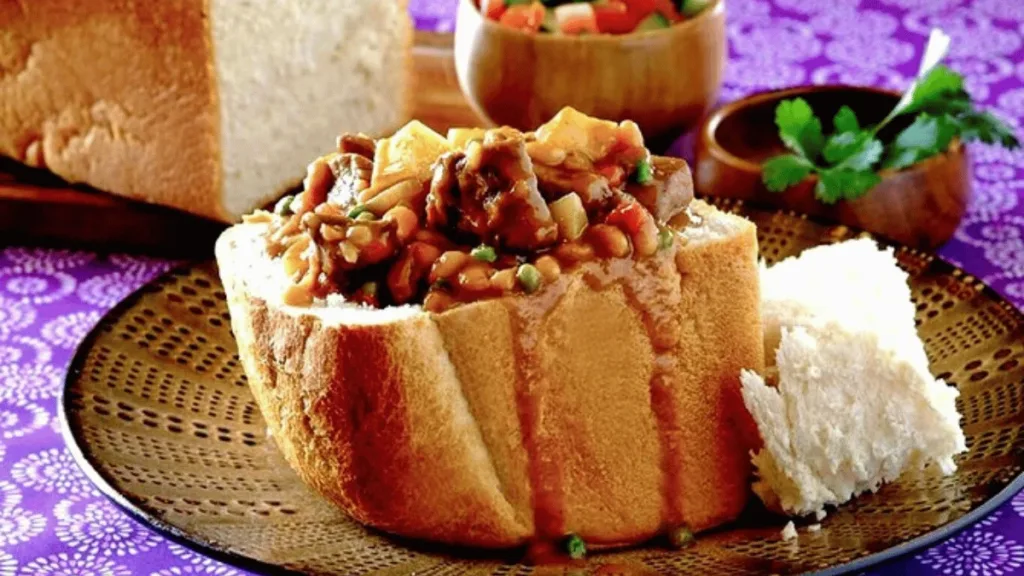
Introduction Here’s your guide to your authentic vegan bunny chow recipe. Have you ever wondered how South Africa’s favourite street food gained global fame? Bunny chow is more than just food; it’s a cultural icon. It showcases the rich history of Durban’s lively Indian community! …
Your pantry probably holds more plant-based power than you think. Reading time: ~10 minutes In this article Why your kitchen is already plant-based If you’ve ever thought, “Going vegan must be expensive or complicated,” here’s good news — it doesn’t have to be. In fact, …
In a country known for braai and biltong, adopting a plant-based lifestyle in South Africa can be challenging.
But trust me, things are changing!
Over the past few years, I’ve noticed a significant shift, and so have many others. It’s no longer a niche lifestyle; it’s a growing movement.
Increasingly, more South Africans are opting for a plant-based lifestyle.
They have several reasons: personal health, environmental concerns, and concerns for animal welfare.
This guide is for you if you’ve been curious about making the switch but don’t know where to start.
My goal is to make your journey to a plant-based diet in South Africa as seamless and enjoyable as possible. I’ll walk you through the process step by step, showing you that it’s more accessible than you think.
Explore how to enjoy a plant-based lifestyle while still savouring your favourite flavours and traditions.
The “Why” Behind Transitioning to a Plant-Based Diet in South Africa
If you’re anything like me, you’re not just curious about a new diet; you want to know the big picture.
So, why are so many people in Mzansi, myself included, choosing to make the switch?
Health Benefits of a Plant-Based Diet
For me, the journey began with a focus on my health. I found that a plant-based diet is a great way to reduce the risk of common chronic illnesses. This includes type 2 diabetes and heart disease.
Eating more fruits, veggies, and legumes helps me manage my weight and blood pressure. It’s truly a win for your well-being.
Environmental Impact in a South African Context
I’ve also noticed how our food choices affect the environment.
South Africa faces water shortages, so I was surprised by the significant amount of water and land required for livestock farming.
Switching to a plant-based diet is a great way to cut my carbon footprint and save our resources.
Ethical and Compassionate Living
Ultimately, for many, including myself, the ethical aspect is a significant motivator.
I feel a deeper connection to animal welfare. It gives me peace to know that my choices align with my values of compassion. What’s more, this shift isn’t just for a select few.
The South African “Flexitarian” Market
I’ve seen how the flexitarian market is booming here. Many South Africans are reducing their meat consumption but not adopting a fully vegan lifestyle.
This shift makes the transition feel easier and more approachable for everyone.
Preparing for Your Plant-Based Transition in South Africa
So, you’ve decided to leap!
Before you dive headfirst into the world of lentils and legumes, a little preparation goes a long way.
The South African Pantry Overhaul
A well-stocked pantry is my secret weapon for thriving on a plant-based diet in South Africa.
Don’t worry, you don’t need to empty your wallet on fancy imports. Local supermarkets, such as Woolworths, Pick n Pay, and Checkers, offer great deals on everyday staples.
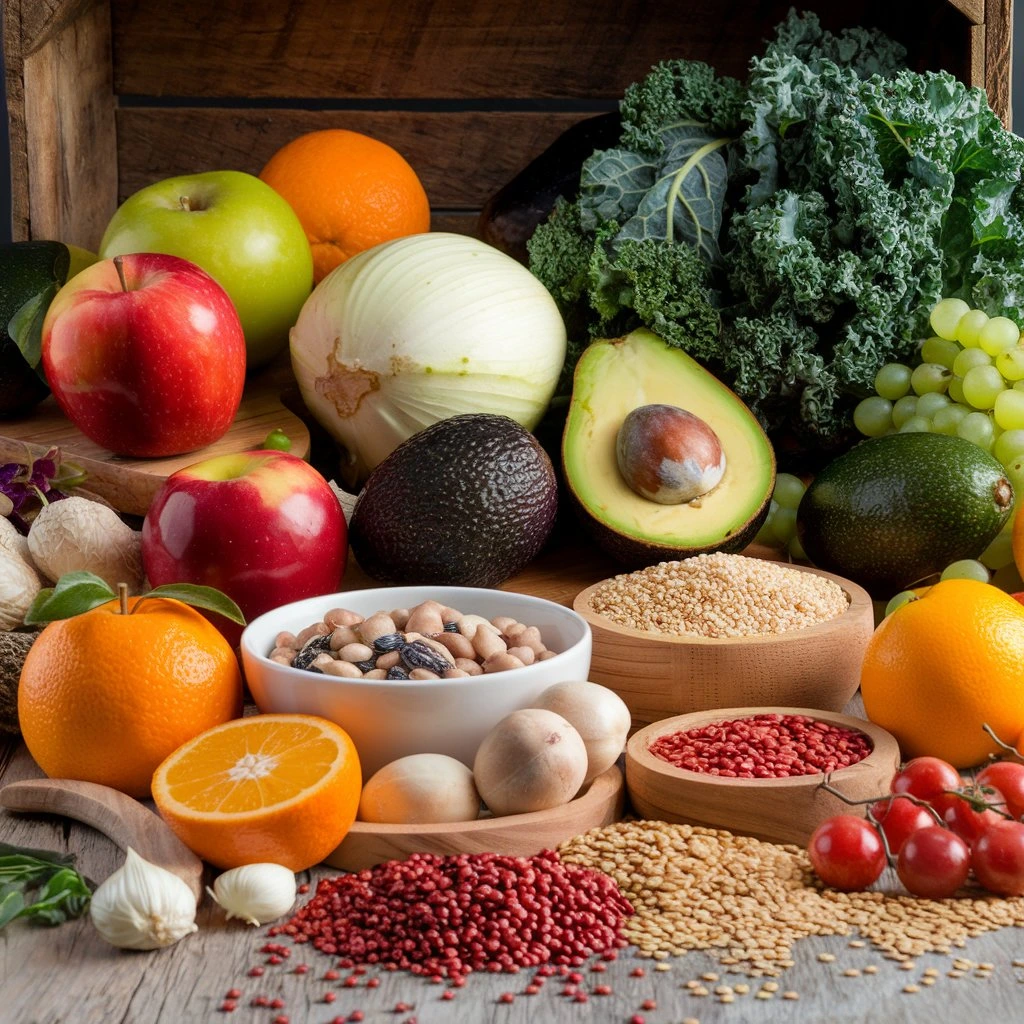
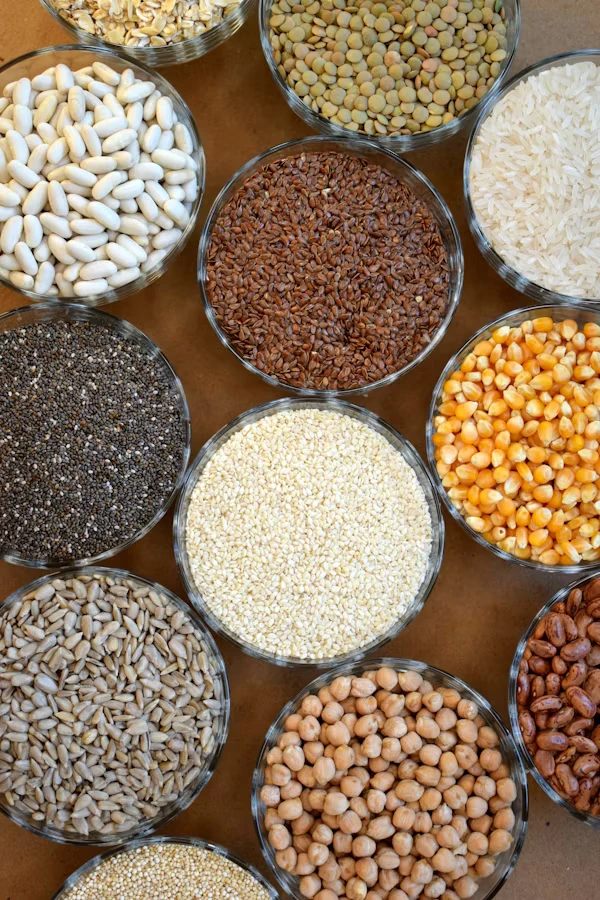
I always make sure to have dried beans, lentils, chickpeas, and a variety of grains, such as rice and maize, on hand. You’ll also want to stock up on nuts, seeds, and spices—they’re the key to adding flavour to your meals.
Setting Realistic Goals
Next, I highly recommend setting realistic goals.
It’s not about being perfect from day one.
I began with “Meatless Mondays.” Then, I gradually added more plant-based meals to my diet during the week. This gradual and steady approach allows your body time to adjust, preventing you from feeling overwhelmed.
The South African Shopping Experience
At first, navigating the aisles can be confusing. But with some practice, it becomes easy.
Many large stores now have sections dedicated to plant-based or meat-free products.
I’ve discovered some great local spots. There are speciality health stores and online shops that deliver right to my door.
Getting ready for your plant-based transition like this makes it a lot more enjoyable.
Step-by-Step Guide to a Plant-Based Diet in South Africa
Now for the exciting part—the actual how-to!
I’ve broken down the process of switching to a plant-based diet in South Africa into three easy phases.
These steps helped me.
Phase 1: The First Week (Go Gradual)
When I first started, I didn’t try to change everything at once. I focused on simple, familiar swaps.
Then I easily changed my morning routine by using plant-based milk. I swapped cow’s milk for oat or soy milk in my coffee and cereal.
I also looked at my favourite comfort foods. Instead of beef mince for my cottage pie, I tried using lentils. The texture was perfect, and with the right herbs and spices, I barely noticed the difference.
This gentle approach made my first week an adventure, rather than a challenge. I enjoyed discovering new flavours.
It’s about finding what works for you and your taste buds.
Phase 2: Building Your Plate (Focus on Nutrition)
Once I became comfortable with a few key swaps, I began focusing on creating a balanced plate.
This is crucial for a successful plant-based diet in South Africa.
I think of my plate in sections: protein, good carbs, healthy fats, and plenty of fruits and veggies. For protein, I now rely on staples like beans, chickpeas, and lentils. I also enjoy using tofu and seitan for variety. For my carbs, I want everything from sweet potatoes and brown rice to local staples like pap. Healthy fats come from avocados (a personal favourite!), nuts, and seeds.
At this stage, I also started paying attention to essential nutrients.
I learned that getting enough protein isn’t a problem if you eat a variety of legumes and grains. And now take a Vitamin B12 supplement because this nutrient isn’t found in plant foods. I add dark, leafy greens, fortified plant milks, and sesame seeds to my meals. This helps boost my intake of iron and calcium.
Phase 3: Mastering South African Plant-Based Cuisine
This is where the real fun begins!
You can make many of our favourite traditional dishes vegan or that are already plant-based.
The key is to get creative.
For a braai, I often find great plant-based boerewors and sausages at local stores. I enjoy making marinades with tangy chakalaka flavours for mushrooms and veggie skewers.
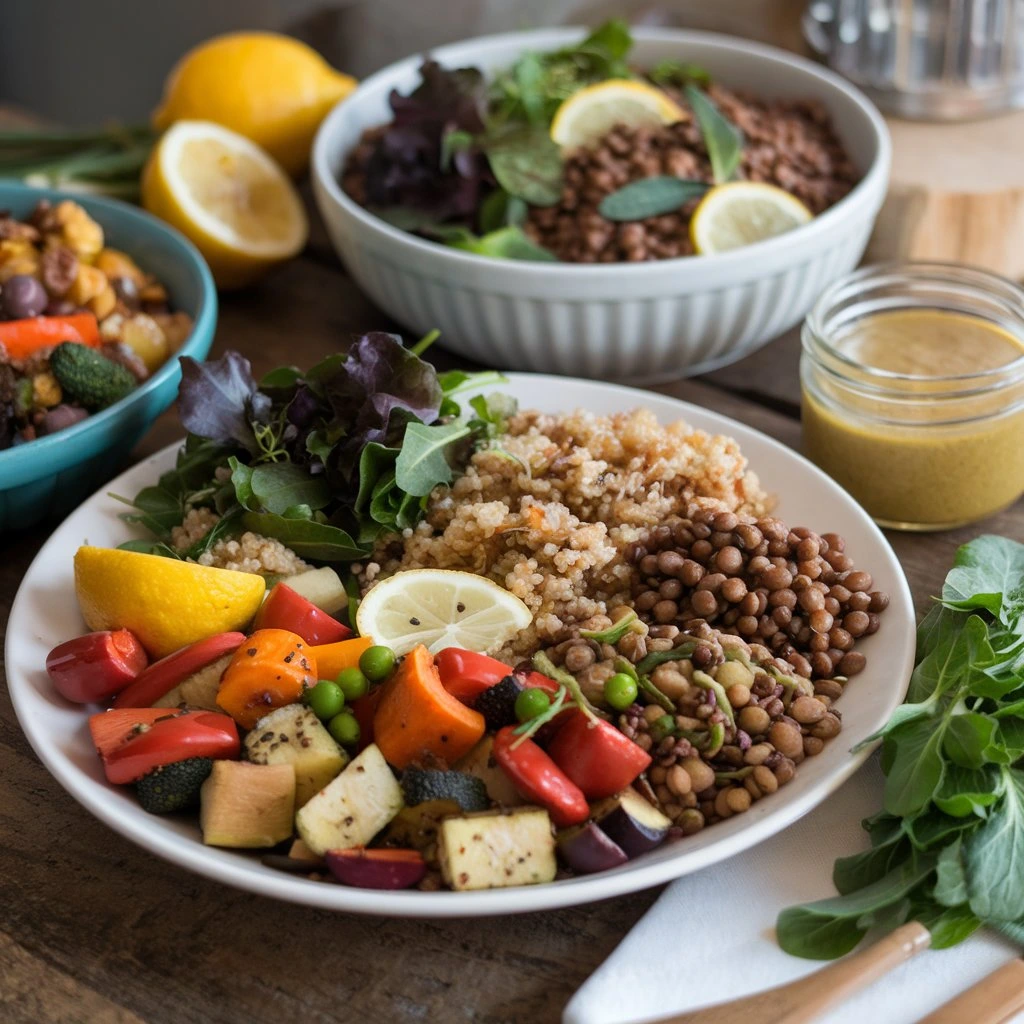
A classic lentil curry with fluffy rice is one of my favourites. It’s hearty, comforting, and full of flavour.
This step-by-step method has made my transition to a plant-based diet a rewarding experience. It’s not about restriction; it’s about expanding your culinary horizons.
So, if you want a plant-based bobotie or tasty pap and chakalaka, get creative! Your kitchen can be a hub for delicious, wholesome, plant-based meals.
It’s a journey, and I’m confident you’ll enjoy every step of it.
Overcoming Challenges When Transitioning to a Plant-Based Diet
Starting a new lifestyle, like a plant-based diet, will bring some challenges.
I know because I’ve been there!
Social Situations and Family
One of the biggest hurdles I faced was navigating social situations. The braai is a key part of South African culture.
Telling friends and family about your shift to a plant-based diet may raise some eyebrows. My best advice is to come prepared!
I often bring a tasty side dish to share with others. It could be a colourful lentil salad or some great plant-based boerewors.
This way, I’m not just saying no; I’m showcasing how flavourful and satisfying my choices are.
Budget-Friendly Plant-Based Eating
I also worried about my budget.
And I used to think plant-based eating was costly. Now, I know it’s about choosing staples instead of pricey processed options. Lentils, beans, and fresh seasonal produce from my local market are cheap and healthy. I save a lot of money by cooking from scratch.
Dealing with Cravings and Lack of Support
Finally, coping with cravings and a lack of support can feel lonely.
The best way to combat this is by connecting with others who are on a similar journey.
Joining a local vegan or plant-based group on social media can help.
Swapping recipes with a friend also makes a big difference.
Remember, this is your journey, and it’s okay to take your time and learn along the way.
Resources for a Plant-Based Diet in South Africa
Finding support and products for a plant-based diet in South Africa is easier if you know where to look.
I’ve discovered a wealth of helpful local resources, and I’d like to share my top finds with you.
Local Brands and Products
First, let’s talk about products.
The number of local plant-based brands has increased significantly in recent years. I found great products from Fry’s Family Food and Urban Vegan. They offer tasty meat alternatives, perfect for a braai or a quick weeknight meal.
For delicious dairy-free options, I’ve enjoyed products from Fairview and Okja. These brands are often available in major supermarkets, so you don’t have to go on a special mission to find them.
South African Vegan and Plant-Based Communities
Beyond products, a strong community is essential. I feel a strong sense of belonging in local online groups.
One example is the South African Vegan Society. They offer a wealth of knowledge, ranging from recipe ideas to dining-out tips.
Professional Guidance
Always seek professional guidance, especially if you have health concerns.
This is crucial.
A registered dietitian is a great resource. They help you get all the nutrients you need.
FAQ’s: Your Questions on a Plant-Based Diet in South Africa Answered
When I started on this journey, I had a million questions. I bet you do, too!
Here are some common questions about switching to a plant-based diet in South Africa, along with my honest answers.
Is transitioning to a plant-based diet in South Africa expensive?
This is a huge misconception! Some speciality vegan products can be expensive. But in my experience, a whole-foods plant-based diet is budget-friendly. Eating staples like lentils, beans, and chickpeas is cheaper than a meat-heavy diet. Seasonal veggies from local markets also help save money. I also save money by cooking from scratch instead of buying expensive pre-made meals.
Is it possible to obtain adequate protein on a plant-based diet in South Africa?
Absolutely! This was my biggest concern, but I quickly realised it’s a non-issue. We need a lot of different amino acids, and many plant-based diets have them. I get my protein from lentils, chickpeas, and beans. I also love soya mince. You can get all the protein you need from a well-planned diet that includes beans, grains, nuts, and seeds.
How do I deal with family and friends who don’t understand my plant-based diet?
This is a tough one, but I’ve found that leading by example is the best approach. I stay calm and do not get defensive. Instead of focusing on what I can’t eat, I talk about all the fantastic new foods I’ve discovered. I also bring delicious plant-based dishes to gatherings. People often come around when they see how great you feel and how tasty the food is.
What is the difference between a plant-based diet and a vegan diet?
This confused me at first as well. The main difference is the motivation. A plant-based diet emphasises foods from plants. People choose it for health or environmental reasons. A vegan diet is a lifestyle choice. It avoids all animal products. This includes food, clothing (like leather), and cosmetics. People often choose this diet for ethical reasons. A plant-based diet can be vegan, but it doesn’t have to be.
Do I need to take supplements on a plant-based diet?
A good plant-based diet is healthy. However, some nutrients can be hard to get from plants alone. For me, the most important one is Vitamin B12, so I take a supplement for peace of mind. I pay close attention to my iron and calcium. I focus on foods like lentils, spinach, and fortified plant-based milks.
Conclusion: Embracing Your New Plant-Based Lifestyle
I hope you feel inspired to begin your plant-based journey in South Africa. There are many reasons and easy methods to make the switch.
I’ve found that this isn’t just a diet; it’s a positive shift in how I think about my health, our planet, and my place in the world.
I encourage you to take that first step. Start small, be kind to yourself, and celebrate every victory, no matter how small.
Your journey to a plant-based lifestyle is a personal one. It’s filled with tasty discoveries and a stronger sense of well-being.
Here’s to a healthier you and a more sustainable future for us all.
Introduction: The Critical Nexus of Water Conservation and Plant-Based Eating in South Africa This guide helps you explore water conservation and plant-based eating in South Africa. I want to discuss something important to me that affects everyone in South Africa: our water. We see headlines …
This is your guide to vegan pre-workout snacks for runners. Have you ever put on your running shoes, felt tired midway, and thought, “Did I eat right?” You’re not alone. I used to struggle with the same thing, especially after switching to a plant-based diet. …
The movement is now a substantial shift. It promotes a healthier, sustainable, and kinder lifestyle.
I’ve noticed, however, that many people are still hesitant.
Some people believe that a plant-based diet in South Africa is too expensive. They say it’s hard to stick to and clashes with our traditional foods. I understand these concerns entirely.
Giving up familiar foods can be scary.
Starting a new way of eating might feel overwhelming.
That’s precisely why I wanted to write this comprehensive guide.
I aim here to simplify plant-based nutrition. My goal is to give you a practical roadmap focused on South Africa.
In this article, I’ll show you how to fill your pantry with local, affordable ingredients. You’ll also learn to create tasty, wholesome meals that boost your energy.
Let’s break down myths about protein costs.
I’ll also share my top tips to make this lifestyle fun and sustainable. Ultimately, this isn’t about perfection; it’s about progress.
Let’s begin this journey together.
We’ll explore how easy and rewarding plant-based nutrition can be in South Africa.
Understanding the “Why”: The Benefits of Plant-Based Nutrition for South Africans
Choosing a plant-based diet isn’t just about what you eat.
Health Benefits
It affects our health, our planet, and our communities.
As a South African, I notice how common chronic diseases are, like heart disease and diabetes.
Our traditional diet, which is often meat-heavy, contributes to this issue.
Studies repeatedly demonstrate that a diet abundant in fruits, vegetables, and legumes can substantially diminish the risk of many chronic non-communicable diseases (NCDs). Thus, helping to manage blood pressure, lower cholesterol, and maintain a healthy weight.
Environmental Impact
Beyond personal health, we also have a responsibility to our beautiful country. The environmental benefits of shifting towards plant-based foods are truly substantial.
Animal farming consumes a significant amount of land, water, and energy. This shows its considerable impact.
Eating less meat and dairy helps lower our carbon footprint. This change also supports a more sustainable food system.
This isn’t just a global issue; it’s a local one that affects our precious natural resources.
Ethical and Social Considerations
Finally, there are the ethical and social dimensions.
Many people discuss animal welfare, and I believe it’s an important topic.
We boost our food economy and improve community safety by focusing on local, plant-based foods.
The reason for plant-based nutrition is simple. It helps us take care of ourselves, our planet, and each other.
The South African Pantry: Building Your Plant-Based Nutrition Foundation
Many people think that a plant-based diet requires a whole new shopping list. They believe you should fill it with expensive, imported items.
But I’ve discovered the exact opposite is true, especially here in South Africa.
Local and Affordable Staples
For a sustainable switch, choose local and affordable staples. These local staples are not only delicious but also healthy and nutritious. You can find these at any supermarket or spaza shop.
Grains
First, let’s talk about grains. Mielie pap, samp, and mielie rice are more than just comfort foods. They are also a great, affordable source of energy.
Brown rice and oats are readily available. They work well in many meals, like breakfast porridge or hearty stir-fries.
Legumes
Next, I want to emphasise the importance of legumes.
Lentils, chickpeas, and beans are key in South Africa’s plant-based diet. This includes local favourites like sugar beans and kidney beans. They’re full of protein and fibre. A single bag can last for weeks, making them a budget-friendly choice.
Fruits and Vegetables
I recommend buying fresh produce that’s in season. Also, shop at local markets. This is where you’ll find the freshest and most affordable fruits and vegetables.
Imagine a colourful dish with sweet potatoes, butternut squash, and spinach. These ingredients are easy to find.
Nuts and Seeds
A simple, plant-based diet should also include nuts and seeds.
Peanuts and sunflower seeds can be very affordable. They can be used for snacking or making sauces, even if some options are pricey.
Spices and Herbs
Finally, don’t forget the spices!
Our diverse food scene gives us access to amazing spices like curry powder and peri-peri. These spices can make simple plant-based meals go from good to great.
Start by building a strong pantry. This is the key first step for a tasty South African plant-based lifestyle.
Making it Work: Practical Plant-Based Nutrition Tips for South African Life
One of the biggest hurdles I see people face when adopting a new diet is the fear that it will be too much work.
With some planning and creative strategies, plant-based nutrition can be easy.
The key is to blend these new habits into your South African lifestyle.
Meal Planning Made Easy
To start, I’ve found that plant-based meal planning is a game-changer. I usually set aside a small amount of time on a Sunday to plan my meals for the week. This helps me keep on budget and saves me time and stress during hectic weekdays.
When I’m shopping, I make a list and focus on the affordable pantry staples we just discussed. It’s a great way to have all I need for my tasty South African plant-based recipes.
Shopping on a Budget
And speaking of shopping on a budget, I’ve learned to embrace the market culture. The fresh produce at my local market is significantly less expensive than at the supermarket. Plus, it’s a great way to support local farmers.
Eating Out in South Africa
Let’s be real, we all love eating out.
What about finding plant-based options in South Africa?
The good news is that it’s becoming increasingly easy.
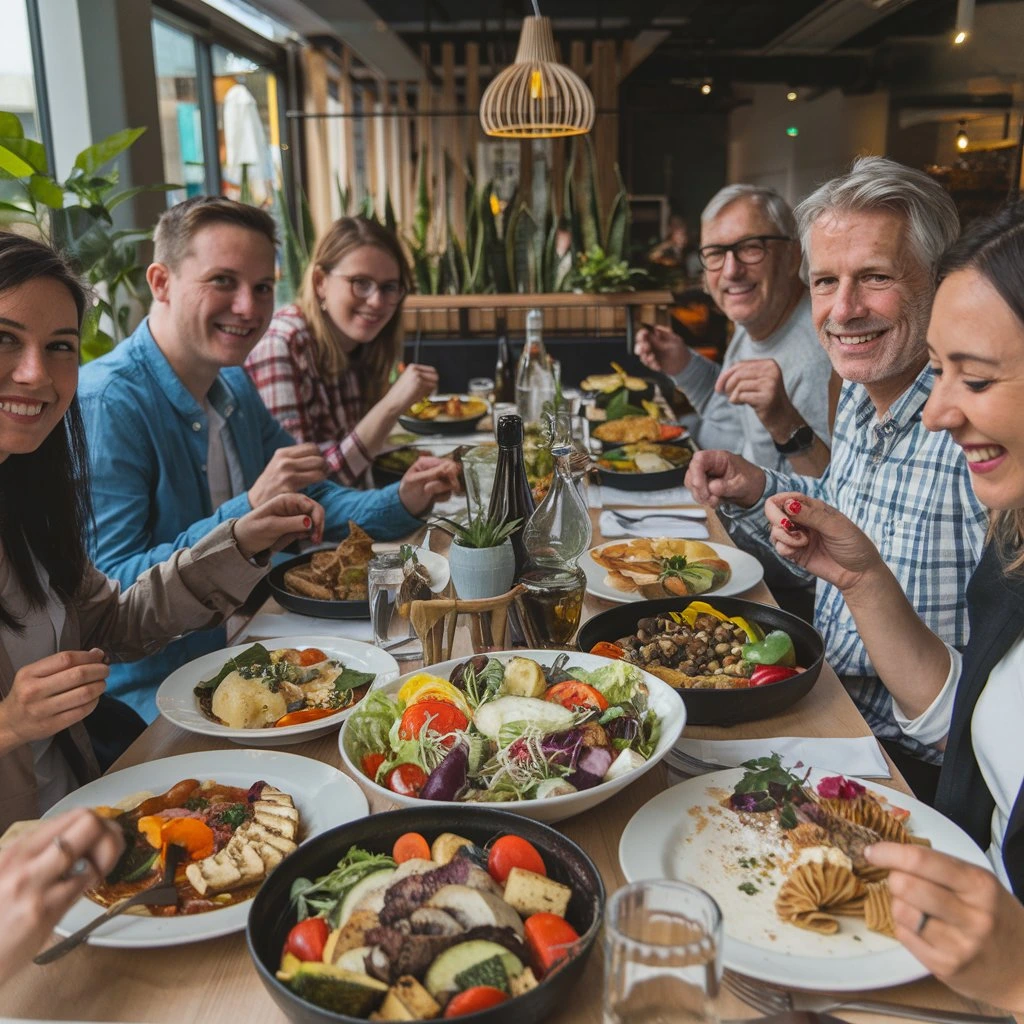
Many establishments now offer vegan or vegetarian alternatives on their menus. Indian and Ethiopian places are great choices. They usually have many vegetable-based dishes. I’ve even seen popular chains like Mugg & Bean introduce fantastic plant-based meals.
Quick & Easy Plant-Based Recipes
To make things even simpler, I’ve developed a fondness for quick and easy recipes.
Try a hearty lentil bobotie, a tasty chakalaka with baked beans, or a simple vegetable potjie. These dishes show how to adapt local cuisine for a plant-based lifestyle. You won’t lose taste or tradition!
It’s all about working with what we have and creating something extraordinary from it.
Debunking Myths: Addressing Common Concerns about Plant-Based Nutrition
Navigating plant-based nutrition can feel like a complex maze of misinformation.
I often hear people say, “But where do you get your protein?” and “Isn’t it unhealthy without all those nutrients from meat?”
These are good questions, but they often stem from common myths that can be easily disproven.
Let’s tackle the protein question first.
I once believed I had to carefully mix various plant foods at every meal to get all the essential amino acids. However, I’ve learned that this is an outdated notion.
Your body gets what it needs if you eat a balanced and diverse diet every day. So, eat a variety of protein sources. Include lentils, chickpeas, beans, and nuts.
Another big one I often hear relates to micronutrients.
People worry about deficiencies in iron, calcium, and especially Vitamin B12. A well-planned plant-based diet in South Africa can give you a lot of iron and calcium. You can acquire these nutrients through leafy greens, sesame seeds, and fortified plant milks.
But Vitamin B12 is the only nutrient that you can’t get easily from plants. This is where supplements come in, and it’s a small, easy step to ensure I’m getting everything my body needs.
Finally, there’s the concern about soy. I’ve seen countless articles claiming that it’s bad for you.
Eating whole soy foods, such as edamame and tofu, can be a healthy choice. They fit well in a plant-based diet.
It’s an affordable, complete protein source that is widely available in South Africa.
Trust me. With some knowledge, you can easily tell fact from fiction. This way, you’ll feel confident in your choices.
FAQ: Plant-Based Nutrition Questions from South Africans
One of the best parts of writing this guide is getting to answer the specific questions I know are on your mind.
Here’s a quick FAQ to address common questions from South Africans about plant-based nutrition.
How can I ensure I get enough protein on a plant-based diet in South Africa?
I get this question all the time! The truth is, it’s much simpler than you think. Our local staples are packed with protein. I rely on a mix of lentils, chickpeas, and beans to form the foundation of my meals. Don’t forget to add nuts and seeds, including peanuts and sunflower seeds. They are cheap and a great source of protein. Adding a few tablespoons to a salad or porridge can make a significant difference.
Is a plant-based dietin South Africa Expensive?
This is a huge myth I love to debunk! Some pre-made vegan products can be pricey. However, a whole-food plant-based diet in South Africa is very budget-friendly. Think about the cost of a bag of dried lentils or a sack of potatoes compared to meat. Focus your diet on these basics and buy seasonal produce from local markets. This can help lower your grocery bill.
What are some indigenous South African plant-based foods I can eat?
This is a fun one! I love celebrating our local heritage.
Try traditional foods such as amadumbe (a root vegetable), morogo (wild spinach), and imifino (a mix of leafy greens). Many of these foods are very nutritious. You can add them to classic dishes for unique, healthy meals.
Where can I find plant-based alternatives to meat and dairy in South Africa?
Fortunately, the market has expanded a lot. Many supermarkets, such as Woolworths, Checkers, and Pick n Pay, now have dedicated sections for plant-based products. Local brands like Fry’s Family Foods and Herbi Vohr provide tasty options. They offer plant-based boerewors and mince, among other products. Online stores like Faithful to Nature offer a diverse range of products.
Conclusion: Your Journey to Plant-Based Nutrition Made Easy
So, there you have it.
In conclusion, I aim to demonstrate that a rewarding plant-based diet is not only possible but also easily accessible in South Africa.
We’ve discussed the strong reasons for the shift. It helps your health and the environment. We also shared practical tips for everyday use.”
I’ve shared my tips for stocking a local pantry. I also cover meal planning on a budget and effective social situation management.
My biggest takeaway for you is this: you don’t have to do it all at once. The beauty of a plant-based lifestyle is that it’s a spectrum.
Start small. Try a “meatless Monday” or swap one meal each day for a tasty, plant-based option. The goal isn’t perfection. It’s about making choices that feel right for you.
Please view this not as a strict diet. Think of it as a fun journey into new foods and flavours. It’s also about becoming a healthier you.
I hope you feel empowered and inspired to take that first step.
You can visit your local market to find new vegetables. Or, try one of the easy recipes we discussed.
Initiating plant-based nutrition in South Africa is a wise choice for you and our shared future.
Go ahead, give it a try—I know you’ll love it.
Please leave your comments below about your experience.
Why this matters in South Africa I’ve been writing and cooking around plant-based food for years, and lately, friends ask me the same question: “Which is better — plant-based or keto?” There’s no one-size-fits-all answer, but living and eating in South Africa give this question …
Introduction This is your guide to a whole-food, plant-based diet and prostate cancer. Facing a diagnosis like prostate cancer can feel overwhelming. It’s normal to want to take steps to feel more in control of your health. After all, the journey to wellness often begins …
Here’s your guide to making sustainable, plant-based meals in South Africa—showing how delicious simplicity can benefit you and the environment.
I love good food and our beautiful country.
I’ve noticed a significant shift to mindful eating, making plant-based meal ideas in South Africa more exciting than ever.
People used to think that eating plant-based meant missing out. But I’ve found it’s the opposite.
It’s a chance to discover new flavours and reconnect with local produce.
Let’s examine why this topic is relevant now.
As a nation, we are becoming more aware of how our food choices affect both our health and the environment.
This article serves as a guide to help you navigate this delicious journey.
I want to show you how easy it is to make affordable, tasty, and sustainable plant-based meals in South Africa using ingredients and traditions we all love.
Let’s enjoy plant-based eating together by exploring traditional favourites and new dishes to make the experience fun and easy.
Why Choose Sustainable Plant-Based Meals in South Africa?
I often hear this question: “Why should I choose sustainable plant-based meals in South Africa?”
I enjoy answering this because choosing sustainable plant-based meals in South Africa benefits our water supply, supports our health by increasing fibre and nutrients, and helps reduce our environmental impact at the same time.
I’ve seen how it can change the game for our beautiful, water-scarce country. Agriculture, particularly livestock farming, consumes a substantial amount of water.
Switching to a more plant-based diet is a small but essential step in conserving a vital resource.
Eating a plant-based diet with local veggies and legumes boosts my energy and vibrancy.
It’s a great way to boost my fibre and nutrient intake while lowering saturated fats.
Ultimately, this choice benefits both personal health and the planet.
It improves my well-being and supports a sustainable future for everyone in South Africa.
Sourcing Sustainable Ingredients in South Africa
Exploring sustainable, plant-based meals in South Africa initially felt overwhelming.
All the recipes I saw called for exotic, imported ingredients. I quickly learned that the secret to living this way easily and affordably is to appreciate what we already own.
Shopping Locally
I support my local community by shopping at farmers’ markets. And I love places like the Neighbourhoods Market in Cape Town and the Hazel Food Market in Pretoria.
There, I can buy amazing, locally grown plant-based staples directly from the people who grew them. This is not only a fantastic way to ensure my food is fresh and seasonal, but also to reduce my carbon footprint.
It’s a great feeling to know I’m supporting a local farmer instead of a massive supply chain.
Seasonal Produce
Moreover, I’ve learned that getting to know the rhythm of the seasons is key. Buying produce that’s in season means it’s at its peak flavour and often cheaper.
In the autumn, I stock up on sweet potatoes and butternut squash. They form the base for many hearty and tasty meals.
Local Plant-Based Staples
I’ve found amazing local staples like samp and beans, mielies, and pumpkin. These foods are full of nutrients. They are essential in many traditional South African dishes.
My shift to a sustainable, plant-based diet feels like a celebration of our heritage.
Sustainable Plant-Based Breakfast Ideas in South Africa
Breakfast is now my favorite meal to experiment with. A sustainable, plant-based breakfast in South Africa can be a thrilling experience.
It’s not just about boring toast!
I’ve found ways to make traditional favourites plant-based. They are both tasty and healthy.
Traditional Mielie Pap with a Twist
Take mielie pap, for instance.
I love creamy mielie pap. Sometimes, I switch it up by using oat milk or another plant-based milk instead of water.
I’ll add a South African twist with cinnamon, crunchy seeds, and fresh fruit. Sliced mango or papaya works well! It’s a fantastic, comforting way to kick-start my day.
On days when I’m in a rush, a smoothie bowl is my go-to.
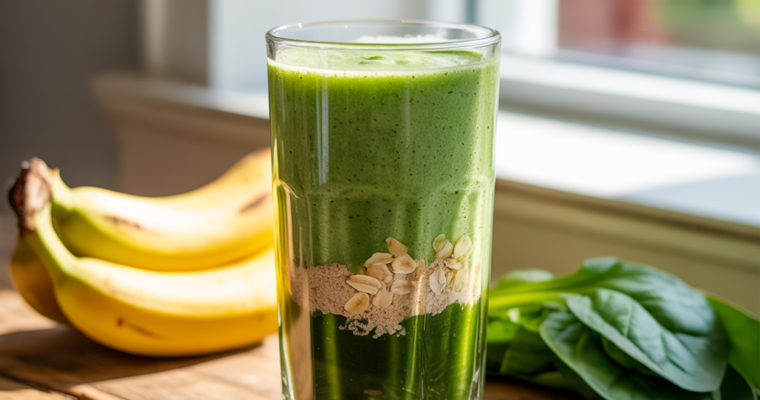
I blend local, seasonal fruits, such as pawpaw and pineapple, with spinach. Then, I add a scoop of peanut butter for protein.
To make it a little more special, I top it with some granola and a drizzle of honey alternative.
Avocado Toast with a South African Flair
And of course, who can forget avo toast?
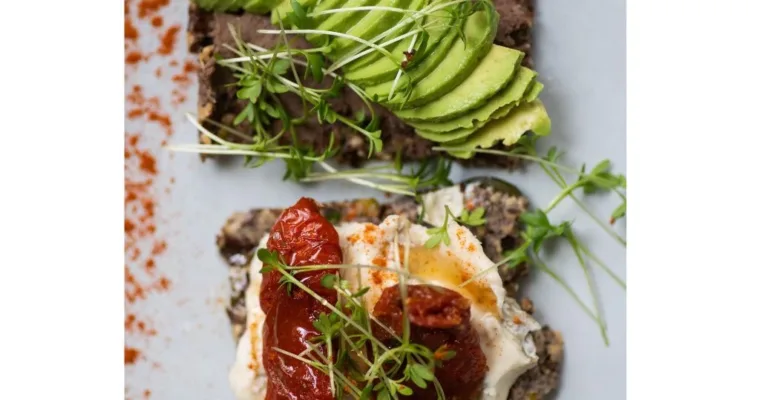
I enhance this classic by mashing avocado with a bit of paprika and lemon juice. Then, I top it with spicy chakalaka or atchar for a proper South African kick.
These plant-based breakfast recipes are healthy, planet-friendly, and packed with vibrant flavours I love.
They prove plant-based eating can be both easy and incredibly satisfying.
Sustainable Plant-Based Lunch Ideas
Lunch often tests my commitment to a plant-based diet, especially on busy days
Some planning helps, and the results are much more satisfying than a quick meal.
I focus on turning classic South African comfort food into plant-based dishes, unlocking a world of flavour.
A “Boerie” Roll, but Make It Plant-Based
On weekends or with extra time, I make a plant-based ‘boerie’ roll.
I’ll make patties with seasoned brown lentils or chopped mushrooms. This replaces the usual sausage.
I pile it on a fresh roll with fried onions and a scoop of Mrs Ball’s chutney. It’s hearty and tasty—I’m sure it could trick any meat-eater!
Chakalaka and Pap
Another excellent option for a truly authentic and filling meal is chakalaka and pap. I prepare a big batch of a simple, spicy chakalaka with carrots, cabbage, and beans.
It’s great to keep around. It also makes a tasty and healthy side for creamy pap.
This tasty meal is one of my favourite plant-based lunches from South Africa.
Hearty Lentil Soup
For a lighter lunch, especially in cooler months, I often make lentil soup.
I load it with a medley of local vegetables, such as carrots, celery, and spinach. It’s comforting, nutritious, and incredibly easy to make in a large pot for the week ahead.
Leftovers Reinvented
Finally, one of the most sustainable tips I can give you is to embrace leftovers.
I always try to cook a bit extra dinner, which I then transform into a fresh new lunch. You can fill last night’s vegetable potjie in a warm wrap. Or, I can spice up my leftover samp and beans and serve them with a salad on the side.
These plant-based South African lunch ideas make healthy, sustainable eating exciting and practical.
Quick and easy can still be tasty and healthy!
Sustainable Plant-Based Dinner Ideas in South Africa
Dinner is the main event for me. It’s a time to relax, bond with family, and enjoy good food.
I find joy in creating plant-based dinners in South Africa.
The key is to take the flavours and dishes we all know and love and give them a fresh, plant-based spin.
Bunny Chow, Plant-Based Style
For instance, who doesn’t love a good Bunny Chow?
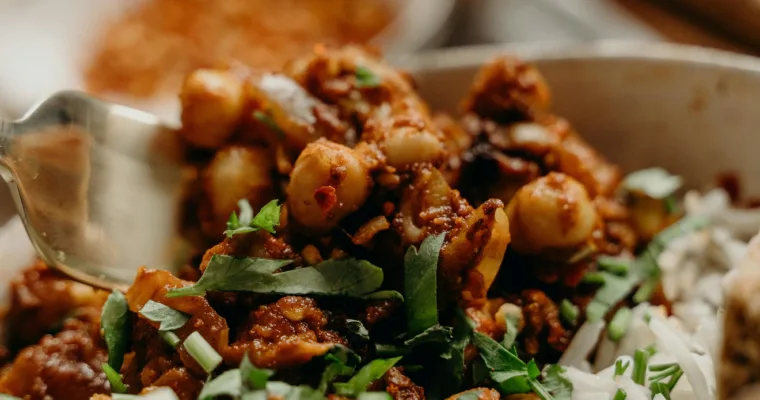
A chickpea and lentil curry is perfect. It’s spicy and filling. I add local vegetables, such as potatoes and carrots. The rich tomato base brings it all together.
Served in a hollow loaf, it’s a tasty and satisfying meal, offering a meat-free twist on a classic.
Bobotie for the Modern Palate
Perhaps a more complex dish you’ve been missing is bobotie.
I create a great plant-based dish with lentil mince. I season it with Cape Malay spices. Then, I add some raisins and a bit of apricot jam. This gives it that sweet and savoury taste. I top it with a delicious custard made from plant-based milk and bake it until golden.
Here’s a healthy, plant-based South African dinner recipe everyone will enjoy.
Braai Essentials for Plant-Eaters
But what about the braai?
Of course, we can’t forget our national pastime! A plant-based braai can be just as much fun as a traditional one.
I enjoy marinating thick portobello mushrooms in a smoky sauce. I also grill mielies until they’re a bit charred.
I make colourful veggie skewers and gourmet salads.
For example, I prepare a sweet potato and chickpea salad. It pairs well with our grilled items.
Vegetable Potjie
Another classic I frequently turn to is a hearty vegetable potjie. I fill my potjie pot with potatoes, butternut, carrots, and chickpeas. Then, I let it simmer with herbs and spices.
And finally, for a truly comforting and affordable meal, I go back to the basics: samp and beans.
I cook it until it’s creamy. Then, I add a garnish of fresh coriander, a squeeze of lemon juice, or a generous dollop of atchar.
These dinner ideas prove South African plant-based meals deliver flavor, enjoyment, and support for sustainable living.
Snacks and Sides
Smaller dishes add flavour, variety, and keep you energised all day.
Biltong’s Plant-Based Cousin
As a South African, I know the craving for biltong is real.
I’ve begun making my plant-based biltong with king oyster mushrooms or jackfruit. I marinate them in a blend of vinegar and spices and then dehydrate them. The result is a chewy, savoury treat that satisfies that craving completely.
It’s one of my favourite sustainable plant-based snacks in South Africa.
Easy Sides
Sides are a chance to showcase local produce. I often make sweet potato salad or coleslaw with plant-based mayonnaise. These simple sides pair with any main meal.
Healthy Snacks on the Go
For busy days, I carry a mix of nuts and dried fruit. It’s a quick, healthy way to refuel.
These small changes help my journey to a more plant-based lifestyle.
FAQ: Here Are Answers to Common Questions About Sustainable Plant-Based Meal Ideas in South Africa
Starting a new way of eating can bring up a lot of questions.
As I’ve navigated this journey, I’ve had my own, and I’ve also heard many from friends and family.
Here are the top questions I receive about plant-based eating in South Africa.
A common concern I hear is: “How do I get enough protein?“
My answer is that it’s surprisingly easy! We offer a variety of affordable, protein-rich foods. These include lentils, chickpeas, different beans, and soy mince. A simple dish of samp and beans provides a complete protein source, for example.
Another great question is: “Are plant-based meals expensive?“
They don’t have to be at all. Buying local and seasonal foods, such as mielies and samp, can help lower your grocery bill. This often costs less than buying meat.
“What are some of the best family-friendly recipes?” I always recommend my lentil bobotie or a hearty vegetable potjie. These are familiar, comforting flavours that everyone loves.
“Where do I find these ingredients?” Look to local markets first for the freshest produce. You’ll see more plant-based products in all major supermarkets and health food stores.
“Is it hard to find options when eating out?”
Not anymore! More restaurants in major cities are now serving plant-based meals. This change makes it easy to enjoy sustainable eating in South Africa, even when dining out.
This plant-based diet in South Africa FAQ should help you get started with confidence.
Conclusion
We’ve covered everything from breakfast staples to braai favourites. In South Africa, choosing plant-based meals opens up a world of new flavors. You won’t feel deprived.
It’s a journey that honours our country’s rich local produce and vibrant flavours.
I hope this guide inspires simple, mindful swaps. Every small, conscious choice supports your well-being and a sustainable future.
I encourage you to try these recipes.
Support local markets and discover how tasty and satisfying this way of eating can be.
Introduction Here’s your guide to low-fat dinner recipes for a plant-based lifestyle in South Africa. I’m excited to share my passion for crafting delicious and healthy meals. This is primarily intended for individuals in South Africa who follow a low-fat, plant-based diet. I’ve seen firsthand …