Asparagus is a superstar vegetable. It’s those vibrant green spears that pop up at the market. And you know, spring is here. Not only is Asparagus loaded with nutrients, but its taste is incredibly versatile. You can enjoy this springtime favourite by roasting it. You …
Ever wondered what goes into those mouthwatering food videos you love? The life of a food vlogger seems like an endless stream of tasty dishes. But there’s a lot more that goes on behind the scenes! Food vlogging has become a tasty part of internet …
Research is exploring the ethical, safety, and scalability of this approach.
Exploring Other Novel Technologies
It includes 3D printing food. It also includes using AI to design ideal plant-based meals. The future is full of exciting possibilities.
Research is constantly finding new ways to push the bounds of plant-based food tech.
10. The Social and Economic Impact of Plant-Based Diet
The rise of plant-based food goes beyond individual plates. Research in this area is focusing on:
Impact on Food Security
Plant-based protein sources can be more efficient to produce than animal agriculture.
Research is exploring how plant-based food can help create a better food system. This system must feed a growing population and be secure and sustainable.
Job Creation and Economic Opportunities
The plant-based food industry is growing.
Research is analyzing the economic impact of this shift.
It includes creating jobs in new sectors. These sectors include plant protein production and alternative food technology.
By working in these diverse areas, scientists and innovators ensure a future.
Plant-based food is not just a trend but a powerful force for good. It will benefit our health, planet, and global food systems.
What you’ve read is a glimpse into the exciting world of plant-based food research.
There’s more
Bonus Bite: Dive Deeper into the Plant-Based Food Revolution!
Hungry for more?
Here are some resources. They will fuel your exploration of the exciting world of plant-based food research:
Lindsay’s food blog with simple and tasty recipes.
Using these resources allows you to become a more informed advocate for plant-based food. You can also help create a healthier and more sustainable future for our planet.
Let’s continue to learn, grow, and nourish ourselves and the world with the power of plants!
The Future of Food is Plant-Powered: A Final Bite
The world of plant-based food research is brimming with exciting possibilities.
Scientists are unlocking plant protein’s potential.
They are harnessing innovative technologies.
We’ve provided you with a list exploring the top 10 must-have plant-based food research areas. It is a glimpse into the vibrant world of plant-based food innovation.
What are you going to do about this knowledge?
Are you going to explore the resources provided?
Are you going to help create a future where food is a powerful force for good?
Imagine this: You close your eyes and picture a meal that brings back warm memories. It could be a rich lentil soup. Your grandma simmered it to perfection. Or, a lively bean burrito overflows with childhood joy. It could be the cosy smell of roasted …
This article provides an overview of Woolworths’ Plant-Based Products in South Africa. It also offers tips on choosing the right product for your needs. But wait Is Woolworths’ plant-based revolution making any inroads in South Africa? Woolworths Plant-Based Revolution Have you ever craved a delicious …
Gone are the days when building muscle meant downing pounds of chicken and steaks.
Today, a growing movement of athletes and fitness enthusiasts is achieving impressive results. They do this while eating plant-based diets.
The truth is that building muscle isn’t about the source of your protein. It’s about eating enough of it. The plant kingdom offers a treasure trove of tasty, protein-rich options to help you do that.
They range from versatile tofu to calorie-dense nut butter. You’ll have all the tools to build a robust and plant-powered body.
So, forget the old ideas.
Get ready to unlock your muscle-building potential. You can do it all without giving up your taste or your values.
Plant-Based Foods to Help You Achieve Muscle Gain
Plant-Based Protein Powerhouse
Body Hub/15 High Protein Vegetables
Legume Love
Legumes
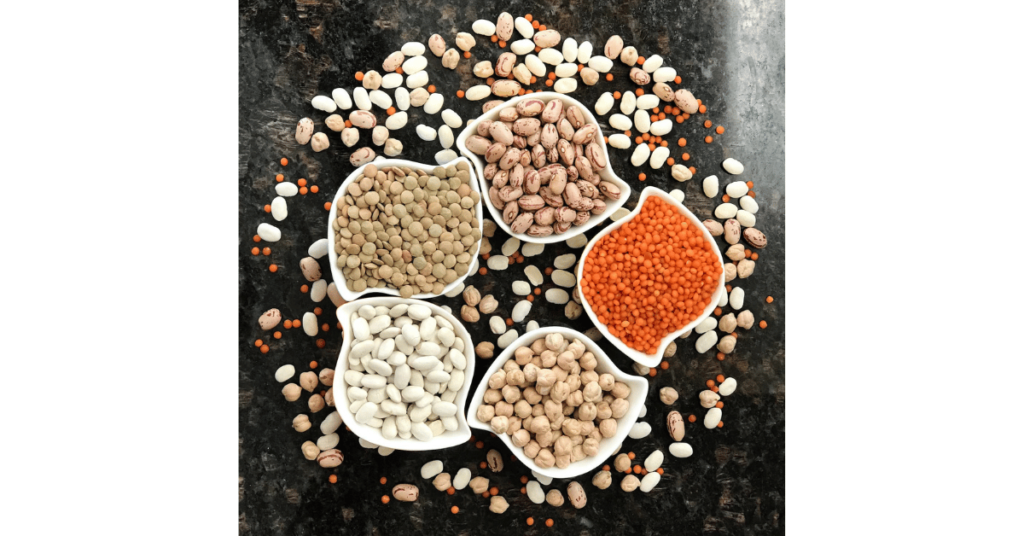
Beans, lentils, and chickpeas are the champions of the plant-based protein world.
A 237ml of cooked lentils has 18 grams of protein and fibre, keeping you full and energized.
Make a hearty lentil soup for lunch. For a protein punch, toss chickpeas into a post-workout salad.
Soy Sensation
Tofu and tempeh are versatile soy products.
They have complete protein profiles. So, they contain all nine amino acids your body needs.
Marinated and baked tofu cubes add a savoury touch to stir-fries, and teff crumbles give vegan bolognese a meaty texture.
Nutty Goodness
Nuts, seeds, and nut butter are rich in protein. They have healthy fats. These fats keep you full and provide lasting energy.
Almonds have 6 grams of protein per thirty millilitres. Sunflower seeds have many essential minerals.
Spread peanut butter on whole-wheat toast for a quick and delicious pre-workout snack.
Whole Grain Warriors
Remember to consider the protein in whole grains. They include quinoa, oats, and brown rice.
A 237 ml of cooked quinoa provides 8 grams of protein for a complete protein source. Rolled oats provide sustained energy for early morning gym sessions.
Try a protein-packed oatmeal bowl with berries and nuts for a power breakfast.
Emerging All-Stars
Hemp seeds and chia seeds are gaining popularity for good reason.
These tiny nutritional powerhouses offer a lot of protein. They have about 5 grams per 3 tablespoons of hemp seeds. They also have healthy fats.
Sprinkle them on salads or yoghurt parfaits, or even bake them into energy bars for a protein boost.
Don’t Forget The Calories
Building muscle requires a calorie surplus – consuming more calories than you burn.
Plant-based diets can be lower in calories. So, it’s essential to include calorie-dense options to support muscle growth.
Avocados, with their healthy fats and fibre, are a great choice.
Dried fruits like raisins and dates provide a burst of energy. Healthy fats from seeds and nut butter add calories without sacrificing nutrition.
But
How will you know you’re eating enough plant-based foods for muscle gain?
Here’s a sample you can follow.
Sample Plant-Based Meal Plan for Muscle Gain
This sample meal plan provides about 2,000 calories and 150 grams of protein. You can customize it to suit your needs and goals.
Breakfast (450 calories, 30 grams protein)
Make a Protein Smoothie.
Blend 1 cup of unsweetened plant milk and one scoop of plant protein powder. Add 1/2 banana, some spinach, and one tablespoon of chia seeds.
Snack (250 calories, 15 grams protein)
One cup Greek yoghurt (plant-based) with 1/4 cup berries and two tablespoons of chopped almonds.
Lunch (500 calories, 35 grams protein)
Black Bean Burgers
Make some homemade black bean burgers. Put them on whole-wheat buns and top with avocado slices. Serve with roasted sweet potato fries.
Snack (200 calories, 10 grams protein)
Enjoy apple slices paired with two tablespoons of peanut butter.
Dinner (500 calories, 40 grams protein)
Tofu Scramble
Prepare a tofu scramble seasoned with nutritional yeast and turmeric. Serve it alongside a whole-wheat wrap filled with roasted vegetables and hummus.
Evening Snack (100 calories, 20 grams protein)
Cottage cheese (plant-based) with a sprinkle of chopped nuts and dried fruit.
Remember
It’s just a sample; feel free to mix and match based on your preferences!
Additional Tips
Drink plenty of water for hydration.
Consider adding plant-based protein powder. It is a convenient way to boost your protein intake.
Remember fruits and vegetables! They provide essential vitamins, minerals, and fibre to support health and fitness.
Follow these tips, and add these tasty plant-based options. They will fuel your body for muscle gain and help you reach your fitness goals!
Conclusion
So, there you have it.
We have a treasure trove of plant ingredients. They will fuel your fitness journey and help you meet your muscle-building goals.
Building a robust and healthy body doesn’t have to come at the cost of your values or taste buds.
Imagine the joy of peak physical performance. You know you’re fueling your body with plants.
It isn’t just about looks. It’s about building strength, toughness, and a deep bond with your body.
It’s about pushing your limits and discovering what you’re capable of. It’s all powered by the incredible power of plant-based foods.
What steps will you take to get your best plant-based foods for muscle gain?
So, ignore the doubts.
Embrace the plant-based power. Get ready to unleash your full potential!
Have you ever wondered why berries are always touted as a superfood? Why is that steaming green tea supposed to be so good for you? The answer might lie in tiny, hidden warriors within these plant-based foods: antioxidants! These mysterious molecules act like microscopic bodyguards, …
Did you know there’s a powerhouse mineral hiding in plain sight on your grocery store shelves? Magnesium is vital for many bodily functions. Take it; it’s vital for your optimal health. It is abundant in many tasty plant-based foods. Magnesium is a mineral. It acts …
Our diet has two main iron types: heme iron and non-heme iron.
Heme iron from animal products is easier for the body to absorb.
Non-heme iron is from plant sources. To be well absorbed, it needs other nutrients.
Remember
Adding vitamin C-rich fruits and vegetables to your iron sources is critical. It helps maximize absorption.
Iron and Well-Balanced Plant-Based Diet
Despite this difference. Vegetarians and vegans can get enough iron from a balanced, plant-based diet.
So
Join me in exploring iron in plant-based foods and learning tips for absorbing iron well. This understanding will keep you healthy and vibrant!
Is It Possible To Obtain Sufficient Iron From Food Based On Plants
Absolutely!
Heme iron from meat absorbs better. However, an excellent plant-based diet can provide all the iron you need.
Vegetarians and vegans need a bit more iron than meat-eaters. This need is because non-heme iron absorption is lower.
But, with some planning and variety, you can add tasty, iron-rich, plant-based foods to your meals.
Iron-Rich Plant-Based Foods
Let’s dig deep into the treasure trove of plant-based foods packed with iron!
Here are some categories to keep in mind when building your meals:
Legumes
These powerhouses are champions in the iron content game.
A cup of cooked lentils contains about 6.8 milligrams of iron, while chickpeas and kidney beans have about 4.5 mg per cup.
Leafy Green Vegetables
Popeye knew what he was doing!
( I hope you still remember that story unless you are born in the two-thousands)
Vegetables with dark green leaves, such as kale and spinach, are iron-rich (about 3.2 mg per cup of cooked spinach).
They boast of vitamin C. We’ll discuss later how vitamin C is essential for iron absorption.
Nuts and Seeds
These tiny nutritional powerhouses are a fantastic source of iron and healthy fats. Pumpkin seeds are a champion, with a quarter-cup serving offering around 4.4 mg of iron. Cashews, almonds, and sunflower seeds are also excellent choices.
Whole Grains
Whole grains like quinoa, brown rice, and oats provide sustained energy and are good sources of iron. A cup of cooked quinoa offers around 2.8 mg of iron.
Other Plant-Based Foods Iron Stars
Remember tofu, tempeh, and dried fruits! Half a cup of firm tofu provides around 1.8 mg of iron, while a quarter-cup of dried apricots offers around 1.5 mg.
What is science telling us?
Scientific Research Studies On Iron In Plant-Based Foods
Several scientific studies have been done on iron in plant-based foods, such as the one on factors of plant-based dietary practices influencing Anemia in India.
This study explores the challenges of iron deficiency in plant-based populations. It highlights the need to add iron to staple foods like rice and wheat flour.
This research in Norway examines iron levels in different dietary groups, including vegans, vegetarians, and pescatarians.
It highlights the potential for low iron stores in female vegans. It suggests that dietary planning can fix this.
(Remember my wife’s story?)
Another groundbreaking research has been on iron status and dietary intake in vegetarians.
This study investigates how vegetarians absorb and use iron. It compares them to a control group.
It provides valuable insights into how vegetarians can maintain healthy iron levels.
More Resources on Iron Research
Other articles on ensuring adequate iron in plant-based eaters give a good overview of iron absorption in vegetarians and vegans. It emphasizes the role of vitamin C in boosting iron uptake.
It emphasizes the role of vitamin C in boosting iron uptake.
Iron Content Table
Here’s a handy table summarizing the iron content of popular plant-based foods. Unless otherwise noted, all values are per cooked serving.
Food
Serving Size
Iron (mg)
Lentils
1 cup
6.8
Chickpeas
1 cup
4.5
Kidney Beans
1 cup
4.7
Cooked Spinach
1 cup
3.2
Kale
1 cup
1.3
Pumpkin Seeds
1/4 cup
4.4
Cashews
1/4 cup
1.5
Almonds
1/4 cup
1.7
Quinoa (cooked)
1 cup
2.8
Brown Rice (cooked)
1 cup
1.8
Tofu (firm)
1/2 cup
1.8
Dried Apricots
1/4 cup
1.5
Iron Content Table
Recipe Ideas: Iron in Plant-Based Foods
To help you add these iron-rich plant-based foods to vitamin C sources, here are a couple of recipe ideas:
Mix the cooked lentils with chopped cucumber, tomatoes, and red onion. Add a refreshing lemon vinaigrette.
Powerhouse Budda Bowl
https://youtu.be/vBhn7PYupdU?t=21
Source: Simnett Nutrition
Build a bowl filled with brown rice, roasted chickpeas, sautéed kale, and a drizzle of tahini sauce. Top it with a squeeze of fresh lemon for a burst of vitamin C.
Quinoa Stuffed Peppers
Add ingredients like quinoa and crumbled tempeh and fill them with bell peppers. Add chopped vegetables and a tangy tomato sauce.
Let your creativity flow and discover the countless possibilities available. Tasty and healthy plant-based meals!
Conclusion
The world of plant-based foods offers a surprising abundance of iron-rich options.
You’ve discovered how much iron in plant-based foods.
You can use legumes, leafy greens, nuts, seeds, and whole grains. With them, you can make meals that are delicious and nutritious. They will meet your iron needs.
Are you going to stock up on iron-rich foods?
Did I leave any of your favourite iron-rich plant-based foods?
This guide goes into depth about the best plant-based meals in South Africa. We’ll walk you through the various culinary landscapes in South Africa. Now South Africa’s culinary scene is bursting with flavour. But for plant-based eaters, finding tasty options can feel like a braai …