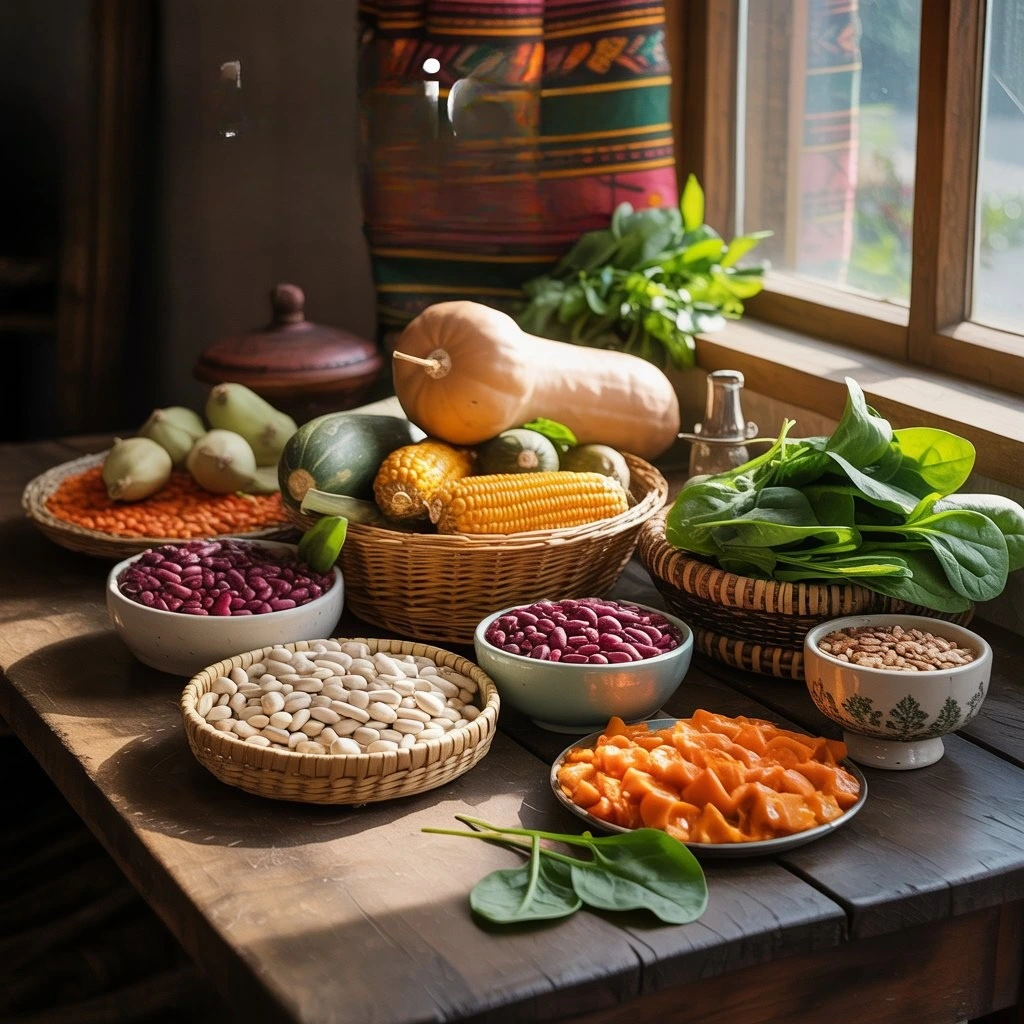
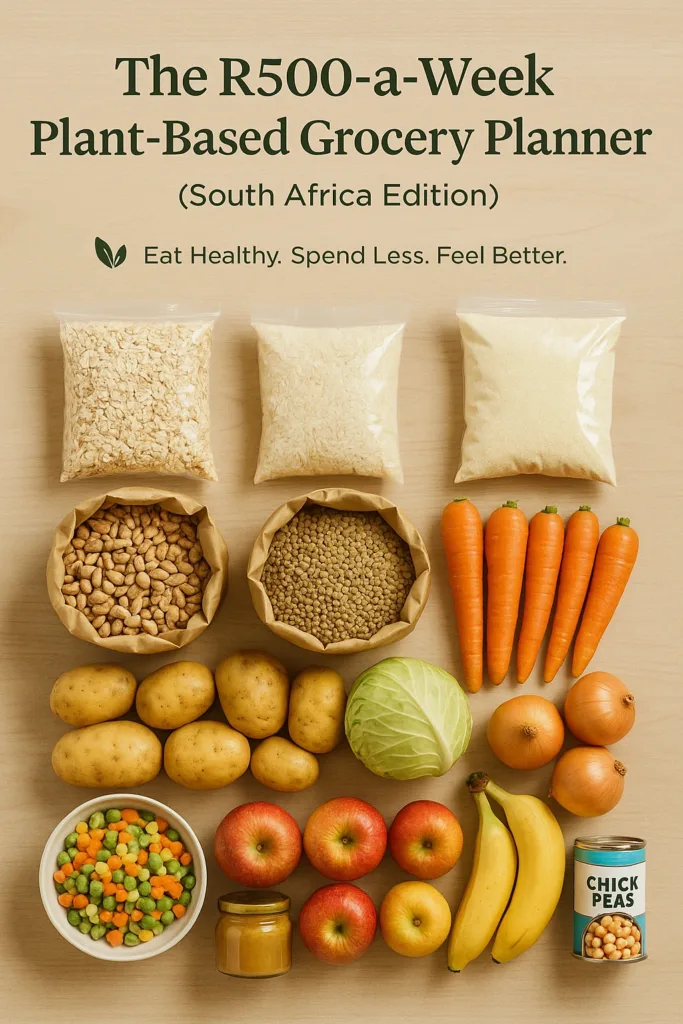
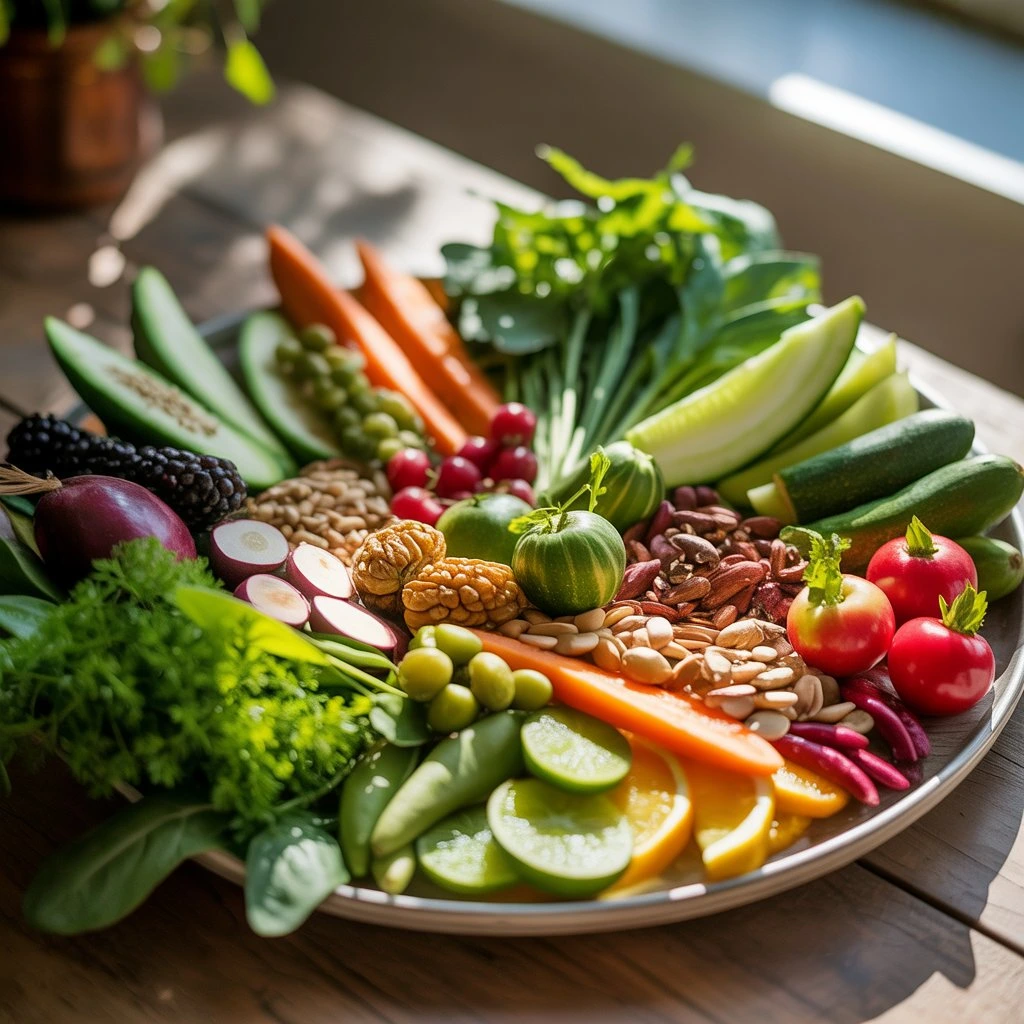
The question at hand, is why plant-based eating important. Have you ever looked at health trends online and felt like your wallet was crying? I know I have. “Healthy eating” often means buying expensive imported berries. It can also mean fancy seeds and costly fake …
Why staple-first method plant-based eating in South Africa? Smanga, a health-conscious guy, complained that plant-based eating is too expensive. I had to answer his comment. Plant-based eating in South Africa doesn’t need imported quinoa or chia seeds. You also don’t need costly protein powders. Your …
By Zama Zincume — Public Health Specialist & Plant-Based Food Writer. Originally published: 9 November 2023 | Fully updated in 2026
Quick Answer: A plant-based lifestyle in South Africa means building meals around whole plant foods — vegetables, legumes, whole grains, fruits, nuts, and seeds — while minimizing or eliminating animal products. It’s both affordable and culturally familiar when centred on indigenous Southern African staples such as morogo (wild leafy greens), amadumbe, samp, sorghum, cowpeas, and umngqusho, which are nutrient-dense whole foods rather than budget substitutes. When done well, this approach supports healthy weight, blood sugar, heart health, and digestion and can be followed using ingredients available at local spaza shops and supermarkets across the country. The most sustainable way to start is the Staple-First Method: anchor each plate with one affordable indigenous staple, then layer in seasonal vegetables and a legume for protein.
A plant-based lifestyle is no longer a fringe idea in South Africa.
It’s a practical and affordable way to eat and live. Many people choose it for better health, lower food costs, and a more sustainable future.
As chronic diseases rise, food prices go up, and environmental issues grow, more South Africans are asking a crucial question:
Can eating more plants help me live better—right here in South Africa?
The evidence says yes.
This guide explains what a plant-based lifestyle is.
It looks at how it works in South Africa, what science says about its health benefits, and how to adopt it in real life.
You can follow this lifestyle whether you live in a city, township, or rural area.
What Is a Plant-Based Lifestyle? (Clear, Evidence-Based Definition)
A plant-based lifestyle focuses mainly on eating or entirely foods that come from plants, including:
Vegetables and leafy greens
Fruits
Whole grains
Legumes (beans, lentils, peas)
Nuts and seeds
In evidence-based nutrition, a plant-based diet focuses on whole, minimally processed foods. It limits or avoids animal products and ultra-processed foods.
Importantly, plant-based does not mean perfection.
Many people choose a plant-forward diet. They eat mostly plant foods and slowly cut back on animal products.
Scientific consensus: Major nutrition organizations agree that well-planned plant-based diets are nutritionally adequate and support long-term health across diverse populations.
Plant-Based vs Vegan: Understanding the Difference
In South Africa, people often mix up “plant-based” and “vegan,” but they mean different things.
Plant-based refers primarily to how you eat, with a focus on health and nutrition. Vegan is a lifestyle choice. It avoids animal products in food, clothing, cosmetics, and more.
You can enjoy a plant-based diet without calling yourself vegan. Many South Africans do just that.
Why Plant-Based Living Is Growing in South Africa
1. Rising Chronic Disease Burden
South Africa faces increasing rates of:
Type 2 diabetes
Hypertension
Heart disease
Obesity
These conditions are closely tied to diets low in fibre. They often include high amounts of refined foods and saturated fat.
Plant-based diets are naturally:
High in fibre.
Rich in antioxidants and phytonutrients.
Lower in saturated fat.
A plant-based diet can help control blood sugar. It also improves cholesterol levels and gut health. Plus, it lowers inflammation markers.
This pattern is evident in the evidence.
2. Cost of Living and Food Affordability
Food prices continue to rise, placing pressure on households across income levels.
Contrary to popular belief, plant-based eating can be one of the most affordable ways to eat in South Africa.
Staples such as:
Dry beans
Lentils
Maize meal
Oats
Cabbage
Potatoes
Remain among the lowest-cost, highest-nutrition foods available.
Many people can eat plant-based food for R500–R700 a week with simple planning. Sometimes, it costs even less.
3. Cultural Roots in Traditional South African Diets
Plant-based eating is not new to South Africa. Many traditional diets were plant-centred, mainly due to availability and cost.
Common examples include:
Samp and beans.
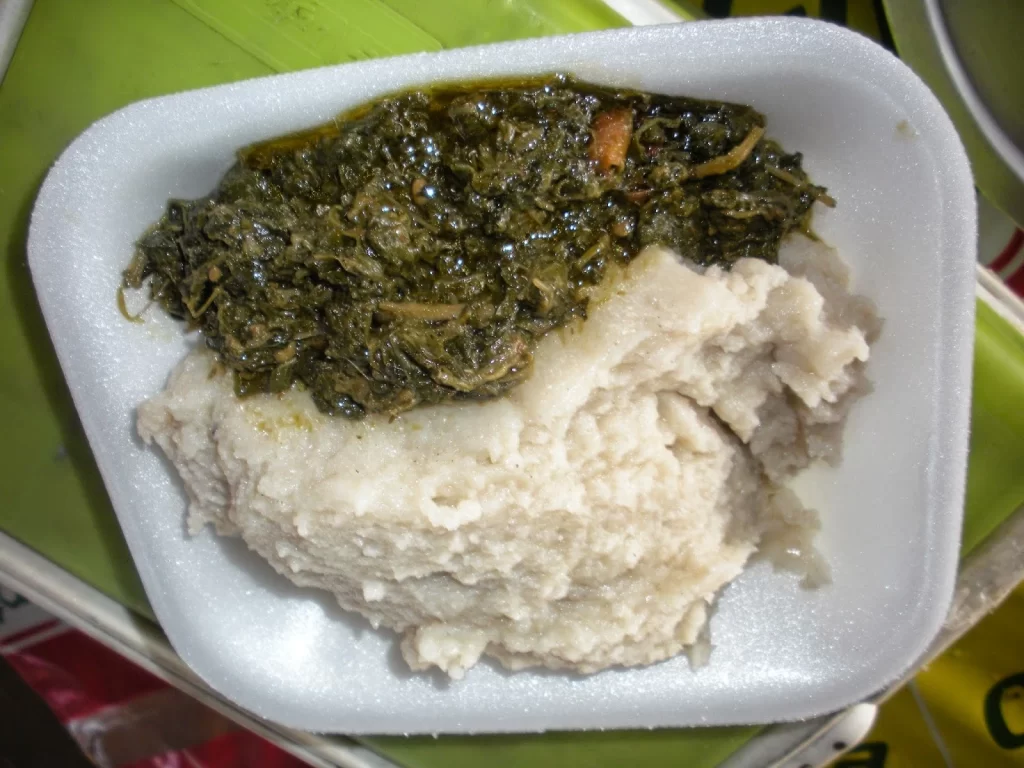
Pap with morogo or spinach.
Pumpkin, butternut, amadumbe.
Sorghum and millet.
Modern plant-based eating often embraces traditional food wisdom instead of rejecting culture.
Core Foods in a South African Plant-Based Diet
Affordable Everyday Staples
These foods form the backbone of plant-based eating across South Africa:
Sugar beans, red kidney beans, split peas.
Lentils (brown, green, red).
Maize meal (preferably fortified).
Oats and brown rice.
Potatoes and sweet potatoes.
Onions, carrots, cabbage.
They are filling, versatile, and nutrient-dense.
Nutrient-Dense Additions
To enhance variety and micronutrient intake, include:
Spinach, morogo, kale.
Tomatoes, peppers, and pumpkin.
Groundnuts and peanut butter.
Sunflower, pumpkin, and sesame seeds.
Seasonal fruits such as oranges, apples, bananas, and guavas.
These foods support immune health, digestion, and overall vitality.
Is a Plant-Based Diet Nutritionally Adequate?
Yes—when appropriately planned.
Protein
Protein needs are easily met through:
Beans and lentils
Chickpeas
Peanuts and peanut butter
Tofu and soy products
Most South Africans already consume more protein than required.
Iron
Plant sources of iron include:
Beans and lentils.
Spinach and morogo.
Pumpkin seeds and whole grains.
Eating vitamin C-rich foods, such as tomatoes, citrus, and peppers, boosts iron absorption.
Calcium
Calcium is available from:
Dark leafy greens.
Fortified plant milks.
Sesame seeds and tahini.
Vitamin B12
Vitamin B12 is not reliably available from plant foods. Supplementation or fortified foods are recommended for plant-based eaters worldwide.
This is a simple, inexpensive, and evidence-based safeguard.
Whole-Food Plant-Based (WFPB): The Health-Optimized Approach
A Whole-Food Plant-Based (WFPB) approach goes beyond being meat-free.
Its limits:
Refined oils.
Sugary drinks.
Highly processed vegan foods.
Instead, it emphasizes:
Home-cooked meals.
Fibre-rich starches.
Natural, minimally processed foods.
Research links WFPB diets with:
Improved gut microbiome health.
Better insulin sensitivity.
Sustainable weight management.
Reduced cardiovascular risk.
Eating Plant-Based on a Budget in South Africa
Practical Budget Strategies
Buy dry legumes in bulk.
Choose seasonal vegetables.
Cook at home and batch-cook.
Shop at local markets and spaza shops.
Build meals around starches like pap, rice, or potatoes.
Affordable Plant-Based Meal Ideas
Samp and beans with cabbage.
Lentil curry with rice.
Pap with spinach and tomato gravy.
Oats with fruit and seeds.
Bean stew with potatoes and carrots.
These meals are nourishing, filling, and cost-effective.
Plant-Based Eating Across South African Cultures
Plant-based eating adapts easily to:
African traditional meals.
Indian-influenced curries.
Cape Malay dishes.
Modern urban lifestyles.
It does not require imported superfoods or expensive substitutes. It works with local ingredients and familiar flavours.
Common Myths About Plant-Based Diets (South Africa)
“You won’t get enough protein.” Evidence shows this is false for most people.
“Plant-based food is expensive.” Compared to meat, whole-plant diets are often less expensive.
“It’s not African.” Many traditional diets were predominantly plant-based.
“You must eat perfectly.” Progress matters more than perfection.
How to Start a Plant-Based Lifestyle (Step-by-Step)
Start with one plant-based meal per day.
Build meals around beans, grains, and vegetables.
Learn 5–10 simple recipes.
Keep familiar flavours
Supplement vitamin B12.
Focus on consistency, not extremes.
Small, sustainable changes lead to lasting results.
Environmental Benefits for South Africa
Plant-based diets:
Require less water.
Reduce land degradation.
Lower greenhouse gas emissions.
In South Africa, where water is limited, these benefits are key for long-term food security.
Frequently Asked Questions
Is a plant-based diet affordable in South Africa? Yes. Built around indigenous staples like samp, sorghum, dried beans, cowpeas, and morogo, a plant-based diet is often cheaper than one centred on meat. These staples are sold in bulk at spaza shops and supermarkets, providing protein, fibre, and micronutrients at a low cost per serving.
What are the best indigenous plant-based foods in South Africa? Morogo (wild leafy greens), amadumbe (taro), samp and umngqusho (samp and beans), sorghum, millet, cowpeas, and sweet potatoes. These are whole foods with strong nutritional profiles, not budget substitutes for imported “health” products.
Where do I get protein on a plant-based diet in South Africa? From legumes such as sugar beans, cowpeas, lentils, and chickpeas, plus whole grains like sorghum and samp. Combining a legume with a grain across the day provides complete protein without animal products.
How do I start a plant-based lifestyle in South Africa? Use the Staple-First Method: anchor each plate with one affordable indigenous staple, then add seasonal vegetables and a legume for protein. Start with one or two plant-based meals a day and build from there.
Final Thoughts: Plant-Based Living, the South African Way
A plant-based lifestyle in South Africa is accessible, affordable, and culturally grounded. It does not require perfection, expensive products, or abandoning tradition.
It simply means consistently choosing more whole-plant foods.
This is your 2025 price and usage analysis of the top-eaten and bought plant-based foods in South Africa. Why Plant-Based Foods in South Africa are Booming in 2025 The South African food market is changing very quickly. More people are choosing to eat plant-based foods …
Here’s your comprehensive guide to the best vegan recipes in South Africa. But wait Quick Answer South Africa has amazing vegan recipes. You can use affordable local ingredients like beans, lentils, pap, morogo, and spices. You can veganize favourites like bobotie, bunny chow, and malva …
This highlights the significant financial and health burden on the country.
The evidence reveals a serious and ongoing issue in how we manage diseases.
A study of medical records for type 2 diabetes patients showed that most weren’t receiving adequate treatment.
Only 23% met their glucose targets.
Many healthcare providers struggle with “clinical inertia.”
This means they often delay or fail to modify treatment plans, even when those plans aren’t effective. This contributes to the poor management of chronic conditions.
This ongoing shortfall puts tremendous pressure on public healthcare. It shows the need to move from expensive treatments to effective prevention.
A diet that tackles the root causes of these NCDs could be a better and cheaper solution for South Africa.
The Environmental and Climate Challenge: A Ticking Clock
Simultaneously, South Africa faces a precarious environmental future.
This natural vulnerability is worsened by unpredictable climate change. It leads to hotter, drier conditions, lowers water tables, and threatens food and water security.
The economy depends on farming. It relies on irrigation for field crops, fruits, and vegetables.
The livestock industry needs a lot of water. It uses water for animal hydration and for growing feed.
Much of this environmental stress comes from our food system’s reliance on animal farming.
Global studies show that livestock farming accounts for 14% to 50% of all human-caused greenhouse gas (GHG) emissions.
In South Africa, the livestock sector produces a lot of methane (CH4) emissions. Enteric fermentation from ruminants, such as cattle and sheep, makes up 95% of the 1,330 gigagrams produced each year.
This is important since methane is a potent greenhouse gas. It holds on to heat far better than carbon dioxide does in a shorter amount of time.
The beef and dairy industries use a lot of resources. They make up 33% of freshwater use and 45% of arable land use worldwide.
The link between these environmental pressures and food security is direct and alarming.
If climate change keeps going like this, Africa might face an 18% drop in crop production by 2050. This could push 200 million people into severe hunger.
Animal agriculture utilises a significant amount of resources but is not particularly efficient. This worsens climate issues, putting the nation’s food supply at risk.
Transforming the food system isn’t just an environmental wish. It’s a key strategy for survival—both for our nation and the planet.
The Health and Wellness Mandate: A Prescription for Prevention
Research from several sources, especially in South Africa, shows that a carefully planned vegetarian and plant-based diet can help prevent and manage certain diseases.
Eating a lot of whole foods, veggies, and legumes can lessen your chance of getting heart disease, type 2 diabetes, obesity, and several malignancies. It’s vital to keep processed foods and meats to a minimum.
An intense case study from South Africa highlighted a 21-day “Diabetes Reversal Challenge.” It showed significant health improvements for people with type 2 diabetes.
The plant-based diet improved glycemic control and helped with weight loss. It also reduced the need for medication.
Additionally, it provided psychological benefits, such as increased energy and a better mood.
The doctors watching the participants could lower medication doses. This shows the diet really works.
Beyond this specific study, a broader body of evidence supports these findings.
Clinical trials show that plant-based diets can lower HbA1c by 0.5%−2% in T2DM cases. A 2021 review found that vegan diets improve glycemic control and reduce disease prevalence.
Further research specifically within the South African context reinforces these findings.
A study of people at high risk for type 2 diabetes found that eating some plant foods helped. Eating yellow vegetables rich in vitamin A and maize can lower systolic blood pressure, LDL cholesterol, and fasting insulin levels.
These findings show a straightforward way to a health strategy.
They highlight how specific plant-based diets can fight key risk factors for NCDs.
Reducing HealthCare Costs and Enhancing Public Well-Being
A plant-based diet has direct and indirect effects on the economy because of its health benefits.
Medical nutrition therapy (MNT) can lower diabetes-related healthcare costs. Plant-based diets also help protect against type 2 diabetes when used with MNT.
The poor management of NCDs puts a heavy strain on our healthcare system. It also raises healthcare costs significantly.
Hypertension incurs approximately ZAR 10.1 billion in direct healthcare expenses annually. This illustrates the significant financial implications involved.
A plant-based diet focuses on preventing and reversing chronic diseases. This shift offers a significant financial advantage.
It’s not only about individual health; it’s also a smart economic move. It helps ease the heavy financial strain on our national healthcare system. Additionally, it reduces costs associated with lost productivity and disability.
Advocating for a plant-based food system needs government and health policymakers to get involved.
It’s a push for a humane and cost-effective solution to chronic NCDs.
Table 1: The South African NCD Crisis at a Glance
Health Indicator
Key Statistics (Prevalence/Cost)
Diabetes
Over 4 million individuals, or 1 in 9 adults. Leading cause of death among women.
Hypertension
More than 1 in 3 adults. Responsible for 1 in 2 strokes and 2 in 5 heart attacks.
Hypertension Annual Cost
ZAR 10.1 billion in direct healthcare costs. ZAR 29.4 billion in societal costs.
This table transforms health from an abstract concept into a tangible crisis.
It shows the enormous economic and social stakes involved. This acts as a strong foundation for the report.
The Environmental Resilience Mandate: A Blueprint for a Water-Secure Future
Lowering the Carbon and Water Footprint
Switching to a plant-based food system is vital. It helps strengthen environmental resilience in a water-scarce country dealing with climate change.
This reduction isn’t just slight; it’s significant. A global move to plant-based diets could cut agricultural land use by 75%.
The resource intensity of animal agriculture is a significant contributor to this disparity.
Producing one beef hamburger needs about 3,000 litres of water. That’s like two months of showering. This is especially important for South Africa. It’s one of the driest countries in the world.
Livestock causes 65% of all nitrous oxide emissions. This gas is 296 times more harmful to the ozone layer than carbon dioxide over 20 years. It also contributes to 91% of deforestation.
These figures show that animal agriculture is costly and inefficient. It also exacerbates the country’s most significant environmental issues.
Land Use and Ecological Restoration
The case for plant-based eating goes beyond carbon and water. It also impacts land use and biodiversity.
Research shows that livestock farming uses about 100 times more land to produce a kilocalorie of beef or lamb than plant-based options like peas or tofu.
Shifting to plant-based diets could cut agricultural land use by 75%. This would free up large areas for rewilding and reforestation.
However, a nuanced understanding of this transition is essential.
A vegan food system that relies on global monocropping can bring new risks. It may lead to a loss of plant and animal genetic diversity. Additionally, it may put more pressure on land and water resources if not managed effectively.
The solution isn’t one-size-fits-all. It’s a strategic shift designed for South Africa’s unique ecology.
This means going back to and investing in strong, native crops. These crops are already part of our nation’s heritage.
These crops—pearl millet, sorghum, and cowpea—need fewer resources. They also use less water than many Western crops. Plus, they resist drought, pests, and diseases naturally.
South Africa can strengthen its food supply by focusing on indigenous food systems. This approach is more environmentally friendly and better suited to its climate.
Table 2: Comparative Environmental Footprint: Plant vs. Animal Agriculture
Metric
Animal-Based (Beef/Lamb)
Plant-Based (Peas/Tofu)
Land Use
100x more land to produce a kilocalorie or gram of protein.
Requires significantly less land.
Water Use
3,000 liters of water per hamburger.
Uses less water, especially with indigenous crops.
GHG Emissions (SA)
1,330 Gg/year of methane, 95% from enteric fermentation.
Significantly lower carbon footprint.
This table compares resource use in animal and plant agriculture. It demonstrates that transitioning to plant-based diets is essential for mitigating climate change and conserving resources.
The Economic and Social Justice Mandate: Fostering an Inclusive Transition
Metric
Animal-Based (Beef/Lamb)
Plant-Based (Peas/Tofu)
Land Use
100x more land to produce a kilocalorie or gram of protein.
Requires significantly less land.
Water Use
3,000 liters of water per hamburger.
Uses less water, especially with indigenous crops.
GHG Emissions (SA)
1,330 Gg/year of methane, 95% from enteric fermentation.
Significantly lower carbon footprint.
Economic Opportunities and Market Growth
Plant-based eating is more than a trend; it’s a significant economic opportunity.
The South African vegan food market is growing fast. It’s expected to reach US$846.9 million by 2030. The CAGR might go as high as 18.1%.
This market expansion responds directly to a shift in consumer habits. People are now choosing healthier, more ethical, and eco-friendly lifestyles.
Major South African retailers, such as Woolworths, Pick n Pay, and Checkers, are responding to this shift. They are expanding their vegan product lines. This makes plant-based options more accessible for everyday shoppers.
The trend is skyrocketing in the fast food industry.
Chains like McDonald’s, Burger King, and Nando’s are changing their menus. They’re responding to the growing demand.
Local vegan brands, like Urban Vegan and Fry Family Foods, demonstrate the success and expansion of the plant-based industry in our national economy.
Employment and The “Just Transition” Challenge
A strong reason to shift to plant-based farming is its ability to make agriculture fairer and create more jobs.
A survey of commercial farming in South Africa shows a key issue: high-income sectors don’t always lead to more jobs.
Animal farming makes up 37.8% of income in commercial agriculture. However, it only employs 17.8% of the workforce. This shows that it relies heavily on capital.
Horticulture is very different. It focuses on growing plants. This sector employs a large number of workers, accounting for 40.4% of the workforce. However, it only brings in 21% of the income.
This disparity presents a compelling case for a strategic shift.
Switching from animal farming to horticulture can help the country use Ilima-Letsema programs.
These programs aim to increase food production at home and create jobs for unskilled workers.
This shift can be referred to as a “Just Transition.” This term often refers to moving away from fossil fuels, but it also applies to the food system.
The country can strengthen its farming sector by focusing on labour-intensive, plant-based agriculture. Investing in agri-tech will also help modernise it.
Precision agriculture is a growing field. It could create 15% more skilled jobs by 2025. Roles may include “AgriTech Specialists & Data Analysts” and “Drone Operators.”
This two-pronged approach combines traditional labour practices with investments in skilled roles. This path leads to a fairer economy that supports national development goals.
Table 3: Employment Dynamics in the South African Agri-Sector
Production Activity
% of Income
% of Employment
Animal Farming
37.8%
17.8%
Horticulture
21%
40.4%
This table challenges the notion that livestock creates the majority of jobs. It shows the often-overlooked job potential in the plant-based sector.
Overcoming Perceptions of Privilege and Cost
Advocating for plant-based eating in South Africa is challenging. Some view it as a privilege tied to wealthy, mostly White, urban elites.
The perceived high cost is a significant obstacle to broader use.
This often links to expensive speciality items, like pre-packaged vegan meals or meat substitutes.
We need to change the narrative and challenge the notion that plant-based eating is always expensive.
A whole-food, plant-based diet can be very affordable. This is true, mainly when it relies on staples that are common in South African cuisine.
Staple foods like maize meal (pap), dried corn kernels (samp), beans, and leafy greens (morogo) are cheap and key to our culinary heritage.
Highlighting the low cost and easy access to indigenous and traditional foods invites everyone to join the advocacy.
This method appeals to a broader audience and considers the needs of individuals from diverse social and economic backgrounds.
The Cultural and Ethical Mandate: Reclaiming Heritage and Dignity
Indigenous Wisdom and Traditional Resilience
A strong but often ignored point for plant-based eating in South Africa is that it connects to our rich, local food heritage. It’s not foreign; it’s a return to something resilient.
This stems from cultural, religious, or economic factors.
Long before “plant-based” was trendy, African kitchens offered strong, sustainable meals tied to the land.
Examples of this rich plant-based heritage abound.
Chakalaka is a traditional vegetable relish originating from the townships of Johannesburg.
Goldmine workers made it using canned beans, tomatoes, and vegetables.
This shows that plant-based staples have long been key to South African cuisine.
Indigenous food crops, such as pearl millet, grain sorghum, cowpea, and amadumbe, are very nutritious. They naturally resist drought, pests, and diseases. This makes them great for ensuring food security in a changing climate.
Advocating for a plant-based shift can reclaim our heritage. It draws on ancient wisdom to address today’s challenges.
Reconciling Modernity with Heritage
The transition is not without cultural complexities.
For many, meat—especially at a braai (barbecue)—represents national pride, dignity, and social mobility. Its history connects to post-apartheid reconciliation and unity among races.
Some people see vegetarianism with doubt. They think it shows a focus on animal welfare over the struggles of disadvantaged people.
We must recognise these tensions linked to ongoing inequalities in race, class, and gender. It’s essential to handle them carefully.
To reconcile this, the advocacy narrative must be one of evolution, not rejection.
Vegan versions of classic dishes, like bobotie and bunny chow, prove that plant-based eating honours culture.
Instead, it’s a flexible approach that accommodates various culinary traditions.
Reframing the movement to modernise and celebrate traditional foods can unite people. It can boost cultural pride and community strength, instead of causing social conflict.
Addressing Practicalities and Navigating the Transition
Nutritional Integrity and the Vitamin B12 Question
Many worry about plant-based diets causing dietary gaps. This is especially true for key nutrients like protein, iron, calcium, and vitamin B12.
South Africa’s Food-Based Dietary Guidelines (FBDGs) recommend well-planned vegetarian diets. They suggest combining iron-rich plants with vitamin C to improve absorption. However, vitamin B12 is still a key concern.
Vitamin B12 isn’t usually in plant foods. You need to take supplements or eat fortified foods to get enough.
Many nutritional yeast products in South Africa aren’t fortified. This makes them unreliable as a primary source.
This is an important point, but it should be considered within the broader context of the nation’s health.
Research shows that micronutrient deficiencies are common in South Africa. They impact over 50% of young adults, especially in low-income and Black communities.
This means a dietary shift isn’t creating new nutritional issues. Instead, it shows problems that already exist in the food system.
Advocating for a plant-based system needs strong public health support. This includes promoting nutritional literacy.
All South Africans should have access to fortified foods and supplements. This access should happen no matter their dietary choices.
Public Education and Policy Integration
A successful shift to a plant-based food system depends on closing a significant knowledge gap.
A survey found that 43.89% of South Africans don’t understand vegetarianism. Many also have negative views. In fact, 34.93% think veganism is “silly.”
This highlights the urgent need for public education campaigns. They should tackle misinformation and challenge stereotypes.
Furthermore, this transition requires a cohesive and proactive policy framework.
Redirect: Shift policies and subsidies to support plant-based systems.
Restore: Reforest and regenerate ecosystems.
South Africa can meet its climate goals by incorporating these principles into its national policy. This shift can enhance public health, stimulate the economy, and safeguard the environment.
Strategic Recommendations for a Plant-Based Future in South Africa
This report shows strong reasons to switch to a plant-based food system in South Africa.
Here are some key recommendations to help stakeholders drive this change.
Policymakers
Promote Food-Based Dietary Guidelines: Actively spread the current Food-Based Dietary Guidelines. Focus on local, nutrient-rich, and native plant-based foods.
Redirect Agricultural Subsidies: Shift support programs like Ilima-Letsema. Focus on crops that need more labour, use less water, and are native plants.
Integrate Food System Policy: Use a framework like the Plant-Based Treaty. This will help blend food system changes into national climate and health policies.
The Agricultural Sector
Invest in Horticulture: Focus on investing in horticulture. This will create jobs and help fix gaps in agricultural work.
Leverage Agri-Tech: Use precision agriculture tools to boost resource efficiency. This will create skilled jobs and attract a new generation of talent to the sector.
Focus on Indigenous Crops: Grow and sell indigenous, drought-resistant crops. This helps us adapt to climate shocks and builds a unique South African food system.
Private Sector
Expand Product Range: Keep adding and promoting a variety of affordable, plant-based foods. Include everything from staples to convenience items.
Invest in Local Brands: Support the growing local vegan food market. This helps boost innovation and build a strong, nationally owned plant-based food industry.
Health Professionals
Enhance Education and Training: Provide solid training on plant-based nutrition for doctors, dietitians, and diabetes educators. This helps overcome clinical inertia. It also empowers them to support patients in making effective lifestyle changes.
Promote Preventive Care: Shift healthcare from reacting to illness to preventing it. Focus on the healing benefits of dietary changes.
For Community Leaders and Advocates
Reclaim the Narrative: View plant-based eating as a return to our cultural roots. Highlight traditional African foods for their affordability, resilience, and nutritional benefits.
Build Community: Support local initiatives such as community gardens and school feeding programs. Focus on local crops to boost food security. This helps people take action and strengthens the community.
Discover the top 10 mus-have plant-based foods in South Africa. Every country has its unique food. South Africa is no exception. Many individuals have embraced a plant-based diet. South Africa has a variety of delicious foods, like many other countries. Modification of taking place. A …