Introduction: Why This Diet Matters in South Africa An evidence-based, whole-food, plant-based diet (WFPB) is crucial in South Africa. Have you ever wondered if the food you eat every day could be the key to a longer, healthier life? Chronic diseases are increasing in South …
Reading time: ~12 minutes In this article First things first: you can meet your needs on plants Short answer: yes—when it’s well planned. Major nutrition bodies recognise that vegan and vegetarian diets can be nutritionally adequate for adults and offer health benefits. Meanwhile, South Africa’s …
In recent years, there has been a growing interest in plant-based diets. And the benefits they offer for both our health and the environment.
Whether you’ve heard the terms “plant-based diet,” “plant-based eating,” or even “veganism currently, it is crucial to understand the basics of this lifestyle choice.
In this article, we’ll look at what a plant-based diet is. Will also explore what are the pros and cons of a plant-based diet. We will answer whether the plant-based diet is good for you.
What is a Plant-Based Diet
In this section, we will explore what a plant-based diet entails. What its fundamental principles are. How it differs from other dietary approaches such as vegetarianism.
But what does a “plant-based diet” mean, anyway? Is it the same thing as being vegetarian or vegan? Or does this diet mean you try to pack more veggies into your meals?
I prefer to be specific. In this article, we refer to the whole food plant-based diet.
The whole food plant-based diet has been above par among other diets. You can eat more and lose weight.
The difference is in calories and nutrients. Many individuals are nutrient-poor. They eat calorie-rich foods and less nutrient-dense foods.
Plant-based foods are nutrient-dense foods with low calories and high fibre.
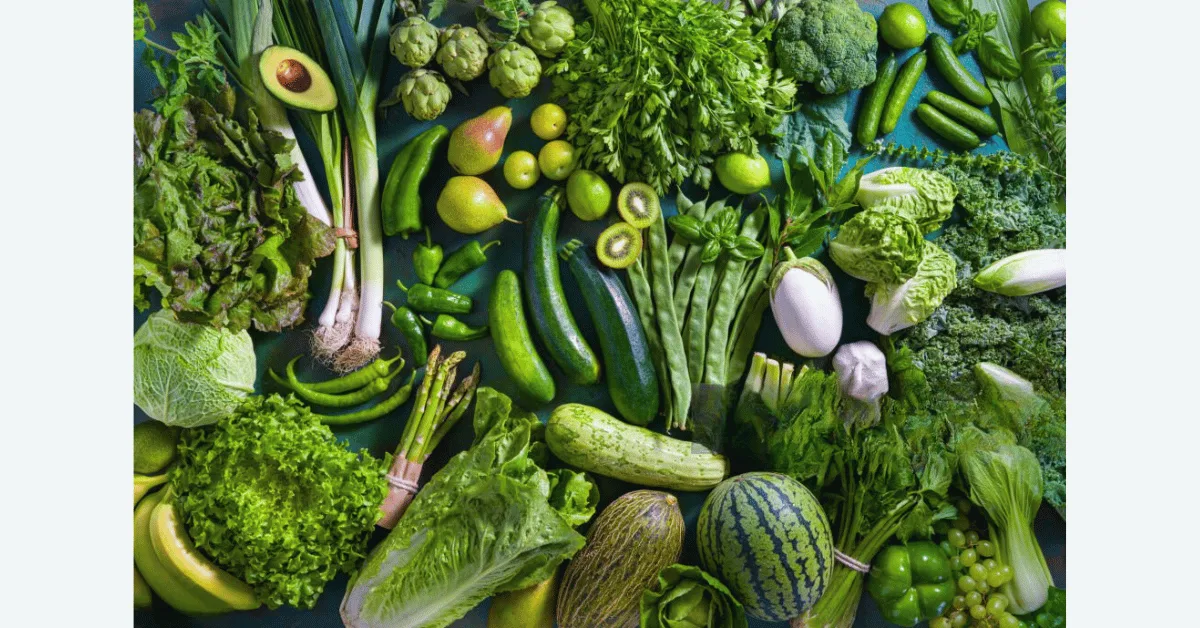
A whole food plant-based diet emphasizes foods that are minimally processed. It limits or avoids animal products. Its primary focus is on plants. These plants include vegetables, fruits, whole grains, legumes, seeds, and nuts.
So, let’s embark on this journey together as we unravel the wonders of a plant-based lifestyle.
The Benefits of Adopting a Plant-Based Diet
Are you looking to improve your health and make a positive impact on the environment? Adopting a plant-based diet might be the solution you’ve been searching for.
This diet does not only offer many health benefits. A plant-based diet also contributes to a more sustainable lifestyle. Let’s explore the top 10 reasons why going green with your diet can be a game-changer.
Improved Heart Health:
Plant-based diets are low in saturated fats and cholesterol. These diets make them heart-healthy choices. They can lower the risk of cardiovascular diseases.
Weight Management:
Plant-based foods are lower in calories and higher in fibre. High fibre helps you maintain a healthy weight or even shed those extra kilograms.
Reduced Risk of Chronic Diseases:
Plant-based diets may lower the risk of developing chronic conditions. Chronic conditions such as type 2 diabetes, certain cancers, and hypertension.
Increased Nutrient Intake:
Incorporate more fruits, vegetables, whole grains, nuts, and seeds into your diet. As you do this, you’ll boost your intake of essential vitamins and antioxidants.
Enhanced Digestion:
The fibre-rich nature of plant-based foods supports healthy digestion. It helps digestion by promoting regular bowel movements and preventing constipation.
Environmental Sustainability:
Choosing plant-based options reduces greenhouse gas emissions. Emissions associated with animal agriculture while conserving water resources and preserving natural habitats.
Ethical Treatment of Animals:
By choosing a plant-based diet, you’re choosing to reduce animal suffering.
Variety and Culinary Exploration:
Embracing a plant-based lifestyle encourages creativity in the kitchen. You find new flavours through diverse fruits, vegetables, legumes, grains, herbs, and spices.
Longevity Benefits:
Studies show that individuals who follow plant-based diets tend to have longer lifespans than those who consume excessive amounts of animal products.
Positive Impact on Global Food Security:
Shifting towards a plant-based diet can help reduce food scarcity. This will happen as we use resources more efficiently and feed more people with less land.
Embrace the benefits of a plant-based diet. As you do so, you not only focus on your health but also contribute to a greener, more sustainable future. So why wait?
Start to use more plant-based foods in your meals. As you walk the journey, you’ll experience the transformative power of going green.
Improved Heart Health
Ensuring a healthy heart is crucial for your well-being and longevity. Eat plant-based to improve heart health and reduce the risk of cardiovascular diseases. One practical approach is focusing on heart disease prevention.
Lowering cholesterol levels plays a crucial role in maintaining a healthy heart. High levels of cholesterol lead to the buildup of plaque in the arteries. Plaque increases the risk of heart disease.
Adopt a balanced diet rich in plant-based foods and limit saturated and trans fats. As you do so, it is possible to manage cholesterol levels.
Regular physical activity is another vital component of maintaining optimal heart health. Engaging in exercises such as brisk walking, jogging, cycling, and swimming.
These exercises help strengthen the heart muscle. It also improves blood circulation throughout the body. Additionally, exercise aids in weight management and lowers blood pressure. Blood pressure and weight management are significant factors contributing to cardiovascular health.
Taking proactive steps towards improved heart health enhances your quality of life. These steps also ensure longevity for years to come.
Weight Management and Enhanced Digestion
In today’s health-conscious society, weight management and digestion are two key focus areas. Focus areas for individuals seeking to improve their well-being.
One approach that has gained significant attention is adopting a plant-based diet. The plant-based diet has many health benefits, including weight loss and improved digestion.
Opting for a plant-based diet rich in fruits, vegetables, whole grains, legumes, and nuts. This diet provides essential nutrients. At the same time, it is low in calories and saturated fats. This combination makes it an ideal choice for those looking to shed excess pounds.
Studies show individuals following a plant-based diet have lower body mass indexes (BMIs). These individuals have a reduced risk of obesity compared to meat-based diets.
Furthermore, a plant-based diet can enhance digestion and gut health. The fibre content found in plant foods helps regulate bowel movements. Fibre also promotes a healthy digestive system. This can reduce common digestive issues. Digestive issues, such as constipation and bloating, while improving nutrient absorption.
Additionally, many antioxidants found in plant-based foods can reduce inflammation in the gut. These antioxidants support a balanced gut microbiome.
A healthy gut microbiome is crucial for optimal digestion. A healthy microbiome helps in breaking down food particles. It also absorbs nutrients and supports immune function.
In summary, adopting a plant-based diet offers many benefits for weight management. A plant-based diet helps digestion. It provides a nutrient-dense approach to weight loss. At the same time, it promotes optimal digestive health through increased fibre intake. This diet also supports the gut microbiome.
Take proactive steps by including more plants in your meals. Doing so will enable you to achieve your desired weight goals. You’ll also improve your digestive well-being.
Lower Risk of Chronic Diseases
In today’s fast-paced and hectic world, it is crucial to focus on our health. And also take preventive measures against chronic diseases. One effective way to lower the risk of diabetes and cancer is to add plant-based foods into our diets.
A diet rich in plant-based foods can reduce the risk of developing type 2 diabetes. These foods include fruits, vegetables, whole grains, legumes, and nuts. These foods are naturally low in saturated fats and high in fibre.
This combination helps regulate blood sugar levels and improve insulin sensitivity. Thus, this combination reduces the likelihood of developing diabetes.
Research shows a strong link between a plant-based diet and a reduced risk of certain cancers. Plant-based foods boost essential nutrients like vitamins and minerals. Compounds are vital in protecting our cells from damage caused by free radicals.
Additionally, these foods are typically low in processed meats and high-fat dairy products. Processed meats and dairy products lead to an increased risk of cancer.
By embracing a plant-based diet as part of your lifestyle choices, you can take control of your health. You’ll then cut the risk of chronic diseases such as diabetes and certain types of cancer.
Increased Fibre Intake For Optimal Gut Health
Eating an adequate amount of dietary fibre daily maintains optimal gut health. Fibre offers many benefits. It also plays a significant role in promoting digestive regularity.
The benefits of dietary fibre are abundant.
Firstly, it aids in the prevention and management of various digestive disorders. Digestive orders such as constipation, diverticulosis, and haemorrhoids.
By adding bulk to the stool and facilitating its movement through the intestines. Fibre promotes regular bowel movements and prevents discomfort.
Moreover, a diet rich in fibre can help regulate blood sugar levels. It achieves this by slowing down the absorption of glucose into the bloodstream. This is particularly beneficial for individuals with diabetes. And also those at risk of developing the condition.
Furthermore, dietary fibre acts as a prebiotic. It provides nourishment for beneficial bacteria in our gut. These bacteria play a vital role in maintaining a healthy gut microbiome. A healthy gut microbiome is essential for well-being and immune function.
Plant-based foods such as fruits, vegetables, and whole grains. Also, legumes and nuts are excellent sources of dietary fibre. Eat these foods in your daily meals and snacks. These foods can ensure you consume enough fibre to support optimal gut health.
Nutrient-Rich Diet to Fuel Your Body With Essential Vitamins and Minerals
A nutrient-rich diet fuels our bodies with essential vitamins and minerals.
While many people associate vitamins and minerals with animal-based products, it’s important to note that plant foods also offer a wide array of these vital nutrients.
One of the key benefits of a plant-based diet is the abundance of vitamins it provides. Fruits, vegetables, and whole grains contain vital phytonutrients.
These nutrients are essential for maintaining a healthy immune system. It also promotes cell growth and repair and supports well-being.
Besides vitamins, plant-based foods are also rich in minerals. Leafy greens like spinach and kale are excellent sources of calcium. Calcium is crucial for strong bones and teeth. Legumes like lentils and chickpeas provide iron, an essential mineral. These compounds help transport oxygen throughout the body.
Other minerals in plant foods include magnesium, potassium, zinc, and selenium. These minerals play an essential role in various functions of the body.
What sets vegetarian food apart is its high nutrient density. Plant foods tend to be lower in calories. They are also higher in nutrients compared to processed or animal-based foods.
Eating plant-based foods can fuel your body with many essential vitamins and minerals. You’ll do this without consuming excessive calories.
Are you following a vegetarian or vegan lifestyle? Include more plant-based meals in your diet. You can rest assured that you can achieve optimal nutrient intake. By doing so, you’ll be nourishing your body with the vital nutrients it needs to thrive.
Potential Drawbacks: Addressing the Cons of a Plant-Based Diet
While plant-based eating has gained popularity for its many health and environmental benefits. one must acknowledge and address the potential drawbacks. By understanding these cons, individuals can make informed decisions. And then take necessary steps to mitigate any challenges they may encounter.
One of the main pitfalls of veganism is the risk of nutrient deficiencies.
Animal products boost essential nutrients like vitamin B12, iron, and calcium. They also contain omega-3 fatty acids. Individuals following a strict plant-based diet need to be mindful of their intake. And make sure they are obtaining these nutrients from alternative sources. Sources such as fortified foods or supplements.
Another challenge with a vegan lifestyle is the potential social limitations.
Dining out or attending social gatherings causes problems. It is where animal products are commonly served, which can be challenging for vegans.
It requires careful planning and communication. So, ensure that dietary needs are adequate while enjoying social experiences.
But, these drawbacks can be effectively managed with proper education. Healthcare professionals or registered dietitians specializing in plant-based nutrition can help. Incorporate various nutrient-dense plant foods into your diet. Take care that you get vital nutrients. You will thrive on a vegan or vegetarian lifestyle. At the same time, minimizing the risk of deficiencies.
Is a Plant-Based Diet Good For You?
With these concerns of nutrient deficiency, is a plant-based diet good for you?
Properly planned plant-based diets, or vegan diets, are healthy and nutritionally adequate. These may provide health benefits in the prevention and treatment of certain diseases.
Thus, well-planned vegan diets are appropriate during all stages of the life cycle. These include pregnancy, lactation, infancy, childhood and adolescence.
The secret to a successful plant-based diet is the quality it possesses. If you want better results, follow a plant-based diet that limits processed foods. A diet without added sugars and sodium.
Conclusion
In conclusion, while there may be some potential drawbacks associated with plant-based eating. Drawbacks such as nutrient deficiencies and social limitations. You can address these challenges through proper planning and support.
By understanding the cons and taking proactive measures to meet nutritional needs. Individuals can embrace a sustainable plant-based lifestyle. You can do this without compromising their health or enjoyment.
Do you want a meal that will help you in weight loss? And also give you lots of health benefits? Asparagus with mushroom meal is the right candidate. The asparagus and mushroom recipe will lower your blood pressure. Mushrooms in this recipe will give you …
This is a fantastic roast potatoes recipe. Potatoes have been vilified for their starchiness. But it is when potatoes are immersed in oil that they cause problems. Indeed, when you chow on chips, you’ll regret it later. Potatoes South Africa plays a significant role in …
Have you ever wondered where the bright red colour of tomatoes and guavas comes from?
Lycopene is a red pigment. It is one of the dynamic anti-inflammatory oxidants found in some food sources. These foods include tomatoes, guavas, and watermelons.
Lycopene protects against many chronic conditions. Chronic conditions include cancer, heart disease, male infertility, and cognitive decline.
What is Lycopene?
Lycopene is an antioxidant. It fights free radicals in your body. If left unchecked, it can cause oxidative stress.
Lycopene is a member of the carotenoid family. Lycopene contributes to some fruits and vegetables’ red and orange colours. Lycopene is high in the antioxidant potential of all carotenoids.
Lycopene is also known as a non-provitamin A carotenoid. Your body is not able to convert it to vitamin A.
Lycopene benefits your health by protecting you from oxidative damage.
We find lycopene in the liver, testes, adrenal glands, and fatty tissues. There are lower kidney concentrations, ovaries, lungs, and prostate concentrations.
Your body cannot manufacture lycopene, and your source is plant foods. Lycopene only occurs in plants.
Lycopene Rich Foods
Foods high in lycopene are in a few fruits and veggies. Veggies like peppers and tomatoes are technically fruits. The following are the primary lycopene-rich foods you will find.
Tomatoes
The tomato, known as Lycopersicum esculentum, is lycopene’s most significant dietary source.
Approximately 80% of lycopene consumed globally comes from tomatoes and tomato products.
Nutrition Data estimates that one medium raw red tomato contains about 3 mg of lycopene. But, a cup of cooked red tomatoes has over twice that amount at about 7 mg.
Research found that there is no lycopene in green or yellow tomatoes. Yet, some varieties of purple tomatoes have lycopene.
Lycopene in tomatoes has many benefits. It has the potential to reduce the risk of certain malignancies. And some neuropathies, and type 2 diabetes.
Pesticides contaminate tomatoes. Get organic tomatoes or, like myself, plant and grow your own.
Guava
Guava, a tropical fruit, is another fruit filled with lycopene. Guava has the highest concentration of lycopene of any food.
A cup of raw guava supersedes even cooked tomatoes, giving 8.5 mg of lycopene. You can cook your guavas without any harmful effects. I like them plain with that tangy taste.
Watermelon
Unsplash/Floh Keitgen
The red in watermelon shows that it has lots of lycopene. Lycopene in watermelon is good for your body. One cup of diced watermelon contains far more lycopene than tomato.
Papaya
Unsplash/Pranjall Kumar
Papayas contain lycopene. A 100 gram has 2. 5 mg of lycopene.
Avoid bioengineered papayas. Always look at the labelling of your fruit.
Grapefruit
Pixabay/pixabay
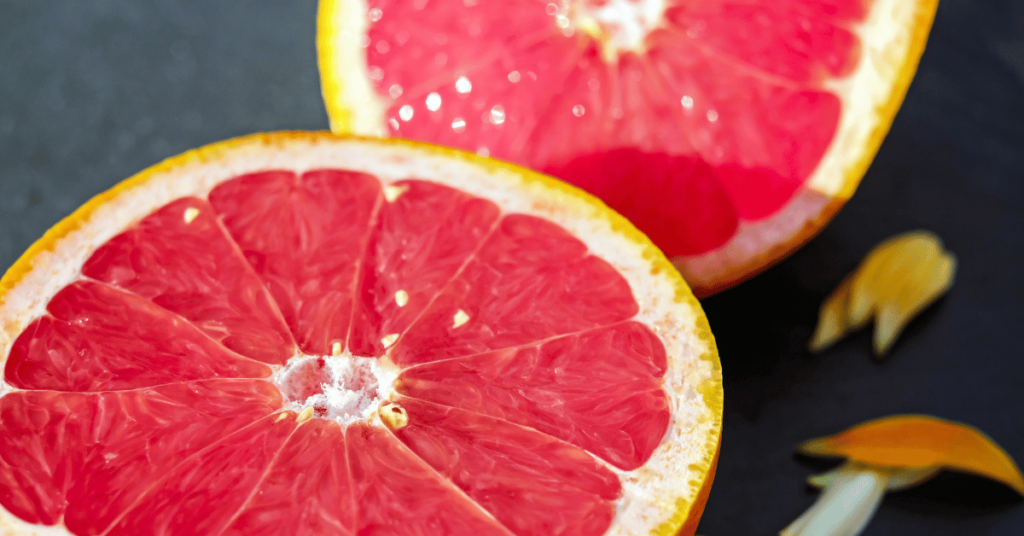
Lycopene colours the food red. The pink and red grapefruits contain lycopene of approximately 4 mg.
Red Bell Peppers
Unsplash/Oudie 44
Amongst the foods high in lycopene is red bell peppers. They contain 0.01 to 0.5 mg per fruit.
Bioavailability of Lycopene
There is a need to understand the biochemistry behind lycopene. Like other carotenoids, lycopene is bioavailable from foods you consume.
Some fruits and vegetables have more nutrients when eaten raw. While lycopene-containing fruits thrive when cooked, dehydrated, and other processing methods.
These techniques lead to the release of carotenoids and result in easier use by the body.
Lycopene is fat-soluble rather than water-soluble. Thus, eating lycopene-containing foods with a fat source will benefit you. Serve cooked tomatoes with olives or avocado; it will be far better than eating tomatoes raw.
Lycopene Health Benefits
Pexels/Surgery in theatre
What does lycopene do to your body? Are there any health benefits of lycopene? The more we learn about lycopene, the more we learn about its health benefits. Following are a few of its best-documented positive effects.
Lycopene and Prostate Cancer
Several studies show that lycopene helps to prevent or suppress cancer.
Lycopene inhibits cell growth, keeping cancer cells from multiplying.
It boosts glutathione levels, an important intracellular antioxidant. Lycopene also increases the activity of glutathione peroxidase. It also increases catalase, superoxide dismutase, and enzymes. These are critical components of cellular antioxidant defences.
Through these processes, lycopene may prevent the DNA damage that increases cancer risk. Lycopene also reduces the oxidation of lipids. Lipids play a role in developing atherosclerosis and cardiovascular disease.
Lycopene and Fertility in Man
One effect of high oxidation levels in the body is damage to sperm. Lycopene targets reactive oxygen species (ROS) to cut or prevent this effect. Thus helping to reduce DNA damage and sperm death. And it helps in the degradation of sperm cell membranes.Lycopene thus maintains healthy sperm motility, concentrations, and form.
Lycopene may Help Protect Against Peripheral Neuropathy.
Lycopene May Help Protect Against Peripheral Neuropathy
Bisphenol A (BPA) is an endocrine disruptor. You get it from the environment. It is also in plastic food cans, sporting goods, and appliances. Sometimes, you get it in eyeglass lenses and other equipment in the medical field.
BPA leaches from these items into the human body. BPA is a neurotoxin that harms your health and can impair cognitive function.
Research shows lycopenemay protect the brain and the entire nervous system.
Lycopene Benefits for Skin Health
Lycopene promotes healthy skin and may also contribute to slowing the ageing process.
Oneof lycopene’s best antioxidant properties is to protect the skin from the sun. And also in other environmental damage. A perfect dietary inclusion in your food in sunny South Africa.
Lycopene and Heart Health
It helps in protecting against oxidative damage to the cardiovascular system.
Increasing your intake of lycopene can help reduce environmental toxins in your body. It may also reduce the risk of age-related disease.
Lycopene also helps lower LDL (“bad”) cholesterol. It also raises HDL (“good”) cholesterol to prevent plaque and atherosclerosis.
Lycopene and its Anti-inflammatory Effects
Inflammation is one root cause of many chronic disorders. Disorders include type 2 diabetes, Alzheimer’s, asthma, allergies, mood disorders, and arthritis. It turns out that lycopene consumption helps lower the potential of acquiring obesity and type 2 diabetes.
It fights inflammation in the liver, arterial cell walls, and fatty tissue.
The fighting of fatty tissue inflammation is significant. Much of the damage caused by obesity results from inflammatory compounds.
Compounds released by excess adipose cells. So, lycopene may be beneficial for anyone carrying significant extra weight.
Conclusion
Take your tomato juice, and don’t limit yourself to consuming lycopene-rich foods.
Introduction Colorectal Cancer (CRC) is a term including colon and rectum cancers. It is a prevalent and life-threatening disease. There is an increasing number of cases diagnosed worldwide. Researchers and healthcare professionals are continuously exploring innovative approaches to prevention and treatment. The World Health Organization …
Growing up in KZN, you get used to various vegetable curries. Eggplant, zucchini, and pumpkin vegetable curry give you power for optimal health. Eating plant-based curries will give you health and longevity. You get various health benefits when you delight yourself with this vegetable curry. …
It is of the same family as broccoli, cauliflower, kale, Bok choy, and Brussels sprout. This family belong to the same Brassica plant species.
The Romans and Celts used cabbage in the Mediterranean in the early centuries. They use it as a tonic.
Cabbage broth is beneficial for various ailments, including cancer. It also alleviates diarrhoea, ulcers, gout, and headaches.
Types of Cabbage
Besides the green and red cabbage, there are several varieties. They include Savoy and Chinese cabbage.
Green Cabbage
Unsplash: Natasha Skov
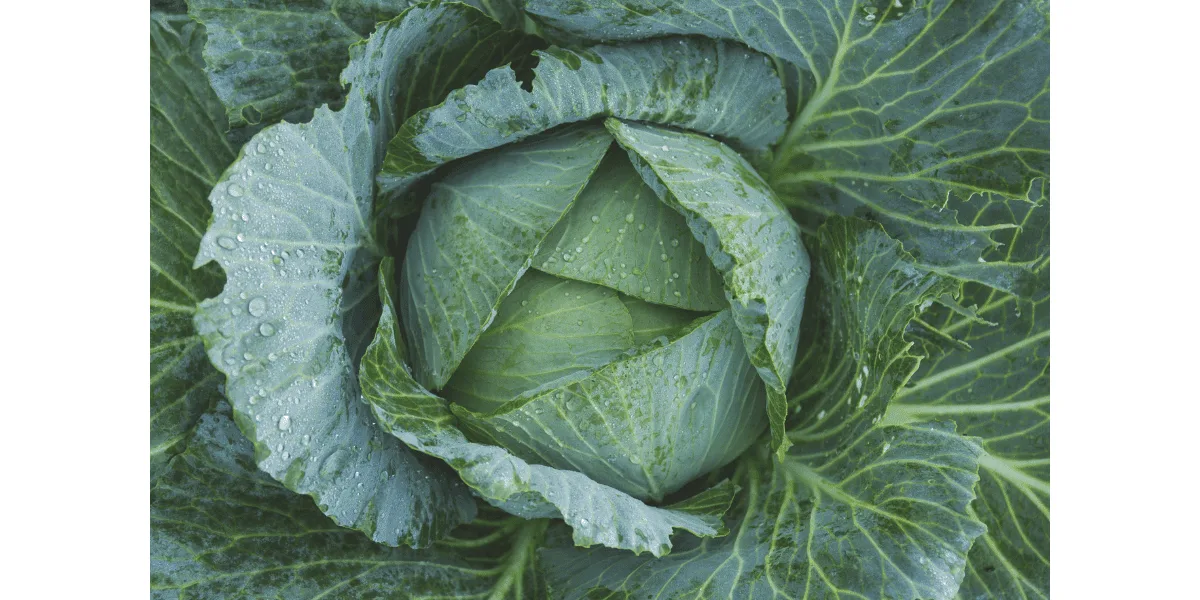
Most people are familiar with this type of cabbage. It is green, pale green, and even almost white. Its tightly packed leaves have prominent veins and appear almost waxy on the outside.
Green cabbage has a mustardy flavour. When cooked, it tends to become sweeter and milder. You can also serve it raw.
Green cabbage has a larger head than other types. Varieties include Cannonball, Early Jersey Wakefield, King Cole, and Early Flat Dutch.
Savoy Cabbage
Pexels: John Riches
Savoy cabbage is darker green and has a milder, sweeter flavour. Its leaves are less compact than those of green cabbage.
It derives its name from the Savoy region in France, which is located in the Western Alps, along the border with Italy and Switzerland.
Savoy cabbage varieties include Savoy King, Tundra, Winter King, Tardivo di Milano, Des Vertus, Ormskirk, and Savoy Ace.
Red Cabbage
Pexels: Ron Lach
The red cabbage has a dark reddish-purple colour tinged with white veins. After cooking, it is also known as Blaukraut. The red cabbage mimics a pigment that belongs to anthocyanins.
Red cabbage has dense, waxy leaves and a mildly bitter or peppery flavour. It also holds less water than other types of cabbage and is richer in nutrients than other types. Its dark colour indicates that it’s full of phytochemicals and antioxidants.
Red cabbage varieties include Red Meteor, Ruby Ball, and Red Drumhead.
Chinese Cabbage
Pexels: Laker
Chinese cabbage grows into an oblong shape rather than the round heads of other varieties. It has thick stems and oval-shaped leaves frilling out toward the edges. Chinese cabbage is better eaten cooked. Chinese types include Napa and Baby Choi Sum.
Cabbage Nutrition Facts
It is suitable for you because it is nutrient-dense. Cabbage is also a hydrating food.
Most varieties of cabbage are good sources of potassium, folate, Vitamin K, riboflavin, and iron. Cabbage’s calories are low and high in fibre.
The nutritional value of cabbage in one cup raw chopped.
Calories 22
Protein 1.14 g
Fiber 2.22 g
Calcium 35.6 mg
Potassium 151 mg
Nutritional Facts of cooked cabbage, one cup boiled contains:
34 calories
95g protein
1.42g fibre
36mg calcium
147mg potassium
Notably, many phytochemicals are abundant in cruciferous vegetables like cabbage. Other cabbage phytochemicals include flavonoids, indoles, ascorbic acid, carotenes, and tocopherol.
Another compound in cabbage is choline, which is more challenging in plant foods.
Choline is an essential nutrient. It is vital for healthy cells, metabolism, memory, mood, brain function, and muscle control.
Other varieties of cabbage contain compounds called glucosinolates. Glucosinolates are precursors to sulforaphane, a bioactive compound in cruciferous vegetables responsible for many health benefits.
Sulfuraphane and other sulfur-containing compounds in cabbage give it its unique smell. However, the health benefits you receive from sulforaphane outweigh the scent.
Health Benefits of Cabbage
Here are evidence-based health benefits if you have been shunning away from eating and enjoying cabbage.
Cabbage and Cancer Prevention
Sulphoraphane is a cancer-fighting compound found in cabbage.
Over the past three decades, research has shown that cruciferous vegetables lower cancer risk.
Researchers have pinpointed the sulfur-containing compound sulforaphane. It gives cruciferous vegetables their bitter taste and cancer-fighting power.
Researchers have discovered that sulforaphane can inhibit the harmful enzyme histone deacetylase (HDAC). This enzyme plays a role in the progression of cancer cells.
Red cabbage contains the powerful antioxidant anthocyanin. It gives colour to other red and purple fruits and vegetables their vibrant colours.
In the lab, anthocyanins slow cancer cell proliferation. They also kill already-formed cancer cells and stop the formation of new tumours.
Cabbage contains a compound called Indole-3-carbinol (I3C) that helps in cancer prevention.
Researchers implemented a 2021 case-control study among Polish-born migrant women in the United States. The study found that higher consumption of total and raw, lightly cooked cabbage lowers the risk of breast cancer.
Eating Cabbage Supports Liver Health
Research on cabbage suggests that it supports the liver. It may even help counter liver diseases by reversing oxidative damage.
An Animal Study published in Oxidative Medicine and Cellular Longevity observed that eating red cabbage for two months could reduce oxidative damage. Eating red cabbage also helps widen arteries.
Cabbage contains Vitamin C and sulfur, which help remove toxins such as free radicals and uric acid from the body.
Cabbage juice contains Indole-3-Carbinol antioxidants. This antioxidant plays a vital role in detoxifying the liver.
The Journal Hepatology published research stating that “indole,” a natural compound in cruciferous vegetables, effectively prevents fatty liver disease.
Eating Cabbage Helps Improve Digestion
Fibre-rich cabbage helps to improve your digestive health.
Cabbage is full of gut-friendly insoluble fibre, a carbohydrate that does not dissolve easily in the intestines.
Insoluble fibre removes waste and promotes bowel regularity. Soluble fibre provides fuel for friendly bacteria.
Like kimchi and sauerkraut, fermented cabbages abound with anti-inflammatory and immune-supportive nutrients.
Promoting your good gut bacteria with fermented foods benefits your health. It protects against a plethora of chronic diseases. Brassica vegetables, like cabbage, tend to provide significant benefits to the gut microbiome.
Keep your digestive system healthy by adding cabbage to your diet.
Cabbage is Good for Your Heart
According to a 2021 study published in the British Journal of Nutrition, older women over age 74 who ate more cruciferous vegetables reduced abdominal aortic calcification by 46 percent. Aortic calcification can be a predictor of future cardiovascular events.
The study further concluded that eating more cruciferous vegetables can protect against calcium build-up and ultimately benefit heart disease.
Cabbage, particularly red cabbage, seems to raise levels of beta-carotene, lutein, and other heart-protective antioxidants. It also assists in lowering “oxidized” LDL, which is linked to the hardening of the arteries. As these antioxidants ease inflammation, they can help prevent heart disease.
A report in the American Journal of Clinical Nutrition linked the intake of flavonoid-rich foods with a reduction in cardiovascular disease deaths.
Evidence has shown that cabbage’s high polyphenol content reduces the risk of cardiovascular disease. Polyphenols in cabbage prevent platelet build-up and lower blood pressure.
Eating Cabbage Helps Manage Diabetes
Cruciferous vegetables like cabbage are an excellent choice for those affected by diabetes. Cabbage has a high fibre content and contains glucosinolates.
Glucosinolates are chemical compounds that combat oxidative stress and inflammation.
Eating cabbage may also help improve blood sugar regulation.
Cabbage’s Anti-inflammatory Effects
Inflammation is good for you as it protects your body from injury and infection.
However, chronic inflammation over time is associated with many diseases.
Cabbage contains many different antioxidants that reduce inflammation.
Antioxidants such as sulforaphane and kaempferol are likely responsible for their anti-inflammatory effect.
Adverse Effects of Cabbage
Flatulence
Cabbage contains significant quantities of raffinose, an indigestible sugar. Raffinose is an oligosaccharide that may trigger gas, bloating, and other somewhat annoying gastrointestinal symptoms.
Raffinose is unique because humans lack the enzyme α-GAL necessary to break it down. Instead, gas-producing bacteria ferment raffinose in the lower intestine with the α-GAL enzyme.
The process produces carbon dioxide, methane, and hydrogen, leading to flatulence.
However, don’t let this discourage you from eating cabbage. Raffinose is a beneficial compound that acts as a prebiotic, feeding good gut bacteria.
Other symptoms associated with flatulence occurring after eating cabbage include belching, abdominal discomfort, and bloating.
Hypothyroidism
Cabbage also contains other compounds called goitrogens, found in other cruciferous vegetables.
These naturally occurring phytochemicals disrupt the uptake of iodine in some people. A lack of iodine could affect the function of the thyroid gland.
You need not concern yourself with dietary goitrogens if you get enough iodine and selenium. Further, cooking foods that contain them destroys goitrogenic compounds.
Theoretically, vast amounts of goitrogenic foods could trigger hypothyroidism (underactive thyroid). Hypothyroidism will only occur when your diet consists of raw cabbage and other Brassica vegetables for this to happen.
However, people with hypothyroidism or other thyroid health issues may want to cook cruciferous vegetables like cabbage to reduce goitrogens.
Medication Interaction
Cabbage contains high amounts of vitamin K. This vitamin helps your blood clot.
Overeating cabbage can interfere with blood-thinning medications. However, a 2-cup serving of green cabbage should provide the desired amount of vitamin K without inducing adverse effects.
Consult your doctor before consuming vitamin K foods, especially if you are taking blood-thinning medication.
How to Prepare and Cook Cabbage
Please take your time washing the cabbage. Rinse cabbage leaves thoroughly under running water before cutting or eating.
Raw cabbage is excellent in chopped salads, coleslaws, stews, tacos, wraps, fresh-pressed juices or green smoothies.
If you include some uncooked cabbage in your diet, you will reap the benefits of more sulforaphane. You can activate the power of sulforaphane by just eating a tablespoon of shredded raw cabbage.
Preparing red cabbage with stainless steel knives would be best.
Cook red cabbage with an acidic ingredient like vinegar to avoid colour change.
Steaming
Always cut cabbage into quarters and remove the core from each piece. Steam your prepared, shredded cabbage for 6–8 minutes until tender.
Steaming is best for green and Savoy cabbage.
Boiled or Blanched
Slice cabbage into quarters or wedges and put them in a pan. Bring them to a boil and cook them in about a half-inch of water for 3–5 minutes.
To blanch, cover with water and boil for 3 minutes.
Frying
Add chopped cabbage and make a veggie stir-fry. Use water or vegetable broth over medium heat, or use avocado oil.
When using vegetable broth, stir-fry until the cabbage wilts, then add 75ml vegetable stock. Cover and cook for 3 minutes, until just tender.
You can also braise or grill your cabbage to suit your taste.
Remember that water-based cooking methods, like boiling and steaming, will result in some loss of nutrients from the cabbage.
The cabbage liquid can be used to make soup or to cook grains. Steamed cabbage retains nutrients for your health.
Reduce the smell of cooked cabbage by adding an acid like vinegar or lemon juice.
Don’t be discouraged by its aroma; go for its health benefits!
Cabbage Recipes
Enjoy these delicious cabbage recipes and power all the nutrients you eat for optimum health.
Here’s your guide to the health benefits of eating bananas in South Africa. Now I have always been a victim to my colleagues for carrying a banana or two in my bag. Honestly, I don’t blame them—I love bananas! Have you ever seen a monkey …