Tag: plant-based diet benefits

Can a Plant-Based Diet Combat Obesity in South Africa?

Can a Plant-Based Diet Combat Obesity in South Africa?

Can a plant-based diet combat obesity in South Africa? We’ll address this question. South Africa is in a health crisis. Obesity rates are going up. This increase leads to more non-communicable diseases (NCDs). These include type 2 diabetes, hypertension, and heart disease. This challenge connects …

The Ultimate Guide to Plant-Based Healing Foods: Science, Recipes, and Results

The Ultimate Guide to Plant-Based Healing Foods: Science, Recipes, and Results

Introduction Discover the power of plant-based healing foods through evidence-based studies. Did you know that more than 70% of chronic diseases can be improved with diet and lifestyle changes? When I first read a report from WHO on healthy diet and noncommunicable diseases, it changed …

Evidence-Based Whole Food Plant-Based Diet (WFPB) in South Africa

Evidence-Based Whole Food Plant-Based Diet (WFPB) in South Africa

Introduction: Why This Diet Matters in South Africa

An evidence-based, whole-food, plant-based diet (WFPB) is crucial in South Africa.

Have you ever wondered if the food you eat every day could be the key to a longer, healthier life?

Chronic diseases are increasing in South Africa, just like in many other places. Heart disease, diabetes, and obesity are key concerns.

The Heart and Stroke Foundation of South Africa says that heart disease kills 225 individuals per day.

That’s a surprising number.

A whole food plant-based (WFPB) diet can help prevent and reverse many lifestyle-related diseases.

That’s the good news!

This isn’t just another diet trend. It’s a way of eating that’s backed by decades of scientific research.

And the best part? It can be done affordably and deliciously using local South African ingredients.

If you want to eat healthier on a budget and keep your favourite foods, you’re in the right place.

In this article, I’ll explain what an evidence-based WFPB diet is.

I’ll cover its health benefits, how it fits into the South African lifestyle, and provide easy steps to get started today.

What is an Evidence-Based Whole Food Plant-Based Diet?

Let’s break it down:

  • Whole Foods: This involves selecting foods that are as close to their natural state as possible or that have been processed minimally. Think fresh vegetables, fruits, legumes, whole grains, nuts, and seeds.
  • Plant-Based: The focus is on plant foods as the foundation of your diet, while animal products (meat, dairy, eggs) are minimised or avoided.
  • Evidence-Based: This is not guesswork or internet hype. It’s a way of eating supported by scientific research, recommended by top nutrition experts worldwide.

How is WFPB Different from Vegan or Vegetarian?

Good question! A vegan diet excludes all animal products, but that doesn’t necessarily mean it’s beneficial for you.

A vegan could live on chips, soda, and highly processed fake meats.

A WFPB diet, however, emphasises whole, nutrient-dense foods.

So, potato chips might be vegan, but they’re not whole food plant-based.

The Science Behind WFPB in South Africa: Why It Works

So, why all the buzz about WFPB?

Research shows it’s one of the best ways to boost health and lower disease risk.

1. Heart Health

A significant benefit of a WFPB diet is that it can help decrease cholesterol, blood pressure, and the risk of heart disease.

The Ornish Program for Reversing Heart Disease demonstrates that adopting a plant-based diet can halt and even reverse plaque buildup in arteries.

2. Diabetes Prevention and Management

South Africa has a severe diabetes crisis.

About 4.5 million adults have this condition.

A WFPB diet is high in fibre and low in saturated fats. This helps stabilise blood sugar and boosts insulin sensitivity.

Research in Diabetes Care shows that plant-based diets lower the risk of type 2 diabetes.

3. Weight Loss and Maintenance

If you’ve been struggling to shed extra kilos, this is good news.

WFPB diets are low in calorie density and high in fibre. This helps you feel full without overeating. And you don’t have to count calories—eat wholesome foods until satisfied.

4. Lower Risk of Cancer

The World Cancer Research Fund recommends mainly eating plant foods to lower cancer risk. Antioxidants, phytochemicals, and fibre found in plants help protect against cellular damage.

Why WFPB is Perfect for South Africans

You might be thinking, “But can this work with our local lifestyle and foods?”

Absolutely! In fact, many traditional South African meals already align with WFPB principles.

Consider umngqusho (samp and beans), morogo (wild spinach), and pumpkin stew.

They are all plant-based, cheap, and healthy.

Addressing Local Health Challenges

  • Obesity: Nearly 70% of South African women and 31% of men are overweight or obese. A WFPB diet helps combat this without resorting to fad diets.
  • Diabetes & Hypertension: Both conditions are heavily influenced by diet. A WFPB approach naturally reduces salt and fat intake.
  • Budget Concerns: Plant-based eating can save money. Use local staples like beans, maize meal, and seasonal veggies.

Local WFPB Staples You Already Know

Here’s the best part: you don’t need imported “superfoods” or expensive health store products. Your pantry probably already has some WFPB-friendly items.

Grains and Starches

  • Maize meal (skip the margarine and meat)
  • Sorghum (mabele porridge)
  • Millet
  • Brown rice
  • Oats

Legumes

  • Sugar beans
  • Cowpeas
  • Lentils
  • Chickpeas
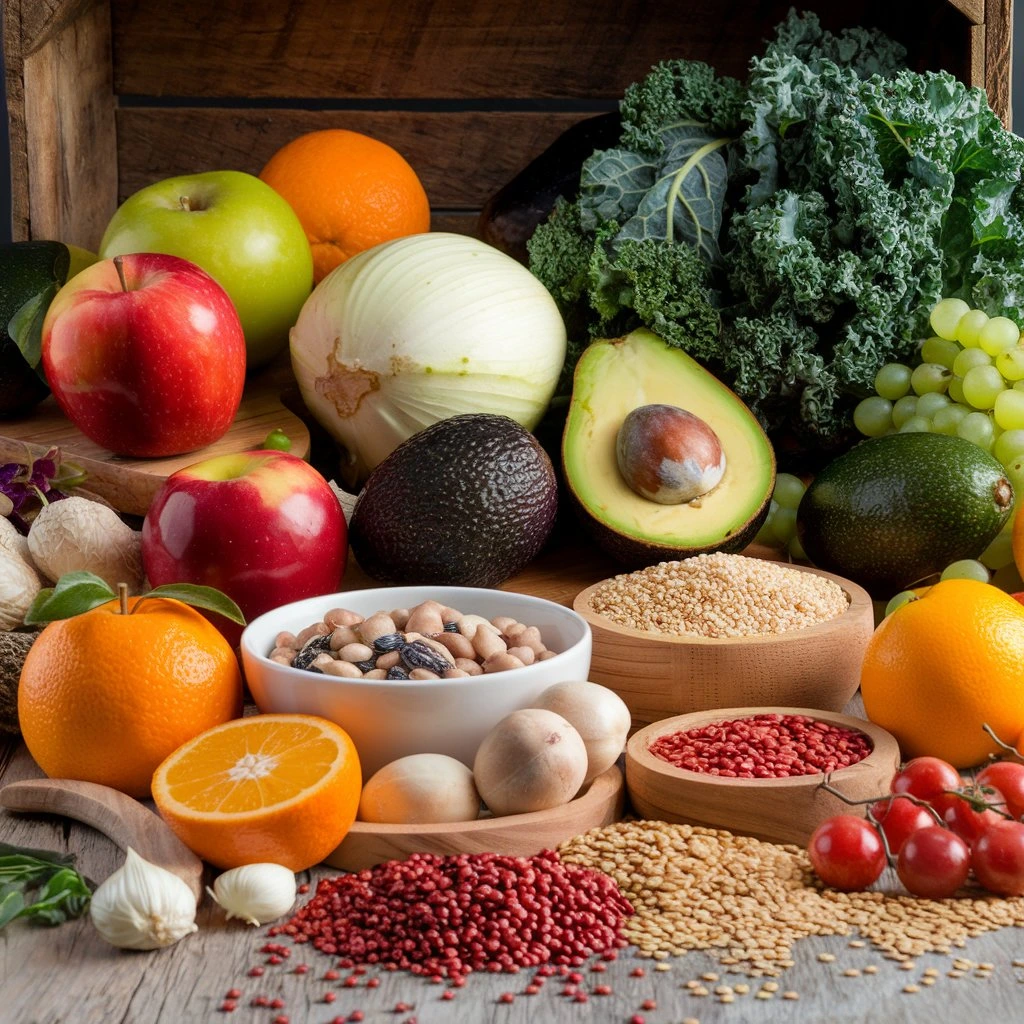
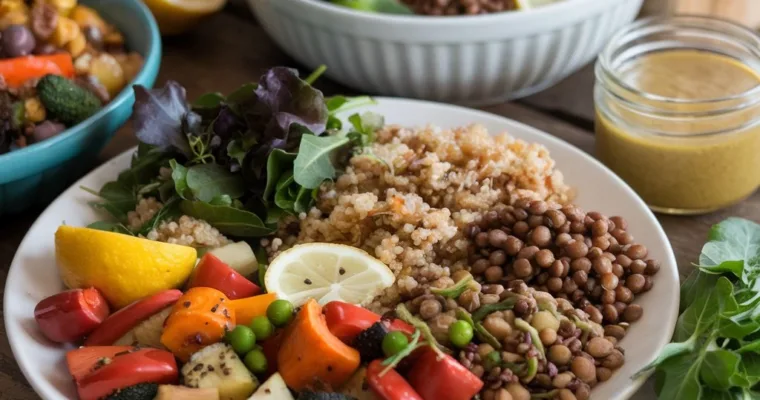
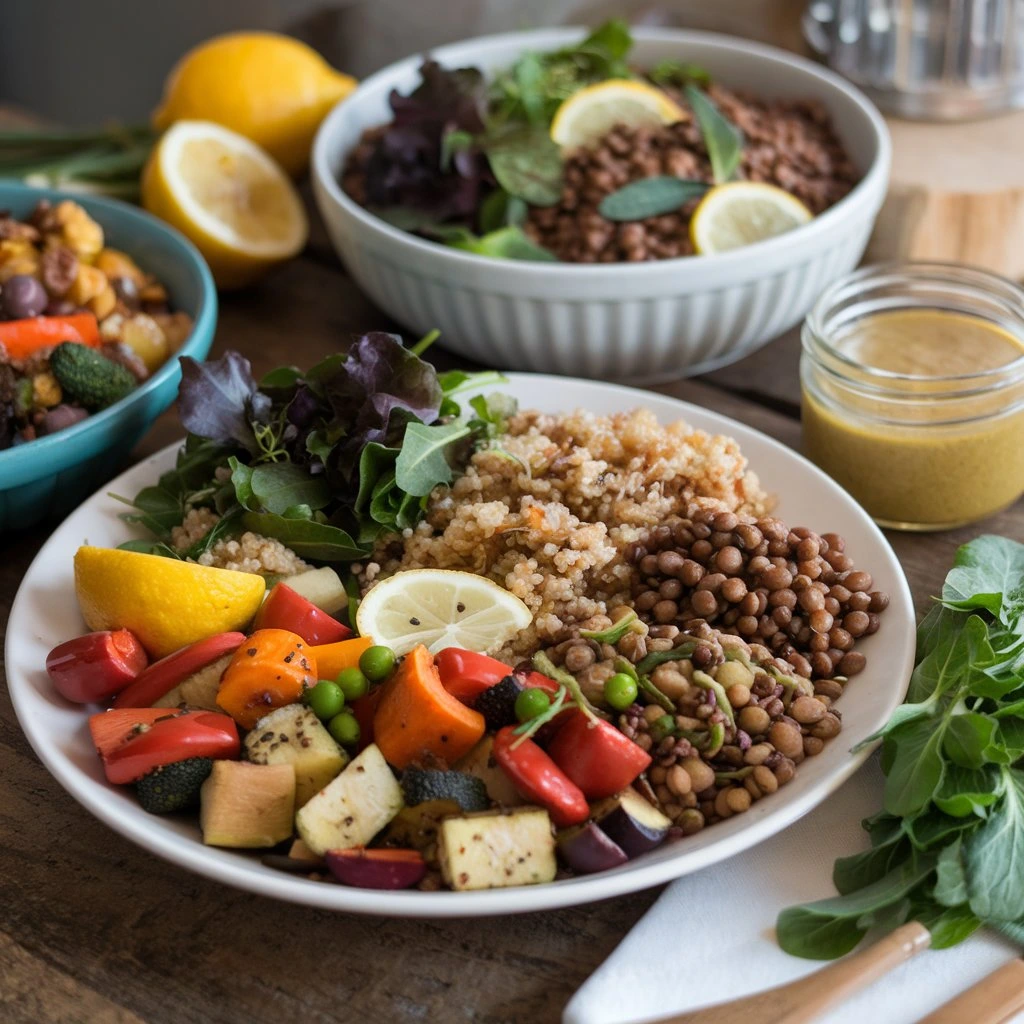
Legumes and grains for perfect meal planning for whole food plant-based diet in south africa.

Vegetables

  • Spinach and morogo.
  • Pumpkin and butternut.
  • Sweet potatoes
  • Cabbage
  • Carrots
  • Green beans

Fruits

  • Mangoes
  • Bananas
  • Apples
  • Oranges
  • Papayas

Nuts and Seeds

  • Groundnuts
  • Sunflower seeds
  • Sesame seeds
Nuts and seeds on display for your plant-based nutrition in South Africa.

Pro Tip: Check out local markets instead of big supermarkets. They’re usually cheaper and fresher.

How to Start a Whole Food Plant-Based (WFPB) Diet in South Africa

Transitioning to a new way of eating can feel overwhelming, but it doesn’t have to be. Here’s a simple roadmap:

Step 1: Start Adding, Not Subtracting

Don’t cut out everything at once. Instead, try to add more plant-based items to your meals.

Have extra veggies at lunch, or add beans to your stew.

Step 2: Make Simple Swaps

  • Replace white bread with whole-grain bread.
  • Swap processed meats for beans or lentils in curries.
  • Use water or vegetable broth instead of oil for cooking.

Step 3: Plan Your Meals

Meal planning helps you avoid the stress of wondering, “What’s for dinner?” Cook in batches—think large pots of beans, soups, and curries that last for days.

Sample 1-Day WFPB Meal Plan (South African Style)

Here’s how a typical day could look:

Breakfast: Oats cooked with water, topped with sliced bananas, a sprinkle of cinnamon, and a spoon of peanut butter.

Mid-Morning Snack: Fresh fruit like an apple or orange, and a handful of nuts.

Lunch: Samp and beans (umngqusho) with morogo and tomato relish.

Snack: Sweet potato wedges roasted without oil.

Dinner: Lentil curry with brown rice and steaming mixed vegetables on the side.

Common Myths About WFPB

“It’s too expensive!”

Not true if you stick to whole foods. Beans, grains, and seasonal vegetables are some of the most affordable foods available.

“I won’t get enough protein.”

Nuts, seeds, beans, lentils, and chickpeas are all excellent sources of protein. Even leafy greens contain protein.

“It’s not culturally practical.”

Many South African dishes are naturally plant-based. It’s more about making minor adjustments, such as reducing oil and omitting meat in certain meals.

Frequently Asked Questions

Do I need supplements on WFPB?

The only essential supplement is Vitamin B12, which isn’t found in plant foods. Everything else can be obtained from a balanced WFPB diet.

Can kids and families follow WFPB?

Yes! Children can thrive on a plant-based diet as long as their meals are well-balanced and include a variety of foods.

Will I lose weight automatically?

Most people do because WFPB foods are naturally low in calories but high in nutrients. However, portion sizes and activity levels still matter.

Conclusion

The evidence is clear: a whole-food, plant-based diet is a strong tool. It helps prevent disease, boost health, and promote a longer life. And the best part?

You don’t need expensive superfoods or a large budget. Use local, wholesome ingredients and get creative.

If you’re ready to make a change, start with small steps. Add one plant-based meal a day, then build from there. Your health is worth it.

Let’s make plant-based eating a lifestyle, not a trend—because your future self will thank you.

Plant-Based Nutrition Made Easy in South Africa

Plant-Based Nutrition Made Easy in South Africa

Introduction: Embracing Plant-Based Nutrition in South Africa Here’s your guide to plant-based nutrition made easy in South Africa. I’ve been a health and wellness advocate for years. I’ve seen firsthand how changing your diet can transform your life. Many South Africans are now choosing plant-based …

Plant-Based vs. Keto: What Works in South Africa

Plant-Based vs. Keto: What Works in South Africa

Why this matters in South Africa I’ve been writing and cooking around plant-based food for years, and lately, friends ask me the same question: “Which is better — plant-based or keto?” There’s no one-size-fits-all answer, but living and eating in South Africa give this question …

The Rise of Plant-Based Diets in South Africa

The Rise of Plant-Based Diets in South Africa

Introduction: The Growing Momentum of Plant-Based Diets in South Africa

Hey there!

Here’s your guide to the rise of plant-based diets in South Africa.

Have you noticed a shift in what’s on people’s plates lately?

Increasingly, more people around the world are practising mindful eating. Plant-based diets lead this trend. It’s not just a fad; it’s a significant change in how many people approach their food choices.

This change is happening everywhere. In South Africa, the plant-based diet is gaining strong momentum.

So, what’s behind this sudden surge?

Well, it’s a fascinating mix of factors!

Increasingly, South Africans are embracing a plant-based diet for various reasons.

For some, it’s about embracing a healthier lifestyle and tackling prevalent health concerns. Some people feel strongly about ethics. They want to lessen their impact on animal welfare.

Many people are now aware of the importance of environmental sustainability. They want to reduce their carbon footprint through their food choices.

In this guide, we explore the exciting world of plant-based diets in South Africa.

We’ll review the stats. Then, we’ll share reasons for the trend. Finally, we’ll explore the rising market for plant-based foods and restaurants. We’ll also discuss common challenges and strategies for addressing them.

Get ready to see why plant-based eating in South Africa is more than a trend. It’s a significant, positive change in our food landscape.

The Landscape of Plant-Based Eating in South Africa: Statistics and Trends.

Let’s explore what the numbers reveal about the growth of plant-based diets in South Africa.

It’s truly fascinating!

Unpacking the Numbers: Current Prevalence of Plant-Based Diets in South Africa

Recent research indicates a significant increase in the consumption of plant-based foods. Reports suggest the number of vegans in South Africa has doubled in the last five years.

Estimates show that about 1% of people identify as vegan. Additionally, around 10-12% are vegetarian or flexitarian. This signals a definite shift beyond a niche market into a more mainstream movement.

When discussing plant-based eating in South Africa, we must recognise its nuances.

We’re seeing growth in all areas.

This includes committed vegans who avoid all animal products. It also contains vegetarians who don’t eat meat but may still have dairy and eggs. Flexitarians are also joining in, as they aim to reduce their meat consumption.

Younger people, especially university students, are a key driver of this growth. They show a strong interest in alternative proteins.

A study from Rhodes University reveals that this group is a key factor contributing to the rise of plant-based diets in South Africa.

Geographic Trends: Plant-Based Growth Across South African Regions

Geographically, this movement isn’t evenly spread, but it’s certainly expanding.

Urban centres like Cape Town and Johannesburg lead the way. There are more plant-based restaurants, vegan stores, and better choices in regular supermarkets.

We’re seeing the ripple effect spread beyond major cities. More awareness and availability are popping up in other regions.

Furthermore, it’s not just a local phenomenon. South Africa is making its mark on the global stage when it comes to plant-based interest.

Google Trends and Global Standing: South Africa’s Position in the International Plant-Based Movement

Google Trends shows that South Africa is one of the top countries for searches on “veganism.” It’s the only African nation that ranks so high.

This shows a strong and growing interest in plant-based diets in South Africa. The landscape is undoubtedly changing, and it’s exciting to witness this transformation.

Motivations Behind the Shift: Why South Africans Embrace a Plant-Based Diet

Why are more South Africans switching to a plant-based diet? We are aware that it’s on the rise.

It’s not just one reason. It’s a potent mix of factors that connect with people. Let’s explore these motivations, shall we?

Health and Wellness: The Health Benefits of a Plant-Based Diet for South Africans

For many in South Africa, the journey to a plant-based diet begins with a focus on health.

South Africa has a big problem with chronic diseases. These include heart disease, diabetes, and obesity. This is where plant-based eating shines!

Eating fruits, whole grains, vegetables, nuts, and seeds can reduce the risk of lifestyle-related diseases, according to numerous studies.

Many people report feeling more energetic. They also notice better digestion. Some individuals find that their sleep and immune function also improve.

Many people find it helps them manage weight and feel better overall. It’s about feeling good, inside and out!

Ethical and Animal Welfare Concerns: A Compassionate Choice in South Africa

Animal welfare is a significant reason why plant-based diets are gaining popularity in South Africa. It goes beyond just health reasons.

Consumers are becoming increasingly aware of industrial animal agriculture, particularly factory farming. This knowledge highlights a clear ethical duty.

Many people struggle to align their values with the treatment of animals in the food system. Choosing a plant-based lifestyle shows compassion. It connects dietary choices to the wish to lessen animal suffering.

A study of Rhodes University students found that animal welfare is the top reason they choose plant-based diets.

Environmental sustainability closely follows this motivation.

Environmental Sustainability: The Eco-Conscious Plant-Based Diet in South Africa

Speaking of the environment, this is another massive piece of the puzzle.

Animal farming has a negative impact on the environment, and South Africa is no exception. We’re discussing greenhouse gas emissions, deforestation for grazing land, and excessive water usage.

Choosing a plant-based diet helps South Africans lower their carbon footprint. It also supports a more sustainable food system. It’s about protecting our beautiful planet for future generations.

The EAT-Lancet report advocates for a global shift toward plant-rich diets. This shift aims to improve planetary health. This idea connects with our motivation.

Cultural Influences and Social Acceptability: Integrating Plant-Based into South African Lifestyles

Interestingly, the adoption of plant-based diets in South Africa is also influenced by cultural factors.

Traditional South African food usually focuses on meat, but now there’s an exciting wave of innovation! We’re enjoying tasty vegan takes on local favourites like bobotie and bunny chow. This shows that plant-based meals can be full of flavour and still honour our heritage.

Local celebrities and social media influencers promote plant-based living. This makes it more visible and accepted in society.

For some, the idea of saving money on a plant-based diet is a strong motivator. This is especially true when they focus on whole foods, such as legumes and grains.

It’s all about a holistic approach. Personal health, ethics, the environment, and culture all matter. These factors drive the rise of plant-based diets in South Africa.

The Expanding Plant-Based Market in South Africa: Products and Services

The rising interest in plant-based diets in South Africa isn’t just a quiet change at home. It’s making a big splash in the market!

Plant-based products are popping up everywhere, from local supermarkets to your favourite restaurants.

Growth of the Plant-Based Food Market in South Africa: A Booming Industry

First, let’s discuss numbers.

The plant-based food market in South Africa is experiencing rapid growth. It’s now a booming industry.

The vegan food market in South Africa was worth USD 370.9 million in 2021. It is expected to grow to USD 846.9 million by 2030. This means that the growth rate will be 9.6% each year from 2022 to 2030.

This strong growth indicates that an increasing number of consumers are seeking these products. It also shows rising investor confidence in the sector.

Key segments driving this growth are:

  • Plant-based meat alternatives
  • Seafood alternatives
  • Dairy alternatives
  • Protein liquids and powders

Plant-Based Meat Alternatives in South Africa: Innovation and Availability

Remember when finding a decent veggie burger was a mission? Not anymore! The market for plant-based meat alternatives in South Africa has truly blossomed.

You can choose from many options. Local brands offer tasty vegan boerewors and mince.

Also, international giants like Beyond Meat are making their mark.

The focus is not only on taste but also on realistic textures and nutrition. This makes these alternatives more appealing to plant-based eaters and curious flexitarians.

Dairy Alternatives and Other Plant-Based Products: Diversifying the South African Market

Beyond meat, the dairy alternatives sector is even more diverse. Various plant milks are stocked on supermarket shelves. You can find almond, soy, oat, rice, and even macadamia milk from local sources.

But it doesn’t stop there!

We’ve discovered a wide range of vegan cheeses (that melt!), yoghurts, and delicious plant-based ice creams.

Also, convenience is growing. More ready meals, snacks, and baked goods are available now. They all cater to the growing demand for plant-based diets in South Africa.

The Rise of Plant-Based Restaurants and Eateries in South Africa

It’s not just your grocery cart that’s changing; the dining scene is transforming too!

The rise of plant-based restaurants in South Africa is undeniable.

Big fast-food chains like Mugg & Bean and Steers are adding more plant-based choices to their menus. This shows that these foods are becoming mainstream.

Cities like Cape Town and Johannesburg have many vegan and plant-based restaurants. They serve a range of options, from gourmet meals to casual comfort food.

The rise in products and services boosts the plant-based diet in South Africa.

Navigating the Plant-Based Journey in South Africa: Challenges and Solutions

The rise of plant-based diets in South Africa is a welcome development.

However, making a significant dietary change has its challenges. No need to worry! These challenges are easy to handle, and we have great solutions for you!

Perceived High Costs of Plant-Based Diets in South Africa

A common myth in South Africa is that a plant-based diet is too costly. And yes, some of those fancy meat alternatives or speciality vegan cheeses can add up.

Focusing on whole, unprocessed plant foods can save you money. Legumes, such as lentils, chickpeas, and beans, are excellent choices. Grains such as rice, pap, and oats are also affordable. Don’t forget seasonal fruits and vegetables—they’re budget-friendly too! These staples are often far cheaper per serving than meat and dairy.

At first, you might think, “Vegan food is expensive.” A great way to enjoy cheap plant-based meals in South Africa is by using simple, traditional ingredients.

Lack of Knowledge and Nutritional Concerns in South African Plant-Based Diets

Another common challenge is simply knowing how to eat a well-planned plant-based diet. People often worry about getting enough protein, iron, or vitamin B12. And it’s true, if not planned properly, you could miss out on essential nutrients.

The good news is that a diet with a lot of different plants in South Africa can give you all the nutrients you need.

Eat a mix of whole foods.

Additionally, note that vitamin B12 is often deficient in a plant-based diet and may require supplementation.

Plant sources of iron and calcium are plentiful. So, it’s essential to combine them correctly for better absorption. Dispelling these plant-based nutrient deficiency myths in South Africa is key!

Accessibility and Finding Vegan Options: Overcoming Barriers in South Africa

Urban centres like Cape Town and Johannesburg have great vegan options. However, it can be tough to find these choices in smaller towns or remote areas. This accessibility issue means you may need to plan a bit more, especially when travelling.

Websites like HappyCow and local vegan groups on social media make it easy to find vegan-friendly places. They also help you discover unique ingredients.

Plant-based items are increasingly available in regular supermarkets as the market expands.

Social and Cultural Perceptions: Shifting Mindsets in South Africa

Lastly, let’s discuss the social aspect of things.

In a culture where braais and meat are key to celebrations, choosing a plant-based diet can spark questions or friendly teasing from family and friends.

This can be a real barrier for some.

You can help change minds in South Africa by sharing tasty plant-based recipes. Demonstrate that vibrant, flavorful meals remain enjoyable and appetising.

Embracing a plant-based diet isn’t about missing out; it’s about adopting a healthier way of life. It’s about exploring new foods and enjoying a healthier way to eat.

Practical Steps for Embracing a Plant-Based Diet in South Africa

Are you ready to dive into the colourful world of plant-based eating in South Africa?

Fantastic!

It may seem challenging at first, but you can easily prepare tasty, healthy, and ethical meals with just a few simple steps. Think of it as an exciting culinary adventure!

Essential Plant-Based Protein Sources in South Africa

Let’s clear up that common myth right away: In South Africa, a plant-based diet will give you enough protein.

The key is variety!

Choose affordable protein sources, such as lentils, chickpeas, and beans, to support a healthy diet. They work well in stews, curries, and salads. Quinoa is another fantastic complete protein.

Local supermarkets now offer a variety of seitan and tempeh as alternatives for those who want to make a change.

Even everyday items like peanuts and sunflower seeds pack a protein punch. Experiment with these staples and see how easily they fit into your meals.

Creating Delicious South African Plant-Based Recipes

This is where the fun begins!

You don’t have to abandon your culinary heritage to embrace a plant-based diet. You can adapt many traditional South African dishes to be vegan. For example, try a hearty sugar bean curry, a veggie-packed chakalaka, or a mushroom braai broodjie. Get creative with local fruits, vegetables, and herbs.

Numerous internet resources and booklets offer plant-based recipes from South Africa. They offer inspiration for quick weeknight dinners and festive spreads.

Finding Support and Resources for Your Plant-Based Journey in South Africa

You’re not alone on this journey!

The plant-based community in South Africa is growing and incredibly supportive. Look for local Facebook groups, online forums, and Instagram accounts about vegan and plant-based living in your area.

Websites such as Vegan.co.za and the South African Vegan Society provide valuable information and resources.

For specific health concerns or personalised advice, talk to a registered dietitian. Look for one who specialises in plant-based nutrition in South Africa.

They can help you make a meal plan that fits your needs and tastes.

Adopting a plant-based diet in South Africa can be fun and sustainable by following these simple steps.

Frequently Asked Questions about Plant-Based Diets in South Africa

Switching to a plant-based diet in South Africa can bring up a few common questions.

Let’s address these issues directly and in a friendly manner to clear up any confusion.

Is a Plant-Based Diet a Personal Choice, and Why Advocate for it in South Africa?

That’s a great question, and yes, fundamentally, what you eat is a personal choice. When we discuss the rise of plant-based diets in South Africa, we support it. The reasons go beyond individual choice.

We’re discussing significant effects on animal welfare, environmental sustainability, and public health. This includes cutting greenhouse gas emissions and saving water.

The choice is yours. Many people are adopting and promoting this lifestyle due to its numerous benefits.

If everyone goes vegan, what happens to the livestock in South Africa?

This is a thoughtful question! Everyone can’t go vegan overnight. Increasingly, more people in South Africa are opting for plant-based products.

Therefore, the livestock industry is likely to undergo significant changes. The shift will be gradual. Fewer animals will be bred for food.

This change will lead to a more humane and sustainable farming system over time. It’s about evolving our food systems, not an immediate, drastic change.

Can I get enough protein and essential nutrients on a plant-based diet in South Africa?

Absolutely, yes! This is one of the most common concerns. A good plant-based diet in South Africa can give you enough protein, iron, calcium, and other vital nutrients. The key is variety. Include lentils, chickpeas, beans, nuts, seeds, and whole grains.

Also, enjoy a rainbow of fruits and vegetables.

Vegans should consider taking Vitamin B12 supplements. This vitamin mainly comes from animal products. Don’t let myths about plant-based nutrient deficiencies in South Africa hold you back!

Are vegan foods more expensive in South Africa?

Not necessarily! Some vegan alternatives can be expensive. However, the main parts of a plant-based diet—legumes, grains, fruits, and vegetables—are usually very cheap. Buying seasonal and local produce can help save even more.

Many South Africans recognise that cooking with whole plant foods can be more cost-effective than a diet heavy on meat. It depends on your shopping habits and choices.

What about honey and other animal-derived products in South Africa?

Strict vegans usually avoid honey. It’s animal-derived and involves exploiting bees.

There are tasty plant-based options for honey. You might also use agave nectar, maple syrup, or date syrup.

The ethical stance also covers hidden animal products. These can be in certain wines, which may use animal fining agents, or in some processed foods. It’s a journey of learning and discovery!

Conclusion

The growth of plant-based diets in South Africa is not just a trend. It’s a powerful movement changing our food landscape.

Motivations are varied and intense. They encompass health benefits, ethical considerations, and significant environmental concerns.

Looking ahead, the future of plant-based eating in South Africa is incredibly bright.

The market is growing. Projections indicate that the plant-based food sector will reach approximately US$846.9 million by 2030.

Increasingly, people are learning about plant-based diets. As cultural acceptance grows, living a plant-based lifestyle is easier and more appealing.

A plant-based diet in South Africa supports health, kindness, and sustainability. It’s suitable for everyone, whether you’re new to the cause or a long-time supporter.
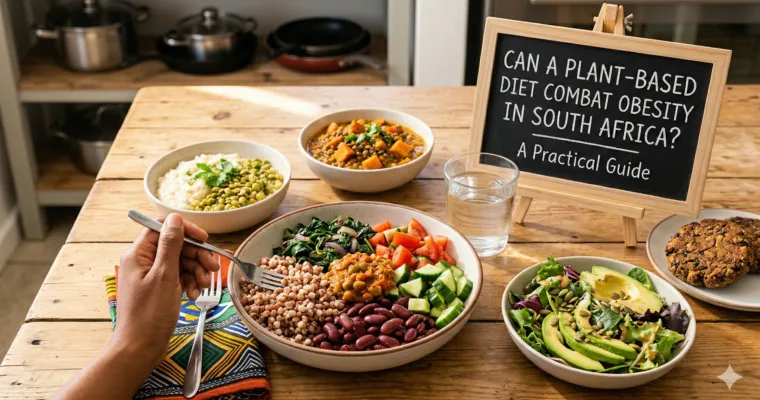
Plant-Based Living in SA: Navigating Social & Cultural Nuances

Plant-Based Living in SA: Navigating Social & Cultural Nuances

Have you noticed how plant-based living in SA is taking root these days? It’s not just a trend. It’s a lively movement. This change is reshaping how we view food, health, and our planet in our beautiful country. You might be curious about plant-based diets …

9 out of 10 South Africans Are Entirely Wrong About WFPB

9 out of 10 South Africans Are Entirely Wrong About WFPB

Here’s a guide that explores that 9 of 10 South Africans are entirely wrong about WFPB. And… Do you ever feel like everyone around you has misconceptions about healthy eating?  South Africa, renowned for its braais and delectable curries, is a perfect setting for exploring …

How to Incorporate Plant-Based Eating Into Your South African Diet

How to Incorporate Plant-Based Eating Into Your South African Diet

This article explores the incorporation of plant-based eating into your South African diet.

It explores scientific evidence and gives strategies for incorporating plant-based eating into your South African Diet.

The article will look at the traditional flavours of South Africa. 

It will further look at how to incorporate the traditional South African cuisine with a plant-based twist.

But

What is the science behind plant-based food? What evidence do you have that it’s a good choice for healthy living than other diets?

Let’s dive in.

The Scientific Evidence Supporting Plant-Based Diet for Health and Wellness

There is a saying that the proof is in the pudding.

Ensuring the food you eat is good for your body for optimal health is essential.

There are many diets promoted for their value for health. 

But what does science say?

How do you ensure that food is good for your health?

Evidence-based diets are the ones you should go for. 

What’s the craze for plant-based eating? Is it another passing trend or a proven diet for your health and longevity?

Health Benefits of Plant-Based Diets

Do you know that what you eat will impact your health?

What, then, are the health benefits of plant-based eating?

But wait…

You are in South Africa, not Germany or Denmark.

(Denmark has an endorsed policy and action plan on plant-based eating!)

 South Africa has a vibrant culinary heritage known for its braais, hearty stews, and love of meat. 

How can you incorporate plant-based eating in such an environment?

Here’s the reason…

With growing concerns about health, sustainability, and animal welfare, South Africans are increasingly embracing the power of plant-based eating.

Studies conducted by Dr Dean Ornish and Dr Esselstyn show that plant-based eating reverses heart diseases.

Further research by Dr Kahn reveals you can stop diabetes through plant-based eating in its track through plant-based eating.

Research by Dr Bulsiewicz and his colleagues clearly shows how plant-based eating benefits gut health.

Plant-Based Nutrition Research

Research in plant-based nutrition shows the reduction of various chronic conditions.

It improves well-being and promotes longevity.

Several studies on plant-based eating exist, such as “The China Study“, the Blue Zone Study, and many others.

The research has taken a holistic approach rather than a reductionist view.

The wealth of evidence supporting the benefits of plant-based eating underscores its potential to transform individuals’ health outcomes.

The question is…

What impact does plant-based eating have or

Impact on Chronic Diseases

Adopting a plant-based diet has reduced the risk of chronic diseases. These diseases are heart disease, certain cancers, and hypertension. 

This reduction occurs due to the abundance of fibre, phytochemicals, and antioxidants in plant-based foods. 

These nutrients help protect against oxidative stress, inflammation, and cellular damage.

Benefits for Cardiovascular Health

In the past, South Africa had a meagre heart attack rate.

Even when Dr Chris Barnard pioneered a heart transplant in the country, heart health was reasonable.

However, these days, cardiovascular disease is becoming a pandemic.

Why is cardiovascular disease a concern

In many countries, it is the number one killer disease.

Research on plant-based eating shows you can reverse cardiovascular disease.

Real-Time Examples of Plant-Based Eating Initiatives and Success Stories in South Africa

I once read a book, “Evidence that Demands Verdict”.

Why is one raising a book of this nature here?

You can have all the evidence, but if there is no proof that people who eat plant-based food benefit their health and well-being.

Forget about that research.

Here’s a kicker…

Plant-based eating improves your health and well-being.

Many restaurants have come to the play. Vegan magazines are also in the country!

Plant-Based Restaurants in South Africa

Out of 30 vegan countries, South Africa has come in 23rd place.

Plant-based eating initiatives are gaining momentum in South Africa, with a surge in plant-based restaurants offering innovative vegan dishes.

Restaurants have acceded to this trend and opened the best plant-based restaurants in the country.

There are Leafy Greens in Gauteng, Plant in Cape Town, and many others.

Plant-Based Recipes from Local Chefs

 Local chefs are creating plant-based recipes that showcase the diverse flavours of South African cuisine while promoting sustainability.

Vegan Food Trends

In 2019, the South African Vegan Magazine was launched.

Veganuary has taken South Africa by storm.

Many influential South Africans, such as Trevor Noah and Bonang Matheba, have gone plant-based.

There are plant-based eating influencers on Instagram, like Jason McNamara, the creator of The Kind Kitchen in Cape Town. Also, Dr Anesu Mbizvo, Alexandra Dodd, Garth Tavares, the Cape Town Vegan, Kerishnie Naiker, and others.

You can agree with me.

With all the research and plant-based activists on plant-based eating, it is your turn.

What are you going to do?

Indeed, how do you incorporate plant-based eating into your traditional flavours?

The Traditional Flavours of South Africa: Adapting Classic Dishes With a Plant-Based Twist

Good news – going plant-based doesn’t mean giving up traditional South African flavours! 

South African Cuisine

On food, South Africa has a blessing of cultural diversity.

Hence, it has various healthy cuisines from all cultural traditions.

These are South African traditional cuisine from morogo and pumpkin leaves to the heartland of the Cape with umngqusho (samp and beans).

Plant-Based Versions of Local Dishes

The power of plant-based eating is to enjoy your traditional dishes with a plant twist.

Familia Flavours, New Ingredients

Traditional dishes like chakalaka, bobotie, and curries are easily adaptable. Swap out the meat for lentils, chickpeas, beans, tofu, or tempeh!

Explore South Africa’s Plant Pantry

South Africa has an abundance of delicious plant-based ingredients. 

Think mealies, butternut, sweet potatoes, morogo (wild spinach), samp and beans, and much more.

Spice is Your Friend

South African cuisine is all about bold flavours. 

Utilize your favourite spices, herbs, and blends to create mouth-watering plant-based dishes.

Braai, the Veggie Way 

A braai is a South African institution. And it can easily cater to plant-based eaters! 

Grill veggie burgers, corn on the cob, veggie skewers, marinated mushrooms, and brinjal.

Snack Smart 

From biltong to rusks, there are plenty of plant-based snacks! 

Try dried fruit, nuts, plant-based biltong alternatives, or homemade roasted chickpeas for a satisfying crunch.

Veganised South African Food

Veganised South African Food

Yes

You can swap animal-based meals with plant-based alternatives.

Lentil Bobotie

In this South African classic, you can make it plant-based by replacing the mince with protein-packed lentils.

Vegan Bunny Chow

A Durban delight! Fill a hollowed-out bread loaf with a flavourful bean or vegetable curry.

Chakalaka 

This spicy bean relish is a delicious condiment perfect for braais or as a quick meal on toast.

Roasted Butternut and Chickpea Salad

Warm, satisfying, and packed with nutrients.

Samp and Beans (Umngqusho)

A traditional favourite that’s naturally plant-based and oh-so-comforting.

Fusion Flavours and Innovative Cooking Techniques: Elevating Your Plant-Based Creations with Global Inspiration

South African Cuisine

South African cuisine is a diverse mix of cultures and flavours. It has a long history dating back to the Indigenous tribes who lived on the land for thousands of years. 

The spices brought by Dutch and French settlers and ingredients from enslaved people from Indonesia and Madagascar have all contributed to the unique blend of flavours and cooking methods handed down through the generations.

International Plant-Based Recipes

Fusion cuisine from international plant-based recipes can have significant benefits for you. 

Therefore, including various recipes from around the world in your cooking repertoire can make every meal more exciting and healthier. 

By exploring new Indian recipes, you not only get to enjoy delicious meals but also involve your family in a shared adventure. 

This experience can help broaden your children’s palates and deepen your understanding of Indian culture, geography, history, and traditions.

What a way to incorporate plant-based eating into your South African diet.

Fusion cuisine from international plant-based recipes can have significant benefits for you. 

Therefore, including various recipes from around the world in your cooking repertoire can make every meal more exciting and healthier. 

Are you aware…

 It’s easy to fall into the trap of eating junk food as a vegan, opting for pre-packaged and highly processed foods when you’re tired of the same old salads or veggie burgers. 

By trying out world-fusion recipes, you can spark your creativity and enjoy a broader range of whole foods from different cultures. 

Exploring world-fusion cuisine allows you to embark on a culinary adventure through different countries, cultures, and periods. 

Instead of sticking to the usual staples, you’ll experiment with new ingredients like sorghum, chickpea flour, and tamarind sauce. 

Cooking vegan world-fusion cuisine is about trying new spices and learning about different cultures.

 For example, dedicating a month to Vegan Indian or Mexican Recipes can significantly expand your culinary horizons. 

By exploring new Indian recipes, you not only get to enjoy delicious meals but also involve your family in a shared adventure. 

This experience can help broaden your children’s palates and deepen your understanding of Indian culture, geography, history, and traditions.

What a way to incorporate plant-based eating into your South African diet.

South African Plant-Based Pantry Staples: Essential Ingredients for Flavourful and Nutritious Kitchen

A well-stocked pantry is crucial for maintaining a flavorful and nutritious plant-based kitchen. 

Let’s take a look at some essential South African plant-based pantry items that will enhance your cooking:

Legumes are the foundation of plant-based eating, providing protein, fibre, and complex carbohydrates. Here are some legumes to always have on hand.

  • Chickpeas: Great for curries, salads, and hummus.
  • Black beans: Perfect for stews and burritos.
  • White/cannellini beans: Ideal for soups and thickening.
  • Red lentils: Add them to dishes for extra nutrition.
  • Green or brown lentils: Excellent for veggie burgers.
  • French “de Puy” lentils: Firm and great for salads.
  • Yellow split peas: Perfect for soups and stews.
  • Black-eyed peas: An excellent alternative to black beans and cannellini beans.

Grains and Pseudo-Grains

  • Quinoa: A versatile complete protein.
  • Brown rice: Nutritious and a good base for bowls.
  • Bulgur: Quick-cooking and perfect for tabbouleh.
  • Rolled oats: Great for breakfast and baking.
  • Whole wheat pasta: A healthier pasta option.
  • Polenta: Comforting and versatile.

Nuts and Seeds:

  • Almonds: Nutritious and good for almond butter.
  • Sunflower seeds: Add crunch to salads and stir-fries.
  • Peanuts: Natural peanut butter is a must.
  • Chia seeds: Rich in omega-3s and perfect for puddings.
  • Flaxseeds: High in fibre and great for baking.

Spices and Flavorings:

  • Cumin: Adds warmth to dishes.
  • Turmeric: Anti-inflammatory and vibrant.
  • Paprika: Smoky and versatile.
  • Cinnamon: Perfect for sweet and savoury recipes.
  • Nutritional yeast: Adds a cheesy flavour.
  • Tamari or soy sauce: For umami richness.
  • Apple cider vinegar: Essential for dressings.
  • Balsamic vinegar: Adds depth to dishes.
  • Organic red wine vinegar: Great for marinades.

Canned Goods:

  • Coconut milk: Full-fat or light, great for curries.
  • Tomato paste: Adds depth to sauces.
  • Canned tomatoes: Essential for pasta dishes.
  • Canned chickpeas and black beans: Convenient and versatile.

Store these pantry essentials in clear glass containers with airtight lids to prevent pantry moths and reduce food waste. 

These must-have items for plant-based cooking can create delicious and nutritious meals. 

Conclusion

What a variety!

Elevate your dining experience with the harmony of plant-based eating and authentic South African flavours.

Now, what are you going to do?

Write a comment below right now.

What is Eating Plant-Based?

What is Eating Plant-Based?

Introduction The rise of whole foods plant-based lifestyle is gaining traction in South Africa. Vegetarian lifestyle has always been present. 1981 Tilda Cahill wrote “The South African Complete Vegetarian Cookbook”. Many South Africans then and now are vegetarians. But now, more people are beginning to …