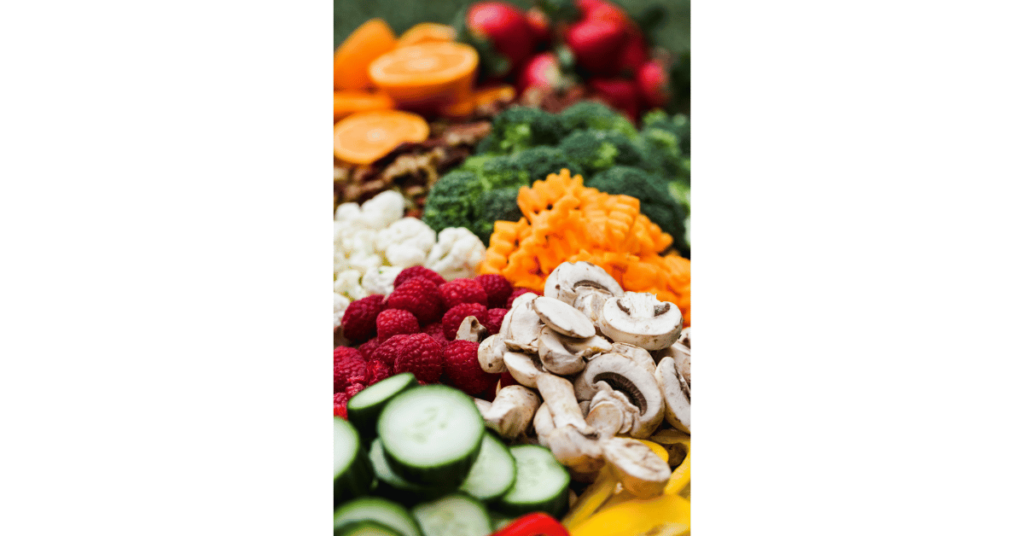
Tag: plant-based food

The Best Whole Food Plant-Based Dinners in South Africa

The Best Whole Food Plant-Based Dinners in South Africa

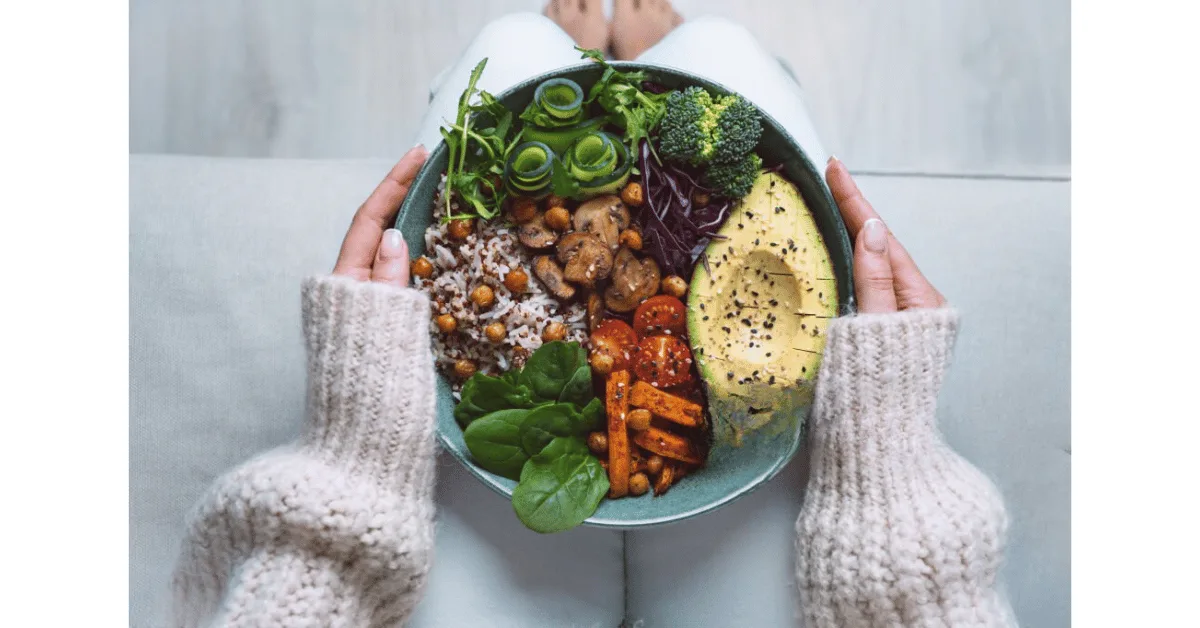
Here’s your guide to the best whole food plant-based dinners in South Africa Eating whole foods from plants is not for bland, boring meals without taste or flavour. Whole-food, plant-based diets are popular. It’s crucial to find the best whole food plant-based dinners. This article …

Eating Plant-Based: A Guide To Eating Plant-Based Foods

Eating Plant-Based: A Guide To Eating Plant-Based Foods

Introduction I grew up eating plants and rarely meat. Abundant meat was from Impala and Kudus. We worked hard before acquiring meat. We ran through the valleys and mountains with the dogs chasing the animals. What came easy were the whole foods from plants. From …

Eating Plant-Based Protein: A Comprehensive Guide to Optimal Plant Proteins and Their Benefits

Eating Plant-Based Protein: A Comprehensive Guide to Optimal Plant Proteins and Their Benefits

Introduction

Are you curious about the world of plant-based proteins?

Is there a need to eat plant-based protein?

As you go for plant-based eating, you must balance your protein intake. Your body needs a balance of nine amino acids it cannot manufacture. Thus, understanding the basics of plant-based proteins is essential.

Plant-based proteins have gained significant popularity in recent years.

 More people are exploring alternative dietary choices for health, environmental, and ethical reasons. These proteins offer many benefits, including being cholesterol-free. Proteins are also low in saturated fats and packed with essential nutrients.

This article will look into the various aspects of eating plant-based protein. We will explore different plant protein sources. 

Vegan protein options can help you meet your nutritional needs without relying on animal products. So, let’s dive in and discover the delicious world of plant-based proteins together!

What are Plant-Based Proteins?

Plant-based proteins are a hot topic in the world of nutrition and health. But what exactly are they? And why should you consider including them in your diet?

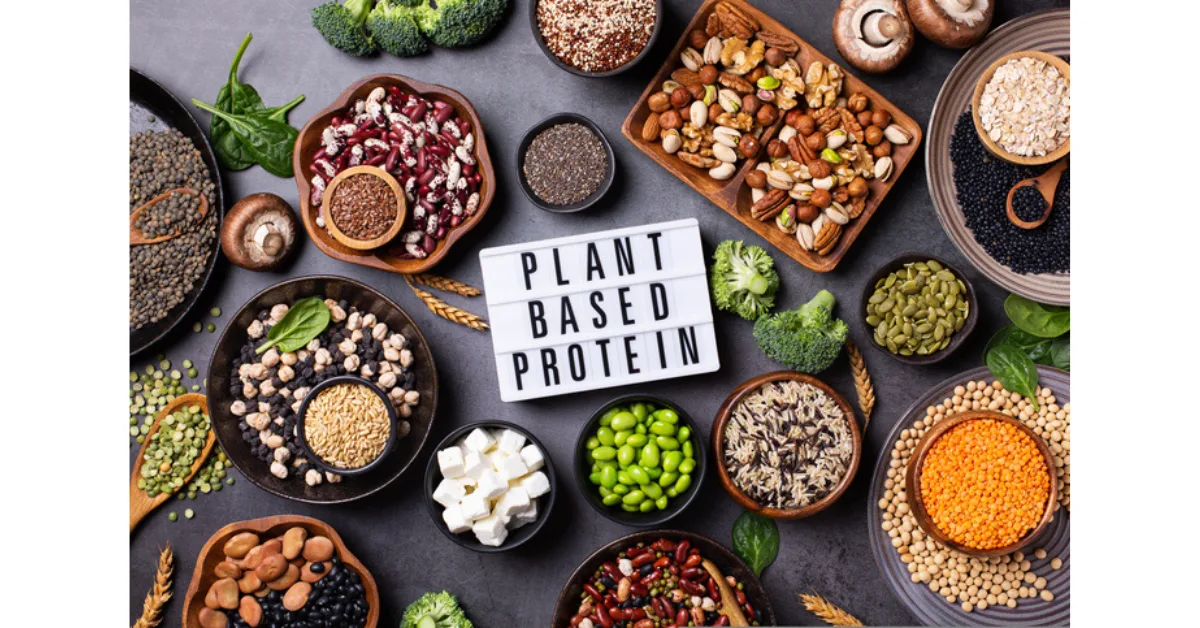
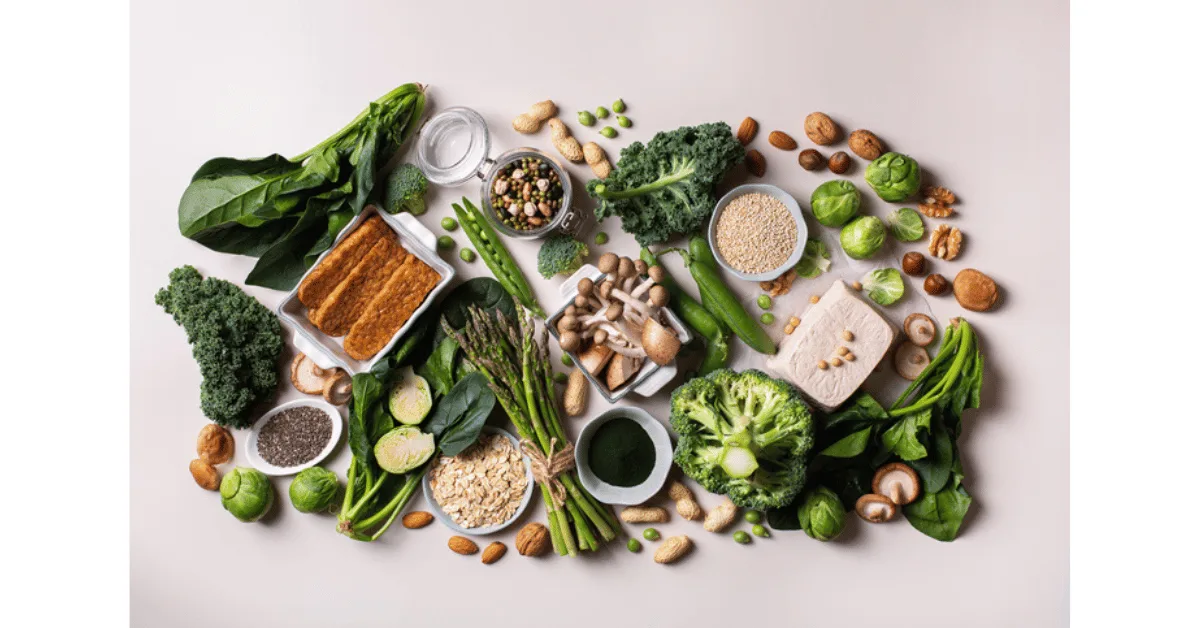
Simply put, plant-based proteins are protein sources that come from plants rather than those animal products. Plant-based proteins include legumes (beans, lentils), tofu, tempeh, seitan, nuts, seeds, and certain grains.

Why Should You Consider Including Them in Your Diet?

There are several compelling reasons to consider incorporating plant-based proteins into your diet. Firstly, they offer a wide range of health benefits. Plant proteins have lower saturated fat content and cholesterol than animal proteins. They also contain essential nutrients like fibre and vitamins. Plant proteins give minerals and antioxidants that contribute to well-being.

Benefits of Plant-Based Protein

Furthermore, research suggests that a plant-based diet can have many health advantages. Studies have shown that consuming more plant-based proteins may reduce the risk of chronic diseases. Chronic diseases like type 2 diabetes, certain cancers, and obesity.

Plant-Based Protein and Weight Loss

Research shows that plant-based diets, such as low-fat ones, lead to weight loss. It was among the study participants who were overweight. And to those who had type 2 diabetes or cardiovascular disease. The report comes from a review of 19 randomized controlled trials. An announcement that came on September 30, 2020.

Plant-Based Protein and Heart Health Benefits

The benefits of plant alternatives are more impressive than those of meat proteins. We will explore this difference later in this article.

Research published in Nutrients on May 29, 2020, shows impressive, good diastolic and systolic blood pressure numbers.

 Lower blood pressure can cause a lower risk of heart disease.

Plant-based proteins can be an excellent option.

Especially those following vegetarian or vegan lifestyles and looking to reduce their meat consumption. They provide a sustainable alternative while still meeting the body’s protein needs.

Incorporating plant-based proteins into your diet is not only beneficial for your health but also for the environment. So why not give them a try? Your body and the planet will thank you!

The Top 10 Best Plant-Based Protein

Are you looking to add more plant-based proteins to your diet? Look no further! Here, we will explore the top 10 delicious plant-based proteins for muscle building and health.

Best Plant-Based For Muscle Building

When building muscle and maintaining a healthy diet, you must incorporate plant-based proteins, a fantastic option. Not only are these protein sources packed with essential nutrients. But they also provide a wide range of health benefits.

So, without further ado, let’s explore our list of the top 10 plant-based proteins. The following protein-packed plants will meet your taste buds and support your fitness goals.

List of Plant-Based Proteins

The American Institute for Cancer Research made a recommendation. It recommends filling at least two-thirds of your plate with plant-based foods. Foods like whole grains, vegetables, fruits, and legume beans. The Institute also recommends filling the remaining third with meat- or plant-based foods.

The team at Eating Plant-Based recommends filling the third of your plate with plant-based proteins.

Here’s a list of the best plant-based proteins.

Lentils

A nutrient powerhouse packed with protein and fibre. Lentils contain 9 grams of protein per cup.

You can use it in soups, stews, and veggie burgers.

Quinoa

Quinoa is a complete protein. It contains all nine essential amino acids. Quinoa is a grain-like seed that can make a base salad or substitute rice.

Chickpeas

This food is my favourite protein source, followed by tofu -the extra firm tofu.

Chickpea is a versatile legume that offers a good amount of protein.

Tofu

Tofu is from soybean curds. It is gluten-free. It is also low in calories. Tofu contains no cholesterol. Tofu boosts iron and calcium. It is an essential source of protein, especially for vegans and plant-based food eaters.

Black Beans

My kids call me Mr Beans (Not because of Mr Beans’ funny acts in the movies). It’s because I like beans. The whole enchilada!

Black beans contain 7.5 grams of protein in 125 ml.

Nutritional Yeast

My friend laughed his heart out. It was the day one of the dietitians recommended I include nutritional yeast in my diet. I protested. I don’t drink any alcohol, and now you want me to use yeast in my food!

If you are as lost as I was, let me explain what nutritional yeast is.

Nutritional yeast is an inactivated kind of yeast. The yeast you use to make bread or beer.

It has a savoury or umami flavour. It may help lower cholesterol. It can also boost your immune health. Nutritional yeast, or “nooch,” is a food product used in vegan cooking. 

Green Peas

Green peas give 9 grams of protein per cup. Green peas have more proteins than dairy milk.

Nuts

Nuts, seeds, and their derived products are rich sources of protein.

Almonds offer the most protein per serving. Pistachios are close behind, following almonds as per protein content.

Protein-rich Fruits and Vegetables

Almost all fruits and vegetables contain protein. But some fruits and vegetables contain more than others.

Broccoli, spinach, asparagus, and sweet potatoes contain more proteins. They have approximately 4 to 5 grams of protein per cooked cup.

Seitan (Wheat Gluten)

Seitan is ideal for those who prefer gluten-rich options as their primary source of plant-based protein.

Seitan is a complete protein made by mixing wheat gluten with various spices. The high-wheat content means that people with celiac or non-celiac gluten sensitivity should avoid it. It can be a protein-rich, healthful meat substitute for people not affected by celiac.

Hemp Seeds

Hemp seeds maintain 10 grams per 45 ml.

Hemp seeds give all nine essential amino acids. You may also see them as hemp hearts shelled hemp seeds at supermarkets.

Plant Proteins vs Animal Proteins: Which is Better for Your Health?

The question of which is better for your health is a hot topic. A topic about the ongoing debate between plant and animal proteins.

Plant Protein vs Animal Protein

Both sources of protein have their advantages. There are compelling reasons to consider incorporating more plant-based proteins into your diet.

One of the key benefits of choosing plant proteins over animal-based proteins is their lower saturated fat content.

Benefits of Choosing More Plants Over Animal-Based Proteins

Animal proteins, meat and dairy products tend to be higher in saturated fats. These fats can contribute to heart disease and other health issues.

But, plant proteins like legumes, nuts, and seeds are lower in saturated fats. Plant proteins can provide essential nutrients without the associated health risks.

Additionally, plant-based proteins often come packaged with various other beneficial nutrients. Nutrients such as fibre, antioxidants, and vitamins. These nutrients in plant proteins play a crucial role in supporting health and well-being. Increase your intake of these vital nutrients by opting for more plants. At the same time, reduce your reliance on animal products.

Ultimately, making informed choices about protein sources involves understanding the potential impacts on personal health and environmental sustainability. Weigh the pros and cons of both plant and animal-based protein options. Then, make a decision aligning with your values while promoting optimal health outcomes.

Optimizing Your Plant Protein Intake: Tips and Strategies

Understanding the Importance of Plant Protein in a Balance Diet

Remember, protein is an essential macronutrient crucial in various bodily functions. It handles building and repairing tissues. Supporting immune function and aiding in the production of enzymes and hormones.

Choose plant-based protein sources over animal products more frequently. Shifting towards a plant-based diet can have positive environmental implications.

This section is on understanding the importance of plant protein in a balanced diet. We will explore the advantages offered by these alternative protein sources.

Combining Different Plant Proteins to Achieve a Complete Amino Acid Profile

Complete Amino Acid Profile

Combining different plant proteins can be an effective strategy for achieving a complete amino acid profile. Combining other plant proteins is particularly important for vegetarians and vegans who rely on plant-based protein sources.

While individual plant proteins may lack certain essential amino acids, combining complementary plant proteins can create a balanced and complete amino acid profile.

For example, legumes like beans and lentils are often low in the amino acid methionine but high in lysine. So, grains such as rice and wheat are low in lysine but contain higher levels of methionine.

Pairing these complementary plant proteins together in your meals ensures you get all the essential amino acids your body needs.

Protein Combining for Vegans

This protein-combining approach allows vegans to meet their nutritional requirements. Meeting their needs without relying solely on animal-based protein sources.

 Blend beans with rice or enjoy a lentil curry with whole-grain bread. Experiment with different combinations of plant proteins. This combination can help you achieve a complete amino acid profile while following a vegetarian or vegan diet.

Are you looking to maximize protein absorption from plant sources?

 There are a few essential tips that can help optimize the nutrient bioavailability. It also improves the digestibility of plant proteins.

  • Tip One

 You need to diversify your plant protein sources. Different plants contain varying types and amounts of proteins. So, incorporating various plant-based foods into your diet ensures a wide range of essential amino acids.

  • Tip Two

 Consider cooking methods that enhance protein absorption.

Specific cooking techniques like soaking, sprouting, fermenting, or lightly steaming can help break down anti-nutrients. And these techniques improve the digestibility of plant proteins. For example, soaking legumes overnight before cooking can reduce phytic acid levels and enhance nutrient absorption.

  • Tip Three

Pairing plant proteins with complementary foods can also be beneficial.

Combining plant protein sources with amino acid profiles can create a complete protein source. For instance, combining legumes with grains or seeds can provide your body’s essential amino acids.

  • Tip Four

Paying attention to gut health is crucial for optimizing nutrient absorption. A healthy gut microbiome promotes better digestion and absorption of nutrients.

 Consume probiotic-rich foods like sauerkraut or yoghurt. Also, incorporating fibre-rich foods into your diet can support a healthy gut environment.

  • Tip Five

 Consider adding digestive enzymes to your routine. Digestive enzyme supplements containing proteases that break down proteins may enhance protein digestion and absorption from plant-based sources.

Remember that everyone’s digestive system is unique. So, it’s essential to listen to your body. Experiment with different methods to find what works best for maximizing protein absorption from plant sources.

Incorporating High-Protein Plant Foods into Your Daily Meals and Snacks

Highest Plant-Based Protein Foods

Incorporating high-protein plant foods into your daily meals and snacks can be a game-changer. Especially those following a plant-based or vegetarian lifestyle. As the popularity of vegan and vegetarian diets increases, it’s essential to explore the variety of protein-rich options available from plants.

Vegan Protein Sources

Gone are the days when protein was solely associated with animal products. Now, plant-based high-protein foods are abundant. High-protein foods that can provide all the essential amino acids needed for a balanced diet.

From legumes like lentils, chickpeas, and black beans to grains such as quinoa and amaranth, there are endless choices for those looking to boost their protein intake without relying on meat or dairy.

Incorporating these plant proteins into your meals and snacks is easier. You can start by swapping traditional meat-based dishes with plant-based alternatives like tofu, tempeh, or seitan. These vegan protein sources provide a good amount of protein and offer a versatile base for various flavours and cuisines.

Snacking on high-protein plant foods is also a great way to stay energized throughout the day. Nuts and seeds like almonds and hemp seeds are excellent options you can enjoy on their own or add to smoothies and yoghurt bowls.

Incorporating Plant Proteins into Meals and Snacks

By incorporating these vegetarian protein-rich foods into your daily meals and snacks, you can ensure that you meet your nutritional needs. At the same time, I enjoy diverse flavours and textures. Whether you’re fully embracing a plant-based lifestyle or simply looking to incorporate more plant proteins into your diet, there has never been a better time to explore the world of high-protein plant foods.

Suggestions for Meal Planning and Recipes to Ensure Adequate Plant Protein Intake

Are you looking to incorporate more plant-based proteins into your diet? Look no further!

 In this section, we’ll provide some helpful suggestions for meal planning and delicious recipes to ensure you’re getting an adequate intake of plant proteins.

Plant-Based Meal Planning Tips

Regarding plant-based meal planning, focusing on variety and balance is essential.

Include a wide range of plant-based protein sources. Sources include legumes (beans, lentils, chickpeas), tofu, tempeh, seitan, quinoa, nuts, and seeds. You can incorporate these ingredients into various dishes to add flavour and protein.

To start your meal planning journey, consider creating balanced vegetarian meal plans. Meal plans include whole grains, fruits and vegetables, healthy fats, and plant proteins. This way, you can ensure you get all the necessary nutrients while meeting your protein needs.

Now, let’s investigate some recipe ideas!

Can you try a hearty lentil curry with brown rice? Or a flavourful black bean chilli loaded with vegetables?

Whip up a refreshing chickpea salad with mixed greens and roasted veggies. And let’s remember the ever-popular tofu stir-fry. Or grilled tempeh tacos for those looking for something savoury.

Remember to experiment with different spices, herbs, and cooking techniques. These techniques will keep things interesting. These suggestions for meal planning and recipes are at hand. You’ll be well on your way to enjoying delicious plant-based meals. At the same time, ensure an adequate intake of protein. Bon appétit!

Conclusion

You can achieve optimal nutrition through a well-planned plant-based diet. A diet rich in protein is not only possible. It also benefits your health and the environment by following simple tips. Tips include incorporating a variety of plant-based protein sources and ensuring adequate intake. You can also meet your daily protein needs while reaping the benefits of a well-balanced plant-based diet.

Comprehensive Guide to a Plant-Based Lifestyle in South Africa

Comprehensive Guide to a Plant-Based Lifestyle in South Africa

Introduction I am an advocate of a whole food plant-based lifestyle. You will be correct to call me a square peg in a round hole. Why? The community I live in eats meat almost every weekend at different cultural events. Meat eating has become a …

Eating a Whole Food Plant-Based Diet

Eating a Whole Food Plant-Based Diet

Introduction Recently, there has been a significant shift towards adopting healthier eating habits. One such approach that has gained popularity is the Whole Food Plant-Based (WFPB) diet. This dietary lifestyle focuses on consuming whole, unprocessed plant foods. At the same time, minimise or cut animal …

Comprehensive Guide to Plant-Based Foods High in Calcium

Comprehensive Guide to Plant-Based Foods High in Calcium

Introduction

In recent years, an exponential growth in plant-based dietary preferences occurred. Many people have adopted a plant-based lifestyle.

Whether you do it for ethical, environmental, or health reasons, it’s your choice. The demand for plant-based foods has increased dramatically. 

One concern about plant-based diets is the potential lack of essential nutrients. Essential nutrients such as calcium.

Calcium is commonly associated with dairy products. However, it is crucial to recognise that there are many plant-based sources available. Sources that can provide an adequate amount of this vital mineral.

In this article, we’ll look at how much calcium your body needs. We’ll further focus on ten plant-based foods rich in calcium. And how you can include these foods into your diet to meet your daily needs.

Understanding that there are many vegan-friendly calcium sources available. Individuals can confidently maintain a balanced and nutritious plant-based diet. At the same time, reaping the benefits of optimal bone health and well-being.

What is Calcium?

Calcium is a chemical element found in nature. Its classification is an alkaline earth metal. Calcium holds the atomic number 20 on the periodic table. In its pure form, calcium appears as a dull greyish-white metal.

Calcium is a vital mineral that is crucial in maintaining health and well-being. It is one of the essential nutrients the body requires for various physiological functions.

Within our bodies, calcium serves many purposes. It does not just provide structural support to our bones and teeth.

Calcium is vital in muscle contraction, nerve transmission, and blood clotting. It also regulates enzyme activity. Calcium also helps maintain proper heart function. It also supports healthy communication between cells.

Calcium is essential for your body. It not only contributes to building strong bones and teeth. But it also ensures the optimal functioning of various bodily systems.

Insufficient calcium intake can lead to health issues. Health issues such as osteoporosis, muscle cramps, dental problems, and even cardiovascular disorders.

But how much do you need to function in an optimal health?

How Much Does Your Body Need?

Calcium is in abundance in your body. More than 99 per cent of the calcium is in the form of teeth and bones. The remaining calcium is in your muscles and tissues. It is also circulating through your blood.

In South Africa, the average calcium intake is approximately 400 – 500 mg daily. The calcium intake in the country is half the recommended intake of 1000mg per day.

Your calcium intake also depends on several factors.

But there is no need for concern if you eat plant-based food. Many plant-based foods are rich in calcium.

Remember, calcium is a vital mineral that plays a crucial role in maintaining health. It is one of the essential nutrients the body requires for various physiological functions. 

A calcium-rich diet supports the development and maintenance of strong bones and teeth. It also assists in muscle function aids in blood clotting, and contributes to proper nerve function. Thus, ensuring sufficient calcium intake is imperative for individuals following a plant-based lifestyle.

So, let us now explore the world of plant-based calcium alternatives together. 

The Top 10 Plant-Based Foods Rich in Calcium

Contrary to popular belief, calcium is not only found in dairy products. Many plant-based foods are rich in this essential mineral.

Here are the top 10 plant-based foods rich in calcium.

Leafy Green Vegetables

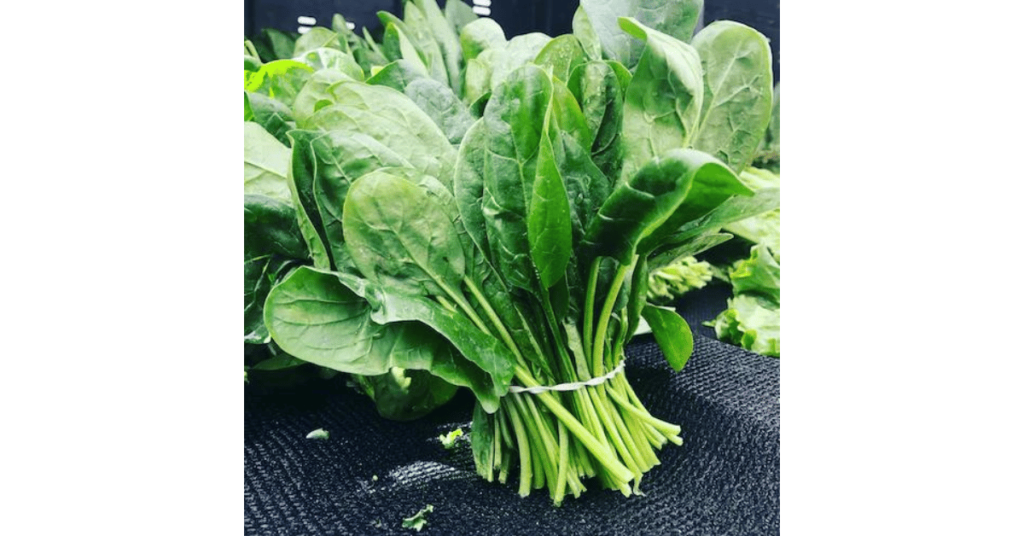
green leafy vegetables spinach

Vegetables like kale, collard greens, Bok choy, and broccoli are good sources of calcium.

Kale contains a whooping 254 mg per 100g of calcium. Let’s delve into kale and see its health benefits.

Kale, a nutrient-dense leafy green, is not only a great source of calcium. It also provides many other essential vitamins. It’s a must for your diet.

When it comes to calcium, kale stands out among other leafy greens. It offers a substantial amount of this mineral. 

Kale is an ideal choice for those looking to boost their calcium intake without relying solely on dairy products.

But kale doesn’t stop at calcium. It also contains other vital vitamins and minerals contributing to health and well-being. 

It contains vitamin A, which supports healthy vision and immune function. Kale is truly a powerhouse when it comes to nutrition.

Additionally, kale is rich in vitamin K, crucial in blood clotting and bone health. It also provides significant amounts of folate, iron, and magnesium. These are all essential nutrients that support various bodily functions.

Whether you want to strengthen your bones or boost your immune system, it is critical to incorporate kale into your diet. Kale can provide many health benefits. Its nutrient-dense nature ensures that you’re getting more than just calcium. You are also nourishing your body with essential vitamins and minerals. 

So why not add this versatile leafy green to your meals (salads, stir-fries, and smoothies) and reap the rewards of its nutritional goodness?

Nuts and Seeds

Nuts and Seeds

Almonds, chia seeds, and sesame seeds are rich in calcium.

Chia seeds are not only packed with fibre and omega-3 fatty acids. They are rich in plant-based calcium.

Tofu and Tempeh

Pexels/Polina Tankilevitch

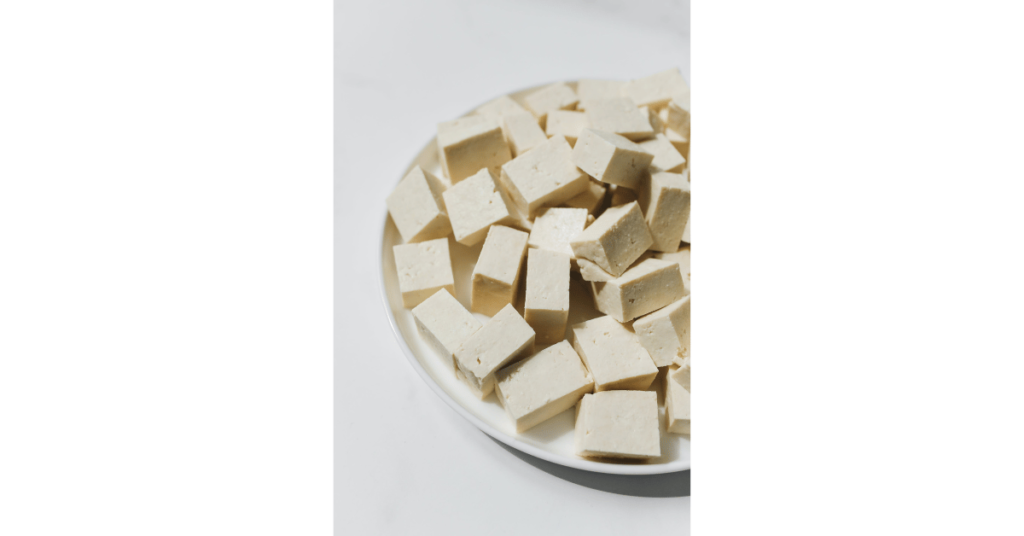
Tofu is a popular soy-based food. Tofu is rich not only in protein but also in calcium. 

This plant-based protein alternative haPexelss become a staple in many diets. 

One of the critical advantages of tofu is its impressive protein content. It gives all nine essential amino acids required by the body. 

Tofu is rich in complete protein for vegetarians and vegans. Incorporating tofu into your meals can help meet your daily protein needs. And eating tofu can support muscle growth and repair.

Additionally, tofu is an exceptional source of calcium. Calcium is a crucial mineral in maintaining healthy bones and teeth. Calcium is essential for proper nerve transmission, muscle function, and blood clotting.

Including tofu in your diet can contribute to meeting your daily calcium requirements. You can do this without relying solely on dairy products.

Not only is tofu nutritious, but it is also incredibly versatile in the kitchen.

You can grill tofu, stir-fry it, bake it, or blend it into smoothies. 

Tempeh comes from fermented soybeans. Tempeh provides reasonable amounts of calcium. 

Tahini

Pexels/ENESFILM

Tahini is a creamy paste butter made from sesame seeds. It is not only a delicious addition to various recipes, but it also offers a significant amount of dietary calcium. 

This versatile ingredient has gained popularity recently because of its many health benefits and culinary uses.

One of the critical advantages of tahini is its high calcium content. 

Calcium is an essential mineral in maintaining strong bones and teeth. It also supports proper muscle function and nerve transmission. Including tahini can be an excellent way to boost your calcium intake. You must include tahini in your diet. Tahini is especially critical for those who follow plant-based or dairy-free diets.

Furthermore, tahini is rich in other essential nutrients. Nutrients such as iron, magnesium, phosphorus, and vitamin E. 

These nutrients contribute to health and well-being by promoting energy production. They also support immune function and act as an antioxidant.

You can use tahini in a variety of dishes.

Whether you want to enhance your calcium intake or explore new flavours in your cooking repertoire, it will help you to incorporate tahini into your diet, which is worth considering.

Fruits

kiwis and oranges

Unsplash/Luke Michael

Various fruits contain reasonable amounts of calcium.

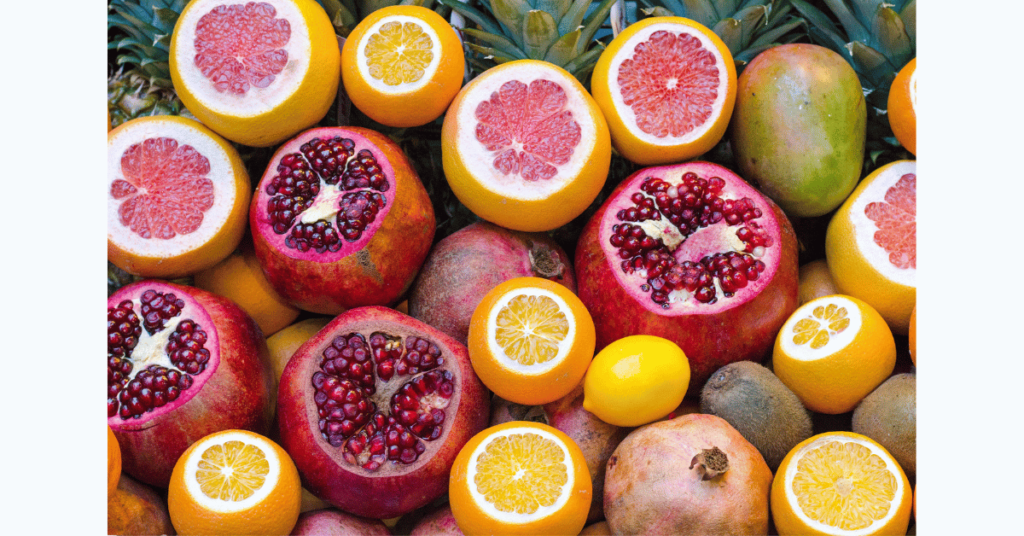
Figs give 18 mg per fig. In contrast, oranges contain approximately 48 to 65 mg per medium-sized fruit.

Figs is a delectable fruit known for its sweet and succulent taste. They are not only a treat for the palate but also a powerhouse of essential nutrients. One standout feature of figs is their high concentration of natural calcium. Calcium makes them an excellent choice for those looking to support their bone health.

Incorporate figs in your diet to ensure you’re getting the necessary nutrients for optimal bone health. 

Whether fresh or dried, figs offer a convenient snack. Figs meet your cravings while providing valuable benefits.

Make figs a part of your daily routine and nourish your body with nature’s gift for strong and healthy bones.

What about seaweed? How much calcium does it have in comparison to figs?

Seaweed

iStock/Luke Michael

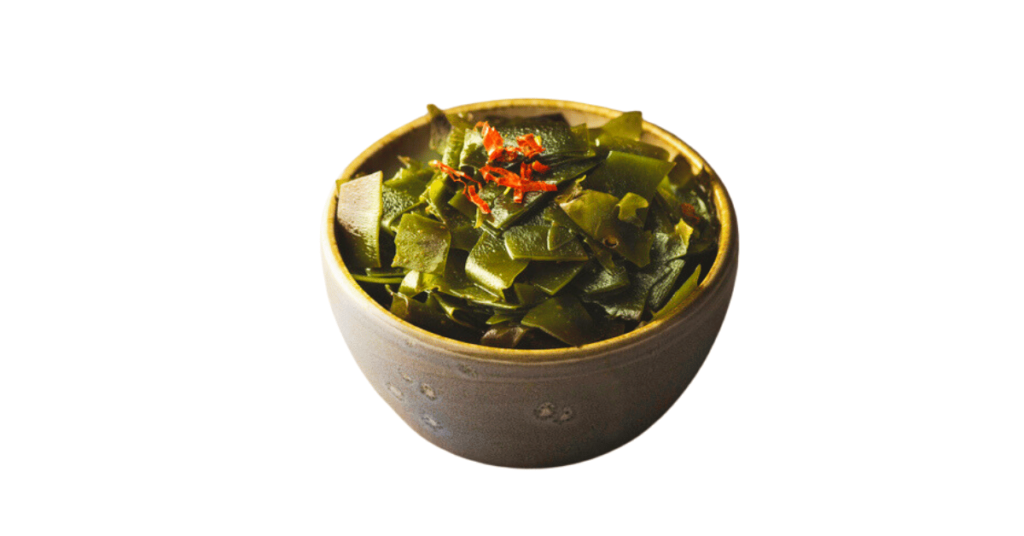
Seaweed or sea vegetables are forms of algae that grow in the sea. They’re a food source for ocean life. They range in colour from red to green to brown to black.  

Some types of seaweed are protein foods rich in calcium. But, some seaweed may also contain heavy metals and high levels of iodine. High levels of iodine and heavy metals can have adverse effects.

Legumes

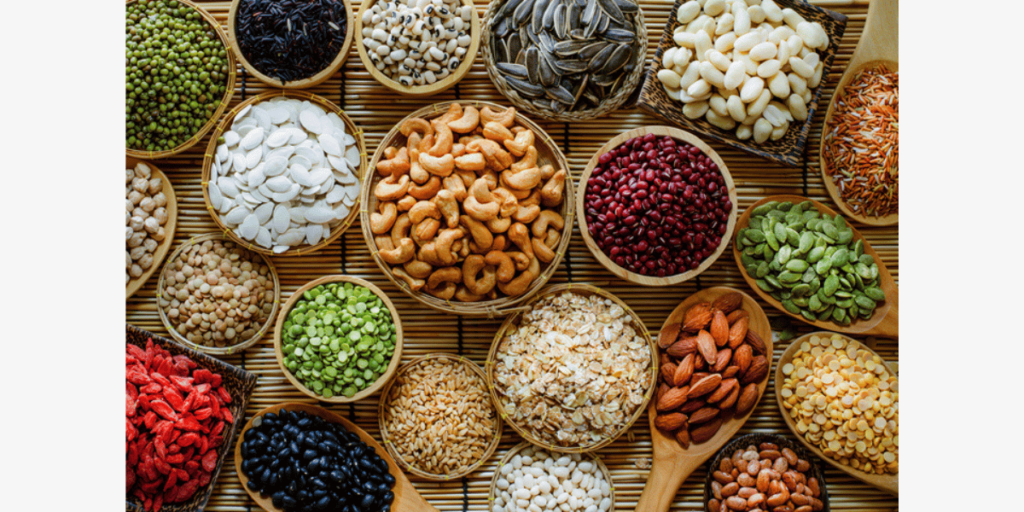
legumes on bowl upon a jute bag

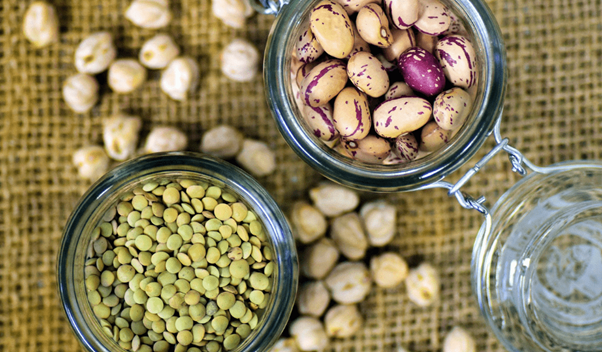
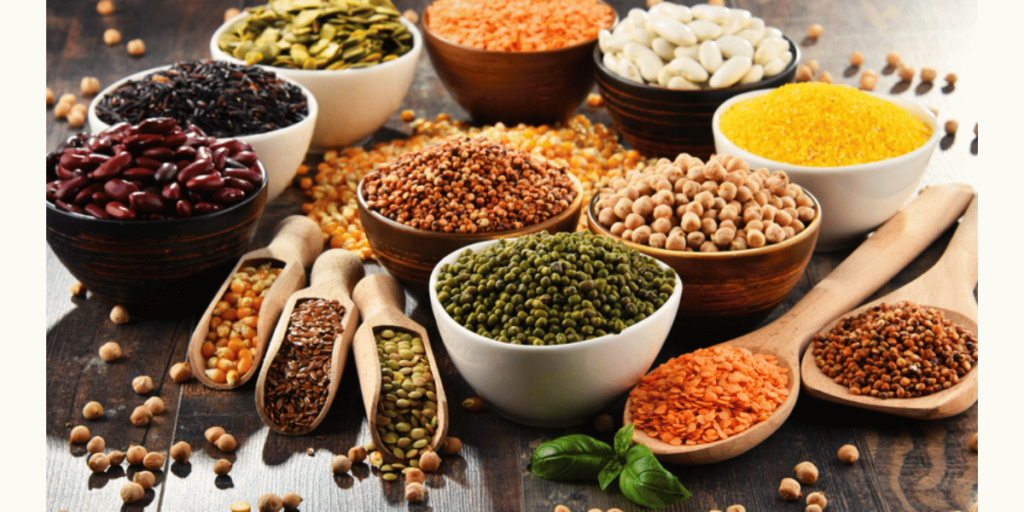
Beans and lentils boost excellent protein. They are also high in calcium.

Various beans are rich in calcium.

Legumes rich in calcium include white beans, navy beans, black beans, and Kidney beans. Chickpeas and lentils are also high in calcium.

Soybeans

Soybeans (Glycine mac) are legumes native to eastern Asia. Soybeans are naturally rich in calcium.

Whole grains

Whole grains

Amaranth and teff are gluten-free ancient grains that provide calcium. You can use these grains as a base for salads. Serve them as a side dish.

Fortified Plant-Based Milk

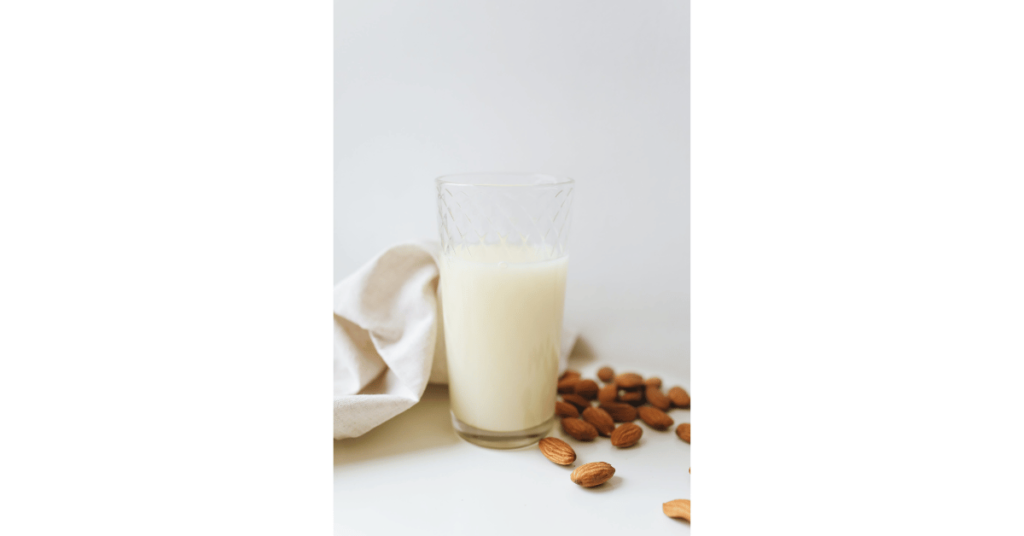
Glass of plant-based milk nuts

Pexels/Polina Tankilevitch

Fortification with calcium from various plant-based milks, like almond milk, soy milk, and oat milk, provides a dairy-free alternative with similar nutritional benefits.

Incorporating Calcium-Rich Plant-Based Foods in Your Diet

Now that you know about these plant-based sources high in calcium. It is time to start incorporating them into your diet. 

Here are a few tips to help you get started:

  • Diversify Your Diet: Include a variety of calcium-rich plant foods in your meals. You’ll not only meet your calcium needs but also enjoy a diverse and delicious diet.
  • Experiment with Recipes: There are many plant-based recipes available online. Recipes you can creatively use these calcium-rich foods. Try new recipes for variety, exciting and flavourful meals.
  • Read Labels: If you opt for fortified plant-based products. You must always check the labels to ensure a large amount of calcium.
  • Plan Balanced Meals: Plan your meals to include a mix of calcium-rich foods with other nutrients. A well-balanced diet is crucial to your optimal health.

Conclusion

Incorporating these top 10 plant-based foods into your diet can help ensure you’re getting enough calcium for optimal bone health.

Embracing a plant-based lifestyle does not mean compromising on essential nutrients like calcium.

So, go ahead and explore these delicious and nutritious options. Then pave the way for a healthier you, one plant-based meal at a time.

The Rise of the Vegan Diet in South Africa

The Rise of the Vegan Diet in South Africa

Introduction In recent years, there has been a significant rise in the popularity of veganism in South Africa. Many people are embracing the vegan diet and adopting a plant-based lifestyle. If you are considering adopting a vegan diet in the Rainbow Nation. This comprehensive guide …

Discovering The Best High-Protein Vegan Diet To Power Your Day

Discovering The Best High-Protein Vegan Diet To Power Your Day

Introduction Proteins! Have you noticed the obsession people have with protein? You have not eaten enough without proteins. And, for that matter, you must eat plenty of them!  Those eating plant-based foods get questions about needing more proteins. The question is always – where do …

Green Living in South Africa: Easy Ways to Embracing Eating Plant-Based.

Green Living in South Africa: Easy Ways to Embracing Eating Plant-Based.

Introduction

South Africa is going plant-based. More and more people are switching to a healthier, sustainable lifestyle.

Many South African celebrities are plant-based consumers. Celebrities like J M Coetzee, our famous writer and Nobel Prize Winner, eat plant-based.

Others are Zakes Mda, author and poet and Kerishnie Naicker, former Miss South Africa.

Opting for plant-based food will reduce environmental impact while improving your health.

Do you want to start living a healthier lifestyle by eating plant-based food in South Africa?

The good news is, it’s easier than you may think! Plant-based eating is booming in South Africa. You can get started with the right tips and advice.

In this blog post, we’ll share six tips to help you start eating plant-based in South Africa. Are you starting or looking to improve your plant-based diet? These tips will help you journey to green living!

What is a Plant-Based Diet

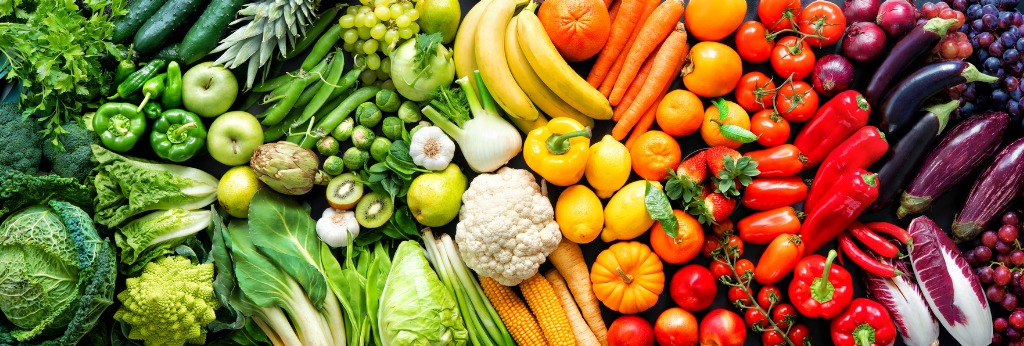
assortment of fresh organic fruits and vegetables

A plant-based diet focuses on eating plant foods. Foods like fruits, vegetables, grains, legumes, nuts, and seeds.

It is often associated with the vegan lifestyle. Still, it doesn’t mean you must cut all animal products from your diet. The main idea is to focus on plant foods. And then reduce animal-derived product consumption.

People choose to opt for a plant-based diet for various reasons. Some do it for ethical reasons, as they believe in the ethical treatment of animals.

Other people do it for health reasons. A plant-based diet can provide abundant vitamins, minerals, and antioxidants that benefit the body. It can also help lower the risk of non-communicable diseases.

In South Africa, there are plenty of plant-based options to choose from. You can try traditional South African dishes like morogo (wild greens). Or explore a variety of plant-based protein sources like lentils, chickpeas, and quinoa.

The Association for Dietetics in South Africa (A.D.S.A) can provide guidance and support. They will help all those interested in adopting a plant-based lifestyle.

A plant-based diet is a great way to heal your body. And to reduce your environmental footprint. And support a more sustainable and compassionate way of living. So why not give it a try?

Benefits of a Plant-Based Diet

A plant-based diet benefits your health, the environment, and animals. One of the key benefits is that it promotes well-being.

Eating whole, plant-based foods feeds your body with nutrients. Nutrients in plant-based foods are critical for optimal health.

A plant-based diet can also increase energy levels and improve digestion.

The fibre content in plant-based foods helps regulate bowel movements. Fibre also promotes a healthy gut microbiome. Additionally, a plant-based diet can support weight management.

From an environmental perspective, choosing plant-based meals reduces your carbon footprint.

Animal agriculture contributes to greenhouse gas emissions. And also deforestation and water pollution. Opt for plant-based and help conserve natural resources and combat climate change.


Lastly, adopting a plant-based diet aligns with ethical values. You promote compassion towards animals and reduce their suffering by choosing plant-based meals.

How to Start a Plant-Based Diet in South Africa: Tips for Beginners

How to Start a Plant-Based Diet in South Africa: Tips for Beginners

So you’ve decided to embrace a plant-based lifestyle in South Africa but need help figuring out where to begin? Can you still enjoy typical South African braais or Shisanyama (barbecues)? Don’t worry; I’ve got you covered with six easy tips to get you started on your plant-based journey.

Let us explore these tips.

Tip 1: More Fruits and Vegetables Into Your Meals

Variety of fruits and vegetables

Unsplash/Nathan Dumlao

If you’re new to the plant-based lifestyle, including more fruits and vegetables in your meals is a great place to start.

Fruits and vegetables are the foundation of a whole food plant-based diet and offer a wide range of essential nutrients. Plus, they’re delicious!

Try experimenting with different flavours and cooking methods to make this transition easier.

Roasted vegetables, stir-fries, and vibrant salads are a few examples to include in your plant-based meals.

To make things even more exciting, Try exploring different fruits and vegetables.

Did you know our baobab tree has fruits that benefit your health? There are many varieties, each offering its unique taste and nutritional profile.

If you’re looking for inspiration, consider searching for plant-based recipes online. Also, check through cookbooks like Leozette Roode’s Vegan Cookbook.

Plant-based food bloggers and authors provide easy meal ideas that are delicious and nutritious.

Various fruits and vegetables in your meals help and take it one step at a time.

Add extra servings of fruits and veggies to your meal. Before you know it, you’ll be enjoying a diverse range of plant-based dishes and reaping the health benefits that come with it.

Tip 2: Experiment with Meat Substitutes

When transitioning to a plant-based diet, experiment with meat substitutes. Make the process much easier and more enjoyable.

In South Africa, a wide variety of plant-based alternatives are available.

Tofu, tempeh, and seitan are popular choices for those looking for a meat-like texture and taste. A variety of dishes, from stir-fries to burgers, use these options.

If you’re new to the plant-based lifestyle, incorporate meat substitutes into your meals. It can help meet cravings and make the transition smoother.

Many food companies in South Africa offer a range of plant-based products, including sausages, mince, and patties.

You can get these alternatives from the Fry Family Company. Also available at VeggieWors and Vegan Butcherie. And through many of our Supermarkets like Woolworths, Checkers, Pick n Pay, Spar, and Shoprite. You can use these alternatives and include them in your meals.

Experimenting with different meat substitutes allows you to discover new flavours and textures.

It can also be a fun way to try out new recipes. Include meat substitutes in your dishes. You can then make your plant-based journey exciting and satisfying.

Tip 3: Read Labels Carefully

iStock/gahsoon

Learning to read labels is essential when starting a plant-based diet. Many processed foods contain hidden animal ingredients.

Reading labels can help you make informed choices and ensure your products are plant-based. Look for common animal ingredients like milk powder, whey, gelatin, and honey.

One helpful tip is to familiarize yourself with plant-based food certifications and logos. Look for labels that say a product is vegan-friendly or certified vegan. These labels reassure that the product meets strict vegan standards.

It’s also important to remember that not all plant-based foods are equal. Some plant-based foods contain added sugars and unhealthy fats. By reading labels, you can choose whole, minimally processed plant-based foods. Foods that are rich in nutrients and support your health.

Taking the time to read labels is a small step. But it can make a big difference in your journey towards a plant-based lifestyle. By becoming a savvy label reader, you can make better choices.

Tip 4: Connect with Local Plant-Based Communities

Connect with local plant-based communities. This network will motivate and inspire you on your plant-based journey. Joining these communities can provide support, camaraderie, and knowledge.

You can link with like-minded individuals who are passionate about plant-based living. Search for local vegan groups on social media platforms like Facebook or Instagram. These groups often organize meetups and events for gathering.

Attend local vegan festivals or workshops. Attending these is another great way to meet fellow plant-based enthusiasts. These events often feature delicious food, informative talks, and cooking demonstrations. Allowing you to learn from experts and expand your plant-based knowledge.

If you want even more support, consider joining online forums or subscribing to plant-based newsletters. These resources provide a wealth of information. Also includes tips, recipes, and advice from experienced vegans.

Remember, connecting with local plant-based communities can make your journey fulfilling.

You’ll have a supportive network to turn to when you have questions or need guidance. You may also even make lifelong friendships along the way.

Tip 5: Find Delicious Plant-Based Recipes Online or Through Cookbooks

tofu scramble by losune

Find delicious plant-based recipes online or through cookbooks. These tools are a game-changer for embracing a plant-based lifestyle in South Africa. With so many resources, you’ll always have ideas for satisfying and nutritious meals.

Start by exploring plant-based food blogs, websites, and social media platforms.

You can find recipes from breakfast smoothies and hearty soups to indulgent desserts and decadent vegan cheese.

Cookbooks are another fantastic resource for finding delicious plant-based recipes. Many vegan and plant-based cookbooks with various cuisines are available in bookstores or online.

Whether you’re craving comfort food, international flavours, or quick and easy meals, there’s a cookbook out there to suit your taste.

Search for vegan meal plans or whole-food vegan diet plans online to make it even easier. These resources provide a week’s worth of recipes and meal ideas, taking the guesswork out of preparing your plant-based meals.

So go ahead and explore the vast world of plant-based cooking. It is amazing how delicious and satisfying meals you can create.

Tip 6: Plan Your Meals Ahead of Time

Planning your meals is critical in maintaining a plant-based lifestyle in South Africa.

By preparing your meals, you can ensure you have various nutritious options. These options will help you avoid falling back into old eating habits.

It also saves time and money by avoiding impulsive food purchases or unhealthy takeout options.

Begin by creating a weekly meal plan that includes breakfast, lunch, dinner, and snacks. Mix fruits, vegetables, whole grains, legumes, and plant-based protein sources like tofu or beans.

Mixing your plant-based foods will ensure you get all the nutrients for a healthy diet.

Create your meal plan, and make a grocery list of all the ingredients you’ll need for the week. This way, you can avoid unnecessary store trips and ensure you have everything you need to prepare your meals.

Prep your ingredients in advance, such as washing and chopping vegetables or cooking grains and legumes.

Ingredients sorting and washing will make meal preparation faster and more manageable during the week when you have no time.

Conclusion

A plant-based diet plan can help you stay on track and make healthier choices. It allows you to focus on your health. So, take some time each week to plan your meals. You’ll be well on your way to embracing a plant-based lifestyle in South Africa.

Optimal Morning Nutrition: Whole Food Plant-Based Breakfast

Optimal Morning Nutrition: Whole Food Plant-Based Breakfast

Introduction Can you imagine eating a whole food plant-based breakfast and leaving that brekkie of bacon and eggs with fried chips? Is it possible? It is not just possible; it is doable. Opting for whole food plant-based breakfast is a lifestyle that will give you …