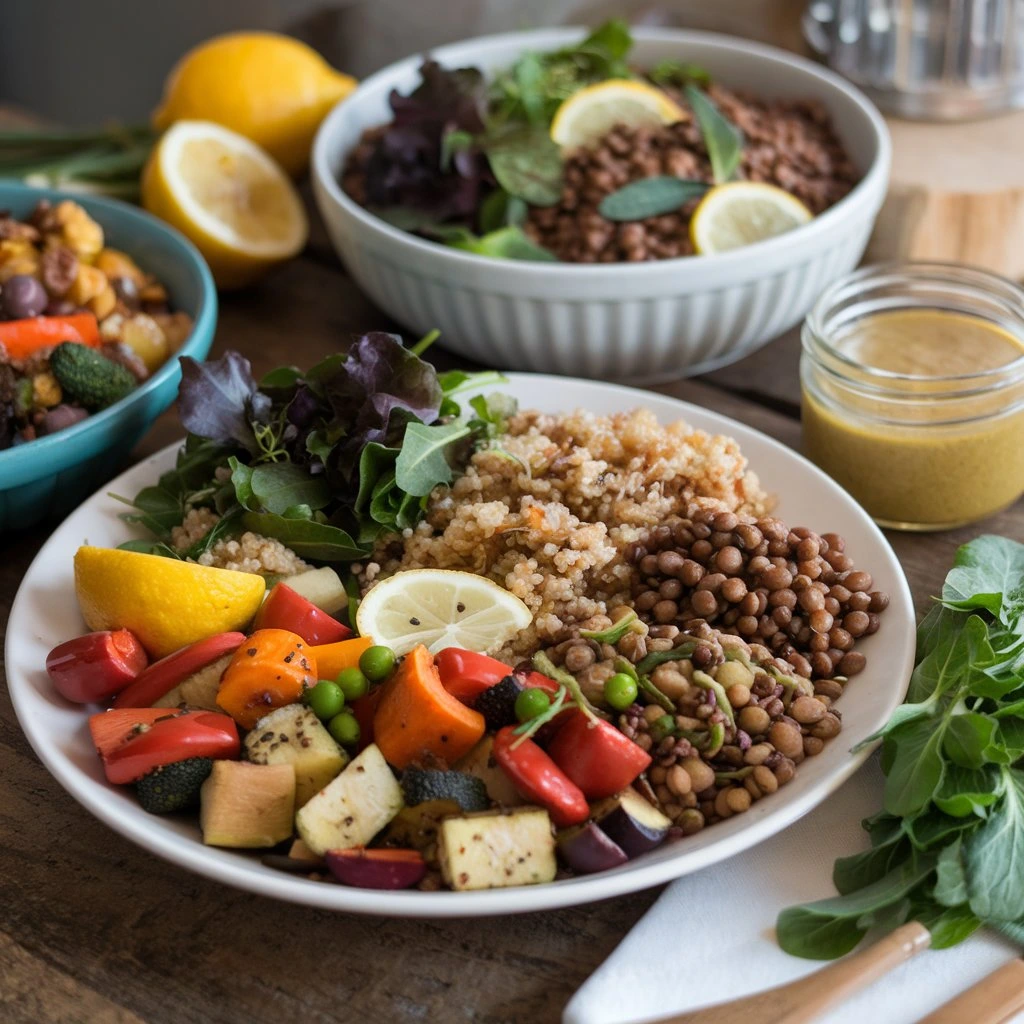
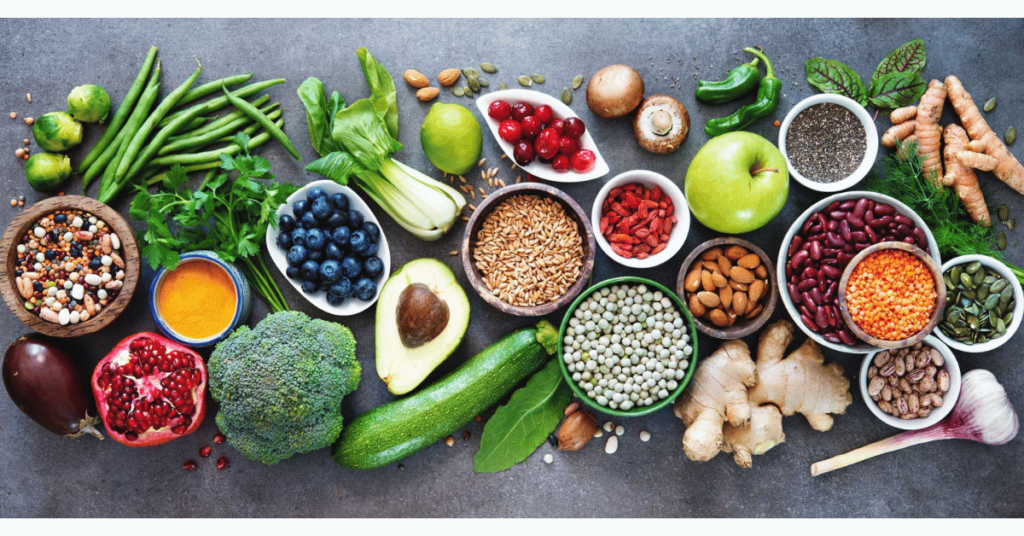
Reading time: ~12 minutes In this article First things first: you can meet your needs on plants Short answer: yes—when it’s well planned. Major nutrition bodies recognise that vegan and vegetarian diets can be nutritionally adequate for adults and offer health benefits. Meanwhile, South Africa’s …
Introduction: Embracing Plant-Based Nutrition in South Africa Here’s your guide to plant-based nutrition made easy in South Africa. I’ve been a health and wellness advocate for years. I’ve seen firsthand how changing your diet can transform your life. Many South Africans are now choosing plant-based …
Introduction: The Growing Momentum of Plant-Based Diets in South Africa
Hey there!
Here’s your guide to the rise of plant-based diets in South Africa.
Have you noticed a shift in what’s on people’s plates lately?
Increasingly, more people around the world are practising mindful eating. Plant-based diets lead this trend. It’s not just a fad; it’s a significant change in how many people approach their food choices.
This change is happening everywhere. In South Africa, the plant-based diet is gaining strong momentum.
So, what’s behind this sudden surge?
Well, it’s a fascinating mix of factors!
Increasingly, South Africans are embracing a plant-based diet for various reasons.
For some, it’s about embracing a healthier lifestyle and tackling prevalent health concerns. Some people feel strongly about ethics. They want to lessen their impact on animal welfare.
Many people are now aware of the importance of environmental sustainability. They want to reduce their carbon footprint through their food choices.
In this guide, we explore the exciting world of plant-based diets in South Africa.
We’ll review the stats. Then, we’ll share reasons for the trend. Finally, we’ll explore the rising market for plant-based foods and restaurants. We’ll also discuss common challenges and strategies for addressing them.
Get ready to see why plant-based eating in South Africa is more than a trend. It’s a significant, positive change in our food landscape.
The Landscape of Plant-Based Eating in South Africa: Statistics and Trends.
Let’s explore what the numbers reveal about the growth of plant-based diets in South Africa.
It’s truly fascinating!
Unpacking the Numbers: Current Prevalence of Plant-Based Diets in South Africa
Recent research indicates a significant increase in the consumption of plant-based foods. Reports suggest the number of vegans in South Africa has doubled in the last five years.
Estimates show that about 1% of people identify as vegan. Additionally, around 10-12% are vegetarian or flexitarian. This signals a definite shift beyond a niche market into a more mainstream movement.
When discussing plant-based eating in South Africa, we must recognise its nuances.
We’re seeing growth in all areas.
This includes committed vegans who avoid all animal products. It also contains vegetarians who don’t eat meat but may still have dairy and eggs. Flexitarians are also joining in, as they aim to reduce their meat consumption.
Younger people, especially university students, are a key driver of this growth. They show a strong interest in alternative proteins.
A study from Rhodes University reveals that this group is a key factor contributing to the rise of plant-based diets in South Africa.
Geographic Trends: Plant-Based Growth Across South African Regions
Geographically, this movement isn’t evenly spread, but it’s certainly expanding.
Urban centres like Cape Town and Johannesburg lead the way. There are more plant-based restaurants, vegan stores, and better choices in regular supermarkets.
We’re seeing the ripple effect spread beyond major cities. More awareness and availability are popping up in other regions.
Furthermore, it’s not just a local phenomenon. South Africa is making its mark on the global stage when it comes to plant-based interest.
Google Trends and Global Standing: South Africa’s Position in the International Plant-Based Movement
Google Trends shows that South Africa is one of the top countries for searches on “veganism.” It’s the only African nation that ranks so high.
This shows a strong and growing interest in plant-based diets in South Africa. The landscape is undoubtedly changing, and it’s exciting to witness this transformation.
Motivations Behind the Shift: Why South Africans Embrace a Plant-Based Diet
Why are more South Africans switching to a plant-based diet? We are aware that it’s on the rise.
It’s not just one reason. It’s a potent mix of factors that connect with people. Let’s explore these motivations, shall we?
Health and Wellness: The Health Benefits of a Plant-Based Diet for South Africans
For many in South Africa, the journey to a plant-based diet begins with a focus on health.
South Africa has a big problem with chronic diseases. These include heart disease, diabetes, and obesity. This is where plant-based eating shines!
Eating fruits, whole grains, vegetables, nuts, and seeds can reduce the risk of lifestyle-related diseases, according to numerous studies.
Many people report feeling more energetic. They also notice better digestion. Some individuals find that their sleep and immune function also improve.
Many people find it helps them manage weight and feel better overall. It’s about feeling good, inside and out!
Ethical and Animal Welfare Concerns: A Compassionate Choice in South Africa
Animal welfare is a significant reason why plant-based diets are gaining popularity in South Africa. It goes beyond just health reasons.
Consumers are becoming increasingly aware of industrial animal agriculture, particularly factory farming. This knowledge highlights a clear ethical duty.
Many people struggle to align their values with the treatment of animals in the food system. Choosing a plant-based lifestyle shows compassion. It connects dietary choices to the wish to lessen animal suffering.
A study of Rhodes University students found that animal welfare is the top reason they choose plant-based diets.
Environmental sustainability closely follows this motivation.
Environmental Sustainability: The Eco-Conscious Plant-Based Diet in South Africa
Speaking of the environment, this is another massive piece of the puzzle.
Animal farming has a negative impact on the environment, and South Africa is no exception. We’re discussing greenhouse gas emissions, deforestation for grazing land, and excessive water usage.
Choosing a plant-based diet helps South Africans lower their carbon footprint. It also supports a more sustainable food system. It’s about protecting our beautiful planet for future generations.
The EAT-Lancet report advocates for a global shift toward plant-rich diets. This shift aims to improve planetary health. This idea connects with our motivation.
Cultural Influences and Social Acceptability: Integrating Plant-Based into South African Lifestyles
Interestingly, the adoption of plant-based diets in South Africa is also influenced by cultural factors.
Traditional South African food usually focuses on meat, but now there’s an exciting wave of innovation! We’re enjoying tasty vegan takes on local favourites like bobotie and bunny chow. This shows that plant-based meals can be full of flavour and still honour our heritage.
Local celebrities and social media influencers promote plant-based living. This makes it more visible and accepted in society.
For some, the idea of saving money on a plant-based diet is a strong motivator. This is especially true when they focus on whole foods, such as legumes and grains.
It’s all about a holistic approach. Personal health, ethics, the environment, and culture all matter. These factors drive the rise of plant-based diets in South Africa.
The Expanding Plant-Based Market in South Africa: Products and Services
The rising interest in plant-based diets in South Africa isn’t just a quiet change at home. It’s making a big splash in the market!
Plant-based products are popping up everywhere, from local supermarkets to your favourite restaurants.
Growth of the Plant-Based Food Market in South Africa: A Booming Industry
First, let’s discuss numbers.
The plant-based food market in South Africa is experiencing rapid growth. It’s now a booming industry.
The vegan food market in South Africa was worth USD 370.9 million in 2021. It is expected to grow to USD 846.9 million by 2030. This means that the growth rate will be 9.6% each year from 2022 to 2030.
This strong growth indicates that an increasing number of consumers are seeking these products. It also shows rising investor confidence in the sector.
Key segments driving this growth are:
Plant-based meat alternatives
Seafood alternatives
Dairy alternatives
Protein liquids and powders
Plant-Based Meat Alternatives in South Africa: Innovation and Availability
Remember when finding a decent veggie burger was a mission? Not anymore! The market for plant-based meat alternatives in South Africa has truly blossomed.
You can choose from many options. Local brands offer tasty vegan boerewors and mince.
Also, international giants like Beyond Meat are making their mark.
The focus is not only on taste but also on realistic textures and nutrition. This makes these alternatives more appealing to plant-based eaters and curious flexitarians.
Dairy Alternatives and Other Plant-Based Products: Diversifying the South African Market
Beyond meat, the dairy alternatives sector is even more diverse. Various plant milks are stocked on supermarket shelves. You can find almond, soy, oat, rice, and even macadamia milk from local sources.
But it doesn’t stop there!
We’ve discovered a wide range of vegan cheeses (that melt!), yoghurts, and delicious plant-based ice creams.
Also, convenience is growing. More ready meals, snacks, and baked goods are available now. They all cater to the growing demand for plant-based diets in South Africa.
The Rise of Plant-Based Restaurants and Eateries in South Africa
It’s not just your grocery cart that’s changing; the dining scene is transforming too!
The rise of plant-based restaurants in South Africa is undeniable.
Big fast-food chains like Mugg & Bean and Steers are adding more plant-based choices to their menus. This shows that these foods are becoming mainstream.
Cities like Cape Town and Johannesburg have many vegan and plant-based restaurants. They serve a range of options, from gourmet meals to casual comfort food.
The rise in products and services boosts the plant-based diet in South Africa.
Navigating the Plant-Based Journey in South Africa: Challenges and Solutions
The rise of plant-based diets in South Africa is a welcome development.
However, making a significant dietary change has its challenges. No need to worry! These challenges are easy to handle, and we have great solutions for you!
Perceived High Costs of Plant-Based Diets in South Africa
A common myth in South Africa is that a plant-based diet is too costly. And yes, some of those fancy meat alternatives or speciality vegan cheeses can add up.
Focusing on whole, unprocessed plant foods can save you money. Legumes, such as lentils, chickpeas, and beans, are excellent choices. Grains such as rice, pap, and oats are also affordable. Don’t forget seasonal fruits and vegetables—they’re budget-friendly too! These staples are often far cheaper per serving than meat and dairy.
At first, you might think, “Vegan food is expensive.” A great way to enjoy cheap plant-based meals in South Africa is by using simple, traditional ingredients.
Lack of Knowledge and Nutritional Concerns in South African Plant-Based Diets
Another common challenge is simply knowing how to eat a well-planned plant-based diet. People often worry about getting enough protein, iron, or vitamin B12. And it’s true, if not planned properly, you could miss out on essential nutrients.
The good news is that a diet with a lot of different plants in South Africa can give you all the nutrients you need.
Eat a mix of whole foods.
Additionally, note that vitamin B12 is often deficient in a plant-based diet and may require supplementation.
Plant sources of iron and calcium are plentiful. So, it’s essential to combine them correctly for better absorption. Dispelling these plant-based nutrient deficiency myths in South Africa is key!
Accessibility and Finding Vegan Options: Overcoming Barriers in South Africa
Urban centres like Cape Town and Johannesburg have great vegan options. However, it can be tough to find these choices in smaller towns or remote areas. This accessibility issue means you may need to plan a bit more, especially when travelling.
Websites like HappyCow and local vegan groups on social media make it easy to find vegan-friendly places. They also help you discover unique ingredients.
Plant-based items are increasingly available in regular supermarkets as the market expands.
Social and Cultural Perceptions: Shifting Mindsets in South Africa
Lastly, let’s discuss the social aspect of things.
In a culture where braais and meat are key to celebrations, choosing a plant-based diet can spark questions or friendly teasing from family and friends.
This can be a real barrier for some.
You can help change minds in South Africa by sharing tasty plant-based recipes. Demonstrate that vibrant, flavorful meals remain enjoyable and appetising.
Embracing a plant-based diet isn’t about missing out; it’s about adopting a healthier way of life. It’s about exploring new foods and enjoying a healthier way to eat.
Practical Steps for Embracing a Plant-Based Diet in South Africa
Are you ready to dive into the colourful world of plant-based eating in South Africa?
Fantastic!
It may seem challenging at first, but you can easily prepare tasty, healthy, and ethical meals with just a few simple steps. Think of it as an exciting culinary adventure!
Essential Plant-Based Protein Sources in South Africa
Let’s clear up that common myth right away: In South Africa, a plant-based diet will give you enough protein.
The key is variety!
Choose affordable protein sources, such as lentils, chickpeas, and beans, to support a healthy diet. They work well in stews, curries, and salads. Quinoa is another fantastic complete protein.
Local supermarkets now offer a variety of seitan and tempeh as alternatives for those who want to make a change.
Even everyday items like peanuts and sunflower seeds pack a protein punch. Experiment with these staples and see how easily they fit into your meals.
Creating Delicious South African Plant-Based Recipes
This is where the fun begins!
You don’t have to abandon your culinary heritage to embrace a plant-based diet. You can adapt many traditional South African dishes to be vegan. For example, try a hearty sugar bean curry, a veggie-packed chakalaka, or a mushroom braai broodjie. Get creative with local fruits, vegetables, and herbs.
Numerous internet resources and booklets offer plant-based recipes from South Africa. They offer inspiration for quick weeknight dinners and festive spreads.
Finding Support and Resources for Your Plant-Based Journey in South Africa
You’re not alone on this journey!
The plant-based community in South Africa is growing and incredibly supportive. Look for local Facebook groups, online forums, and Instagram accounts about vegan and plant-based living in your area.
Websites such as Vegan.co.za and the South African Vegan Society provide valuable information and resources.
For specific health concerns or personalised advice, talk to a registered dietitian. Look for one who specialises in plant-based nutrition in South Africa.
They can help you make a meal plan that fits your needs and tastes.
Adopting a plant-based diet in South Africa can be fun and sustainable by following these simple steps.
Frequently Asked Questions about Plant-Based Diets in South Africa
Switching to a plant-based diet in South Africa can bring up a few common questions.
Let’s address these issues directly and in a friendly manner to clear up any confusion.
Is a Plant-Based Diet a Personal Choice, and Why Advocate for it in South Africa?
That’s a great question, and yes, fundamentally, what you eat is a personal choice. When we discuss the rise of plant-based diets in South Africa, we support it. The reasons go beyond individual choice.
We’re discussing significant effects on animal welfare, environmental sustainability, and public health. This includes cutting greenhouse gas emissions and saving water.
The choice is yours. Many people are adopting and promoting this lifestyle due to its numerous benefits.
If everyone goes vegan, what happens to the livestock in South Africa?
This is a thoughtful question! Everyone can’t go vegan overnight. Increasingly, more people in South Africa are opting for plant-based products.
Therefore, the livestock industry is likely to undergo significant changes. The shift will be gradual. Fewer animals will be bred for food.
This change will lead to a more humane and sustainable farming system over time. It’s about evolving our food systems, not an immediate, drastic change.
Can I get enough protein and essential nutrients on a plant-based diet in South Africa?
Absolutely, yes! This is one of the most common concerns. A good plant-based diet in South Africa can give you enough protein, iron, calcium, and other vital nutrients. The key is variety. Include lentils, chickpeas, beans, nuts, seeds, and whole grains.
Also, enjoy a rainbow of fruits and vegetables.
Vegans should consider taking Vitamin B12 supplements. This vitamin mainly comes from animal products. Don’t let myths about plant-based nutrient deficiencies in South Africa hold you back!
Are vegan foods more expensive in South Africa?
Not necessarily! Some vegan alternatives can be expensive. However, the main parts of a plant-based diet—legumes, grains, fruits, and vegetables—are usually very cheap. Buying seasonal and local produce can help save even more.
Many South Africans recognise that cooking with whole plant foods can be more cost-effective than a diet heavy on meat. It depends on your shopping habits and choices.
What about honey and other animal-derived products in South Africa?
Strict vegans usually avoid honey. It’s animal-derived and involves exploiting bees.
There are tasty plant-based options for honey. You might also use agave nectar, maple syrup, or date syrup.
The ethical stance also covers hidden animal products. These can be in certain wines, which may use animal fining agents, or in some processed foods. It’s a journey of learning and discovery!
Conclusion
The growth of plant-based diets in South Africa is not just a trend. It’s a powerful movement changing our food landscape.
Motivations are varied and intense. They encompass health benefits, ethical considerations, and significant environmental concerns.
Looking ahead, the future of plant-based eating in South Africa is incredibly bright.
The market is growing. Projections indicate that the plant-based food sector will reach approximately US$846.9 million by 2030.
Increasingly, people are learning about plant-based diets. As cultural acceptance grows, living a plant-based lifestyle is easier and more appealing.
A plant-based diet in South Africa supports health, kindness, and sustainability. It’s suitable for everyone, whether you’re new to the cause or a long-time supporter.
Have you noticed how plant-based living in SA is taking root these days? It’s not just a trend. It’s a lively movement. This change is reshaping how we view food, health, and our planet in our beautiful country. You might be curious about plant-based diets …
This is your beginner’s step-by-step guide on how to go plant-based in SA. Have you been curious about the buzz around plant-based living in South Africa? You may have heard friends discuss the benefits of a vegan lifestyle in South Africa. Or you’re looking for …
Here’s your guide to evidence-based plant-based eating for hypertension in 2025.
Did you know that nearly half of all American adults have high blood pressure, yet many don’t even realise it?
That’s an astonishing 116 million people living with what doctors call the “silent killer.” But here’s some incredible news that might change your life!
New research suggests that a plant-based diet can be as effective as medication in controlling hypertension. I’ve spent years studying how nutrition affects heart health. The evidence is clear. Research, such as the DASH studies, demonstrates that our diet has a significant impact on our cardiovascular health, particularly on the health of our arteries. For example, nitrates in leafy greens play a key role in what we eat, and it truly matters.
Whether you just learned about high blood pressure or have dealt with it for years, this guide will help you boost your heart health using plants.
Understanding Hypertension and the Plant-Based Connection
Let’s start with the basics, shall we?
When your blood pushes too strongly against the walls of your arteries, you have high blood pressure or hypertension. Think of it like a garden hose: when you turn the water pressure up too high, it puts stress on the hose walls.
High blood pressure over time puts a strain on your entire cardiovascular system.
What Those Numbers Mean
Did you know? Normal blood pressure is typically defined as being below 120/80 mmHg.
Many people don’t see the danger until it’s too late.
The American Heart Association breaks it down like this:
Normal: Less than 120/80 mmHg
Elevated: 120-129 systolic, less than 80 diastolic
Stage 1 Hypertension: 130-139/80-89 mmHg
Stage 2 Hypertension: 140/90 mmHg or higher
Unfortunately, nearly half of American adults fall into one of these higher categories. Approximately 116 million people have high blood pressure, and many are unaware of it.
The Silent Killer’s Not-So-Silent Impact
Now, here’s where things get serious.
Because it frequently doesn’t have any symptoms, doctors call high blood pressure “the silent killer.” This can lead to severe damage before it’s detected.
At the same time, it’s quietly increasing your chances of getting heart disease, stroke, renal illness, and even problems with thinking.
However, here’s the good news I’m excited to share with you: plant-based eating offers a powerful, natural way to combat high blood pressure. And the science backing this up is incredible!
How Plants Become Your Blood Pressure’s Best Friend
So, how exactly do plant foods work their magic on your cardiovascular system?
Plants are nature’s pharmacy for managing blood pressure. Let me break down the fascinating science for you.
First of all, plant-based foods are naturally high in potassium, a mineral that acts as a natural diuretic. Eating enough potassium helps your kidneys remove extra sodium. Excessive sodium intake can lead to elevated blood pressure. It’s like having a built-in pressure release valve for your circulatory system.
Many plant foods have natural nitrates. Spinach and arugula are two leafy greens that are notably high in them. In your body, nitrates change into nitric oxide. This helps your blood vessels relax and get bigger.
The result?
Better blood flow and lower pressure on your artery walls.
The Mineral Magic Behind Plant-Based Blood Pressure Control
Let’s talk about the mineral powerhouse that plants provide.
Potassium, magnesium, and calcium are all found in large amounts in plant-based meals. These minerals work together to help maintain healthy blood pressure.
Magnesium is a natural calcium channel blocker, similar to some blood pressure meds. It helps your blood vessels relax.
Meanwhile, calcium supports proper muscle function in your heart and blood vessels. Your body absorbs minerals better from whole foods than from supplements.
Breaking Down the Sodium-Potassium Balance
Many people don’t know this: it’s not only about cutting sodium. It’s also about having the proper sodium-to-potassium ratio.
The typical American diet is unbalanced, mainly due to excessive sodium and insufficient potassium.
Processed foods often contain a high amount of hidden sodium but lack natural potassium.
Whole plant foods offer the opposite benefits. They are high in potassium and low in sodium. It’s as if nature designed them specifically for optimal blood pressure.
The Fibre Factor You Can’t Ignore
Plant-based diets are high in fibre. This helps regulate blood pressure in surprising ways.
Soluble fibre helps lower cholesterol levels, reducing the workload on your heart. It also helps healthy gut bacteria. Researchers are finding that these bacteria affect heart health.
Insoluble fibre aids in weight management. It keeps you full and satisfied. This also helps maintain healthy blood pressure.
Maintaining a healthy weight is a good approach to controlling your blood pressure.
Why Traditional Treatments Fall Short
Blood pressure medications are essential and can even save lives.
They can make you tired, dizzy, and unable to get an erection, among other things. Plus, they’re treating the symptoms rather than addressing the root cause.
Many people have trouble sticking to their medication. This can be due to side effects or forgetting to take their pills.
Plant-based eating tackles the root causes of hypertension. It also provides extra health benefits. You’ll experience increased energy, improved digestion, and enhanced well-being.
The Research That’s Changing Everything
The scientific evidence supporting plant-based diets for hypertension is genuinely remarkable.
Research indicates that individuals who don’t consume meat or fish tend to have lower blood pressure compared to those who do.
The Journal of the American Medical Association released a study that found that mainly eating plants can lower systolic blood pressure by approximately seven mmHg. That’s similar to the effects of many blood pressure medications!
Even more impressive, some studies have shown reductions of up to 12 mmHg in individuals with existing hypertension.
Your Heart’s New Best Friends
As we embark on this journey together, you’ll see that plant-based eating is not about limitations; it’s about embracing a healthier way of life. It’s about having plenty.
You’ll be surprised at how tasty and satisfying heart-healthy foods can be when you learn to prepare them correctly.
Choose plant foods like antioxidant-rich berries and omega-3-packed walnuts. They help protect your blood vessels and fight inflammation. Each one supports your heart health.
It’s like having a team of nutrition heroes always working to keep your blood pressure in check.
The best part?
You will likely experience improved energy, sleep, and overall vitality. When you provide your body with the necessary nutrients, everything functions more effectively. This includes your heart and circulatory system.
Ready to discover precisely which plant foods pack the biggest punch for lowering blood pressure?
Let’s explore the specific nutritional powerhouses that can naturally transform your cardiovascular health.
The Science Behind Plant-Based Eating for Blood Pressure Control
Let’s explore the exciting research changing how we treat hypertension!
The DASH study (Dietary Approaches to Stop Hypertension) changed everything.
Researchers found that individuals on a plant-forward diet experienced significant reductions in blood pressure. They saw reductions of 11.4 mmHg in systolic and 5.5 mmHg in diastolic pressure in only eight weeks.
A meta-analysis published in JAMA Internal Medicine examined 39 trials involving more than 21,000 participants. The results? Studies have found that vegetarian diets lower systolic blood pressure by an average of 7 mmHg. This was different from diets that included meat.
The Mediterranean Connection
Similarly, the famous Mediterranean diet studies show incredible cardiovascular benefits.
The PREDIMED study demonstrated that individuals who adhered to a Mediterranean diet rich in plant-based foods experienced a 30% reduction in major cardiovascular events. This includes heart attacks and strokes.
How Plants Work Their Magic
But here’s where it gets fascinating – scientists now understand the mechanisms of action.
Plant compounds, such as nitrates in leafy greens, boost nitric oxide production. This helps widen blood vessels.
Additionally, potassium-rich foods help your kidneys eliminate excess sodium, while antioxidants reduce inflammation in artery walls.
Fibre from whole plant foods helps good gut bacteria. These bacteria produce compounds that help control blood pressure. It’s like having an internal pharmacy working 24/7!
The bottom line?
Eating a plant-based diet is not only effective; it can be as strong as medication. Plus, it has no side effects.
Essential Plant Foods That Lower Blood Pressure Naturally
Now for the exciting part! Let’s discuss the plant foods that can significantly help lower blood pressure.
These foods will amaze you with their taste and power. Trust me, you’ll want to include them in your daily routine!
Leafy Greens: Your Heart’s Green Guardians
Leafy greens, such as kale, spinach, and arugula, can significantly boost blood pressure health.
Here’s why they’re so incredible: they are full of nitrates, which your body turns into nitric oxide.
This amazing compound helps relax your blood vessels. It dilates them, which improves blood flow and lowers blood pressure.
One cup of cooked spinach contains approximately 839 milligrams of potassium. That’s about 25% of what you need each day!
Kale is rich in magnesium and calcium. This combination is excellent for heart health.
Berries: Nature’s Sweet Medicine
Now, let’s discuss berries. These little gems are full of anthocyanins. These powerful antioxidants give berries their bright colours.
Studies have shown that individuals who regularly consume blueberries tend to have lower systolic blood pressure.
Furthermore, strawberries and blackberries contain natural compounds that help improve arterial function. The best part? They’re sweet, so they satisfy sugar cravings and support heart health!
Beets: The Nitric Oxide Champions
Here’s something that’ll blow your mind – beetroot is like nature’s nitric oxide supplement!
Studies show that drinking beet juice can lower blood pressure within just a few hours. One glass provides enough dietary nitrates to significantly improve vascular function.
Roasted beets are a tasty addition to salads. Also, beet greens are just as good for you as the roots. It’s like getting a two-for-one deal on heart-healthy nutrition!
Garlic: The Aromatic Healer
Garlic has been used for medicine for thousands of years. Now, science shows why!
Allicin, the active component of garlic, helps lower blood pressure. It does this by helping blood vessels relax and making arteries less stiff.
Additionally, studies show that aged garlic extract can reduce systolic blood pressure by up to 12 mmHg. Plus, it adds incredible flavour to any dish – talk about a win-win situation!
Whole Grains: The Fibre Superstars
Whole grains, such as oats, quinoa, and brown rice, have soluble fibre. This fibre helps lower cholesterol and supports healthy blood pressure.
Oatmeal has beta-glucan. This special fibre is good for heart health.
Barley and bulgur wheat are excellent sources of magnesium and potassium. They also keep you full for hours.
Legumes: The Protein-Packed Pressure Fighters
Let’s not forget about legumes – beans, lentils, and chickpeas are absolute nutritional rockstars! They have potassium, magnesium, and fibre. This mix is excellent for lowering blood pressure.
One cup of black beans has more than 600mg of potassium. Lentils give you plant protein and folate, which are suitable for heart health. Plus, they’re incredibly versatile and budget-friendly!
Nuts and Seeds: Tiny but Mighty
Finally, nuts and seeds pack a serious nutritional punch in small packages.
Walnuts are high in omega-3 fatty acids, which help fight inflammation. Almonds provide magnesium and vitamin E, which support arterial health.
Additionally, flaxseeds and chia seeds offer lignans and fibre that support cardiovascular function. Just remember – a small handful goes a long way!
These plant foods are beautiful because they complement each other well. Ready to create your own blood pressure-lowering meal plan?
Foods to Avoid: What Raises Blood Pressure on Any Diet
Let’s be honest for a second.
We highlight great plant foods that lower blood pressure. But we should also mention some troublemakers.
Don’t worry, though; I’m not here to make you feel guilty!
Let’s look at what can harm our heart health. This way, we can make better choices.
Processed Foods: The Hidden Sodium Bombs
First and foremost, processed foods are the biggest culprits when it comes to elevated blood pressure.
We’re discussing packaged snacks, frozen meals, and deli meats. These foods often have hidden sodium.
Many people are unaware that a single frozen dinner can contain more than 1,500mg of sodium. That’s almost your whole daily limit!
Meanwhile, canned soups and packaged sauces are equally sneaky sources of sodium.
Refined Sugars: The Silent Inflammatory Agents
Additionally, refined sugars and high-fructose corn syrup can trigger inflammation throughout the body, including in the blood vessels.
Sodas, candy, and baked goods cause blood sugar spikes that stress your cardiovascular system.
The Bottom Line
Furthermore, saturated fats from processed meats and trans fats from fried foods have a direct impact on arterial health.
The good news?
When you eat more whole plant foods, you will naturally push out these unhealthy ingredients.
Remember, it’s not about perfection – it’s about progress!
Making small changes to avoid foods that raise blood pressure can significantly improve your heart health.
Creating Your Evidence-Based Plant-Based Meal Plan
Alright, this is where the rubber meets the road!
Making a plant-based meal plan for blood pressure control can be simple. Once you get the hang of it, you’ll wonder why you didn’t start sooner.
Setting Your Daily Targets
First things first, let’s talk numbers.
To manage hypertension effectively, aim for a daily sodium intake of 2,300 mg or less. Ideally, keep it under 1,500mg.
Additionally, increase your potassium intake to approximately 3,500-4,700 mg. Don’t worry – I’m not expecting you to count every milligram!
Instead, focus on whole plant foods that naturally deliver the right balance.
Your 7-Day Kickstart Plan
Now, let me share a simple framework that works beautifully.
Begin every day with oatmeal. Add berries and ground flaxseed on top. This mix provides fibre, antioxidants, and omega-3s, which are beneficial for heart health.
For lunch, try a leafy green salad. Add beans or lentils for protein. Pair it with avocado for a healthy dose of fats.
For dinner, you could have quinoa or brown rice. Add roasted vegetables and steamed broccoli on the side.
Smart Meal Prep Strategies
Moreover, batch cooking is your best friend!
Spend Sunday preparing whole grains, legumes, and roasted vegetables for the week. This way, you can quickly assemble heart-healthy meals even on busy weekdays.
Also, keep pre-washed greens, frozen berries, and low-sodium canned beans ready for quick meals.
Hydration and Timing
Furthermore, proper hydration supports healthy blood pressure – aim for 8-10 glasses of water daily.
Try having your biggest meal earlier in the day. This helps your metabolism and supports heart health.
The key is consistency, not perfection. Begin with these basics.
Then, grow your plant-based collection as you find new favourite foods that lower blood pressure!
Practical Tips for Transitioning to Plant-Based Eating
Switching to a plant-based diet for blood pressure control can feel challenging at first.
But here’s the thing: you don’t have to transform your entire kitchen overnight! Small, sustainable changes often lead to the most significant long-term success.
Take It Slow and Steady
I always suggest a gradual approach instead of a total diet change.
Start by replacing one meal per day with a plant-based option.
Try Meatless Mondays. Consider switching to oatmeal for your usual breakfast, topped with heart-healthy berries.
Additionally, consider the “crowding out” method. Instead of worrying about what you can’t eat, fill your plate with foods that lower blood pressure.
Good options include leafy greens, beans, and whole grains. You’ll naturally have less room for less healthy options!
Stock Your Kitchen for Success
Meanwhile, having the right pantry staples makes all the difference. Keep canned beans (low-sodium), quinoa, brown rice, and nuts on hand for quick meal assembly.
Furthermore, frozen vegetables and berries are lifesavers for busy weeknights.
Budget-Friendly Shopping Strategies
Here’s something that might surprise you – plant-based eating can save you money!
Dried beans and lentils are incredibly affordable sources of protein.
Buying seasonal produce and shopping at farmers’ markets often means lower prices for fresh veggies.
Making It Family-Friendly
Moreover, if you’re cooking for a family, start with familiar favourites.
Spaghetti with marinara sauce, vegetable stir-fries, and bean-based chilli are favourites. They also help support heart health.
Remember, every plant food you add is a victory for your blood pressure and well-being!
Monitoring Progress and Working with Healthcare Providers
It’s key to remember: if you want to manage hypertension with a plant-based diet, work with your healthcare team.
Trust me; they will be thrilled to see you taking such a proactive approach to your cardiovascular health!
Home Blood Pressure Monitoring Made Simple
First things first, investing in a good home blood pressure monitor is essential. Take readings at the same time each day, preferably in the morning before coffee and in the evening, to ensure consistency.
Also, keep a simple log of your numbers and what you’ve eaten. You’ll notice amazing patterns!
Communication is Key
Moreover, be upfront with your doctor about your dietary changes.
Many healthcare providers recommend a plant-based diet to help manage blood pressure. They need to know this. It helps them adjust your medications as your numbers improve.
Beyond Blood Pressure Numbers
Also, ask your doctor to check other essential markers. These include cholesterol levels, signs of inflammation, and kidney function.
Plant-based diets can also boost these areas. They offer a clear view of your heart health progress.
Setting Realistic Expectations
Finally, remember that blood pressure improvements typically show up within 2-4 weeks of consistent dietary changes.
Some people see results even sooner!
Be patient with the process. Your body is doing great work to rebuild your cardiovascular system from the inside out.
Addressing Common Concerns and Misconceptions
Let’s tackle the elephant in the room, shall we? I hear the same concerns repeatedly when people consider a plant-based diet for blood pressure control.
Honestly, I understand – there’s a lot of conflicting information out there! So, let’s clear up these common misconceptions once and for all.
“But Where Will I Get My Protein?”
Ah, the classic protein question!
The truth is that a plant-based diet can give you all the protein you need for good health. Beans, lentils, quinoa, and nuts are all rich in protein. They also provide heart-healthy nutrients, such as fibre and potassium.
Studies have shown that plant protein is more beneficial for heart health than animal protein.
Legumes offer around 15 grams of protein per cup. They also help lower blood pressure. That’s a win-win!
Nutrient Deficiencies: Separating Fact from Fiction
Additionally, people often worry about nutrient deficiencies in plant-based diets.
Vitamin B12 needs care, but a simple supplement can help. Most nutrients are more easily obtained from whole plant foods.
Plant-based eaters usually get more vitamin C, folate, magnesium, and antioxidants. This is more than what meat-eaters consume. These nutrients are essential for maintaining arterial health and regulating blood pressure.
The Cost Factor Reality Check
Now, let’s talk money. Contrary to popular belief, plant-based eating can save you serious cash!
Dried beans cost just a few cents per serving. Seasonal veggies and whole grains are also very affordable and good for your heart.
When considering the long-term savings from improved heart health, the investment seems even more sensible.
Social Situations Don’t Have to Be Awkward
Meanwhile, navigating social situations gets easier with practice. Many restaurants now have plant-based options. Bringing a tasty veggie dish to gatherings can make you the party hero!
Long-Term Sustainability is Easier
Finally, here’s a surprise: plant-based eating gets easier over time, not harder.
As you try new foods that help lower blood pressure, you’ll wonder why you waited to make the switch.
The bottom line?
It’s normal to have these concerns.
Don’t let them stop you from enjoying the great heart health perks of plant-based eating!
Conclusion
Plant-based eating is a clear choice. It helps manage hypertension and improves your heart health!
Choose potassium-rich leafy greens to relax your arteries. Also, enjoy fibre-packed legumes for healthy blood flow. Every plant food helps your heart’s future.
Remember, small changes can lead to significant results.
You don’t need to change your whole diet at once. Adding just one more serving of vegetables each day can help lower your blood pressure.
Eating plant-based isn’t just for heart health. It helps you regain your energy and vitality.
Start today! Add one blood pressure-lowering food from this guide to your next meal. Your heart will thank you, and the evidence shows your blood pressure will, too!
Ready to start your plant-powered journey to lower blood pressure? Download our free meal planning template and begin transforming your health naturally!
This blog article explores the 11 amazing immediate benefits of a plant-based diet. But wait Did you know that 80% of people feel more energetic after two weeks on a plant-based diet? Yes. Swapping animal products for nutrient-rich plants can boost your energy for the …
Here’s a guide that explores that 9 of 10 South Africans are entirely wrong about WFPB. And… Do you ever feel like everyone around you has misconceptions about healthy eating? South Africa, renowned for its braais and delectable curries, is a perfect setting for exploring …
This article examines evidence-based research on WFPBD and explores its history, benefits, and uses in many fields.
It shows the power of WFPD.
It also gives a complete overview of research based on evidence.
Let’s dive right in.
Understanding the Rise of Plant-Based Diets and Their Impact on Health
Recently, plant-based diets have gained attention.
They receive praise for positively impacting health.
Whole Food Plant-Based Diet
Many see whole-food, plant-based diets, including veganism, as sustainable and ethical.
They are not just dietary trends. They are lifestyle choices based on compassion for animals and the environment.
So
The science of whole-food, plant-based diets focuses on food’s impact on health. It also covers sustainability and the environment.
Whole Food Plant-Based Diet Benefits
Many studies have shown the health benefits of plant-based diets.
Research on centenarians and longevity, biochemistry studies, and reversing chronic diseases support them.
It highlights their potential to reduce the risk of chronic diseases. These include heart disease, diabetes, and some cancers.
What does this mean to you?
Focus on whole plant-derived foods.
Here’s the deal
A whole-food, plant-based diet often results in better weight. It also helps with digestion, energy, and vitality.
Adopting a whole food plant-based diet is not about personal health. It also involves broader environmental concerns.
Another bonus for this diet…
Plant-based foods need fewer resources, like water and land, than animal agriculture.
Earlier on, we talked about many diets.
Is there evidence-based research on whole food and plant-based diets (WFPBD) for health and well-being?
The Science Behind Whole Food Plant-Based Nutrition: Exploring Key Studies and Findings
Evidence-Based Nutrition Research
Remember
To explore whole food plant-based nutrition, you must look at a lot of evidence.
This evidenced-based research supports the benefits of this dietary approach.
Whole Food Plant-Based Studies
Many studies have shown that plant-based diets lead to good health. They offer insights into their impact on well-being.
Studies show that a vegan diet has health benefits. It’s rich in plant-based foods.
Research has also shown that you tend to have lower rates of chronic diseases when you follow these diets. These include heart disease, diabetes, and some cancers.
Reviewing critical studies in this field can help you understand plant-based diet issues.
Science shows how plant-based diets affect health.
The studies show that a plant-centric diet is good. It improves heart health and weight management and reduces inflammation.
These studies show evidence of a whole food plant-based diet.
The Science Behind Whole Food Plant-Based Nutrition
As we learn about plant-based nutrition, we see that healthy plants can affect your health.
Exploring these fundamental studies and findings will give you valuable insights. They show the transformative power of plant-based eating on your health.
Is there any evidence that a whole food plant-based diet prevents chronic diseases?
Plant Power in Preventing Chronic Disease: An In-Depth Analysis of Research Findings
Evidence-Based Plant-Based Nutrition
If you’ve been following food and diet trends, there is enough evidence for the effectiveness of WFPBD.
Many have recently paid attention to plant-based nutrition. It’s a powerful tool for preventing chronic diseases.
Research highlights the benefits of adding plant-based foods to your diet.
Preventing Disease With WFPBD
Evidence shows that a plant-based diet can prevent chronic diseases. This evidence is especially true for heart disease.
Whole foods are rich in nutrients and antioxidants. They can cut the risk of heart issues.
Whole Food Plant-Based Diet & Heart Health
Evidence-based research has shown that plant-powered diets manage cholesterol, blood pressure, and inflammation. These are vital factors for heart health.
What, then, can you do?
Make proactive choices for a healthier lifestyle.
Choose fruits, vegetables, and whole grains. Also, choose legumes, nuts, and seeds. Avoid processed foods and animal products.
The wealth of scientific evidence supports plant-based nutrition. It makes a strong case for eating more plants.
Embrace the power of plants.
Make smart diet choices.
Let’s look at the evidence.
What does it entail?
The Environmental Impact of Plant-Based Eating: Insights from Evidence-Based Studies
More and more people are eating plant-based food. They do this for its health benefits and positive environmental effects.
Whole Food Plant-Based Environmental Impact Research
Researchers base studies on evidence.
They have shown that a plant-based diet can reduce our carbon footprint and help make the future more sustainable.
Research into the environmental impact of plant-based eating has revealed compelling findings.
Veganism and Sustainability Studies
Studies consistently show that veganism and other eco-friendly diets can cut emissions.
They also preserve water and reduce deforestation from animal farming.
Therefore, choose a whole-food, plant-based diet to regain your health and impact the environment.
You can help fight climate change and promote sustainability.
The evidence from the studies shows we must consider the broader effects.
Remember
Your food choices affect the planet.
Eco-Friendly Diets Research Findings
Do you strive for a greener society?
Research on plant-based eating can guide you. It helps you make informed choices that benefit your health and the planet.
But wait.
Do not these claims lead to myths and misinformation surrounding plant-based nutrition?
Navigating the Myths and Facts Surrounding Plant-Based Nutrition: Evidence-Backed Truths Revealed
Separating fact from fiction is crucial in a world with so much nutritional information.
This process is valid for plant-based diets.
Let’s disprove some myths and shed light on evidence-backed truths.
These evidence-based facts support the benefits of plant-based nutrition.
Evidence Against Meat Consumption
Myth: Plant-based diets lack essential nutrients found in meat.
Plant-based diets can provide all the nutrients for health. This fact goes against popular belief.
People can get all the nutrients they need by eating many foods, including fruits, vegetables, whole grains, nuts, and seeds.
They can do this without relying on animal products.
Myth: Veganism is a restrictive diet that lacks flavour and variety.
Fact:
Plant-based eating offers many delicious options. There is a wide range of tastes.
Today, the market has creative cooking and new plant-based products. They make vegan meals as enjoyable as traditional dishes.
Myth: Meat consumption is necessary for protein intake.
Fact:
Plants, including legumes, tofu, tempeh, quinoa, and nuts, are good protein sources. These foods can meet daily protein needs.
Studies have shown that a vegan diet, if well-planned, can provide enough protein. It can do so for people of all ages.
Science Behind Veganism Benefit
Understanding the science behind veganism’s benefits is critical.
Debunking myths about plant-based nutrition can help you make informed diet choices.
And here is the truth…
Embracing a plant-based lifestyle is good for you. It also helps the environment. It does so by cutting the carbon footprint of animal agriculture.
Conclusion
The evidence is extensive.
It strongly supports the benefits of a whole food plant-based diet.
Studies have shown that a diet of whole plant foods can help manage weight.
It can also reduce inflammation and promote longevity.
Now that you’ve seen the unveiling of WFPBD’s power, what steps will you take?
Leave us a comment below. Or, add evidence on the effect of a whole food plant-based diet.
This article looks at the influence of movers & shakers on plant-based eating in South Africa. Let’s get started. Plant-Based Eating In South Africa The plant-based revolution is taking South Africa by storm. Many influential figures are embracing the power of a plant-based diet. From …