Tag: plant-based lifestyle

Affordable, Evidence-Based Plant-Based Eating in South Africa

Affordable, Evidence-Based Plant-Based Eating in South Africa

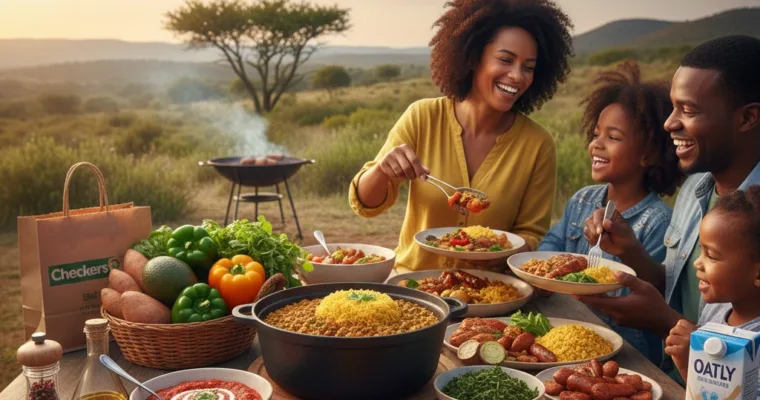
Hi there — I’m Zama Zincume from Eating Plant-Based South Africa, and today I’m taking you on a journey to discover how affordable, evidence-based plant-based eating isn’t just a dream for the privileged in South Africa. With food prices rising and health concerns growing, switching …

Comprehensive Restaurant Reviews in Durban

Comprehensive Restaurant Reviews in Durban

Here are your comprehensive restaurant reviews in Durban. Durban, the gem of KwaZulu-Natal, has a lively food scene that matches its rich culture. By Magda Ehlers. https://www.pexels.com/@magdaehlers It’s a city where the spicy scent of famous curry mixes with the salty air from the Indian …

How to Lose Weight on a Plant-Based Diet

How to Lose Weight on a Plant-Based Diet

Introduction: Embracing the Plant-Powered Path to Weight Loss

Are you curious about how to reduce weight this year while following a plant-based diet?

We’re here for you.

Many people find that the best way to lose weight is through plants.

A plant-based diet for weight loss is more than a trend. It’s a science-backed way to harness nature’s gifts to reach a healthy weight.

Many people are surprised to find that they can eat more and still lose weight. They need to make smarter, plant-centred choices.

First, it’s essential to define “plant-based.”

This diet exists on a spectrum.

Some people choose a vegan lifestyle, which excludes all animal products. However, the Whole Food Plant-Based (WFPB) model is often more effective for weight loss.

This diet focuses on whole, unprocessed foods. It includes vegetables, fruits, whole grains, and legumes. It also reduces or removes oils, refined sugars, and processed animal products.

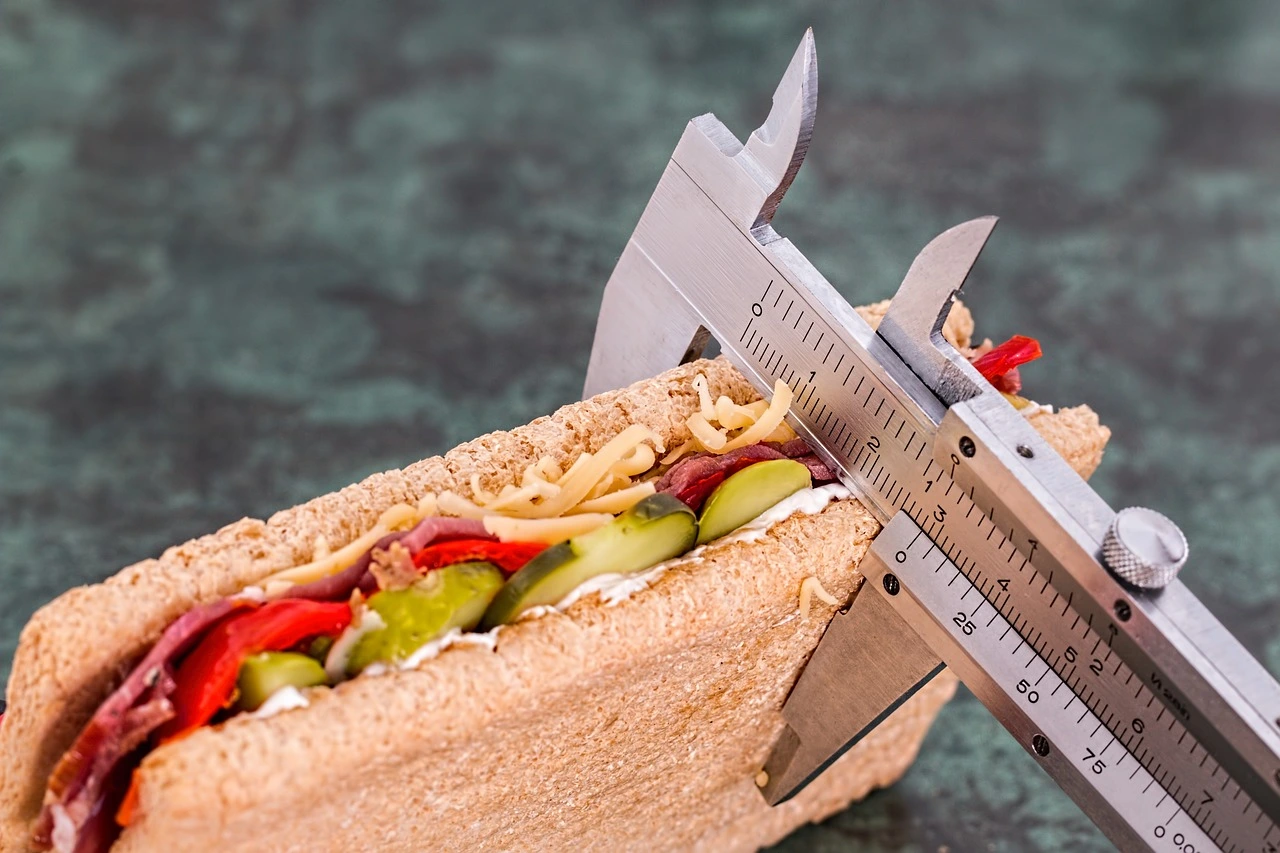
This diet has a clear advantage: it’s high in fibre and low in fat. This combination results in fewer calories. This means you feel full and satisfied without overconsuming calories.

This guide shares key strategies, wise food choices, and valuable tips for lasting plant-based weight loss.

Understanding the Mechanism: Why a Plant-Based Diet is Effective for Weight Loss

To lose weight on a plant-based diet, it’s essential to know why it works. The success hinges on three powerful, interconnected concepts:

The Power of Low-Calorie Density for Weight Loss

The most significant factor is calorie density —how many calories there are in one volume of food.

Plant foods, especially non-starchy veggies and fruits, are high in bulk. This is because they have a lot of water and fibre.

For example, a whole pound of strawberries contains roughly the same number of calories as one small handful of nuts.

By focusing on low-calorie-density foods, you feel full with fewer calories. This allows you to embrace the “eat more, weigh less” philosophy.

You can fill up, feel satisfied, and lose weight naturally. Do this without counting calories or feeling deprived.

Fibre is Your Friend: Boosting Satiety and Gut Health

Fibre intake is critical, and it comes exclusively from plants. It contributes zero calories but takes up space in your digestive tract. This bulk not only enhances fullness but also slows down the absorption of food.

A slow absorption rate stabilises blood sugar. This stops sharp spikes and crashes. These can create intense cravings for refined carbs.

Fibre is crucial for a healthy gut microbiome. This microbiome helps with weight management and metabolic health.

Cutting Out Calorie-Dense Animal and Processed Foods

A key part of plant-based weight loss is exclusion. Eliminating processed foods and animal products can help you reduce your intake of cholesterol and saturated fat.

You should also cut back on highly processed plant-based foods, like fries, chips, and oils. These foods lose water and fibre, making them very calorie-dense. This can hurt your goals.

Essential Strategies for Plant-Based Weight Loss Success

For lasting results on your journey, use targeted plant-based weight-loss strategies.

Whole Foods Focus: The Cornerstone of Weight Loss on a Plant-Based Diet

The absolute best way to lose weight on a plant-based diet is to commit to a Whole Food Plant-Based (WFPB) approach. Your diet should predominantly feature:

  • Legumes: Beans, lentils, chickpeas, peas (excellent source of protein and fibre).
  • Whole Grains: Oats, brown rice, quinoa, barley, whole-wheat pasta (in moderation).
  • Vegetables: Unlimited quantities of all varieties, especially greens.
  • Fruits: Two to four servings per day.

Make a conscious effort to severely limit oils, refined sugars, and white flours.

They are high in calories but low in nutrients. These are significant barriers to successful plant-based weight loss.

Mastering the 50/50 Plate

This simple visual tool is one of the most effective ways to manage calorie density without counting.

At every meal, aim to:

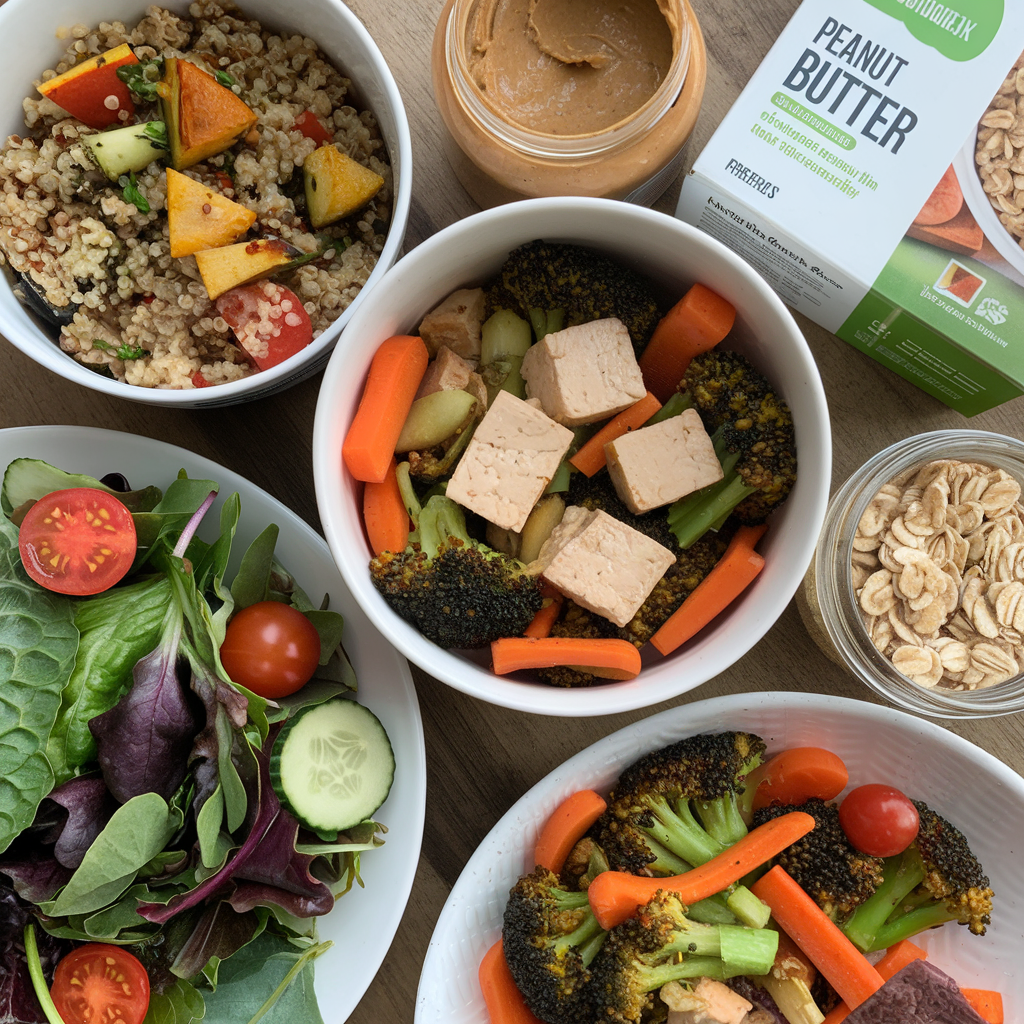
  1. Non-starchy vegetables should make up at least half of your plate. (salad, steamed broccoli, carrots, peppers, etc.).
  2. Dedicate the other half to starches and whole grains, like potatoes and brown rice, and protein sources, such as beans and tofu.
  3. Always eat the lowest-calorie-density foods first (like a starter salad or vegetable soup). This bulk helps you feel full before you get to the more calorie-dense parts of the meal.

The Protein Myth Debunked: Ensuring Adequate Plant-Based Protein for Weight Loss

A common misconception is that a plant-based diet makes it hard to get enough protein. This is simply untrue.

Plant protein sources are plentiful. They help keep you full and support muscle mass, both of which are essential to a healthy metabolism.

Excellent sources of plant protein for weight loss include:

  • Legumes: Beans (black, kidney, navy), lentils, chickpeas (around 15-18g per cooked cup).
  • Soy Products: Tofu, tempeh, edamame (versatile and complete proteins).
  • Certain Whole Grains: Quinoa and amaranth.
Legumes and grains for perfect meal planning

Eat enough calories from a variety of whole plant foods to meet your daily protein needs.

Hydration and Mindful Eating

Don’t underestimate the power of lifestyle factors.

Drinking enough water is key. It helps curb your appetite and stops you from mixing up thirst with hunger.

Mindful eating helps you avoid overeating. Slow down, chew your food well, and wait 20 minutes before getting seconds. This gives your brain time to notice when you’re full.

Navigating Common Plant-Based Weight Loss Pitfalls

The plant-based approach has clear benefits, but you can still gain weight if you make some common mistakes.

Knowing these pitfalls is crucial for long-term plant-based weight loss.

Avoiding “Junk Food Veganism”

One of the biggest mistakes is assuming that all vegan food is healthy.

A diet of Oreos, packaged vegan mac and cheese, and mock meats is often called “junk food veganism.”

These are processed plant-based foods. They often contain refined ingredients, sodium, and unhealthy fats. To achieve weight loss on a plant-based diet, you must be vigilant:

  • Check nutrition labels on mock meats, vegan cheeses, and snacks. Look out for too much oil and sugar.
  • Prioritise foods you prepare yourself with whole-food plant-based ingredients.

Being Smart with Healthy Fats (Calorie Density Warning)

While healthy fats are essential, they are the most calorie-dense food group. This is where portion distortion often occurs.

Just one tablespoon of oil or a small handful of nuts can pack in hundreds of calories. It’s easy to eat too many!

  • Use nuts, seeds, and avocados in moderation. They should be garnishes, not the main ingredients.
  • Adopt the practice of cooking without oil. Sauté vegetables using vegetable broth, water, or wine instead. If necessary, use a non-stick spray for minimal oil.

Portion Control for Higher-Calorie Plant Foods

You can consume as many non-starchy vegetables and leafy greens as you like. But be careful with portions of higher-density plant foods.

  • Watch your portion sizes for whole grains, such as a cup of cooked rice or pasta, as well as starchy veggies like potatoes, corn, and sweet potatoes.
  • Focus on volume and fibre by loading up on non-starchy vegetables before adding grains and starchy vegetables.

The Importance of Vitamin B12 and Other Key Nutrients

For a smooth and healthy transition, focus on key nutrients, especially if you’re fully vegan.

Not supplementing can lead to health problems that affect your energy and motivation.

  • Vitamin B12 supplementation is non-negotiable, as it is only reliably found in animal products.
  • Ensure a varied intake of beans, lentils, and leafy greens to meet your iron and calcium needs.
  • Use ground flaxseeds or chia seeds for plant-based omega-3 fatty acids (ALA).

Practical Steps for Starting Your Plant-Based Weight Loss Journey

Switching to a plant-based diet might seem harsh, but a step-by-step plan can help you succeed.

Transitioning Slowly: Phasing into a Plant-Based Diet for Weight Loss

Don’t aim for perfection on day one. A gradual transition is more likely to be sustainable.

  1. Start with Simple Plant-Based Swaps:
    • Switch to plant-based milk, such as almond, soy, or oat.
    • Replace ground meat with lentils or beans in chilli or tacos.
  2. Commit to One Plant-Based Meal a Day: Start with breakfast—it’s the most leisurely meal to make plant-based (oatmeal, smoothies).
  3. Start with “Meatless Mondays.” Then, slowly add more plant-based days. Soon, you’ll embrace a plant-forward diet.

Meal Planning and Prep: Consistency for Sustainable Weight Loss

Meal planning is the secret weapon for losing weight on a plant-based diet. It removes decision fatigue and prevents impulse buying of unhealthy foods.

  1. Create a weekly meal plan: Map out what you will eat for dinners and lunches.
  2. Batch cooking is your friend. On a day off, cook large quantities of staples:
    • Whole Grains (quinoa, brown rice)
    • Legumes (chickpeas, black beans)
    • Chopped Veggies (broccoli, bell peppers)
  3. Plan themed dinner nights. For example, enjoy “Taco Tuesday” with beans and guacamole. Try “Pasta Wednesday” featuring lentil pasta and veggie sauce. This keeps meals simple and tasty.

Building a Plant-Based Pantry

Stock your kitchen with key plant-based staples. This makes cooking simple and keeps healthy options on hand.

  • Canned/Dried Goods: Black beans, lentils, chickpeas, diced tomatoes, whole-wheat pasta.
  • Grains: Rolled oats, brown rice, quinoa.
  • Frozen Produce: Frozen fruits (for smoothies) and frozen vegetables (for quick stir-fries).
  • Flavour Boosters:
    • Nutritional yeast adds a cheesy flavour.
    • Low-sodium vegetable broth is excellent for oil-free cooking.
    • Use a mix of herbs and spices for extra taste.

FAQ: Your Questions on How to Lose Weight on a Plant-Based Diet Answered

Is it possible to lose weight without exercising while following a plant-based diet?

Yes. Weight loss is primarily determined by diet (creating a calorie deficit). A plant-based diet is highly effective at achieving this naturally. Exercise, especially strength training, boosts your metabolism. It improves muscle tone and is key to health. Plus, it helps with long-term weight management.

What should I eat for breakfast on a plant-based diet to lose weight?

Choose high-fibre, high-protein foods:

  • Oatmeal topped with fruit and chia seeds.
  • Tofu scramble with spinach and veggies.
  • A hearty green smoothie made with soy milk and protein powder.

Avoid sugary cereals or refined bread products.

Why am I gaining weight on a plant-based diet?

If you are not seeing results, you are likely consuming too many calories. This often happens because people eat too many high-fat vegan foods. These include nuts, seeds, nut butters, avocados, and oils. It could also be too many refined foods. This includes white flour, sugary drinks, or packaged “junk food vegan” snacks. Re-evaluate your portion sizes and focus on low-calorie-density foods.

How much weight can I lose on a plant-based diet in a month?

Sustainable weight loss is generally 1–2 pounds per week. You can realistically lose 4–8 pounds each month on a plant-based diet. It all depends on your starting weight and how consistent you are. Rapid weight loss often happens in the first few weeks. This is due to less inflammation and lower water retention.

What are the best plant-based foods for fast weight loss?

The best foods have low calorie density and high fibre. Leafy vegetables like spinach and kale are among them. They also include non-starchy veggies such as broccoli, cauliflower, and zucchini. Lastly, water-rich legumes like lentils and beans are part of this group. These fill you up the most for the fewest calories.

Conclusion: Sustaining Your Plant-Based Weight Loss Lifestyle

A plant-based diet is a potent tool for weight loss, an enjoyable, and sustainable path to a healthier life.

The key principles are straightforward:

  • Focus on a Whole Food Plant-Based diet.
  • Load your plate with high-fibre, low-calorie foods.
  • Eat mindfully.
  • Limit oil and processed foods.

By using these strategies, you reach your aesthetic goals and gain lasting benefits.

A plant-powered lifestyle lowers the risk of heart disease, type 2 diabetes, and cancer. You’ll likely experience greater energy and improved digestion.

Planning and consistency are key to the journey. But with so many tasty food options, you’ll never go hungry.

Embrace this healthy shift, and make plant-based weight loss a permanent part of your life.

How to Start Eating Plant-Based in South Africa

How to Start Eating Plant-Based in South Africa

Starting a plant-based diet in South Africa is more popular than ever before. Whether you live in a big city like Johannesburg or a small town in the Karoo, moving away from meat is a great choice. Many people think it might be hard in …

What Doctors Say About a Plant-Based Diet

What Doctors Say About a Plant-Based Diet

Do you want to know what doctors say about a plant-based diet? Have you ever questioned why your physician consistently advises you to consume vegetables? It is not just a polite suggestion. Today, doctors increasingly see a plant-based diet as a strong way to stay …

Plant-Based Lifestyle Tips: Your 2026 Guide to Healthier Living

Plant-Based Lifestyle Tips: Your 2026 Guide to Healthier Living

Introduction

Ready to transform your life and fuel your body with the power of plants?

By 2026, plant-based living will have surged in popularity.

Millions worldwide are choosing this path. They do it for health, environmental, and ethical reasons.

Did you know the plant-based product market is expected to reach $160 billion by 2030?

If you’re curious about veganism, need more energy, or want easy meal swaps, this article offers tips, fun facts, and inspiration.

Explore the lively world of plant-powered living. Your body and the planet will thank you!

Key Benefits of a Plant-Based Lifestyle

When I decided to start living a plant-based lifestyle, I was curious about all the buzz.

Today, I can’t help but shout about the excellent benefits I’ve seen!

Here are the key benefits of a plant-based lifestyle, plus some surprising facts backed by science.

Boosts Health (and Energy!)

One of the best things I noticed right away was a natural boost in my energy levels.

Plant-based diets include fruits, veggies, whole grains, nuts, and legumes. They provide a lot of fibre, antioxidants, and vitamins that are good for you.

Cutting back on animal products lowers saturated fat and cholesterol. It also boosts nutrients that help me feel light and vibrant.

I love knowing that decades of research back this up!

Research shows that eating plant-based foods can lower heart disease rates. It also helps improve cholesterol levels. Plus, those who eat this way are less likely to get high blood pressure or type 2 diabetes.

That’s a win for a happy, healthy heart and a strong immune system.

Aids in Weight Management

If you’ve ever struggled with weight loss, this lifestyle can feel like a miracle.

Foods from plants have fewer calories and more fibre. So, I feel fuller for longer without counting every bite.

Studies indicate that those adhering to plant-based diets typically exhibit a reduced Body Mass Index (BMI). They also experience steady weight loss without bouncing back.

Protects Against Chronic Diseases

Let’s talk prevention!

Research connects plant-based diets to lower risks of various issues. These include some cancers, heart diseases, and strokes.

Plants help protect us because they are full of compounds. These compounds fight inflammation and boost our body’s natural defences.

Supports a Healthy Planet

What I put on my plate also impacts the world around me.

Living a plant-based lifestyle cuts my carbon footprint. It also uses less water and lessens the impact of animal farming on land and resources.

Adopting plant-based diets worldwide could prevent one in five early deaths. It’s also key for a sustainable food future.

Encourages Mindful, Joyful Eating

Plant-based eating is fun and creative. Think of colourful salads, hearty grain bowls, and exciting new flavours!

Planning meals helps me be more mindful of my eating habits. Sharing dishes with friends and family brings us together for real connections.

Quick Recap

Switching to a plant-based lifestyle isn’t just about what I no longer eat—it’s about enjoying what I add.

More variety, more colour, and more energy. Oh, and did I mention that scientists and doctors the world over are on board, too?

If you’re even a little curious, I say give it a shot—it just might change your life, and the planet’s future, for the better!

Getting Started with Plant-Based Eating

When I began plant-based eating, I felt excited but confused. Switching to a new way of eating needs some thought!

Looking back, I’m grateful I broke things down step by step.

If you’re ready to jump in, let’s make this journey simple, fun, and sustainable together.

Start Small and Celebrate Progress

At first, I didn’t try to swap everything overnight. I chose one meal, such as “Meatless Monday,” and fully embraced plant-based flavours.

Each week, I added more veggies or tossed in some beans to my favourite salad.

The transition was much easier by focusing on small, consistent changes. Be patient with yourself—it’s a marathon, not a sprint.

Stock Your Kitchen for Success

Before I started cooking seriously, I cleaned out my pantry and fridge. I donated animal products to friends and family.

I stocked up on plant-based staples like fruits, veggies, whole grains, beans, lentils, tofu, and nuts. Having plant-powered foods ready made it way less tempting to fall back on my old habits.

Pro tip: Prepare simple snacks like hummus and roasted chickpeas. They’re lifesavers when hunger hits!

Plan Delicious Meals

Meal planning was a game-changer.

I began looking for easy vegan and vegetarian recipes online. Then, I created a weekly plan to avoid feeling stuck.

Breakfast might be a tofu scramble, lunch a crunchy veggie wrap, and dinner a hearty lentil stew.

Pinterest and Instagram became my go-to friends. They were full of beautiful meal ideas that excited me to try new things.

Embrace New Ingredients and Flavours

I loved experimenting with different grains (hello quinoa and brown rice!) and proteins like tempeh and chickpeas.

And have switched to dairy-free milks. I also tried vegan cheese. Then, I got adventurous with new vegetables. Each week, I made it a goal to try one new food.

Remember—You Don’t Need to Be Perfect

Slip-ups happen!

Sometimes I craved old comfort foods, but I reminded myself that this is a learning process. Every plant-based choice is a win, so I focused on progress, not perfection.

Need help? Reach out to online communities or join a local plant-based group. You can swap recipes and share meals there.

Starting a plant-based diet means trying new foods. It also requires planning and making small changes.

Trust me, each small step adds up—before you know it, eating plants feels second nature, and you will be grateful.

Why not leap today and savour the journey?

Simple Plant-Based Meal Ideas

When I switched to plant-based eating, I worried about keeping my meals fun and straightforward.

I was really surprised by how simple, tasty, and affordable plant-based meals can be!

Feeling stuck? Here are some simple plant-based meal ideas. They’ll keep your taste buds happy and your energy high.

Breakfast: Start Strong

I love kicking off my day with overnight oats. I soak rolled oats with plant milk, toss in chia seeds, fresh berries, and a sprinkle of nuts.

If I feel like something warm, I’ll whip up a quick tofu scramble loaded with spinach, mushrooms, and bell peppers.

Smoothies are a must-have. Try banana, kale, almond butter, and a scoop of protein powder for a tasty start.

Lunches That Don’t Disappoint

For lunch, vibrant grain bowls are my jam. I mix quinoa (or brown rice), black beans, roasted sweet potato, shredded carrots, and avocado. Then, I drizzle it all with a zesty tahini dressing.

Sometimes I opt for a chickpea salad sandwich with vegan mayo and crunchy celery—so good and easy to pack for work!

If I need something warm, I go for homemade vegetable soup or a hearty lentil chilli.

Simple Suppers

Dinner is all about cosy comfort. One of my favourites?

Stir-fried tofu and mixed veggies over rice, seasoned with ginger, garlic, and soy sauce.

When I feel lazy, loaded baked sweet potatoes come to the rescue. They’re simple to top with steamed kale, chickpeas, and a scoop of hummus.

I often make veggie pasta with tomato basil sauce. Sometimes, I whip up savoury veggie tacos with black beans and fresh salsa.

Handy Snacks & Quick Bites

Throughout the day, I reach for nuts, fruit, energy bars, or roasted chickpeas. Hummus with veggie sticks is a snack I could eat forever.

When I crave something hearty and quick, I grab a vegan burrito filled with black beans, rice, and peppers. I also like to make lettuce wraps with whatever I find in the fridge.

Mix and Match for Endless Variety

Here’s what I’ve learned: you don’t need fancy ingredients or hours in the kitchen.

Here are some easy plant-based meal ideas. Use whole grains, beans, veggies, and fun spices to make them tasty.

Trying new herbs, textures, or global flavours turns each meal into an adventure. You’ll always find excitement!

Why not try a new recipe this week and see how easy it can be?

With every meal, I find myself feeling lighter, nourished, and full of energy.

So go ahead—dive into plant-based simplicity and let food work its magic!

Nutrition & Balanced Eating

When I began my plant-based journey, I felt nervous about nutrition and balance.

Would I get enough protein? What about iron, calcium, or vitamin B12?

I soon found that a bit of planning helps. Eating a balanced plant-based diet is doable and really tasty!

Focusing on Plant-Based Protein

I love sharing my favourite protein sources when asked. They include lentils, chickpeas, tofu, tempeh, quinoa, and whole grains like oats and brown rice.

By mixing and matching beans with grains, I never feel like I’m missing out. Add in seeds and nuts—think chia, hemp, almonds—and I’m set for muscle recovery and feeling full after every meal.

Tracking Iron, Calcium, and Omega-3s

Next up: minerals!

Spinach and kale are two examples of green, leafy vegetables that are high in iron. Pair them with beans or pumpkin seeds to meet your goals easily.

I always add a source of vitamin C, like bell peppers or oranges, when I eat iron-rich foods.

This helps my body absorb the iron better.

For calcium, I reach for fortified plant milk, tahini, almonds, and broccoli.

As for omega-3 fatty acids, flaxseeds and walnuts have become pantry staples for me.

B12 and Supplement Basics

If there’s one supplement I never skip, it’s vitamin B12.

Plant foods don’t provide enough B12. So, I take a daily supplement or use fortified nutritional yeast. It adds a cheesy kick to popcorn and pasta, too.

I check in with my doctor periodically. I do this to monitor my vitamin D and omega-3 levels, especially in winter.

Eating the Rainbow

One of my guiding mantras is: eat the rainbow! I always fill my plate with colourful foods. Carrots, berries, leafy greens, and purple cabbage—all of them!

This method helps me get plenty of fibre, antioxidants, and phytonutrients. They keep my body healthy and my meals fun.

Building a Balanced Plate

I fill half my plate with vegetables and fruit. I add a quarter for whole grains and the last quarter for plant-based protein.

This keeps my meal balanced. I drizzle on healthy fats, like avocado or olive oil, for satiety and flavour.

Meal prepping helps me stay on track. Rotating recipes keeps me motivated and engaged.

Balanced eating on a plant-based diet means variety, thoughtful planning, and some creativity.

With every bite, I feel more energised, confident—and honestly, I’ve never enjoyed food more!

If you’re starting or want to improve your nutrition, it’s easier and tastier than you think. Give it a try and let your meals work for you!

Managing Social Situations & Eating Out

I’ll admit it—going out and sticking to a plant-based diet used to stress me!

At first, I worried about seeming difficult, being the odd one out, or not finding something to eat.

I’ve learned some great strategies to make socialising and dining out easy and fun. I’m excited to share them!

Planning Makes All the Difference

Whenever I get invited to a party or restaurant, I do a little homework first.

If it’s a restaurant, I look at the menu online first. I also called to ask about plant-based options or swaps.

When I visit a friend’s house, I like to bring a dish. This way, there’s always something tasty and plant-based to enjoy.

Plus, I can share my favourite recipes!

Making a quick snack at home helps me avoid feeling “hangry.” This way, I won’t make impulsive choices later.

Communicate with Confidence—But Keep It Simple

I’ve learned that a simple, positive explanation works wonders.

I don’t give a long speech about plant-based benefits. I say, “I feel great eating this way, and it matches my values!”

Many friends and family value honesty.

They might even get curious and want to try new foods too. If I need a deeper conversation, I keep it friendly and never turn it into a debate.

Getting Creative with the Menu

Eating out can be a fun adventure!

If a place lacks clear vegan or plant-based options, I ask politely for some changes. For example, I might request veggies instead of cheese or ask for the sauce on the side.

I’ve found that most chefs love a good challenge and often come up with something tasty and unique when I ask.

Leverage Your Support Network

Connecting with other plant-based eaters has really helped me. I find support online and in local groups.

We share tips on tasty places to eat, favourite products, and ideas for plant-based dishes at group events.

If you’re new and worried about standing out, having one or two allies can help. Support from a friendly community is excellent, too, if questions come up.

Remember to Stay Positive

At the end of the day, I remind myself why I chose this lifestyle. I focus on the joy of sharing a meal, spending time with people I care about, and knowing I’m sticking to my values.

Sure, I have some awkward chats or slip-ups. But I don’t let them ruin my experience. Plant-based eating should be fun, inspiring, and social!

Whenever I go out to eat or socialise, I prepare myself. I speak kindly and enjoy the experience.

Eating plant-based food while out is possible and empowering with these strategies!

Why not bring a new dish to your next gathering? You could also ask your local restaurant about their plant-based options!

You might find it surprisingly easy—and enjoyable—it becomes.

Overcoming Challenges & Staying Motivated

I’ll be honest—embracing a plant-based lifestyle has had its fair share of challenges for me!

You know the feeling. Cravings hit hard, old habits tug at you, and social situations can be awkward.

The great news?

With some strategy and a positive mindset, you can conquer any obstacle. Staying motivated becomes easier over time.

Progress Over Perfection

I used to think I had to be perfect, but that expectation only stressed me out. Now, I remind myself to aim for progress, not perfection.

If I mess up or eat off my plan, I don’t feel bad. I think about what happened and get back on track.

Every plant-based meal is a victory, and I celebrate each step along the way.

Remembering My Why

Whenever my motivation wavers, I reconnect with my purpose.

I wonder, “Why did I choose this lifestyle? Was it for my health, the environment, animal welfare, or maybe all three?”

Sometimes, writing a note or recording how I feel on a good day inspires me when I hit a slump. Revisiting those reasons regularly keeps me grounded and inspired to keep going.

Planning Makes Everything Easier

I noticed that busy days and a lack of planning can open the door for old habits to sneak in.

Planning meals and prepping snacks ahead of time helps me avoid last-minute choices. These choices often don’t support my goals.

I stock my kitchen with whole foods like beans, grains, and veggies. This way, quick and balanced meals are always easy to grab.

Building a Support Network

I’ll be real—going it alone is tough. I’ve learned to seek out a supportive community, whether online or in person.

I get new ideas and encouragement by sharing stories, recipes, and tips with other plant-based eaters.

Whenever I hit a rough patch, having others to lean on makes all the difference.

Focusing on Action, Not Just Results

I focus on action-based goals instead of worrying about outcomes. For example, I don’t stress over weight loss or lab results.

For example, I aim to try a new recipe each week or pack a homemade lunch.

These small wins add up and create habits that last.

Plus, I allow myself to enjoy the journey and have fun along the way.

Staying Curious and Inspired

When I feel bored or tempted, I mix things up. I try new cuisines, get creative with ingredients, or discover new favourite meals.

And I love reading transformation stories. I enjoy learning about the science of plant-based nutrition, too. This curiosity keeps things exciting and renews my commitment to the cause.

Switching to a plant-based lifestyle isn’t always smooth sailing, but I promise it’s worth it.

Practising self-compassion helps me stay motivated. I plan, seek support, and remember my “why.” This way, I keep finding new reasons to stay on track.

Every challenge is just another opportunity to grow—and every day offers a fresh start!

Sustainable Living Beyond Food

When I started a plant-based lifestyle, I found that sustainable living is more than just food.

I’ve found that my daily choices—at home, in beauty, and with fashion—can genuinely impact the planet.

Ready to boost your sustainability efforts?

Here are some easy habits you’ll enjoy.

The Power of Seasonal, Local, and Homegrown

I love browsing farmers’ markets and choosing organic, seasonal produce. It’s fresher, tastier, and supports local farmers (a win-win!).

Some weekends, I tend to my herb pots on the balcony. Growing basil and tomatoes feels great and helps reduce my carbon footprint.

These habits connect me to nature. They also reduce packaging and transit emissions.

Eco-Friendly Swaps in Everyday Life

A few years back, I stopped using single-use plastics. Now, I carry a reusable water bottle, cloth shopping bags, and containers for takeout.

Composting leftover food scraps has become second nature—plus, it feeds my garden!

Using energy-efficient lighting and saving water at home helps the environment. Shorter showers and fixing leaks are easy ways to be more environmentally friendly.

It also helps lower my utility bills.

Beauty That’s Kind to People, Animals, and Planet

Seeing my beauty routine packed with plastics and chemicals made me happy. I loved making sustainable changes.

Now, I opt for cruelty-free, vegan skincare and makeup. I prefer brands that use eco-friendly packaging and source ingredients ethically.

I sometimes choose easy DIY recipes. For example, I use coconut oil as a moisturiser or apple cider vinegar as a hair rinse.

Fashion: Express Yourself Responsibly

Each season, I check thrift stores and online sites for gently used clothes. I do this instead of buying new ones.

I don’t follow fast fashion trends. Instead, I upcycle old shirts into bags or cleaning cloths. This gives my wardrobe more life.

When I buy from sustainable fashion brands that use organic fabrics or biodegradable dyes, I vote for the planet with every purchase.

Why These Choices Matter

Each small swap—like using reusable bags, picking sustainable makeup, or enjoying a local dinner—empowers me.

My plant-based choices align with my care for animals, the environment, and my own health. Every action, no matter how tiny, adds up.

If you’re starting, pick one area—home, beauty, or fashion—and make a simple, eco-friendly change today. You’ll soon see how connected and impactful sustainable living is, not just in food!

Want to start living greener?

Grow fresh herbs, switch a single-use item, or try a DIY beauty recipe this week.

These changes can really improve your well-being. They also help protect the Earth for future generations.

Conclusion

Embracing a plant-based lifestyle is a journey, not a destination!

Make small changes—like one meal or one habit at a time.

You’ll find vibrant flavours, feel better, and help create a healthier world. In 2026 and beyond, let’s lead with compassion, creativity, and a love for plants.

Try one tip today and inspire someone else tomorrow. Let’s grow together!

The Modern Plant-Based Diet: Your Evidence-Based Guide

The Modern Plant-Based Diet: Your Evidence-Based Guide

Here’s your comprehensive guide to the modern plant-based diet. The term “plant-based” has gained prominence. It began as a niche choice but has now evolved into a strong movement for health and the environment. The amount of information can feel overwhelming. This often leads to …

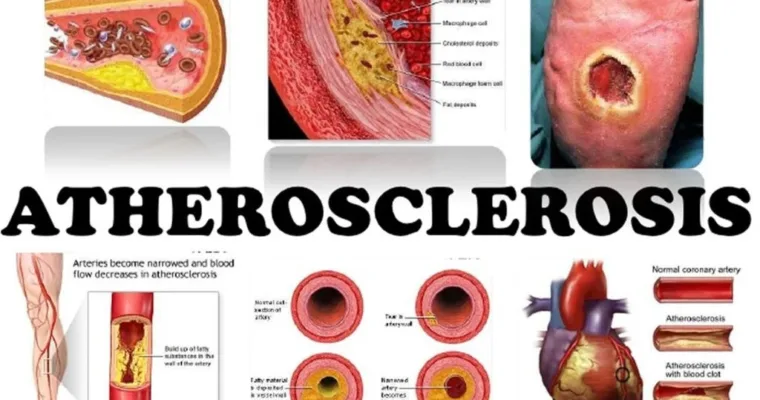
Reversing Atherosclerosis Naturally: A Plant-Based Approach

Reversing Atherosclerosis Naturally: A Plant-Based Approach

Introduction: The Plant-Based Solution for Atherosclerosis Reversal Is there a plant-based solution for atherosclerosis reversal? I was amazed to learn that atherosclerosis exists. This “silent killer” impacts over 200 million people worldwide. I was astonished to discover that ageing doesn’t have to cause clogged arteries. …

Best Vegan Recipes South Africa

Best Vegan Recipes South Africa

Here’s your comprehensive guide to the best vegan recipes in South Africa.

But wait

Quick Answer

South Africa has amazing vegan recipes. You can use affordable local ingredients like beans, lentils, pap, morogo, and spices.

You can veganize favourites like bobotie, bunny chow, and malva pudding. Also, try naturally plant-based dishes like chakalaka, samp and beans, and pap with morogo. Most ingredients are available at Woolworths, Pick n Pay, and Checkers for under R1,500/month.

Key Takeaways

Traditional SA recipes adapt beautifully to plant-based versions.

Budget-friendly: Most vegan staples cost less than meat equivalents.

Widely available: All major supermarkets now stock plant-based alternatives.

Culturally rich: Connect with South African heritage through plant-based cooking.

Nutritionally complete: Easy to meet all protein and nutrient needs with local ingredients.

Last updated: October 11, 2025 | Reading time: 15 minutes

If you’re reading this, you’re likely curious about vegan recipes in South Africa. I’m excited to share this journey with you!

Whether you’re a seasoned plant-based eater, new to vegan cooking, or want to add more veggies to your diet, you’re in the right spot.

I’ve spent years learning that South African cuisine is excellent for plant-based cooking.

Seriously!

Our traditional foods root themselves in vegetables, grains, and legumes.

And the best part?

You don’t need expensive imported ingredients or fancy health stores. Everything you need is at your local Pick n Pay, Checkers, or Shoprite.

Here’s how to make tasty vegan versions of your favourite South African dishes.

I’ll also share some plant-based recipes that have nourished our communities for generations.

Why Vegan Recipes Work So Well in South Africa

Going plant-based in South Africa is easier than you think.

Let’s explore this concept before we dive into the recipes.

Our Food History is Plant-Based

Here’s something most people don’t realise: traditional African diets were predominantly plant-based.

Before colonisation and Western eating habits, our ancestors thrived on local veggies. They enjoyed morogo (African spinach), amadumbe (taro), beans, lentils, and maize. People reserved meat for special occasions and celebrations.

Today, we’re going back to our roots. We’re also embracing modern plant-based innovations.

Affordability is on Your Side

One of the biggest myths about veganism?

That it’s expensive. Not in South Africa!

Think about it:

  • Sugar beans: R25/kg at any supermarket
  • Lentils: R30-40/kg (and they triple in volume when cooked)
  • Pap (maize meal): R20 for a 2.5kg bag
  • Seasonal vegetables: R10-30/kg at local markets
  • Morogo: R15-20 per bunch at informal markets

Compare that to meat prices, which have skyrocketed. A kilo of beef mince costs R100+, chicken breasts are R80-100/kg, and don’t even get me started on lamb prices!

Your grocery bill will actually decrease when you switch to plant-based eating.

The Vegan Market is Booming Here

South Africa’s plant-based scene has experienced significant growth in recent years.

It’s not just Cape Town anymore. Johannesburg, Durban, Pretoria, and even smaller cities are now offering a range of vegan options.

Major retailers have caught on:

  • Woolworths offers an extensive range of plant-based products, including its own branded options.
  • Checkers launched their Simple Truth plant-based line.
  • Pick n Pay now stocks a range of meat alternatives and plant milks.
  • Even Spar and Food Lover’s Market carry vegan essentials.

The variety available today would have been unimaginable just five years ago!

Essential Ingredients for Vegan Cooking in South Africa

Before the recipes, let’s stock your pantry with affordable and versatile ingredients found all over SA.

Proteins (The Foundation)

Legumes (buy these in bulk from Indian spice shops for even better prices):

  • Sugar beans (also known as white beans) are perfect for stews and curries.
  • Lentils (red, brown, and green) – cook quickly and are high in protein.
  • Chickpeas – for curries, salads, and homemade hummus.
  • Split peas – traditional and nutritious.
  • Black-eyed peas – great for African-inspired dishes.
  • Kidney beans – hearty and filling.

Soy Products:

  • Firm tofu (available at most Woolworths and Asian stores) – R40-60/block.
  • Soya mince (TVP) – dirt cheap at R20-30 for a large packet.
  • Tempeh (harder to find, but worth it) – R50-70/block at health stores.

Meat Alternatives (for convenience, not necessity):

  • Fry’s Family Foods (proudly South African!) – burgers, sausages, schnitzels.
  • Beyond Meat patties – available at Woolworths.
  • Meatless Farm products, imported from the UK, are now widely available.

Grains & Starches

  • Maize meal (pap) – the backbone of South African cuisine
  • Brown rice – wholesome and affordable
  • Quinoa – pricier but nutrient-dense
  • Pasta – most varieties are already vegan
  • Oats – for breakfast and baking
  • Samp (cracked corn) – traditional and delicious

Vegetables & Greens

Indigenous vegetables (find these at local markets and informal traders):

  • Morogo (African spinach) – high in iron and calcium
  • Amadumbe leaves
  • Imifino (wild greens)

Common vegetables (available everywhere):

  • Spinach, kale, cabbage
  • Tomatoes, onions, garlic
  • Butternut, pumpkin, sweet potato
  • Potatoes (obviously!)
  • Cauliflower, broccoli
  • Carrots, beetroot

Fats & Flavour Enhancers

  • Sunflower oil – local and cheap
  • Peanut butter – high in protein, great for sauces
  • Coconut cream – for curries and desserts (R30-40/tin)
  • Nutritional yeast – creates a cheesy flavour (available at health stores)
  • Coconut oil – versatile for cooking and baking

Spices & Seasonings

South African cooking is all about flavour!

Stock up on:

  • Curry powder (Robertson’s, Mother’s Choice)
  • Paprika and cayenne pepper
  • Cumin, coriander, turmeric
  • Garam masala (from Indian spice shops)
  • Vegetable stock powder (most Knorrox stocks are vegan!)
  • Ina Paarman’s seasonings (many are vegan – check labels)
  • Fresh ginger and garlic

Plant Milks & Dairy Alternatives

Available at all major supermarkets:

  • Oat milk – R35-45/L (smoothest for coffee)
  • Soy milk – R25-35/L (highest protein)
  • Almond milk – R40-50/L (light and versatile)
  • Coconut milk – R30-40/tin (great for cooking)
  • Vegan butter – Nush and Flora plant-based options
  • Vegan cheese – Nobell, PlantHive, Vegan Dairy brands

Classic South African Vegan Recipes

Now for the good stuff!

Let’s veganize some of South Africa’s most beloved dishes.

1. Vegan Bobotie (The Crown Jewel)

Bobotie is South Africa’s national dish. It features a sweet and savoury curried mince, all topped with a golden egg custard. The plant-based version is just as comforting and flavorful.

What You’ll Need

  • 2 cups TVP (textured vegetable protein) or cooked lentils
  • 2 large onions, chopped
  • 3 cloves garlic, minced
  • 2 tablespoons curry powder
  • 1 tablespoon turmeric
  • 1 teaspoon cumin
  • 2 slices of bread, soaked in plant milk
  • 1/4 cup chutney (Mrs Ball’s is vegan!)
  • 1/4 cup raisins
  • 1/4 cup apple, diced
  • 2 tablespoons apricot jam
  • Bay leaves
  • Salt and pepper

For the Topping

  • 1 cup plant milk (soy works best)
  • 1/4 cup chickpea flour (besan)
  • 1 teaspoon turmeric
  • Salt and pepper

How to Make It

  1. Rehydrate the TVP if using: Pour 1.5 cups of boiling vegetable stock over 2 cups of TVP. After ten minutes, drain any extra liquid.
  2. Sauté the aromatics: Heat the oil in a big skillet and sauté the onions until they turn golden. Add garlic, curry powder, turmeric, and cumin. Cook until fragrant (about 2 minutes).
  3. Add the “meat”: Mix in the TVP or lentils. Squeeze excess liquid from the bread and add it to the pan. Stir in chutney, raisins, apple, apricot jam, and season with salt and pepper. Cook until all ingredients are thoroughly mixed, 5 to 7 minutes.
  4. Pour the blend into an ovenproof dish: Grease the dish and spread the mixture evenly. Push bay leaves into the surface.
  5. Make the topping: Whisk together plant milk, chickpea flour, turmeric, salt, and pepper until smooth. Pour gently over the bobotie mixture.
  6. Bake: Place in a preheated oven at 180°C for 30-35 minutes until the topping is set and golden.

Serve with: Yellow rice with raisins, sambals (tomato and onion salad), and chutney.

Pro Tip: Make this the day before! Bobotie tastes even better after the flavours have had time to meld. Just reheat in the oven before serving.

Budget: Approximately R60 for six servings (R10 per person!)

2. Bunny Chow (Durban’s Gift to the World)

This iconic Durban street food consists of a hollowed-out loaf of bread filled with curry. The bread soaks up the delicious sauce, and it’s traditionally eaten with your hands. Pure comfort food!

What You’ll Need

  • 1 unsliced loaf of white bread
  • 2 cups dried chickpeas (soaked overnight) OR 2 cans chickpeas
  • 2 large onions, chopped
  • 4 cloves garlic, minced
  • Fresh ginger (thumb-sized piece), grated
  • 2-3 large tomatoes, chopped
  • 2 potatoes, cubed
  • Curry powder, three teaspoons (or more to taste)
  • 1 teaspoon jeera (cumin seeds)
  • 1 teaspoon garam masala
  • 1 cinnamon stick
  • 2-3 cardamom pods
  • Fresh curry leaves (if available)
  • Fresh coriander
  • 1 can of coconut cream
  • Salt to taste

How to Make It

  1. Prepare the chickpeas: If using dried, cook until tender (about 45 minutes in a pot or 25 minutes in a pressure cooker). Reserve the cooking liquid—it’s liquid gold for this curry!
  2. Build the flavour base: Heat oil in a large pot. Add jeera seeds and let them sizzle. Add onions and cook until golden brown (don’t rush this—it’s the foundation of flavour).
  3. Aromatics: Add garlic, ginger, and curry leaves. Cook for 2 minutes until fragrant.
  4. Spice it up: Add curry powder, garam masala, cinnamon stick, and cardamom pods. To toast the spices, stir for one minute.
  5. Add vegetables: Toss in potatoes and tomatoes. Cook until the tomatoes begin to break down, about 5 minutes.
  6. Simmer: Add chickpeas and enough reserved cooking liquid (or vegetable stock) to create a thick curry. Cover and simmer for 20 minutes, or until the potatoes are tender and cooked through.
  7. Finish: Stir in coconut cream and fresh coriander. Season with salt.
  8. Prepare the bunny: Cut your loaf into quarters. Hollow out the centre of each quarter, leaving about 2cm of bread on all sides (save the bread pieces for dipping—they’re the best part!).
  9. Fill and serve: Ladle the hot curry into the bread “bowls” and top with the bread lid you removed.

Variations

  • Bean bunny: Use sugar beans instead of chickpeas
  • Vegetable bunny: Add cauliflower, green beans, and peas
  • Lentil bunny: Red lentils cook quickly and make a creamy curry

Serving tip: Serve with carrot sambals and extra chilli if you like it hot!

Budget: Approximately R50 for four generous servings

3. Vegan Boerewors (South African Sausage)

In South African culture, people consider the braai sacred, and as a vegan, you absolutely don’t have to miss out!

What You’ll Need:

  • 2 cups vital wheat gluten
  • 1/2 cup nutritional yeast
  • 1/4 cup chickpea flour
  • 2 tablespoons smoked paprika
  • 1 tablespoon coriander seeds (toasted and crushed)
  • 2 teaspoons fennel seeds
  • 1 teaspoon black pepper
  • 1 teaspoon salt
  • 3/4 cup vegetable stock
  • 1/4 cup soy sauce
  • 2 tablespoons tomato paste
  • 2 tablespoons olive oil
  • 1 teaspoon liquid smoke (optional but recommended)

How to Make It:

  1. Dry ingredients: Mix vital wheat gluten, nutritional yeast, chickpea flour, spices, salt, and pepper in a large bowl.
  2. Wet ingredients: In another bowl, whisk together stock, soy sauce, tomato paste, olive oil, and liquid smoke.
  3. Combine: After adding the wet ingredients to the dry ingredients, mix rapidly to form a dough. Don’t overmix!
  4. Shape: Divide the dough into 6 to 8 portions. Roll each into a sausage shape.
  5. Steam: Wrap each sausage tightly in foil. Steam for 30 minutes (or use a pressure cooker for 15 minutes).
  6. Braai time: Unwrap the sausages and brush with oil. Grill on medium heat until charred on all sides.

Serve with: Pap, chakalaka, tomato and onion salsa, and a cold beverage of your choice!

Store-bought alternative: Can’t find vital wheat gluten? Fry’s Traditional Boerewors is excellent and can be found at most supermarkets for around R60 per pack.

4. Pap and Morogo (Traditional & Naturally Vegan)

This is one of my favourite dishes. It has fed South African families for generations. Plus, it’s always been plant-based!

What You’ll Need:

For the pap:

  • 3 cups maize meal
  • 6 cups water
  • 1 teaspoon salt

For the morogo:

  • 2 large bunches morogo (African spinach) OR regular spinach
  • 1 large onion, chopped
  • 2 tomatoes, chopped
  • 2 tablespoons oil
  • Salt and pepper
  • Optional: 1/4 cup peanut butter for creaminess

How to Make It:

Pap:

  1. Boil water with salt in a large pot.
  2. Pour maize meal into the boiling water while stirring to prevent lumps.
  3. Reduce the heat to low, cover, and simmer, stirring periodically, for 30 to 40 minutes.
  4. To achieve a nice, fluffy texture, break up any lumps with a wooden spoon.

Morogo:

  1. Wash morogo thoroughly and chop roughly.
  2. Add the onions to a large pan with hot oil and sauté until tender.
  3. Cook the tomatoes for around five minutes, or until they are broken down. Add the onions to a large pan with hot oil and sauté until tender.
  4. Cook the tomatoes for around five minutes, or until they are broken down.
  5. Add morogo and stir. It will wilt quickly.
  6. If using peanut butter, add it now with a bit of water to create a creamy sauce.
  7. After adding salt and pepper, simmer for five to ten minutes.

To serve: Make a well in your pap and spoon the morogo into it. Mix as you eat!

Why it’s incredible:

  • Morogo is incredibly nutritious—high in iron, calcium, and vitamins A and C
  • Completely budget-friendly (under R40 for a family meal)
  • Filling and satisfying
  • Authentic South African flavour

Where to find morogo: Look for it at informal markets, street vendors, and increasingly at Woolworths and Pick n Pay in urban areas.

5. Chakalaka (The Ultimate Side Dish)

No braai, potjie, or family gathering is complete without chakalaka—and it’s naturally vegan!

What You’ll Need:

  • 2 tablespoons oil
  • 1 large onion, diced
  • 2 bell peppers (mix colours for aesthetics), chopped
  • 2-3 carrots, grated
  • 2 cans baked beans
  • 1 can chopped tomatoes
  • 3 cloves garlic, minced
  • 1 teaspoon curry powder
  • 1 teaspoon paprika
  • 1-2 fresh chillies, chopped (adjust to taste)
  • Salt and pepper

How to Make It:

  1. Heat oil in a large pot. Sauté onions until translucent.
  2. Add peppers and carrots. Cook for 5 minutes until slightly softened.
  3. Add garlic, curry powder, paprika, and chillies. Stir for 1 minute.
  4. Add baked beans and tomatoes. Stir well.
  5. Simmer for 15-20 minutes, until the vegetables are tender and the flavours have melded.
  6. Season with salt and pepper.

Serve with: pap, bread, rice, or as a side dish to your main course.

Storage: Chakalaka tastes even better the next day! Make a big batch and enjoy it all week.

Budget: About R50 for 8+ servings

Source: Vibes by Nay

6. Samp and Beans (Hearty & Humble)

This traditional dish has sustained South African communities for centuries. It’s filling, nutritious, and costs next to nothing.

What You’ll Need:

  • 2 cups samp (dried hominy corn)
  • 1 cup sugar beans (dried)
  • 1 large onion, chopped
  • 3 cloves garlic, minced
  • 2 tablespoons oil or vegan butter
  • 1 teaspoon salt
  • 1/2 teaspoon pepper
  • Water for cooking

How to Make It:

Traditional method (takes time but is worth it):

  1. Soak the samp and beans separately overnight.
  2. Rinse and drain both.
  3. Combine in a large pot with plenty of water (about 8 cups).
  4. After boiling, reduce the heat and simmer for two to three hours, or until both are tender. Add water as needed.
  5. Drain excess water.
  6. In a separate pan, sauté the onion and garlic in oil until golden.
  7. Add the cooked samp and beans to the onion mixture.
  8. Season with salt and pepper. Mix well.

Pressure cooker method (modern shortcut):

  1. Soak overnight (or quick soak: boil for 2 minutes, then let sit for 1 hour).
  2. Combine the samp, beans, onion, garlic, oil, and 6 cups of water in the pressure cooker.
  3. Cook on high pressure for 45 minutes.
  4. Natural release for 15 minutes.
  5. Season and serve!

Serving suggestions:

  • With tomato and onion salsa
  • Topped with caramelised onions
  • With a side of chakalaka
  • Mixed with grilled vegetables

Make it fancy: Stir in coconut cream and curry spices for a creamy, spiced version!

7. Vetkoek (Fat Cakes) – Sweet or Savoury

Vetkoek holds a special place in every South African’s heart.

The good news?

The traditional recipe is already vegan!

What You’ll Need:

  • 4 cups cake flour
  • 2 tablespoons sugar
  • 1 packet instant yeast (10g)
  • 1 teaspoon salt
  • 2 cups warm water
  • Oil for deep frying

How to Make It:

  1. Mix dry ingredients: Combine flour, sugar, yeast, and salt in a large bowl.
  2. Add water: Gradually add warm water, mixing until a soft, sticky dough forms.
  3. Rest: Place a moist cloth over the bowl and leave it in a warm location for 45 to 60 minutes, or until the dough has doubled in size.
  4. Heat oil: Heat approximately 3-4 inches of oil in a deep pot to 180°C (Use a tiny piece of dough to test; it should sizzle immediately).
  5. Shape and fry: With wet hands, pinch off golf ball-sized pieces of dough. Flatten slightly and carefully lower into hot oil. Fry 2-3 at a time, turning once, until golden brown on both sides (about 3-4 minutes per side).
  6. Drain: Using a slotted spoon, remove the fish and then drain it on paper towels.

Serving options:

Savoury fillings:

  • Curried chickpeas
  • Chakalaka
  • Vegan mince with onions and tomato
  • Grated vegan cheese with tomato
  • Peanut butter and tomato (don’t knock it till you try it!)

Sweet toppings:

  • Syrup or honey alternative
  • Cinnamon sugar
  • Jam
  • Vegan Nutella

Pro tip: Prepare a large quantity and freeze it for later use. Reheat in the oven for 10 minutes at 180°C whenever you want fresh vetkoek.

8. Vegan Malva Pudding (Heaven in a Dish)

Malva pudding is South Africa’s most beloved dessert—sweet, sticky, and impossibly delicious. The vegan version is just as decadent.

What You’ll Need:

For the pudding:

  • 1 cup sugar
  • 2 tablespoons apricot jam
  • 1 tablespoon white vinegar
  • 1 cup plant milk (soy or oat works best)
  • 1.5 cups cake flour
  • 1 teaspoon baking soda
  • Pinch of salt
  • 3 tablespoons melted vegan butter or coconut oil
  • 1 teaspoon vanilla extract

For the sauce:

  • 1 cup coconut cream or plant-based cream
  • 1/2 cup vegan butter
  • 3/4 cup sugar
  • 1/2 cup hot water
  • 1 teaspoon vanilla extract

How to Make It:

Pudding:

  1. Preheat oven to 180°C. Grease a medium baking dish.
  2. In a mixing bowl, beat the sugar and jam together until well combined.
  3. Mix vinegar into plant milk (this creates a “buttermilk” effect).
  4. Sift together flour, baking soda, and salt.
  5. Add melted butter, vanilla, and half the milk mixture to the sugar mixture. Mix well.
  6. Add half the flour, mix, then add the remaining milk and mix, followed by the remaining flour. Beat until smooth.
  7. A skewer put into the centre should come out clean after 30 to 35 minutes of baking the mixture in the prepared dish.

Sauce:

  1. While the pudding bakes, combine cream, butter, sugar, and water in a saucepan.
  2. Stir to dissolve the sugar and bring to a boil. Take off the heat and mix in the vanilla.
  3. Use a skewer to make holes all over the pudding as soon as it comes out of the oven.
  4. Pour the hot sauce over the hot pudding. It will sizzle and absorb!

Serve: Warm with vegan ice cream or custard.

Storage: This dessert is even better the next day, after the sauce has had time to absorb fully. Store in the fridge and reheat portions in the microwave for 30 seconds.

Quick & Easy Everyday Vegan Recipes

Not every meal needs to be a production. Here are some simple, everyday recipes that take 30 minutes or less to prepare.

1. Quick Curry Bean Stew

Ingredients:

2 cans of beans (any type), one can of coconut milk,

1 onion, three cloves of garlic,

2 tablespoons of curry powder,

1 can of chopped tomatoes and spinach.

Method: Sauté onion and garlic, then add curry powder. Next, add tomatoes and beans, and simmer for 15 minutes. Stir in coconut milk and spinach. Serve over rice or pap.

Time: 20 minutes | Cost: R40 for 4 servings

2. Peanut Butter Stew (African-Inspired)

Ingredients:

  • 1 onion
  • 3 tomatoes
  • 1 sweet potato (cubed)
  • 1 cup peanut butter
  • 2 cups vegetable stock
  • Spinach or kale
  • Curry powder

Method: Sauté the onion, add the tomatoes and sweet potato, and cook for 10 minutes. Stir in peanut butter and stock, simmer until sweet potato is tender (15 minutes), and add greens. Serve with rice.

Time: 25 minutes | Cost: R45 for 4 servings

3. Lentil Bolognese

Ingredients:

  • 2 cups red lentils
  • 1 onion
  • 3 cloves of garlic
  • 2 cans chopped tomatoes
  • 2 tablespoons tomato paste
  • Italian herbs
  • Pasta

Method: Sauté onion and garlic, then add lentils and cook for 2 minutes. Next, add tomatoes and paste, and simmer for 20 minutes, or until the lentils are soft. Serve overcooked pasta.

Time: 25 minutes | Cost: R50 for 6 servings

4. Stir-Fry with Whatever Vegetables You Have

Base formula: Oil + garlic + ginger + vegetables + soy sauce + sesame oil = delicious dinner

Method: Heat oil in a wok or large pan. Add minced garlic and ginger, stir-fry 30 seconds. Add harder vegetables (such as carrots and broccoli) first, then softer ones (like peppers, cabbage, and spinach). Season with soy sauce and a drizzle of sesame oil. Serve over rice or noodles.

Time: 15 minutes

5. Loaded Sweet Potatoes

Method: Sweet potatoes can be baked or reheated until they are tender and soft. Top with black beans, corn, avocado, tomato salsa, vegan sour cream, and coriander after splitting open.

Time: 10 minutes (if you microwave) | Cost: R15 per person

Budget Meal Plan: R1,200 for One Person (Full Month)

Let me show you how affordable plant-based eating really is in South Africa.

Week 1 Sample

Monday: Samp and beans with chakalaka

Tuesday: Lentil curry with rice

Wednesday: Pap and morogo

Thursday: Bean bunny chow

Friday: Pasta with tomato and vegetable sauce

Saturday: Braai (Fry’s sausages, pap, salads)

Sunday: Vegan bobotie with yellow rice

Shopping List (Bulk items – buy once, use all month):

  • 5kg maize meal: R50
  • 2kg rice: R60
  • 2kg lentils (mixed): R80
  • 2kg sugar beans: R50
  • 1kg samp: R40
  • Pasta (3 packets): R60
  • Flour (2.5kg): R45
  • Oil (2L): R60
  • Curry powder (250g): R30
  • Spices bundle: R50

Subtotal: R525

Weekly Fresh Produce (repeat 4 times):

  • Onions (2kg): R30
  • Tomatoes (2kg): R35
  • Potatoes (2kg): R30
  • Seasonal vegetables: R80
  • Spinach/morogo: R20
  • Fresh herbs: R15
  • Bread: R12

Weekly subtotal: R222 x 4 weeks = R888

Grand total: R525 + R888 = R1,413

With R1,200, you can absolutely make it work by:

  • Buying vegetables that are in season
  • Shopping at local markets instead of supermarkets
  • Skipping the bread some weeks
  • Making your own stock instead of buying

Where to Shop for Vegan Ingredients in South Africa

Major Supermarkets

Woolworths (Best for variety, higher prices):

  • Excellent plant milk selection
  • Wide range of Woolworths-branded vegan products
  • Good meat alternative section
  • Organic and speciality items

Checkers (Good balance of price and variety):

  • Simple Truth plant-based range
  • Affordable plant milks
  • Growing meat alternative selection
  • Good for basics

Pick n Pay (Budget-friendly):

  • Expanding vegan options
  • Competitive prices on basics
  • Suitable for legumes and grains in bulk
  • Plant milk at reasonable prices

Spar (Convenient, limited selection):

  • Basic plant milks
  • Some Fry’s products
  • Good for fresh produce

Food Lover’s Market (Excellent for produce):

  • Amazing fresh vegetable selection
  • Competitive prices
  • Bulk bins for nuts and dried fruit
  • Some speciality vegan products

Specialty Stores

Health shops nationwide:

  • Wellness Warehouse
  • Faithful to Nature
  • Dis-Chem (health section)
  • Life Health Foods

Online stores:

  • Takealot (wide range, delivered)
  • Faithful to Nature online
  • Vegan Things (online vegan store)
  • Unwrapped (plastic-free bulk ordering)

Local Markets

Don’t overlook:

  • Weekend farmers’ markets (in most cities)
  • Informal street vendors (best prices on morogo and indigenous vegetables)
  • Indian spice shops (incredible prices on lentils, spices, and rice)
  • Asian grocery stores (tofu, tempeh, Asian vegetables)

Common Questions About Vegan Cooking in South Africa

Where do I get protein on a plant-based diet?

Protein is abundant in plant foods!

Here’s how much protein is in standard South African staples:

  • 1 cup cooked lentils: 18g protein
  • 1 cup chickpeas: 15g protein
  • 1 cup sugar beans: 15g protein
  • 100g tofu: 12g protein
  • 2 tablespoons peanut butter: 8g protein
  • 1 cup pap: 5g protein
  • 1 cup cooked spinach: 5g protein

Most adults need about 50-75g of protein daily. Eating beans for breakfast, lentils for lunch, and tofu or peanut stew for dinner can easily meet this requirement.

Is it hard to find vegan options at restaurants?

It’s getting easier every day! Nowadays, most eateries have at least one vegan option.

Here are your best bets:

Chain restaurants with vegan options:

  • Nando’s (multiple sides, grilled vegetables, ask for no butter)
  • Wimpy (vegan burger, ask for no mayo)
  • Steers (plant-based burger)
  • Burger King (plant-based Whopper)
  • Col’Cacchio (vegan pizza options)

Types of cuisine that are naturally vegan-friendly:

  • Indian restaurants (dal, vegetable curries, roti)
  • Ethiopian restaurants (vegetarian platter is usually vegan)
  • Asian restaurants (vegetable stir-fries, tofu dishes – ask for no oyster sauce)
  • Italian (pasta with tomato sauce, vegetable pizza without cheese)

Pro tip: Don’t be shy! Most restaurants are happy to accommodate modifications to dishes. Just ask for no butter, cheese, or cream.

Can I still braai as a vegan?

Absolutely! The braai is about the experience, not just the meat. Here’s what you can throw on the flames:

  • Fry’s Traditional Boerewors
  • Portobello mushrooms (marinated)
  • Corn on the cob
  • Vegetable sosaties (kebabs)
  • Halloumi-style plant cheese (some varieties are grill-friendly)
  • Marinated tofu steaks
  • Sweet potato slices
  • Butternut
  • Brinjals (eggplant)
  • Peppers and onions

Serve with your usual sides: pap, potato salad (use vegan mayo), chakalaka, salads, and bread.

What about traditional celebrations and family gatherings?

This is the tricky part, I won’t lie. South African culture is deeply tied to food, and changing your diet can sometimes feel like rejecting tradition.

My advice:

  1. Educate gently: Share your reasons without being preachy.
  2. Bring dishes to share: Show how delicious plant-based food is.
  3. Veganize traditional recipes: Make plant-based versions of family favourites.
  4. Focus on what you CAN eat: There’s always pap, salads, vegetables, and chakalaka
  5. Be patient: Change takes time, but families usually come around

Remember: You’re not the first South African vegan, and you won’t be the last. There’s a growing community here, and we’re all navigating these waters together.

How do I replace eggs in baking?

South African baking is egg-heavy, but there are great substitutes:

When binding (in cookies, cakes):

  • Three tablespoons of water with one tablespoon of ground flaxseed equals one egg. (let sit 5 minutes)
  • 1/4 cup applesauce = 1 egg
  • 1/4 cup mashed banana = 1 egg (adds banana flavour)

For leavening (in light cakes):

  • 1 teaspoon baking powder + 1 tablespoon vinegar + 3 tablespoons water = 1 egg

To get moisture (in brownies, muffins):

  • 1/4 cup plant yogurt = 1 egg

How to get fluffiness (in meringues, mousses):

  • Aquafaba (chickpea water from canned chickpeas)! Whip 3 tablespoons like you would egg whites. It’s magical!

Can I eat traditional South African sweets as a vegan?

Surprisingly vegan:

  • Most Ouma Rusks (check labels – some flavours, such as condensed milk and muesli, are vegan!)
  • Oreos (not labelled vegan, but contain no animal ingredients)
  • Lots of dark chocolate (check for milk powder)
  • Many hard candies
  • Koeksisters (traditional recipe is often vegan – use golden syrup)
  • Some biscuits (read labels)

What to avoid:

  • Milk chocolate
  • Buttermilk rusks
  • Anything with butter, cream, or eggs listed

Vegan brands to look for:

  • Afrikoa chocolate (local and delicious!)
  • Beano chocolate
  • Many Woolworths desserts now have plant-based versions

Tips for Success with Vegan Cooking

1. Meal Prep is Your Friend

South Africans are busy people!

Meal prep makes plant-based eating effortless:

Sunday prep strategy:

  • Cook a large pot of beans (use throughout the week).
  • Make a large batch of pap or rice.
  • Prep vegetables (wash, chop, store).
  • Make one or two sauces or curries.
  • Bake something for snacks (muffins, energy balls).

With these ready, weeknight dinners take 10 minutes to assemble.

2. Stock Your Freezer

Freeze these for convenience:

  • Cooked beans and lentils (portion into bags)
  • Cooked grains
  • Vegetable stock
  • Curry bases
  • Bread (vetkoek, roti, store-bought bread)
  • Chopped onions and garlic
  • Grated ginger

3. Don’t Try to Replicate Everything

You don’t need a perfect vegan version of every animal product. Sometimes, a new dish is better than an imitation!

Forget about finding vegan cheese that tastes just like dairy. Enjoy dishes that are naturally tasty without cheese. Try our amazing South African stews, curries, and vegetable dishes instead!

4. Batch Cook and Freeze

Make double or triple batches of:

  • Bobotie
  • Curries
  • Stews
  • Boerewors (if making from scratch)
  • Chakalaka

Freeze in portions for those “I’m too tired to cook” nights.

5. Join the Community

Connect with other South African vegans:

  • Local vegan Facebook groups (search “Vegan [your city]”)
  • Instagram hashtags: #VeganSA #PlantBasedSouthAfrica
  • Monthly vegan potlucks in major cities
  • Plant-Based events and markets

You’re not alone on this journey!

6. Don’t Aim for Perfection

Going plant-based is a journey, not a destination. If you:

  • Accidentally eat something with milk powder
  • Have meat at a family gathering
  • Find it overwhelming sometimes

…that’s okay! Every plant-based meal makes a difference. Progress over perfection, always.

Nutritional Considerations

While plant-based eating is healthy, there are a few nutrients to be mindful of:

Vitamin B12

The only supplement you truly need!

Foods made from plants do not consistently contain B12. (despite what some say about nutritional yeast and fortified foods).

Where to get it:

  • B12 supplements (available at Dis-Chem, Clicks, Wellness Warehouse)
  • Cost: R100-150 for a 3-month supply
  • Take 1000mcg daily or 2500mcg weekly

Why it matters: B12 is crucial for nerve function and blood cell formation. Deficiency can cause serious problems, so please supplement your diet.

Iron

Plant foods contain non-heme iron, which is absorbed differently from iron from meat.

Best plant sources:

  • Lentils and beans
  • Morogo and spinach
  • Pumpkin seeds
  • Fortified cereals

Absorption Tip: Pair vitamin C-rich foods, like tomatoes, peppers, and citrus, with iron-rich foods. This helps boost absorption. Avoid drinking tea or coffee with meals, as they can inhibit the absorption of iron.

Calcium

You don’t need dairy for strong bones!

Plant sources:

  • Fortified plant milks
  • Tofu (made with calcium sulfate)
  • Morogo and dark leafy greens
  • Sesame seeds and tahini
  • Fortified orange juice

Daily target: About 1000mg

Omega-3 Fatty Acids

Important for heart and brain health.

Plant sources:

  • Ground flaxseeds (add to smoothies, porridge, or baking)
  • Chia seeds
  • Walnuts
  • Omega-3 fortified plant milk

Consider an algae-based omega-3 supplement if you don’t regularly consume foods rich in omega-3s.

Protein (Yes, Again!)

I know we covered this, but it bears repeating: protein is not an issue on a plant-based diet in South Africa!

Our staple foods (beans, lentils, pap, and peanuts) provide a generous amount of protein. Just eat a variety of plant foods and enough calories, and you’ll be fine.

Seasonal Eating in South Africa

Eating seasonally saves money and supports local farmers. Here’s what to cook when:

Summer (December-February)

In season: Tomatoes, peppers, butternut, gem squash, green beans, sweetcorn, watermelon, peaches, grapes

Recipe ideas:

  • Fresh tomato and basil pasta
  • Butternut curry
  • Grilled vegetables
  • Corn on the braai
  • Fresh salads

Autumn (March-May)

In season: Sweet potatoes, pumpkin, beetroot, carrots, apples, pears

Recipe ideas:

  • Roasted vegetable medley
  • Sweet potato and peanut stew
  • Pumpkin soup
  • Roasted beetroot salad

Winter (June-August)

In season: Cauliflower, cabbage, broccoli, leeks, spinach, citrus fruits

Recipe ideas:

  • Hearty bean stews
  • Potjiekos with root vegetables
  • Thick soups
  • Roasted cauliflower curry

Spring (September-November)

In season: Asparagus, peas, new potatoes, strawberries, artichokes

Recipe ideas:

  • Fresh vegetable stir-fries
  • Pea and potato curry
  • Spring salads
  • Lighter meals as the weather warms

Beyond Recipes: The Bigger Picture

Choosing plant-based eating in South Africa goes beyond food. It aims for a sustainable, compassionate, and healthy future for our country.

Environmental Benefits

South Africa faces serious environmental challenges, including water scarcity, drought, and soil degradation. Animal agriculture is resource-intensive, requiring:

  • 15,000 litres of water to make 1kg of beef
  • Massive amounts of feed (grown on land that could feed people directly)
  • Large carbon footprint

Plant-based eating uses dramatically less water and land while producing fewer greenhouse gases. In a country where water is precious, this matters.

Health Benefits

South Africa has high rates of:

  • Heart disease
  • Type 2 diabetes
  • Obesity
  • High blood pressure

Research shows that plant-based diets can prevent and even reverse these conditions.

We can improve our national health by reducing our consumption of meat. Instead, we should eat more vegetables, legumes, and whole grains.

Economic Benefits

For individuals: Your grocery bill will likely decrease by 30-50% on a plant-based diet (assuming you cook at home and focus on whole foods).

For the country, Healthcare costs related to diet-related diseases are enormous. Prevention through better nutrition could save billions of dollars.

Compassion

Many of us grew up around animals—chickens in the yard, visits to farms. We know animals have personalities and feel pain.

Choosing a plant-based diet aligns with the compassion many South Africans have for animals.

Your Plant-Based Journey Starts Now

If you’ve made it this far, thank you for reading!

I hope this guide has shown you that plant-based eating in South Africa is:

  • Affordable (often cheaper than meat-based diets)
  • Accessible (ingredients are available at every supermarket)
  • Delicious (our cuisine adapts beautifully)
  • Nutritious (You can meet all your nutrient needs )
  • Cultural (returning to our plant-based roots)

You don’t have to go 100% vegan overnight. Start with:

Week One: Try one plant-based dinner this week.

For Week 2: Make breakfast plant-based (oats with plant milk and fruit).

In Week 3: Try a vegan version of your favourite South African dish.

Week 4: Plan two full days of plant-based eating

Small steps lead to significant changes. Every plant-based meal:

  • Reduces your environmental impact
  • Improves your health
  • Saves animals from suffering
  • Saves you money

What’s Next?

Try these recipes first (they’re crowd-pleasers):

  1. Bunny chow (everyone loves it!)
  2. Pap and morogo (authentic and straightforward)
  3. Chakalaka (great for braais)
  4. Quick bean curry
  5. Vegan bobotie (for Sunday dinner)

Join the community:

  • Follow South African vegan Instagram accounts
  • Join local Facebook groups
  • Attend vegan markets and events
  • Connect with others on the same journey

Stay curious:

  • Try new vegetables at local markets
  • Experiment with spices
  • Adapt your family recipes
  • Share your creations with others

Frequently Asked Questions (Quick Reference)

Is veganism expensive in South Africa?

No! Basic plant-based staples (beans, lentils, rice, pap, and vegetables) are cheaper than meat. You can eat plant-based food for R1,200-1,500/month.

Where do vegans get protein?

Beans, lentils, chickpeas, peanuts, tofu, tempeh, whole grains, and vegetables are all rich sources of protein. It’s very easy to meet your needs.

Can a plant-based diet help me gain muscle?

Yes! Many athletes and bodybuilders thrive on plant-based diets. Focus on protein-rich foods and eat enough calories.

What do I eat at a braai?

Grilled vegetables, Fry’s sausages, pap, salads, chakalaka, bread, and vegetable sosaties. Bring your own “meat” if needed.

Will my family think I’m weird?

Maybe at first! When they try your tasty food and notice how healthy you are, they often start to support you. Some might even join you.

Do I need expensive supplements?

Only B12 is essential (R100-150 for 3 months). Most nutrients are obtained from food, but some people supplement their diet with vitamin D and omega-3 fatty acids.

Can children be healthy on a plant-based diet?

Yes! With proper planning, children can thrive. Eat nutrient-rich foods. Make sure you get enough B12. If you’re concerned, consult a plant-based nutritionist.

What’s the easiest way to start?

Begin with one plant-based meal per day or try “Meatless Mondays.” Gradually increase from there at your own pace.

Final Thoughts

Vegan cooking in South Africa is an exciting journey. It links you to our agricultural heritage. It also benefits the environment, promotes your health, and cultivates compassion for all living beings.

You have all you need: affordable ingredients, flexible recipes, a growing community, and this guide, complete with recipes and tips.

The journey of a thousand miles begins with a single step.

Or in this case, the journey of a thousand meals starts with a single plant-based dish.

What will you cook first?

Recipe Index (Quick Reference)

Main Dishes:

  • Vegan Bobotie
  • Bunny Chow (Chickpea Curry)
  • Vegan Boerewors
  • Pap and Morogo
  • Samp and Beans
  • Quick Bean Curry
  • Peanut Butter Stew
  • Lentil Bolognese

Sides:

  • Chakalaka
  • Yellow Rice with Raisins
  • Roasted Vegetables
  • Fresh Salads

Breads & Baked Goods:

  • Vetkoek (Fat Cakes)

Desserts:

  • Vegan Malva Pudding

Resources

Websites:

Social Media: Search these hashtags:

  • #VeganSA
  • #PlantBasedSouthAfrica
  • #VeganJohannesburg
  • #VeganCapeTown
  • #VeganDurban

Apps:

  • HappyCow (find vegan restaurants worldwide, including SA)
  • Cronometer (track nutrition if desired)
  • Plant Jammer (recipe inspiration)

Local Brands to Support:

  • Fry’s Family Foods (Durban-born, now international!)
  • PlantHive (vegan cheese)
  • The Vegan Dairy (plant-based dairy)
  • Infinite Foods (plant-based products)

We appreciate you taking the time to read our thorough guide to vegan recipes in South Africa.

Save this page to your bookmarks, share it with your friends, and visit often as we post new recipes and advice. Your plant-based journey in Mzansi starts here!

Hamba kahle (go well) on your plant-based journey!

Article written by: Eating Plant Based ZA Team Last updated: October 11, 2025 Questions? Contact us or drop a comment below!

Share this guide: Help other South Africans discover how tasty and straightforward plant-based diets may be!

Pin for later: Save this comprehensive guide to your Pinterest boards

Subscribe: Get weekly vegan recipes and tips delivered to your inbox

How I Stay Energised Naturally on a Plant-Based Diet

How I Stay Energised Naturally on a Plant-Based Diet

Can I share with you how I stay energised naturally on a plant-based diet? If you’ve ever worried that eating plant-based food might make you tired or low on energy, trust me — I understand. I used to think the same thing. Once I learned …