
Testosterone Reset After 50: A Natural 30-Day Plan That Works
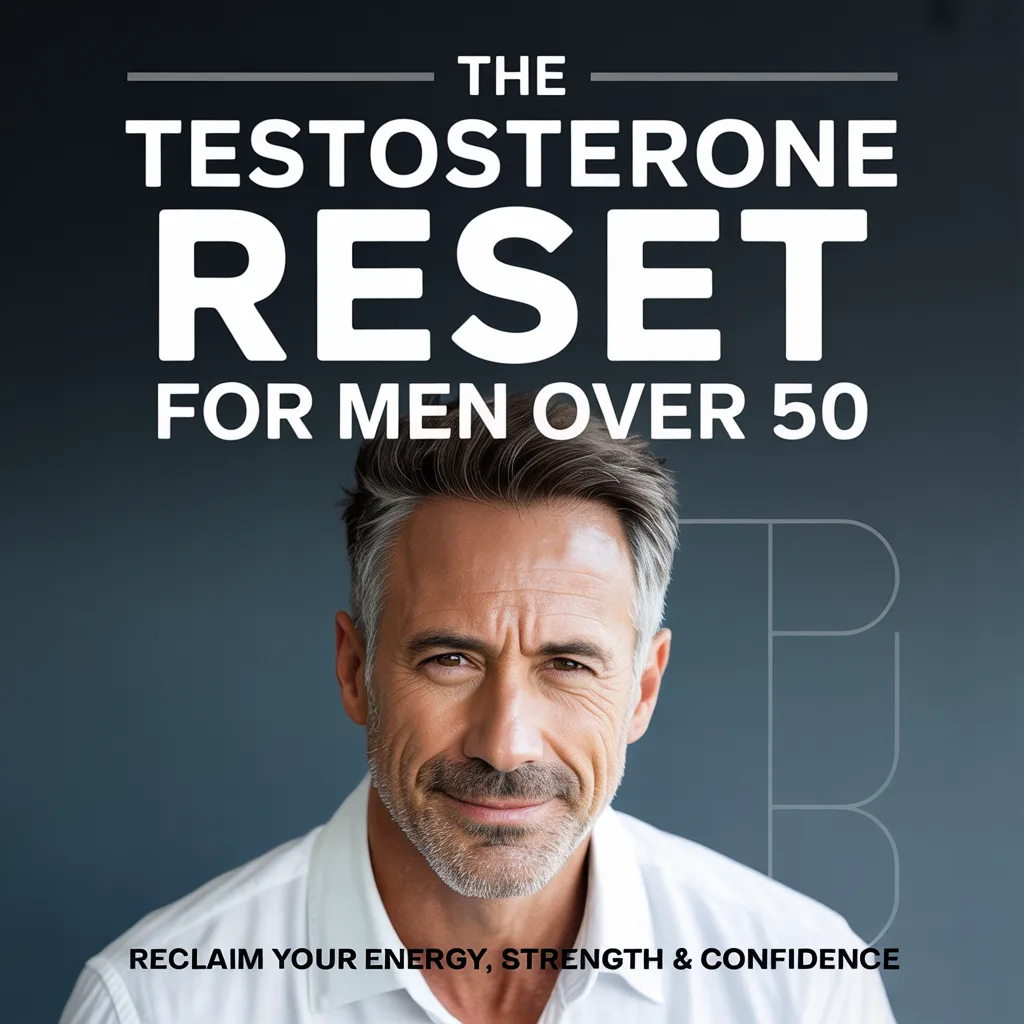
A testosterone reset after 50 is a structured lifestyle plan that uses food, sleep, exercise, and stress management to help your body naturally restore declining testosterone levels. It works by removing the modern habits that suppress hormone production and replacing them with science-backed daily actions. No supplements, no injections — just your own biology doing what it was designed to do.
I want to talk to you about something most men never say out loud.
That feeling of fading.
The morning you wake up, and the energy is just… not there. The gym sessions feel harder than they used to. The low drive. The soft belly appears no matter what you eat. The flat mood that you can’t quite explain.
If you are over 50 and nodding right now, I want you to know something.
This is not just ageing. This is a hormone problem. And it has a name — and a fix.
Let me show you exactly what is happening, and exactly what to do about it.
Why Your Testosterone Is Dropping Faster Than It Should
First, let me give you the honest science.
Yes, testosterone naturally declines after your late twenties. That part is true. But what is happening today goes far beyond normal biology.
Research shows that testosterone levels have been declining for decades, at a rate of about one per cent per year since the 1980s. This means a man today has significantly lower testosterone at any given age than a man of the same age did thirty years ago.
That is not ageing. That is the modern world working against you.
So what is driving it?
Seven key things.
Sugar
Every time you eat refined carbohydrates or sugary food, your blood glucose spikes. That triggers insulin. High insulin directly suppresses testosterone production. One study found that a sugar load dropped testosterone by 25% within two hours.
Poor sleep
This one shocked me when I first found it. One week of poor sleep drops testosterone by 15%. Not a month. One week. Because most of your testosterone is made during deep sleep, cut the sleep, cut the hormone.
Belly fat
Visceral fat — the kind that wraps around your organs — contains an enzyme called aromatase. Aromatase converts your testosterone into estrogen. The more belly fat you carry, the more testosterone you lose. It is a cycle that feeds itself.
Chronic stress
Cortisol and testosterone are direct competitors. When you are stressed, cortisol goes up. Testosterone goes down. Every single time.
Sitting too much
Prolonged sitting raises the temperature of your testes. Testosterone production is temperature-sensitive. It sounds basic — but it matters.
Chemical exposure
This one surprises most men. Plastics, non-stick pans, fragrances, and pesticides contain everyday chemicals that actively block your testosterone. The science on this is mainstream, not fringe.
Alcohol
Alcohol is directly toxic to the cells that produce testosterone. It also keeps your liver busy — and your liver is responsible for clearing excess estrogen from your body.
All seven of these are modifiable. Every single one. That is the good news.
What a Testosterone Reset Actually Does
A testosterone reset is not a detox cleanse. It is not a supplement protocol.
It is a focused 30-day plan that removes the things working against your hormones and adds the things your body needs to produce testosterone naturally again.
Think of it as hitting a reset button — not on your age, but on the lifestyle patterns that have been quietly suppressing your biology.
The plan works on three pillars. Food. Sleep. Stress and movement. Let me walk you through each one.
Learn more about the following pillars from the book on testosterone reset.
Pillar 1: Eat to Rebuild Testosterone
The first thing I changed was my kitchen.
Testosterone is a steroid hormone. Your body makes it from cholesterol and fat. So the first thing to understand is this: your body cannot make testosterone without the right raw materials.
Here are the key foods I focused on.
Eggs
Whole eggs — yolk included. The yolk provides cholesterol, vitamin D, selenium, and healthy fat. All four are essential for hormone production. Do not skip the yolk.
Fatty fish
Salmon, sardines, and mackerel. These give you omega-3 fatty acids, which reduce inflammation that blocks testosterone signalling. I eat sardines at least four times a week. They are cheap, easy, and incredibly effective.
Cruciferous vegetables
Broccoli, cauliflower, cabbage, and Brussels sprouts contain a compound called indole-3-carbinol. This compound helps your liver clear excess estrogen from your body. Lower estrogen levels mean more room for testosterone.
Olive oil
This one surprised me. One study found that switching to olive oil raised testosterone by up to 17% in just three weeks. I switched to extra-virgin olive oil on Day 1 and never went back.
Ginger
Add fresh or ground ginger to your food every day. Research shows ginger reduces oxidative stress in the testes and supports testosterone production. It is easy to add to stir-fries, soups, or hot water.
Zinc-rich foods
Zinc is one of the most important minerals for testosterone. The best food sources are oysters, beef, pumpkin seeds, lentils, and chickpeas. I include at least one of these at every meal.
What do I cut out? Sugar. Alcohol. Processed snacks. Industrial seed oils like sunflower and canola. Sugary drinks.
Those are the testosterone thieves. Remove them first.
Pillar 2: Fix Your Sleep Before Anything Else
I cannot say this strongly enough.
If you are sleeping less than seven hours a night, nothing else in this plan will work to its full potential.
Sleep is when your body makes testosterone. Your pituitary gland releases pulses of luteinising hormone during deep sleep. Those pulses tell your testes to produce testosterone. Without deep, quality sleep, those pulses never reach their peak.
Here is the protocol I follow.
Consistent sleep time
I go to bed at 10:30 pm and wake at 6:15 am. Every day. Including weekends. This trains your hormonal clock and maximises the nocturnal testosterone surge.
No alcohol in the evening
I know this is hard for some men. But alcohol destroys the second half of your sleep — exactly when the deepest testosterone-producing sleep happens. It has to go.
Screens off 90 minutes before bed
Blue light from your phone suppresses melatonin — the hormone that signals your body to sleep. No melatonin means delayed sleep and shallower sleep.
Keep your bedroom cool and dark.
The ideal bedroom temperature for deep sleep is between 18 and 20 degrees Celsius. Warmer than that disrupts slow-wave sleep.
Morning light within 30 minutes of waking. Get outside. Even on cloudy days. Natural morning light anchors your circadian clock, which regulates when your melatonin rises each evening. This makes the whole sleep cycle more consistent.
One more thing. If you snore loudly or wake up unrefreshed, even after sleeping for a long time, please talk to your doctor about sleep apnoea. This condition can reduce testosterone by 30 to 40% on its own — and it is treatable.
Pillar 3: Manage Stress and Move Your Body Right
This pillar has two parts. Let me take them one at a time.
Lower Your Cortisol Every Day
Cortisol is the stress hormone. Testosterone and cortisol are made from the same raw material — a hormone called pregnenolone. When your stress response is chronic, your body diverts that raw material into cortisol. Your testosterone misses out.
I do one cortisol-lowering activity every single day.
Here are my favourites.
Slow breathing
Four counts in. Four counts hold. Six counts out. Ten rounds. Research shows that slow breathing lowers cortisol levels quickly —even in a single session. I do this every night before bed.
Cold shower ending
I finish every shower with 30 to 60 seconds of cold water. It sounds awful. It is actually energising. And the research on cold exposure for parasympathetic nervous system activation is solid.
Nature time. A 20-minute walk in a park or any green space reduces cortisol measurably. I call this my lunch walk. I do it every weekday.
Train Smart — Not Hard
Exercise is one of the most powerful natural testosterone boosters available. But the wrong kind of exercise can actually lower testosterone by spiking cortisol.
Here is what the research says works for men over 50.
Resistance training, three times per week
This is the gold standard. Squats, deadlifts, rows, presses. Compound movements that use multiple muscle groups at once. The hormonal response comes from the mechanical stress on large muscle groups.
Short HIIT sessions, twice per week
High-intensity interval training triggers a sharp surge in testosterone. But keep it under 25 minutes. Longer sessions push cortisol too high and cancel out the benefit.
Daily brisk walking
Thirty minutes every day. On recovery days. This reduces cortisol, improves insulin sensitivity, and supports fat loss — all of which support testosterone.
Avoid marathon cardio sessions.
Long, slow, daily cardio chronically raises cortisol. Men who run for hours every day consistently have lower testosterone than men who lift weights. Swap the long run for short, intense work.
Here is a simple roadmap of what happens when you follow this plan consistently.
Week 1 is the hardest. You remove sugar, alcohol, and processed food. Then set your sleep schedule. And you start training. Your body is adjusting. Most men notice better sleep by Day 4 or 5.
Week 2 brings the first real changes. Energy improves. Brain fog starts to lift. Mood becomes more stable. The dietary changes are feeling more normal.
Week 3 marks the start of physical changes. Waist circumference starts to drop. Strength in the gym improves noticeably. Some men notice early changes in libido around now.
Week 4 is where it all comes together. Sleep is solid. Training is progressing. Diet is consistent. The hormonal environment is shifting. Many men report feeling more like themselves than they have in years.
And one more nutritional strategy I add in Week 3 that makes a real difference: time-restricted eating improves insulin sensitivity in men with metabolic syndrome. I eat all my meals within a 10-hour window.
This reduces the insulin-driven testosterone suppression that happens when you graze all day.
What About Testosterone Replacement Therapy (TRT)?
I want to be honest here.
For some men — those with clinically confirmed hypogonadism and very low testosterone that does not respond to lifestyle change — TRT is a legitimate medical treatment. It is not a failure or a shortcut in those cases. It is hormone replacement, like thyroid medication for a thyroid condition.
But most men have never tried a serious, consistent, science-backed lifestyle intervention first.
If your testosterone is low, start here. Give the reset 30 days of genuine effort. Then get your levels tested. See what your body can do when you actually support it.
You might be surprised.
A Final Word
I started this because I felt like I was disappearing.
Not all at once. Slowly. The energy went first. Then the drive. Then the person I used to be started feeling like someone I was reading about.
What I found is that the modern world is not designed to support healthy hormone levels. It takes deliberate action to push back against that.
But the action is available. The science is clear. And the results — for men who commit to this plan — are real.
You are not too old.
And you’re not broken.
You need a reset.
Here’s your book on testosterone reset on Amazon.
This article is for informational purposes only and does not constitute medical advice. Always consult your doctor before making significant changes to your diet, exercise programme, or health routine.
1 thought on “Testosterone Reset After 50: A Natural 30-Day Plan That Works”