If you are like me, you love eating food that makes you feel like a superhero. That is what Whole Food Plant-Based (WFPB) eating is all about. It means eating plants as they are. Think crunchy apples, green broccoli, and brown rice. Avoid processed foods …
This is your guide to type 2 diabetes plant-based meals South Africa. Type 2 diabetes is growing fast in South Africa. Every year, more and more families feel the effects. The good news is this: food choices can make a big difference. In this guide, …
Three main concerns fuel this movement: ethics, the environment, and the clear benefits of plant-based diets.
Research and personal stories show that a good whole-food diet can boost athletic performance.
The focus has changed. Now, we discuss not if plant-based diets benefit athletes, but how to use them for the best results.
First, let’s explain what a plant-based diet means for competitive athletes. Then, we’ll look at its benefits.
Defining the Spectrum of Plant-Based Nutrition for Peak Athletic Performance
The term “plant-based diet” encompasses a range of dietary habits.
Athletes need to know the differences.
A standard vegetarian diet leaves out meat, poultry, and fish. Conversely, a vegan diet excludes all animal products, such as dairy and eggs.
To boost athletic performance, focus on a whole-food, plant-based (WFPB) diet.
A WFPB diet focuses on whole, minimally processed foods.
This includes fruits, vegetables, tubers, whole grains, and legumes.
It limits or cuts out refined oils, sugars, and highly processed meat substitutes.
This approach boosts your intake of essential vitamins, minerals, and phytochemicals.
A “junk food vegan” who mostly eats fries and packaged foods may notice a drop in their athletic performance.
This happens due to low nutrient density.
A key point for dedicated athletes is that a successful switch needs variety and density.
How does this diet improve physical abilities and performance?
Enhancing Athletic Performance with Plant-Based Diets
Fueling Endurance and Aerobic Capacity with Plant-Based Nutrition
The Carbohydrate Advantage is one important advantage of a plant-based diet for athletes.
Plant foods are full of complex carbohydrates. This diet helps boost glycogen levels and keeps muscle and liver stores full.
The main energy source for moderate-to-intense endurance exercises is glycogen.
Athletes can boost endurance by increasing glycogen stores. This helps them last longer during exercise.
Furthermore, the high nitrate content in certain plant foods, such as beets, spinach, and arugula, plays a pivotal role.
Nitrates turn into nitric oxide in the body. This gas is a potent vasodilator. It relaxes blood vessels and improves endothelial function.
Better vascular function means more oxygen gets to tissues and improves blood flow to active muscles.
Consequently, studies often highlight a correlation between plant-based diets and higher VO2 max (maximal oxygen uptake), a key predictor of endurance performance.
Optimising Recovery and Reducing Inflammation: The Plant-Based Edge
Exercise is good for you, but it can also cause stress and minor muscle damage. This can lead to inflammation and delayed onset muscle soreness (DOMS). A plant-based diet has many antioxidants and phytochemicals that help repair these effects.
Athletes who eat plenty of fruits, vegetables, and whole grains gain compounds such as quercetin, curcumin, and Vitamins C and E.
These help fight free radicals and reduce oxidative stress from exercise.
This quick reduction of inflammation helps muscles heal faster and shortens recovery times.
Athletes on a plant-based diet often train more consistently. This can significantly improve their long-term performance.
Plant-Based Diets and Strength/Hypertrophy Outcomes
A persistent myth is that a plant-based diet is inadequate for strength or muscle hypertrophy.
However, research consistently shows that when total energy and protein needs are adequately met, when compared to omnivorous diets, there is no discernible difference in strength or muscular growth.
The key is strategic planning. It ensures you take in enough essential amino acids, especially Leucine.
Plant-based athletes need to focus on complementary protein sources. This means combining grains and legumes. Doing so helps them get a complete amino acid profile.
Using protein sources such as soy, pea, and rice isolates supports muscle protein synthesis (MPS). Whole foods like tofu, tempeh, and lentils also help this process.
Thus, the focus shifts from the source of the protein to the successful optimisation of total quantity and quality.
Critical Nutrient Considerations for the Plant-Based Athlete
There are many advantages to adopting a plant-based diet.
However, it needs careful attention to some key nutrients. These “red flag” nutrients are often harder to find or absorb than those in animal products.
Good planning ensures the diet helps athletes perform better rather than holding them back.
Meeting Protein Requirements on a Plant-Based Diet
High-volume athletes should eat 1.6 – 2.2 grams of protein per kilogram of body weight daily.
Meeting this target requires diligence.
You should consume plant-based protein sources throughout the day. Aim for about 2.5–3 grams of Leucine per meal. This helps maximise muscle protein synthesis.
High-quality plant sources are:
Soy products (like tofu and tempeh)
Lentils
Chickpeas
Black beans
Quinoa
Pea/rice blends (supplements)
So, variety and intentionality are key for plant-based athletes who want to perform at their best.
Micronutrients and Plant-Based Athletic Performance: Red Flag Nutrients
Vitamin B12: Vitamin B12 is vital for making red blood cells and supporting nerve health. It isn’t found in plant foods, so vegan athletes must take supplements.
Iron: Plant-based athletes get non-heme iron, which is less readily absorbed than heme iron. Combine foods high in vitamin C, like peppers and citrus, with meals high in iron, such spinach and lentils. This pairing can boost absorption. Iron is vital for moving oxygen and helps stop anaemia, which can harm endurance.
Calcium and Vitamin D: These are critical for bone health, a common concern for high-impact athletes. Sources include fortified plant milks (almond, soy, oat) and dark leafy greens. Vitamin D often requires supplementation, regardless of diet.
Zinc and Iodine: Anti-nutrients, such as phytates in some whole grains and legumes, can limit the absorption of these minerals. Soaking, sprouting, or fermenting these foods can help. Make sure to get enough zinc and iodine. Good sources include pumpkin seeds, beans, and fortified salts.
Omega-3 Fatty Acids (DHA and EPA) for Recovery and Health
Long-chain omega-3s are renowned for their anti-inflammatory properties, which aid in recovery.
While primary plant sources (flax, chia, walnuts) provide ALA, the conversion to the active forms (DHA and EPA) is inefficient.
Many plant-based athletes use algae-based DHA/EPA supplements.
This helps them maintain healthy levels for heart health and to lower inflammation.
Practical Implementation: Meal Planning for Plant-Based Athletic Performance
It’s only half the fight to know what to eat. Timing and structuring meals are what really boost a plant-based diet for top athletic performance.
This means carefully planning fuelling strategies around training sessions and competitive events.
Plant-Based Pre-Workout and Pre-Competition Fuelling
The goal of pre-exercise nutrition is to fill glycogen stores. It should also avoid any stomach issues.
Therefore, meals should be high in complex carbohydrates and relatively low in fat and fibre, especially in the 1–2 hours before activity.
Examples include rice cakes with a small amount of banana, or a bowl of oatmeal with a splash of maple syrup.
Crucially, the timing and composition of this meal are highly individualised.
Intra-Workout Nutrition for the Plant-Based Athlete
For activities lasting 60–90 minutes or more, maintaining blood glucose control is vital.
Consequently, plant-based athletes rely on easily digestible carbohydrate sources.
These include:
Commercial carbohydrate gels
Sports drinks
Whole-food options like dates, dried fruit, or diluted maple syrup with water
The focus here is on rapid absorption to sustain endurance performance.
Post-Workout Recovery Meals and Muscle Protein Synthesis
The recovery window is critical.
To recover well after exercise, you need two things: quick glycogen replacement and amino acids for muscle repair.
This is achieved by consuming a meal with a Carb-to-Protein Ratio of roughly 3:1 or 4:1 within the first hour.
Great plant-based options are a smoothie with fruit, greens, and pea protein. You could also try a bowl of rice and beans.
Delivering macronutrients simultaneously quickly stops catabolism. This also jumpstarts muscle protein synthesis.
Strategic Use of Plant-Based Supplements
Specific legal ergogenic aids can boost athletic performance in a plant-based diet, along with the needed B12.
The best evidence supports Creatine, Caffeine, and specific protein powders. Creatine is made in the body, but is often low in non-meat eaters.
Targeted protein powders, such as soy or pea/rice blends, support high protein intake. They do this without adding too much bulk.
Frequently Asked Questions (FAQs) on Plant-Based Diet and Athletic Performance
Plant-Based Diet & Athletic Performance FAQs
Is a plant-based diet better than an omnivorous diet for athletic performance?
Current evidence suggests it is at least non-inferior and may offer significant advantages. A smart plant-based diet gives you more carbs, cuts body fat, and helps fight inflammation. These factors lead to improved endurance, quicker recovery, and better heart health. Together, they boost long-term athletic performance.
Can a plant-based athlete get enough protein to build muscle?
Absolutely. However, careful planning is required to achieve the 1.6–2.2 g/kg/day target. Plant-based athletes can meet, and even exceed, their requirements for muscle protein synthesis and growth. They should focus on diverse, high-quality protein sources, such as soy, legumes, and protein powders.
What is the primary nutritional challenge for vegan athletes?
First and foremost, ensuring adequate intake of Vitamin B12, which is not found in plants. Managing iron absorption and ensuring enough DHA/EPA omega-3 fatty acids are key. This may require brilliant food pairing or supplements.
How long does it take for a plant-based diet to improve athletic performance?
You can see some changes, like better gut health, in weeks.
You’ll often see benefits such as reduced chronic inflammation and improved vascular function after following the WFPB approach for 3 to 6 months.
These long-term changes enhance training adaptation.
Conclusion: The Future of Plant-Based Athletic Performance
Adopting a plant-based diet for sports takes thought and a desire to learn.
The days of doubting this lifestyle for high-level competition are fading fast.
A well-planned plant-based diet meets all the nutrient needs for intense training. Athletes need to pay attention to a few key nutritional factors.
In summary, the benefits are clear:
Better endurance from optimal carbohydrate loading.
Quick recovery thanks to potent antioxidants.
Stronger muscles from smart protein intake.
The plant-based diet isn’t just a trend. It’s a strong, evidence-backed approach that gives athletes an edge. This makes it a key part of future sports performance.
WFPB, oil-free brown rice and sauteed cabbage recipeHere’s your WFPB, oil-free brown rice and sauteed cabbage recipe. This recipe avoids oil by relying on a small amount of water or vegetable broth for sautéing, in line with typical WFPB recommendations. Yields: 4 Servings Prep time: …
Starting a plant-based diet in South Africa is more popular than ever before. Whether you live in a big city like Johannesburg or a small town in the Karoo, moving away from meat is a great choice. Many people think it might be hard in …
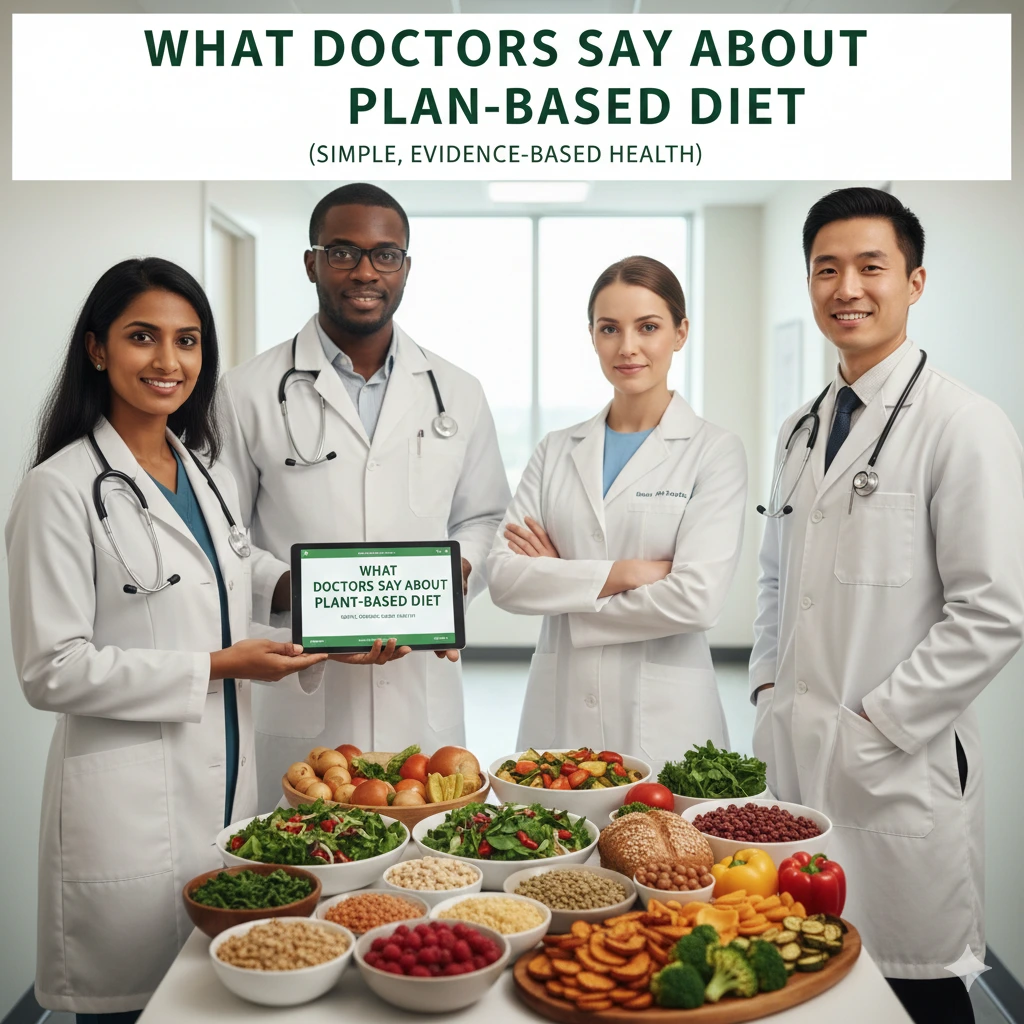
Do you want to know what doctors say about a plant-based diet?
Have you ever questioned why your physician consistently advises you to consume vegetables?
It is not just a polite suggestion.
Today, doctors increasingly see a plant-based diet as a strong way to stay healthy and treat diseases. In fact, many medical experts now call food “the best medicine.”
In this article, we will examine the basic evidence supporting these diets.
We’ll look at how shifting from processed meats to natural plants can transform your life.
Introduction: Why Doctors Love Plant-Based Eating
Doctors used to focus primarily on pills and surgery. While those are important, modern science shows that what you put on your plate matters as much.
When doctors talk about a “plant-based diet,” they are looking at evidence from thousands of people over many years. This evidence shows that people who eat more plants tend to live longer and feel better.
To begin, let’s look at what doctors mean when they talk about eating more plants.
It is not about being “perfect” or about everyone never eating meat again. Instead, it is about making plants the star of the show. Whether it is a bowl of oatmeal for breakfast or a hearty lentil soup for lunch, these choices add up.
Doctors appreciate this method. It’s a safe, low-cost way to prevent common health issues worldwide.
What Exactly Is a Whole Food Plant-Based Diet?
Not all plant diets are created equal.
You could eat soda and potato chips and technically be a “vegan,” but a doctor would not call that healthy.
Doctors specifically recommend a Whole Food Plant-Based (WFPB) diet.
This means eating foods that are as close to their natural state as possible. Think of an ear of corn instead of a corn chip, or an orange instead of orange-flavoured candy.
A WFPB diet focuses on:
Vegetables: Leafy greens, carrots, and peppers.
Fruits: Berries, apples, and bananas.
Legumes: Beans, peas, and lentils.
Whole Grains: Brown rice, oats, and quinoa.
Seeds and Nuts: Walnuts, chia seeds, and almonds.
Eating “whole” foods helps you avoid extra salt, sugar, and unhealthy fats. These are often found in processed foods.
Heart Health: The Number One Benefit
Heart disease is the leading cause of death worldwide, but doctors say it doesn’t have to be.
A strong reason to choose a plant-based diet is its heart-protective benefits. Plants contain zero cholesterol and are very low in saturated fats.
When you switch to a plant-based diet, your blood pressure often drops naturally. This is because plants are high in potassium and fibre, which help your blood vessels relax.
Famous studies by Dr Dean Ornish show that a strict plant-based diet can clear clogged arteries.
Doctors often point to the “Adventist Health Studies,” which followed thousands of people. They found that those who ate plant-based foods had much lower rates of heart attack.
Many cardiologists now recommend beans and greens. They often recommend these foods, either with or instead of some blood pressure meds.
Reversing Type 2 Diabetes with Plants
Many people think diabetes is just about eating too much sugar. However, doctors explain that it is often caused by “insulin resistance.”
Fat builds up in your cells. This makes it hard for insulin to move sugar out of your blood.
Simple evidence shows that a low-fat, plant-based diet helps clear fat from cells. When the fat is gone, insulin can work again.
According to studies, the risk of type 2 diabetes is 34% lower for those who follow a plant-based diet.
Some patients may be able to lower or stop their medication by changing their diet and working with a doctor.
Plants are high in fibre. This helps keep your blood sugar steady. Unlike sugary snacks or white bread, they don’t cause “spikes” or “crashes.”
Managing Your Weight Without Counting Calories
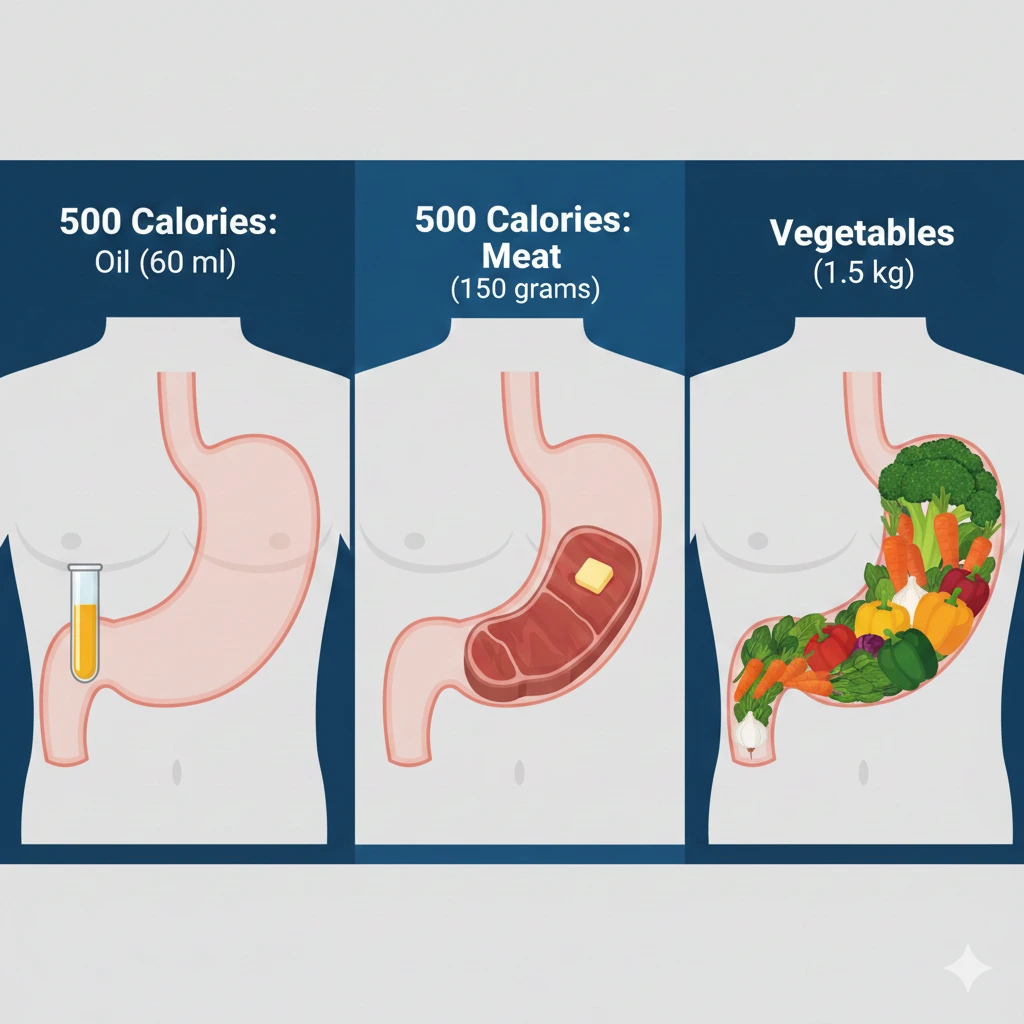
One of the most complex parts of dieting is feeling hungry all the time. Doctors say a plant-based diet solves this through something called calorie density.
Foods like meat, cheese, and oil have a lot of calories in a minimal amount.
Meanwhile, vegetables and fruits have few calories. They fill your stomach quickly because they contain a lot of water and fibre. This means you can eat a large, satisfying plate of food and still lose weight.
According to studies, those who follow a plant-based diet frequently have lower body mass indices (BMIs).
In many clinical trials, people lost more weight on a plant-based diet than on other diets. This was true even when they didn’t have to limit their food intake. They felt full faster.
Therefore, it is a great long-term strategy for staying at a healthy weight without the stress of counting every calorie.
Fighting Inflammation and Boosting Immunity
Inflammation is like a tiny fire burning inside your body. If it remains active for too long, it can cause pain, fatigue, and diseases such as arthritis.
Doctors say that animal products and processed foods can increase inflammation.
Plants, however, are packed with antioxidants and phytochemicals. These are natural “fire extinguishers” that protect your cells from damage.
Colourful foods, like purple grapes, green spinach, and orange carrots, are great for your immune system.
These foods provide the tools needed to fight germs and keep your body balanced.
Many patients notice that their joint pain or skin problems improve soon after they increase their intake of plant foods.
Gut Health: Your Body’s Second Brain
Did you know that trillions of tiny “good” bacteria live in your gut? These bacteria help you digest food and even affect your mood. Doctors call this the microbiome.
The one thing these good bacteria love more than anything else is fibre. Since fibre is only found in plants, a plant-based diet is like a feast for your gut health.
Feed these bacteria well. They produce specialised acids that reduce inflammation and boost your immune system.
On the other hand, a diet high in meat and low in plants can promote “bad” bacteria linked to heart disease. By eating more beans, grains, and veggies, you are keeping your “second brain” happy and healthy.
Cancer Prevention: The Protective Power of Plants
Doctors say that about one-third of all cancers can be prevented by changing our diet.
Eating more plants lowers the risk of many cancers, especially colorectal cancer.
Why is this?
Plants have special compounds that can actually block cancer-causing chemicals. Also, the high fibre in plants helps waste move through your system quickly. This keeps your colon healthy.
Furthermore, a plant-based diet reduces your risk of obesity-related malignancies and helps maintain a healthy weight.
No diet can promise you won’t get sick, but doctors say plants are a strong defence.
Addressing the “Protein Myth” and Other Concerns
The most common question doctors get is: “Where do you get your protein?”
The simple answer is: from the same place the animals get it—plants!
Strong animals like elephants, rhinos, and bulls are all plant-eaters. Doctors say you can get all the protein you need from beans, lentils, peas, nuts, and even some vegetables.
As long as you eat enough calories and a variety of foods, protein deficiency is seldom an issue.
However, there is one crucial thing doctors want you to know: Vitamin B12.
Bacteria make this vitamin, which is not naturally found in plants today. If you go 100% plant-based, you must take a B12 supplement or eat fortified foods.
Doctors suggest watching your iron and Vitamin D. You can easily get these from a balanced diet with leafy greens and some sunshine.
Simple Tips to Start Your Journey
Starting a plant-based diet doesn’t have to be scary.
Doctors recommend starting small. You don’t have to change everything overnight to see benefits.
Here are some easy ways to transition:
Meatless Mondays: Set aside one day each week to eat entirely plant-based meals.
The “Half-Plate” Rule: Vegetables should make up half of your plate at every meal.
Swap the Milk: Try almond, soy, or oat milk instead of cow’s milk.
Focus on Addition: Instead of thinking about what you are “quitting,” think about adding one new fruit or veggie to your day.
In addition to these tips, remember that progress is better than perfection. Every plant-based meal you choose is a win for your health.
FAQ: People Also Ask
Is a plant-based diet actually healthy?
Yes. Major medical groups, such as the American Heart Association and the Academy of Nutrition and Dietetics, state that a well-planned plant-based diet is healthy for people of all ages.
Do doctors recommend being 100% vegan?
Not necessarily. Many doctors see great results from a 100% vegan diet. Most folks think a “plant-forward” diet, heavy on plants and light on meat, is really good for health.
What are the risks of a plant-based diet?
The main risk is not getting enough Vitamin B12. It is also essential to consume enough calories and a variety of foods, so you don’t miss out on minerals like zinc and iron.
Can a plant-based diet reverse heart disease?
Yes, clinical evidence from doctors like Dr Caldwell Esselstyn has shown that a very strict whole-food, plant-based diet can actually shrink arterial blockages and improve blood flow.
Conclusion: A Prescription for a Long Life
The verdict is in: eating more plants is great for your body.
A plant-based diet clearly protects your heart. It increases your energy and helps you maintain a healthy weight.
Plants can help prevent future illness or manage existing conditions.
You don’t need a fancy kitchen or expensive supplements—just a trip to the produce aisle. Your body will thank you for years to come.
Evidence-based whole food plant-based eating is not a fad. It benefits health, saves money, and helps the planet, especially in South Africa. Why Go Evidence-Based Whole Food Plant-Based? Many people talk about food, but here’s the truth. Eating whole plant foods and cutting out ultra-processed …
Introduction: Why This Diet Matters in South Africa An evidence-based, whole-food, plant-based diet (WFPB) is crucial in South Africa. Have you ever wondered if the food you eat every day could be the key to a longer, healthier life? Chronic diseases are increasing in South …
I’ve been writing and cooking around plant-based food for years, and lately, friends ask me the same question: “Which is better — plant-based or keto?”
There’s no one-size-fits-all answer, but living and eating in South Africa give this question local twists worth considering.
South Africa faces a rising burden of overweight, obesity and diet-related illness across income groups.
That background matters: if your goal is to reduce diabetes and heart disease risk, your overall dietary pattern (and food quality) matters more than a trendy label.
Diets in brief
Whole-food plant-based (WFPB) emphasises vegetables, fruit, whole grains, legumes, nuts and seeds while minimising refined and processed foods.
Ketogenic (keto) dramatically lowers carbohydrates and replaces them with high fat (and moderate protein), pushing the body into ketosis.
Both can produce weight loss and metabolic improvements — but they work differently and have practical consequences for cost, culture and long-term health in South Africa.
What the science says
Short-term trials often show faster weight loss on very low-carb or ketogenic diets and sound appetite suppression.
However, long-term benefits are less specific, and keto can raise LDL cholesterol for some people and create nutrient gaps without careful planning.
By contrast, high-quality plant-based patterns — when they emphasise whole foods rather than processed vegan junk — are reliably associated with lower heart disease risk, improved blood glucose control and lower mortality in many studies.
Quality matters: “pl”nt-based” i”n’t automatically healthy if it’s stly fries and sugary drinks.
Practical considerations in South Africa
Cost & access
South Africa is a country of contrasts. Urban centres often have farmers’ markets and good produce, while in other areas, cheap refined carbs and ultra-processed foods dominate.
A plant-based approach can be very budget-friendly — think beans, samp, maise meal and seasonal veg. Keto often relies on higher amounts of meat, dairy, and fats, which may increase costs and reduce feasibility for many households.
Culture & cooking
Our culinary traditions — braai, pap and chakalaka, stews, and fresh fruit — lend themselves well to a plant-forward approach that’s easy to adapt and social to share.
Strict keto can feel restrictive in social settings (no pap, limited fruit), which makes long-term adherence harder for many people.
Sustainability
Suppose you care about the environment and water use. In that case, plant-forward eating generally has a lower carbon and water footprint than a meat-heavy keto plan — a helpful co-benefit where water scarcity matters.
Who might do best with keto?
Keto can be helpful in the short term for rapid weight loss or specific medical cases (for example, epilepsy).
People with severe insulin resistance sometimes see quick improvements in blood glucose. If you try keto, do so under clinical supervision — especially if you have high cholesterol, kidney issues, or take medication for diabetes or blood pressure.
Who might do best with a plant-based approach?
If your priorities are long-term heart health, lowering diabetes risk, affordability and cultural fit, a whole-food plant-based pattern is a great default. You can be fully vegan or simply “plant-forward” (” flexitarian approach).
The critical part is emphasising whole foods (legumes, whole grains, vegetables) and limiting processed foods.
How to make either approach safe and effective
Focus on quality, not just labels — whole, minimally processed foods beat packaged diet products.
Get baseline blood tests: lipids, HbA1c, kidney function — especially before or during keto.
Plant-based: prioritise legumes, whole grains, nuts, seeds and dark leafy greens; plan for B12 and vitamin D if fully vegan.
Keto: include leafy greens, monitor electrolytes, and check LDL cholesterol often; use medical supervision.
Make meals that fit your life and budget — a pot of stewed lentils, roasted seasonal veg and pap often outperforms expensive imported diet snacks.
Practical tip: A plant-forward approach can be gradually adopted: start by adding one more legume-based meal per week, then two, and swap refined starches for whole grains and veg.
Quick sample day (plant-forward, budget-friendly)
Breakfast: Maise porridge (pap) enriched with mashed banana and a spoon of peanut butter. Lunch: Lentil and vegetable stew with samp or brown rice. Snack: Seasonal fruit or toasted pumpkin seeds. Dinner: Vegetable and chickpea curry with wholewheat roti or pap.
Final thought
There’s no single best diet for everyone.
Given South Africa’s public health challenges and cultural foodways, a whole-food, plant-based approach is the most practical, affordable, and evidence-backed option for most people to adopt. If you’re considering a strict low-carb or ketogenic path, do it with testing and clinical oversight, keep food quality high, and re-evaluate regularly.
Introduction This is your guide to a whole-food, plant-based diet and prostate cancer. Facing a diagnosis like prostate cancer can feel overwhelming. It’s normal to want to take steps to feel more in control of your health. After all, the journey to wellness often begins …