Here’s your guide to whole foods and plant-based (WFPB) eating for chronic respiratory diseases in South Africa. Chronic respiratory diseases (CRDs) are a big problem in South Africa. They affect many people and make breathing difficult every day. Conditions like asthma and COPD significantly affect …
This is your definitive guide to overcoming whole food plant-based diet (WFPB) challenges. Starting a whole food plant-based (WFPB) journey can change your life, but it has challenges! A recent survey found that over 67% of people face significant issues in the first three months. …
You can see it in meatless Mondays and the boom in plant-based milk.
The world is moving to whole food plant-based (WFPB) diets.
But this trend isn’t just about personal health choices. It can change South Africa’s future.
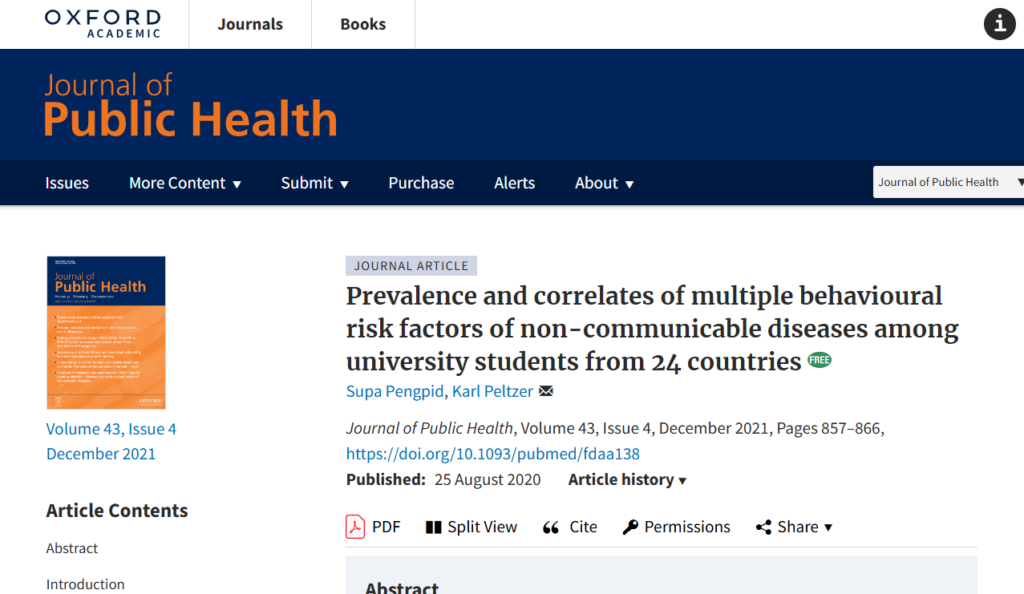
With a concerning rise in non-communicable diseases (NCDs) like heart disease and diabetes, we need innovative solutions to promote student well-being.
Schools and universities are centres of possibilities for changing diets.
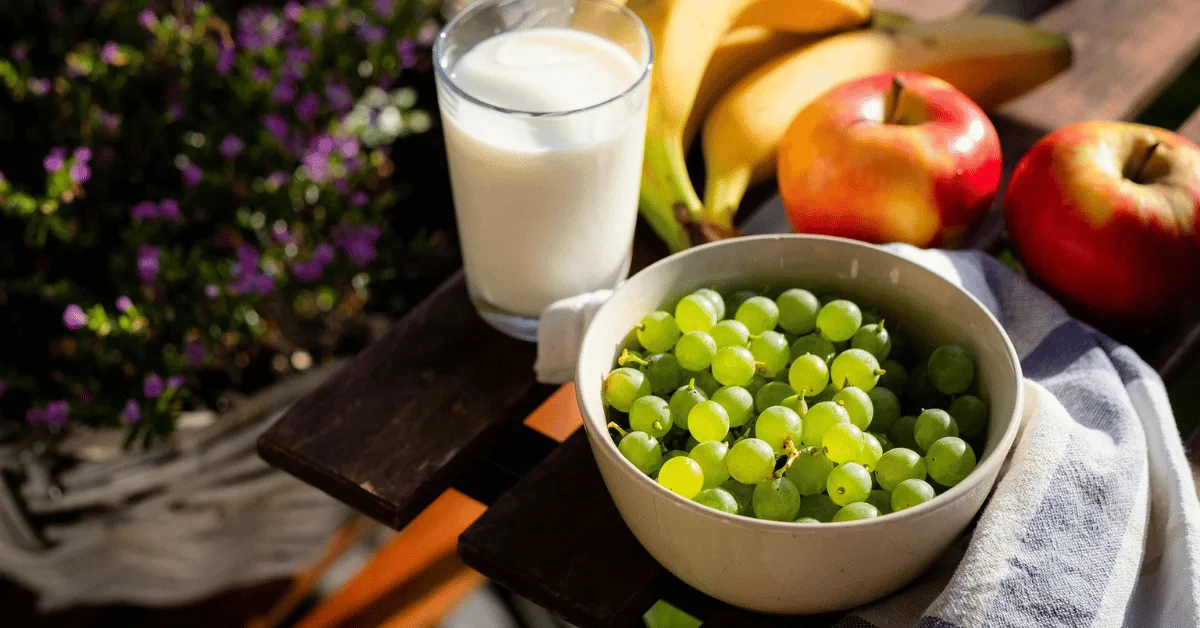
Pixabay/libellule789
This blog post explores how we can promote WFPB diets in schools and universities. WFPB diet is a powerful tool in our fight against NCDs.
We’ll delve into these diets’ benefits for student health and the environment and explore practical strategies for promoting WFPB options in South African schools and universities.
By this approach, we can build a healthier, more sustainable future for South Africa by fostering a generation of plant-powered learners.
Benefits of WFPB Diets for South African Schools and Universities
South African students face a double challenge: staying healthy amidst a growing NCD crisis and navigating a world increasingly focused on environmental sustainability.
Here’s the kicker
Whole food plant-based diets offer a unique solution that addresses both these concerns.
Let’s explore the specific benefits WFPB diets can bring to South African schools and universities:
Boosting Student Health
Reduced Risk of NCDs
WFPB diets are naturally lower in saturated fat and cholesterol and higher in fibre. These are all factors that impact NCDs. l
These properties translate to healthier students, fewer illness-related absences, and a better chance of reaching their full academic potential.
Improved Concentration and Learning
Studies show diets consisting of fruits, vegetables, and whole grains can enhance cognitive function, memory, and focus.
This brain enhancer is crucial for students facing exams and a demanding academic workload.
Weight Management
WFPB diets are naturally lower in calorie density and higher in fibre, promoting satiety and potentially aiding in healthy weight management.
This potency is significant considering the rising prevalence of childhood obesity in South Africa.
Is this not the right time for students at schools or universities to control obesity?
Beyond the Individual: Environmental Benefits
Sustainable Food Systems
Animal agriculture has a significant environmental footprint.
Promoting WFPB diets in schools and universities can contribute to a more sustainable food system by reducing reliance on resource-intensive meat production.
Combating Climate Change
Livestock farming contributes to greenhouse gas emissions.
Climate change has caused floods and devastation in Gauteng, KZN, the Western Cape, and the Eastern Cape in South Africa.
Integrating WFPB options can help reduce the environmental impact of school and university dining halls.
Additional Advantages
Cost-Effectiveness
Plant-based proteins like lentils and beans can be more affordable than animal protein sources. This swap is especially beneficial in low-income areas where schools can provide nutritious meals.
Ethical Considerations
WFPB diets align with growing concerns about animal welfare and factory farming practices. This concern can resonate with students who are increasingly environmentally and ethically conscious.
By embracing WFPB options, South African schools and universities can take a significant step towards fostering a healthier student population, promoting environmental sustainability, and aligning with evolving ethical considerations.
The Current Landscape: Room for Plant-Based Growth
South African schools and universities offer various food options, with cafeterias often serving traditional meals that may be high in meat, processed foods, and refined carbohydrates.
While some institutions might have begun incorporating healthier choices like salads or fruit, a consistent focus on WFPB meals must be more present.
However, there are positive signs of change. Many schools participate in the National School Nutrition Programme (NSNP), which aims to provide nutritious meals to disadvantaged learners.
While the program doesn’t explicitly focus on WFPB options, it emphasizes fresh produce and whole grains.
Additionally, some universities offer vegetarian or vegan meal options, catering to a growing student demand for plant-based choices.
However, a crucial gap exists in education surrounding plant-based nutrition for students.
A Public Affairs Research Institute (PAN South Africa) study found that most South African schools need more qualified nutritionists and need to integrate information on healthy eating habits into the curriculum.
This knowledge gap hinders students’ ability to make informed diet choices, even when healthier options are available.
By acknowledging the existing efforts and highlighting the need for more comprehensive education on WFPB diets, we can pave the way for a more plant-powered future in South African schools and universities.
Strategies for Promotion: Sowing the Seeds of Change
Integrating WFPB options into South African schools and universities requires a multi-pronged approach.
Here are some key strategies to consider:
Cultivating Healthy Habits in Schools
Curriculum Integration
Update school curriculums to include age-appropriate information on WFPB diets, the importance of balanced nutrition, and the connection between food choices and health.
The curriculum can incorporate life sciences, home economics, or environmental studies.
Cooking Up Change
Implement practical cooking classes focused on delicious and nutritious plant-based recipes. This hands-on approach allows students to develop culinary skills and confidence in preparing healthy meals.
Growing Future Leaders
Partner with local farms or organizations to offer school gardening programs.
Students can learn where their food originates from, understand the value of fresh produce, and appreciate the connection between agriculture and healthy eating.
Planting the Seeds of Choice
Offer appealing WFPB options alongside traditional meals in school cafeterias.
This approach allows students to explore plant-based alternatives without feeling restricted.
Focus on creative and flavorful dishes like lentil burgers, veggie stir-fries, or whole-wheat pasta with a vibrant vegetable sauce.
Nurturing Plant-Based Options in Universities
Academic Integration
Integrate plant-based nutrition into relevant courses, such as health sciences, nutrition, or environmental studies.
This integration gives students a deeper understanding of the science behind WFPB diets and their impact on health and the environment.
Is it possible to do more?
Workshops and Seminars
Host workshops and seminars on the benefits of WFPB diets. Invite registered dietitians or nutrition experts to speak on meal planning, healthy recipe creation, and addressing specific dietary needs with a plant-based approach.
Student Power
Partner with student organizations like environmental clubs or vegan societies to promote plant-based initiatives.
This partnership allows students to champion the cause and encourage their peers to explore WFPB options.
Campus Dining Transformation
Increase the availability of delicious and visually appealing WFPB options in campus dining halls.
This variety could involve offering dedicated plant-based stations, featuring “Meatless Monday” promotions, or partnering with student chefs to create innovative plant-based menus.
Implementing these strategies can transform schools and universities into fertile ground for promoting WFPB diets.
This strategy will benefit students’ health and well-being and contribute to a more sustainable and ethical food future for South Africa.
Addressing Challenges: Overcoming Hurdles on the Path to Plant-Based Progress
Promoting WFPB diets in schools and universities is an exciting prospect, but it’s important to acknowledge potential challenges:
Affordability
Plant-based alternatives, like certain meat substitutes, can sometimes be more expensive. However, focusing on budget-friendly options like lentils, beans, whole grains, and seasonal vegetables can create delicious and affordable meals.
Partnerships with local farmers or wholesalers can also help reduce costs.
Cultural Acceptance
South African cuisine often features meat as a central component.
Can schools and universities offer alternatives?
However, many delicious and culturally relevant plant-based dishes exist to explore. Chefs can incorporate traditional flavours and cooking techniques into WFPB options, making them familiar and appealing to students.
Dietary Needs
Schools and universities must ensure WFPB options cater to students with specific dietary restrictions.
Collaboration with registered dietitians can help develop plant-based menus that address individual needs for allergies, intolerances, or religious restrictions.
Building a Sustainable Future
Addressing these challenges requires a collaborative approach.
What can these institutions do?
Schools and universities can work with nutritionists, chefs, local farmers, and student organizations to create a supportive environment for WFPB choices.
Open communication with parents and caregivers is also crucial, ensuring everyone is on board to promote healthy eating habits at home and school.
We can overcome these hurdles by fostering a culture of education, creativity, and inclusivity. In doing so, we can empower South African students to make informed dietary choices.
Conclusion
The future of South Africa rests on the shoulders of its young learners.
By promoting WFPB diets in schools and universities, we invest in students’ academic success and overall health and well-being.
These plant-powered choices can reduce the burden of NCDs, create a more sustainable food system, and align with evolving ethical considerations.
The path forward requires collaboration between educators, policymakers, food service providers, and students themselves.
By implementing the strategies outlined above and addressing potential challenges head-on, we can cultivate a generation of South African students who are well-nourished and ready to make informed choices about their health and the planet. Let’s embrace the power of plant-based diets and create a brighter, healthier future for all South Africans.
Here’s a guide that explores that 9 of 10 South Africans are entirely wrong about WFPB. And… Do you ever feel like everyone around you has misconceptions about healthy eating? South Africa, renowned for its braais and delectable curries, is a perfect setting for exploring …
I can bet There are at least ten diets you’ve come across. But what’s all the fuss about? Today is this diet; the following day, there’s the other one trending. Is there evidence-based research on these diets? What about a whole food plant-based diet? Is …
This article explores the best and amazing healthy foods for health in South Africa.
South Africa has a blessing of cultural diversity in its food.
Hence, it offers a variety of healthy cuisines from diverse cultural traditions.
From morogo and pumpkin leaves to the heartland of the Cape with umngqusho (samp and beans).
Indeed, South Africa is the country of healthy living.
Let’s begin exploring the best healthy foods in South Africa for optimal health.
What are Healthy Foods?
There is a need to have a common ground.
Don’t you think?
What is healthy food to Thandi will be different to Alicia.
Why is that so?
Let’s take a banana as an example. Banana has many benefits for your health.
Thandi has irritable bowel syndrome (IBS), and banana is a healthy treat for her.
But Alicia has kidney disease. Because of its high potassium content, bananas are deadly for her.
Now…
What, then, is healthy food?
But wait.
The healthy food debate doesn’t end with a banana.
Here’s another kicker…
Indeed, you know vitamin A tablets have fantastic antioxidant properties.
However, the same vitamin A you consume can overload the liver and cause toxicity.
Here’s the truth…
Healthy foods are foods that are nutrient-dense and are low in calories.
Healthy eating means putting your health and wellness first. You must consume nutritious foods for your body.
But
Remember, healthy foods are best for your body, cognitive health, and mood.
What healthy foods are available in South Africa?
The Superpowers of Fruits and Vegetables for Optimal Health
Farmers are in abundance in South Africa.
There is always a variety of fruits and vegetables throughout the year.
Here’s the deal.
The very fruits and vegetables that are healthy for you are available.
Let’s explore some vegetables to boost your health.
Vegetables for Your Health
Pumpkin Leaves
Pumpkin leaves are versatile.
You can cook them in a variety of ways.
Cooking Den/Pumpkin Leaves Recipe.
Pumpkin leaves have various health benefits.
But do they surpass the power of cruciferous vegetables?
Cruciferous Vegetables
Cruciferous vegetables belong to the Cruciferae family. This family mainly contains the Brassica genus.
Here are a few healthy cruciferous vegetables…
Kale
This wonderful vegetable is the king of super healthy leafy greens.
It contains vitamins C, B6, K, potassium, calcium, magnesium, copper, and manganese.
Studies have shown that the antioxidants in kale are beneficial for your health and well-being. And how glucosinolates may help protect against cancer.
Kale may help slow cognitive decline and age-related macular degeneration.
Kale has various bioactive compounds, including isothiocyanates and Indole-3-Carbinol, which help fight cancer.
These compounds also boost DNA repair in cells.
Vitamin K and flavonoids in kale are fat-soluble. Fat increases its absorption in the body.
Bok Choy
Bok choy contains vitamins B6, C, K, folate, and calcium.
It also contains carotenoids, like beta-carotene. Beta-carotene may help prevent heart disease, stroke, and some cancers.
Bok Choy has phytochemical compounds.
For example, it contains indole-3-cardinal (an indole) and sulforaphane, an isothiocyanate. Sulforaphane lowers cancer risk.
Can you see you can beat cancer by eating nutrient-dense and healthy foods?
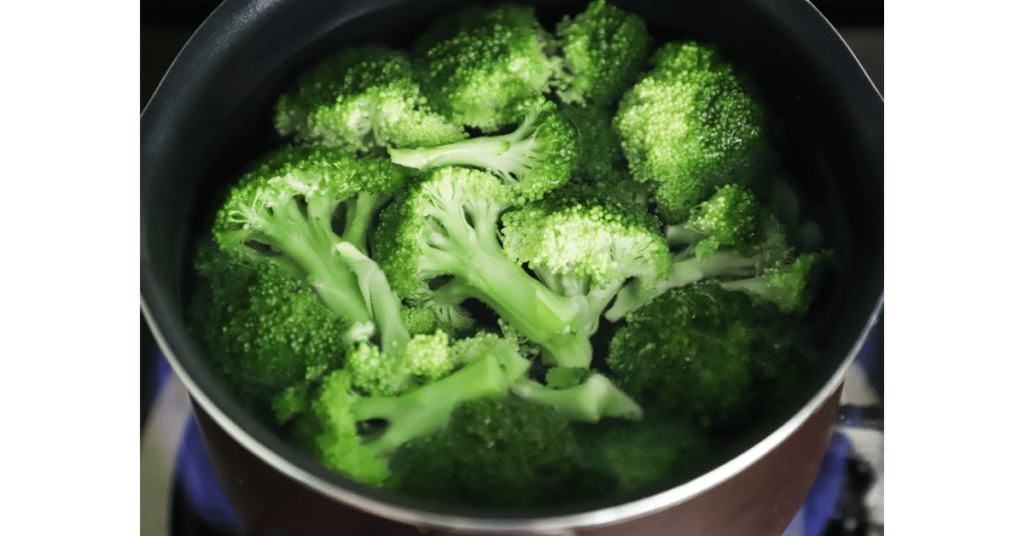
Broccoli
Broccoli is the most nutrient-dense food in the world.
It contains vitamins C, K, and B.
Broccoli also has folate, potassium, iron, manganese, magnesium, phosphorus, and selenium.
It also includes a variety of phytonutrients. These include carotenoids, flavonoids, glucosinolates, phenolic acids, and lignans.
Broccoli is another source of sulforaphane. It may be the most potent anticancer compound.
Sulforaphane helps in inhibiting lung and colorectal cancer.
In addition to sulforaphane, broccoli contains another chemical, 3,3’–diindolylmethane (DIM). The digestive system quickly absorbs DIM. DIM prevents cervical cancer.
Eating broccoli may help prevent non-alcoholic liver disease and liver cancer.
Anticancer phytonutrients called isothiocyanates in broccoli fight cancer by neutralizing carcinogens.
Broccoli also contains lutein and zeaxanthin. These antioxidants may help prevent eye disease.
This vegetable is the absolute master of nutrient-dense foods.
You can buy these healthy foods at local supermarkets.
Supermarkets like Woolworths, Checkers, Pick n Pay, and Spar.
Brussels Sprouts
Brussels Sprouts are a cruciferous vegetable. They’re rich in vitamin K, C, potassium, iron, and folate. They also contain pyridoxine, tryptophan, and thiamine. Plus, they have flavonoids, glucosinolates, carotenoids, and lignans.
Brussels Sprouts contain a compound called sinigrin. This chemical compound suppresses the development of precancerous cells.
This vegetable is high in isothiocyanates and sulforaphane, compounds that fight cancer. Potassium in Brussels sprouts helps lower blood pressure.
Folate may help prevent congenital disabilities.
The fibre in Brussels sprouts may help maintain weight loss.
Brussels Sprouts help combat cellular oxidation. This oxidation is associated with ageing and chronic diseases.
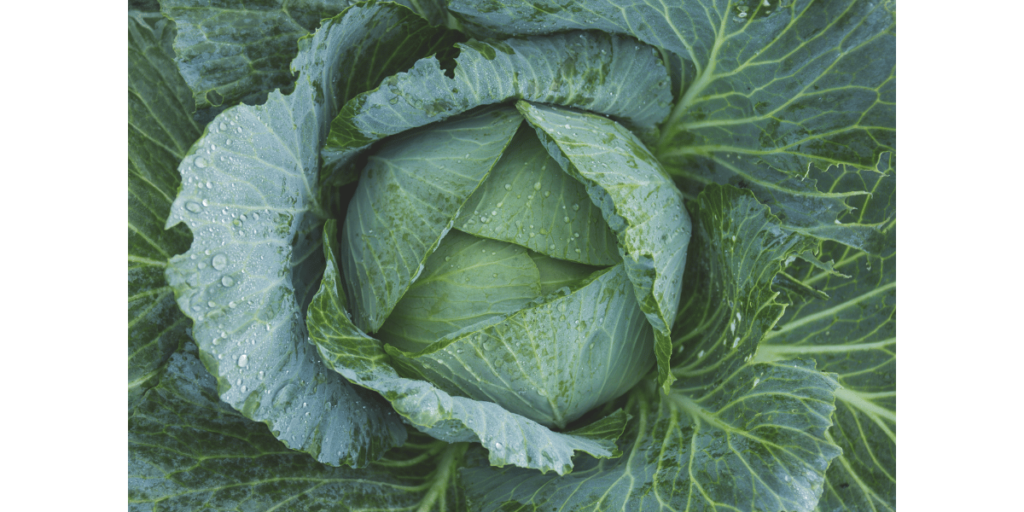
Cabbage
It contains vitamin C, calcium, magnesium, potassium, dietary fibre, folate, and phytonutrients.
Cabbage contains a small amount of the eye-healthy carotenoids lutein and zeaxanthin.
Phytochemicals and indoles in cabbage may reduce the risk of breast cancer.
Like other cruciferous vegetables, cabbage contains sulforaphane that protects against breast cancer.
Anthocyanins in red cabbage may help boost insulin production. They may also lower blood sugar levels.
Bioflavonoids and other plant chemicals inhibit tumour growth. Bioflavonoids also protect cells against damage from free radicals.
Anyone can afford a cabbage.
I even have plenty of it in my garden.
Spinach
Spinach has a minute amount of fat and cholesterol.
It is high in niacin, zinc, vitamins A, C, E, and K. Spinach also contains thiamine, B6, and folate. It has calcium, iron, magnesium, phosphorus, potassium, copper, and manganese.
Spinach is full of flavonoids and antioxidants. They maintain vital brain function, memory, and mental clarity.
Spinach also contains carotenoids like beta-carotene, lutein, and zeaxanthin. It also includes a unique class called epoxyxanthophylls. Epoxyxanthophylls boost many systems in the body.
Phylloquinone is the most common form of vitamin K found in dark green vegetables like spinach. It is vital for proper blood clotting and may also affect bone health.
You can make a variety of dishes with spinach. You can steam or stir-fry or add a salad or a smoothie.
Swiss Chard
Swiss Chard contains several flavonoid antioxidants, including quercetin, kaempferol, rutin, and vitexin.
Kaempferol is a potent anti-inflammatory compound that may also have anticancer properties.
Research shows Vitexin may help prevent heart disease. It may lower blood pressure and inflammation and block the formation of blood clots.
You can source all these vegetables from your home garden and farm markets.
Vegetables of Choice
Squash
There are summer squash and winter squash.
They contain molybdenum, pyridoxine, potassium, folate, dietary fibre, phytonutrients, carotenoids, and lignans.
Summer squash, such as zucchini, is high in vitamins C and A.
Winter squash, like butternut, is an excellent source of health-supportive carotenoids.
These include beta-carotene, lutein, and zeaxanthin. Butternut is a vitamin A giant and can help with weight loss.
Squash’s soluble fibre helps to lower cholesterol. Seeds contain magnesium and omega-3 fatty acids. Its fibre content helps manage weight and helps reduce low-density lipoprotein (LDL).
Flowers, fruits, and seeds are edible.
You squash everything!
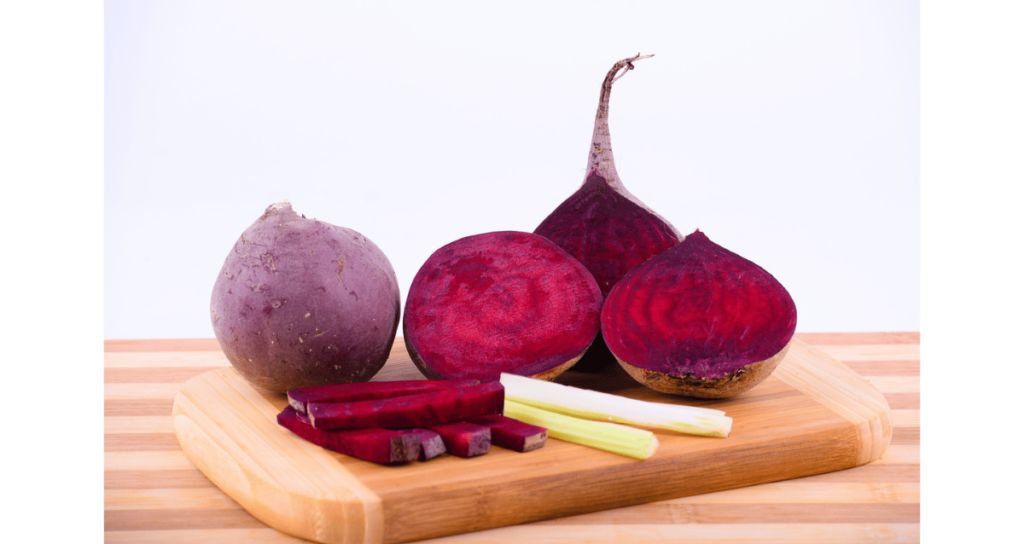
Beet
This root vegetable is a good source of dietary fibre. It also provides folic acid, potassium, magnesium, iron, copper, and vitamin C.
Beets have the high sugar contents of any vegetable yet are low in calories.
They are anti-inflammatory and antioxidant vegetables.
All Beets get their red colour from a compound in them called betacyanin. Betacyanin may help defend cells against harmful carcinogens.
Beets are also an essential source of betanin.
Betanin and folate work together to reduce potential toxic levels of homocysteine. High levels of homocysteine can harm blood vessels and cause inflammation.
Beets have a property that can inhibit damage to your arteries. This property can increase your risk of heart disease.
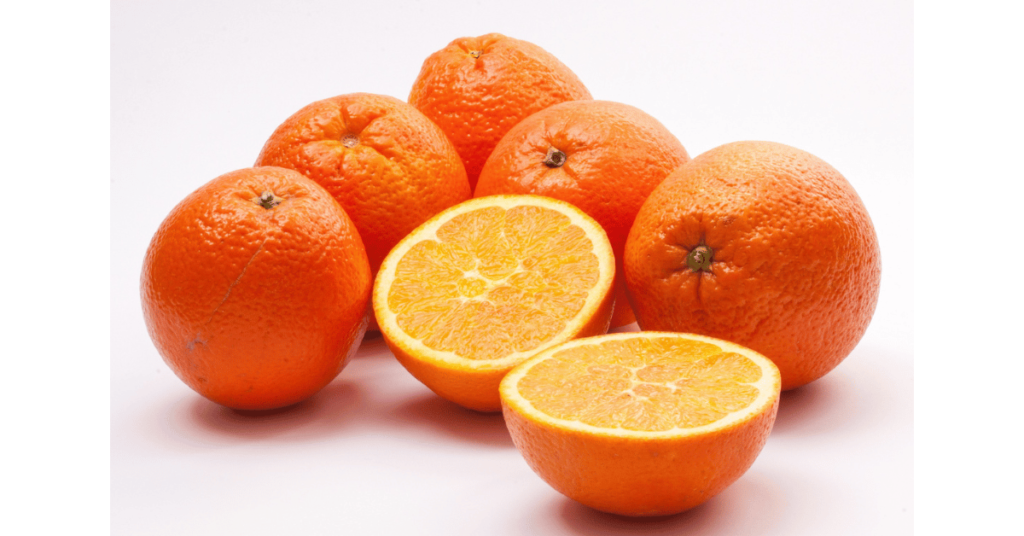
Oranges have lots of vitamin C and dietary fibre, which help digestion and the gut.
These foods contain minerals that help the heart and control blood pressure.
Legumes as a Healthy Food for Your Health: A Healthy Choice
In South Africa, legumes are plenty.
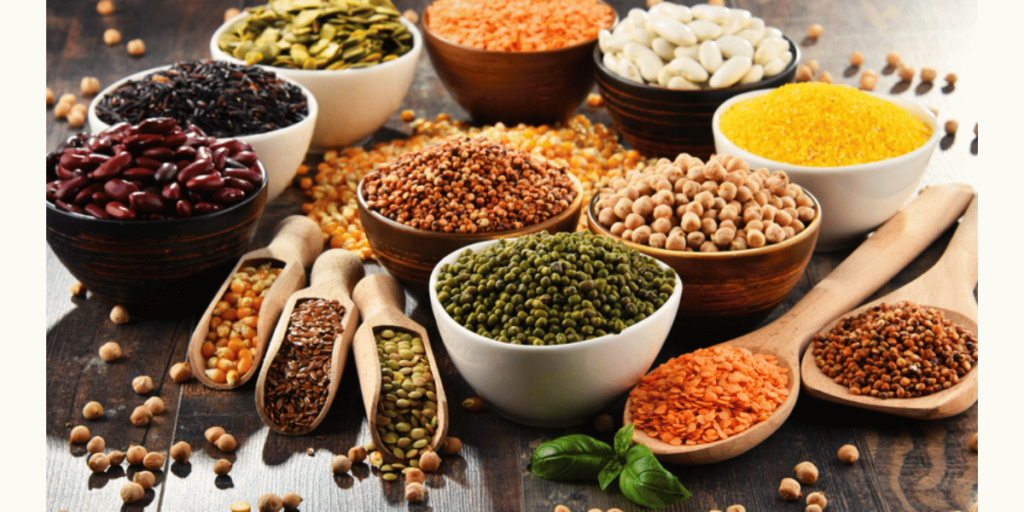
Legumes are the best plant-based protein source.
They are available in all seasons.
Scientists agree that plant-based protein is the key to optimal health. It also helps prevent disease.
There is a variety of plant-based protein foods.
Beans
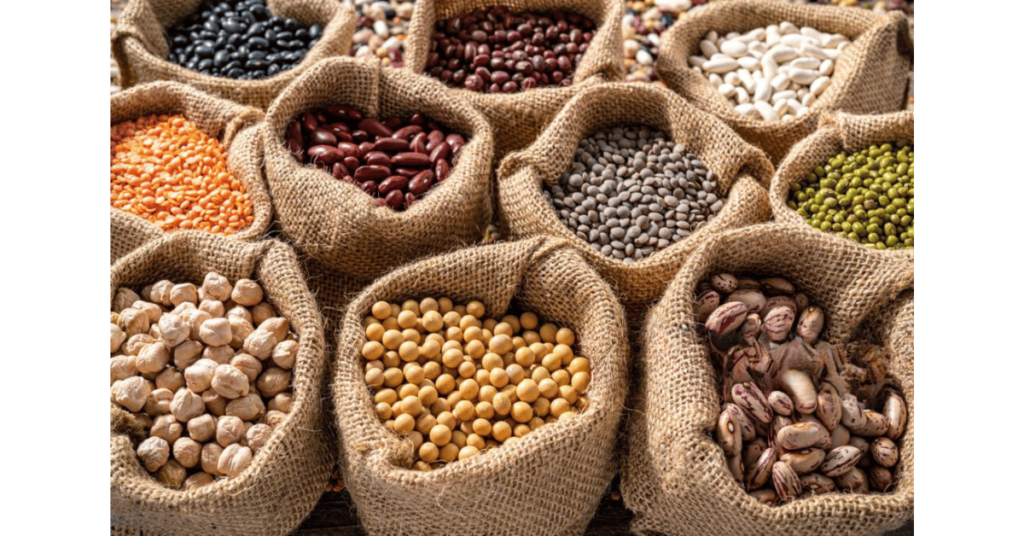
Various beans improve heart health. Examples include red beans, red kidney beans, black-eyed peas, lentils, and pinto beans. Beans contain magnesium, iron, zinc, and potassium, especially red kidney beans.
Phytonutrients in beans, such as diosgenin, inhibit cancer cells from multiplying. In beans, there are essential enzyme-enhancing minerals called molybdenum.
Molybdenum handles detoxifying sulphides.
Umngqusho
Umngqusho is a traditional South African dish.
It is a combination of beans and samp. (A legume and grain)
Chickpea or Garbanzo Bean
Garbanzo beans contain protein, dietary fibre, folate, thiamine, pyridoxine, and vitamin K.
It contains manganese, copper, phosphorus, iron, magnesium, and potassium.
Calcium, zinc, phytonutrients, phytosterols, and phenolic acid are also available.
Garbanzo beans have seventy per cent fibre. It remains undigested because it is both soluble and insoluble. This process helps colon health.
Chickpeas contain the powerful antioxidant mineral selenium.
Nuts and Seeds Healthy Foods for a Healthier You
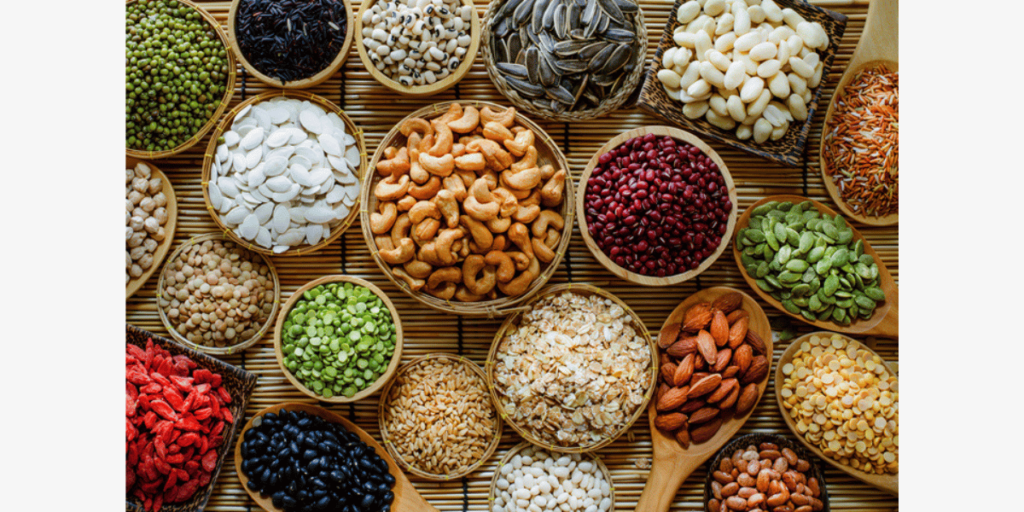
Nuts are high in calories but rich in proteins, minerals, and monounsaturated fats.
They contain arginine, an amino acid. This amino acid protects the inner linings of the arterial walls.
Arginine also makes a critical molecule called nitric acid. Nitric acid helps relax constricted blood vessels and ease blood flow.
Studies show nuts lower the risk of heart attack and cardiovascular disease.
Nuts can also be used as a weight-loss plan if used in moderation.
Almonds
Almonds are rich in monounsaturated fats.
Fats from almonds lower cholesterol.
They contain alpha-tocopherol, a vitamin E. Alpha-tocopherol antioxidants prevent free radical damage. This damage results in the oxidation of cholesterol and injures cells.
Walnuts
Walnuts boost the highest amounts of omega-3 fatty acids than any other nuts.
They are the richest source of antioxidants. These include ellagic acid, ellagitannins, catechin, and melatonin.
Chia Seeds
Vital nutrients fill chia seeds.
They help with digestive health and weight loss.
Besides nuts and seeds, can whole grains be healthy?
Whole Grains: A Healthy Choice for Your Health
Whole grains are any cereal or pseudocereal. They contain the endosperm, germ, and bran.
Bran in grains is the nutritious outer part. The germ is the seed’s nutrient-rich embryo. The endosperm is the grain’s food supply. It is high in starchy carbohydrates. The carbohydrates quickly metabolize into sugar.
Whole grains contain iron, magnesium, manganese, phosphorus, selenium, and vitamins. They also contain dietary fibre.
Whole grains are good sources of complex carbohydrates. They are naturally high in fibre and contain some essential vitamins and minerals.
Science shows that there’s reduction of the risk of type 2 diabetes and heart disease.
The reduction of these chronic diseases happens to those who consume whole grains.
Whole-grain healthy foods for you are Quinoa, Bulgur and Oats.
Quinoa
Quinoa contains saponins and phytonutrients that help to prevent cancer and heart disease.
It provides protein, lysine, and an amino acid missing in other grains.
Lysine has anti-inflammatory effects.
Eating Quinoa helps regulate blood sugar and high blood pressure.
Whole Oats
Oats are the healthiest grain food on earth.
Oats contain a soluble solid fibre called beta-glucan. This fibre significantly affects blood sugar and cholesterol levels.
Soluble fibre helps stabilize blood sugar. It also slows digestion and creates a feeling of fullness.
Conclusion
Now that we’ve explored the best and most amazing health foods for health in South Africa.
Now it’s your turn…
What changes are you going to make?
Which healthy food for your health are you going to start with?
Whatever you decide, let me know by writing a comment below.
Introduction Is whole food plant-based lifestyle something you need to know about? Maybe your friend was bragging about the recent diet trend on how you can live a long, healthy life. No matter your motive, you’ve come to the right place. Here’s what we’ll investigate …
Introduction Gut health is a hot topic in the health and wellness world, and for good reason. Our gut is home to 40 trillion of good and bad bacteria. These bacteria are vital to our health and well-being. There is so much information available. It …
So, you’re interested in eating whole food plant-based recipes?
Well, you’ve come to the right place to learn all about mouthwatering recipes.
Here’s what we will cover in our guide to the best, amazing, whole food, plant-based recipes.
How to Create a Morning of Wholesome Delicacies
The Best Midday Meals to Satisfy Your Cravings
The Best and Amazing Delicious Whole Food Plant-Based Dinners
The Best Scrumptious Desserts to Satisfy Your Cravings
How to Enjoy Nutrient-Packed Snacks Anytime
The Best Cooking Tips and Tricks for Creating Plant-Based Meals
So, let’s dive in.
How to Create a Morning of Wholesome Delicacies
Will you start on the right morning track with a delightful and energising breakfast that will set the tone for the rest of your day?
Plant-Based Breakfast Recipes
Let us explore a variety of plant-based breakfast recipes and healthy breakfast ideas that are not only delicious but also packed with nutrients.
For those following a vegan lifestyle or simply looking for more plant-based options, we have curated a selection of mouthwatering vegan breakfast options.
Nutritious Morning Meals
These recipes prove you don’t need animal products to create satisfying and nutritious morning meals.
Now:
Here are the top 7 whole food plant-based breakfast recipes.
So why settle for bland breakfasts when you can indulge in flavourful dishes that are both good for you and delicious?
This post is the place for your whole food plant-based breakfast recipes.
Is there Anything on the table for lunch?
The Best Midday Meals to Satisfy Your Cravings
When it comes to lunchtime, we all want satisfying and nourishing meals that energise us throughout the day.
Whether you follow a whole food plant-based diet or enjoy incorporating more veggies into your meals, there are plenty of delicious options.
Whole Food Plant-Based Lunch Recipes
Whole food plant-based lunch recipes offer a variety of flavours.
Vegan Lunch Options
The possibilities are endless, from hearty salads filled with fresh vegetables, grains, and legumes to flavourful wraps packed with protein-rich ingredients.
Are you looking for filling, completely vegan lunch ideas?
There are plenty of options.
Now:
Here are the easy, whole-food, plant-based lunch recipes.
Whether following a plant-based lifestyle or simply looking for nourishing midday meals, many options are available to satisfy your cravings.
Experiment with different flavours, textures, and ingredients to create your lunchtime favourites that satisfy and nourish you.
What about your whole food plant-based dinner recipes?
The Best and Amazing Whole Food Plant-Based Dinners
Whole Food Plant-Based Dinner Recipes
Plant-based dinner recipes offer a wide range of flavours and textures that can rival any meat-based dish.
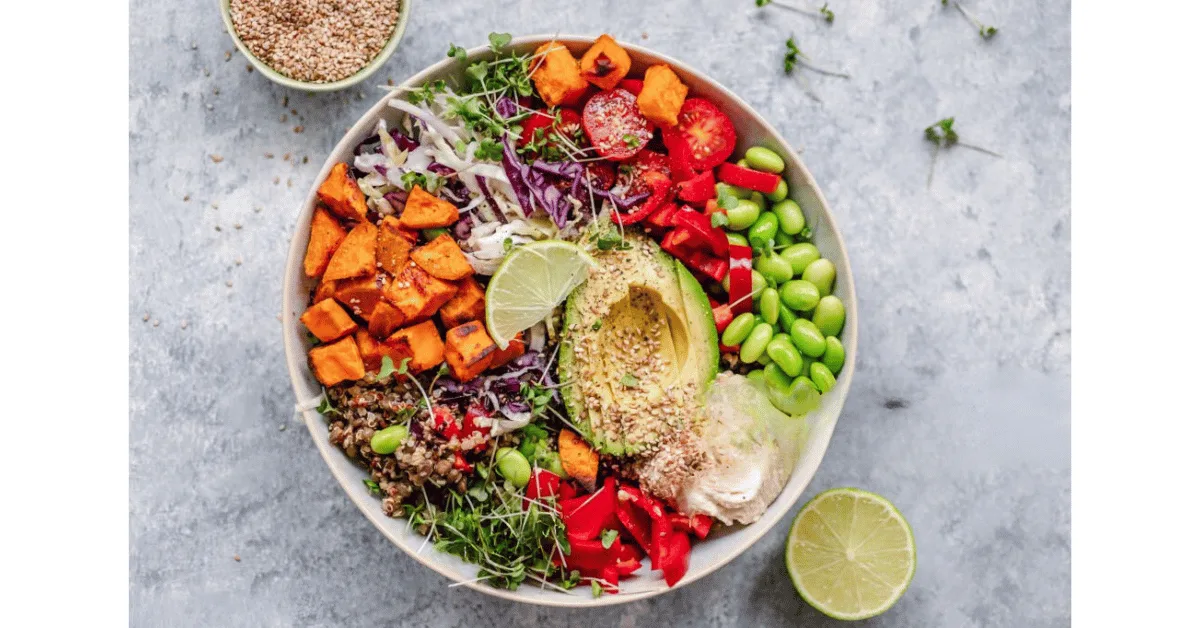
Your creativity is limitless, from hearty grain bowls packed with colourful vegetables to savoury stir-fries bursting with aromatic spices. There are endless possibilities for creating flavourful and wholesome plant-based dinners.
These vegan dinner ideas satisfy your taste buds and provide essential nutrients for a balanced diet.
Plant-based meals often feature nutrient-dense ingredients such as legumes, whole grains, fruits, and vegetables rich in vitamins, minerals, and fibre.
Here are your quick and easy options for your whole food plant-based dinner delicacies that will not disappoint.
Finding satisfying and nutritious snacks can be challenging in today’s fast-paced world.
That’s why plant-based snack recipes have gained popularity as a convenient and healthy option for any cravings.
The abovementioned easy whole-food snacks provide a punch when it comes to nutrition.
But wait.
How do you cook and prepare these fantastic, best whole-food plant-based recipes?
The Best Cooking Tips and Tricks for Creating Plant-Based Meals
Cooking with whole foods can be a delightful experience.
However, having the proper knowledge and techniques to ensure your meals are flavourful and packed with essential nutrients is essential.
It doesn’t matter whether you’re a seasoned chef or a newbie in this lifestyle; these tips will guide you towards creating satisfying and nourishing dishes.
Whole Food Plant-Based Preparation
Firstly, let’s talk about meal preparation.
Planning is vital when it comes to easy plant-based meal prep. Take some time each week to plan your meals.
Planning will save you time during busy weekdays and ensure a well-balanced diet. Consider batch-cooking staple ingredients such as grains, legumes, and roasted vegetables. You can easily incorporate these staple recipes into various recipes.
Tips for Cooking Whole Food Plant-Based Ingredients
When it comes to cooking with whole foods, freshness is paramount.
Opt for locally sourced produce whenever possible, as they are more flavourful and nutrient-dense. Experiment with different fruits, vegetables, grains, and legumes to add variety to your meals while ensuring a wide range of nutrients.
Also, don’t shy away from herbs and spices!
They can change a simple dish into something extraordinary by adding depth of flavour without relying on excessive salt or oil.
Get creative with combinations like turmeric and cumin for an earthy twist. Try basil and lemon zest for a refreshing burst of citrus.
Lastly, let’s remember nutrition tips for a plant-based diet.
While whole foods are inherently nutritious, paying attention to specific nutrients that may require special attention, such as vitamin B12, iron, calcium, omega-3 fatty acids, and protein, is essential.
Incorporating fortified plant-based milk, leafy greens, seeds, nuts, and legumes into your meals can help meet your nutritional needs.
Follow these cooking tips and tricks for creating amazing whole-food, plant-based meals at home.
Remember, you’ll be nourishing your body and delighting your taste buds.
So, roll up your sleeves, grab those fresh ingredients, and prepare to cook your way to healthy and delicious meals!
Conclusion
Did I miss Anything?
Are there any recipes in these amazing, best whole food plant-based recipes that are a MUST DO for you?
Or I should have mentioned one of your favourite dishes.
Either way, let me know by leaving a comment below right now.
Introduction This is your guide to the amazing power of food influencers on whole food plant-based. Have you noticed the worldwide rise in the popularity of the Whole Food Plant-Based (WFPB) lifestyle? What about within South Africa? The contributing factor to the growing popularity of …