
The African Gut Health Diet: How Traditional African Foods Heal Your Microbiome Naturally
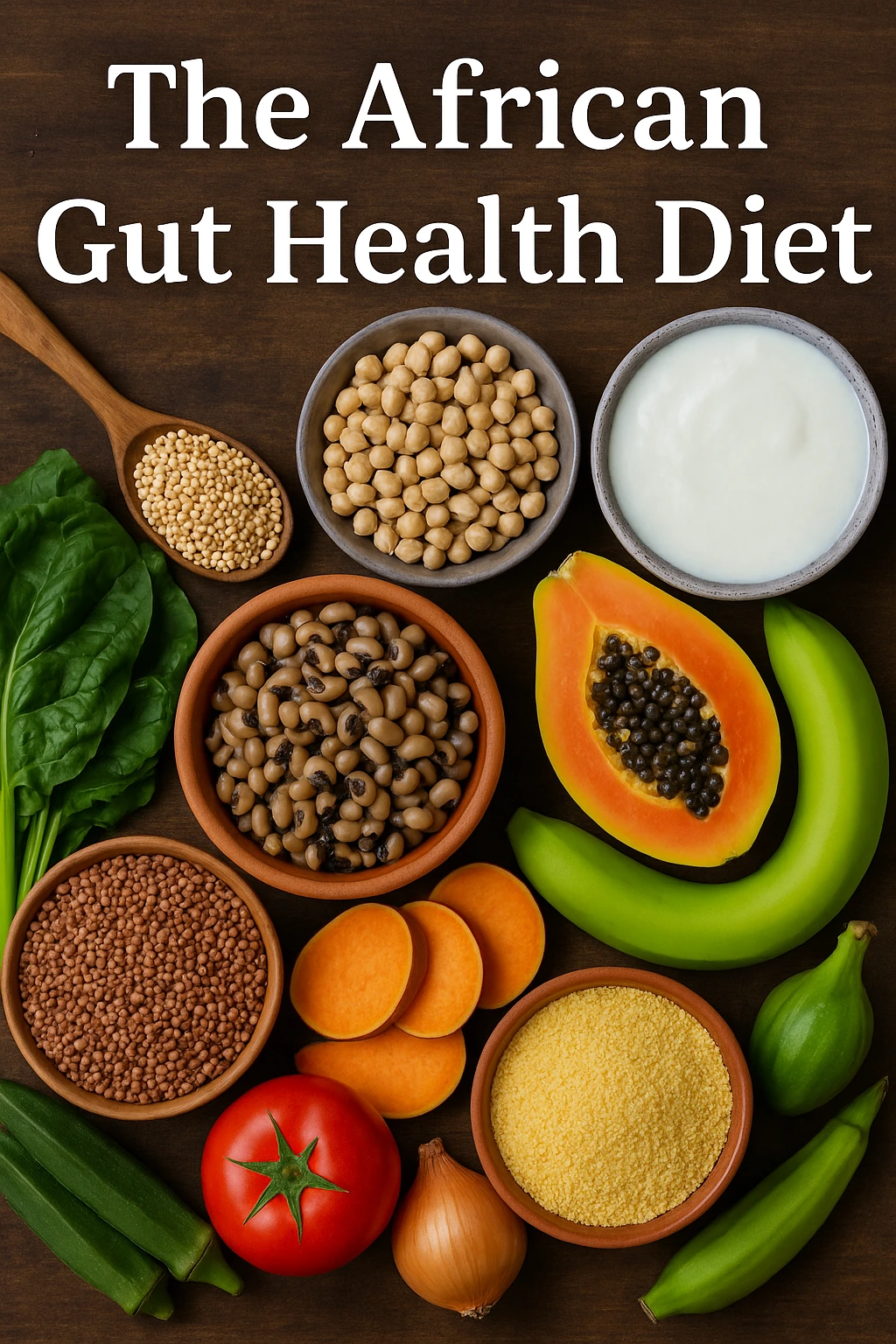
The African Gut Health Diet: Why Gut Health Matters in Africa Today
This is your guide to the African Gut Health Diet.
Over the last few decades, many African countries have seen a sharp rise in lifestyle-related conditions like obesity, type 2 diabetes, high blood pressure and autoimmune issues.
At the same time, our plates have slowly shifted away from the traditional African foods our grandparents lived on.
Instead of whole grains, beans and leafy greens, we’re often eating more ultra-processed foods, refined starches, sugary drinks and fast food.
One powerful but often overlooked link in this story is the gut.
Your gut is home to trillions of microorganisms – bacteria, yeasts and other microbes – that together make up your gut microbiome.
These tiny residents help digest food, produce vitamins, regulate immunity, and even influence your mood.
The African Gut Health Diet is really about returning to the foods that naturally nourish this inner ecosystem: our heritage grains, legumes, leafy greens, roots, fruits and fermented foods.
In this article, I’ll walk you through what the African Gut Health Diet looks like in everyday life:
- Why it works, which traditional foods support a healthy microbiome,
- and how you can start building gut-friendly African meals for yourself and your family.
What Is the African Gut Health Diet? Definition, Principles & Benefits
Defining the African Gut Health Diet
When I talk about the African Gut Health Diet, I’m not referring to a strict, branded plan.
Instead, it’s a pattern of eating built around traditional African staples that are:
- High in fibre from whole grains, beans, lentils and vegetables.
- Rich in natural prebiotics that feed beneficial gut bacteria.
- Supported by traditional fermented foods that act as probiotics.
- Low in ultra-processed foods, refined sugar and highly refined oils.
Think of it as a modern, science-backed way of eating that honours African heritage and uses local foods to build a stronger, more resilient gut.
Key Principles of an African Gut Health Diet
Some core principles of this way of eating include:
- Whole, minimally processed staples: sorghum, millet, maize, brown rice, beans, lentils, cowpeas, black-eyed peas and chickpeas.
- Plenty of vegetables and leafy greens: morogo/imifino, sukuma wiki, pumpkin leaves, okra, cabbage, carrots, beets and onion family vegetables.
- Regular fermented foods: amasi/maas, amahewu/mahewu, ogi, and other traditional grain-based fermented drinks and porridges.
- Healthy fats in small amounts: avocado, nuts, seeds, groundnuts and cold-pressed oils instead of deep-fried fast foods.
- Limited ultra-processed products: fewer sugary drinks, chips, sweets, processed meats and instant noodles.
When you follow these principles consistently, you create the perfect environment for beneficial gut microbes to thrive, while harmful bacteria and chronic inflammation slowly lose their grip.
African Gut Health Diet vs Westernised Diet in African Cities
In many African cities, it’s now common to see Western-style fast food outlets on every corner.
Traditional meals like samp and beans, millet porridge, lentil stews and morogo are sometimes seen as “poor people’s food” or “old-fashioned”.
Yet, from a gut health perspective, those heritage dishes are pure gold.
A Westernised pattern is often:
- Low in fibre.
- High in sugar, salt and refined fats.
- Loaded with additives and preservatives.
This combination feeds the wrong kind of gut microbes, increases inflammation and is strongly linked with chronic disease risk.
The African Gut Health Diet does the opposite by bringing back whole, fibre-rich, plant-forward meals that our microbiome understands and loves.
The African Gut Microbiome: How Diet Shapes Gut Health
Gut Microbiome Basics – Fibre, Fermentation and Short-Chain Fatty Acids
Most of the fibre you eat doesn’t get digested in your small intestine.
Instead, it travels down to your large intestine, where your gut bacteria ferment it.
During this fermentation process, they produce short-chain fatty acids (SCFAs), including butyrate, acetate, and propionate.
SCFAs:
- Feed and protect the cells lining your colon.
- Help regulate inflammation in the body.
- Support blood sugar balance and appetite control.
- Communicate with your immune system and even your brain.
A high-fibre African diet encourages the growth of bacteria that produce these health-promoting SCFAs, while a low-fibre, high-sugar diet starves them out.
African Gut Microbiome vs Western Gut Microbiome
Studies comparing rural African communities with Western populations have shown striking differences in the gut microbiome.
People eating traditional, plant-rich diets usually have:
- Greater microbial diversity (more types of beneficial bacteria)
- More fibre-fermenting species that thrive on whole grains, beans and vegetables
- Microbial profiles associated with lower inflammation and better metabolic health
In contrast, a low-fibre, high-processed diet tends to reduce diversity and favour bacteria linked to inflammation and disease.
The message is clear: when we move away from our heritage foods, our gut microbes change too – and not for the better.
What African Gut Research Tells Us
Emerging African microbiome research is confirming what our elders always knew: traditional foods keep people strong.
High-fibre staples, fermented foods and a wide variety of vegetables create a robust gut ecosystem that helps protect against disease.
The exciting part is that when people switch back to a more traditional pattern, the gut microbiome can start improving in a matter of weeks.
You don’t need fancy imported products for this shift. You need to build your meals around the kinds of foods that have consistently grown in our soils.
Traditional African Foods That Power the African Gut Health Diet
High-Fibre African Heritage Grains
African heritage grains are some of the most gut-friendly foods on the planet.
They are naturally rich in fibre, minerals and plant compounds that support microbial diversity.
Key examples include:
- Sorghum: whole sorghum porridge, sorghum pap, or sorghum flatbreads provide slow-release energy and plenty of fibre.
- Millet: another gluten-free, fibre-rich grain used for porridges, breads and fermented drinks.
- Whole maize/mealies: when eaten as whole maize or coarse meal rather than refined white maize, it offers valuable fibre and nutrients.
- Brown rice and African rice varieties: less processed and more supportive of stable blood sugar and gut health.
Swapping refined starches for these whole grains is one of the simplest ways to start following an African Gut Health Diet.
Cassava, Yams, Plantains and Other Resistant Starch Staples
Roots and starchy staples like cassava, yams, sweet potatoes and plantains can be powerful allies for your microbiome, especially when cooked and cooled.
Cooling allows some of the starch to turn into resistant starch, a type of carbohydrate that “resists” digestion and becomes fuel for gut bacteria.
You might enjoy:
- Boiled and cooled cassava served with beans and greens.
- Green plantains are boiled or steamed, then used in stews or salads.
- Yams or sweet potato pieces are cooked in vegetable-rich soups and curries.
These foods can keep you full, support balanced blood sugar and feed beneficial microbes at the same time.
African Leafy Greens, Vegetables and Fruits for a Diverse Microbiome
The African Gut Health Diet celebrates the incredible diversity of vegetables and fruits available across the continent:
- Leafy greens: morogo/imifino, sukuma wiki, pumpkin leaves, cowpea leaves, spider plant, and other wild or cultivated greens.
- Vegetables: okra, pumpkin, carrots, beetroot, cabbage, onions, garlic, tomatoes, peppers and more.
- Fruits: bananas, pawpaw/papaya, mangoes, citrus fruits, guavas, berries (where available) and local seasonal fruits.
Different colours and plant families bring various types of fibre and polyphenols, which feed different groups of gut bacteria.
The more variety you eat, the more diverse and resilient your microbiome becomes.
Fermented African Foods and Probiotics for Gut Health
Amasi, Maas and Fermented Dairy in African Gut Health
Fermented dairy products like amasi/maas (in Southern Africa) have traditionally been a staple in many households.
They are created by allowing raw or pasteurised milk to ferment naturally with lactic acid bacteria.
These live cultures act as probiotics, helping:
- Support a healthy balance of gut bacteria.
- It improves lactose digestion for some people.
- Modulate the immune system and reduce inflammation.
If you tolerate dairy, a small serving of amasi alongside a high-fibre, plant-rich meal can be a powerful gut-friendly combination.
And if you’re vegan, you can look for or make plant-based fermented options, like homemade yoghurt made with soy, oats, or coconut milk, with added cultures.
Amahewu, Ogi and Other Fermented Grain Drinks
Across Africa, people have long used fermentation to transform grains into nourishing, tangy drinks and porridges such as amahewu/mahewu (fermented maize/sorghum drink) and ogi (fermented cereal pudding typical in West Africa).
These traditional drinks:
- Introduce beneficial microbes into the gut.
- Improve the digestibility of grains.
- May increase the availability of specific vitamins and minerals.
- Offer a refreshing, low-cost alternative to sugary soft drinks.
Enjoying a small glass of amahewu as a snack, or having ogi for breakfast with fruit, are gentle ways to boost your microbial diversity.
Fermented Vegetables, Condiments and Regional Specialities
In addition to dairy and grain-based ferments, many cultures have their own fermented vegetables and condiments.
These might include pickled vegetables, fermented cassava or plantain products, and locally developed sauces or side dishes.
Each one brings its own mix of microbes to the table.
From a gut health perspective, the exact recipe is less important than the pattern: regularly including small amounts of naturally fermented foods helps keep the microbial community active and dynamic.
How Often Should You Eat Fermented Foods?
You don’t have to eat fermented foods at every meal to benefit.
For most people, including them a few times per week is a great start.
If you’re new to fermented foods, begin with small portions and build up slowly so your digestion can adjust.
Remember that fermented foods work best alongside a high-fibre, plant-forward diet.
They are not a magic fix, but a powerful partner to your daily staples.
Gut Health Challenges in Modern African Lifestyles and How the Diet Helps
Urbanisation, Fast Foods and Ultra-Processed Diets
Rapid urbanisation has changed the way many Africans live and eat.
Busy schedules, long commutes and tight budgets push people towards cheap, convenient food: deep-fried takeaways, sugary drinks, white bread, processed meats and instant noodles.
These foods are often low in fibre and nutrients but high in salt, sugar and unhealthy fats.
Over time, this pattern can:
- Starve beneficial gut bacteria of fibre.
- Encourage overgrowth of harmful species.
- Increase gut permeability (“leaky gut”).
- Fuel chronic inflammation throughout the body.
Antibiotics, Stress and Sedentary Habits
Beyond diet, modern life brings other gut disruptors.
Frequent courses of antibiotics, high stress levels, poor sleep and sedentary habits can all shift the microbiome in unhelpful directions.
While we can’t control everything, we can take back control of our plates.
Why Returning to the African Gut Health Diet Is Protective
When you rebuild your meals around whole, plant-rich, heritage foods and incorporate fermented dishes regularly, you give your gut microbiome a chance to recover.
Over time, many people notice:
- Better digestion and more regular bowel movements.
- Improved energy and more stable moods.
- Fewer cravings for ultra-processed foods.
- Possible improvements in markers like weight, blood sugar and cholesterol (especially alongside movement and lifestyle changes).
The African Gut Health Diet is not restrictive or fancy.
It’s simply a conscious return to the roots of African eating – with the benefit of modern nutritional science to back it up.
How to Build a Daily African Gut Health Diet Plate
African Gut Health Breakfast Ideas
A gut-friendly African breakfast doesn’t need to be complicated.
Some simple options include:
- Thick sorghum or millet porridge topped with banana slices, ground flaxseed and a sprinkle of nuts or seeds.
- Whole-grain brown bread with mashed avocado and a side of fresh fruit.
- Ogi or another fermented grain porridge served with fruit and a small portion of amasi (if you include dairy).
Aim for:
- At least one whole grain.
- One or two fruits.
- Some healthy fat (nuts, seeds, avocado) to keep you full.
African Gut Health Lunch and Dinner Ideas
For lunch and dinner, focus on hearty, fibre-packed meals.
For example:
- Samp and beans with tomato, onion and spinach or morogo.
- Lentil or chickpea stew served over brown rice, sorghum, millet or whole maize pap.
- Vegetable-rich curries and stews packed with pumpkin, okra, carrots, cabbage and leafy greens.
- Grain bowls combining whole grains, beans or lentils, roasted vegetables, and a fermented side.
Snacks, Drinks and Condiments for Gut Health
Snacks are another opportunity to feed your microbiome:
- Fresh seasonal fruit.
- Handful of nuts or roasted chickpeas.
- A glass of amahewu instead of a sugary cool drink.
- Herbal teas like rooibos, ginger or peppermint rather than energy drinks.
When possible, flavour your meals with onions, garlic, ginger, herbs and spices.
Many of these have gentle prebiotic or anti-inflammatory effects.
Portion Balance on an African Gut Health Diet
A simple way to structure your plate is:
- Half the plate: vegetables and leafy greens
- Quarter of the plate: whole grains
- Quarter of the plate: beans, lentils or other plant proteins (or modest portions of animal protein, if you choose)
- An optional small side of fermented food
This balance naturally boosts fibre and keeps meals satisfying without overloading your system.
Health Benefits of the African Gut Health Diet: Immunity, Weight and Mood
African Gut Health Diet and Immune System Support
Around 70% of your immune system sits in and around your gut.
When your microbiome is well-fed and balanced, it helps your immune cells identify real threats and stay calm the rest of the time. SCFAs produced by fibre-fermenting bacteria can reduce chronic, low-grade inflammation – a key driver of many lifestyle diseases.
African Gut Health Diet and Weight Management
Because the African Gut Health Diet is naturally high in fibre and low in ultra-processed foods, it tends to be satisfying without being calorie-dense.
High-fibre foods slow digestion, stabilise blood sugar and help you feel full for longer.
Over time, this can support healthy weight management, especially when combined with regular movement.
Gut–Brain Axis: African Gut Health Diet and Mental Wellbeing
Your gut and brain are constantly communicating through nerves, hormones and immune signals.
A balanced microbiome can help produce mood-supporting compounds and regulate stress responses.
While food is not a replacement for professional mental health care, many people report that eating more whole, traditional foods and fewer ultra-processed products helps them feel calmer, more energetic and more balanced.
How to Start the African Gut Health Diet Step by Step
Simple Swaps for an African Gut Health Diet
You don’t need to overhaul everything at once.
Start with a few simple swaps:
- White bread → brown or whole-grain bread
- Refined maize porridge → coarse maize, sorghum or millet porridge
- Sugary breakfast cereals → traditional porridges with fruit and seeds
- Sugary soft drinks → water, rooibos tea or small amounts of fermented grain drinks
Gradually Increasing Fibre and Fermented Foods
If your current diet is low in fibre, increase it slowly to avoid excessive gas and discomfort.
Add one extra serving of vegetables or beans at a time, and drink enough water to help fibre move through your system.
Introduce fermented foods gradually and pay attention to how your body responds.
Budget-Friendly Tips for Families
The African Gut Health Diet does not require expensive health products.
In fact, some of the most potent gut health foods are also the most affordable:
- Dried beans, lentils, cowpeas and split peas.
- Bulk bags of maize meal, sorghum, millet and brown rice.
- Seasonal vegetables and fruits from local markets.
- Homemade fermented drinks and porridges.
Cooking in bulk, freezing leftovers and planning simple, repeatable meals can help you feed the whole family well without breaking the budget.
7-Day African Gut Health Diet Sample Menu (Overview)
Example Week of Gut-Friendly African Meals
Here’s a simple example of how an African Gut Health Diet might look over a week:
- Breakfasts: sorghum or millet porridge with fruit; ogi with seeds and nuts; whole-grain toast with avocado and tomato.
- Lunches: bean and vegetable stews; lentil curries; grain bowls with brown rice, chickpeas and roasted vegetables.
- Dinners: samp and beans with leafy greens; sweet potato and pumpkin stews; okra and tomato dishes served with whole grains.
- Snacks: fresh fruit, nuts, roasted chickpeas, amasi or amahewu, herbal teas.
You can mix and match these ideas based on your culture, budget and taste.
The key is to keep fibre high, variety wide and ultra-processed foods low.
African Gut Health Diet FAQs: Your Top Questions Answered
What is the best African gut health diet plan for beginners?
Start simple: fill half your plate with vegetables, add a quarter plate of whole grains and a quarter plate of beans or lentils. Include fermented foods a few times a week, drink more water, and cut back on sugary drinks and processed snacks. You don’t need perfection – just consistent, small steps.
Which African foods are best for gut health and digestion?
Some of the best choices include sorghum, millet, whole maize, brown rice, beans, lentils, cowpeas, morogo, sukuma wiki, pumpkin leaves, okra, onions, garlic, bananas, papaya, mangoes and naturally fermented foods like amasi and amahewu. The more variety you include, the better.
How long does it take for an African gut health diet to improve inflammation?
Everyone is different, but research suggests that positive changes in the microbiome and inflammatory markers can begin within a few weeks of shifting to a high-fibre, plant-rich diet. Long-term habits matter most, so think in months and years, not just days.
Can I follow the African gut health diet if I’m vegan or mostly plant-based?
Absolutely. In many ways, the African Gut Health Diet is naturally plant-centred. You can enjoy grains, legumes, vegetables, fruits, nuts, seeds and plant-based fermented foods. If you avoid dairy, you can use plant yoghurts and fermented vegetables instead of amasi.
Do I need probiotic supplements on an African gut health diet?
Most people can focus on food first: high-fibre staples plus fermented foods like amasi, amahewu and other traditional ferments. Probiotic supplements may be helpful in certain medical conditions or after repeated antibiotic use, but it’s best to discuss this with a qualified healthcare provider.
The African Gut Health Diet: Bringing Heritage Foods Back to Your Table
The African Gut Health Diet is not a fad.
It’s a science-backed way to return to whole, vibrant foods that have nourished African communities for generations.
By building your meals around local grains, beans, leafy greens, roots, fruits and fermented dishes, you can support a healthier microbiome, stronger immunity and more stable energy – all without giving up flavour or culture.
You don’t have to change everything overnight.
Start where you are, with the ingredients you already know, and let your gut slowly thank you.
If you have complex health issues or take chronic medication, work with a healthcare professional or dietitian who understands both gut health and African food traditions.
Together, you can craft an African Gut Health Diet that fits your body, your family and your lifestyle.