
Your 2026 Plant-Based Vision Board
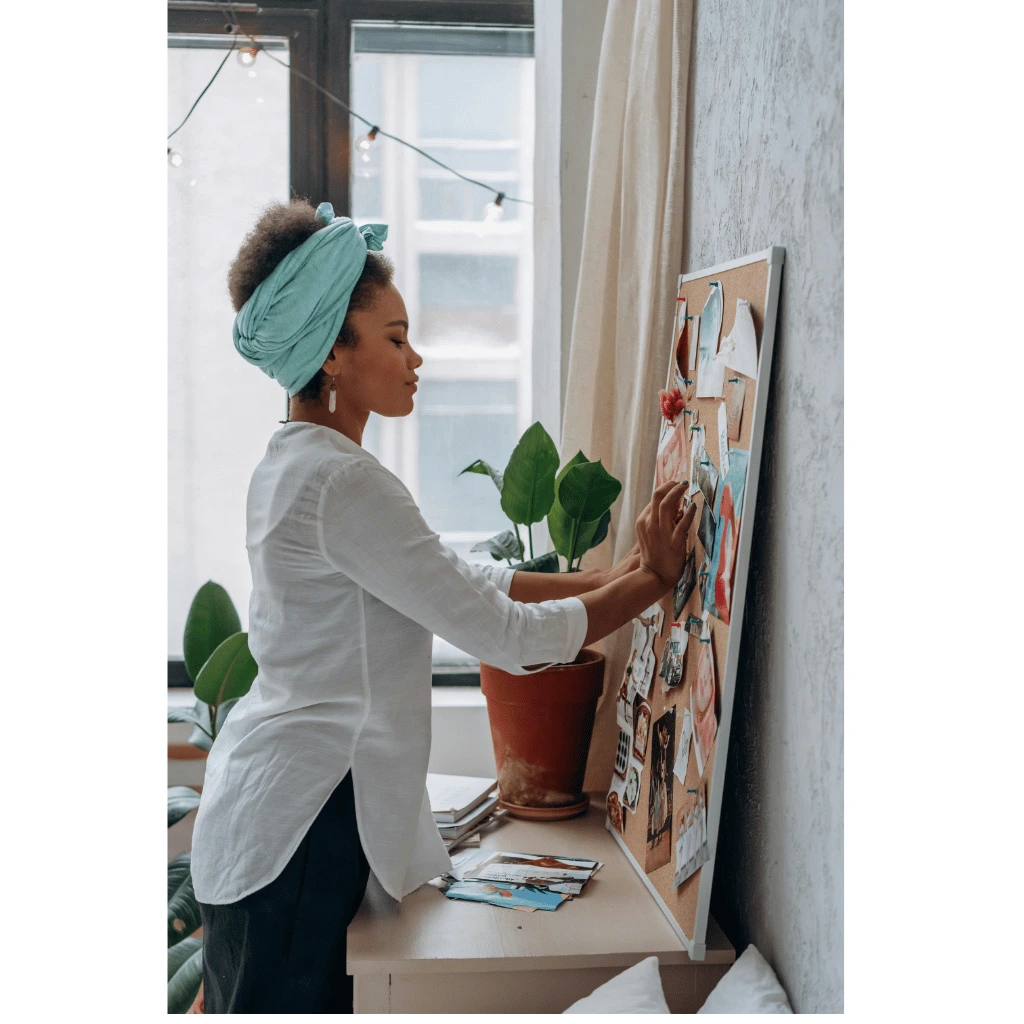
Your 2026 Plant-Based Vision Board: A Deep Dive into Intention + Action
Welcome — I’m so glad you’re here, ready to co-create your 2026 plant-based vision board.
In this post, we’ll guide you on creating a vision board.
It will focus on your health, ethics, environment, community, and well-being, including joy. (You’ll find external resources sprinkled throughout for extra depth.)
Let’s begin.
Why a Plant-Based Vision Board for 2026?
A vision board is not just a collage. It’s a tool that shows your intentions. It keeps your biggest goals in focus.
As Mandy Francisty writes, “the key to creating a vision board that sticks is to work with energy.” Vegan Action
When your goals align with your core values—such as compassion, environmental stewardship, and vibrant energy—your vision board transforms dreams into action.
Some specific benefits:
- Clarity & alignment: You’ll focus on what’s essential in 2026, grounding your plant-based goals in a clear vision.
- Daily reminder & motivation: Seeing your goals every day rewires your subconscious toward them.
- Emotional resonance: Surround your vision with positive images. This helps you stay consistent.
- Track progress and evolve: Your board isn’t set in stone. You will revisit, refresh, and adjust as your journey unfolds.
A vision board illustrates how your life unfolds as a cohesive narrative.
According to the Plant Futures Initiative, it encompasses health, creativity, relationships, and purpose. Plant Futures Initiative
Practical guides, such as those from The Chic Life, demonstrate how to turn visuals into actionable steps for achieving your goals. The Chic Life
So let’s dive in — here’s how to co-create a compelling, plant-based vision board for 2026.
Step 1: Centre Your Values & Themes for 2026
Before you grab scissors and glue, pause.
Reflect deeply on what this year means to you.
Use prompts like:
- Why do I live a plant-based (for health, compassion, environment, all of the above)?
- What do I want more of in 2026 (energy, community, abundance, ease)?
- What parts of my life will connect with my plant-based journey? Think about career, travel, activism, and family.
- What feelings do I want to cultivate (vibrancy, peace, rootedness, trust, expansiveness)?
Once you’ve journaled or meditated on these, distil 3–5 core themes that will anchor your vision board.
Examples could be:
- Vibrant health & longevity.
- Regenerative ecology & planetary care.
- Justice & compassion in food systems.
- Creative expression & pleasure.
- Connection & community nourishment.
When choosing images or affirmations, ask yourself:
“Does this image support Vibrant Health?”
” And does it reflect Regenerative Ecology?”
Step 2: Decide the Format + Medium
You have choices — physical board, digital board, or hybrid.
Each has pros and cons.
Physical (poster, corkboard, foam core, framed board):
- Tangibility, or tactile experience, is something you see in your space daily.
- Use magazines, prints, handmade art, stickers, and textures.
- Easier to rearrange physically, add 3D elements or keepakes.
Digital (Canva, Pinterest board, desktop wallpaper, digital collage):
- Easy to update, reorder, and change seasons.
- Accessible on phone/computer.
- Can print sections later if desired.
Hybrid:
- Use a physical board with a digital “mirror” (e.g. a phone wallpaper that echoes certain parts)
- Or a physical board plus a digital backup to iterate
If physical, place it in a high-visibility location (bedroom wall, office, kitchen). If digital, set it as your screensaver or desktop. The more you see it, the more it works.
Step 3: Curate Your Visual & Textual Elements
A. Images & Graphics
Go forth and gather images that feel aligned with your 2026 plant-based vision. Sources:
- Magazines, catalogues, seed catalogues, and ethical brands
- Pinterest, Unsplash, and Pexels are great resources. Search for terms like “plant-based lifestyle aesthetic,” “regenerative farming,” or “vegan cooking joy.”
- Digital printouts or images you create.
- Personal photos (your garden, friends, past travel, favourite meals)
Let the visual speak.
If some images make you happy, even if they seem random, include them. You’ll understand their meaning later.
B. Words, Quotes & Affirmations
Words anchor the emotional tone.
A few ideas:
- “Nourish with purpose.”
- “Grow forward, gently.”
- “I radiate vitality.”
- “Love all beings, heal the Earth.”
- Scripture, poems, or personal mottos.
- Metrics or milestones (e.g. “Plant-based cooking: 5 new recipes/month”).
You might print elegant quotes or handwrite powerful ones.
C. Symbolic + Textural Elements
- Dried leaves/herbs, seed packets.
- Fabric scraps, pressed flowers.
- Stickers, washi tape, watercolour accents.
- A small envelope to hold “surprises” or mini-goals.
These make your board multi-sensory.
D. Layout & Composition
- Start by placing your “anchor” (central image, theme word, photo of yourself).
- Then radiate outward with clusters for each theme.
- Leave breathing space — boards don’t need to be jammed.
- Reorder as you go until it intuitively “feels” right.
In vision board practice, it’s often recommended to “feel” your layout before adhering it permanently (using glue, pins, etc.). This ensures alignment. Vegan Action
Also, if you change goals midyear, it’s okay to refresh, rearrange, or even create a new “mini board.” Plant Futures Initiative
Step 4: Anchor in 2026 Goals + Milestones — Make It Specific
Your vision board is not a vague dream — it should whisper to you how you’ll do the work.
For each theme, pick 1–3 SMART goals (Specific, Measurable, Achievable, Relevant, Timebound).
Here’s how to translate:
| Theme | Possible Goals / Milestones |
|---|---|
| Vibrant Health | Host quarterly plant-based cooking classes; support or donate to a food justice NGO; write one essay/article exploring food equity. |
| Regenerative Ecology | Convert 50% of the yard to a food forest; compost all kitchen waste; volunteer in a local permaculture project. |
| Food Justice & Compassion | Host quarterly plant-based cooking classes; support or donate to a food justice NGO; write one essay/article exploring food equity |
| Creative & Pleasure | Start a local potluck “plant swap,” or community garden; meet one new plant-based friend quarterly; organise monthly zoom check-ins with accountability friends. |
| Connection & Community | Start a local potluck “plant swap,” or community garden; meet one new plant-based friend quarterly; organise monthly zoom check-ins with accountability friends. |
After choosing, add visual cues to help you achieve your goals.
For instance, use a small calendar icon next to the “5+ servings daily” affirmation. You could also add an image of a compost bin for ecological goals.
These cues become mental triggers.
Step 5: Commit to Ritual & Daily Engagement
A vision board is powerful only when it’s in motion.
- Morning or evening ritual: Take 1–3 minutes to look at the board. Close your eyes and picture your life in 2026. Feel the emotions.
- Mini visual meditations: Take a moment with your board at midday. Breathe deeply and focus on your intention.
- Regular check-ins: Once a month, journal about what’s shifted. Which goals are advancing? Adjust or refresh pieces.
- Take action aligned: When presented with choices (what to eat, where to volunteer, what to learn), ask: “Is this supporting my board?”
Vegan.org states that when you fill your board with love and energy, it can attract your desires. Looking at it every day helps too. Vegan Action
Step 6: Share, Display & Evolve
- Please share a photo of your board, or parts of it, with your accountability friends or in a plant-based group. That external witness helps anchor commitment.
- If digital, occasionally rotate or refresh parts of it.
- Use it as a guide for decisions. Before starting new projects in 2026, check them with your board. Do they align?
- At midyear or year-end, reflect: what worked, what surprised you, what you’ll remix for 2027.
Sample Vision “Stories” to Inspire You
Below are curated mini examples you might echo or remix for your own board:
- A lush forest photo representing regenerative ecology, paired with “Plant one native tree every month”
- A colourful bowl of greens, grains, and legumes — captioned “Eat with joy, thrive with purpose.”
- A small seed packet from a rare native plant you hope to trial.
- A handwritten affirmation: “My body glows in gratitude for 2026.”
- A depiction of community: friends cooking, hosting potlucks, and sharing gardens.
- A fun symbol, such as a paint smear, a brush, or a leaf collage, shows your desire to express yourself playfully.
They aren’t just decorations. They invite energy that your mind and soul respond to.
Tips & Wisdom from Vision Board Practitioners
- Use energy, not just images. Fill your board with intention, as vision board guides suggest. Vegan Action+2Alanna Foxx+2
- Feel your board before permanently affixing pieces; you might sense rearrangements.
- Don’t overcomplicate — sometimes simple, spacious boards work best. Keeping it creative
- Revisit and revise: your dreams might evolve midyear, and that’s okay. Plant Futures Initiative
- Use your board as a planning anchor. After you clarify your vision, divide it into quarterly projects and monthly tasks.
Example Walkthrough: “From Vision to Action”
Let’s imagine you’ve selected “Vibrant Health” and “Community Connection” as two core themes.
- A glowing smoothie bowl shines in the image. It comes with the affirmation: “I fuel life with every meal.”
- Beside it, you place a photo of your circle of friends laughing around a shared table.
- And an image of your local community garden.
- You add a note: “Monthly plant-based cookbook club with neighbours”
- You also add a small weekly calendar graphic to remind you to plan meals each Sunday.
Each Sunday evening, check the board. Plan five plant-based meals.
Think of a recipe to share at your cookbook club. Also, schedule your garden tasks. Over time, as you act in alignment, the board becomes a living companion, not just a decoration.
Conclusion: Embodying Your 2026 Plant-Based Vision
This vision board process is not about pressure.
It’s a special invitation to remember your true self. Reconnect with your core values. Shift your life toward growth, joy, and integrity.
As you build your board, stay soft with yourself. Let your vision endure, but your strategy be flexible. Let your board evolve alongside you. Cultivate momentum, one small aligned choice at a time.
You already have what you need inside you. This tool helps you embrace your brilliance, see clearly, and live with purpose.
I look forward to seeing what your 2026 plant-based life unfolds into. If you want a downloadable template, a follow-up worksheet, or to share ideas, I’d be honoured to help you further.
External Resources for Inspiration & Practice
- “Create a Vision Board to Rock Your Plant-Based Goals” — a practical plant-based vision board guide, Plant-Based Cooking.
- “Making a Vision Board That Works” by Vegan.org — energetic steps and aligning practices, Vegan Action
- The Chic Life’s “How to Create a Health Vision Board” — connecting your health goals to a visual strategy. The Chic Life
- “Building Balance: How to Create a Vision Board That Works for You” — for integrating life domains holistically, Plant Futures Initiative
- “How to Make a Vision Board That Actually Works” — tips, templates, examples for lasting boards Alanna Foxx