
10 Amazing Amadumbe Benefits
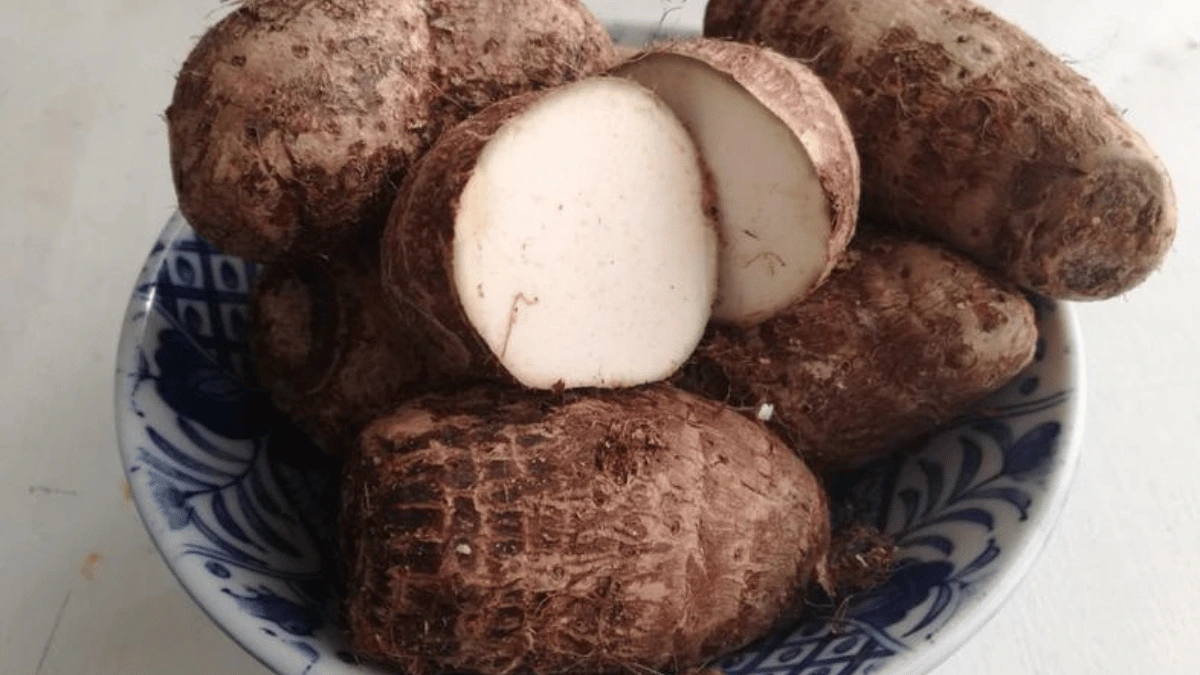
Here’s your guide to 10 amazing amadumbe benefits and why you should eat this superfood.
Have you ever seen a vegetable that looks like a potato but tastes like magic?
If you live in South Africa, you know the amadumbe.
Many people call it the “African Potato.” Others know it as madumbi or taro root.
No matter what you call it, this root vegetable is a powerhouse.
It is not just a tasty side dish. It is a superfood that can change your health.
In this article, we will explore the top benefits of amadumbe. We will also see why this ancient crop is making a big comeback in modern kitchens.
Affordable plant-based eating in Africa focuses on healthy meals. It uses local foods, like amadumbe.
What is Amadumbe?
Before we dive into the perks, let’s talk about what it is.
Amadumbe (scientific name Colocasia esculenta) is a starchy tuber. It grows mostly in the wet, subtropical areas of KwaZulu-Natal.
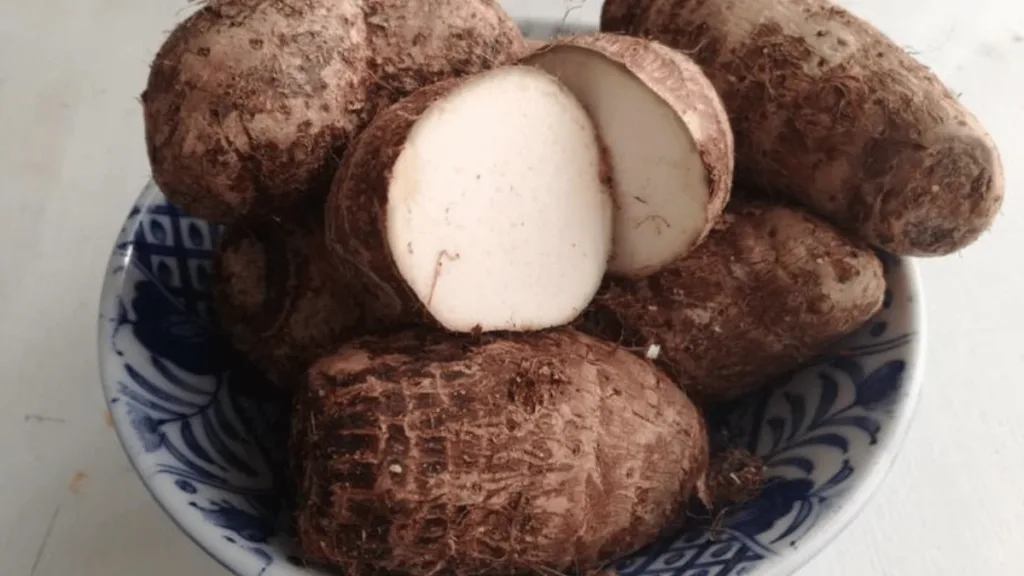
It has a rough, brown skin and a white or purple-flecked inside. When you cook it, the texture becomes earthy and velvety. It is much creamier than a regular potato!
They are the best plant-based pantry staples.
1. A Massive Boost for Your Digestion
One of the best amadumbe benefits is how it treats your tummy.
Dietary fibre packs this root. In fact, one serving can provide a large portion of your daily fibre.
Fibre acts like a broom for your insides. It keeps things moving and prevents constipation. If you often feel bloated or heavy, swapping white rice for amadumbe might be the answer.
2. Great for Blood Sugar Control
Even though it is a starch, amadumbe is a friend to people with diabetes. It contains something called resistant starch.
Standard starches turn into sugar quickly. Resistant starch does not. It slows down digestion. This means your blood sugar doesn’t spike and crash. Instead, you get a steady stream of energy.
3. Heart Health Hero
Your heart works hard every second. Amadumbe helps it out!
It is rich in potassium. Potassium is a mineral that helps relax your blood vessels.
When your vessels relax, your blood pressure stays at a healthy level. Less pressure means less strain on your heart. Eating amadumbe is a delicious way to keep your “ticker” in top shape.
4. Better Vision and Eye Care
We often hear that carrots are good for the eyes. Well, amadumbe is too! It contains Beta-carotene and Vitamin A.
These antioxidants protect your eyes from damage. They help you see better in low light. They also lower the risk of eye problems as you get older.
5. Radiant Skin Secrets
Who doesn’t want glowing skin? Amadumbe is full of Vitamin E and Vitamin A. These are the “beauty vitamins.”
- Vitamin E protects your skin from the sun.
- Vitamin A helps skin cells heal and regrow.
- The antioxidants help fight wrinkles and keep your skin looking young.
6. Stronger Immune System
If you keep getting colds, you need more Vitamin C. Amadumbe is a great source!
Your body produces white blood cells with the aid of vitamin C. These cells are your body’s “soldiers.” They fight off germs and viruses. Adding this root to your winter stews is a great way to stay healthy.
7. Weight Loss Support
Can a starchy vegetable help you lose weight? Yes! Because amadumbe is so high in fibre, it makes you feel full very quickly.
When you feel full, you are less likely to snack on junk food later. It provides “complex carbohydrates.” These keep you satisfied for hours. It’s a great tool for weight management.
8. Natural Energy Source
Athletes and active kids need good fuel. Amadumbe provides long-lasting energy. Unlike sugary snacks that give you a “sugar rush,” the energy from amadumbe lasts all afternoon. It is perfect for a pre-workout meal or a school lunch.
9. Muscle and Nerve Function
Amadumbe contains magnesium. This mineral is vital for your muscles to relax. If you get leg cramps at night, you might be low on magnesium.
Magnesium also helps your nervous system stay calm. It can help you feel less stressed and sleep better at night.
10. It Is Gluten-Free and Natural
Many people today struggle with gluten. Amadumbe is naturally gluten-free. It is a safe and healthy starch for people with Celiac disease or gluten sensitivity.
Plus, it is often grown traditionally without harsh chemicals. It is as close to nature as you can get!
Nutritional Breakdown of Amadumbe
To give you an idea of why it’s a superfood, look at what’s inside.
In a 100g serving of cooked amadumbe, you typically find:
| Nutrient | Benefit |
| Fibre | Helps digestion and weight loss |
| Potassium | Lowers blood pressure |
| Vitamin C | Boosts immunity |
| Vitamin E | Improves skin health |
| Magnesium | Supports muscles and nerves |
How to Cook Amadumbe Safely
You should never eat amadumbe raw. It contains calcium oxalate, which can make your throat itchy or sore. Cooking it removes this completely.
Here are three easy ways to enjoy the amadumbe benefits:
- Boiled and Mashed: Peel them, boil until soft, and mash with a little butter and salt.
- Roasted Wedges: Cut them into chips, drizzle with olive oil, and bake until crispy.
- Traditional Stew: Add them to a beef or vegetable stew. They soak up the flavours perfectly!
Amadumbe vs Potatoes: Which is Better?
While potatoes are fine, amadumbe usually wins the health battle.
- More Fibre: Amadumbe has much more fibre than a white potato.
- Lower GI: It has a lower Glycemic Index, so it’s better for blood sugar.
- More Minerals: It usually has higher levels of potassium and magnesium.
Conclusion: Why You Need This Root
The amadumbe benefits are clear. It helps your heart, your skin, and your digestion. It is a traditional South African treasure that deserves a spot on your plate.
Next time you are at the grocery store or a local market, look for these brown, earthy tubers. They are affordable, filling, and incredibly good for you. Your body will thank you for it!
Learn more about amadumbe in our Staples-First Method book.
Frequently Asked Questions (FAQs)
Is amadumbe good for babies?
Yes! Mashed amadumbe is a common weaning food in South Africa. It’s easy on the stomach and packed with nutrients.
Can I eat amadumbe leaves?
Yes, the leaves are also edible and very healthy! However, you must cook them thoroughly, just as you do the root.
Where can I buy amadumbe?
You can find them in most big South African stores, like Woolworths, Checkers, or Spar. You can also find them at local fresh produce markets.