
The Gut-Brain Connection: How a Plant-Based Diet Impacts Mental Health
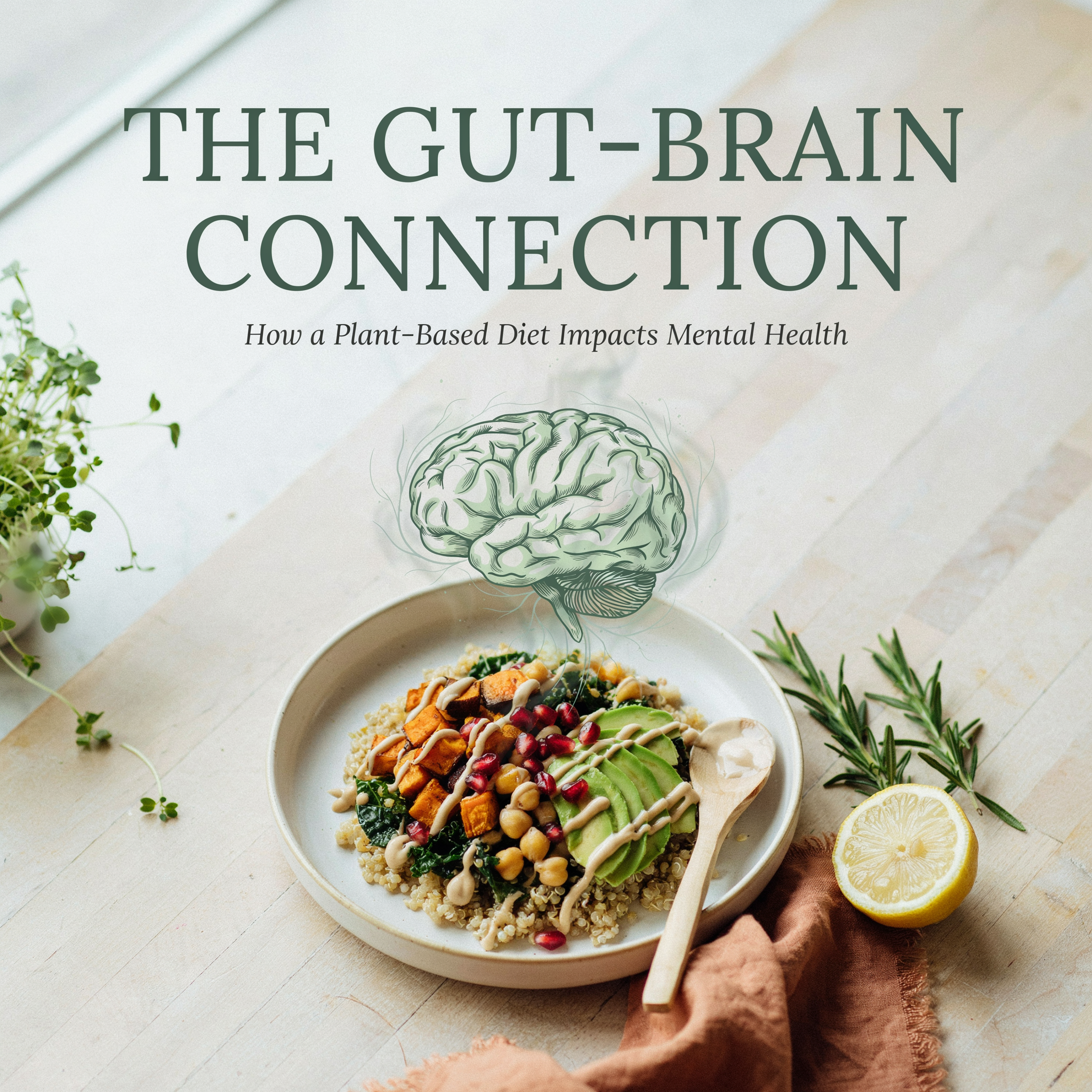
This is your guide to the gut-brain connection.
Introduction
Did you ever experience that nervous “butterflies in your stomach” feeling?
Or perhaps you experienced a “gut instinct” regarding a decision you needed to make?
It appears that those feelings are not merely a figment of your imagination. Your brain and stomach are constantly communicating with one another. For that reason, these things occur.
Scientists call this the gut-brain connection.
In the past, doctors mostly looked at mental health as something that happened only in the brain. But today, a new field called nutritional psychiatry is changing things.
This field looks at how the food we eat affects how we feel.
Many experts say a plant-based diet, rich in fruits, vegetables, beans, and grains, can boost your mood.
In this article, we will explore why your gut is like a “second brain.” We will also look at how eating plants can help lower stress and stabilise your mood.
Part 1: Your Gut is a “Second Brain”
To understand why food matters for your mood, you first need to know about the microbiome. Inside your digestive system, there are trillions of tiny living things called microbes. Most of these are “good” bacteria that help you stay healthy.
The Communication Line
Think of your gut and your brain like two friends talking on a telephone. This “telephone line” is called the vagus nerve. It sends signals back and forth all day long.
Because of this connection, if your gut is unhappy, it sends “unhappy” signals to your brain. This can make you feel anxious or sad.
However, if your gut is healthy and full of good bacteria, it sends “happy” signals.
The Happiness Chemical
Did you know that a chemical called serotonin helps control your mood, sleep, and appetite?
Most people think serotonin is made in the brain. Actually, about 95% of it is made in your gut!
A plant-based diet is high in fibre.
This fibre feeds the bacteria that create the “happiness chemical.” So, eating plants is a great way to boost your serotonin levels.
Part 2: Why Plants are “Brain Food”
A plant-based diet helps your mental health in several ways. It isn’t just about what you stop eating (like processed meat); it is about the fantastic things you add to your plate.
1. Lowering Inflammation
Inflammation is like a tiny fire inside your body. When you are stressed or eat too much junk food, this fire can spread to your brain.
This “brain fog” or “brain fire” can lead to feeling depressed.
Plants are packed with antioxidants. Think of antioxidants like a fire extinguisher. They go in and put out the inflammation. Colourful foods like blueberries, spinach, and red peppers are especially good at this.
2. Stable Energy (No More Crashing)
Have you ever eaten a sugary snack, felt a huge burst of energy, and then felt tired and grumpy an hour later? That is a “sugar crash.”
Eating plant-based foods, such as oatmeal, beans, and brown rice, helps your body digest them slowly.
This provides you with a continuous flow of energy. Because your blood sugar stays level, your mood stays level too. You won’t feel those “ups and downs” that make you feel irritable.
Part 3: Important Nutrients for Your Mind
If you want to use a plant-based diet to help your mental health, you need to make sure you are getting the right “fuel.” Here are the most essential nutrients found in plants:
| Nutrient | Where to find it | Why does it help your brain |
| Magnesium | Spinach, Almonds, Dark Chocolate | Why does it help your brain |
| Folate | Lentils, Asparagus, Leafy Greens | Helps the brain send messages clearly. |
| Omega-3s | Chia seeds, Walnuts, Flaxseeds | Protects your brain cells and lowers anxiety. |
| Why it help your brain | Beans, Berries, Whole Grains | Feeds the good bacteria in your gut. |
Part 4: Common Questions and Myths
Some people worry that they can’t get everything they need from plants. While a plant-based diet is very healthy, there are a few things to keep in mind.
What about Vitamin B12?
Your brain and nerves depend on vitamin B12. It is hard to find in plants. So, people on a plant-based diet often take a small vitamin pill or eat fortified foods, such as cereal. Keeping your B12 levels high is a must for staying focused and happy.
Will I get enough protein?
Yes! Tofu is a great source of protein, beans, nuts, and peas. Protein contains “amino acids.” One of these is called tryptophan. Your body uses tryptophan to create that serotonin we talked about earlier. Eating plant protein helps your brain stay balanced.
Part 5: How to Start Small
You don’t have to change everything overnight. In fact, it is better to start slow so your gut can get used to all the healthy fibre.
- The “Plus-One” Rule: Every time you have a meal, add one fruit or vegetable. If you are having pasta, add some broccoli. If you are having cereal, add some berries.
- Try Fermented Foods: Foods like sauerkraut or vegan yoghurt have “live” good bacteria. This is like sending a “rescue team” directly to your gut.
- Drink Plenty of Water: Fibre needs water to move through your body. Drinking water helps your digestion, which in turn helps your brain stay clear.
Conclusion
In summary, your mental health and diet are closely linked. By choosing a plant-based diet, you are doing more than just eating vegetables. You are feeding your “second brain,” lowering inflammation, and keeping your energy steady.
While food is not a “magic cure” for everything, it is a potent tool.
When you nourish your body with plants, you are giving your mind the best chance to be happy, calm, and focused.
Calming your gut can benefit your mood challenges.
Unlock your book on Men’s Gut Fix Over 50 on Amazon for deeper learning.