
Dr Greger’s WFPB Framework in South Africa
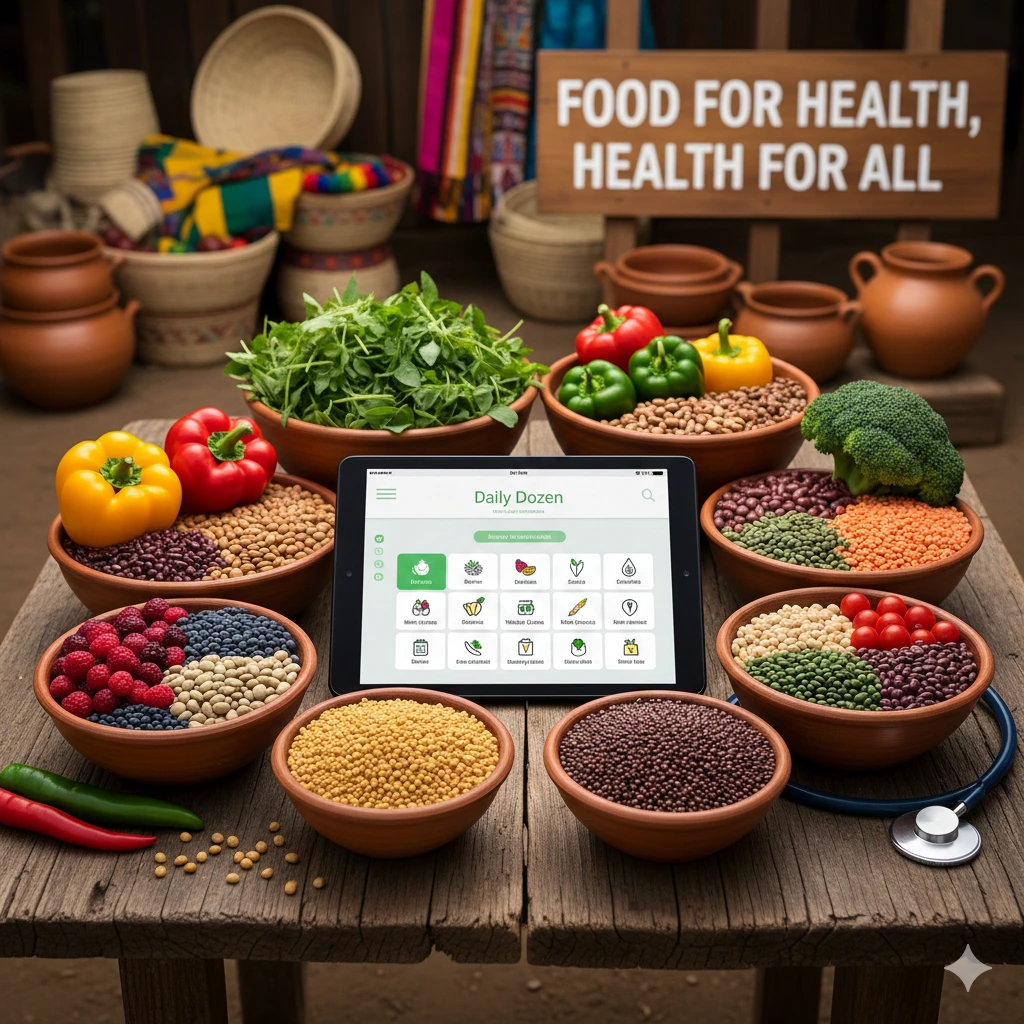
Here’s the report on Dr Greger’s WFPB framework in South Africa.
The global conversation about public health now focuses on dietary reform. Experts see this as a key way to reduce the burden of non-communicable diseases.
Dr Michael Greger is key to this shift. His support for a whole-food, plant-based (WFPB) diet has changed how millions of patients and doctors worldwide view nutrition.
His “Daily Dozen” checklist has been very successful in the West.
However, using it in South Africa brings its own challenges and opportunities.
South Africa faces an onerous “double burden” of malnutrition.
People are facing undernutrition and an increase in lifestyle diseases. Examples include type 2 diabetes, hypertension, and obesity.
Integrating Dr Greger’s findings into South Africa goes beyond just adopting Western diets.
It needs a careful blend with local economic conditions, rich indigenous farming, and the area’s unique health issues.
The Gregerian Nutritional Philosophy: Mechanism and Methodology
Dr Michael Greger’s main idea is simple: the modern medical field often misses a key tool—nutrition.
Greger’s approach is evidence-based.
He relies on thousands of peer-reviewed studies. They back a diet centred on unrefined plant foods.
This philosophy isn’t just about avoiding animal products; he sees them as linked to chronic health issues. Instead, it focuses on actively adding protective plant compounds.
The Daily Dozen as a Clinical Tool
Greger created the “Daily Dozen” to connect complex nutrition science with everyday habits. This checklist acts as a helpful reminder and a nutrition guide.
The framework groups plant foods beyond just calories.
It also looks at their special bioactive properties. For example, sulforaphane is in cruciferous vegetables, while flaxseeds contain lignans.
| Food Category | Targeted Bioactive Compounds / Benefits | Recommended Servings |
| Beans and Legumes | Soluble fibre, plant-based protein, iron, zinc | 3 servings |
| Berries | Anthocyanins, high antioxidant capacity (FRAP) | 1 serving |
| Other Fruits | Carotenoids, minerals, and diverse phytonutrients | 3 servings |
| Cruciferous Veg | Sulforaphane, glucosinolates (cancer prevention) | 1 serving |
| Leafy Greens | Folate, phylloquinone, nitrates for BP regulation | 2 servings |
| Other Vegetables | Carotenoids, minerals, diverse phytonutrients | 2 servings |
| Flaxseeds | Alpha-linolenic acid (Omega-3), lignans | 1 tablespoon |
| Nuts and Seeds | Monounsaturated fats, Vitamin E, plant sterols | 1 serving |
| Herbs and Spices | Curcumin, anti-inflammatory compounds | 1 serving |
| Whole Grains | Resistant starch, magnesium, complex carbohydrates | 3 servings |
| Beverages | Hydration, polyphenols (e.g., in green tea) | 5 servings |
| Physical Activity | Metabolic health, insulin sensitivity | 1 session |
Greger insists on these specific categories because not all plant foods are the same. Some have unique nutrients that you can’t easily find in other plants.
Berries stand out because they contain more antioxidants than other fruits.
Cruciferous vegetables are essential too. They help protect DNA and support detox enzymes.
Disease Reversal and Life-Saving Potential
Greger’s work, especially in How Not to Die, makes a bold claim. He says a WFPB diet can prevent and even reverse major causes of death, like coronary heart disease.
Clinical research supports this claim. It shows that significant dietary changes can reduce arterial plaque. This is often not possible with standard drugs alone.
The idea of “food as medicine” is key in his public health talks. Additionally, it reflects his work as a founding member of the American College of Lifestyle Medicine.
Greger applies WFPB nutrition for more than just cardiovascular health. It also helps with type 2 diabetes, high blood pressure, and some cancers.
In South Africa, where these problems are growing rapidly, WFPB eating gives a ray of hope for a healthcare system that’s under pressure.
The South African Epidemiological Landscape: A Crisis of Modernity
The WFPB framework is essential in South Africa, especially with changing mortality rates.
For decades, public health mainly focused on infectious diseases. HIV/AIDS and tuberculosis were at the forefront.
Recent data shows that non-communicable diseases (NCDs) are on the rise. Diabetes mellitus is now the top cause of death in the country.
The Burden of Diabetes and Hypertension
About 4.6 million adults in South Africa have diabetes.
It is estimated that approximately 12.8% of the population is affected by diabetes, according to data obtained from the International Diabetes Federation and local polls.
This epidemic mainly stems from type 2 diabetes. It is closely tied to lifestyle choices we can change, such as unhealthy eating and a lack of exercise.
| Health Indicator (South Africa) | Statistical Value | Clinical Implication / Source |
| Diabetes Prevalence (Adults) | 12.8% | Leading cause of mortality |
| Total Adults with Diabetes | 4.6 Million | High burden on healthcare |
| Obesity Rate (Females) | ~40% | Major risk factor for NCDs |
| Hypertension Projection (SSA) | 125.5 Million by 2025 | Sharp increase from 74.7M |
| NCD Proportion of Deaths | 51% | Shift from infectious diseases |
| Low Fruit/Veg Intake | 97.8% | Critical nutritional gap |
Hypertension is a growing problem. By 2025, cases in Sub-Saharan Africa could hit 125.5 million.
In South Africa, surveys show that almost all participants (97.8%) didn’t meet the recommended daily intake of fruit and vegetables. Also, many added too much salt while cooking.
This nutritional deficit creates a “perfect storm” for cardiovascular events and metabolic dysfunction.
Obesity and the Urbanisation Paradox
The obesity crisis in South Africa is deeply rooted in rapid urbanisation.
As people shift from rural to urban areas, their diets change. They often move from fibre-rich foods to “Westernised” diets. These new diets are high in energy and rich in ultra-processed foods.
Urban life can encourage excessive sitting and the consumption of high-calorie foods. As a result, obesity rates among South African women can reach 40%.
This transition isn’t just a choice. It’s shaped by the socio-economic factors that affect health.
In peri-urban and low-income areas, fresh produce is often hard to find. It’s usually limited by cost and distance. Meanwhile, cheap foods like white bread, refined maise, and processed meats are readily available.
This environment directly contradicts the Daily Dozen’s emphasis on whole, unrefined foods.
Economic Barriers and the Affordability of Health
The main challenge in following Dr Greger’s advice in South Africa is cost.
Research shows that a healthy, balanced diet costs much more than the unhealthy diet most people eat.
Hence, the introduction of the “Staple-First Method™” in eating plant-based food in South Africa.
The 69% Price Premium
Studies show that a typical South African diet costs less than a healthier one.
In fact, the healthier option is about 69% more expensive.
For a household of five, monthly costs for a healthy food basket can top 30% of total income for many people.
| Economic Indicator | Monthly Cost / Value (ZAR) | Analysis / Source |
| National Average Food Basket (Dec 2025) | R5,333.45 | Composite of 44 foods |
| Basic Nutritional Food Basket (Family of 7) | R6,426.69 | Cost for health/dev |
| National Minimum Wage (20 days) | R4,606.40 | Shared among ~3.9 people |
| Child Support Grant | R560.00 | 30% below food poverty line |
| Food Poverty Line (Per Person) | R796.00 | Bare minimum for survival |
The gap between the National Minimum Wage and the cost of a basic food basket is a significant barrier to healthy eating.
In homes where one wage supports nearly four people, funding per person is too low. They can’t even meet the food poverty line.
This means there’s no money left for special items like berries, nuts, and flaxseeds from the Daily Dozen.
Hence, the South African approach to eating plant-based food without overspending.
Legumes: The Bridge to Affordability
Dr Greger highlights legumes such as beans, lentils, and chickpeas. They may help low-income households despite high prices for fresh produce.
Legumes are a great source of protein and fibre. They are also very affordable in the South African market.
Modelling shows that moving to a “more plant-based” food basket can cut costs. By reducing meat and eggs and adding more legumes, you can lower the total cost of a healthy basket by about 15%.
Berries and flaxseeds might be luxury items. Beans and whole grains are key parts of a WFPB diet. They are also budget-friendly options compared to expensive animal proteins.
Market Dynamics: The Rise of Plant-Based Consumption
While many worry about costs, a specific segment in South Africa is eagerly turning to veganism and plant-based diets.
This shift comes from a growing focus on health, ethical issues, and environmental sustainability.
Growth of the Vegan Food Market
Experts expect the South African vegan food market to grow by 8.65% each year from 2025 to 2033. By then, its value will exceed USD 188 million.
Dairy alternatives and meat substitutes are now easier to find in stores like Woolworths and Pick’n Pay.
This shows significant market growth.
| Market Attribute | 2024 Value | 2033 Forecast | Growth Driver |
| Vegan Food Market Size | USD 89.39 Million | USD 188.60 Million | Health awareness |
| Functional Foods Growth | 8.8% (2024) | 7.1% (Forecast) | High-protein/Plant |
| Student PB Adoption | 31% (incl. Flexi) | 18% (excl. Flexi) | Youth trends |
Veganism is popular among younger South Africans and university students.
They draw inspiration from global social media trends. They also understand how animal-based diets affect the environment.
For these groups, the main reason for choosing a plant-based diet is animal welfare. Next is environmental sustainability, then personal health.
Innovation in Retail and Foodservice
The South African food industry is responding to this demand through significant innovation.
Brands like “On The Green Side” and “Fry’s” offer high-protein, plant-based options. These products attract consumers seeking healthy, sustainable choices.
The fast-food sector is changing. Major chains like Nando’s and Simply Asia are adding more plant-based options to their menus.
The rise of plant-based options makes it easier for city dwellers to eat as Greger suggests. However, many of these choices are processed instead of whole foods.
Indigenous Wealth: Localising the Daily Dozen
Dr Greger’s Daily Dozen misses a key point in South Africa: it overlooks local food crops.
South Africa has a rich heritage of nutrient-dense plants. These plants thrive in the local climate and fit well with the socio-economic context.
Indigenous Substitutes for WFPB Frameworks
Dr Greger often recommends foods. In South Africa, you can find more nutritious local versions.
Adding these crops to the WFPB framework can improve affordability and cultural relevance.
| Daily Dozen Category | Indigenous/Traditional SA Equivalent | Nutritional Value / Benefit |
| Whole Grains | Grain Sorghum, Pearl Millet | Low GI, high fiber, gluten-free |
| Beans (Legumes) | Cowpea, Bambara groundnut | Drought-resistant, high protein |
| Leafy Greens | Amaranth (Morogo), Blackjack | Low GI, high fibre, gluten-free |
| Other Vegetables | Amadumbe (Taro), Sweet Potato | Nutrient-dense complex carb |
| Fruits | Marula, Wild Medlar, Num-num | Rich in iron, calcium, and Vitamin A |
Sorghum and millet are native cereals. They are much more resilient to climate change than commercial maize and wheat.
They also provide significant health benefits.
For instance, finger millet has a low glycemic index. This makes it especially helpful for many South Africans with diabetes.
Traditional leafy greens, like Amaranth (Morogo), pack more nutrients than many Western greens.
They often grow wild or in small gardens. This provides affordable nutrition for both rural and urban communities.
The Recovery of “Ancient Food Wealth”
Indigenous crops offer many benefits. However, they are often overlooked.
The food system favours large-scale monocultures instead.
Many traditional foods are now seen as “poverty foods.” They link to rural backwardness. This view has caused a drop in how often people eat them.
Reviving these crops, with Greger’s scientific support, could lead to a unique WFPB model in South Africa.
Promoting these “superfoods” in local spots is key. It helps address both food security and the NCD crisis. Integrating them into national dietary guidelines is also essential.
Institutional Advocacy and the Medical Frontier
Several dedicated organisations are leading the WFPB approach in South Africa.
They work at the crossroads of medicine, nutrition, and policy.
Physicians Association for Nutrition (PAN) South Africa
PAN South Africa, founded in 2020, is part of a global non-profit. It promotes plant-forward diets nationwide.
Their work targets the gap in nutritional education in medical training. Doctors often lack the skills to give evidence-based dietary advice.
- Strategy: PAN SA teams up with health professionals, students, and policymakers to promote plant-forward nutrition in healthcare systems.
- Programs: They provide a “PAN University” educational platform. They launched campaigns like “Nourish to Thrive.” This effort aims to reduce obesity by promoting a plant-forward diet.
ProVeg South Africa and Policy Work
ProVeg South Africa focuses on food-system transformation through corporate engagement and legal advocacy.
They have made a significant contribution to the defence of the plant-based industry. This includes fighting against restrictive labelling rules, like the “Burger Ban.” That ban aimed to stop plant-based products from using meat-related terms.
ProVeg has won legal battles. This keeps plant-based options available and clearly labelled for South African consumers.
Professional Dietetics and ADSA
The Association for Dietetics in South Africa (ADSA) stresses that registered dietitians are vital for offering personalised, evidence-based nutrition therapy.
ADSA doesn’t have one specific statement on WFPB diets. However, they offer many resources on plant-based proteins and whole foods.
Their “Find a Dietitian” tool now includes a filter for dietitians who specialise in plant-based nutrition. This change shows that more professionals accept this dietary pattern.
Regulatory Landscape: Progress and Pitfalls
The South African regulatory environment supports plant-based nutrition. However, there are still gaps in turning policy into practice.
National Food-Based Dietary Guidelines (FBDGs)
South Africa’s FBDGs are some of the most inclusive in Africa for plant-based diets.
Well-planned vegetarian diets are nutritious. They also lower the risks of NCDs.
Critics argue that these national policies do not make the most of indigenous foods. They also lack details on key nutrients for people on strict plant-based diets.
- South Africa’s Rank: Ranked highest among 12 African countries for the inclusivity of plant-based patterns (Score of 53).
- Key Gaps: There is no clear guidance on Vitamin B12, Omega-3s, and zinc for people who limit animal products.
The Role of Subsidies and Taxation
A significant theme in Greger’s work is the role of government policy in shaping dietary choices.
In South Africa, the “Sugar-Sweetened Beverage Tax” aims to reduce consumption of sugary drinks.
However, there aren’t any subsidies for healthy, whole foods.
Greger notes that global subsidies mainly support meat and dairy. This makes their prices lower than those of nutrient-rich fruits and vegetables.
In South Africa, cash-back programs from health insurers have helped people buy more whole grains, fresh fruits and vegetables.
Socio-Cultural Barriers: Status and Stigma
The shift to a WFPB diet in South Africa goes beyond economics and policy. It also faces many socio-cultural challenges.
Meat as a Symbol of Prosperity
In many South African communities, meat is seen as a key part of cultural identity. People often link it to wealth.
The “Standard American Diet” is seen as a goal. Meat takes centre stage at social events and celebrations.
The cultural value placed on animal products makes switching to a WFPB diet tough. It may feel like a loss of social status.
The “Whiteness” of Plant-Based Living
Many people think veganism and plant-based diets are only for wealthy white folks.
This demographic link can distance Black South Africans from one another. They might see these eating habits as strange or not in line with their traditions.
To overcome this barrier, we need to shift our narrative.
Pre-colonial African diets were rich in plants such as grains, legumes, and greens.
This way, we can frame the modern WFPB movement as a return to traditional wisdom, not just a trend from the West.
Case Study: Occupational Risk and Nutritional Intervention
South African bank workers need targeted nutrition support, according to the study.
This group often sits for long periods. They deal with high mental stress and have low-energy jobs. Because of this, they have a higher risk of hypertension, obesity, and diabetes.
- Risk Profile: Sitting for too long and munching on processed “convenience” foods during quick breaks can lead to significant health risks.
- Intervention Potential: Using Dr Greger’s Daily Dozen in workplace wellness programs can aid desk-bound workers. This approach could be a model for preventing NCDs in today’s workplace. Simple swaps can boost the metabolic health of South Africa’s workforce. For example, choose nuts, berries, or legumes instead of processed snacks.
Future Outlook: A Synthesis of Science and Heritage
The future of plant-based eating in South Africa combines Dr Greger’s findings with the nation’s farming traditions and cultural heritage.
The Daily Dozen offers a scientific plan, but the diet’s “bricks and mortar” need to come from local, affordable sources.
Strategic Recommendations
- Mainstreaming Indigenous Crops: Government and private sector partners need to join forces. They should promote sorghum, cowpeas, and amaranth. This will lessen our dependence on imported staples that aren’t as nutritious.
- Nutritional Education for Health Workers: Build on PAN South Africa’s efforts. Make nutrition a core part of the curriculum for every medical and nursing student.
- Fiscal Policy Reform: Looking at ways to subsidise “Daily Dozen” staples can help low-income families. This could close the 69% price gap between healthy and unhealthy diets.
- Community-Based Screening and Support: Use community health centres to screen for NCDs. Offer cooking workshops focused on WFPB meals. Tailor these workshops to cultural needs and use affordable, local ingredients.
Dr Greger’s work emphasises that a WFPB diet is the “safest, cheapest way to eat for the longest, healthiest life”.
In South Africa, “cheapest” means focusing on local legumes and grains. “Healthiest” means moving away from high-calorie urban diets that drive the NCD epidemic.
Drawing on global insights from NutritionFacts.org and on South Africa’s fertile soil, we can help fight malnutrition.
This approach can lead to better health for everyone.
The analysis shows that using Dr Greger’s Daily Dozen in South Africa is both a nutritional must and a socio-economic need.
Switching to a plant-forward food system can help reduce rising healthcare costs linked to diabetes and heart disease.
As the country urbanises, choices in grocery stores, kitchens, and policy rooms will shape the health and future of South Africans. Greger suggests that the “simple fork” could be our strongest tool in battling the NCD crisis.
The vegan food market is growing, and healthcare professionals are increasingly supportive of it. This shows that the shift toward veganism is gaining momentum.
The WFPB movement will succeed in the Global South if it can be inclusive, affordable, and culturally meaningful for everyone.
South Africa can spark a nutritional revolution in Africa. It can do this by blending new research with traditional food security practices.
This approach can benefit both people’s health and the planet.
Eat affordable plant-based foods without overspending and live a healthy life!