
Dr Colin Campbell’s Impact in South Africa
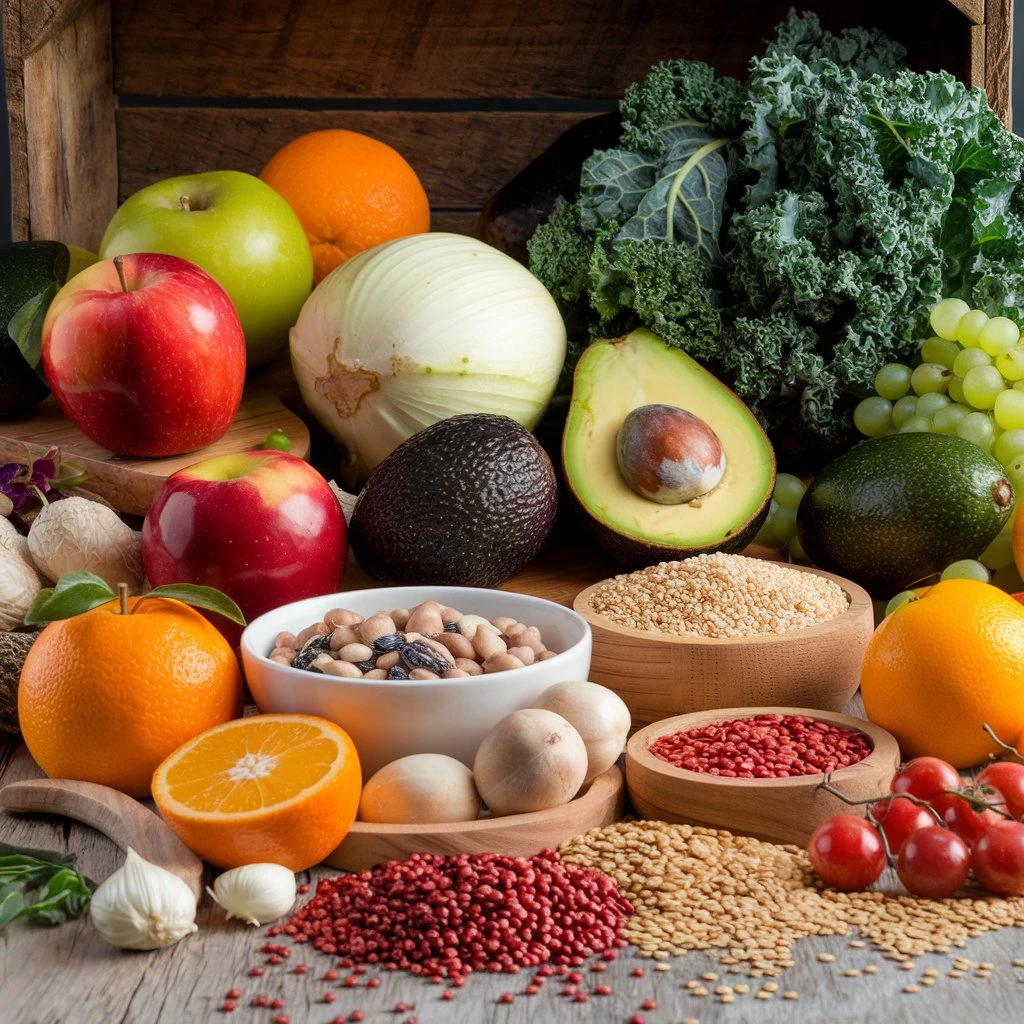
Here’s the report on Dr Colin Campbell’s impact in South Africa. It shows how his work on plant-based nutrition connects with the local community.
Introduction
Dr Colin Campbell is a name most people in nutrition circles recognise, especially for his role in shaping how the world thinks about diet and chronic disease.
Although he’s an American biochemist, his influence isn’t limited to the United States. In South Africa, his ideas have filtered into health movements, plant-based food conversations, and academic thinking on nutrition.
This article clearly and fairly breaks down his impact in South Africa. And asking the question, what has changed, what’s being debated, and why his work still matters here.
Who Is Dr Colin Campbell?
Dr T. Colin Campbell is an American nutritional biochemist best known for co-authoring The China Study with his son Thomas M. Campbell II.
He spent decades researching diet and disease, including leading the central China–Cornell–Oxford Project. This was a 20-year observational study that linked dietary patterns to chronic illnesses such as heart disease, diabetes, and cancer.
Campbell didn’t set out to promote a fad diet. His advocacy for a whole-food, plant-based diet emerged from decades of research linking diet and health.
The China Study and Its Global Reach
At its core, The China Study examines the relationship between diet and long-term health. It posits that diets high in plant foods and low in animal products are associated with lower rates of chronic disease.
The book sold over a million copies worldwide and has been translated into multiple languages.
Although much of the research came from China, the narrative has travelled globally. It includes South Africa, because the topics of diet, lifestyle, and disease are universal. South Africans Have Encountered Campbell’s Ideas
South Africans might come across Campbell’s influence in three main ways:
. Health and Diet Conversations
Many health coaches, plant-based activists, and nutrition educators in South Africa use The China Study. Furthermore, its conclusions when discussing food as a means to prevent chronic disease.
These themes regularly appear in blogs, seminars, and social media posts that support whole-food, plant-based lifestyles.
2. Plant-Based Nutrition Training
Nutrition education initiatives — such as programs that train health science students about plant-based diets — echo the logic of Campbell’s conclusions about diet and chronic disease risk.
For example, plant-based nutrition education efforts in South Africa focus on the diet’s potential to manage diabetes and heart disease — key themes in Campbell’s work.
3. Consumer Food Choices
The market for plant-based foods is growing in South Africa, with increasing interest in alternatives such as vegan meat and plant-based meals.
While this growth isn’t solely because of Campbell, his research has helped underpin the global movement toward such foods—and South African consumers show similar adoption trends.
Studies suggest that 59–67 % of South Africans are highly likely to try or buy plant-based meat alternatives, driven in part by health motivations.
What South African Health Advocates Say
Advocates for local organisations frequently present plant-based diets as a means of averting chronic illnesses. Campbell’s main argument—that diet affects heart disease, diabetes, obesity, and overall health—is reflected in this frame.
This is especially pertinent in South Africa, where lifestyle-related disorders are frequent and nutritional instruction in clinical training can be limited.
Rather than promoting a strict diet pattern, many educators use the science behind Campbell’s work to support broader dietary changes. In instances such as boosting intake of various fruits, vegetables, legumes, and whole grains that correspond with local public health goals.
Criticisms and Balanced Perspectives
Even as Campbell’s ideas circulate widely, there are critiques worth noting:
- Some nutrition experts point out that observational studies like the China–Cornell–Oxford Project reveal connection, not causation, and that conclusions shouldn’t be oversimplified.
- Critics say that nutrition is merely one of many factors (exercise, heredity, environment) determining health.
- Practical issues in meeting certain dietary requirements and obtaining reasonably priced plant-based foods when implementing low-animal-product diets also arise in South Africa and elsewhere.
Although they draw attention to the need for delicacy in its application, these critiques do not discount Campbell’s work.
Practical Lessons for South Africans
If you’re curious about how Campbell’s research could apply locally, here are clear, evidence-based points that align with his message:
Eat More Whole Plant Foods
Whole-plant foods like vegetables, legumes, fruits, nuts, and whole grains are linked to a lower risk of chronic disease.
Reduce Ultra-Processed and High-Fat Animal Foods
While culture and taste are essential, diets high in processed meats and fats are strongly linked with adverse health outcomes in many studies.
Stay Critical, Not Dogmatic
Nutrition science evolves. Campbell’s work is a valuable piece of the broader evidence landscape—but it should be considered alongside other high-quality research and personal health needs.
Useful Resources
For those interested in diving deeper:
- The official Centre for Nutrition Studies offers free articles and educational material on diet and health. — Centre for Nutrition Studies: Centre for Nutrition Studies overview of Dr Campbell’s work
- For context on the original research, Wikipedia’s overview of The China Study summarises its content and reception. — The China Study on Wikipedia: Summary of The China Study book and impact
Conclusion
Dr Colin Campbell’s influence in South Africa doesn’t look like a formal policy shift—yet. Instead, it’s present in evolving conversations about how diet affects health, especially chronic disease prevention.
Many South Africans now have a scientific foundation for reconsidering their food choices, thanks to his study, especially The China Study.
His work continues to be a touchstone for people, educators, and health advocates looking to change their eating habits—not because it is flawless, but rather because it forces us to consider diet critically and holistically.
Unlock his teaching on Eat to Heal on Amazon.