
Evidence-Based Plant-Based Living
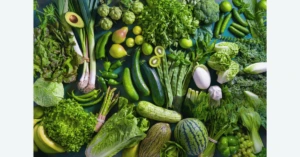
Plant-based eating is everywhere right now.
You see it on menus, in grocery stores, and all over social media.
But there is a big difference between following a trend and making a decision based on real science.
That is exactly what evidence-based plant-based living is all about.
In this guide, you will learn what the research says about plant-based diets. You will discover which nutrients to watch, which common myths are false, and how this way of eating fits into African food traditions.
Most importantly, you will find practical steps to start right away, no matter your budget or background.
Whether you are just curious or ready to make a real change, this article gives you the facts you need to decide for yourself.
1. What Is Evidence-Based Plant-Based Living? (Definition First)
Evidence-based plant-based living means choosing a plant-focused diet based on scientific research, not just popular opinion or personal belief. It combines two important ideas.
First, there is the plant-based approach.
This means eating mostly, or entirely, plant-based foods. Think vegetables, fruits, legumes, grains, nuts, and seeds.
Second, there is the evidence-based part.
This means every food choice is guided by what peer-reviewed studies, clinical trials, and nutrition science show.
In other words, you do not eat plants just because it is trendy.
You eat them because a large body of research shows it can improve your health in measurable ways.
Think of it this way: evidence-based plant-based living is like hiring a doctor who reads the latest research before giving you advice. You are not guessing. You are choosing based on facts.
This approach is different from being vegan for ethical or religious reasons, although those reasons are also valid.
The focus here is on the health sciences.
It also does not mean perfection.
Many people who follow an evidence-based plant-based lifestyle still eat some animal products occasionally. What matters most is the overall pattern of eating.
2. What ‘Whole Food Plant-Based’ Means
You have probably heard the term whole food plant-based, or WFPB for short.
It sounds simple, but it is often confused with other terms.
Let us clear that up.
Whole Food Plant-Based vs. Vegan
Being vegan means avoiding all animal products. But a vegan diet can still include many processed foods.
You can be vegan and eat chips, white bread, and sugary drinks all day. That is not the same as a whole food plant-based diet.
A whole-food plant-based diet focuses on minimally processed foods.
This means eating foods as close to their natural state as possible. Brown rice instead of white. Lentils instead of lentil chips. Fresh fruit instead of fruit-flavoured candy.
What Counts as Whole Food?
Here is a simple way to think about it.
A whole food is something your great-grandmother would recognise as food. It has not been stripped of its fibre, loaded with sugar, or mixed with artificial ingredients.
| Whole Food | Processed Version | Why It Matters |
| Brown rice | White rice | More fibre and nutrients |
| Whole oats | Instant oat packets with sugar | Lower glycaemic impact |
| Chickpeas | Chickpea snack puffs | More protein and fibre |
| Sweet potato | Sweet potato fries (fried) | Less fat and sodium |
| Spinach | Spinach-flavoured crackers | Real vitamins and minerals |
Additionally, a WFPB diet avoids or limits oils, refined sugars, and heavily processed plant-based meats.
Some people find this hard at first.
However, the research supporting this approach is stronger than for more loosely defined plant-based diets.
3. Is a Plant-Based Diet Scientifically Proven?
This is a fair and important question.
The short answer is yes, with some important details to understand.
No single study can prove anything on its own.
What scientists look for is a consistent pattern across many different types of research.
When multiple high-quality studies point in the same direction, that becomes strong evidence.
The Types of Research Behind Plant-Based Diets
Several types of studies have examined plant-based diets.
Each has its own strengths.
- Observational studies follow large groups of people over many years and track what they eat and what health conditions they develop. These studies cannot prove cause and effect, but they can show strong links.
- Randomised controlled trials randomly assign people to different diets and measure health outcomes. These are considered the gold standard in nutrition science.
- Meta-analyses pool results from many studies to provide a larger, more reliable picture.
- Mechanistic studies examine how specific foods affect the body at the biological level, such as how fibre affects gut bacteria or how antioxidants reduce inflammation.
Across all these types, the evidence consistently supports plant-based diets as beneficial for health, especially for reducing the risk of certain chronic diseases.
The American Dietetic Association, the British Dietetic Association, and the World Health Organisation all recognise well-planned plant-based diets as healthy and nutritionally adequate for people at all life stages.
4. What the Scientific Evidence Consistently Shows
Now, let us look at what the research says.
The evidence is strong in several key areas.
Here is what stands out most clearly.
Heart Disease
Heart disease is the leading cause of death in the world.
Fortunately, the research here is very detailed.
Plant-based diets are associated with a lower risk of heart disease.
Studies show that people who eat more plants tend to have lower blood pressure, lower LDL cholesterol (the bad kind), and less inflammation, all of which are key risk factors for heart problems.
A major study published in the Journal of the American Heart Association found that people who ate the most plant-based foods had a 16 per cent lower risk of developing cardiovascular disease compared to those who ate the least plant-based foods.
Type 2 Diabetes
The link between plant-based eating and diabetes risk is also well established.
Research shows that plant-based diets improve insulin sensitivity and help manage blood sugar levels. This is largely because whole plant foods are rich in fibre, which slows the absorption of sugar into the bloodstream.
A large review of studies found that following a plant-based diet was linked to a significantly lower risk of developing type 2 diabetes.
For people who already have diabetes, switching to a plant-based diet can often reduce the need for medication.
Cancer Risk
The evidence for cancer prevention is more complex but still encouraging.
The World Cancer Research Fund and the American Institute for Cancer Research both recommend eating mostly plant foods as a key strategy for reducing cancer risk.
Specifically, plant foods are high in antioxidants, phytochemicals, and fibre.
These compounds help protect DNA from damage, reduce inflammation, and support the immune system.
Research shows strong links between high intake of plant foods and a lower risk of colorectal, breast, and prostate cancers.
Body Weight
On average, people who follow plant-based diets tend to have lower body mass indices (BMIs) than those who eat meat regularly.
This is not just about eating less. It is also because whole plant foods tend to be high in fibre and water, which helps you feel full with fewer calories.
A review published in the Journal of General Internal Medicine found that plant-based diets led to greater weight loss than other diets, even without calorie counting.
Gut Health
Your gut microbiome, the community of bacteria living in your digestive system, plays a huge role in your overall health.
Plant-based diets are consistently shown to increase the diversity and health of gut bacteria. This happens because plant foods are rich in different types of fibre that feed different strains of beneficial bacteria.
A healthy gut microbiome is linked to better immunity, improved mood, lower inflammation, and reduced risk of chronic disease.
Longevity
Perhaps most impressively, plant-based eating is linked to a longer life. The famous Blue Zone research, which studied populations around the world with the highest rates of people living past 100, found that plant-based eating was one of the key lifestyle factors they all shared.
5. Nutrient Adequacy on a Plant-Based Diet: Protein, B12, Iron, and Omega-3
One of the most common concerns about plant-based diets is whether they provide all the nutrients your body needs.
This is a valid concern, and the honest answer is that you do need to plan carefully.
However, with the right knowledge, it is entirely possible to meet all your nutritional needs on a plant-based diet.
Protein: Getting Enough from Plants
Protein is made up of amino acids.
Your body can make some of these on its own, but nine essential amino acids must come from food. Animal products contain all nine essential amino acids in every serving, which is why they are called complete proteins.
Most plant foods are missing one or more essential amino acids in significant amounts. However, this does not mean plant-based eaters are short on protein. Here is why.
First, you do not need to eat all essential amino acids in one meal. Your body pools amino acids throughout the day.
Second, some plant foods, such as soya, quinoa, hemp seeds, and buckwheat, are complete proteins.
Third, combining different plant proteins throughout the day fills in any gaps.
How much protein do you need?
Most adults need about 0.8 grams per kilogram of body weight per day.
Some evidence suggests plant-based eaters may benefit from slightly more, around 1.0 gram per kilogram, because plant proteins are digested a little differently.
| Plant Protein Source | Protein per 100g (cooked) | Notes |
| Tempeh | 19g | Fermented, easier to digest |
| Edamame | 11g | Complete protein |
| Lentils | 9g | Also high in iron |
| Chickpeas | 9g | Versatile, budget-friendly |
| Tofu | 8g | Good for cooking |
| Black beans | 8g | Common in many cuisines |
| Hemp seeds | 32g (raw) | Complete protein |
| Quinoa | 4g | Complete protein, grain-like |
Vitamin B12: The One You Must Supplement
Vitamin B12 is the one nutrient that cannot be reliably obtained from a plant-based diet.
This is not a flaw of plant-based eating. It is simply a fact of biology. B12 is produced by bacteria, and it is found in animal products because those animals either produce it or eat bacteria that do.
B12 is essential for nerve function, DNA production, and red blood cell formation. A deficiency can cause irreversible nerve damage, anaemia, and cognitive problems. It can develop slowly, sometimes taking years to appear.
If you follow a fully plant-based diet, you must supplement with B12 or eat B12-fortified foods regularly.
This is non-negotiable according to the evidence. The recommended daily intake for adults is 2.4 micrograms, but higher doses are often recommended for supplements because not all of it is absorbed.
Iron: Plant vs. Animal Sources
Iron comes in two forms. Haem iron comes from animal products and is very easily absorbed. Non-haem iron comes from plants and is less efficiently absorbed. This means plant-based eaters need to be more strategic about iron intake.
The good news is that there are many excellent plant sources of iron. These include lentils, spinach, tofu, pumpkin seeds, fortified cereals, and dried apricots.
The key is to pair iron-rich foods with vitamin C, which significantly boosts non-haem iron absorption.
Additionally, avoid drinking tea or coffee with iron-rich meals. These drinks contain tannins and polyphenols that block iron absorption.
Drinking them between meals is a simple way to protect your iron levels.
Omega-3 Fatty Acids: ALA, EPA, and DHA
Omega-3 fatty acids are essential fats that your body cannot make on its own.
There are three main types. ALA comes from plants. EPA and DHA come mainly from fatty fish and algae. EPA and DHA are the forms most directly used by your body and brain.
Plant-based eaters get plenty of ALA from flaxseeds, chia seeds, hemp seeds, and walnuts.
However, the conversion of ALA to EPA and DHA in the body is inefficient. Only a small percentage gets converted.
Therefore, plant-based eaters are advised to consider an algae-based omega-3 supplement. Algae is where fish get their omega-3s from in the first place. So, algae supplements provide EPA and DHA directly, without the need for fish.
Other Nutrients to Watch
Beyond the big four, there are a few more nutrients worth monitoring on a plant-based diet.
These include calcium, vitamin D, zinc, and iodine. Most of these can be obtained from fortified plant milks, sun exposure (for vitamin D), or careful food planning. A periodic blood test is a sensible way to check your levels.
6. Common Myths About Plant-Based Diets (Evidence-Based Answers)
There is a lot of misinformation out there about plant-based eating.
Let us address the most common myths directly, using science.
Myth 1: You Cannot Get Enough Protein from Plants
As we covered above, this is false. Billions of people around the world get adequate protein from largely plant-based diets.
The key is to eat a variety of plant foods throughout the day and ensure adequate total calorie intake. Well-planned plant-based diets easily meet protein needs.
Myth 2: Plant-Based Diets Are Too Expensive
This is one of the most persistent myths. The core staples of a plant-based diet, such as lentils, beans, rice, oats, and seasonal vegetables, are among the cheapest foods you can buy. The expensive part of most diets is meat.
Studies have found that plant-based diets are often cheaper than meat-containing diets.
Myth 3: Soya Is Dangerous Because of Oestrogen
Soya contains phytoestrogens, plant compounds that are structurally similar to the hormone oestrogen. This has led to fears about hormonal disruption. However, the evidence does not support these fears.
Multiple large studies and systematic reviews have found no harmful hormonal effects from eating whole soya foods.
In fact, soya consumption is associated with reduced breast cancer risk in Asian populations who have eaten it for generations. Soya is also linked to improved heart health and bone density.
The concern mainly applies to isolated soya supplements in extremely high doses, not to regular food intake.
Myth 4: You Need Meat for Strong Bones
This myth likely comes from the association between dairy and calcium.
However, bone strength depends on many factors, including calcium, vitamin D, vitamin K2, magnesium, and weight-bearing exercise.
All of these can be obtained on a plant-based diet. In fact, some research suggests that excessive animal protein consumption may increase calcium loss from bones.
Myth 5: Plant-Based Diets Lack Enough Iron
While it is true that plant iron is less easily absorbed, plant-based eaters are not necessarily iron deficient.
Studies show that vegetarians and vegans who eat a varied diet have similar iron stores to omnivores. Strategic food combining and avoiding absorption blockers makes a significant difference.
Myth 6: A Plant-Based Diet Is Only for Wealthy Western People
This is perhaps the most culturally important myth to address.
The truth is that most traditional diets around the world, including in Africa, Asia, Latin America, and the Middle East, are naturally plant heavy.
It is modern industrialised diets that have shifted towards higher meat consumption. A plant-based diet is not a Western import. In many ways, it is a return to traditional eating patterns.
7. Plant-Based Living in an African Context
If you are from South Africa or anywhere else on the African continent, you may wonder how plant-based eating fits into your food culture.
The good news is that it fits very well indeed.
Africa Has Always Been Plant-Rich
Traditional African diets across the continent have always been centred on plant foods.
Maize, sorghum, millet, cowpeas, groundnuts, sweet potatoes, morogo (wild leafy greens), and a wide variety of legumes have been staple foods for generations. Meat was traditionally eaten in smaller quantities and often only on special occasions.
This means that eating a plant-based diet in an African context is not a foreign concept.
In many ways, it is a return to ancestral eating patterns, before processed foods and cheap factory-farmed meat changed our diets.
Nutrient-Rich African Plant Foods
There are also many incredibly nutritious African plant foods that deserve more recognition in health circles.
These include the following.
- Morogo (wild spinach/amaranth leaves): Rich in iron, calcium, and vitamins A and C. Used in traditional South African cooking for generations.
- Bambara groundnuts: A legume grown across sub-Saharan Africa. High in protein, fibre, and essential amino acids.
- Sorghum: A gluten-free grain used to make porridge, beer, and flatbreads. High in antioxidants and fibre.
- Cowpeas (black-eyed peas): Eaten widely across Africa. An excellent source of plant protein and iron.
- African eggplant (brinjal): Packed with antioxidants and fibre.
- Waterblommetjies (Cape pondweed): A water plant used in Cape Malay cooking. Rich in protein and omega-3 fatty acids.
- Marula fruit: High in vitamin C. Eaten fresh or used to make oil from the seeds.
Affordability in the South African Context
South Africa presents some unique challenges for healthy eating.
Food insecurity is a real issue for many households.
However, plant-based staples like dried beans, lentils, peanuts, maize meal, sweet potatoes, and seasonal vegetables are all affordable and widely available.
For example, a 500g bag of split red lentils from most South African supermarkets costs less than two litres of milk and provides multiple high-protein meals. Pap (maize porridge), paired with beans and morogo, is a nutritionally sound, culturally familiar, and budget-friendly plant-based meal.
Cultural Celebrations and Meat
Of course, meat plays an important cultural and social role in many African communities. Braai, umngqusho (samp and beans), and other traditional dishes that include meat are part of a rich cultural heritage. An evidence-based approach does not require you to abandon your culture.
Instead, it encourages shifting the balance over time.
Eating more plants most of the time, while continuing to honour cultural traditions, is both realistic and health-supporting.
Even the research supports this flexible approach. You do not need to be perfect to benefit from plant-based eating.
8. Who Should Consider a Plant-Based Lifestyle?
Plant-based eating is not just for a certain type of person.
The research supports its benefits for a wide range of people. Here is a closer look at who might benefit most.
People with or at Risk of Heart Disease
The evidence for cardiovascular benefits is among the strongest in plant-based nutrition research. If you have a family history of heart disease, high blood pressure, or high cholesterol, a whole food plant-based diet is one of the most powerful dietary interventions available.
Dr Dean Ornish and Dr Caldwell Esselstyn have both conducted landmark research showing that plant-based diets can reverse coronary artery disease in some cases.
People Managing or Preventing Type 2 Diabetes
If you have type 2 diabetes or prediabetes, a plant-based diet may help you manage blood sugar more effectively than a standard low-fat diet.
Studies show improvements in insulin sensitivity, HbA1c levels, and body weight. Always work with your healthcare provider when making dietary changes if you are on medication, as your doses may need to be adjusted.
People Who Want to Manage Their Weight
Because whole plant foods are generally high in fibre and water, and lower in calorie density than animal products, a plant-based diet can support healthy, sustainable weight loss without the need for portion counting or calorie restriction.
People Concerned About Long-Term Health
You do not need to have a health condition to benefit. If you want to reduce your risk of chronic disease as you age, support your gut health, and maintain energy and mental clarity, then an evidence-based plant-based diet is a well-supported choice.
Athletes and Active People
There is a growing body of evidence that plant-based diets can support athletic performance.
Thanks to faster recovery from exercise (due to anti-inflammatory properties), better nitric oxide production (which improves blood flow and endurance), and adequate protein from plants, many elite athletes now follow plant-based diets.
These include ultra-endurance athletes, track athletes, and competitors in strength sports.
Pregnant and Breastfeeding Women
A well-planned plant-based diet can support healthy pregnancies. However, this group requires extra care. Supplementation with B12, vitamin D, iodine, and omega-3 DHA is particularly important.
Consulting a registered dietitian who is familiar with plant-based nutrition is strongly recommended during pregnancy and breastfeeding.
Older Adults
As people age, reducing inflammation, maintaining muscle mass, and protecting cognitive health become priorities. Plant-based diets address all of these.
However, older adults need to pay special attention to protein, B12, calcium, and vitamin D to prevent muscle loss and bone weakening.
9. Practical First Steps for Beginners
So, you are interested. Where do you start?
The good news is that you do not need to overhaul your entire life overnight. Research suggests that gradual, sustainable changes work better than dramatic overnight shifts.
Step 1: Start with One Plant-Based Meal a Day
Begin by making one meal fully plant-based every day. Breakfast is often the easiest place to start. Oats with fruit and seeds, or peanut butter on wholewheat toast, are simple, filling, and nutritious.
As you become comfortable with plant-based breakfast options, extend the habit to lunch or dinner. This step-by-step approach avoids overwhelm and builds lasting habits.
Step 2: Learn Your Protein Sources
Make a short list of plant proteins you enjoy or want to try. Beans, lentils, chickpeas, tofu, tempeh, edamame, peanuts, and seeds are all excellent starting points. Aim to include a source of plant protein at every meal.
Step 3: Build Around Whole Grains and Vegetables
Think of your plate in three sections. Half of your plate should be vegetables. A quarter should be whole grains, such as brown rice, oats, or sorghum. The final quarter should be plant protein. This simple framework takes the guesswork out of meal planning.
Step 4: Stock Your Pantry with Staples
You do not need fancy ingredients to eat well on a plant-based diet. A well-stocked plant-based pantry includes the following.
- Dried or canned lentils, chickpeas, and beans
- Brown rice, oats, and wholewheat pasta or bread
- Peanut butter and a variety of seeds (pumpkin, sunflower, flax)
- Canned tomatoes and coconut milk
- Frozen vegetables for convenience
- Onions, garlic, and ginger for flavour
- Spices: cumin, turmeric, coriander, chilli, and paprika
Step 5: Supplement Wisely
If you are moving towards a fully plant-based diet, start supplementing with B12 immediately. A general multivitamin containing B12, vitamin D, and iodine is a sensible starting point.
Consider an algae-based omega-3 supplement as well, especially if you are not eating much fatty fish.
If you can, get a baseline blood test before starting and then again after six months. This will show you clearly how your nutrient levels are changing.
Step 6: Find Recipes You Love
Sustainability is key. The best diet is the one you actually enjoy and stick to. Experiment with plant-based versions of dishes you already love. South African plant-based cooking can include bean-based chakalaka, lentil curries, vegetable biryani, corn-based dishes, and plant-powered braai options like corn on the cob and veggie kebabs.
Step 7: Build a Support System
Surround yourself with information and people who support your goals. Follow plant-based nutrition accounts on social media. Join local or online communities. And remember, you do not need to be perfect. Every meal is an opportunity to nourish your body, and every plant-based meal counts.
10. Frequently Asked Questions (FAQs)
Is a plant-based diet the same as being vegan?
Not exactly. Being vegan is an ethical stance that avoids all animal products. A plant-based diet is a nutritional approach focused on eating mostly or entirely plants for health reasons. You can be plant-based without being fully vegan, and you can be vegan without following a whole-food plant-based diet.
Can children follow a plant-based diet safely?
Yes, a well-planned plant-based diet is considered safe for children by major dietetic associations. However, children have specific nutritional needs that require careful attention. Supplementation with B12, vitamin D, and possibly iodine is important. Consulting a registered dietitian is highly recommended for families with young children.
How long does it take to see health benefits from a plant-based diet?
Some benefits appear quickly. Blood pressure and blood sugar levels can improve within a few weeks. Weight loss, if it occurs, typically begins within the first month. Longer-term benefits, such as reduced cardiovascular risk and improved gut microbiome diversity, become evident over months to years.
Do I need to eat organic to benefit from a plant-based diet?
No. The research supporting plant-based diets does not depend on organic food. Conventional fruits, vegetables, and legumes are all nutritious and beneficial. Organic food may reduce pesticide exposure, but it is not necessary for the core health benefits of plant-based eating.
Can I build muscle on a plant-based diet?
Yes. Research shows that plant-based eaters can build and maintain muscle mass effectively, especially when protein intake is sufficient. Aiming for around 1.0 to 1.6 grams of protein per kilogram of body weight per day, combined with strength training, supports muscle growth. Soya protein in particular has been shown to be as effective as whey for muscle building.
Is it safe to follow a plant-based diet if I have a chronic illness?
In many cases, a plant-based diet can be beneficial for chronic conditions like heart disease, diabetes, and inflammatory conditions. However, if you are on medication, you should work with your healthcare provider before making major dietary changes. Some conditions, like kidney disease, require specific dietary modifications.
What about the environment? Does plant-based eating help?
Yes, the environmental evidence is strong. Plant-based diets have a significantly lower carbon footprint, use less water, and require less land than diets centred on animal products. Shifting towards plant-based eating is widely recognised by environmental scientists as one of the most impactful individual actions for reducing greenhouse gas emissions.
Are plant-based meats and mock meats healthy?
Most commercially produced plant-based meat alternatives are highly processed and high in sodium. While they may be better than some animal products in certain respects, they are not the same as whole plant foods. The research supporting plant-based diets is based primarily on whole, minimally processed foods. Occasional use of plant-based meat alternatives is fine, but they should not be the foundation of a healthy plant-based diet.
How does a plant-based diet affect my energy levels?
Many people report improved energy levels after switching to a plant-based diet. This is likely due to better blood sugar regulation, improved gut health, and reduced inflammation. However, some people experience temporary fatigue during the transition. This often resolves within a few weeks as the body adjusts. Ensuring adequate iron, B12, and calorie intake is important for sustained energy.
Do I need to give up all animal products to benefit?
No. The research clearly shows benefits exist across a spectrum. Even a significant reduction in animal product consumption, without eliminating it entirely, produces measurable health benefits. A flexitarian approach, where you eat mostly plants but occasionally include animal products, is well-supported by the evidence and may be more sustainable for many people.
Where can I find reliable information about plant-based nutrition?
Look for information backed by peer-reviewed research. Reliable sources include the Academy of Nutrition and Dietetics, the British Dietetic Association, the World Health Organisation, and registered dietitians who specialise in plant-based nutrition. Be cautious of sources that make extreme claims without citing published research.
Is it too late to start a plant-based diet if I am older?
Absolutely not. Research shows the benefits of shifting to a plant-based diet at any age. Older adults who increase their intake of plant foods see improvements in blood pressure, cholesterol, cognitive function, and inflammatory markers. It is never too late to give your body more of what it needs to thrive.
Conclusion: Science, Culture, and Your Next Step
Evidence-based plant-based living is not a fad. It is a way of eating backed by decades of rigorous research, practised in various forms across cultures worldwide, and recognised by leading health organisations globally.
The evidence shows clearly that eating more whole plant foods reduces the risk of heart disease, type 2 diabetes, certain cancers, and obesity.
It supports gut health, weight management, and longevity. And with careful planning, a plant-based diet can meet all your nutritional needs at every stage of life.
For those in South Africa and across Africa more broadly, plant-based eating connects to the continent’s rich food traditions.
Traditional African plant foods like morogo, cowpeas, sorghum, and groundnuts are not just culturally meaningful. They are also nutritionally exceptional.
The most important step is simply to begin. Add one more vegetable to your plate today. Try a lentil dish this week.
Explore the incredible diversity of plant foods available to you. Your body, your budget, and the planet will all benefit.
Remember: you do not have to be perfect to make a difference. Every plant-based meal is a step in the right direction.
Disclaimer: This article is for informational and educational purposes only. It is not a substitute for professional medical or dietary advice. Always consult a qualified healthcare provider or registered dietitian before making significant changes to your diet, especially if you have a medical condition or are pregnant.
1 thought on “Evidence-Based Plant-Based Living”