
Morogo: Discover the Amazing African Superfood You’ll Love
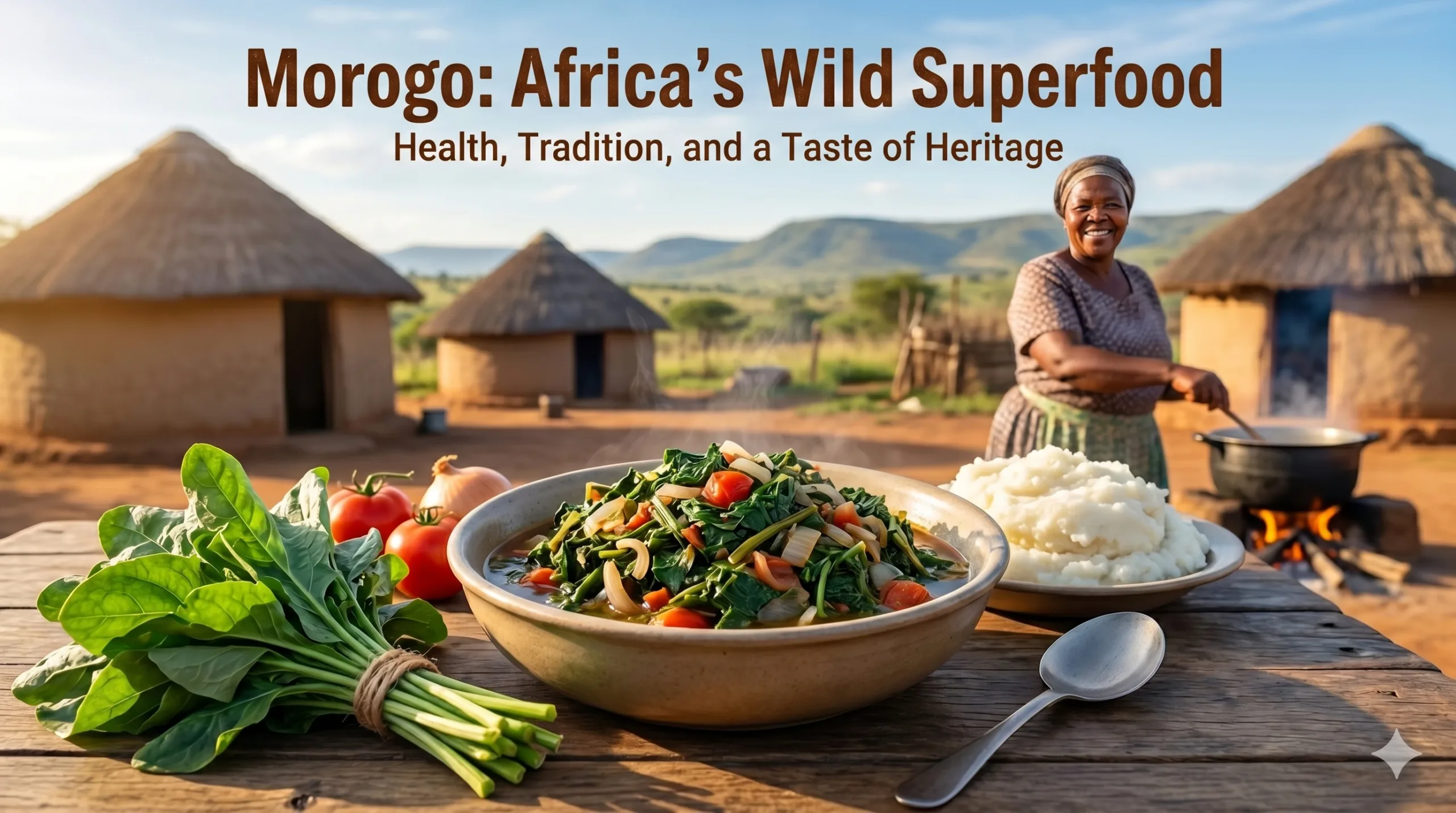
Have you ever heard of a vegetable that is tougher than a weed but tastes better than spinach?
Meet Morogo.
If you live in Southern Africa, you probably know it well. If you don’t, you are about to discover a hidden gem. Morogo isn’t just one plant. It is a collection of dark green leafy vegetables that have fed people for hundreds of years.
In this guide, we will explore why Morogo is so special.
We will look at its health benefits, how to cook it, and why it is the ultimate “survival food.”
What Exactly is Morogo?
The word Morogo (or Meroogo) comes from the Setswana and Sesotho languages. It simply means “vegetables.”
However, it specifically refers to wild, dark-green, leafy vegetables.
Unlike the lettuce or kale you buy at a fancy grocery store, Morogo often grows wild. It pops up in gardens, farm fields, and even by the side of the road after a good rain.

The Different Types of Morogo
Many plants fall under the Morogo umbrella.
The three most common types are:
- Amaranth (Theba): This is the most famous type. The plant has earthy leaves and is high in protein.
- Spider Plant (Lerotho): This one has a slightly bitter, spicy kick. It is very popular in rural areas.
- Cowpea Leaves (Dinawa): These are the leaves from the black-eyed pea plant. They are sweet and soft when cooked.
Why Morogo is a Nutritional Powerhouse
Many people call Morogo “the poor man’s meat,” but that is actually a huge compliment!
People call it that because it is so high in protein and nutrients that you don’t even need meat to have a healthy meal.
1. Loaded with Vitamins
Morogo has lots of vitamins A, C, and K. These vitamins help your eyes. They also keep your skin clear and your immune system strong.
2. High in Iron and Calcium
Do you want strong bones and lots of energy? Morogo has more iron than many expensive supplements. This makes it great for growing kids and tired adults.
3. Great for Digestion
Because it is a leafy green, it is full of fibre. Fibre keeps your tummy happy and helps prevent constipation.
How to Harvest Morogo Safely
If you are lucky enough to find Morogo growing near you, you can’t just grab any green leaf. You need to know what you are doing.
- Pick Young Leaves: The smaller, younger leaves are the most tender. Old leaves can be very tough and bitter.
- Check the Location: Never pick Morogo near busy roads or industrial areas. Plants can soak up pollution from cars.
- Wash Thoroughly: Wild greens grow in the dirt. You need to wash them at least three times to get all the sand out. Nobody likes a crunchy, sandy dinner!
How to Cook Morogo: A Simple Recipe
Most people cook Morogo very simply to let the natural flavour shine.
Here is a classic way to make it at home.
Ingredients:
- A large bunch of fresh Morogo (cleaned and chopped).
- 1 small onion (diced).
- 2 medium tomatoes (chopped).
- A pinch of salt and pepper.
- A little bit of oil or butter.
- Optional: A diced potato to make it more filling.
Instructions:
- Sauté the Onion: Heat oil in a pot and fry the onion until it is soft and see-through.
- Add Tomatoes: Toss in the tomatoes and cook until they form a thick sauce.
- Steam the Greens: Add your chopped Morogo to the pot. You don’t need much water! The water left on the leaves from washing is usually enough.
- Simmer: Put a lid on the pot and let it steam for about 10 to 15 minutes.
- Season: Add salt and pepper. A small sprinkle of sugar or a splash of milk will assist if the Morogo is a little bitter.
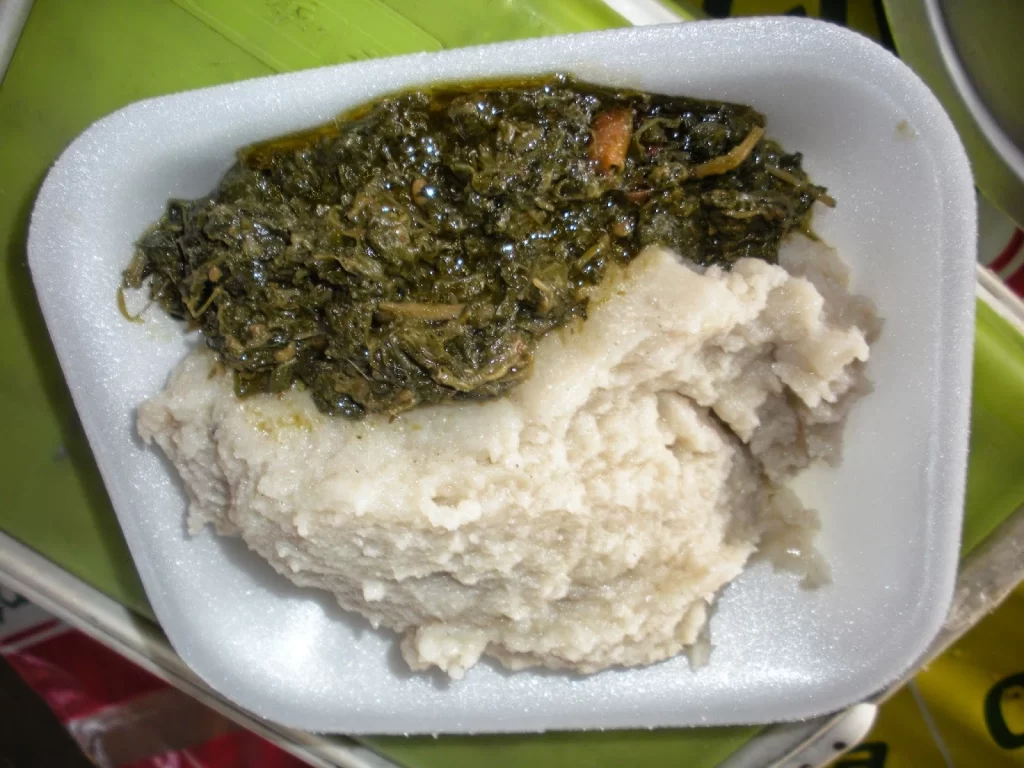
Serving Suggestion: You can serve Morogo with Pap (maize porridge). It is the ultimate comfort food!
Morogo vs Spinach: Which is Better?
You might be thinking, “Can’t I just eat spinach?” While spinach is good, Morogo has some hidden advantages.
| Feature | Garden Spinach | Morogo (Wild) |
| Water Usage | Needs lots of water | Drought resistant |
| Price | Can be expensive | Often free to harvest |
| Protein | Low | High for a vegetable |
| Taste | Mild | Earthy and bold |
Morogo is a sustainable crop. It doesn’t need expensive fertilisers or tons of water to grow. This makes it better for the planet!
The Cultural Importance of Morogo
In Southern African culture, Morogo is more than just food. It is a symbol of heritage. For generations, grandmothers have taught their grandchildren how to identify the right leaves.
It represents a connection to the land. When times are tough and food is scarce, Morogo is always there. It is a gift from nature that ensures no one goes hungry.
Can You Buy Morogo in Stores?
For a long time, you could only find Morogo in rural villages. But things are changing! Because people realise how healthy it is, you can now find it in:
- Local Markets: Street vendors often sell bunches of fresh leaves.
- Dried Form: Many shops sell dried Morogo. You soak it in water, and it’s ready to cook!
- Canning: Some brands are now canning Morogo so people in cities can enjoy it easily.
Frequently Asked Questions (FAQ)
Is Morogo safe for babies?
Yes! Once babies start eating solid foods, mashed Morogo is a great way to give them iron. Just make sure it is cooked very soft.
Does Morogo taste bitter?
Some types, like the Spider Plant, have a slight bitterness. Most people like this, but you can reduce it by boiling the leaves in water and draining the water before sautéing.
How do I store Morogo?
Fresh Morogo wilts quickly. It is best to eat it the day you pick it. If you have too much, you can blanch the leaves (boil for 2 minutes) and then freeze them.
Conclusion: Give Morogo a Try!
Morogo is a true African superfood. It is cheap, healthy, and delicious. Whether you call it Theba, Muta, or Imifino, it is a vegetable that deserves a place on your plate.
Don’t pass those dark green leaves at a market the next time you see them. Get a handful, prepare some pap, and savor a little African culture. Both your money and your body will appreciate it!
For more in-depth information, unlock the Staple-First Method book on Amazon.