
Where to Buy Seitan in South Africa in 2026
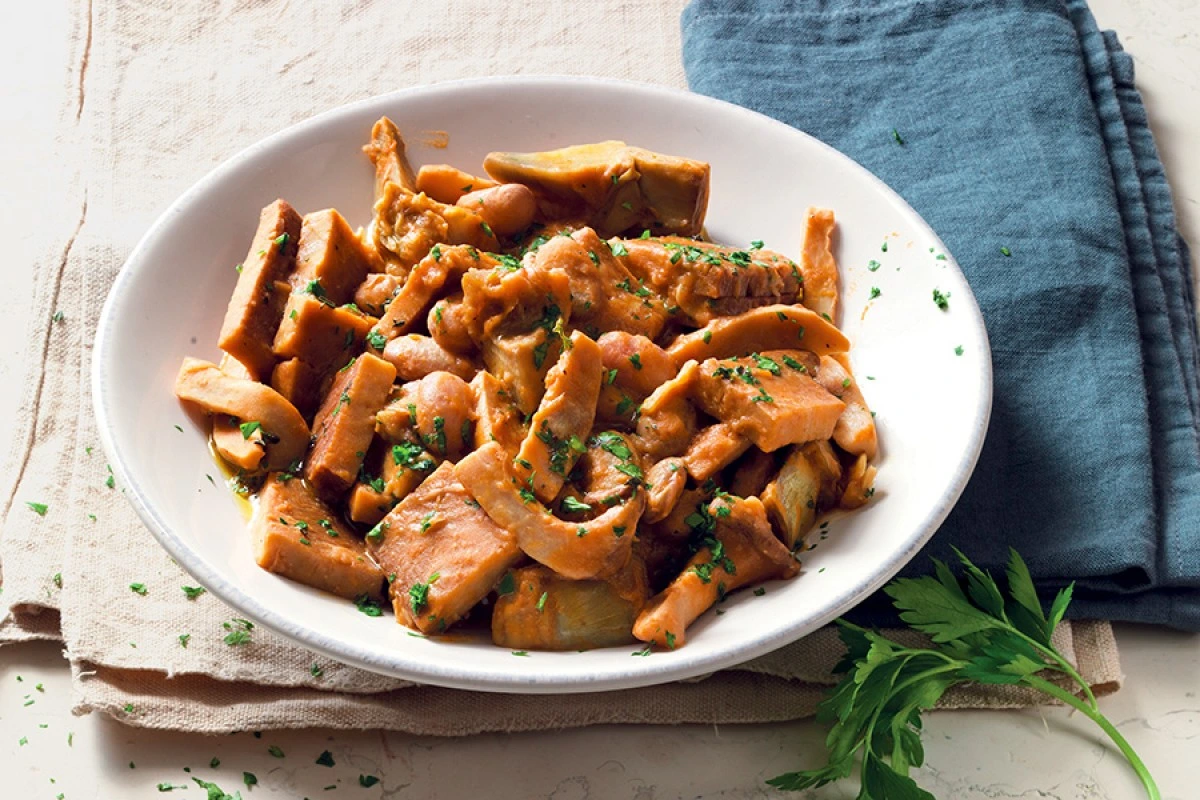
This is your guide on where to buy seitan in South Africa in 2026.
Seitan has become one of the most popular plant-based proteins in South Africa. This is no surprise.
If you’ve been on the hunt for it and keep hitting dead ends, this guide is for you.
If you’re in Durban, Johannesburg, Cape Town, or anywhere else, seitan is easier to find in South Africa now.
There are more options than ever!
And if the price tags put you off, I’ve got a wallet-friendly solution, too.
I’ll also share my protein cheat sheet.
Let’s break it all down.
What Is Seitan and Why Are South Africans So Interested in It?

Seitan (say-tan) is a plant-based protein. It comes from vital wheat gluten, the protein left after rinsing away starch from wheat dough.
The result is something firm, chewy, and satisfying in a way that very few plant proteins can match.
For centuries, it has been a mainstay of Asian cuisine. Now, it’s gaining popularity in the South African plant-based scene.
Here’s why it’s special: Seitan has about 75 grams of protein in every 100 grams. That’s impressive, even next to animal proteins.
It’s low in fat and carbs. This appeals to anyone tracking their macros. It’s not just for vegans and vegetarians.
The timing is right, too.
South African demand for plant-based proteins has surged in the last decade.
Flexitarian and vegan diets are now much more common.
Major retailers are stepping in, and the seitan market is growing. It’s still small compared to tofu and legumes, but it’s expanding steadily.
South Africa has a 17.5% share of the LAMEA seitan market. This shows there’s a real demand in the region.
Important note: Seitan is not safe for people with coeliac disease. It’s also not suitable for those with gluten sensitivity.
It is pure wheat gluten. If that’s a concern for you or someone you’re cooking for, tempeh or tofu will serve you better.
Where to Buy Seitan in South Africa: Your Full 2026 Guide
1. Online Health Stores — The Most Reliable Option Nationwide
If you’re anywhere in South Africa, online is your best bet for a consistent supply.
It is the first place I’d send anyone. They are a leading eco-friendly online store in the country. They have a great range of plant-based products. This includes seitan. Enjoy free carbon-neutral delivery on orders over R400. They ship within one working day after payment. For anyone outside the major city centres, this alone makes them worth bookmarking.
Planteful deserves a special mention as a proudly local option. Their shredded BBQ seitan is made by hand in Cape Town. It uses natural ingredients and has no preservatives. It’s smoky and tender, ready to heat and serve. Planteful is perfect for wraps, bowls, stir-fries, or a quick weeknight braai plate. It’s also freezer-friendly, which matters when you’re batch-cooking.
Seitan is currently reasonably priced at R59 for 280g from Tabu Foods. It’s worth a look if you want diversity without going over budget.
Check out this online store, especially if you’re looking for seasoned seitan products. Popular options include their seitan lamb roast and seitan chicken poppers. Instead of just plain protein, they appeal to people looking for a ready-to-cook choice.
Gourmet Vegan Foods and Vegan Street
These complete the online choices. Both offer a variety of seitan brands, so they’re worth comparing. This is especially true if you’re shopping for your household. It helps make your plant-based grocery shopping easier.
2. Health Food Stores — For When You Want to Shop In-Person
Bricks-and-mortar health stores are your best bet for physical retail.
Wellness Warehouse has been steadily growing its vegan selection. Now, most branches offer at least one seitan product. Their staff knows a lot about plant-based products. So, ask them if you can’t find something on the shelves.
Herbivore Earthfoods sells plant-based foods online and in some shops. They have local, artisanal seitan. Check them out!
The Vegan Goods Co. is another specialist option with a curated product range. If you want to support smaller, independent stores, this one is a great choice. It focuses on vegan food, so it’s worth checking out.
3. Mainstream Supermarkets — Improving, But Patchy
Let’s be honest: Pick’n Pay, Woolworths, Checkers, and Spar are not your most reliable sources of seitan in 2026.
Plant-based protein choices at big South African supermarkets have really increased. But seitan is still hard to find.
You might find it in some branches. Look at Woolworths and certain Checkers stores in larger cities. However, it’s not always there.
Vital wheat gluten is a speciality of mainstream stores. This is the primary component used to make seitan at home. More on that in a moment.
Look in the health food aisle. Also, check the vegan or vegetarian freezer section at your supermarket. Availability is better in Johannesburg, Cape Town, and Durban than in smaller towns.
4. Farmers Markets and Local Vegan Vendors
This option is often missed. It’s important to know. This is especially true in Cape Town, Johannesburg, and Durban.
Many vegan vendors at weekend markets now offer handmade seitan. They sell it alongside tofu, tempeh, and fermented foods.
The quality is often great because you buy from someone who truly cares. Plus, you can ask exactly what’s in it.
Keep an eye on local vegan Facebook groups and Instagram pages for market days. These vendors often post weekly updates on what they’re bringing.
The Budget Option: Make Your Own Seitan at Home
Here’s the truth many “where to buy” guides skip: making seitan at home is cheaper. It’s often tastier, too. Plus, it’s not hard once you try it.
The key ingredient is vital wheat gluten flour, which you can find at:
- Faithful to Nature (online, nationwide)
- Wellness Warehouse
- Select health food stores
- Some Woolworths and Pick n Pay branches
Vital wheat gluten is the main ingredient in seitan. When you buy it, you can add your own flavours.
You get full control over protein content, seasoning, and texture. Plus, the cost per portion is much lower than for pre-made products.
Simple Homemade Seitan — The Method
The basic method is straightforward. Mix vital wheat gluten with spices and liquid. Knead it briefly until combined. Then, steam or simmer it in broth.
A few key tips:
- Don’t over-knead. Seitan develops gluten structure quickly. A minute or two of kneading until the dough is slightly elastic is enough. Over-kneading leads to a rubbery result.
- Simmer, don’t boil. If you’re simmering seitan in broth, keep it at a gentle simmer. A rolling boil will make it spongy and porous.
- Season the dough itself. Unlike tofu, seitan absorbs flavour well during cooking. Build your flavour from within. Add smoked paprika, garlic powder, soy sauce, or nutritional yeast right to the dough.
- Add chickpea liquid or silken tofu to the mix to soften the texture. Pure vital wheat gluten is dense. Adding a little softer ingredient makes it more tender.
Steaming tends to produce a firmer, meatier seitan. Simmering in broth gives a softer, juicier result. Both work well depending on what you’re cooking.
For storage: cooked seitan keeps well in the fridge for up to five days and freezes beautifully. Store it in the cooking broth. This keeps it moist and stops it from drying out.
How to Use Seitan in South African Cooking
Once you have your seitan — bought or homemade — the fun really begins. Seitan is a highly versatile plant protein. It absorbs flavours well and holds its texture even when heated.
Here are some ways it works beautifully in a South African context:
- Chakalaka-style stir-fry: Thinly slice seitan. Mix it with a chakalaka spice base, tomatoes, peppers, and beans. It holds up beautifully and absorbs all that warmth.
- Boerewors-inspired sausage: Season seitan dough with coriander and cloves. Add vinegar. Shape it. Cook it. The result is surprisingly close to the real thing in texture.
- Braai skewers:
- Cut seitan into chunks.
- Marinate in a sweet-and-smoky sauce.
- Grill over coals or in a griddle pan.
- The char is exceptional.
- Bunny chow filling: Seitan is a great substitute for any curry. It soaks up the sauce well and gives the bunny chow a nice, hearty bite.
- Seitan Strips in Umngqusho: Add sliced seitan to umngqusho (samp and beans). This boosts protein. It also keeps the dish tied to South African food heritage.
Frequently Asked Questions About Seitan in South Africa
Is seitan available at Woolworths South Africa?
Availability varies by branch. Select Woolworths stores, particularly in metropolitan areas, carry plant-based meat alternatives, including seitan. Check the health and plant-based section in the store. You can also search for products on the Woolworths online store.
Can I buy vital wheat gluten in South Africa?
Yes. You can buy vital wheat gluten at Faithful to Nature and Wellness Warehouse. Some health food stores also carry it. It is the main ingredient in seitan. It’s also more commonly found than pre-made seitan products.
Is seitan gluten-free?
No. Seitan is made from wheat gluten. It’s not safe for people with coeliac disease or gluten intolerance.
How does seitan compare to tofu and tempeh?
All three are valuable plant proteins, but they serve different purposes. Seitan has the highest protein content per gram and the most meat-like texture. Tofu is more neutral and widely available. Tempeh has a nuttier flavour and is a fermented food with probiotic benefits. For a full comparison, look at our [guide to plant-based protein sources in South Africa].
Can I freeze seitan?
Absolutely — and it’s recommended. Store cooked seitan in its broth in an airtight container in the freezer for up to three months.
The Bottom Line
If you want pre-made seitan in South Africa in 2026, check these options:
- Online: Faithful to Nature and Planteful
- In-person: Wellness Warehouse.
- Speciality stores: Spice Journey and Gourmet Vegan Foods for more variety.
Mainstream supermarkets are worth checking, but remain inconsistent.
Making your own from vital wheat gluten is the best choice. It’s cost-effective, lets you play with flavours, and is really satisfying. This works well whether you’re on a budget or not. Once you’ve made it a couple of times, it becomes second nature.
Seitan is a unique plant protein. Cravings for something substantial and textured are truly satiated.
This should be in your kitchen if you’re a South African seeking a delicious plant-based diet.
Download your South African Protein Cheat Sheet.
Related reading on EatingPlantBasedZA:
- High-Protein Plant-Based Meals on a Budget in South Africa
- Where to Buy Tempeh in South Africa
- The Best Sources of Plant-Based Protein for South Africans
Last updated: April 2025. Product availability and pricing may change. Always confirm directly with retailers before ordering.
About the Author
Zama Zincume is a wellness educator. He is also a self-publishing author. Zama founded EatingPlantBasedZA. This is a South African platform. It focuses on plant-based nutrition that is both evidence-based and culturally relevant.
Zama thinks traditional South African foods are healthy. She likes sorghum and legumes a lot. He believes you can be healthy without costly supplements or outside methods.
He writes, teaches, and creates. His focus is on nutritional science, African food heritage, and faith-based well-being.