
Beginner Plant-Based Meal Planning in South Africa
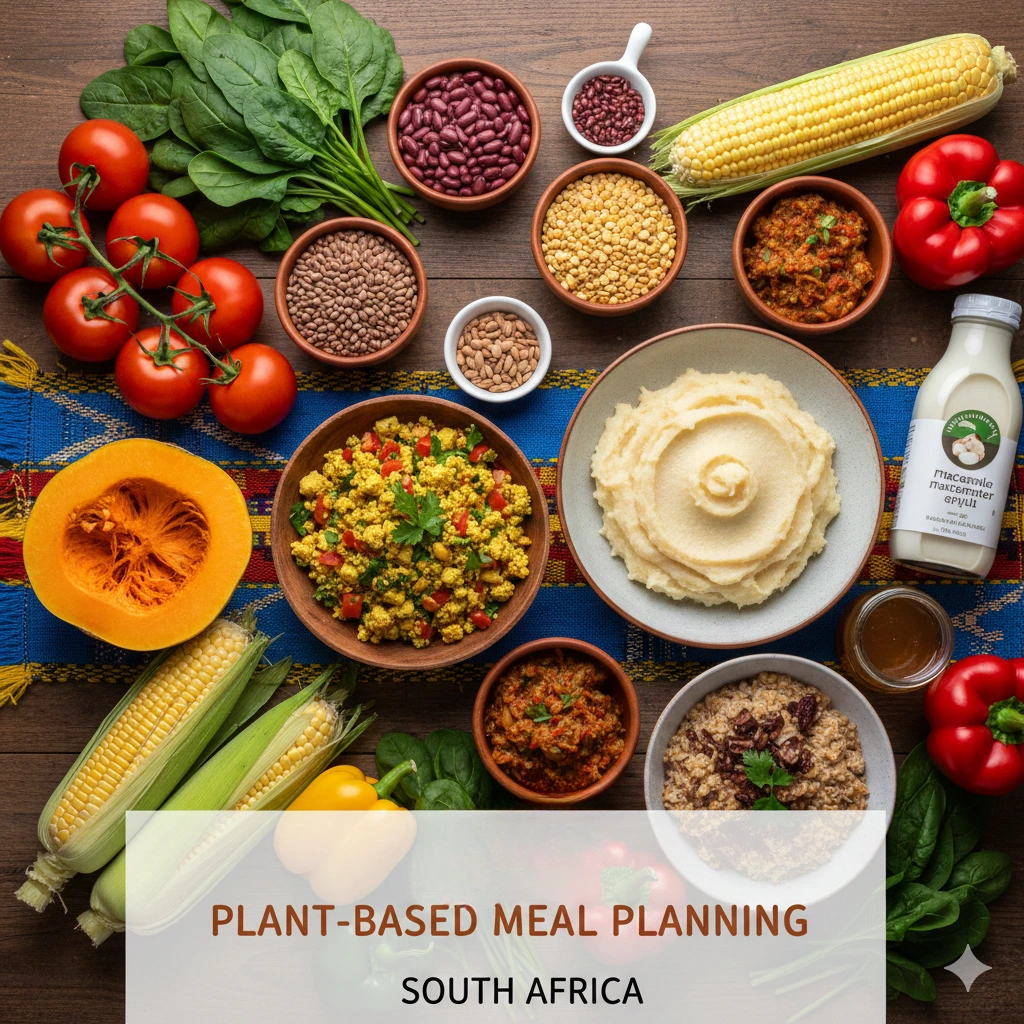
Transitioning to a plant-based lifestyle in South Africa has never been more accessible.
The ideal year to begin is 2026. Local food innovation is rising, and people are reverting to traditional, nutrient-rich staples.
This tutorial provides a concise overview of meal planning for beginners on a plant-based diet in South Africa.
You can improve your health, save money, and eat healthily.
Introduction to Beginner Plant-Based Meal Planning in South Africa
Welcome to the future of South African eating. In 2026, the “Green Shift” is no longer just a trend in Cape Town or Sandton; it is a nationwide movement.
Beginner Plant-Based Meal Planning in South Africa is about more than just “quitting meat.” It is about embracing the rich, plant-forward heritage of our land.
South Africans have always depended on plants for food. Traditional Chakalaka has protein-rich sugar beans. Sorghum and maize have fed our ancestors for centuries.
Today, we are simply modernising those roots.
Whether it’s for your heart, wallet, or the planet, this guide is for you. It shows you how to navigate local supermarkets and kitchens easily.
I’ll also share the system I use in my plant-based meal planning.
Why Start Beginner Plant-Based Meal Planning in South Africa Now?
There has never been a more critical time to reconsider what is on your plate.
Here is why thousands of South Africans are making the switch this year:
Health Benefits: Fighting Local Health Challenges
South Africa faces high rates of lifestyle diseases. These include type 2 diabetes and hypertension.
A plant-based diet is high in fibre and antioxidants. Studies show it helps manage these risks.
Focusing on beginner plant-based meal planning in South Africa fuels your body. It gives you anti-inflammatory foods. These foods support long-term health.
Economic Impact: Beating Inflation at the Till
In 2026, the price of animal protein continues to climb. Research shows that:
- Beef and Lamb: Can cost up to R200–R300 per kilogram.
- Dried Beans and Lentils: Cost as little as R30–R40 per kilogram and expand when cooked. You can cut your weekly grocery costs a lot by eating more legumes and grains. You will still meet your protein goals by making this shift.
Environmental Responsibility
South Africa is a water-scarce country.
Producing plant proteins requires significantly less water and land than livestock farming.
Choosing plant-based meals is a direct way to support South African conservation efforts.
Understanding the Foundations of Plant-Based Nutrition in SA
To succeed in (soy, kidney, and) Beginner Plant-Based Meal Planning in South Africa, know the local “Optimum Trolley.”
This is your blueprint for a balanced plate.
The Starchy Base: South Africa’s Energy
Don’t fear carbs! Our local staples are fantastic for plant-based energy:
- Maize Meal (Pap): A fortified, low-cost energy source.
- Samp and Beans: A complete protein source when eaten together.
- Sorghum: An indigenous “supergrain” that is gluten-free and high in iron.
Protein Power: The “Big Three”
You don’t need expensive imported mock meats to get protein. Focus on:
- Legumes: Lentils, chickpeas, and various beans (soya, kidney, sugar).
- Soya Tofu: Now widely available at Checkers and Pick n Pay for an affordable price.
- Local Nuts: South Africa is a top producer of macadamia nuts—use them for healthy fats and creaminess.
Essential Nutrients for South Africans
When planning, keep these three “Nutrients of Concern” in mind:
- Vitamin B12: B12 isn’t found in plants. Check for fortified nutritional yeast or a simple supplement from Clicks or Dis-Chem.
- Iron: Pair spinach or lentils with vitamin C. Use lemon juice or tomatoes to help your body absorb iron more effectively.
- Calcium: Choose calcium-fortified oat or soy milks. They’re now common in most coffee shops.
I’ve included a list of foods to choose from.
Step-by-Step Guide: Beginner Plant-Based Meal Planning in South Africa
Transitioning doesn’t have to happen overnight. Follow these steps to make Beginner Plant-Based Meal Planning South Africa a permanent habit.
Step 1: The Pantry Audit
Don’t throw everything out! Instead, as you finish your meat-based products, replace them with plant versions. Swap your chicken stock for vegetable stock. Replace honey with agave or local maple-style syrups.
Step 2: The “Sub, Don’t Eliminate” Rule
You don’t need to learn a whole new cuisine. Use your favourite recipes and swap the protein:
- Bolognese: Use brown lentils instead of beef mince.
- Curries: Use chickpeas or roasted cauliflower instead of chicken.
- Braai: Try marinated “Mushroom Steaks” or the iconic Fry’s Family Food patties.
Step 3: The 2026 Grocery Shopping Strategy
To find easy plant-based meal options in South Africa, check the store’s perimeter. There, you’ll find fresh produce.
Also, check the bulk aisles for dried goods.
- Budget Tip: Buy your beans, rice, and oats in bulk (2 kg or 5 kg bags) to save up to 20% over the month.
Local Flavours: South African Plant-Based Recipe Ideas
In 2026, Beginner Plant-Based Meal Planning in South Africa highlights “Mzansi” flavours.
You do not need to look far for inspiration. Our traditional pantry is already a goldmine for plant-powered nutrition.
Breakfast: Powering Your Morning
- Rooibos-Infused Overnight Oats: Soak your oats in cold Rooibos tea with a splash of soy milk. Add local flaxseeds and a handful of seasonal berries.
- Tofu Scramble with Chakalaka: Crumble firm tofu into a pan with turmeric and nutritional yeast. Add a big spoonful of spicy Chakalaka. It provides a familiar, savoury “eggy” start to the day.
Lunch: Quick and Nutrient-Dense
- Sugar Bean Bunny Chow: Replace the meat curry with a thick, hearty sugar bean sishebo. Use a hollowed-out loaf of whole-wheat bread for a fibre boost.
- Sorghum Grain Bowls: Sorghum is our local supergrain. Combine cooked sorghum and roasted butternut. Add chickpeas. Spoon on beetroot hummus. Enjoy your lunch!
Dinner: Comfort Food Reimagined
- Lentil and Butternut Bobotie: Use brown lentils and grated butternut instead of beef mince. Top with a creamy dairy-free custard made from silken tofu or coconut milk.
- The Vegetarian Braai: Braai culture is for everyone. Marinate large brown mushrooms in garlic and rosemary for “steaks.” Or, grill corn on the cob (mielies) with chilli and a brush of dairy-free margarine.
2026 Trends: The Future of Plant-Based Eating in SA
The landscape of Beginner Plant-Based Meal Planning in South Africa is changing fast. Technology is making plant-based foods taste better and cost less than ever.
Fungi and the Rise of Mycoprotein
Mushrooms are the stars of 2026.
We now have more than just sliced button mushrooms. We also see “Mycoprotein”—a protein made from fungi.
It has a hearty texture, making it ideal for local dishes such as schnitzels and “chicken” strips. It is low in fat and extremely high in fibre, making it a gut-health champion.
Precision Fermentation: Dairy 2.0
This is the most significant breakthrough for South Africans who miss cheese.
Precision fermentation uses tiny microbes. They produce dairy proteins such as whey and casein. This happens without any cows.
The result?
Dairy-free cheese that actually melts and stretches on your pizza.
South African retail leaders are quickly growing these sections. This helps meet the needs of the 81% of our population who are lactose intolerant.
The “Clean Label” Shift
In 2026, consumers want to see fewer chemicals.
We are shifting from processed oils to “whole-food” binders. Now, we use citrus fibre and oat fibre.
When you shop, choose products with shorter ingredient lists. Look for ones that highlight real vegetables and grains.
Overcoming Challenges in Beginner Plant-Based Meal Planning in South Africa
Starting something new is rarely a straight line.
Here is how to navigate the everyday bumps in the road:
Handling the Sunday Braai
Don’t feel obligated to skip the social gatherings. Bring your own “Braai-broodjies” made with dairy-free cheese and onion.
Many South African hosts now welcome “flexitarian” guests.
Just let them know ahead of time, or bring a big, colourful plant-based salad to share.
Managing Your Time
The secret to Beginner Plant-Based Meal Planning in South Africa is batch cooking.
On a Sunday, cook a massive pot of lentils or beans. You can turn these into a stew on Monday, a wrap filling on Tuesday, and a salad topper on Wednesday.
This saves you from the “What’s for dinner?” panic at 6:00 p.m.
Dealing with Cravings
If you crave meat, your body might just be asking for savoury “umami” flavours.
Boost your meals with soy sauce, nutritional yeast, or smoked paprika. These ingredients trick your brain into feeling satisfied without the animal products.
The full system is inside the book on affordable eating.
FAQ: People Also Ask About Plant-Based Eating in SA
Understanding Beginner Plant-Based Meal Planning in South Africa often comes with many questions.
Based on 2026 search trends and local concerns, here are the most important answers:
Is a plant-based diet expensive in South Africa?
Actually, it can be much cheaper! “Mock meats” and special vegan cheeses can be expensive. But a diet focused on local whole foods is quite affordable.
Use staples like lentils, dried beans, maize meal, and seasonal vegetables. This can cut your monthly grocery bill by up to 25% compared to a meat-heavy diet.
How do I get enough protein without meat?
South Africa has incredible plant protein sources. By combining foods, you can easily satisfy your protein requirements. Add legumes such as black beans and chickpeas. Include grains like sorghum and oats. Also consider seeds such as pumpkin or sunflower seeds. In 2026, appetizers like as roasted chickpeas and nut butter are popular. They add protein to your dietary plan.
Where can I find vegan alternatives, such as Fry’s or Woolworths PlantLove?
You no longer have to visit speciality health shops. Major retailers like Checkers, Pick n Pay, and Woolworths have dedicated plant-based aisles. You can find many items at suburban branches. They offer dairy-free milks, such as ButtaNutt macadamia milk. You can also get plant-based burgers and vegan biltong.
Can children follow a plant-based meal plan safely?
Yes, but it requires careful planning. According to health experts, a well-planned plant-based diet is safe for all phases of life. Ensuring youngsters receive adequate amounts of iron and vitamin B12 is crucial. Focus on nutrient-dense foods such as peanut butter, iron-fortified cereals, and legumes. To address your child’s growth needs, see a licensed dietitian (ADSA) at all times.
Conclusion and Next Steps
Starting plant-based meal planning in South Africa is a great choice. It helps your health and the environment in 2026.
Choosing local, seasonal, and whole plant foods isn’t just trendy. It’s a way to reclaim a healthier lifestyle connected to our soil.
Remember, you do not have to be perfect. Start with “Meat-Free Mondays,” or try swapping one meal a day for a plant-based option.
Explore new flavours like Rooibos oats and bean-based Bobotie. This lifestyle isn’t about what you miss; it’s about the vibrant, diverse foods you gain.
Your 3-Day Action Plan:
- Monday: Purchase three 2-kg bags of staples (lentils, oats, and rice).
- Tuesday: Visit a local fruit and vegetable market for seasonal greens.
- Wednesday: Cook your first batch meal, such as a large pot of vegetable and bean curry.
Download your list of grocery staples for meal planning.