
Plant-Based Eating and Your Heart in South Africa
By Zama Zincume — Public Health Specialist & Plant-Based Food Writer
Quick Answer
Adopting a plant-based diet reduces your risk of cardiovascular disease by up to 25%, lowers blood pressure, and significantly reduces LDL (“bad”) cholesterol. In South Africa, where heart disease is a leading cause of non-communicable death, replacing refined carbs and processed meats with whole indigenous grains, legumes, and fresh vegetables provides powerful cardiovascular protection without breaking your monthly budget.
Key Takeaways
- Cardiovascular Risk Reduction: Peer-reviewed studies show whole-food, plant-based diets improve vascular endothelial function and reduce systemic inflammation.
- Local Accessibility: Nutrient-dense South African staples like samp, lentils, chakalaka, and sorghum are naturally heart-healthy, low-cost options.
- Hypertension Management: High dietary fibre and potassium intake directly lower elevated blood pressure, a key issue in South African public health.
- Progress over Perfection: You do not need to go 100% vegan overnight; swapping even two or three animal-protein meals per week for legumes yields measurable heart benefits.
Introduction: My Journey with Heart Health in South Africa
Growing up in South Africa, my weekends were defined by the scent of woodsmoke and braai meat. Like many South Africans, food was my love language, deeply tied to community, tradition, and family gatherings.
However, as I progressed in my public health practice, I faced an uncomfortable reality.
Day after day, I saw patients in their 40s and 50s struggling with preventable conditions: severe hypertension, elevated LDL cholesterol, and ischemic heart disease.
South Africa is facing a massive cardiovascular crisis, with non-communicable diseases taking an alarming toll on our communities.
When I began digging into cardiovascular research and exploring evidence shared by platforms like eatingplantbasedza.com, I realised we were missing a critical piece of the puzzle: our daily food choices.
Transitioning to a whole-food, plant-based eating pattern wasn’t just a trendy diet—it was a powerful preventive treatment for the heart.
Here is what science tells us about plant-based eating, its effects on the heart, and how we can apply it in practice right here in Mzansi.
Perhaps you may start with the Sunday Wellness Digest on Plant-Based Eating and Your Heart.
The Science: How Plant-Based Diets Protect Your Heart
When we look at peer-reviewed literature, the relationship between plant-based nutrition and cardiovascular health is remarkably clear.
1. Reversing Arterial Plaque and Lowering Cholesterol
Cardiovascular disease is largely driven by atherosclerosis; the buildup of fatty plaques inside the arterial walls. High levels of Low-Density Lipoprotein (LDL) Cholesterol penetrate the endothelial lining, oxidise, and trigger an inflammatory response that narrows blood vessels.
Whole plant foods contain zero dietary cholesterol and are extremely low in saturated fat.
Furthermore, they are rich in soluble fibre (such as beta-glucan found in oats and legumes). Soluble fibre binds to cholesterol-rich bile acids in the digestive tract, carrying them out of the body and forcing the liver to pull excess cholesterol from the bloodstream to produce more bile.
Clinical trials consistently show that transitioning to a whole-food plant-based diet can lower LDL cholesterol as effectively as first-line statin therapy in some patients.
2. Lowering Blood Pressure
Hypertension is often called the “silent killer” in South Africa. Plant-based diets are naturally rich in potassium, magnesium, and nitrates, while being inherently lower in sodium.
- Potassium counteracts sodium, helping the kidneys excrete fluid and relaxing blood vessel walls.
- Dietary Nitrates (abundantly found in leafy greens like spinach and beetroot) convert to nitric oxide in the body, prompting blood vessels to dilate and significantly lowering blood pressure.
3. Reducing Systemic Inflammation
Chronic low-grade inflammation damages blood vessel linings and destabilises plaque.
Animal products, refined oils, and ultra-processed foods often promote inflammatory pathways.
Plants, by contrast, are rich in phytonutrients, polyphenols, and antioxidants that neutralise free radicals and reduce inflammatory markers such as C-reactive protein (CRP).
Making It Work Locally: Affordable SA Plant-Based Swaps
A common misconception in South Africa is that eating plant-based requires expensive imported products, speciality health stores, or fancy meat alternatives.
In reality, traditional South African cuisine offers some of the most affordable and heart-healthy plant staples in the world.
| Traditional Heavy Option | Heart-Healthy Plant-Based Swap | Cardiovascular Benefit |
| Beef Mince Curry | Brown Lentil & Kidney Bean Curry | Reduces saturated fat to near zero; adds 15g+ of soluble fibre per serving. |
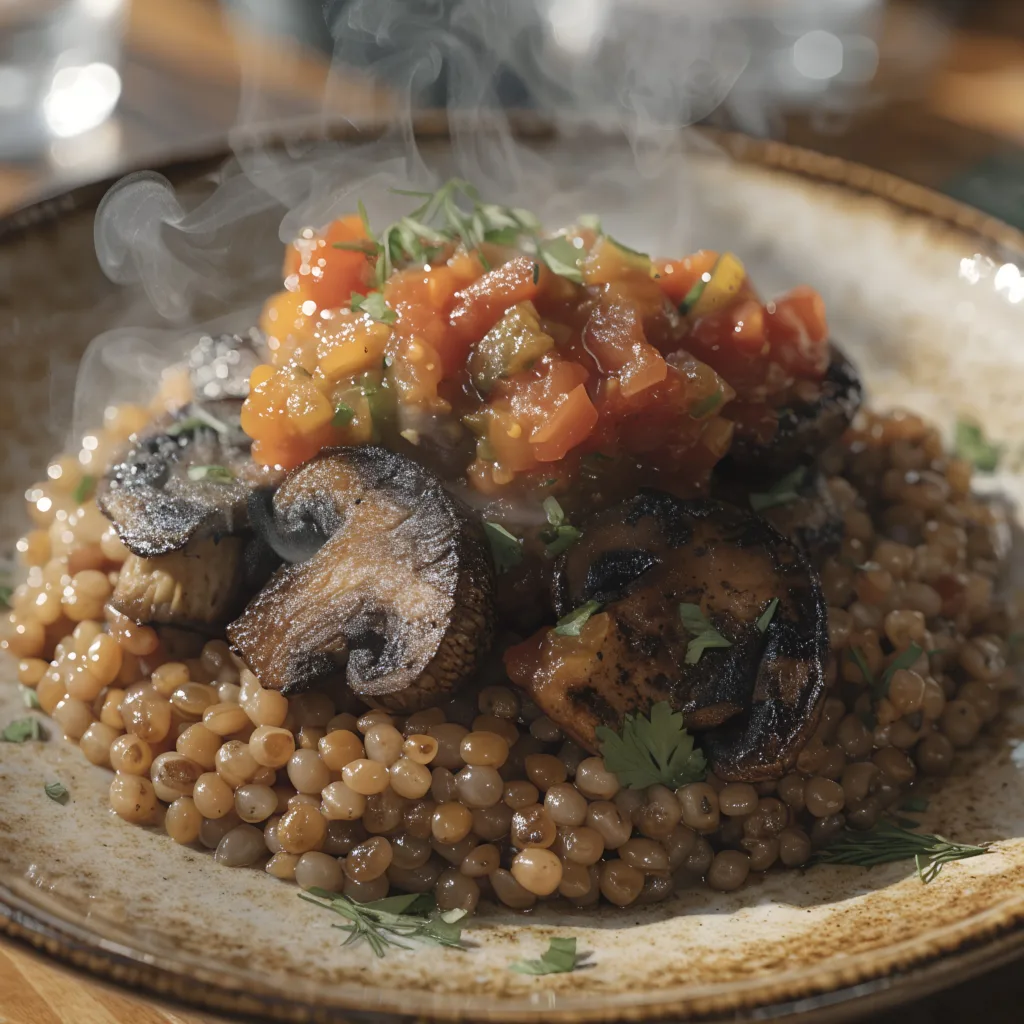
| Boerewors on Pap | Grilled Mushrooms & Chakalaka on Whole-Grain Sorghum | Lowers glycemic load, increases nitric oxide intake, and eliminates processed sodium. |
| Mayonnaise-heavy Potato Salad | Creamy Avocado & Lemon Herb Potato Salad | Replaces inflammatory trans/saturated fats with heart-protective monounsaturated fats. |
| Processed Breakfast Cereal | Rolled Oats with Flaxseeds & Fresh Berries | Beta-glucan fibre actively strips LDL cholesterol from the bloodstream. |
Step-by-Step Transition Plan for South Africans
1. Start with ‘Meatless Mondays’:Build momentum without overwhelm.
Do not overhaul your entire pantry on day one. Focus on replacing animal protein with legumes, beans, or lentils for just one full day a week. Try a rich chickpea tagine or a hearty lentil stew.
2. Upgrade Your Starch Base: Focus on whole, unrefined grains.
Swap white mealie meal, white rice, and refined white bread for whole-grain sorghum, brown rice, stampkoring, or samp. Whole grains stabilise blood sugar and protect endothelial function.
3. Master the Art of Local Spices: Flavour without added sodium.
Salt raises blood pressure. Build deep flavour using garlic, ginger, turmeric, cumin, smoked paprika, and fresh herbs instead of high-sodium stock cubes or salty pre-made sauces.
4. Crowd Out, Don’t Restrict: Focus on abundance.
Instead of worrying about what you are removing, focus on adding one extra serving of vegetables or legumes to every single meal. Fill half your plate with leafy greens, roasted squash, or fresh salad.
Addressing Common South African Concerns
“Will I get enough protein?”
This is the most frequent question I receive. The short answer is yes. Legumes (beans, lentils, chickpeas), soy products, whole grains, nuts, and seeds provide all the essential amino acids your body needs. Unlike animal protein, plant protein comes packaged with zero Cholesterol and high amounts of dietary fibre.
“Is eating plant-based more expensive?”
If you rely on processed “vegan meat substitutes,” yes. But if you rely on South African plant staples—dried beans, brown lentils, samp, seasonal vegetables, cabbage, spinach, and sweet potatoes—it is significantly cheaper than buying red meat or poultry every week.
Final Thoughts
Taking care of your heart doesn’t mean abandoning South African food culture.
It simply means returning to the wholesome, plant-rich foods that nourish our bodies from the inside out.
Every plant-based meal you choose is an active investment in your long-term health, blood vessels, and longevity.